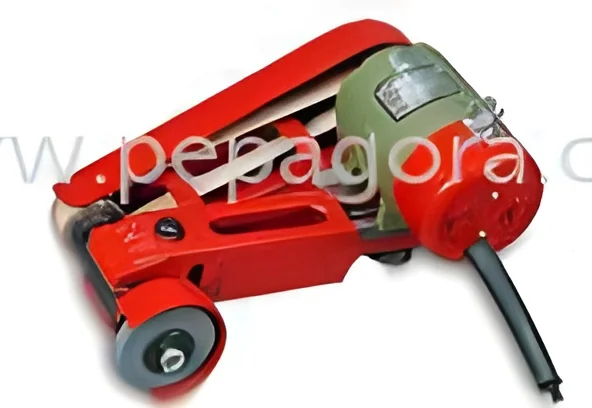
What are Cylindrical Grinding Machines?
Cylindrical grinding machines are precision tools used for shaping and finishing cylindrical workpieces. These machines utilize a rotating grinding wheel to remove material from the surface of the workpiece, achieving a smooth and accurate finish. The workpiece is typically held in place on a bed and rotated against the grinding wheel. This process is essential in many manufacturing environments where high precision and surface quality are critical.
Cylindrical grinding machines are widely used in various industries, including automotive, aerospace, and manufacturing. They are employed to grind parts such as shafts, spindles, and bushings, ensuring they meet stringent tolerances and surface finish requirements. These machines can handle both external and internal surfaces, making them versatile for different applications. The relevance of cylindrical grinding machines in today's market is significant, as they contribute to the efficiency and productivity of manufacturing processes, helping companies maintain competitiveness in a rapidly evolving industrial landscape.
Key Features and Specifications
Cylindrical grinding machines come with a range of features that enhance their performance and usability. These features include advanced controls, high-speed motors, and robust construction for durability. Understanding the specifications is crucial for selecting the right machine for specific applications.
Key specifications include:
1. Grinding Wheel Size
- Typically ranges from 200 mm to 600 mm in diameter.
- Affects the type of workpieces that can be processed.
2. Maximum Workpiece Length
- Commonly accommodates lengths from 300 mm to 3000 mm.
- Ensures versatility for various workpiece sizes.
3. Maximum Workpiece Diameter
- Generally ranges from 100 mm to 300 mm.
- Determines the thickness of the workpieces that can be ground.
4. Spindle Speed
- Ranges from 1500 RPM to 6000 RPM.
- Influences the grinding efficiency and finish quality.
5. Power Consumption
- Typical range is between 2 kW and 15 kW.
- Important for assessing operational costs.
6. Control System
- Options include manual, semi-automatic, and fully automatic.
- Affects ease of use and precision.
7. Weight of the Machine
- Varies from 500 kg to over 2000 kg.
- Impacts stability and installation requirements.
8. Cooling System
- Some machines come with integrated cooling systems.
- Essential for preventing overheating during operations.
In summary, understanding these key specifications helps buyers make informed decisions based on their specific grinding needs.
Common Applications and Use Cases
Cylindrical grinding machines are utilized in numerous industries, each with unique requirements and applications.
1. Automotive: In the automotive sector, these machines are used for grinding engine components, such as crankshafts and camshafts, which require high precision and durability.
2. Aerospace: Aerospace manufacturers rely on cylindrical grinding for parts like landing gear and turbine shafts, where accuracy and surface finish are critical for safety and performance.
3. Manufacturing: General manufacturing employs cylindrical grinding for various components, including bearings and axles, ensuring they meet strict quality standards.
4. Tool and Die Making: Toolmakers use these machines for producing precision tools and dies, maintaining tight tolerances essential for part production.
5. Medical Equipment: In the medical field, cylindrical grinding machines are used for manufacturing surgical instruments and implants, where precision is vital for functionality.
6. Oil and Gas: This industry requires cylindrical grinding for drilling components and valves, where reliability and performance are crucial.
7. Electronics: Manufacturers in the electronics sector may use cylindrical grinding to produce precise components for devices, ensuring they fit within required specifications.
Product Variants and Subcategories
Cylindrical grinding machines come in various configurations to meet the diverse needs of different industries.
Universal Cylindrical Grinding Machines: These machines are versatile and can perform both external and internal grinding. They are suitable for small to medium-sized workpieces and are ideal for job shops.
Centerless Grinding Machines: These are used for grinding cylindrical workpieces without the need for a center fixture. They are commonly employed in high-volume production environments for parts like rods and tubes.
External Cylindrical Grinding Machines: These machines focus solely on the outer surface of cylindrical workpieces, making them perfect for applications that require high precision on outer diameters.
Internal Cylindrical Grinding Machines: Designed specifically for grinding the internal surfaces of workpieces, these machines are essential for producing high-precision holes and bores.
Benefits and Advantages
Cylindrical grinding machines offer several benefits that enhance manufacturing processes.
1. High Precision: These machines provide exceptional accuracy, ensuring workpieces meet strict tolerances.
2. Versatility: Capable of grinding both external and internal surfaces, they cater to a wide range of applications.
3. Improved Surface Finish: The grinding process results in superior surface finishes, which are essential for many industries.
4. Increased Productivity: Advanced automation and high-speed capabilities help manufacturers increase production rates.
5. Cost-Effectiveness: By optimizing material removal rates, these machines reduce waste and save costs in the long run.
6. Enhanced Reliability: Robust construction and precision engineering lead to long-lasting performance and minimal downtime.
Buying Guide for B2B Buyers
When sourcing cylindrical grinding machines, B2B buyers should consider several critical factors to ensure they make informed purchasing decisions.
1. Quality Assessment: Evaluate the build quality and precision of the machines. Look for manufacturers that adhere to international standards and have a proven track record of delivering reliable products.
2. Supplier Verification: Conduct thorough background checks on suppliers to ensure they are reputable and have positive reviews from previous customers. This helps to mitigate risks associated with purchasing equipment.
3. Pricing and MOQ: Understand the pricing structures and minimum order quantities (MOQ) of different suppliers. Compare costs while considering the quality and features offered.
4. Delivery and Lead Times: Assess the suppliers' ability to meet your delivery requirements. Timely delivery is crucial for maintaining production schedules.
5. Compliance Requirements: Ensure that the machines meet relevant industry standards and regulations. This may include safety certifications and compliance with environmental regulations.
Compliance and Certifications
Cylindrical grinding machines must adhere to various quality standards and certifications to ensure safety and performance.
ISO 9001 is a widely recognized quality management standard that demonstrates a manufacturer's commitment to quality and continuous improvement. Companies that comply with ISO 9001 are often more reliable and efficient.
CE certification is crucial for machines sold in the European market. This certification indicates that the equipment meets health, safety, and environmental protection standards.
Safety and testing requirements are also essential in the manufacturing process. Machines must go through rigorous testing to ensure they operate safely and effectively.
Regional compliance considerations may vary based on local regulations and industry standards. Buyers should be aware of these requirements to avoid legal issues and ensure smooth operations.
Why Source Cylindrical Grinding Machines from Pepagora?
Pepagora provides a trusted platform for sourcing cylindrical grinding machines with several key advantages for B2B buyers.
Verified Supplier Network: Pepagora features a network of verified suppliers, ensuring that buyers have access to reputable manufacturers. This verification process helps mitigate risks associated with quality and reliability.
Streamlined RFQ Process: The platform offers a simplified Request for Quotation (RFQ) process, allowing buyers to easily compare offerings from different suppliers. This efficiency can save time and facilitate better purchasing decisions.
Trade Assurance and Support: Pepagora provides trade assurance, protecting buyers from potential issues during the transaction. This support offers peace of mind and encourages confident purchasing.
Regional Coverage: With a strong presence in India, the GCC, and Southeast Asia, Pepagora connects buyers with suppliers across diverse markets. This geographic reach enhances the chances of finding the right cylindrical grinding machine tailored to specific needs.

 IN
IN