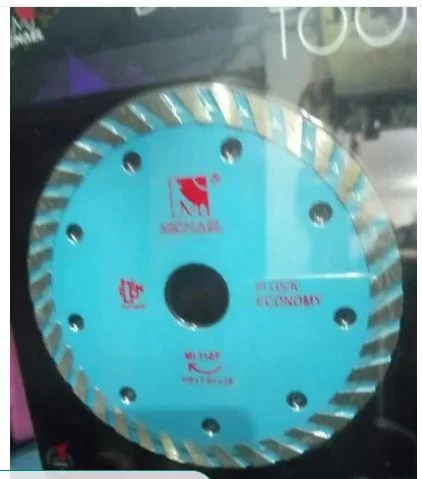
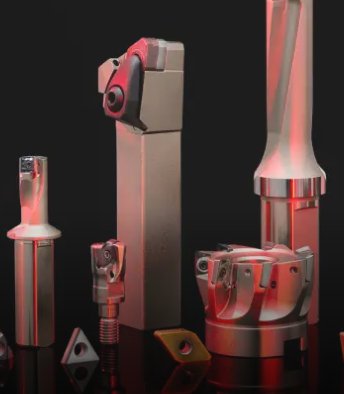
What are Cutting Tools & Inserts?
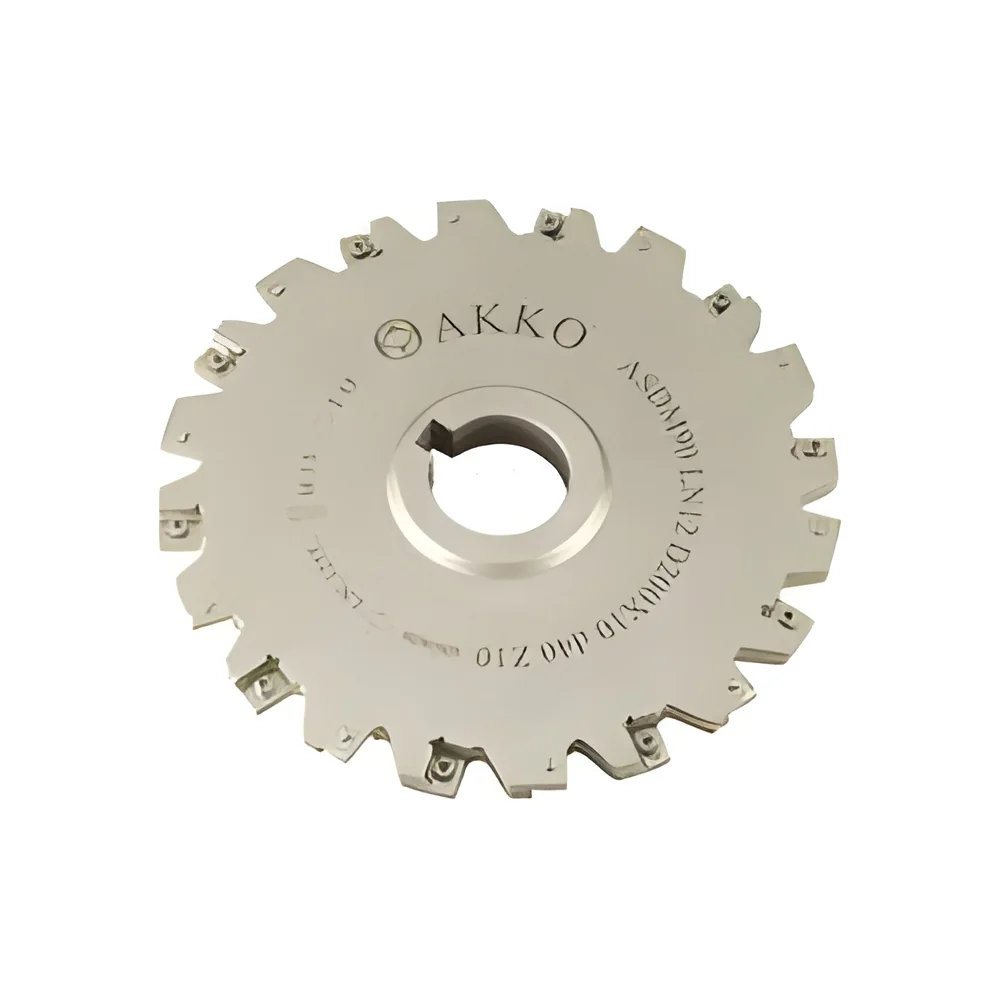
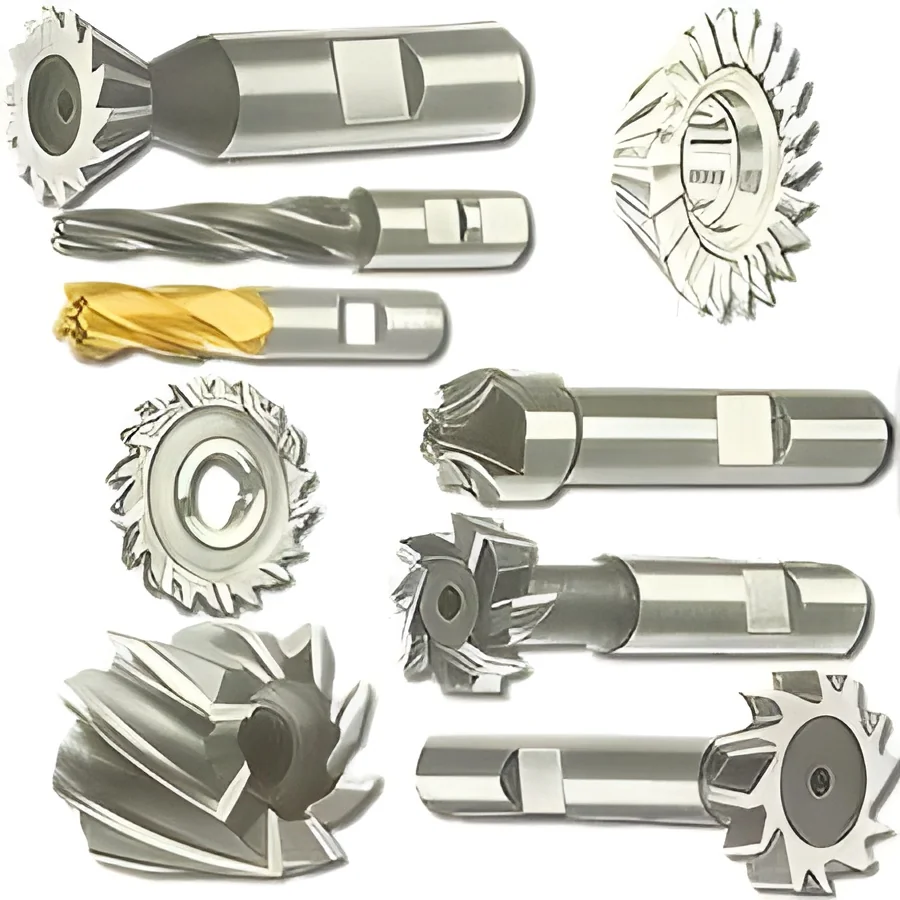
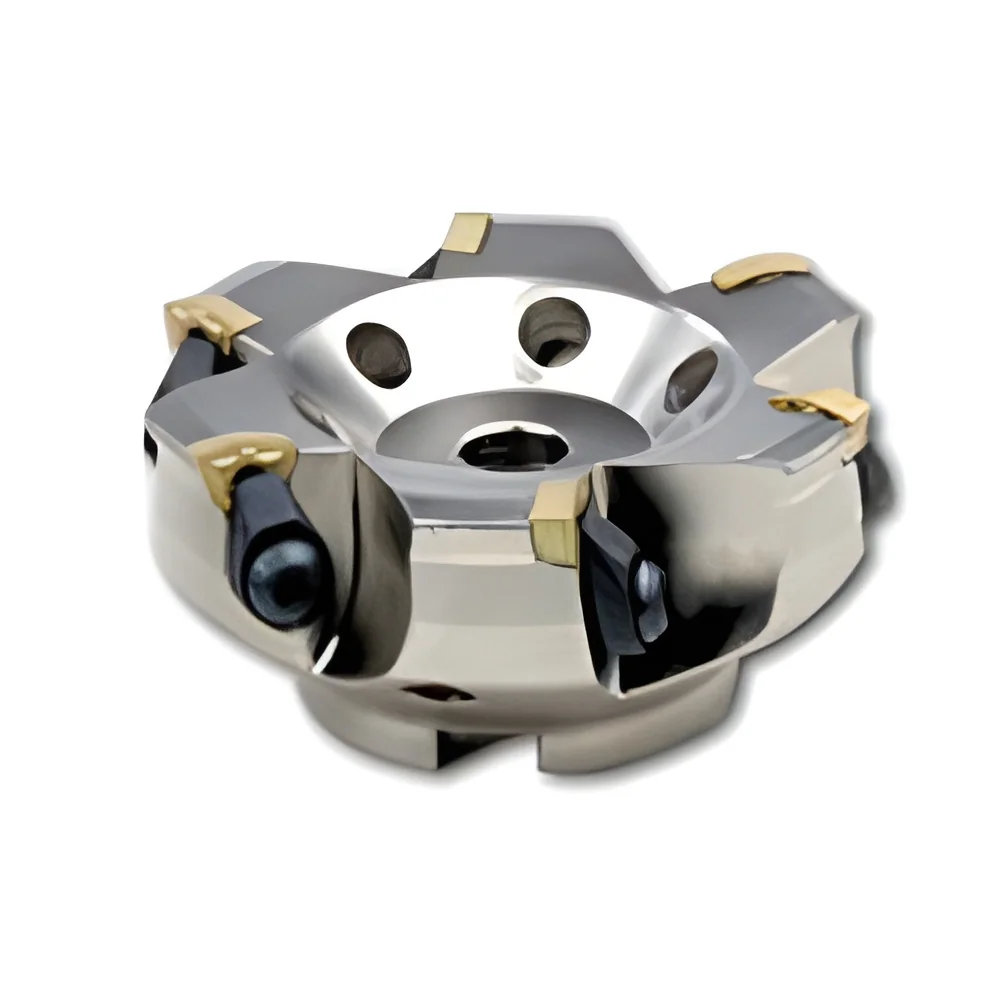
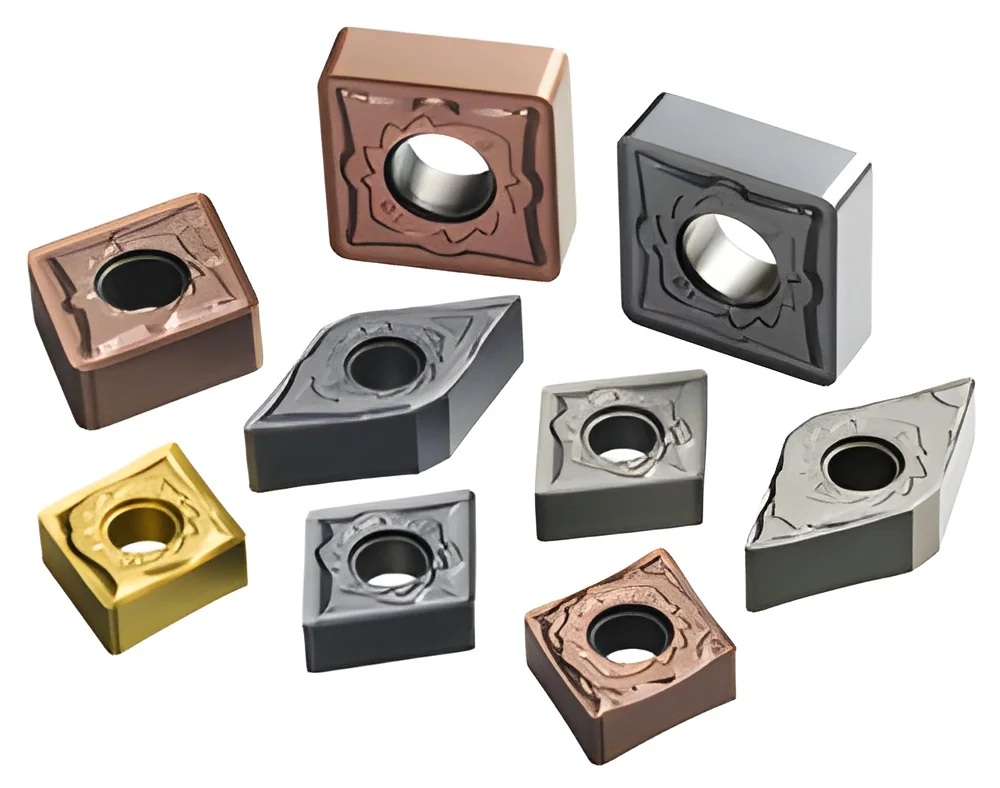
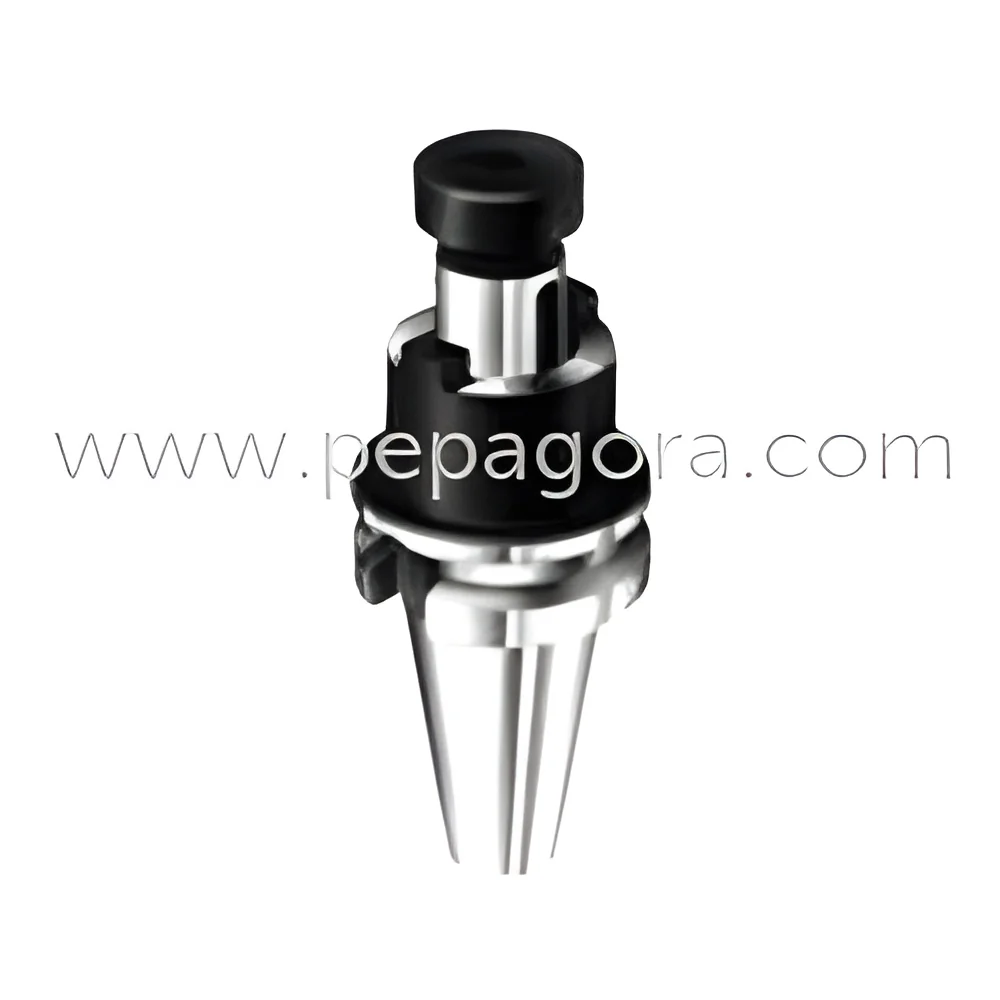
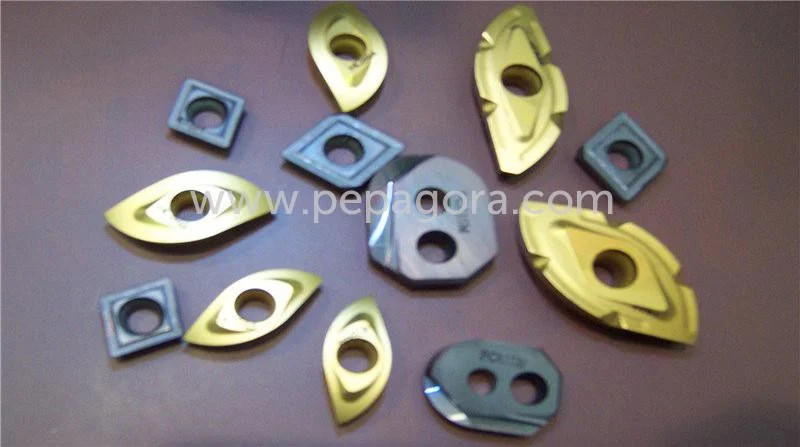
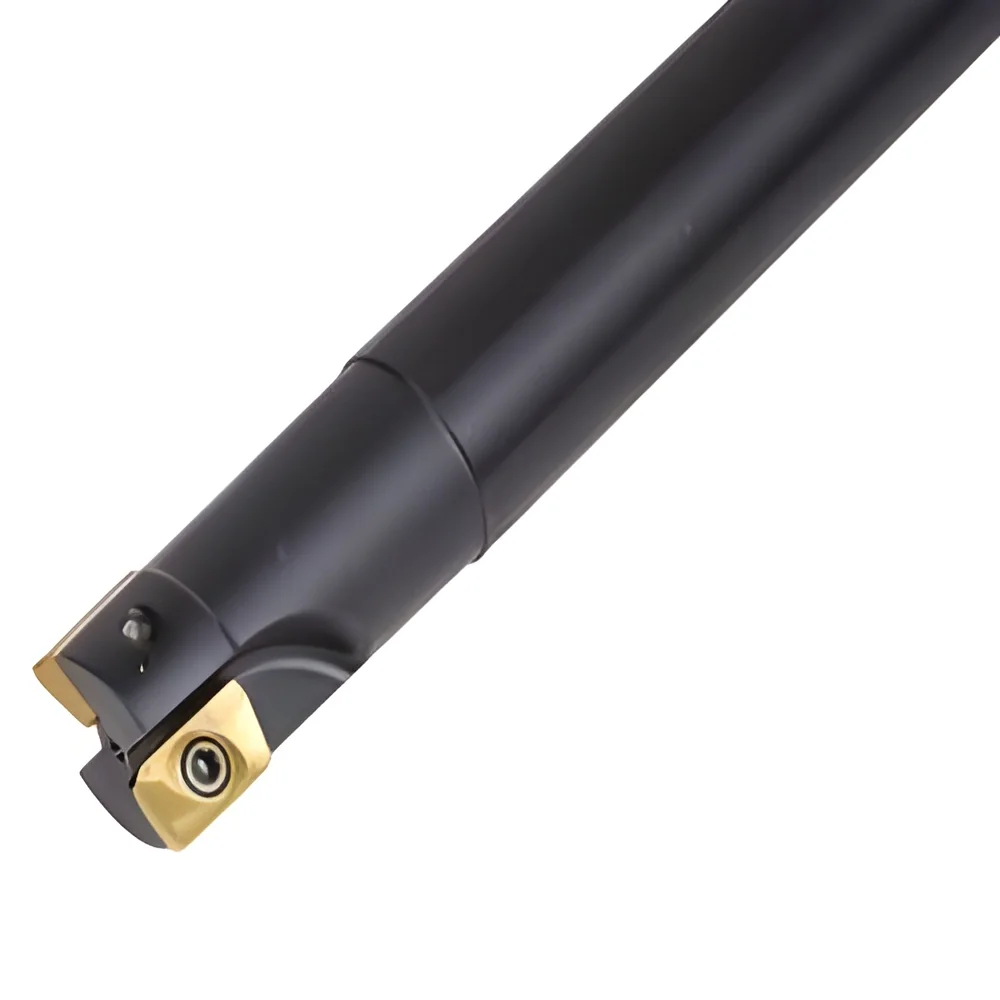
Cutting tools and inserts are essential components used in manufacturing processes for shaping and machining materials. A cutting tool is typically a hard, sharp-edged device that removes material from a workpiece through various cutting actions. Inserts, on the other hand, are replaceable tips attached to cutting tools, designed to enhance performance and durability. They are made from advanced materials that can withstand high temperatures and pressures, allowing for efficient cutting in a variety of applications.
These tools are primarily used in industries such as automotive, aerospace, and metalworking for tasks like turning, milling, drilling, and grinding. Their versatility makes them crucial for precision machining, enabling manufacturers to achieve specific tolerances and surface finishes. As industries evolve, the demand for high-quality cutting tools and inserts continues to grow, driven by the need for efficiency and productivity in manufacturing operations.
In today's competitive market, cutting tools and inserts are not just functional items; they are integral to the overall effectiveness of manufacturing processes. As companies seek to improve their production capabilities, investing in high-quality cutting tools and inserts becomes increasingly relevant.
Key Features and Specifications
Cutting tools and inserts come with several features and specifications that enhance their performance and efficiency. Understanding these specifications is vital for selecting the right tools for specific applications.
Key specifications include:
1. Material Composition
- Common materials include carbide, high-speed steel, and ceramic.
- Each material offers different hardness and wear resistance characteristics.
2. Tool Geometry
- Refers to the shape and angles of the cutting edge.
- Influences cutting efficiency and chip removal.
3. Coating Type
- Coatings such as TiN, TiAlN, and diamond enhance tool life and performance.
- Provides additional protection against wear and heat.
4. Insert Shape
- Various shapes like square, round, and triangular cater to different cutting tasks.
- Each shape affects the cutting action and surface finish.
5. Clamping Method
- Determines how the insert is held in place.
- Impacts stability during operation.
6. Tolerance Range
- Specifies the acceptable limits for dimensions.
- Essential for ensuring precision in machining.
7. Cutting Speed
- Recommended speeds for different materials and operations.
- Influences the efficiency and quality of the cut.
8. Feed Rate
- Indicates the speed at which the tool advances into the material.
- Affects the overall machining process and tool wear.
In summary, selecting cutting tools and inserts with the right features and specifications is crucial for optimizing manufacturing processes and ensuring high-quality outputs.
Common Applications and Use Cases
Cutting tools and inserts are used across a wide range of industries, each with specific applications that require precision and reliability.
1. Automotive: In the automotive sector, cutting tools are used for machining engine components, transmission parts, and chassis components, ensuring high precision and durability.
2. Aerospace: Aerospace manufacturing relies on cutting tools for machining complex parts like turbine blades and airframe components, where precision and material integrity are critical.
3. Metalworking: The metalworking industry utilizes cutting tools for fabricating various metal components, including structural parts, tools, and dies, often requiring high production rates.
4. Electronics: In electronics manufacturing, cutting tools are essential for producing intricate circuit boards and components, demanding meticulous attention to detail.
5. Construction: Cutting tools aid in the fabrication of building materials, such as metal beams and frames, which require precise cuts for assembly.
6. Medical Devices: The production of medical devices often involves machining components with strict tolerances, making high-quality cutting tools indispensable.
7. Oil and Gas: Cutting tools are used in the oil and gas industry for drilling operations, where reliability and performance under extreme conditions are vital.
Product Variants and Subcategories
Cutting tools and inserts come in various types, each designed for specific applications and materials. This diversity allows manufacturers to select the most suitable tools for their needs.
Carbide Inserts
Carbide inserts are known for their hardness and resistance to wear. They are ideal for high-speed machining and can handle tough materials like steel and titanium. Their longevity reduces downtime and enhances productivity.
High-Speed Steel Tools
High-speed steel tools are versatile and cost-effective, suitable for a range of machining operations. They provide good cutting performance and are often used for lower-speed applications.
Ceramic Inserts
Ceramic inserts are used for high-temperature applications and provide excellent wear resistance. They are particularly effective in machining hard materials and can withstand extreme conditions.
Cobalt Tools
Cobalt tools offer enhanced toughness and are ideal for working with difficult-to-machine materials. They provide a balance of wear resistance and durability.
Benefits and Advantages
Investing in high-quality cutting tools and inserts brings several advantages to manufacturers.
1. Enhanced Productivity: High-quality tools enable faster machining processes, leading to increased output and efficiency.
2. Improved Tool Life: Durable materials and coatings extend the life of cutting tools, reducing replacement frequency and associated costs.
3. Precision Machining: Well-designed cutting tools ensure accurate cuts and tolerances, resulting in superior product quality.
4. Versatility: Cutting tools can be used for various applications, making them adaptable for different manufacturing needs.
5. Reduced Downtime: Reliable tools lead to fewer breakdowns and interruptions, maintaining continuous production flow.
6. Cost-Effectiveness: While the initial investment may be higher, the long-term savings from reduced tool wear and increased efficiency justify the cost.
Buying Guide for B2B Buyers
When sourcing cutting tools and inserts, it is essential to consider several key factors to ensure optimal performance and cost-effectiveness.
1. Quality Assessment: Evaluate the quality of materials and manufacturing processes. High-quality tools will perform better and last longer, reducing overall costs.
2. Supplier Verification: Conduct thorough checks on suppliers to ensure reliability. Look for certifications and reviews to assess their credibility in the market.
3. Pricing and MOQ: Understand the pricing structure and minimum order quantities. This helps in budget planning and ensures you can meet production demands.
4. Delivery and Lead Times: Discuss logistics with suppliers to ensure timely delivery of products. Delays can impact production schedules and overall efficiency.
5. Compliance Requirements: Ensure that the tools meet necessary regulatory standards and certifications relevant to your industry. Compliance guarantees safety and quality.
Compliance and Certifications
Cutting tools and inserts must adhere to various compliance standards and certifications to ensure quality and safety.
ISO 9001 is a widely recognized standard that outlines the requirements for a quality management system. Compliance with this standard ensures that manufacturers meet customer and regulatory requirements consistently.
CE certification indicates that products conform to health, safety, and environmental protection standards within the European Economic Area. This certification is crucial for businesses operating in or exporting to European markets.
Safety and testing requirements are vital for ensuring that cutting tools operate effectively and safely in manufacturing environments. Regular testing helps identify any potential issues before they cause problems.
Regional compliance considerations may vary depending on local regulations. It is essential for manufacturers to stay informed about relevant compliance requirements in the regions they operate.
Why Source Cutting Tools & Inserts from Pepagora?
Pepagora provides a trusted platform for sourcing cutting tools and inserts, offering several key advantages to B2B buyers.
Verified Supplier Network: Pepagora ensures a robust network of verified suppliers, giving buyers confidence in the quality and reliability of the products offered. Each supplier undergoes a thorough vetting process to maintain high standards.
Streamlined RFQ Process: The request for quotation (RFQ) process on Pepagora is designed to be user-friendly. Buyers can easily submit their requirements and receive competitive quotes from multiple suppliers, simplifying the sourcing process.
Trade Assurance and Support: Pepagora offers trade assurance to protect buyers throughout the purchasing process. This includes support for dispute resolution and ensuring that products meet specified standards.
Regional Coverage: With a strong presence in India, the GCC, and Southeast Asia, Pepagora provides extensive geographical coverage. This enables businesses to access a diverse range of cutting tools and inserts tailored to their specific needs, regardless of location.

 IN
IN