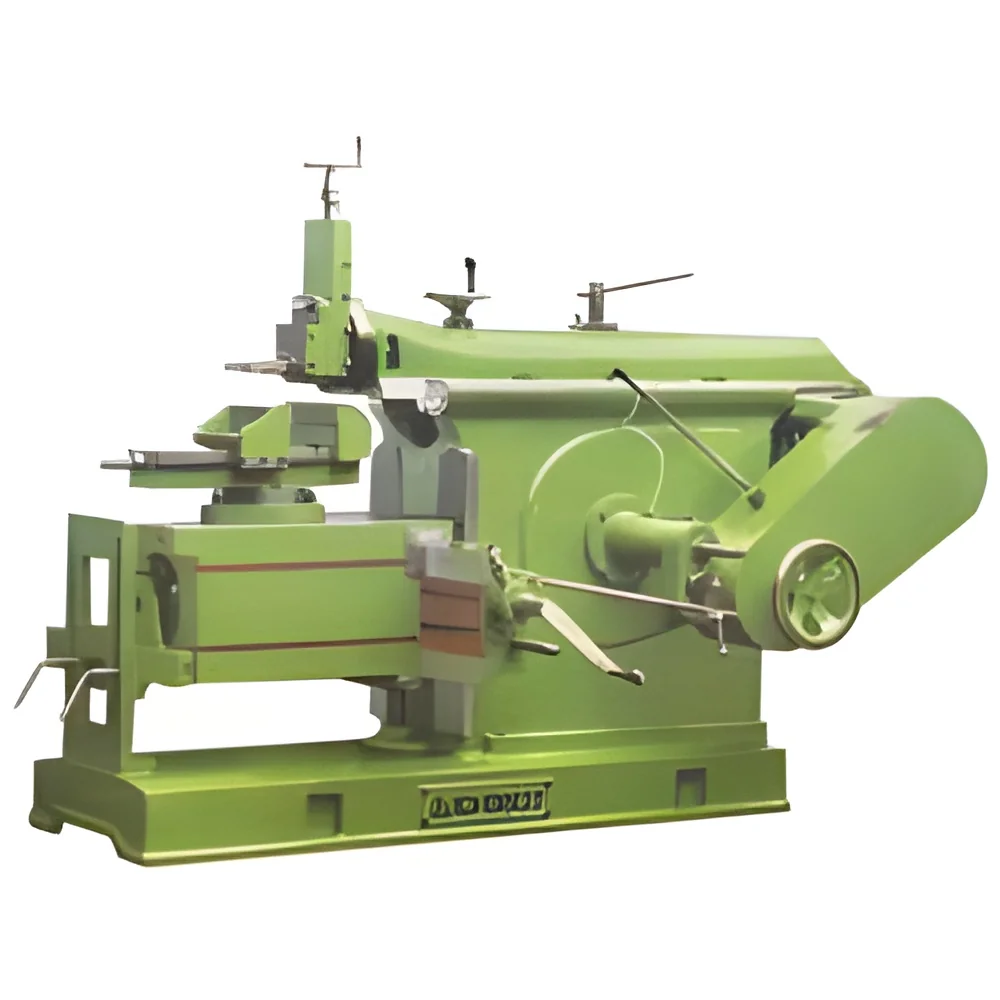
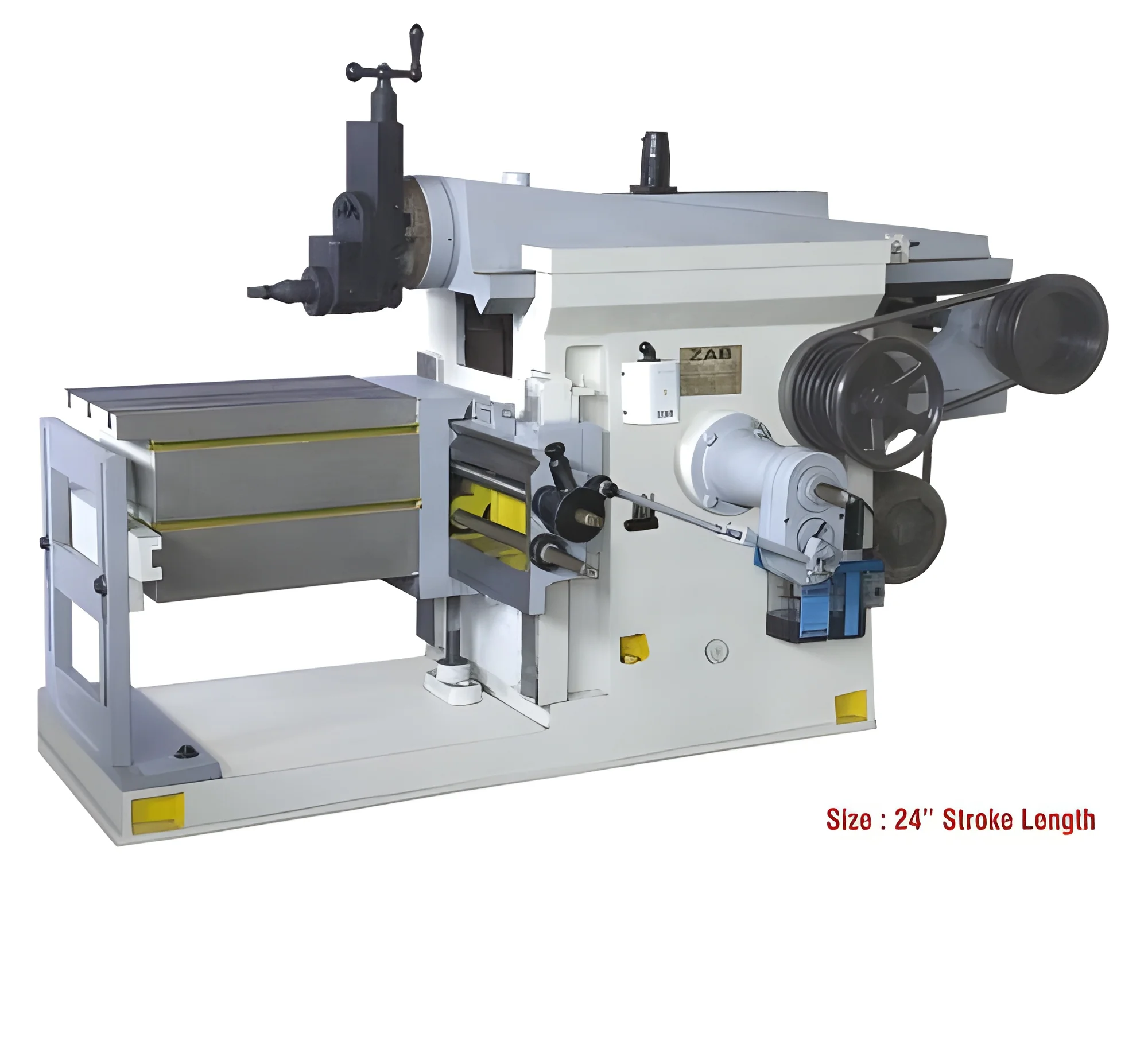
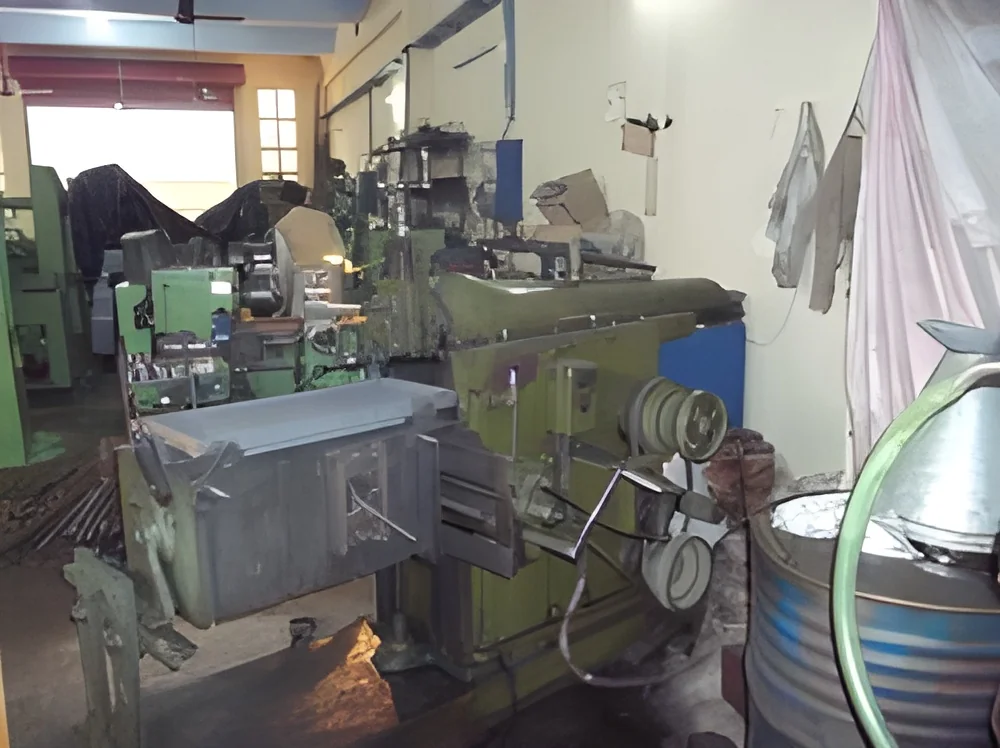
What are Shaping Machines?
Shaping machines are essential tools used in various industrial applications for cutting and shaping materials. They operate by moving a cutting tool back and forth across the workpiece, allowing for precise machining of different shapes and profiles. The versatility of shaping machines makes them suitable for a wide range of materials, including metals, plastics, and wood. They can be operated manually or automatically, depending on the complexity of the task and the requirements of the production process.
These machines find primary use in industries such as manufacturing, automotive, and aerospace. They are integral in creating components like gears, crankshafts, and other intricate parts that require high precision. Shaping machines are particularly valued for their ability to produce complex shapes that would be challenging to achieve with other machining methods. Their relevance in the market is underscored by the ongoing demand for precision components in various sectors, emphasizing the importance of investing in quality shaping machines for long-term operational efficiency.
Key Features and Specifications
Shaping machines come with a variety of features and specifications that enhance their performance and usability. These specifications help buyers assess the suitability of machines for their specific applications and operational needs.
Key specifications include:
1. Cutting Speed
- The rate at which the cutting tool moves across the workpiece.
- Typically ranges from 10 to 200 meters per minute.
2. Stroke Length
- The distance the cutting tool travels in one complete cycle.
- Usually varies from 100 mm to 1200 mm depending on the machine size.
3. Table Size
- The dimensions of the worktable that supports the workpiece.
- Common sizes range from 300 mm x 300 mm to 2000 mm x 600 mm.
4. Motor Power
- The power of the motor driving the cutting mechanism.
- Generally between 1 kW and 10 kW, varying with machine capacity.
5. Weight
- The total weight of the machine, which affects stability during operation.
- Can range from 200 kg to over 3000 kg.
6. Control Type
- The mechanism for controlling the machine's operation.
- Options include manual, semi-automatic, and fully automatic controls.
7. Material Compatibility
- The types of materials the machine can effectively shape.
- Suitable for metals, plastics, and composites.
8. Safety Features
- Built-in safety measures to protect operators.
- Includes emergency stop buttons and protective guards.
In summary, understanding these specifications is crucial for businesses looking to invest in shaping machines. Selecting the right features can lead to improved productivity and cost efficiency.
Common Applications and Use Cases
Shaping machines are utilized across multiple industries for various applications.
1. Manufacturing: In manufacturing, shaping machines are used to create precise components for machinery, ensuring parts fit together seamlessly in assembly processes.
2. Automotive: The automotive sector relies on shaping machines to produce intricate parts like brackets and chassis components, which require high accuracy for performance and safety.
3. Aerospace: In aerospace, these machines shape components that must meet strict quality and performance standards, including parts for engines and airframes.
4. Construction: Shaping machines are employed to fabricate metal and wooden components used in construction, such as beams and frames.
5. Electronics: In the electronics industry, shaping machines assist in producing small, precise parts for devices, enhancing overall product reliability.
6. Tool Making: Tool makers use shaping machines to create custom tools, dies, and molds that are critical for various manufacturing processes.
7. Furniture Production: In furniture manufacturing, shaping machines are used to carve intricate designs and shapes into wooden components, adding aesthetic value.
Product Variants and Subcategories
Shaping machines come in various forms to meet different industrial needs. Each variant offers unique features tailored to specific applications.
Vertical Shaping Machine: This variant features a vertical cutting mechanism that allows for greater precision in shaping. It is ideal for working on smaller, detailed components and is widely used in tool and die shops.
Horizontal Shaping Machine: The horizontal design of this machine facilitates the shaping of larger components. It is commonly used in heavy-duty applications, such as the automotive and aerospace industries.
Universal Shaping Machine: This versatile machine can be adjusted for various cutting angles and positions, making it suitable for a wide range of applications across different industries.
Hand Shaping Machine: Designed for manual operation, this variant is ideal for smaller workshops and is often used for custom projects where precision is essential.
Benefits and Advantages
Investing in shaping machines provides several key benefits to businesses.
1. Precision: Shaping machines deliver high precision in cutting and shaping, ensuring that components meet exact specifications.
2. Versatility: These machines can handle a variety of materials and shapes, making them suitable for multiple applications across different industries.
3. Cost-Effective: By producing parts in-house, companies can reduce outsourcing costs and improve overall production efficiency.
4. Durability: Quality shaping machines are built to last, providing reliable performance over extended periods, which minimizes downtime.
5. Ease of Use: Many shaping machines come with user-friendly controls, reducing the learning curve for operators and enhancing productivity.
6. Customization: Shaping machines can often be customized to meet specific production needs, allowing for greater flexibility in manufacturing processes.
Buying Guide for B2B Buyers
When sourcing shaping machines, various factors should be considered to ensure a suitable purchase.
1. Quality Assessment: Evaluate the machine's build quality, materials used, and overall craftsmanship. Look for models that adhere to industry standards to ensure reliability.
2. Supplier Verification: Vet potential suppliers thoroughly. Check their reputation, customer reviews, and track record in delivering quality machines on time.
3. Pricing and MOQ: Consider the cost of the machines and the minimum order quantity. Compare pricing across different suppliers to find the best value while ensuring quality.
4. Delivery and Lead Times: Understand the lead times associated with your order. Ensure that suppliers can meet your production schedules and timelines.
5. Compliance Requirements: Be aware of any regulatory compliance needs for your industry. Ensure that the machines meet necessary safety and quality standards.
Compliance and Certifications
Compliance with industry standards is critical when considering shaping machines. Many manufacturers adhere to ISO 9001, which ensures quality management systems are in place. This certification reflects a commitment to providing consistent quality in products and services.
Additionally, CE certification indicates that the machine meets European health, safety, and environmental protection standards. This compliance is essential for businesses looking to operate in European markets.
Safety and testing requirements are also vital. Machines should be tested for safety features, ensuring they protect operators during use. Furthermore, regional compliance considerations may vary, requiring buyers to be aware of specific regulations in their areas.
Why Source Shaping Machines from Pepagora?
Pepagora provides a trusted platform for sourcing shaping machines, offering several key advantages that set it apart from competitors.
Verified Supplier Network: Pepagora features a network of verified suppliers who have undergone rigorous checks. This ensures that buyers can source machines from reputable manufacturers, reducing the risk of substandard products.
Streamlined RFQ Process: The Request for Quotation (RFQ) system at Pepagora simplifies the process of obtaining quotes. Buyers can easily compare prices and specifications, making informed decisions more efficiently.
Trade Assurance and Support: Pepagora offers trade assurance, providing protection for buyers against potential issues. This support ensures that transactions are secure and satisfactory, giving buyers peace of mind.
Regional Coverage: With a wide geographic reach, including India, GCC, and Southeast Asia, Pepagora connects buyers with suppliers across diverse markets. This extensive network allows for greater flexibility in sourcing shaping machines to meet specific regional needs.

 IN
IN