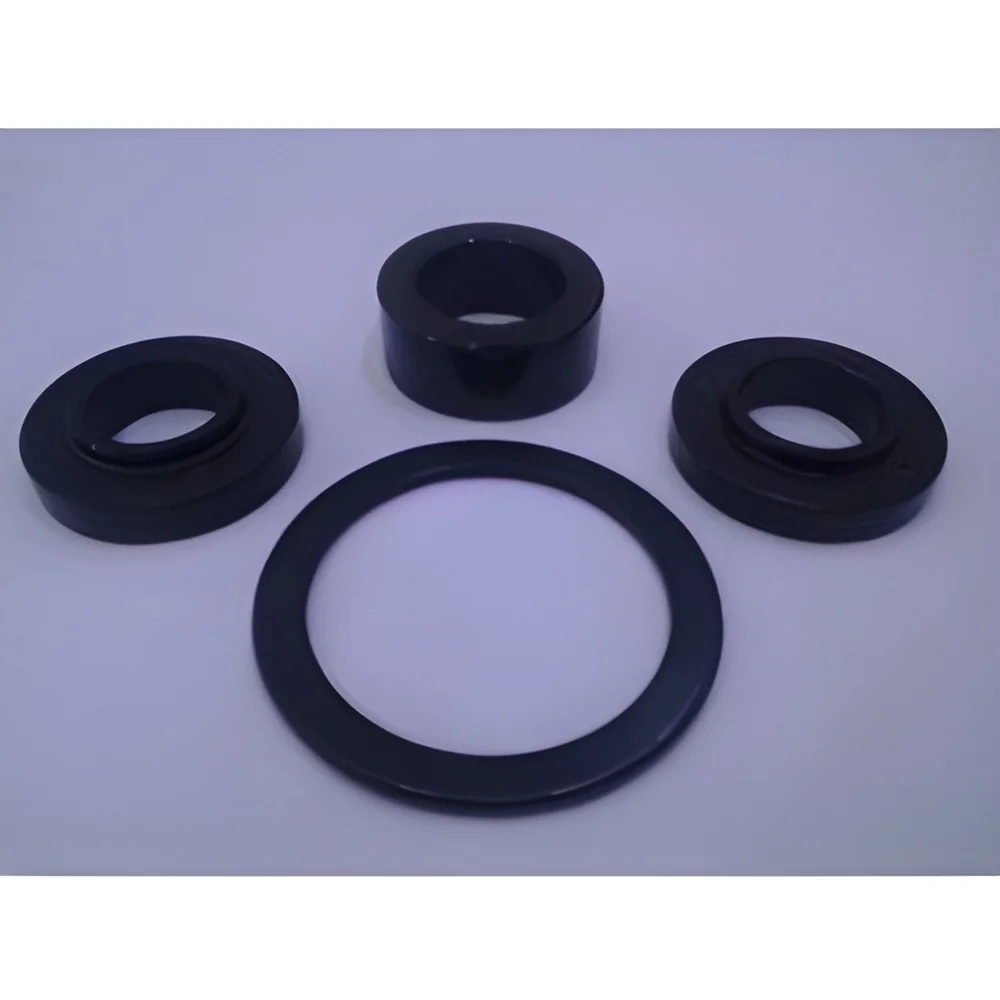
What are Guide Bushes?
Guide bushes are precision components used in various machinery and equipment to provide support and alignment for moving parts. They are typically cylindrical in shape and are designed to guide elements such as shafts or rods within a mechanical assembly. The primary function of guide bushes is to reduce friction and wear, ensuring smooth operation and longevity of machinery.
These components find extensive use in industries such as manufacturing, automotive, and aerospace. They serve critical roles in applications like CNC machining, injection molding, and assembly lines. By maintaining precise alignment and minimizing play between moving parts, guide bushes enhance operational efficiency and product quality. As industries continue to demand higher performance and reliability from their equipment, guide bushes remain a vital component in the engineering of modern machinery.
Key Features and Specifications
Guide bushes come with distinct features and specifications that cater to different industrial needs. Understanding these aspects is crucial for selecting the right product for specific applications.
Key specifications include:
1. Material Composition
- Typically made from high-grade steel or plastic
- Ensures durability and resistance to wear and tear
2. Diameter Range
- Available in various sizes to fit different machinery requirements
- Common diameters range from 5mm to 50mm
3. Length Variability
- Lengths vary to accommodate specific designs and applications
- Standard lengths often range from 10mm to 100mm
4. Tolerance Levels
- Precision tolerances are critical for effective performance
- Tolerances usually range from ±0.01mm to ±0.05mm
5. Load Capacity
- Designed to handle specific weight loads based on application
- Load capacities can range from a few kilograms to several tons
6. Operating Temperature
- Suitable for a variety of temperature ranges depending on material
- Typical range is from -20°C to 120°C
7. Surface Finish
- Available in different finishes such as polished or coated
- Affects friction and wear characteristics
8. Certification
- Compliance with industry standards such as CE
- Ensures reliability and quality assurance
In summary, selecting the right guide bush involves understanding these specifications to ensure compatibility and optimal performance in various applications.
Common Applications and Use Cases
Guide bushes are integral components across multiple industries, each with specific applications that highlight their importance.
1. Manufacturing: Used in CNC machines to guide cutting tools, ensuring precise movements and high-quality finishes.
2. Automotive: Essential in assembly lines for aligning components such as gears and shafts, facilitating efficient production processes.
3. Aerospace: Critical in aircraft manufacturing for guiding structural elements, ensuring safety and reliability in flight operations.
4. Packaging: Employed in automated packaging machines to maintain alignment of products during the packing process.
5. Robotics: Used in robotic arms for precise movement control, enhancing operational accuracy in various tasks.
6. Construction: Found in heavy machinery, guiding moving parts to improve functionality and reduce wear.
7. Medical Devices: Integral in devices that require precise motion control, ensuring accuracy in medical procedures.
Product Variants and Subcategories
Guide bushes showcase a range of product variants tailored to meet diverse industrial needs.
Standard Guide Bushes
These are the most common types, designed for general applications. They offer reliable performance and come in various sizes and materials, catering to standard machinery requirements.
High-Performance Guide Bushes
Engineered for demanding environments, these bushes are made from specialized materials to withstand extreme conditions. They are ideal for applications requiring enhanced durability and longevity.
Customized Guide Bushes
For unique machinery needs, customized guide bushes can be manufactured to specific dimensions and materials. This flexibility ensures compatibility with specialized equipment and processes.
Benefits and Advantages
Investing in guide bushes brings several advantages that enhance machinery performance.
1. Improved Precision: They ensure accurate alignment, reducing errors in production processes.
2. Enhanced Durability: Quality guide bushes are designed to withstand wear, extending the lifespan of machinery.
3. Reduced Friction: Their design minimizes friction, leading to smoother operations and less energy consumption.
4. Cost-Effective: By prolonging equipment life and reducing maintenance needs, they provide significant cost savings.
5. Versatility: Available in various sizes and materials, they can be adapted for different applications across industries.
6. Compliance Assurance: Many guide bushes meet industry standards, ensuring reliability and quality.
Buying Guide for B2B Buyers
When sourcing guide bushes, several factors must be considered to ensure the right choice for your business needs.
1. Quality Assessment: Evaluate materials and manufacturing processes to ensure high standards. Look for certifications that indicate compliance with industry norms.
2. Supplier Verification: Vet suppliers thoroughly. Check their reputation, reliability, and customer reviews to ensure they deliver quality products consistently.
3. Pricing and MOQ: Understand the pricing structure and minimum order quantities. Compare quotes from different suppliers to find the best deal without compromising quality.
4. Delivery and Lead Times: Confirm delivery schedules and lead times. Timely delivery is crucial for maintaining production schedules.
5. Compliance Requirements: Ensure that the guide bushes meet any relevant regulatory standards. This is particularly important in industries with strict safety and quality requirements.
Compliance and Certifications
Guide bushes must adhere to several relevant quality standards and certifications to ensure their reliability and safety in various applications.
ISO 9001 is a standard that ensures consistent quality management systems across manufacturing processes. Compliance with this standard signifies that the products meet customer and regulatory requirements.
Another important certification is CE marking, which indicates that the product conforms to European health, safety, and environmental protection standards. This certification is vital for guide bushes used within the European market.
Safety and testing requirements are also crucial. Guide bushes should undergo rigorous testing to assess their performance under different conditions. This includes checks for wear resistance and operational reliability.
Regional compliance considerations may vary based on local regulations. Manufacturers must ensure that their products meet specific standards based on the regions where they are sold and used.
Why Source Guide Bushes from Pepagora?
Pepagora offers a trusted platform for sourcing guide bushes, providing several key advantages that set it apart from competitors.
Verified Supplier Network: Pepagora has established a robust network of verified suppliers. This ensures that buyers can source high-quality guide bushes with confidence, knowing they meet industry standards.
Streamlined RFQ Process: The platform facilitates a streamlined request for quotation process, allowing buyers to quickly compare options and make informed purchasing decisions.
Trade Assurance and Support: Pepagora offers trade assurance to protect buyers, ensuring that they receive the products as described and within the agreed timelines.
Regional Coverage: With extensive geographic reach across India, GCC, and Southeast Asia, Pepagora connects buyers with suppliers in various regions, enhancing accessibility and convenience.

 IN
IN