IN
IN₹
Apparel & Fashion
Description
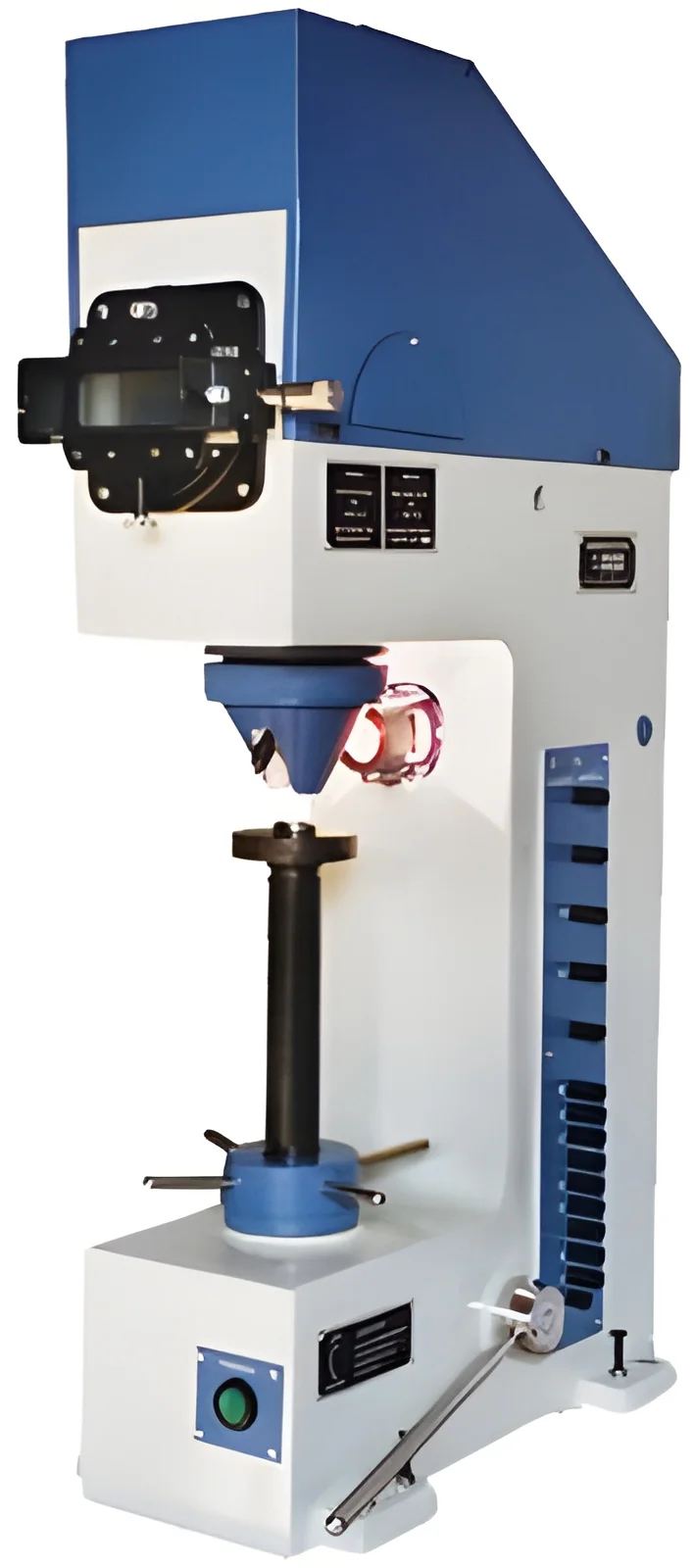
Our Industrial Brinell Hardness Testing Services provide precise and reliable hardness measurements for industrial metals and heavy-duty components using standardized testing methodology. This established approach employs hardened steel or carbide ball indenters with specific loads to create measurable impressions, delivering accurate Brinell Hardness Numbers (BHN) that quantify material resistance to deformation. The method proves particularly effective for coarse-grained or heterogeneous materials where alternative testing techniques may produce inconsistent results, making it an industry-preferred solution for comprehensive material evaluation and quality assurance programs across various manufacturing and construction applications.

Brinell Hardness testing serves critical functions across multiple industries where material performance directly impacts safety, reliability, and operational efficiency. In metal manufacturing and forging operations, it ensures consistent material prop...
Our Industrial Brinell Hardness Testing Services provide precise and reliable hardness measurements for industrial metals and heavy-duty components using standardized testing methodology. This established approach employs hardened steel or carbide ball indenters with specific loads to create measurable impressions, delivering accurate Brinell Hardness Numbers (BHN) that quantify material resistance to deformation. The method proves particularly effective for coarse-grained or heterogeneous materials where alternative testing techniques may produce inconsistent results, making it an industry-preferred solution for comprehensive material evaluation and quality assurance programs across various manufacturing and construction applications.

Brinell Hardness testing serves critical functions across multiple industries where material performance directly impacts safety, reliability, and operational efficiency. In metal manufacturing and forging operations, it ensures consistent material properties throughout production batches and verifies heat treatment effectiveness. Automotive and aerospace sectors rely on Brinell testing to validate component hardness for critical safety parts and structural elements. Construction companies utilize this method to verify structural steel integrity and weld quality, while heavy machinery manufacturers depend on accurate hardness data to ensure equipment durability under demanding operating conditions. Mining operations and industrial tool production also employ this testing methodology to guarantee product performance and longevity in extreme environments.

Our testing service delivers exceptional business value through reliable data that supports informed decision-making and effective risk mitigation strategies. We maintain strict compliance with ASTM E10 standards and ensure consistent, trustworthy results for every project through rigorous quality control procedures. This reliability translates into tangible benefits including extended product lifespan, reduced failure rates, and enhanced customer satisfaction. By partnering with us, businesses gain access to accurate hardness data that supports material selection, process optimization, and compliance with industry quality standards, ultimately contributing to improved operational efficiency and reduced costs associated with material failures and quality issues.

Key Features:
- Utilizes hardened steel or carbide ball indenters for consistent testing
- Applicable for metals, alloys, and coarse-grained materials of various types
- Follows ASTM E10 standard testing procedures and methodologies
- Provides accurate Brinell Hardness Number (BHN) measurement results
- Suitable for large surfaces and non-uniform material testing applications

Benefits:
- Ensures material quality and compliance with industry standards
- Supports informed decision-making for material selection and processing
- Reduces risk of component failures and associated costs
- Enhances product reliability and operational safety
- Provides consistent, repeatable results for quality assurance
Specifications
| Additional Information | |
|---|---|
| Country of Origin | India |
Application
Brinell Hardness testing delivers essential data for evaluating material durability and structural integrity across demanding industrial environments. This proven method provides accurate hardness measurements for metals and alloys, supporting quality assurance programs, material selection processes, and compliance with international standards like ASTM E10 for businesses requiring precision and consistency in their manufacturing operations.
This testing methodology is extensively utilized across sectors where material strength and wear resistance directly influence safety and operational performance. From manufacturing facilities to construction projects and heavy machinery operations, Brinell testing helps prevent component failures, optimize material performance, and meet stringent industry specifications while delivering valuable data for engineering decisions and quality certifications.
- Quality control verification in metal fabrication and forging operations
- Material hardness validation for automotive components and assemblies
- Construction steel testing and weld integrity assessment for structural projects
- Durability evaluation of heavy machinery components and industrial equipment
- Aerospace alloy hardness verification and material certification processes
Trade Details
| Available Stock | In Stock |
| Sample Availability | No |
Payment Terms
| Payment Terms |
|
Company Profile
Chopde Engineering & Material Testing Services Pvt Ltd, Maharashtra
 Maharashtra, India
Maharashtra, IndiaConstruction
Factory Details
Factory SizeBelow 1000 sqm
Annual Production Capacity0
Main Markets
Domestic
Industrial Brinell Hardness Testing Services For Quality Control
Industrial Brinell Hardness Testing Services deliver precise material durability measurements for metals and heavy-duty components using standardized indenters and loads, ensuring reliable quality control results for manufacturing and construction applications.
Min. Order Quantity: 1 unit
Shipping
Shipping fee and delivery date to be negotiated. Contact supplier now for more details.
Chopde Engineering & Material Testing Services Pvt Ltd
 Maharashtra, India
Maharashtra, IndiaConstruction