
 IN
INLathe Machines (Bench, Engine, CNC)
180 products available
Key Features and Specifications
Common Applications and Use Cases
Product Variants and Subcategories
Benefits and Advantages
Buying Guide for B2B Buyers
Compliance and Certifications


Frequently Asked Questions
What are Lathe Machines (Bench, Engine, CNC)?
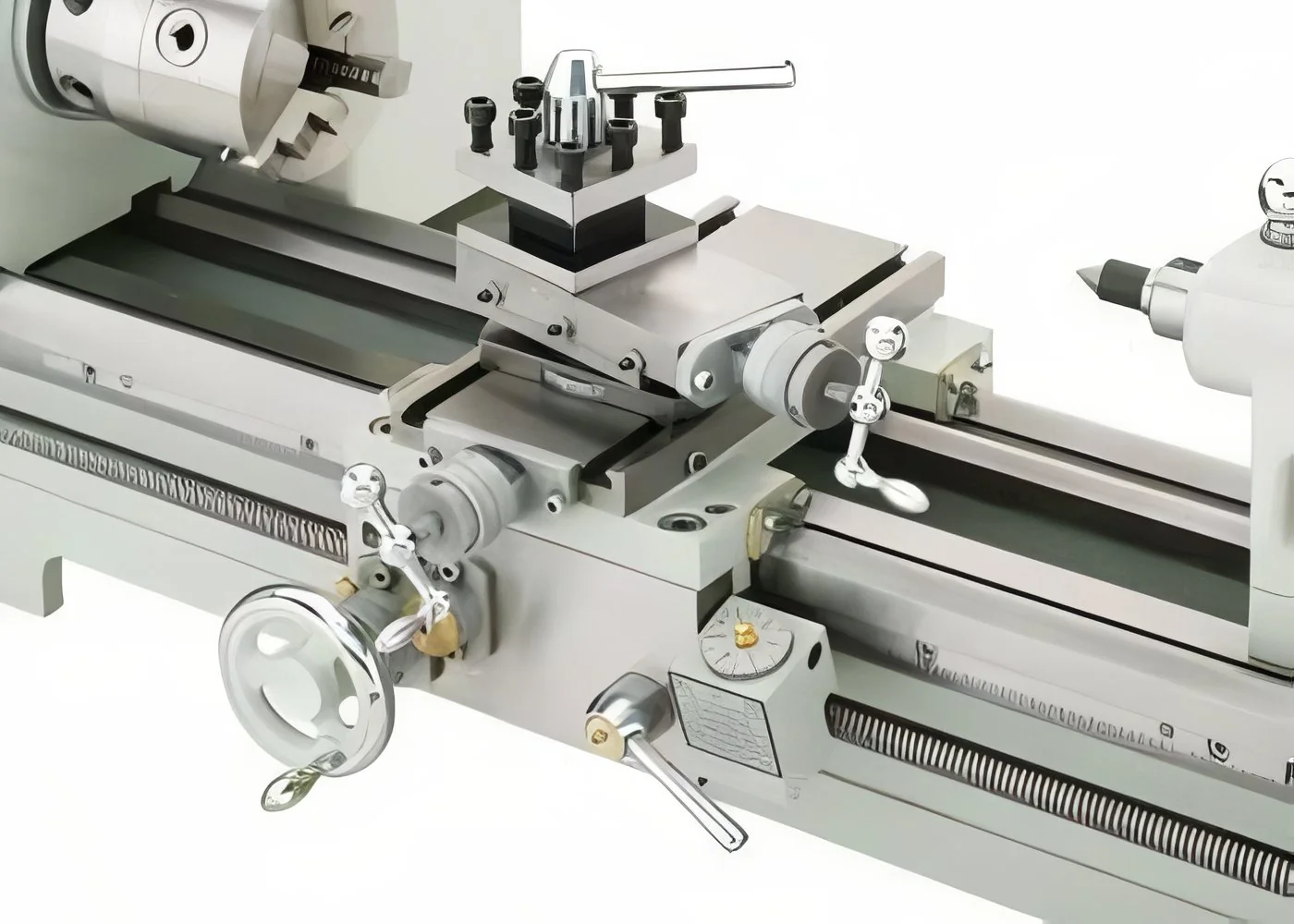
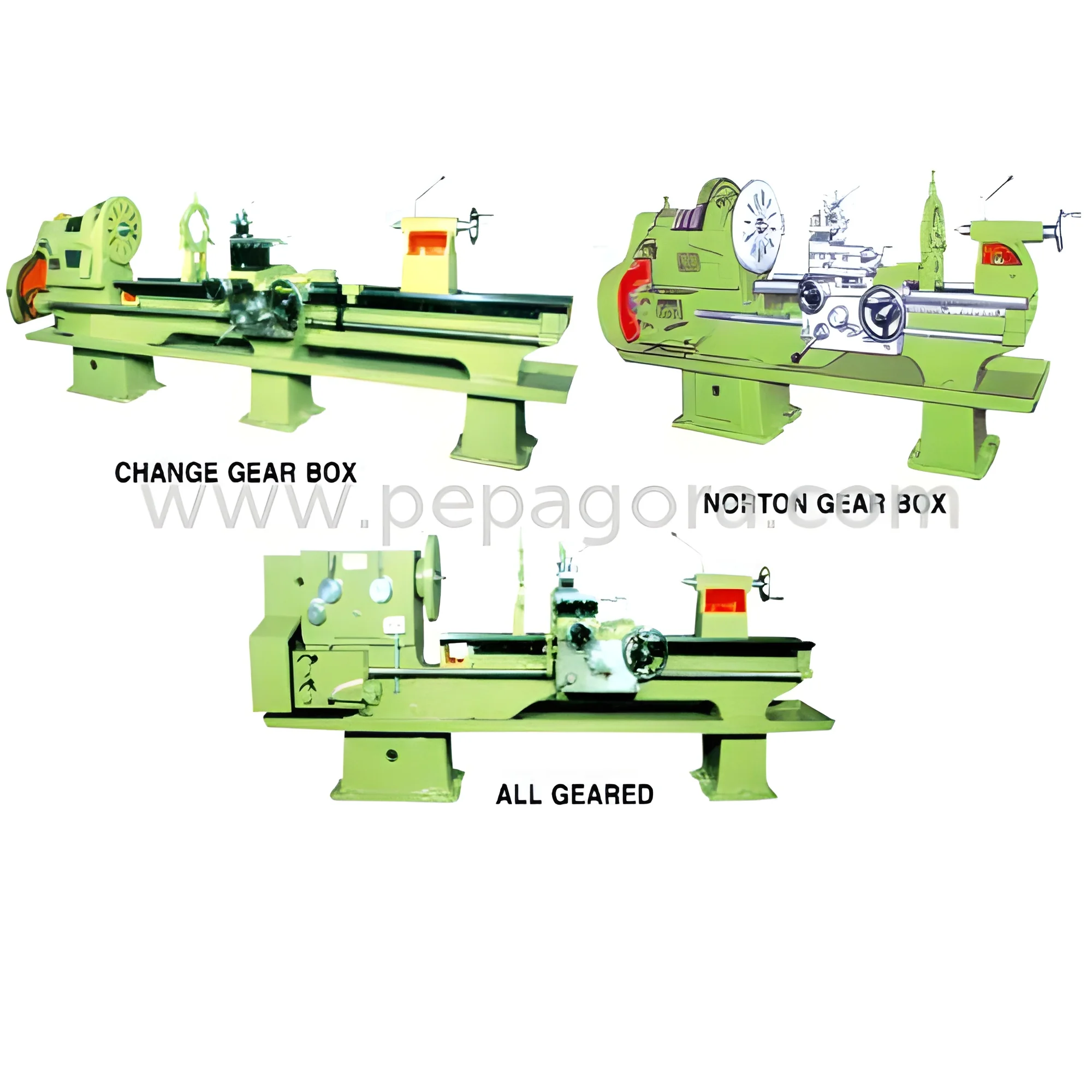
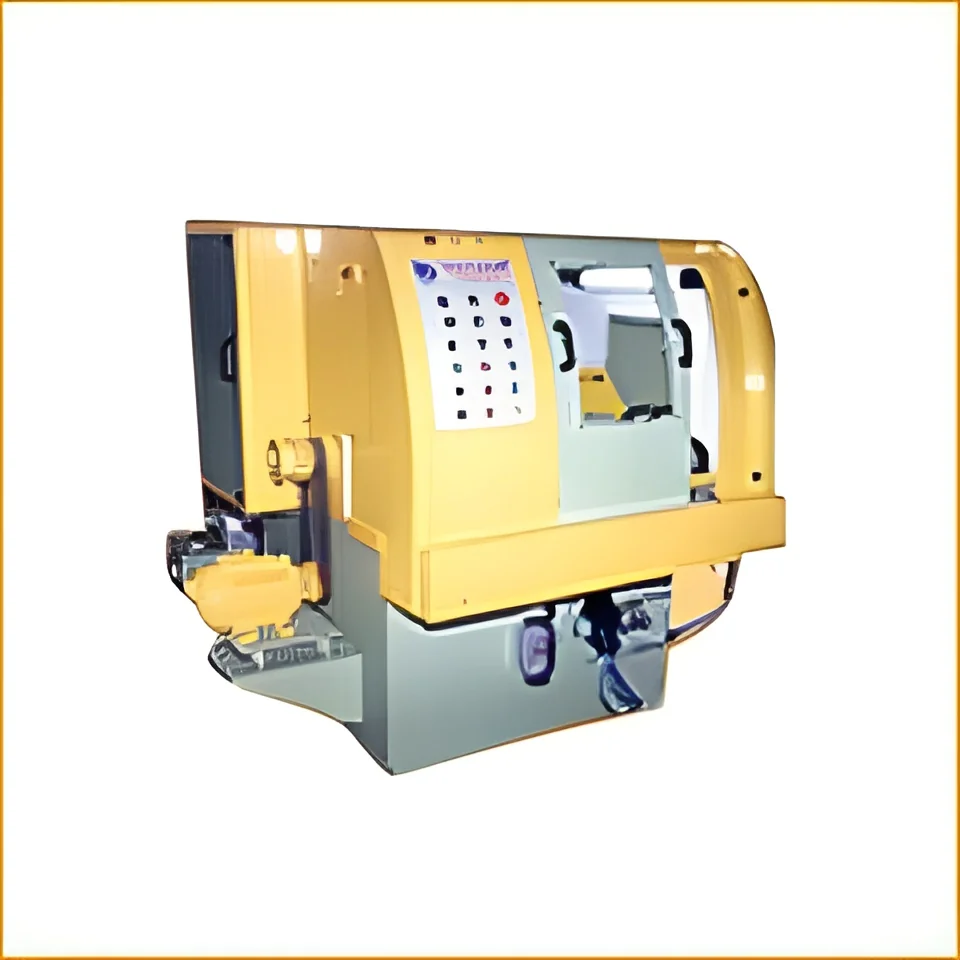
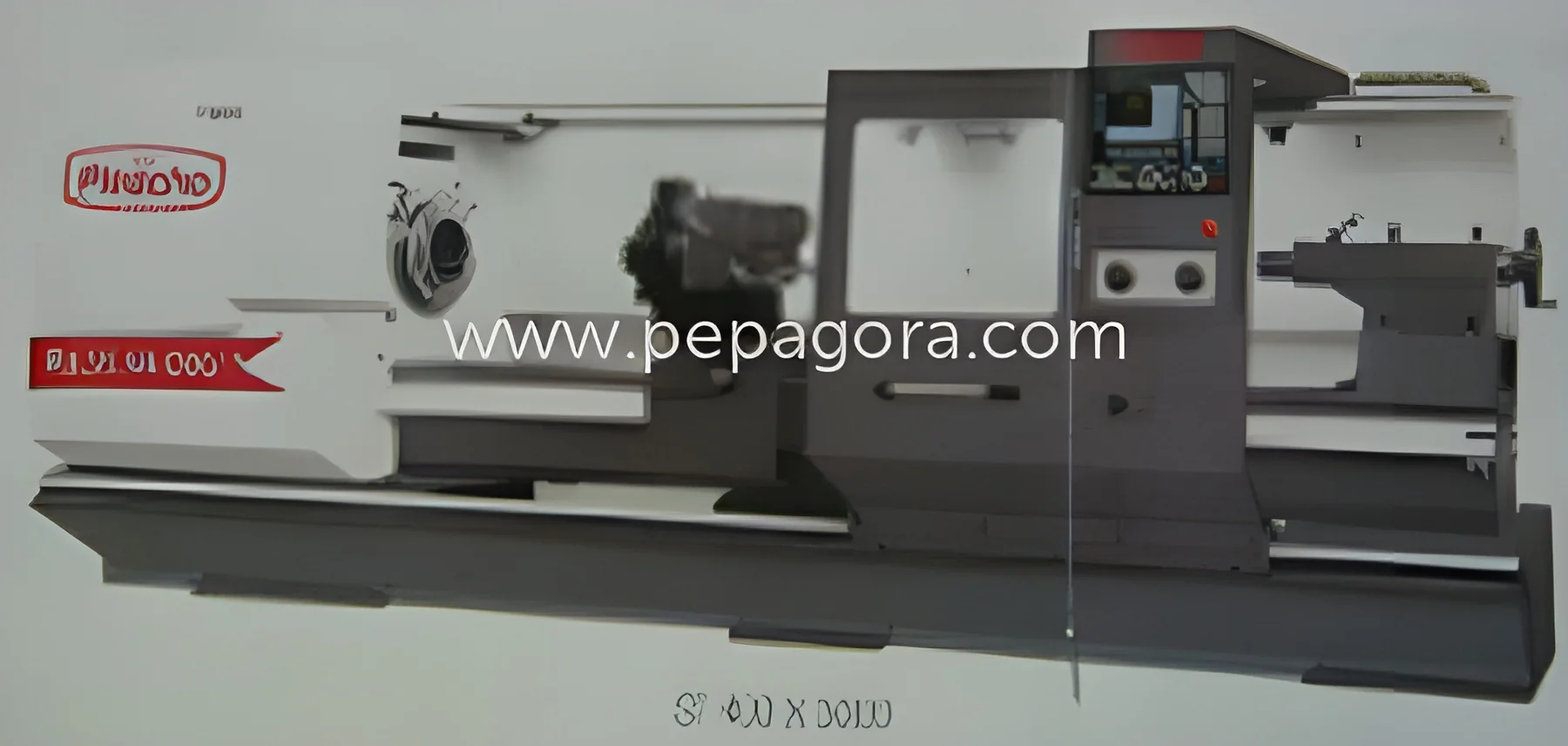
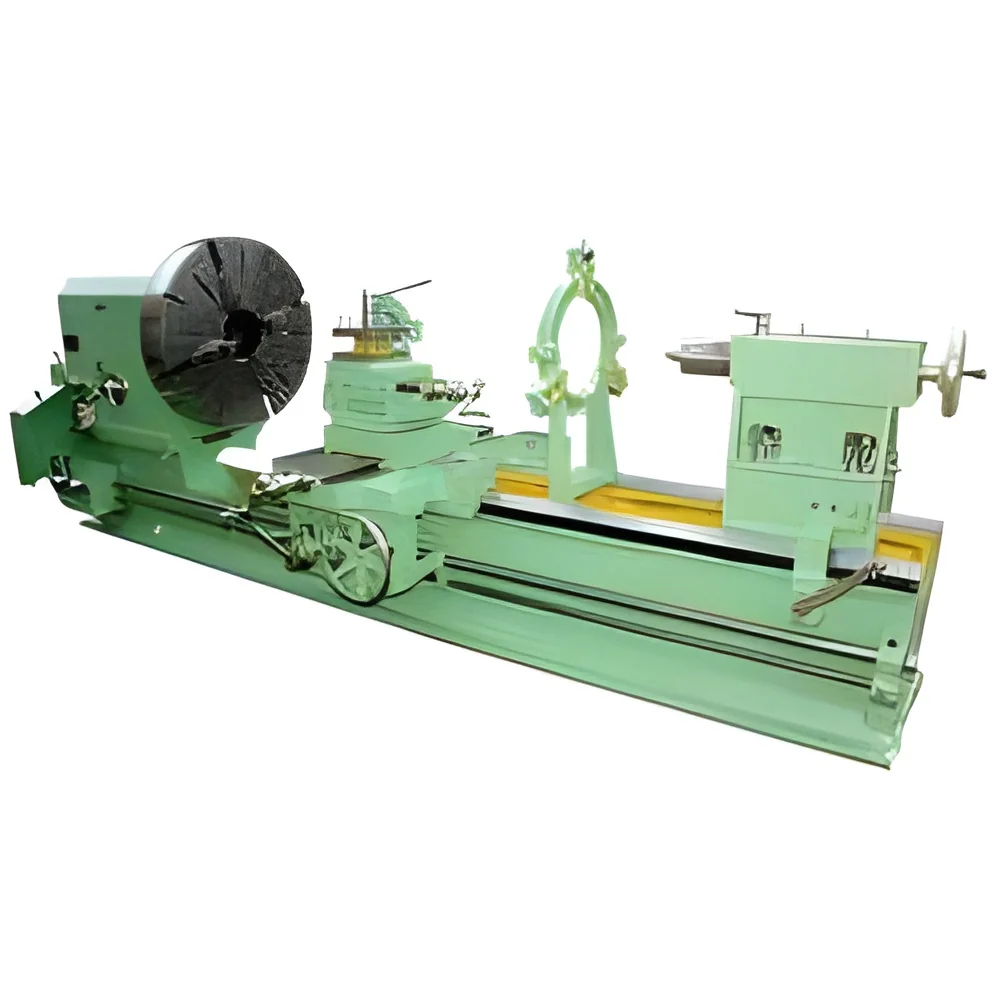
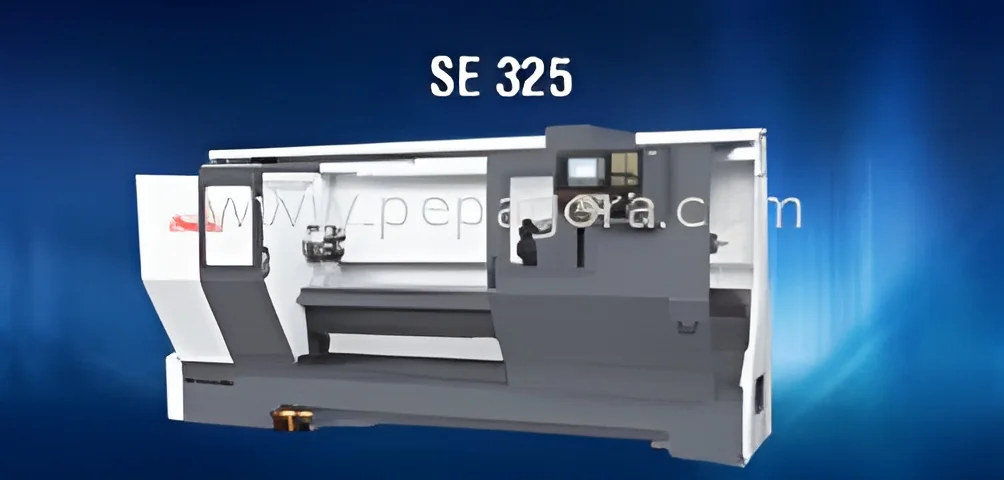
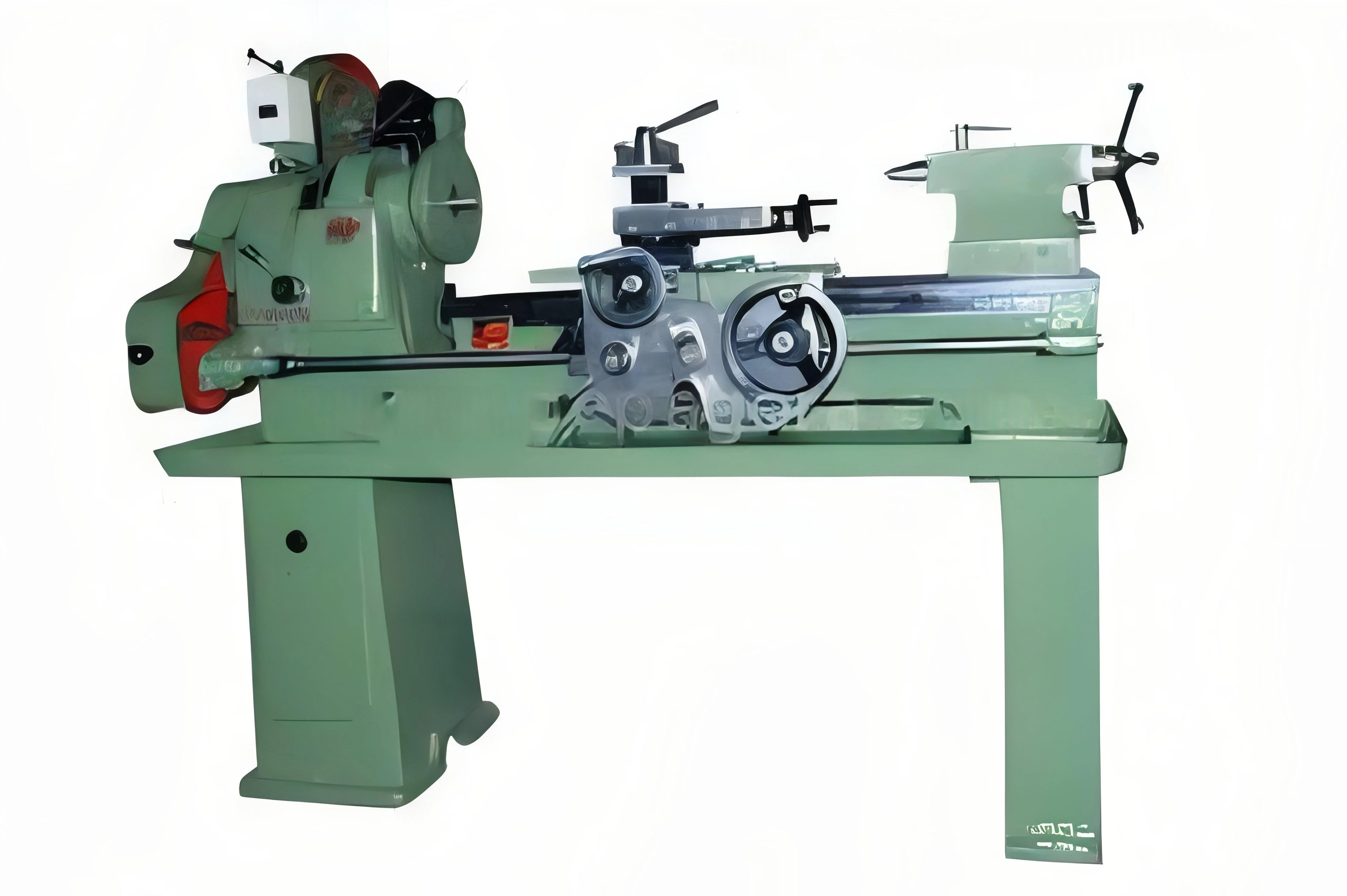
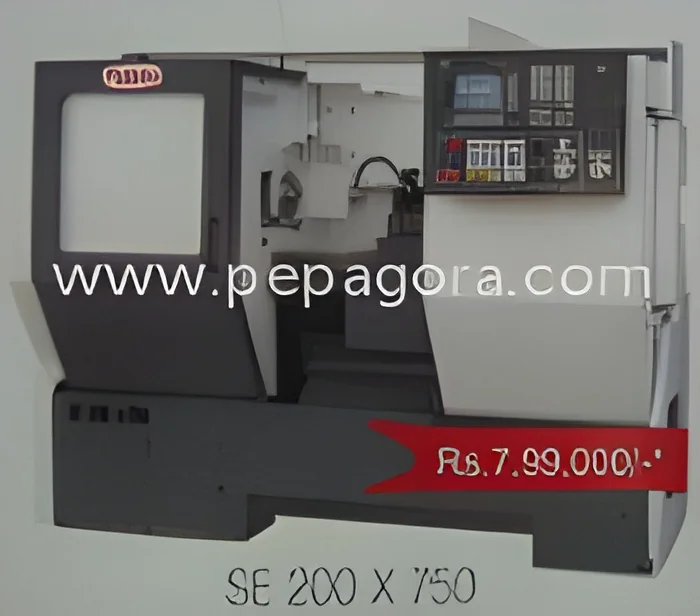
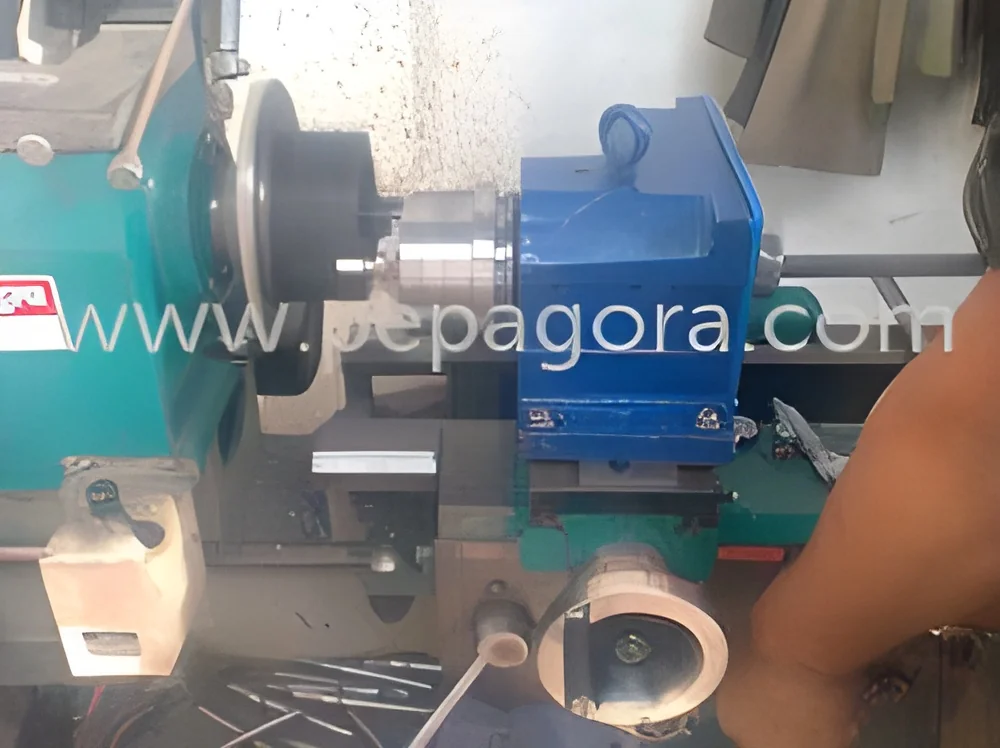
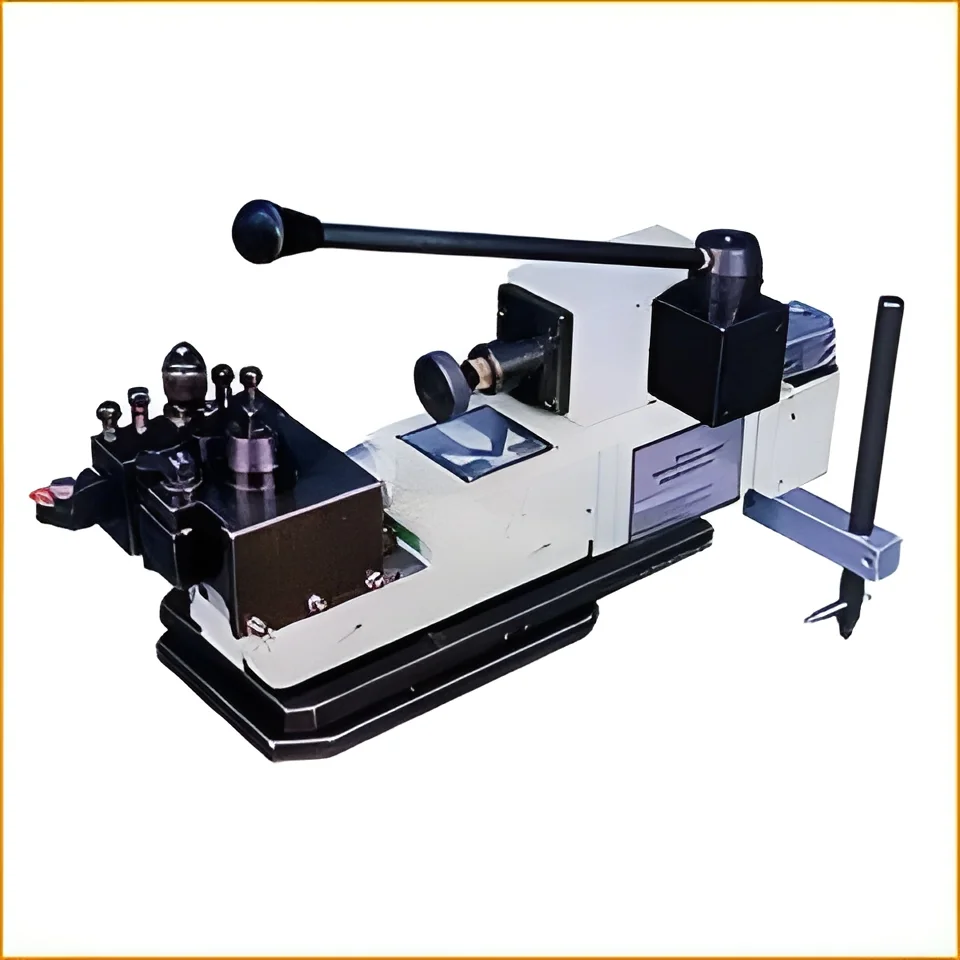
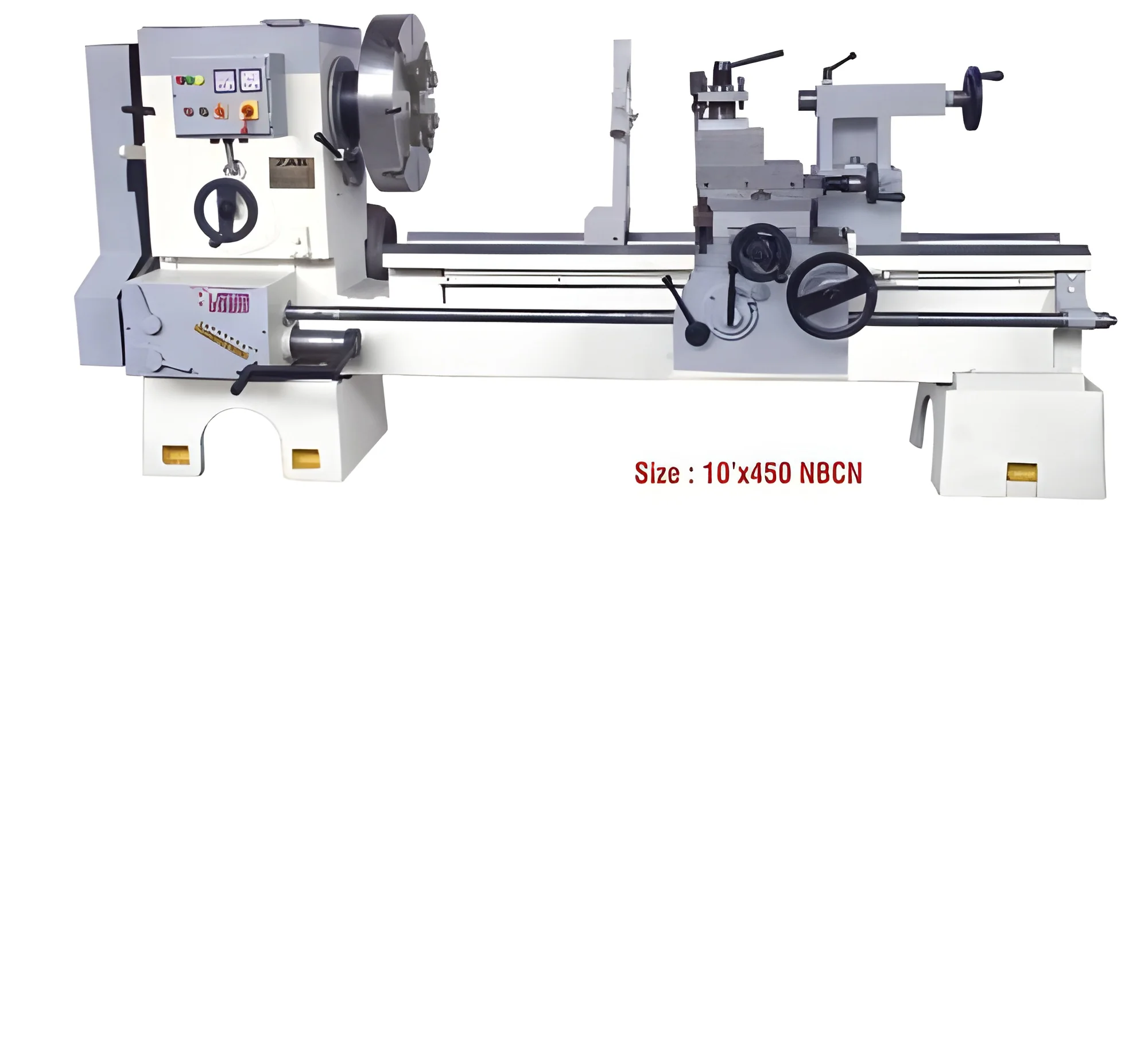
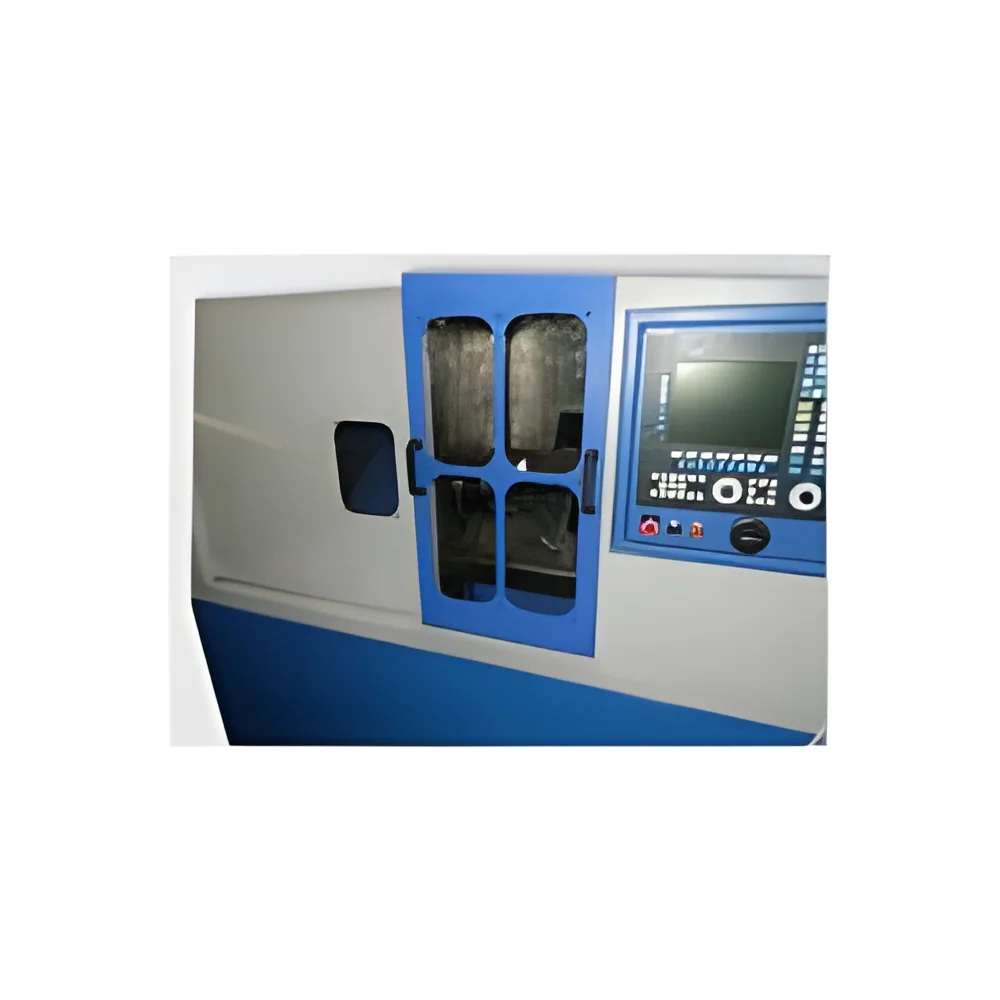
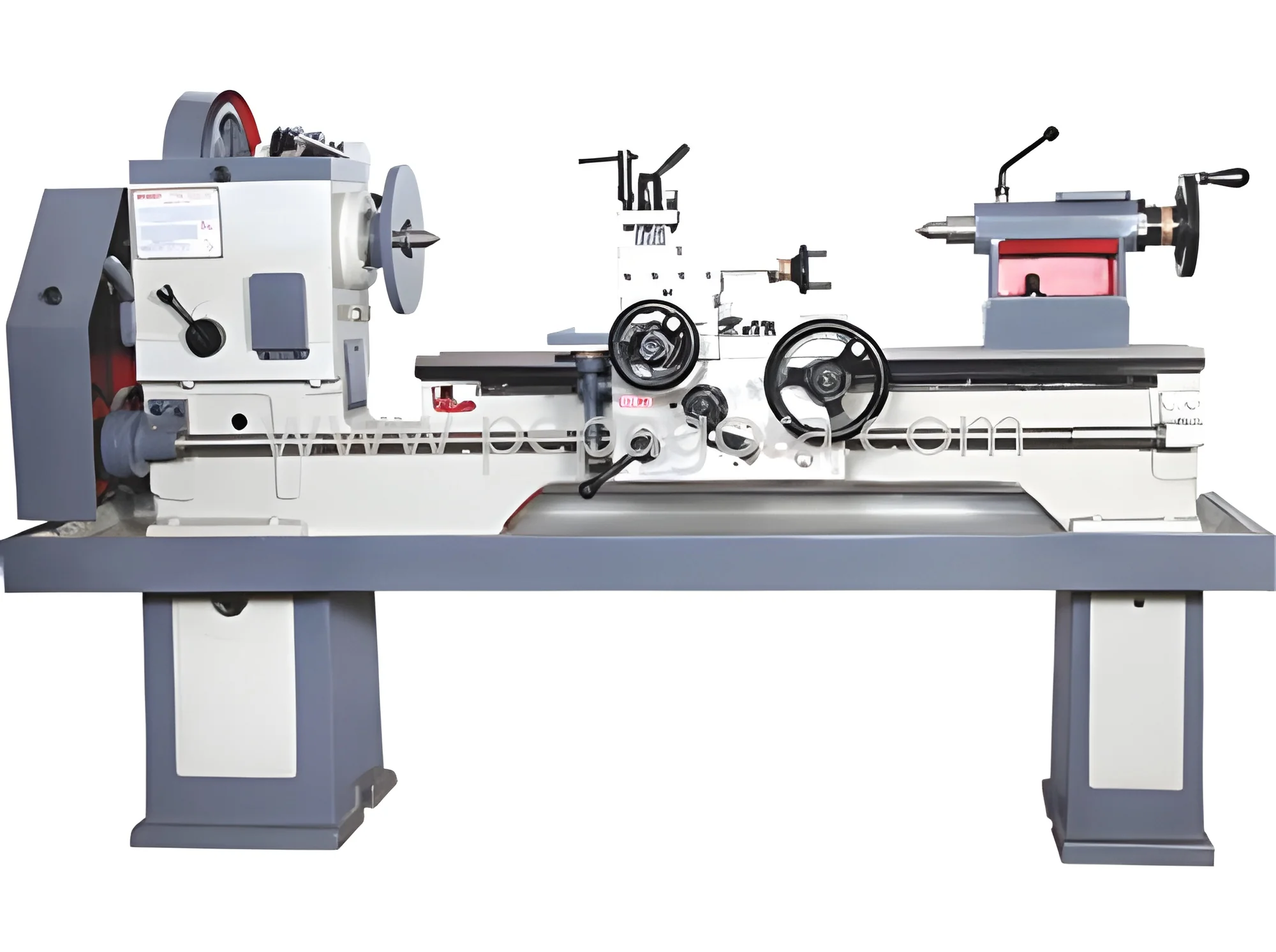
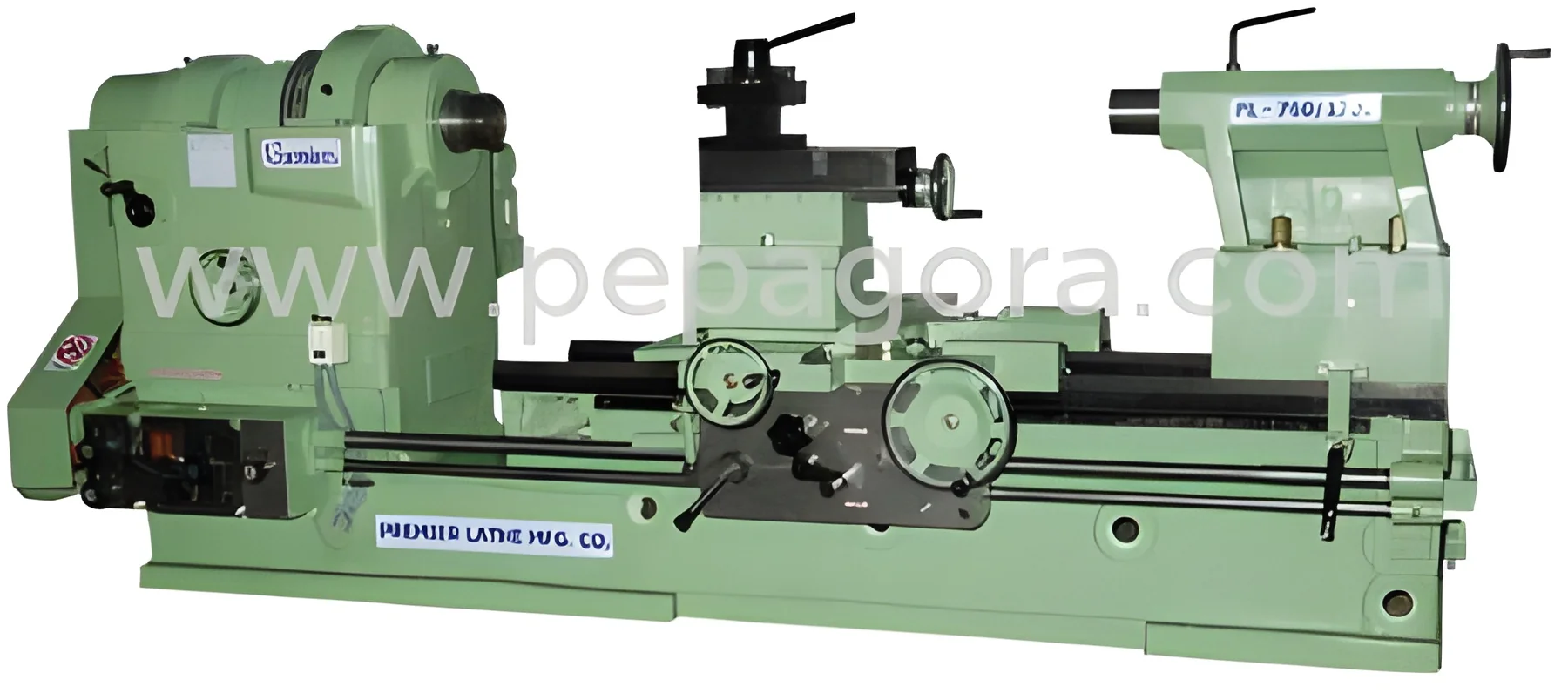
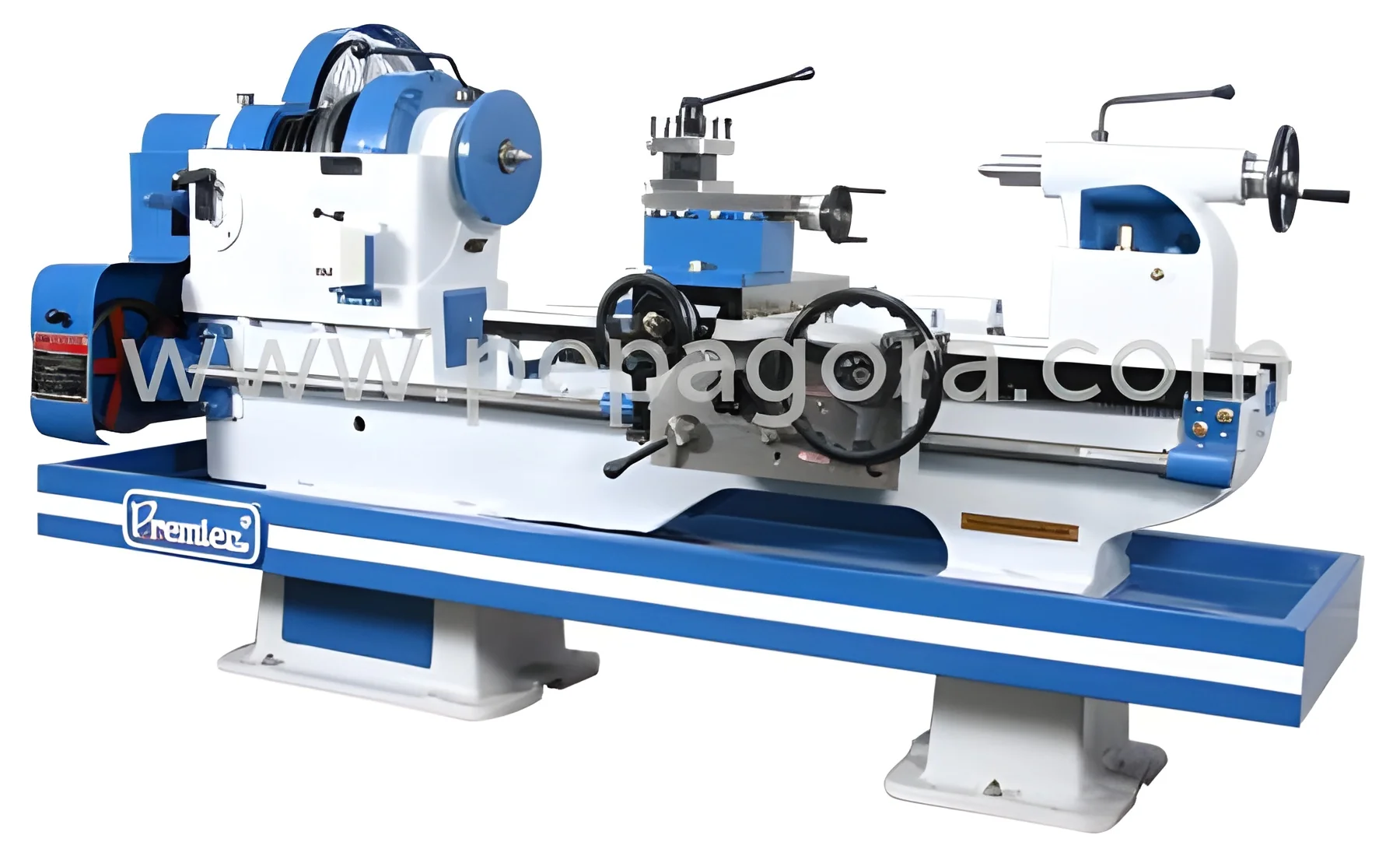
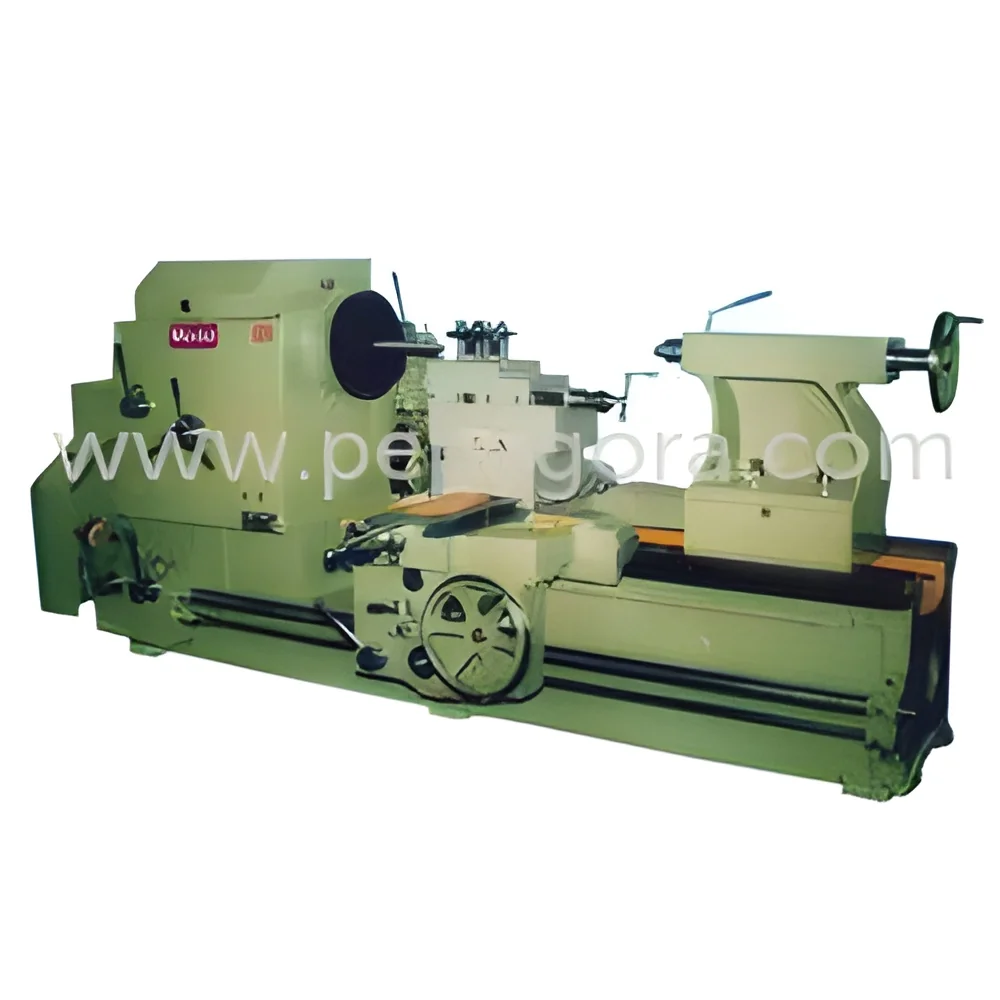
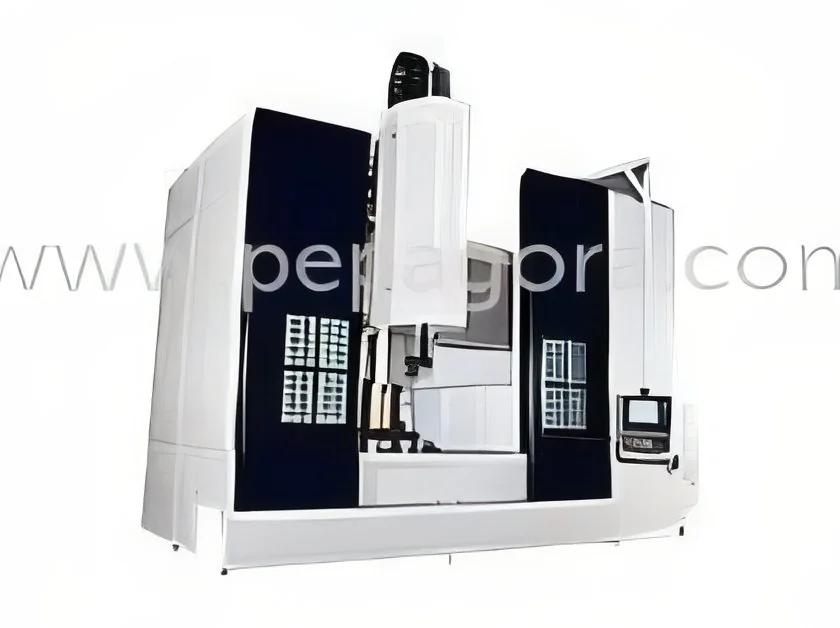
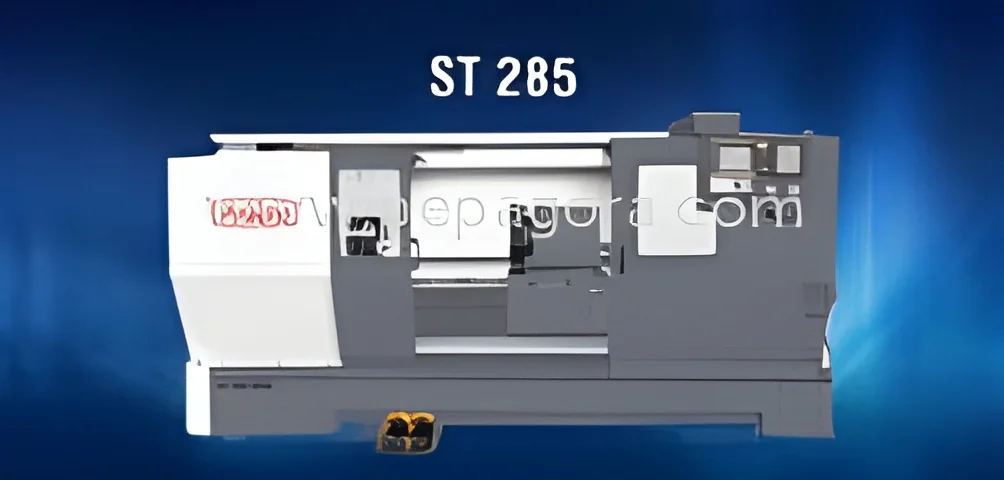
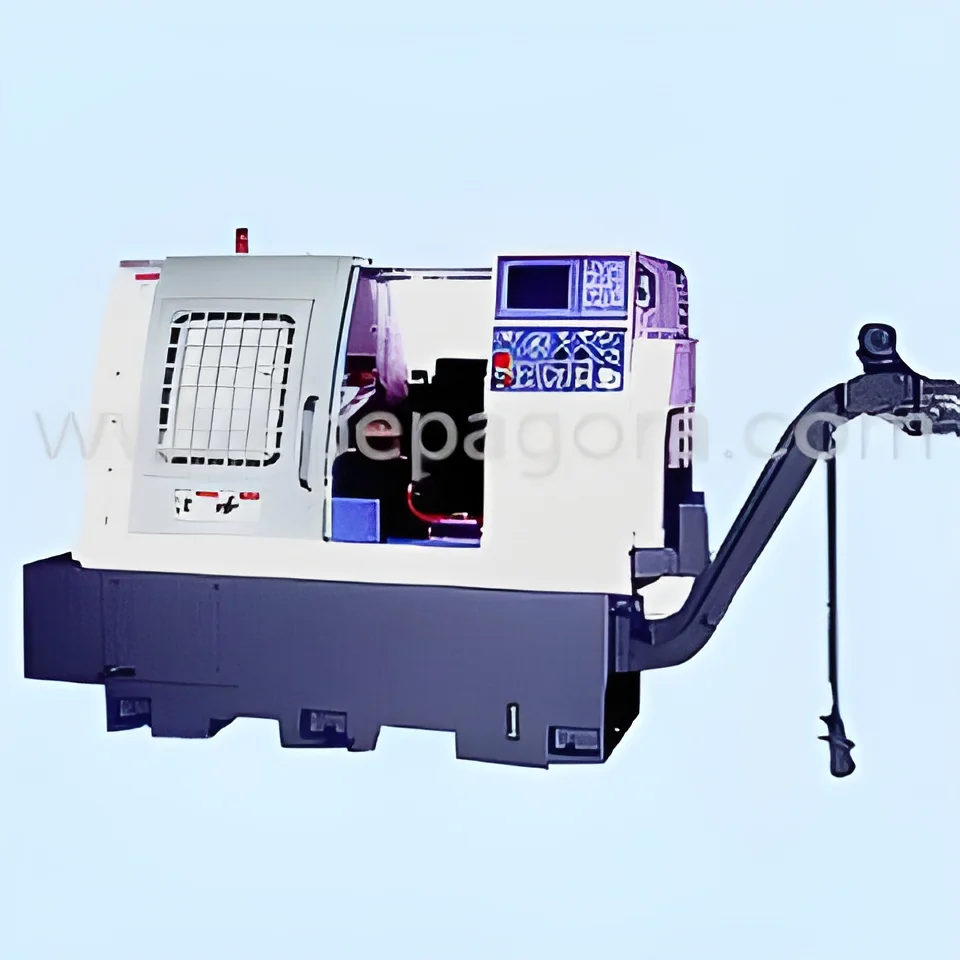
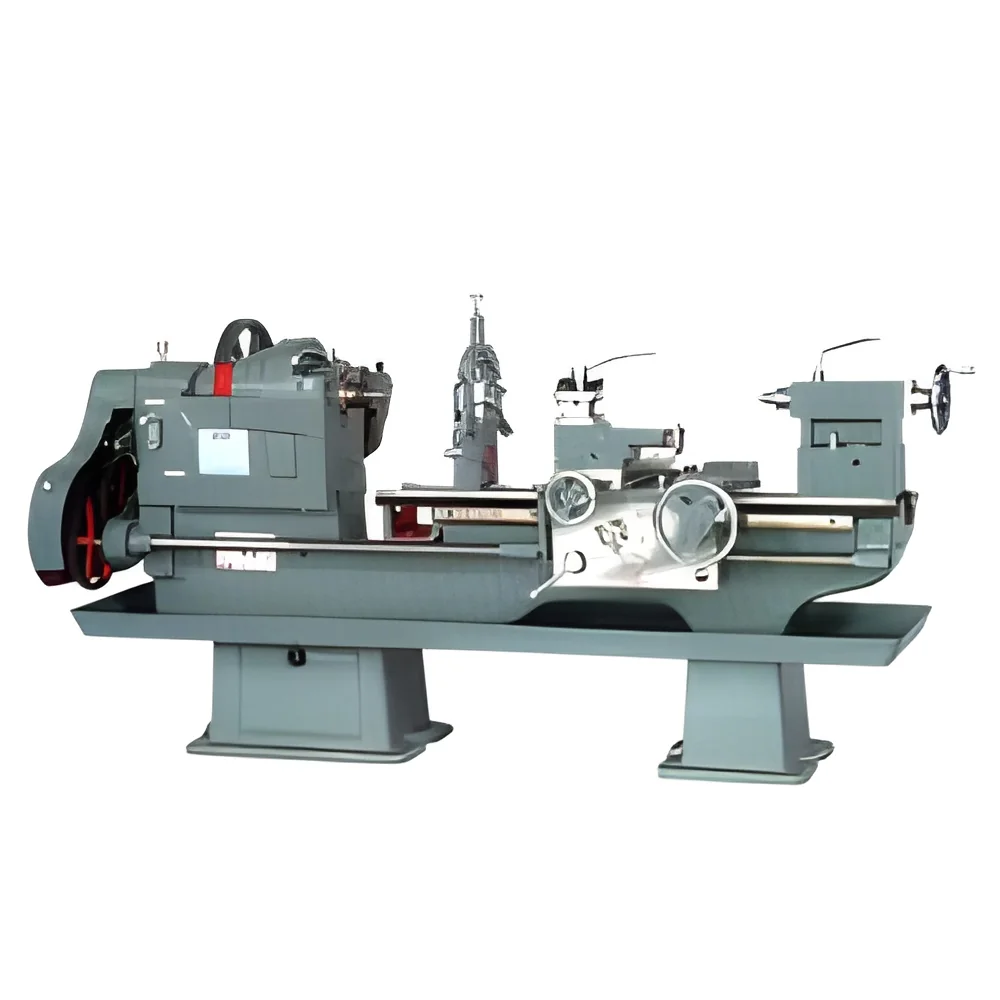
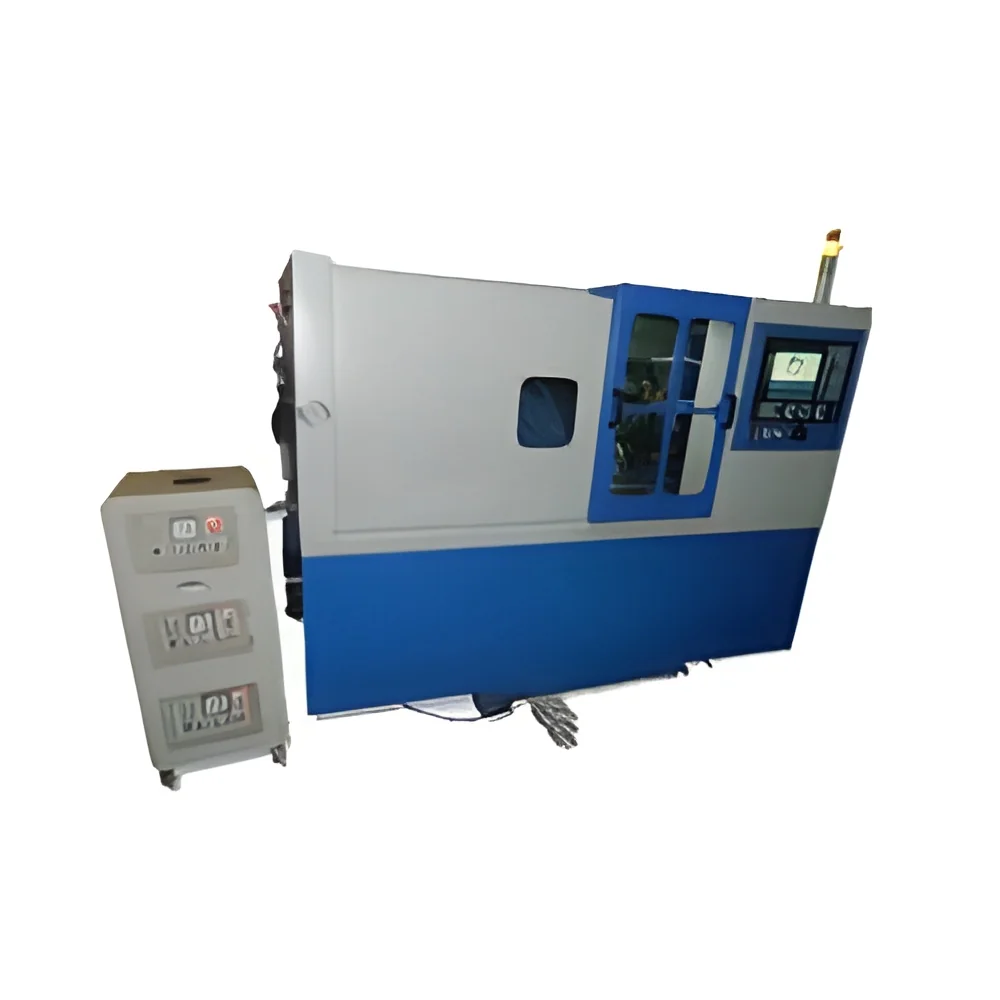
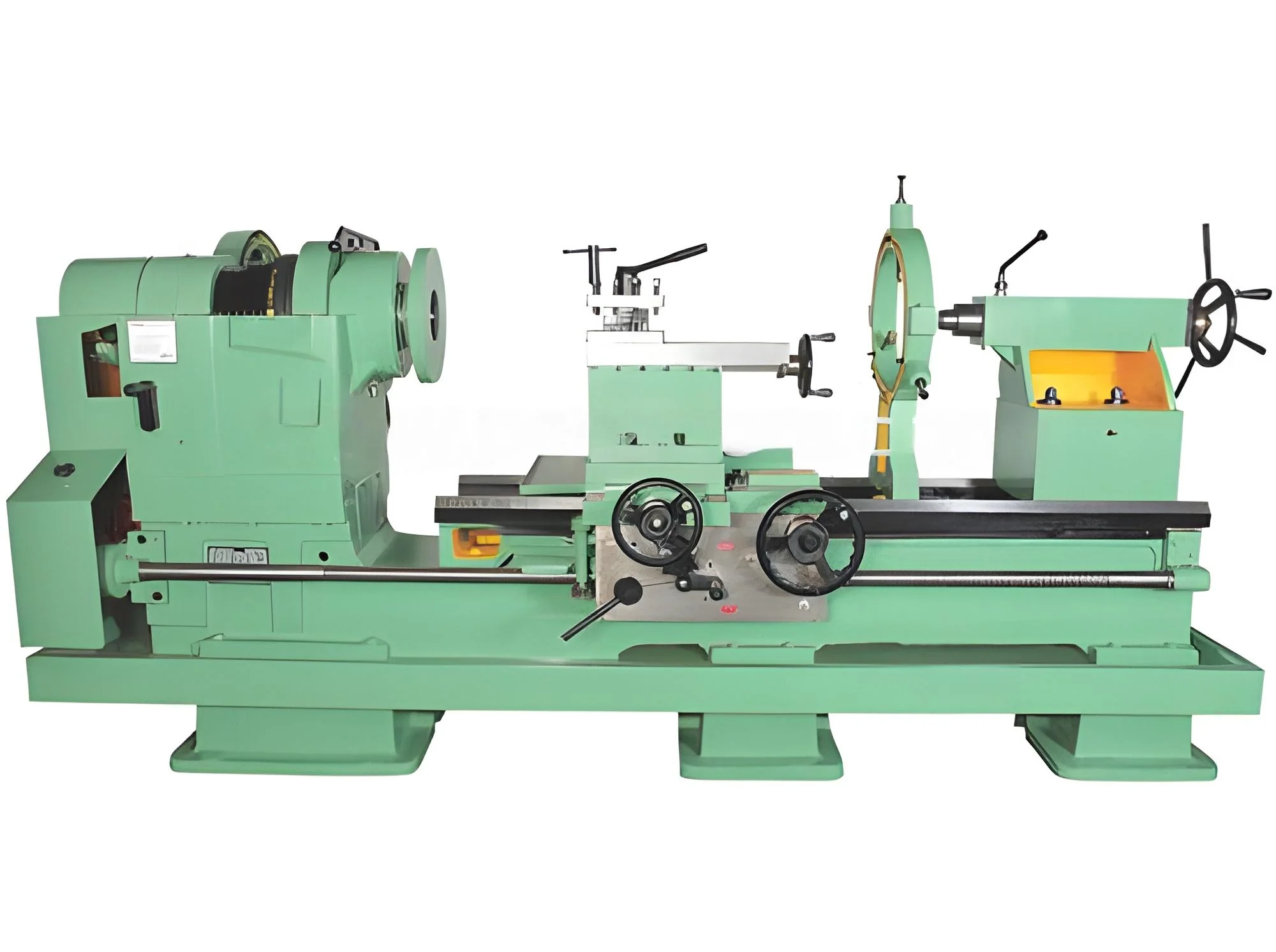
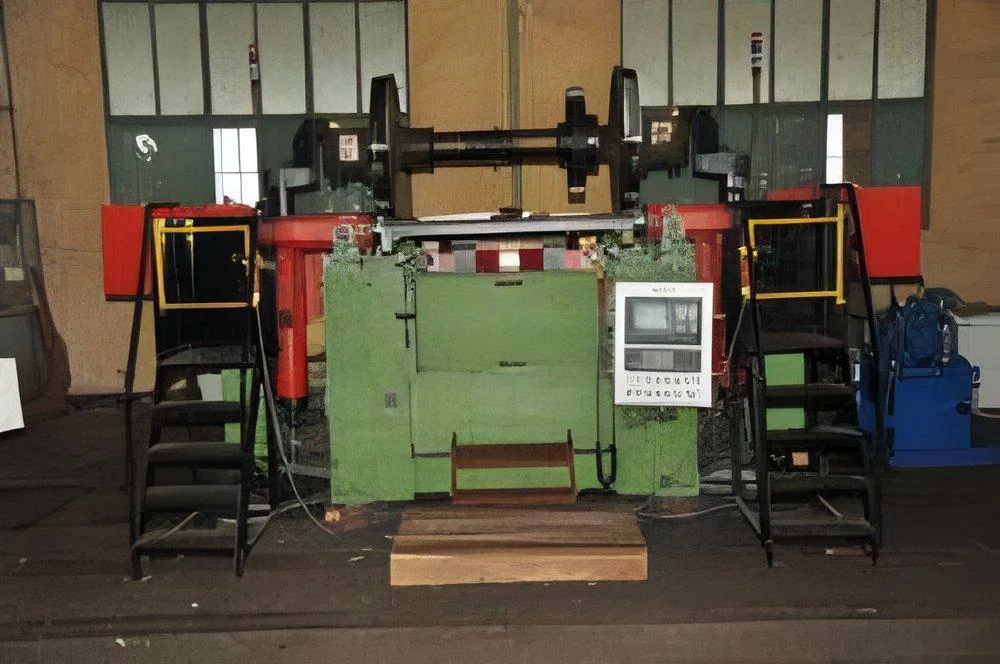
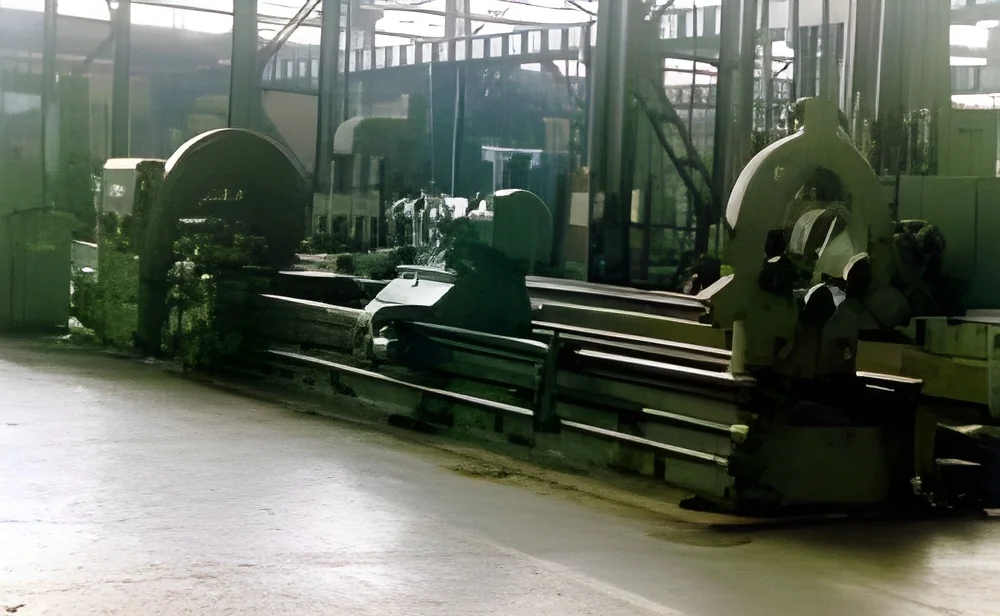
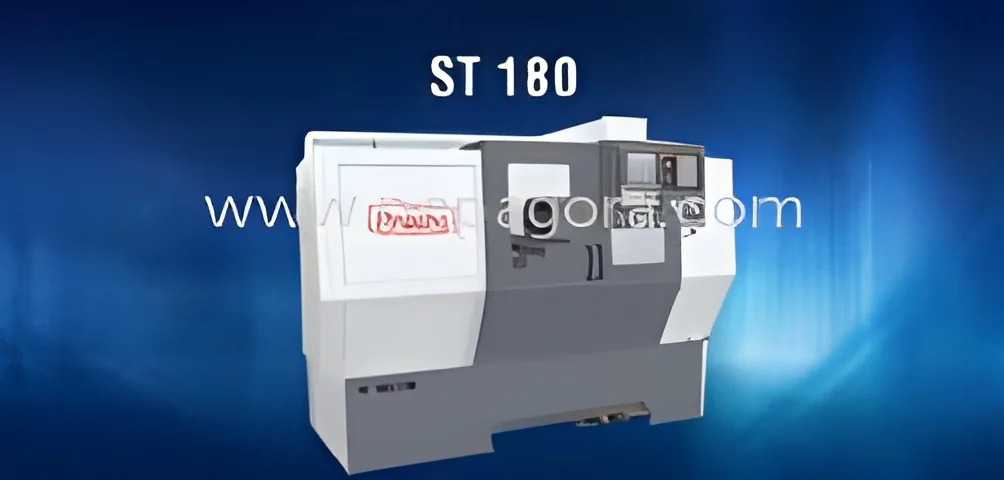
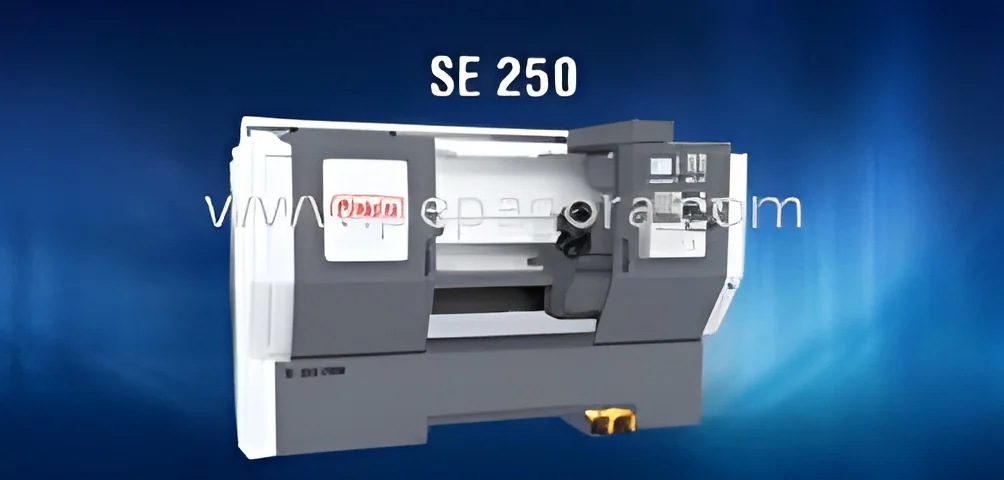
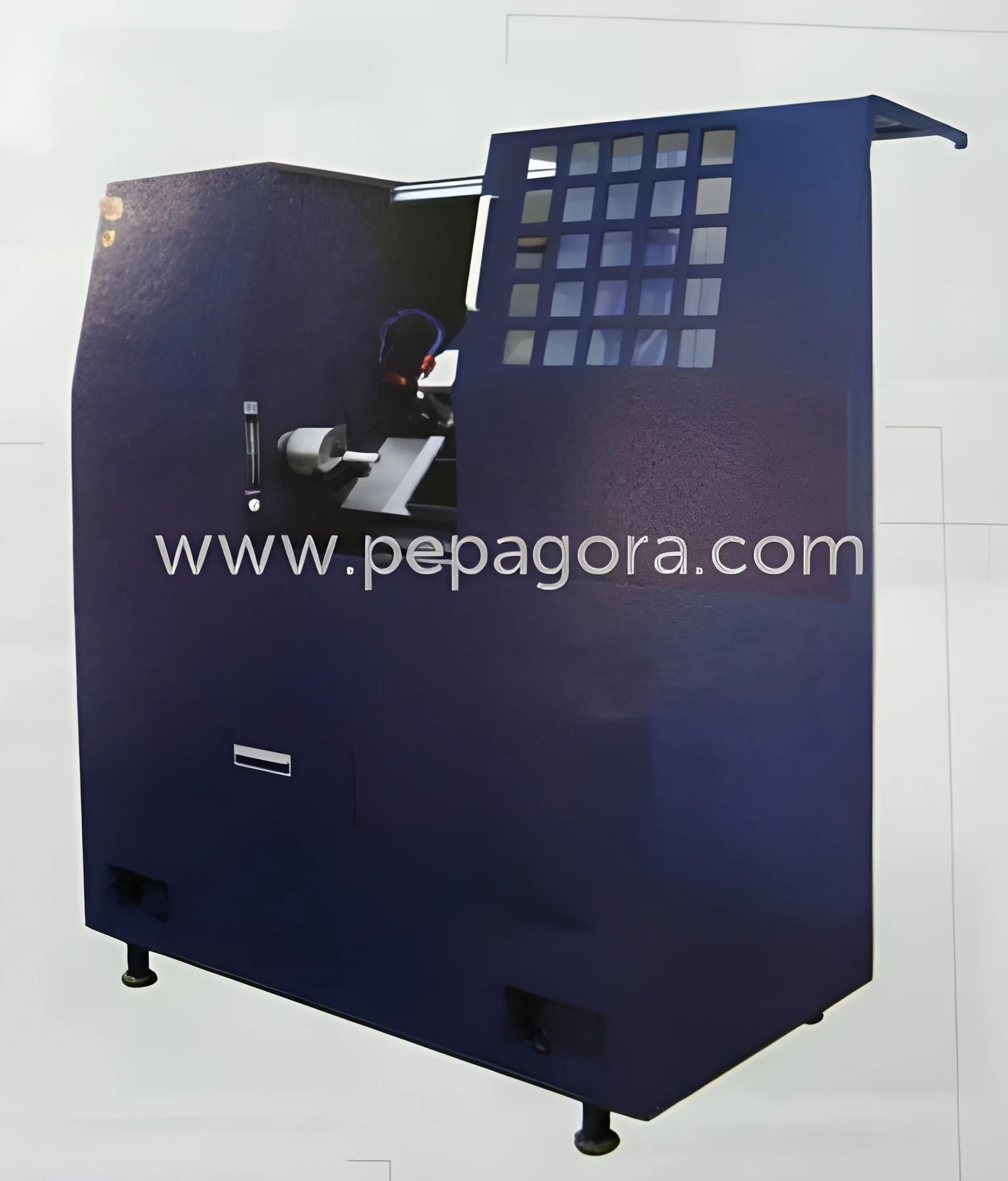
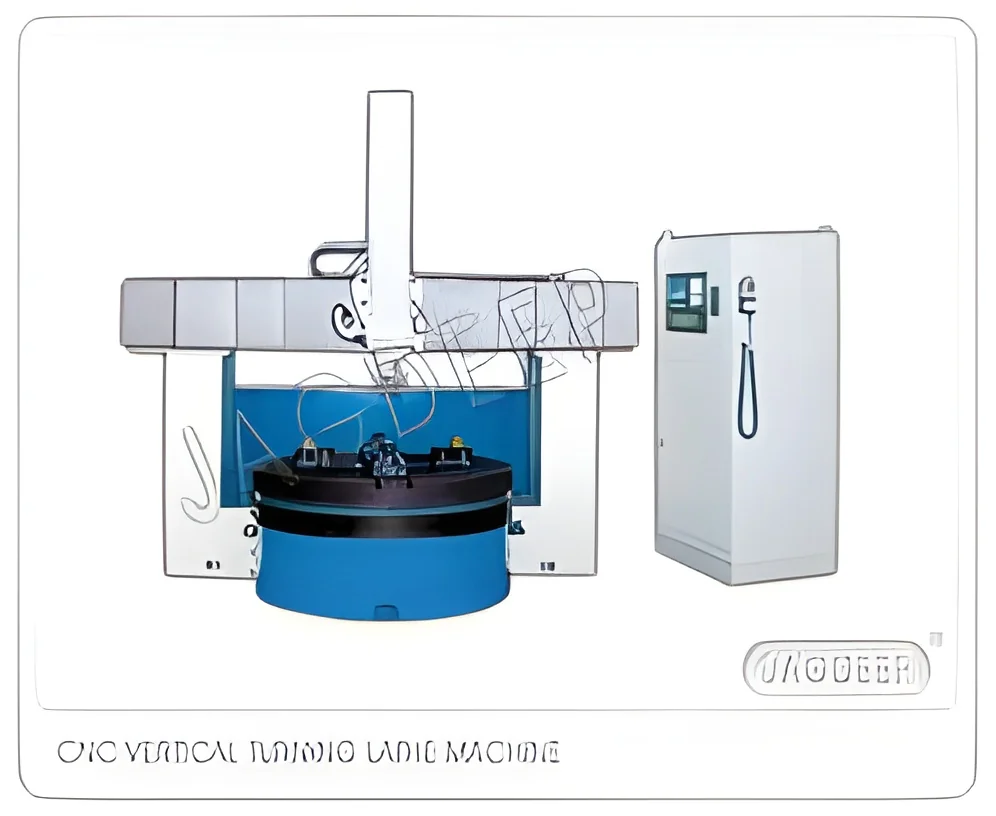
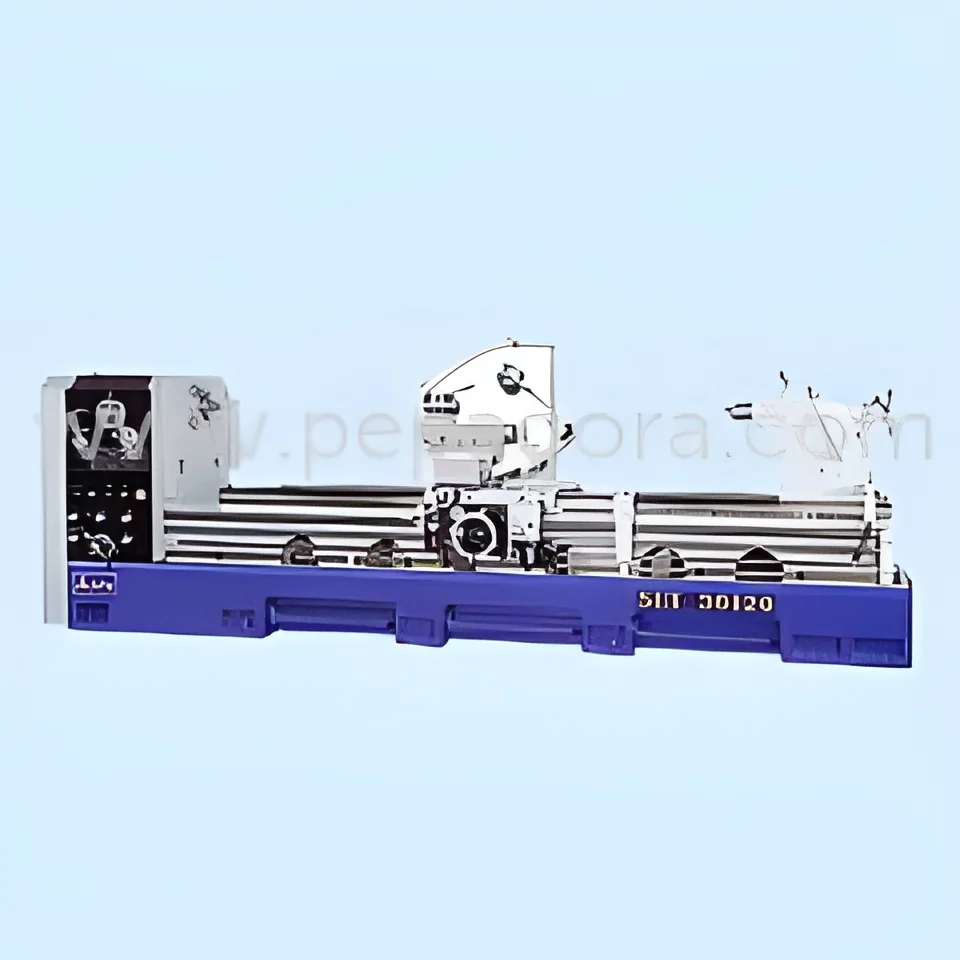
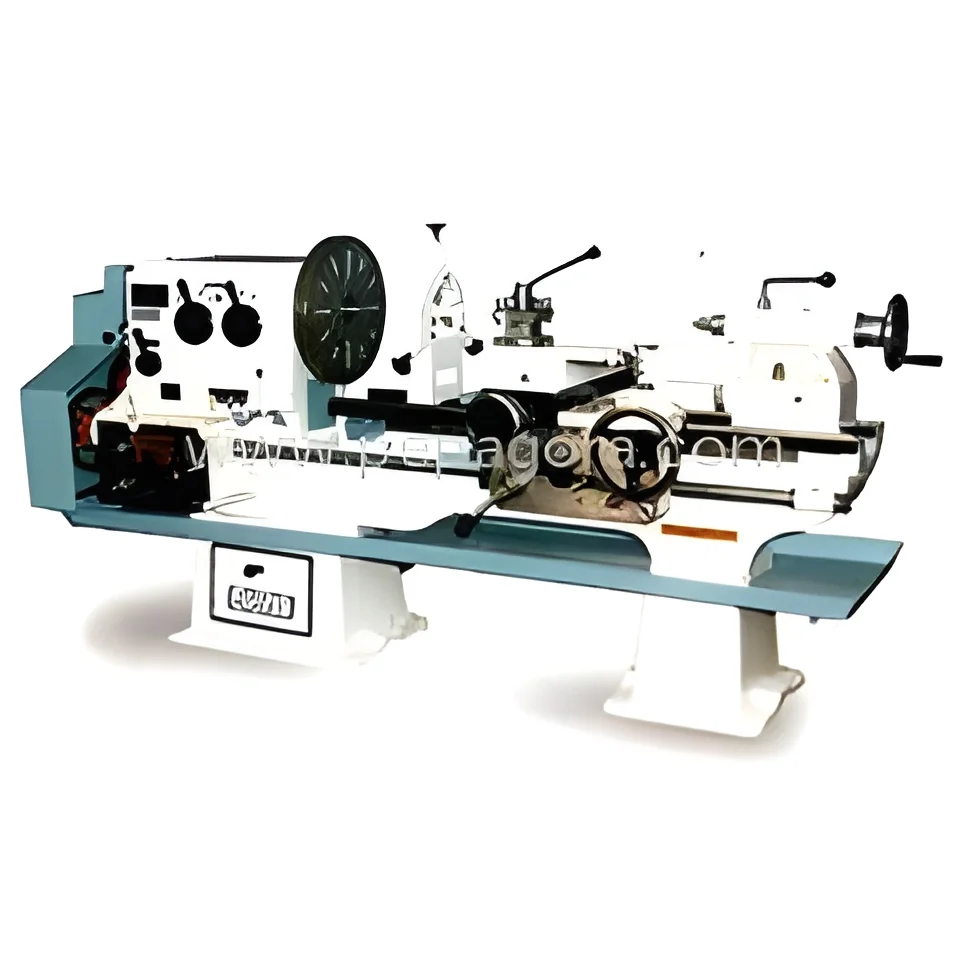
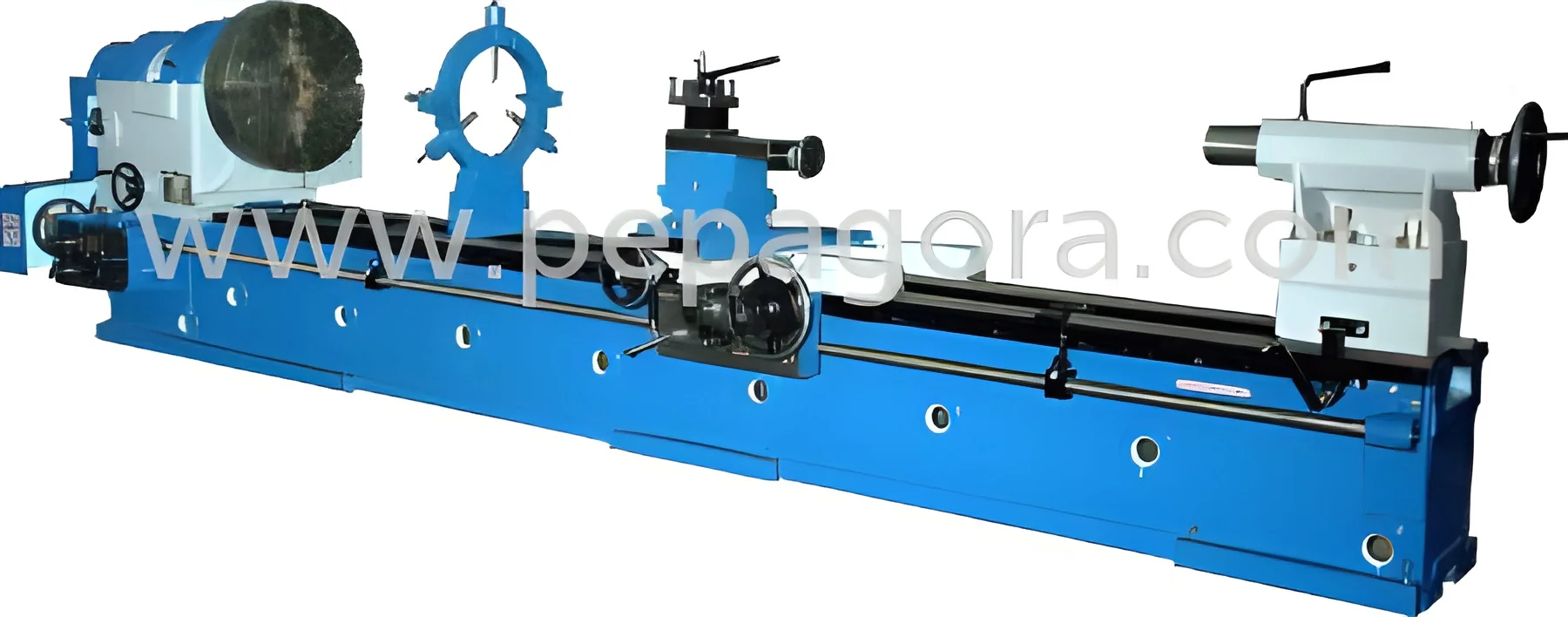
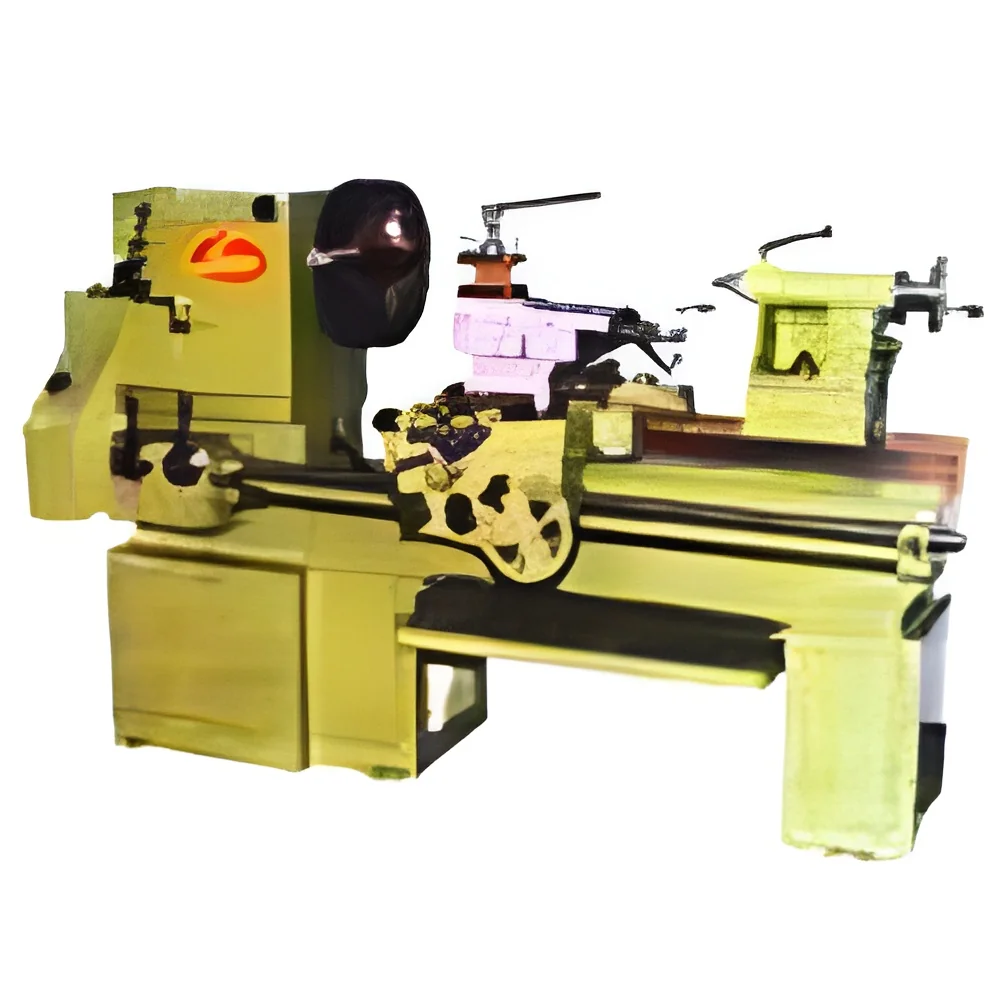
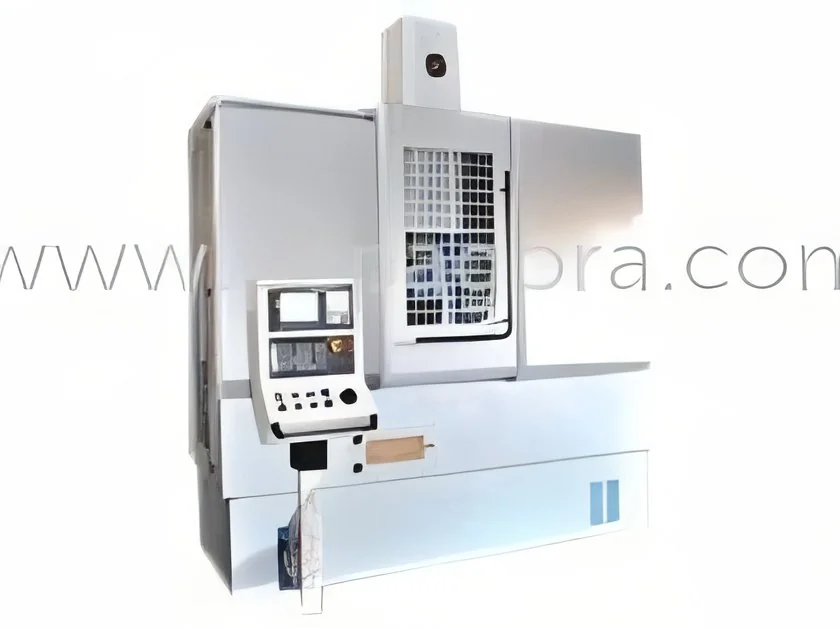
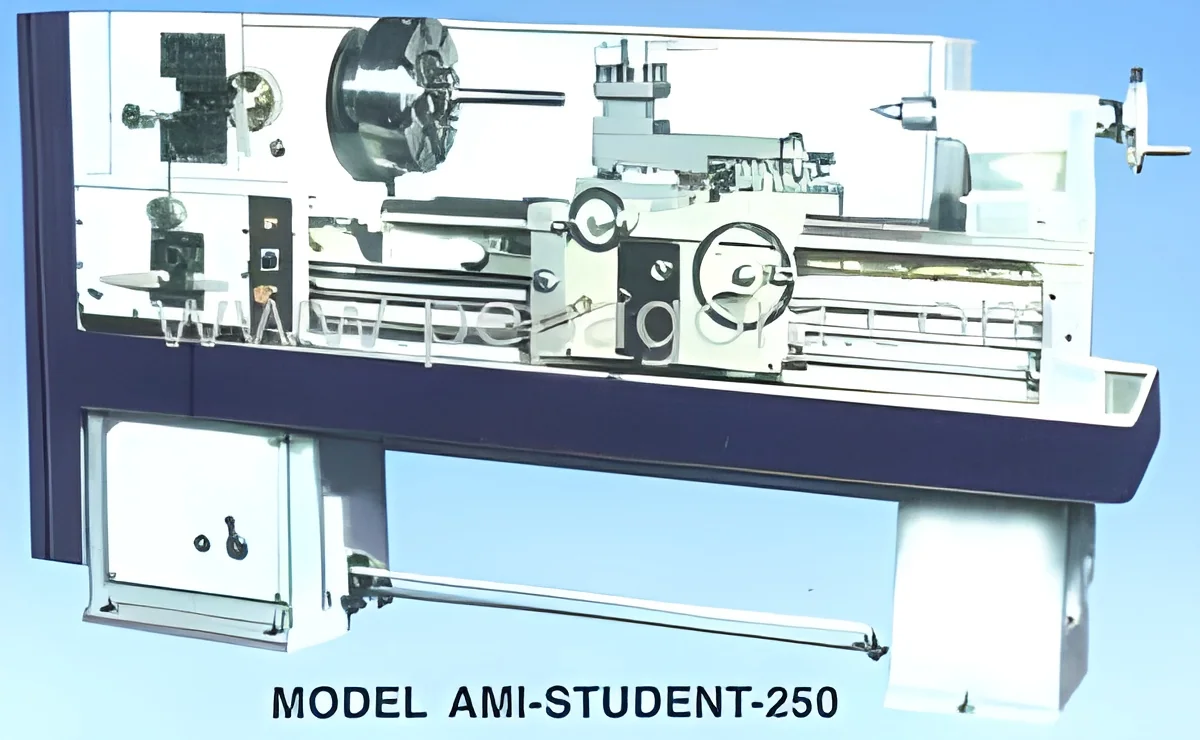
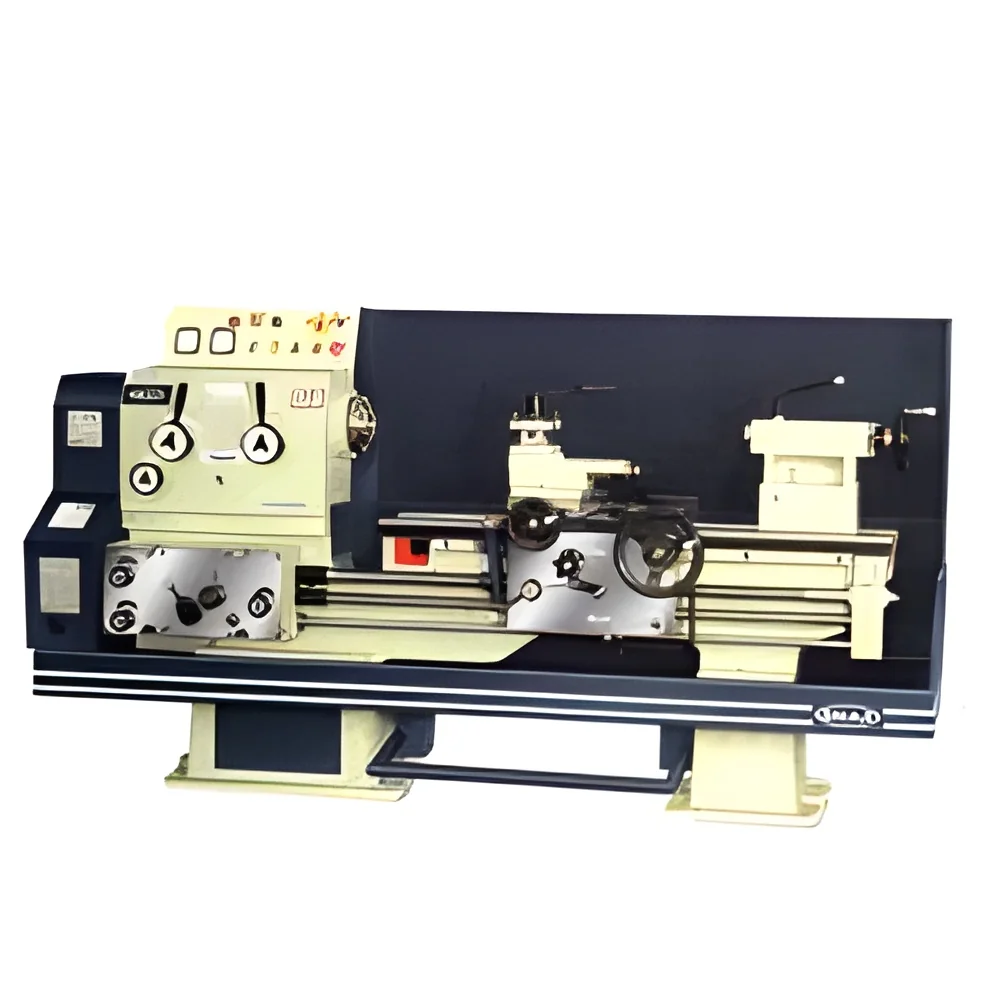
Lathe Machines are versatile tools used in manufacturing to shape and cut materials, primarily metal and wood. Bench lathes are smaller and suitable for light-duty tasks, while engine lathes are larger and designed for heavy-duty applications. CNC lathes, or Computer Numerical Control lathes, automate the machining process for precision and complex designs.
What are the different types of Lathe Machines (Bench, Engine, CNC)?
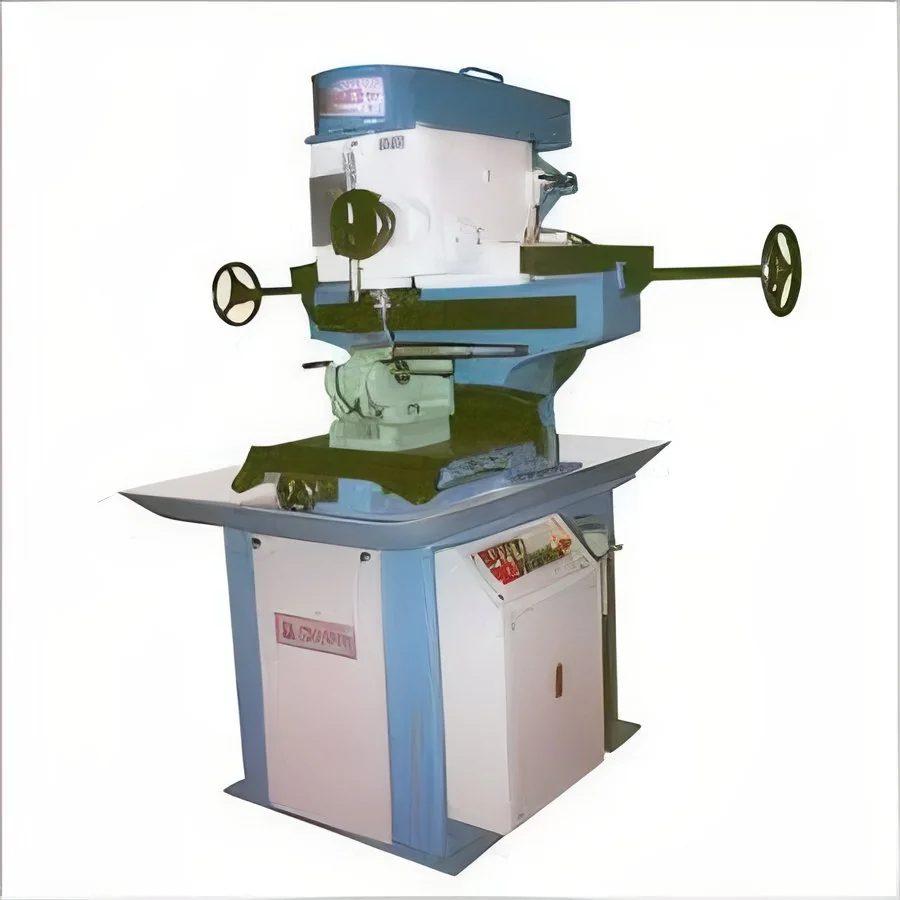
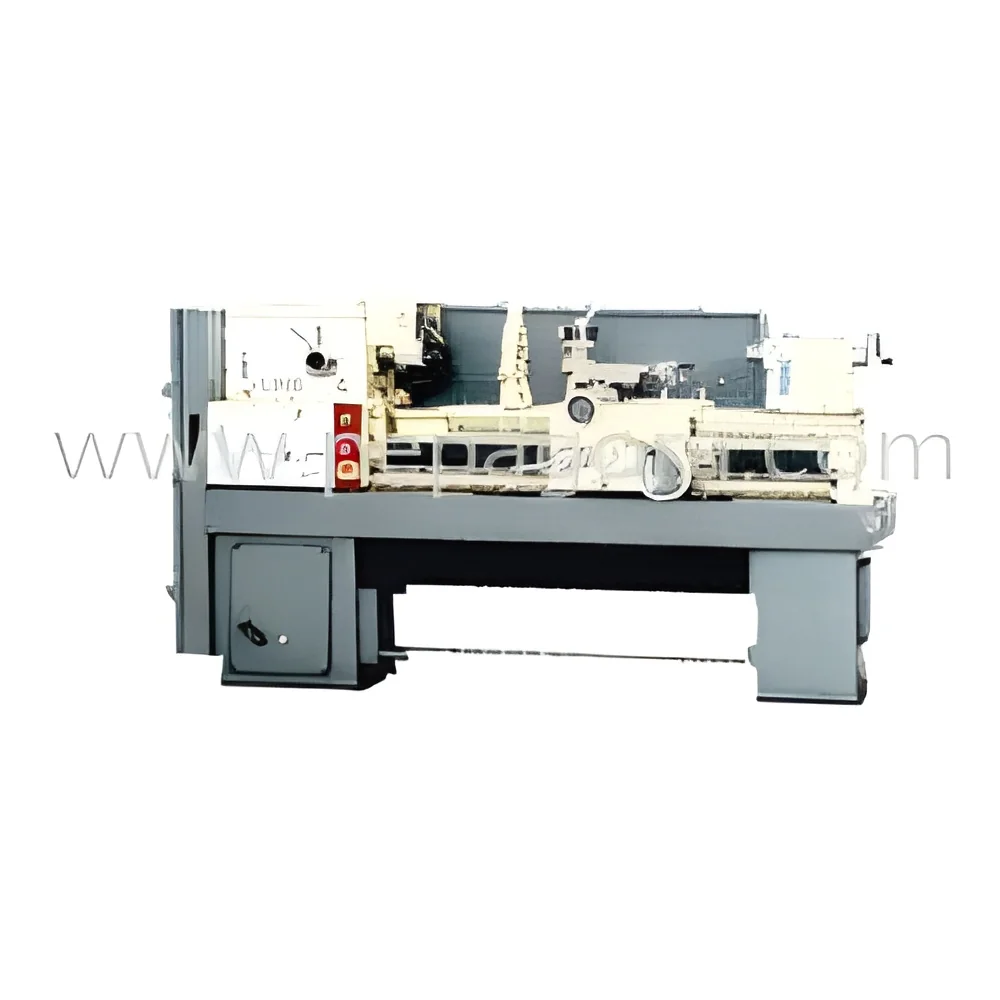
The main types of Lathe Machines include Bench Lathes, Engine Lathes, and CNC Lathes. Bench lathes are compact and ideal for small projects, while engine lathes are larger and used for more demanding tasks. CNC lathes utilize computer programming for enhanced accuracy and efficiency in production.
How do I choose the right Lathe Machines (Bench, Engine, CNC)?
Choosing the right Lathe Machine depends on your specific needs, including the type of material you will be working with and the complexity of the tasks. Consider factors such as size, power, precision, and automation features. It's also important to assess your budget and the available space for the machine.
What are the standard specifications for Lathe Machines (Bench, Engine, CNC)?
Standard specifications for Lathe Machines include swing over bed, distance between centers, spindle speed, and horsepower. For CNC lathes, additional specifications such as the number of axes, tool capacity, and control software are relevant. Each specification impacts the machine's performance and suitability for different applications.
What is the price range for Lathe Machines (Bench, Engine, CNC)?
The price range for Lathe Machines varies widely depending on the type and features. Bench lathes can start from a few thousand rupees, while engine lathes may range from tens of thousands to several lakhs. CNC lathes are generally the most expensive, starting from a few lakhs and going up significantly based on specifications.
What quality standards apply to Lathe Machines (Bench, Engine, CNC)?
Quality standards for Lathe Machines are typically governed by ISO (International Organization for Standardization) and other industry-specific regulations. These standards ensure that the machines meet safety, accuracy, and performance requirements. Manufacturers often adhere to these standards to guarantee reliability and efficiency.
Where can I find Lathe Machines (Bench, Engine, CNC) suppliers in India?
You can find Lathe Machines suppliers in India through online B2B marketplaces like Pepagora.com, industry trade shows, and local manufacturing directories. It's advisable to review supplier credentials, customer reviews, and product offerings to ensure you select a reputable source. Networking within industry groups can also help identify reliable suppliers.
Can Lathe Machines (Bench, Engine, CNC) be customized?
Yes, many manufacturers offer customization options for Lathe Machines to meet specific operational requirements. Customizations may include alterations to size, additional features, or specialized tooling. It's best to discuss your needs with the supplier to explore available options.
What is the typical minimum order quantity for Lathe Machines (Bench, Engine, CNC)?
The typical minimum order quantity (MOQ) for Lathe Machines varies by manufacturer and type of machine. For standard models, the MOQ may be one unit, while larger manufacturers may have higher MOQs for custom or specialized machines. Always confirm with the supplier for their specific policies.
What is the typical lead time for Lathe Machines (Bench, Engine, CNC)?
The typical lead time for Lathe Machines can vary based on factors such as the type of machine, customization, and supplier location. Generally, lead times can range from a few weeks to several months. It's advisable to check with the supplier for an estimated delivery timeline based on your order specifics.
Why Businesses Trust Pepagora
Thousands of companies trust Pepagora to source smarter and sell faster
Expand Your Sales Globally

Source Smarter,Grow Faster
