Key Features and Specifications
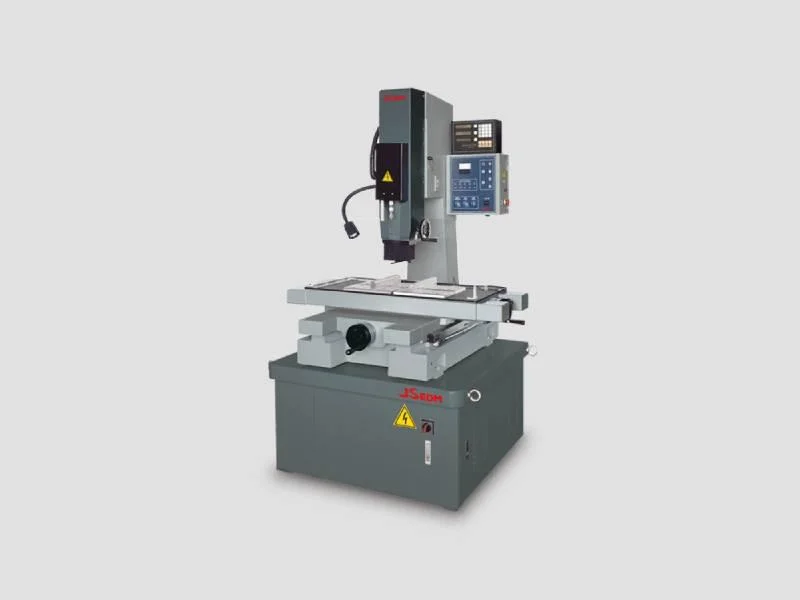
EDM machines come equipped with a range of features that enhance their performance and efficiency. Understanding these specifications is vital for businesses looking to invest in this technology.
Key specifications include:
1. Spark Gap Range
- The distance between the electrode and workpiece during machining.
- Typically ranges from 0.01 mm to 0.5 mm.
2. Power Supply
- The source providing electrical energy to the machine.
- Options include AC and DC power supplies, with varying voltage outputs.
3. Maximum Workpiece Size
- The largest dimensions of the material that can be processed.
- Generally varies from 300 mm x 300 mm to 1000 mm x 1000 mm.
4. Electrode Material
- Common materials include copper, brass, and graphite.
- Each material has specific properties suited for different applications.
5. Control System
- The interface allowing operators to manage the EDM process.
- Features can include CNC capabilities for automated operations.
6. Dielectric Fluid System
- The system that circulates dielectric fluid to cool the workpiece.
- Essential for maintaining temperature stability during machining.
7. Accuracy and Tolerance
- The precision level of the machining process.
- Typically achieves tolerances of ±0.005 mm to ±0.02 mm.
8. Machine Weight
- The overall weight of the EDM machine, affecting installation and mobility.
- Ranges from 500 kg to over 5000 kg depending on the machine size and capabilities.
In summary, the features and specifications of EDM machines are crucial for determining their suitability for specific applications. Understanding these factors can help businesses make informed decisions when selecting the right equipment for their manufacturing needs.
Common Applications and Use Cases
EDM machines are utilized across a variety of industries for their unique capabilities.
1. Aerospace: In the aerospace sector, EDM is used to manufacture complex components such as turbine blades and fuel injection nozzles, where precision and material integrity are critical.
2. Automotive: The automotive industry relies on EDM for producing die sets, molds, and parts that require tight tolerances and intricate shapes, enhancing the efficiency of vehicle manufacturing.
3. Mold Making: EDM is essential for creating molds used in plastic injection and die casting processes, allowing for detailed designs that meet high-quality standards.
4. Medical Devices: In the medical device field, EDM is employed to create precise surgical instruments and implants, where accuracy directly impacts patient outcomes.
5. Electronics: EDM is valuable in the production of components such as connectors and circuit boards, where intricate designs are required for functionality.
6. Tool and Die Manufacturing: EDM is widely used in tool and die manufacturing to produce complex shapes and features in cutting tools and dies.
7. Defense: The defense industry uses EDM for precision parts in weapon systems and aerospace applications, where reliability and accuracy are paramount.
Product Variants and Subcategories
EDM machines come in various types to cater to different manufacturing needs. Each variant is designed with specific features suited for particular applications.
Wire EDM: This variant uses a thin wire electrode to cut through materials with precision. It is ideal for creating intricate shapes and is commonly used in tool and die manufacturing.
Sinker EDM: Sinker EDM utilizes a shaped electrode to create cavities and complex forms in a workpiece. It is particularly effective in mold making and aerospace applications.
Hole EDM: This type is designed for drilling precise holes in hard materials. It is widely used in sectors requiring small, deep holes, such as the automotive and aerospace industries.
Benefits and Advantages
Investing in EDM technology offers several key benefits for businesses seeking precision manufacturing solutions.
1. High Precision: EDM machines provide exceptional accuracy, allowing for tight tolerances that are difficult to achieve with traditional machining methods.
2. Versatility: EDM can work with a variety of conductive materials, including hard metals, making it suitable for diverse applications across industries.
3. Complex Geometry: The process enables the creation of intricate shapes and fine details that would be challenging to achieve using conventional techniques.
4. Minimal Tool Wear: Unlike traditional cutting methods, EDM does not involve direct contact between the tool and workpiece, resulting in less tool wear and extended tool life.
5. Reduced Setup Time: EDM machines can quickly adapt to different jobs, reducing setup time and increasing overall productivity.
6. Improved Surface Finish: The EDM process typically results in a superior surface finish, reducing the need for additional post-processing steps.
Buying Guide for B2B Buyers
When considering the procurement of EDM machines, several factors should be evaluated to ensure the right choice is made.
1. Quality Assessment: It is essential to assess the quality of the machines by reviewing specifications, performance metrics, and user reviews. Machines that comply with industry standards are preferable.
2. Supplier Verification: Vetting suppliers is crucial to ensure reliability and product quality. Look for suppliers with a proven track record and positive customer testimonials.
3. Pricing and MOQ: Determine the budget and compare pricing among different suppliers. Understanding the minimum order quantity is important for aligning with production needs.
4. Delivery and Lead Times: Consider the logistics involved in the delivery of EDM machines. Lead times can vary, so it is essential to confirm timelines with suppliers to avoid production delays.
5. Compliance Requirements: Ensure that the machines meet regulatory standards for safety and quality. Compliance with certifications such as CE is a key consideration.
Compliance and Certifications
EDM machines must adhere to various quality standards and certifications to ensure their reliability and safety in industrial applications. ISO 9001 is one of the primary quality management system standards that manufacturers should comply with, ensuring a consistent approach to quality across production processes.
Additionally, industry certifications such as CE signify that the machines meet European safety and environmental requirements. Compliance with these standards indicates that the machines have been rigorously tested and validated for safety, performance, and quality.
Safety and testing requirements also play a significant role in the manufacturing and usage of EDM machines. It is essential for manufacturers to follow local and international safety standards to protect operators and ensure the machines operate safely. Regional compliance considerations may vary, so buyers should verify that the machines meet the specific regulations applicable in their geographic area.
Why Source EDM (Electrical Discharge Machines) from Pepagora?
Pepagora offers a reliable platform for sourcing EDM machines, providing several key advantages to buyers looking for quality equipment.
Verified Supplier Network: Pepagora ensures that all suppliers in its network are thoroughly vetted. This verification process helps buyers connect with reputable manufacturers who meet industry standards and provide high-quality EDM machines.
Streamlined RFQ Process: The platform facilitates a straightforward Request for Quotation (RFQ) process, allowing businesses to easily request quotes from multiple suppliers. This simplifies the procurement process and helps buyers compare options efficiently.
Trade Assurance and Support: Pepagora provides trade assurance measures to protect buyers throughout the purchasing process. This includes support for transaction disputes and quality assurance, offering peace of mind when investing in EDM technology.
Regional Coverage: With extensive reach across India, the GCC, and Southeast Asia, Pepagora connects buyers with local suppliers, ensuring convenient access to EDM machines and reducing logistics costs associated with international shipping.

 IN
IN