
 IN
Work Holding Devices
3 products available
What are Work Holding Devices?
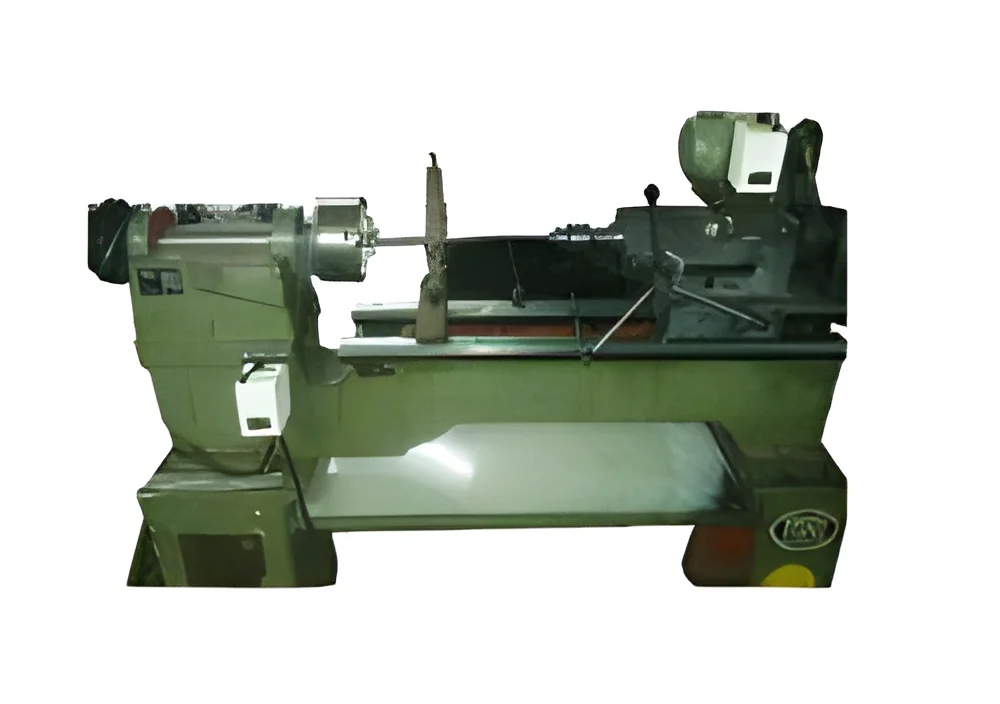
Work holding devices are essential tools used in various manufacturing and machining processes to securely hold workpieces in place. These devices ensure stability and precision during operations such as machining, assembly, and inspection. By providing a fixed point of reference, work holding devices reduce movement and vibration, which can lead to inaccuracies and defects in the final product.
These tools find extensive use in industries such as automotive, aerospace, and metalworking. Their primary applications include clamping, positioning, and securing materials for further processing. Businesses utilize work holding devices to enhance productivity, improve safety, and maintain quality control throughout manufacturing operations. As industries continue to evolve, the demand for efficient and reliable work holding solutions remains strong, driving innovation and development in this sector.
Key Features and Specifications
Work holding devices come with a variety of features designed to meet the specific needs of different applications. Understanding these key specifications is crucial for selecting the right device for your operations.
Key specifications include:
1. Clamping Force
- The amount of force applied to secure the workpiece
- Typically ranges from a few hundred pounds to several tons, depending on the device type
2. Material Composition
- The materials used in construction, which can include steel, aluminum, or composite materials
- Affects durability, weight, and corrosion resistance
3. Adjustment Mechanism
- The method by which the device can be adjusted to accommodate different sizes or shapes of workpieces
- Can be manual or automated, with varying degrees of precision
4. Mounting Options
- The ways in which the device can be mounted to machinery or work surfaces
- Options include T-slots, threaded holes, or magnetic systems
5. Size and Dimensions
- The physical size of the device, which affects its compatibility with different machinery
- Should be selected based on the workpiece size and workspace constraints
6. Safety Features
- Built-in features designed to prevent accidental release or movement during operation
- May include locking mechanisms or fail-safes
7. Temperature Tolerance
- The range of temperatures the device can withstand without compromising performance
- Important for applications involving high heat
8. Compliance Standards
- Adherence to industry standards such as CE certification
- Ensures reliability and safety for end users
In summary, understanding the key features and specifications of work holding devices can significantly impact the efficiency and safety of manufacturing operations.
Common Applications and Use Cases
Work holding devices serve a wide range of industries, each with unique applications.
1. Automotive: In automotive manufacturing, work holding devices are used for assembling components and ensuring accurate machining of parts. They help in maintaining precision during processes such as welding and painting.
2. Aerospace: In the aerospace sector, these devices are critical for holding complex and often large components during machining. They ensure that tolerances are met, which is vital for safety and performance.
3. Metalworking: Metalworking shops utilize work holding devices for various tasks, including milling, drilling, and grinding. They are essential in ensuring that metal pieces remain stable during intricate operations.
4. Woodworking: In woodworking, devices such as clamps and jigs are used to hold pieces in place for cutting and shaping. This helps achieve clean and accurate cuts.
5. Electronics: In the electronics industry, work holding devices are used for assembly processes. They secure delicate components to prevent damage during handling.
6. Medical Device Manufacturing: For medical devices, precision is crucial. Work holding devices ensure that components are positioned correctly during assembly and testing.
7. Robotics: In robotic applications, work holding devices are integrated into automated systems to ensure parts are positioned accurately for robotic arms during assembly processes.
Product Variants and Subcategories
Work holding devices come in various forms to cater to different manufacturing needs. This diversity allows manufacturers to choose devices that best suit their specific applications.
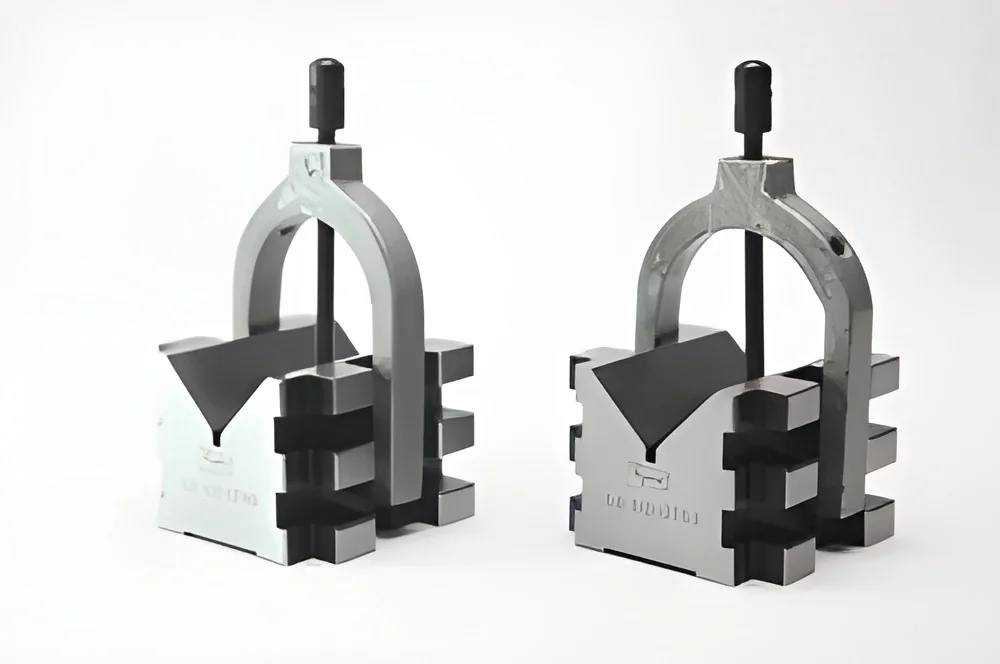
Vise Clamps: Vise clamps are commonly used in machining operations. They provide a secure grip on the workpiece and can be adjusted for various sizes. Their versatility makes them a staple in workshops.
Magnetic Work Holders: These devices utilize magnetic force to hold ferrous materials in place. They are ideal for quick setups and adjustments, making them popular in metalworking applications.
Fixture Plates: Fixture plates are used for holding multiple workpieces simultaneously. They are designed for complex machining operations and enhance productivity by reducing setup times.
Vacuum Work Holders: Ideal for holding flat or delicate materials, vacuum holders use suction to secure the workpiece. They are widely used in woodworking and electronics assembly.
Benefits and Advantages
Investing in work holding devices offers numerous advantages that can significantly enhance manufacturing processes.
Key benefits include:
1. Increased Efficiency: Work holding devices streamline operations by providing secure holds, reducing setup times, and minimizing changes during machining.
2. Enhanced Precision: These devices minimize movement and vibration, ensuring that workpieces are held accurately, which is critical for high-precision tasks.
3. Improved Safety: By securely holding materials in place, work holding devices reduce the risk of accidents, ensuring a safer working environment for operators.
4. Versatility: Many work holding devices can be adjusted or reconfigured to accommodate various workpieces, making them suitable for diverse applications.
5. Cost-Effectiveness: By enhancing productivity and reducing defects, work holding devices can lead to significant cost savings over time.
6. Quality Assurance: Consistent clamping and holding enhance the overall quality of the finished product, meeting industry standards and customer expectations.
Buying Guide for B2B Buyers
When sourcing work holding devices, it is essential for B2B buyers to consider several critical factors to ensure the best fit for their operations.
1. Quality Assessment: Evaluate the quality of the devices by reviewing manufacturer specifications, material composition, and performance metrics. Quality assurance can significantly impact long-term reliability.
2. Supplier Verification: Vet potential suppliers by checking their reputation, experience, and customer reviews. A reliable supplier can provide better support and product quality.
3. Pricing and MOQ: Understand the pricing structures and minimum order quantities. Compare prices among different suppliers while considering the total cost of ownership.
4. Delivery and Lead Times: Assess lead times for delivery based on the supplier's capabilities. Timely availability of work holding devices is crucial for maintaining production schedules.
5. Compliance Requirements: Ensure that the devices meet relevant industry regulations and certification standards. Compliance with safety and quality standards is essential for operational integrity.
Compliance and Certifications
Compliance and certifications play a vital role in the manufacturing of work holding devices. Adhering to quality standards like ISO 9001 ensures that products meet consistent quality benchmarks. These standards focus on quality management systems, promoting continuous improvement and customer satisfaction.
Industry certifications such as CE indicate that products meet European safety, health, and environmental protection standards. These certifications provide assurance to B2B buyers regarding the reliability and safety of the devices.
In addition to these certifications, safety and testing requirements are crucial in ensuring that work holding devices perform reliably under various conditions. Regional compliance considerations may also vary, so it is essential for manufacturers to be aware of local regulations and standards.
Why Source Work Holding Devices from Pepagora?
Pepagora provides a trusted platform for sourcing work holding devices, offering several key advantages that benefit B2B buyers.
Verified Supplier Network: Pepagora has established a network of verified suppliers, ensuring that buyers have access to high-quality products. This network allows buyers to make informed decisions based on supplier credibility.
Streamlined RFQ Process: The platform features a streamlined request for quotation (RFQ) process that simplifies sourcing. Buyers can easily compare offerings and receive competitive quotes, saving time and effort.
Trade Assurance and Support: Pepagora offers trade assurance, providing buyers with protection against potential disputes. Comprehensive support throughout the purchasing process enhances buyer confidence.
Regional Coverage: With a broad geographic reach that includes India, the GCC, and Southeast Asia, Pepagora connects buyers with suppliers across these regions, facilitating efficient sourcing. This coverage ensures that buyers can find the right work holding devices tailored to their specific needs.

Frequently Asked Questions
What are Work Holding Devices?
Work Holding Devices are tools or fixtures used in manufacturing processes to securely hold and position workpieces. They ensure precision and stability during machining, assembly, and inspection operations.
What are the different types of Work Holding Devices?
There are various types of Work Holding Devices including vises, clamps, magnetic chucks, and fixtures. Each type serves specific applications and can be used for different materials and processes.
How do I choose the right Work Holding Devices?
Choosing the right Work Holding Devices depends on the type of workpiece, the machining process, and the required precision. Consider factors such as material compatibility, size, and the specific requirements of your manufacturing operation.
What are the standard specifications for Work Holding Devices?
Standard specifications for Work Holding Devices often include dimensions, holding capacity, material type, and design features. It is important to refer to industry standards and manufacturer guidelines to ensure compliance.
What is the price range for Work Holding Devices?
The price range for Work Holding Devices can vary significantly based on type, material, and specifications. Generally, prices can start from a few hundred Indian Rupees to several thousand, depending on the complexity and customization.
What quality standards apply to Work Holding Devices?
Quality standards for Work Holding Devices typically include ISO certifications and adherence to specific industry norms. Manufacturers often implement quality control processes to ensure durability and performance.
Where can I find Work Holding Devices suppliers in India?
You can find Work Holding Devices suppliers in India through online B2B marketplaces like Pepagora, industry trade shows, and manufacturer directories. It's advisable to compare multiple suppliers for quality and pricing.
Can Work Holding Devices be customized?
Yes, many manufacturers offer customization options for Work Holding Devices to meet specific operational needs. Customization can include alterations in size, design, and material choice based on the client's requirements.
What is the typical minimum order quantity for Work Holding Devices?
The typical minimum order quantity (MOQ) for Work Holding Devices can vary by supplier and product type. Generally, MOQs can range from 1 unit for standard items to larger quantities for custom solutions.
What is the typical lead time for Work Holding Devices?
The typical lead time for Work Holding Devices can range from a few days to several weeks, depending on the supplier and whether the items are standard or custom-made. Always confirm lead times with your chosen supplier.
Why Businesses Trust Pepagora
Thousands of companies trust Pepagora to source smarter and sell faster
Expand Your Sales Globally

Source Smarter,Grow Faster
