
 IN
INMilling Machines (Vertical, Horizontal, CNC)
11 products available
Key Features and Specifications
Common Applications and Use Cases
Product Variants and Subcategories
Benefits and Advantages
Buying Guide for B2B Buyers
Compliance and Certifications

Frequently Asked Questions
What are Milling Machines (Vertical, Horizontal, CNC)?
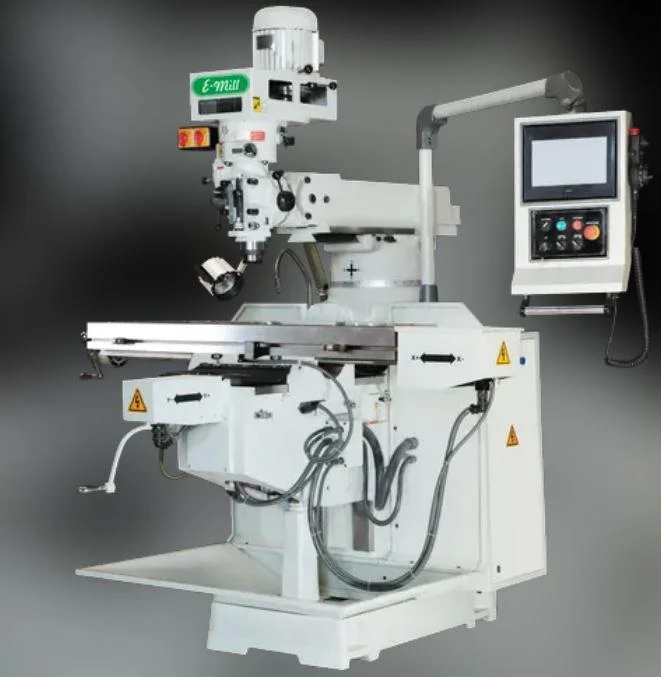
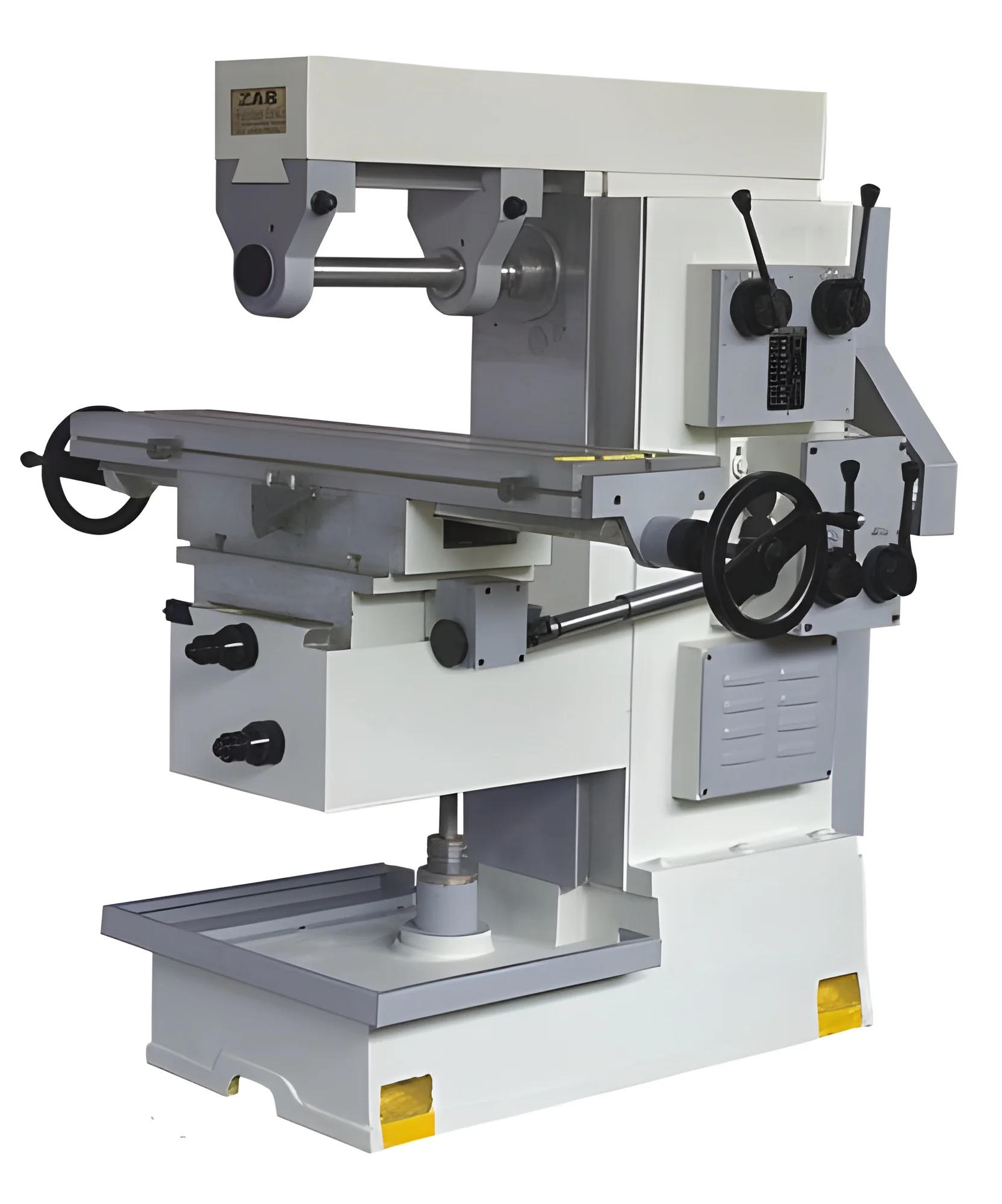
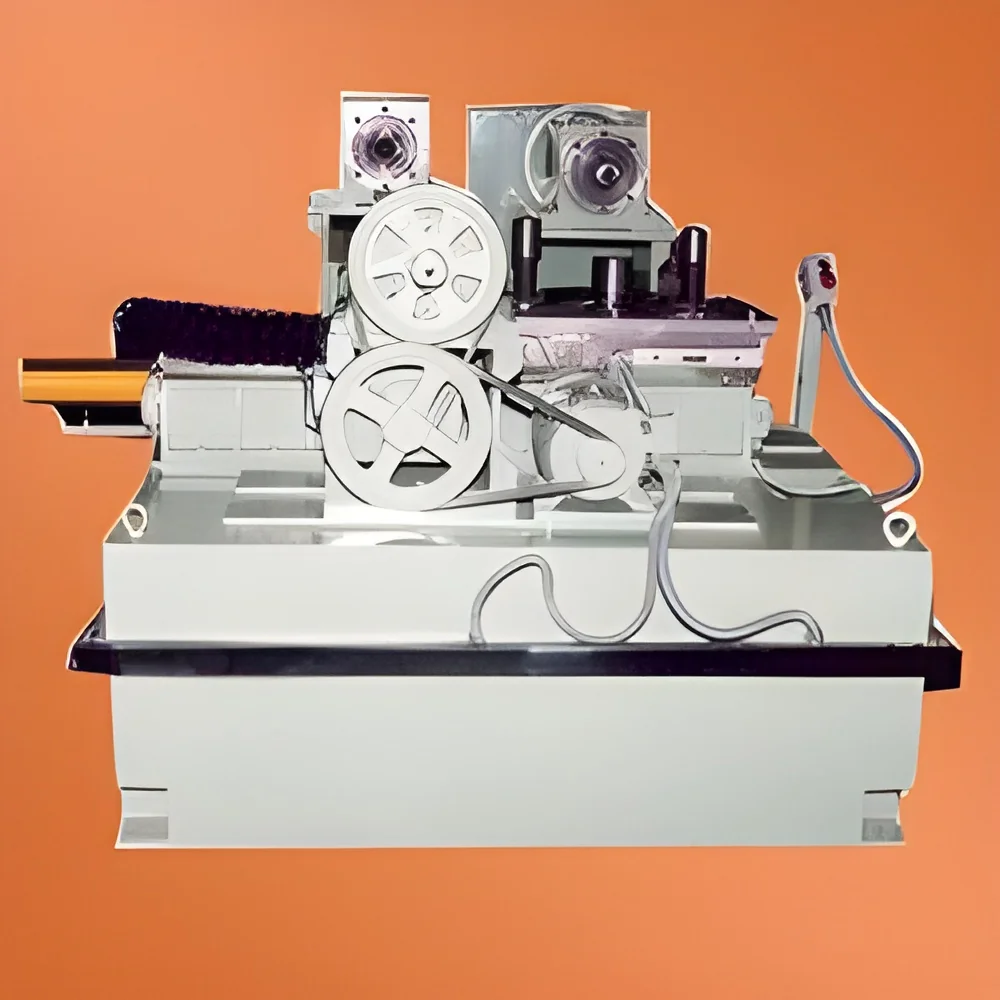
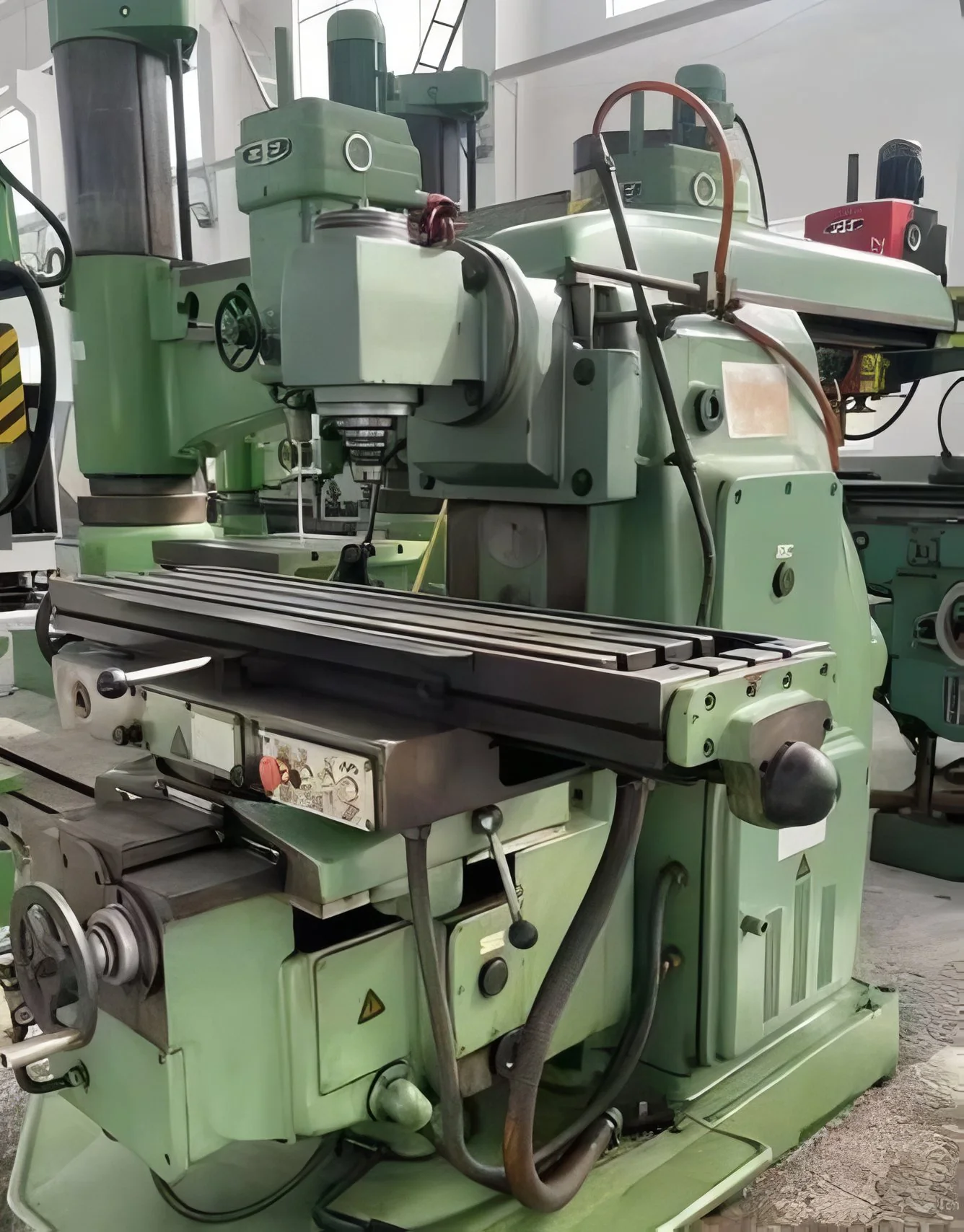
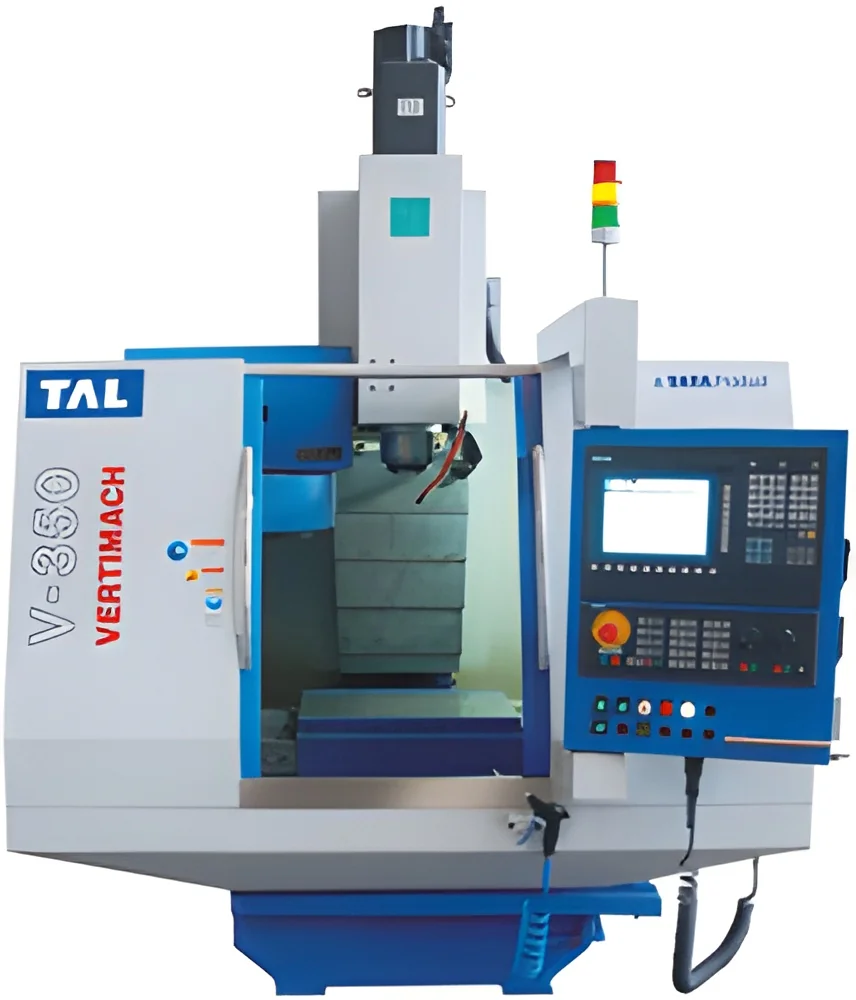
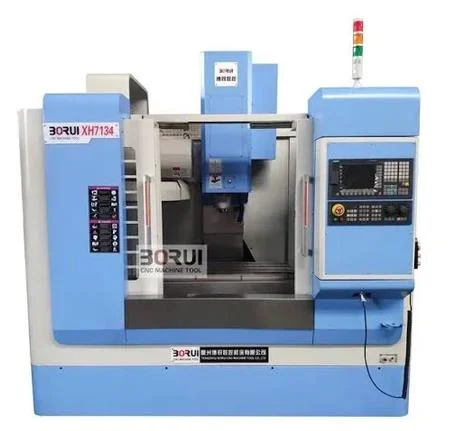
Milling Machines (Vertical, Horizontal, CNC) are industrial machines used for machining solid materials. They operate by removing material from a workpiece through the use of rotating cutting tools. Vertical milling machines have a vertical spindle orientation, while horizontal machines feature a horizontal spindle. CNC (Computer Numerical Control) milling machines automate the milling process for enhanced precision and efficiency.
What are the different types of Milling Machines (Vertical, Horizontal, CNC)?
The main types of Milling Machines include Vertical Milling Machines, Horizontal Milling Machines, and CNC Milling Machines. Vertical milling machines utilize a vertically oriented spindle for cutting, whereas horizontal machines employ a horizontal spindle. CNC milling machines are programmable and allow for complex operations with high precision, making them suitable for intricate designs.
How do I choose the right Milling Machines (Vertical, Horizontal, CNC)?
Choosing the right Milling Machine depends on various factors, including the type of material you will be machining, the complexity of the parts, and production volume requirements. Consider the machine's specifications, such as bed size, spindle speed, and tooling options. Additionally, assess the level of automation you need; CNC machines offer greater precision for complex tasks.
What are the standard specifications for Milling Machines (Vertical, Horizontal, CNC)?
Standard specifications for Milling Machines typically include spindle speed, table size, power capacity, and feed rate. Vertical machines may have specifications like 5-10 HP spindle motors and 30-50 inches of table length. CNC machines often feature advanced specifications such as multi-axis capabilities, programmable controls, and enhanced tool changers.
What is the price range for Milling Machines (Vertical, Horizontal, CNC)?
The price range for Milling Machines varies widely based on type and features. Basic vertical or horizontal milling machines can start from INR 1 lakh, while advanced CNC milling machines can range from INR 5 lakhs to several crores. Factors influencing price include brand, specifications, and additional features.
What quality standards apply to Milling Machines (Vertical, Horizontal, CNC)?
Milling Machines must adhere to several quality standards, including ISO 9001 for quality management systems and CE marking for safety compliance. Manufacturers often implement stringent testing protocols to ensure performance and durability. Additionally, machines may need certification based on specific industry requirements.
Where can I find Milling Machines (Vertical, Horizontal, CNC) suppliers in India?
You can find Milling Machines suppliers in India through B2B marketplaces like Pepagora.com, which connect buyers with verified manufacturers and suppliers. Additionally, industry trade shows and online directories can provide information on reputable suppliers. It's advisable to check reviews and conduct background research before making a purchase.
Can Milling Machines (Vertical, Horizontal, CNC) be customized?
Yes, Milling Machines can often be customized to meet specific production requirements. Customization options may include modifications to size, tooling, and software capabilities, especially for CNC machines. It is essential to discuss your needs with the manufacturer to explore available customization options.
What is the typical minimum order quantity for Milling Machines (Vertical, Horizontal, CNC)?
The minimum order quantity (MOQ) for Milling Machines can vary by supplier and machine type. Generally, MOQs can range from one unit for standard models to multiple units for customized or specialized machines. It's best to check with individual suppliers for their specific MOQ policies.
What is the typical lead time for Milling Machines (Vertical, Horizontal, CNC)?
The typical lead time for Milling Machines can vary based on the type of machine and customization requirements. Standard machines may have a lead time of 4-6 weeks, while custom or CNC machines may require 8-12 weeks or longer. It's advisable to confirm the lead time with the supplier at the time of order.
Why Businesses Trust Pepagora
Thousands of companies trust Pepagora to source smarter and sell faster
Expand Your Sales Globally

Source Smarter,Grow Faster
