What are Calibration Benches & Test Systems?
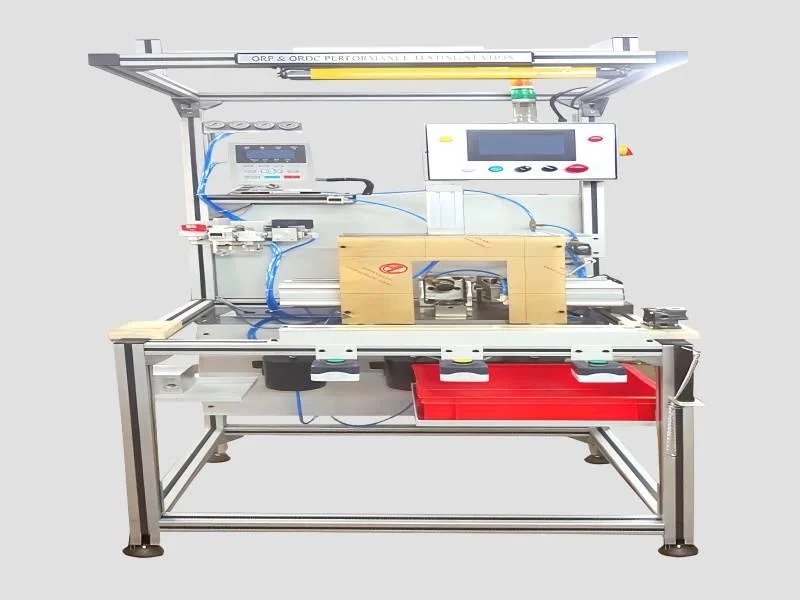
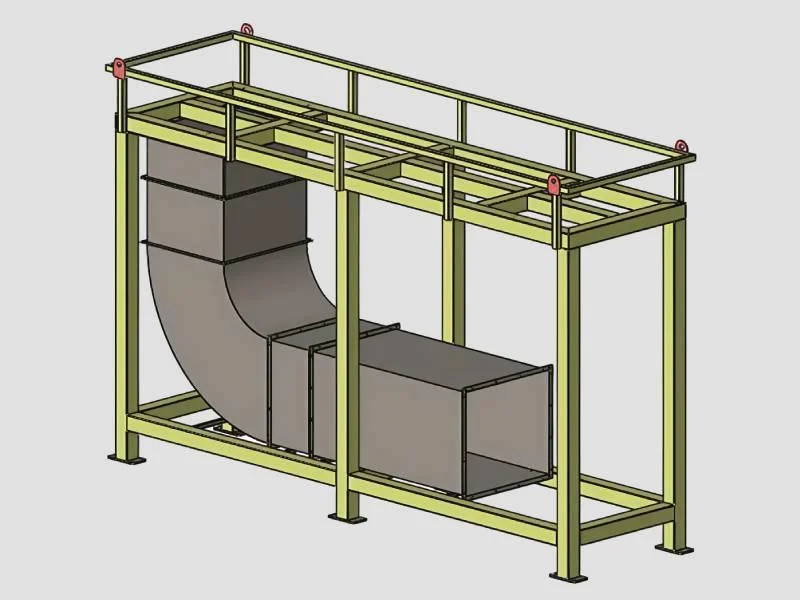
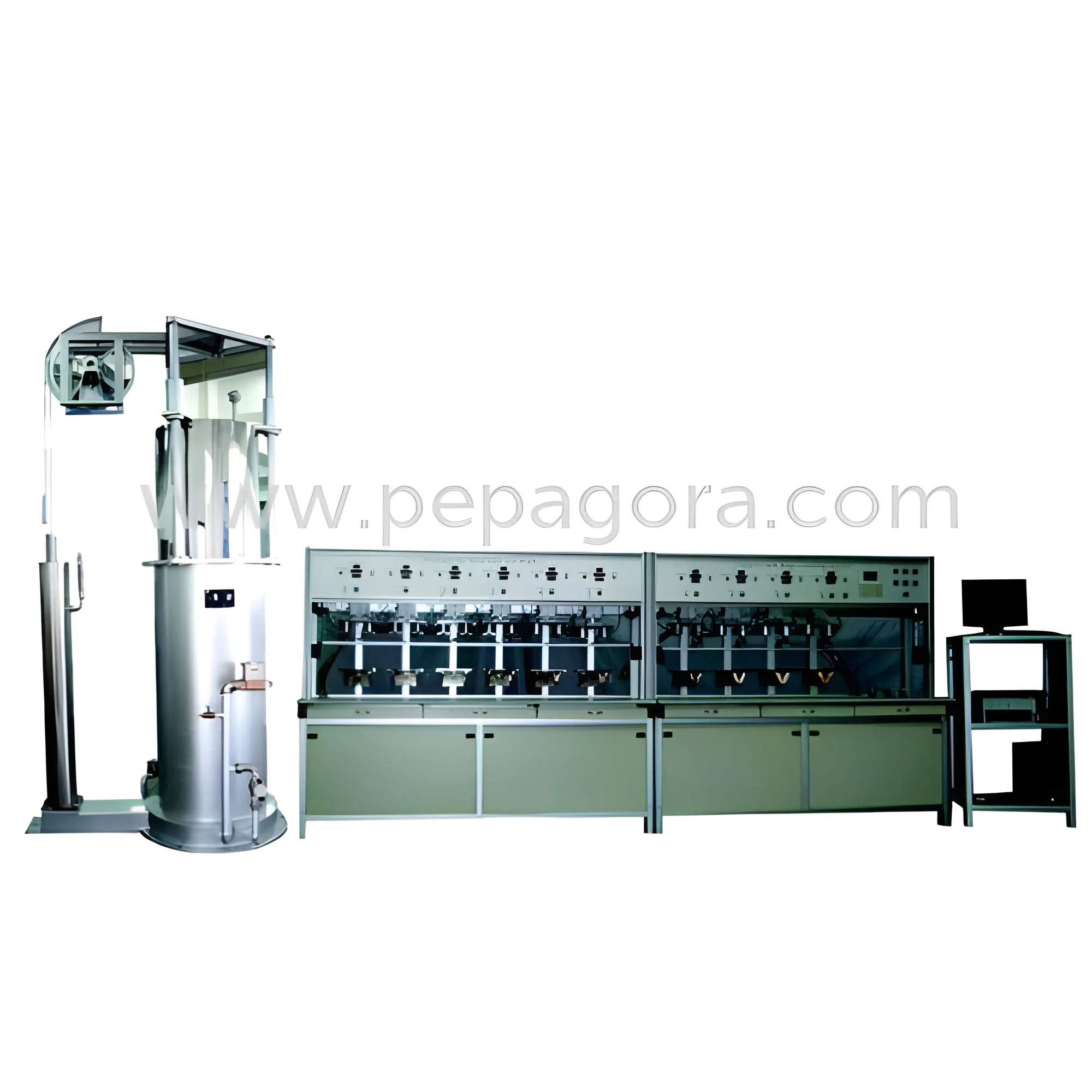
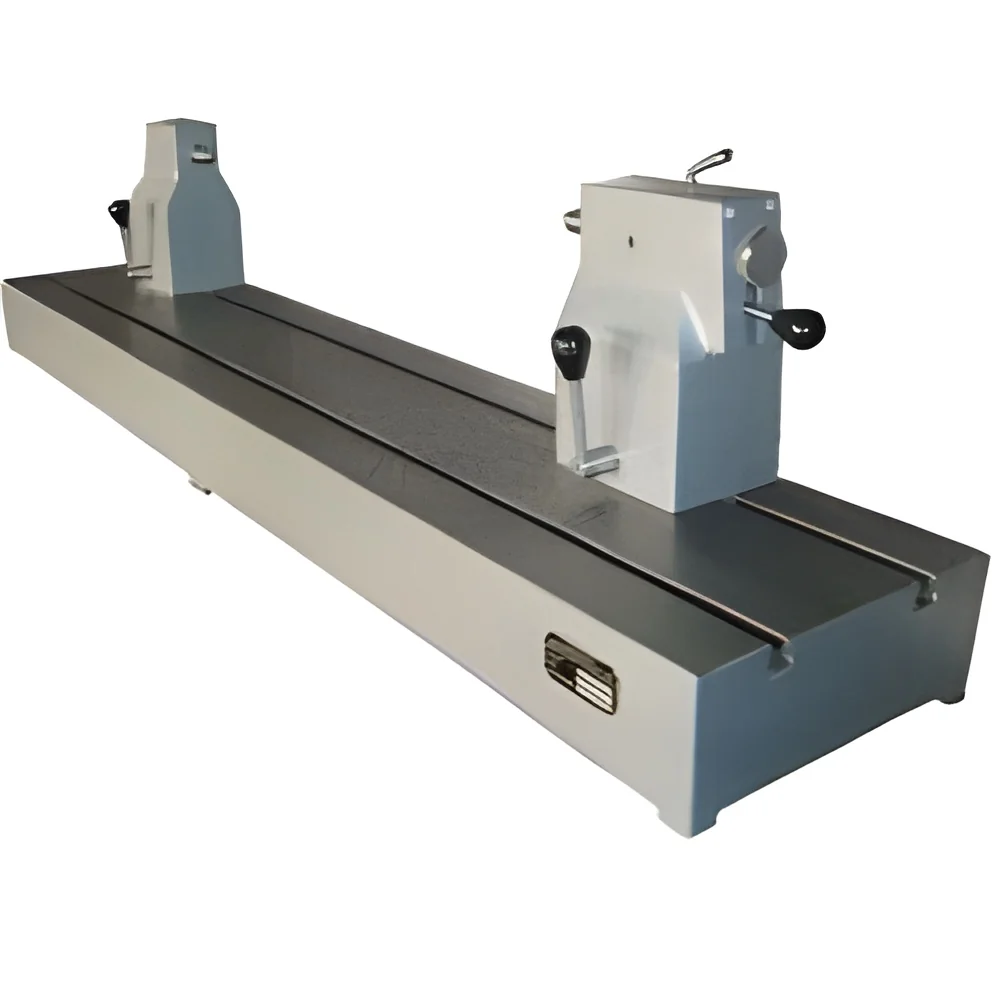
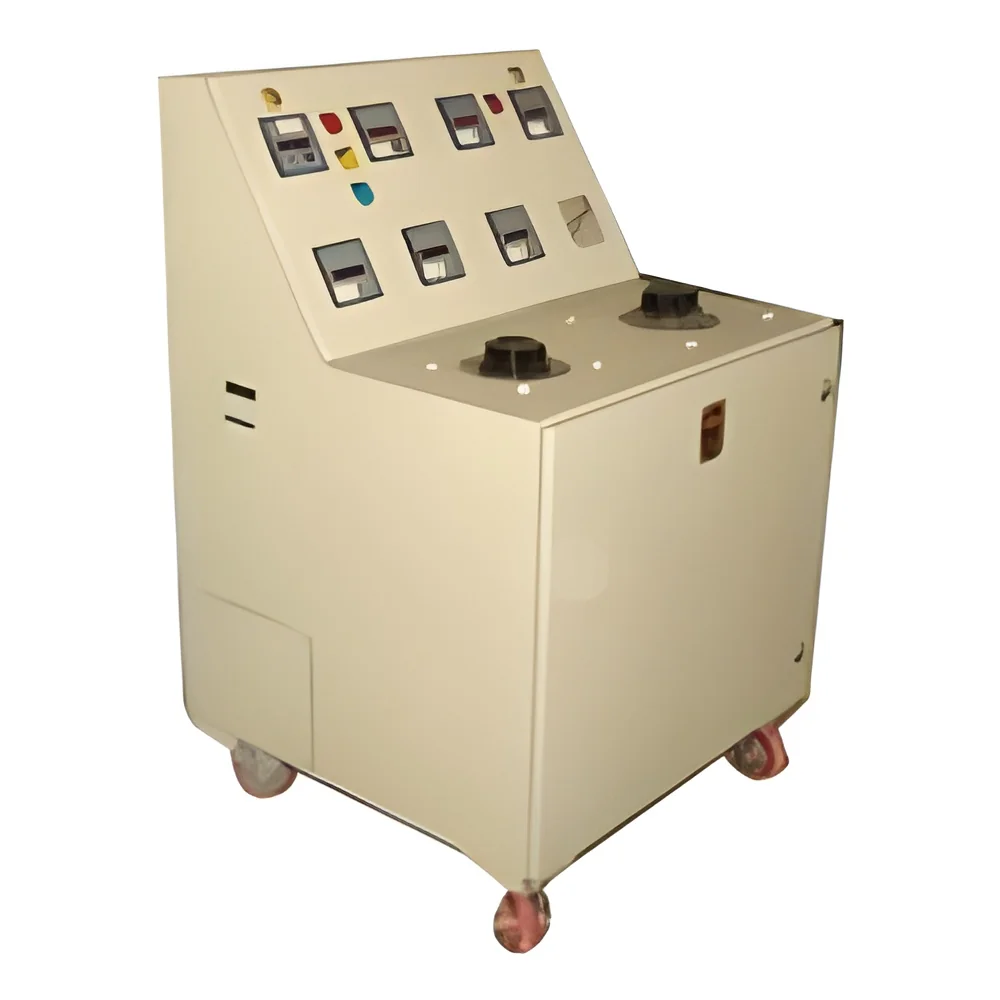
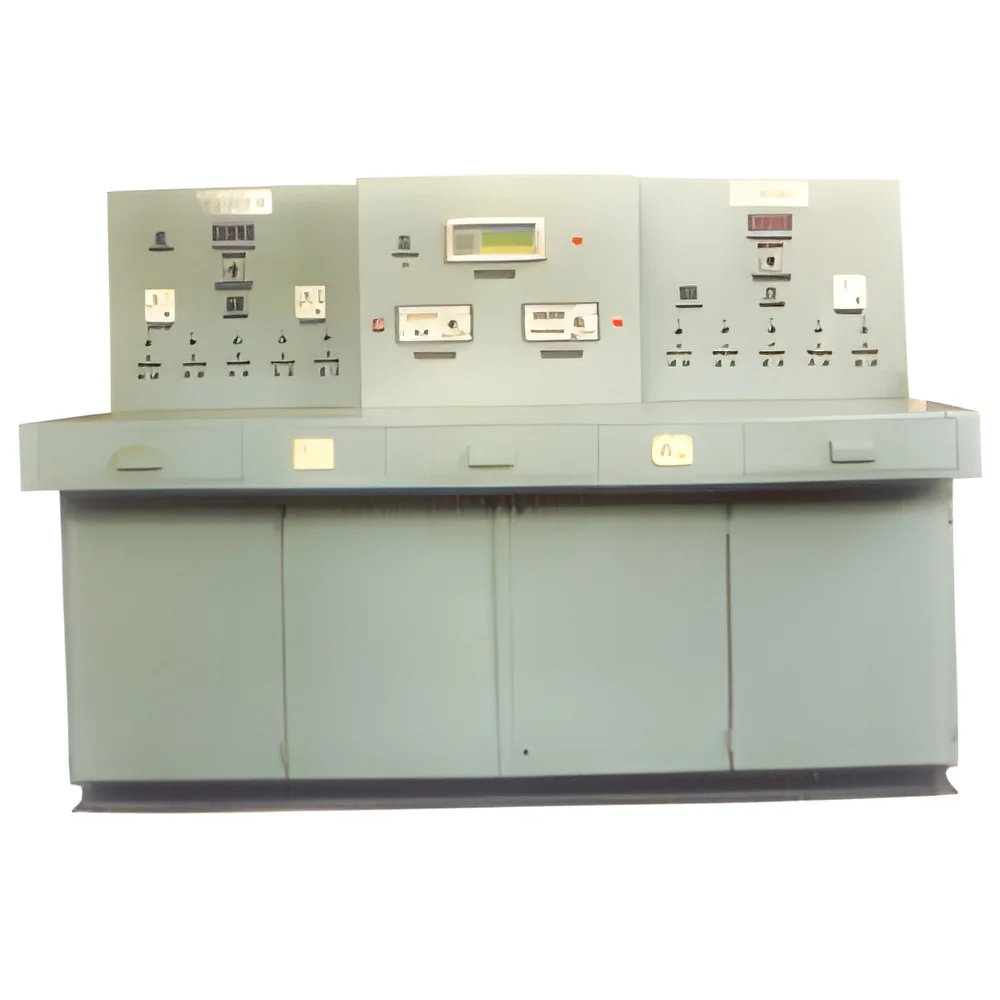
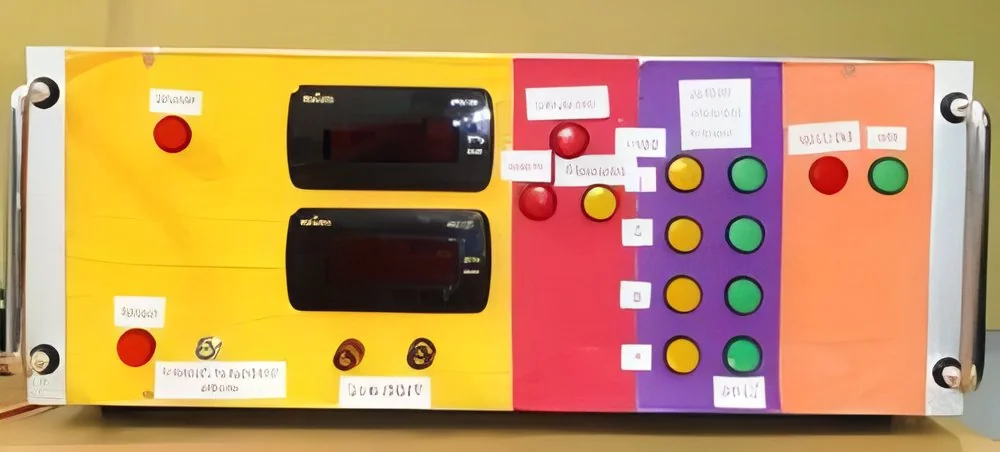
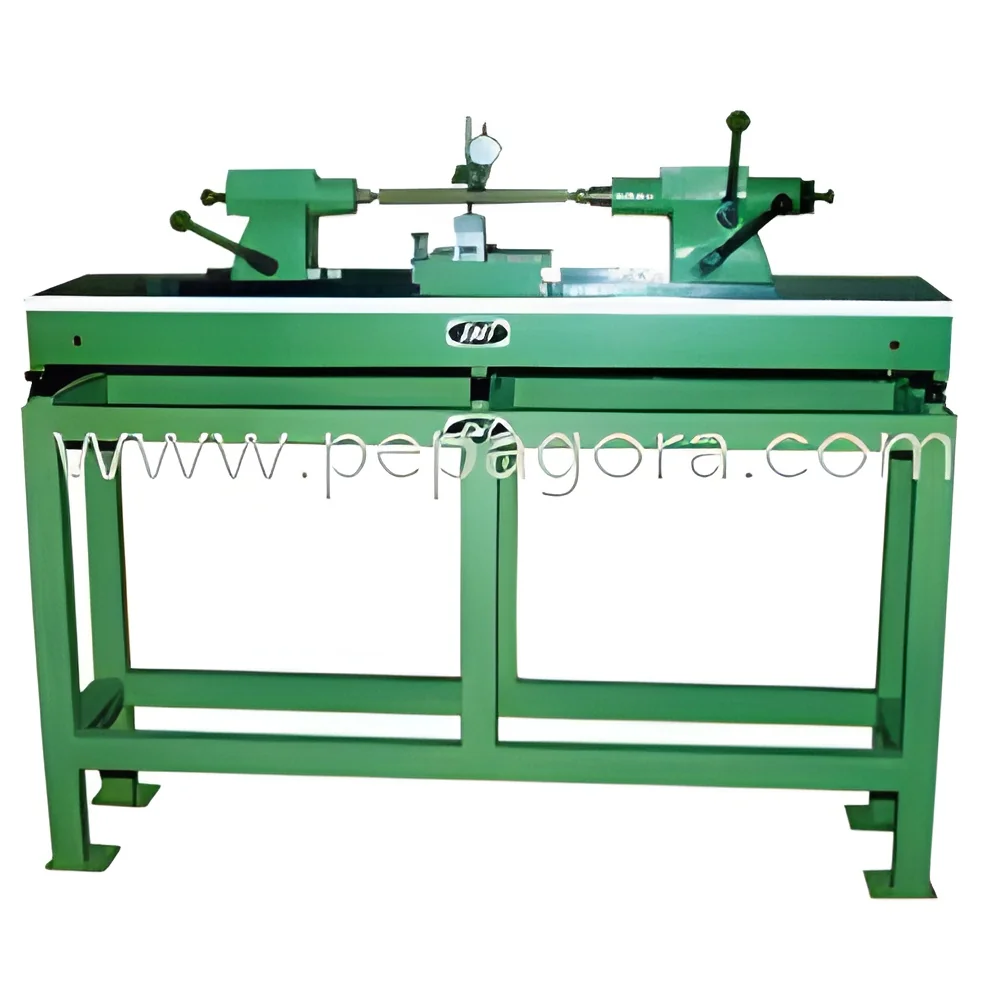
Calibration benches and test systems are essential tools used to ensure the accuracy and reliability of measurement instruments. These systems provide a controlled environment where various devices can be calibrated against known standards. They are designed to simulate real-world conditions that measuring instruments encounter in their operational environments. Calibration benches typically include a variety of testing equipment and fixtures that enable users to perform precise measurements and adjustments.
These products are primarily used in industries such as manufacturing, aerospace, automotive, and telecommunications. Businesses employ calibration benches and test systems to maintain compliance with industry standards and to ensure that their products meet quality specifications. Accurate calibration is crucial for preventing costly errors that may arise from faulty measurements, which can ultimately affect product performance and safety. With increasing regulatory requirements and the need for high precision, the relevance of calibration benches and test systems continues to grow in the market.
Key Features and Specifications
Calibration benches and test systems come with a range of features that cater to various testing and calibration needs. These features are critical in providing users with reliable results and operational efficiency. The specifications of these products can vary based on their intended applications.
Key specifications include:
1. Measurement Range
- The range within which the system can accurately measure different parameters.
- Typically specified in units relevant to the application, such as volts, amps, or temperature.
2. Accuracy Level
- Defines the degree of closeness of the measurements to the actual value.
- Expressed as a percentage of the reading or as a fixed value.
3. Environmental Control
- Systems are equipped to control environmental factors such as temperature and humidity.
- Ensures that measurements are not affected by external conditions.
4. User Interface
- Features a user-friendly interface for easy operation.
- May include digital displays and control panels for monitoring.
5. Connectivity Options
- Allows integration with other systems for data transfer and remote monitoring.
- Common options include USB, Ethernet, and wireless connections.
6. Calibration Standards
- Compliance with recognized calibration standards for accuracy.
- Ensures that the system meets industry requirements.
7. Software Compatibility
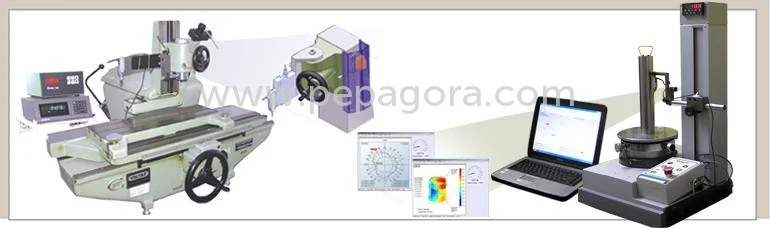
- Can be paired with specialized software for data analysis and reporting.
- Enhances the functionality and usability of the calibration system.
8. Portability
- Some models are designed for easy transport and setup in various locations.
- Ideal for field applications where testing is required off-site.
In summary, calibration benches and test systems are equipped with features that enhance their use in various applications, making them vital for maintaining measurement accuracy.
Common Applications and Use Cases
Calibration benches and test systems are utilized across multiple industries for a variety of applications. Their ability to ensure measurement accuracy makes them indispensable tools in many settings.
1. Aerospace: In the aerospace industry, calibration systems are used to test instruments that monitor flight conditions, ensuring safety and compliance with strict regulations.
2. Automotive: Automotive manufacturers use these systems to calibrate sensors and control units in vehicles, improving performance and safety features.
3. Telecommunications: Calibration benches are employed to test communication devices and equipment, ensuring signal integrity and system reliability.
4. Medical Devices: In the medical field, these systems are crucial for calibrating diagnostic equipment, such as MRI and ultrasound machines, to maintain high standards of accuracy.
5. Manufacturing: Calibration systems help manufacturers maintain quality control by ensuring that production equipment remains within specified tolerances.
6. Energy: In the energy sector, calibration benches are used to test instruments that measure electrical parameters, contributing to efficient energy management.
7. Research Laboratories: Calibration systems are essential in research settings for testing experimental equipment and ensuring data reliability.
Product Variants and Subcategories
Calibration benches and test systems come in various forms to meet diverse industry needs. Each variant offers unique features that cater to specific applications.
Portable Calibration Bench
This variant is designed for mobility, allowing users to perform calibrations in different locations. It features compact designs and includes essential tools for on-the-go measurements.
Benchtop Calibration System
Ideal for laboratory settings, this system provides a stable platform for high-precision calibration. It often comes with advanced monitoring features and extensive measurement capabilities.
Automated Calibration System
This variant offers automated processes for calibration, reducing human error and increasing efficiency. It is suitable for high-volume applications where speed and accuracy are essential.
Benefits and Advantages
Investing in calibration benches and test systems provides several advantages for businesses seeking operational excellence.
Key benefits include:
1. Enhanced Accuracy: Calibration systems help ensure that measurement instruments produce reliable and precise results, essential for maintaining quality standards.
2. Compliance Assurance: With strict regulatory requirements in many industries, these systems help businesses comply with necessary standards, avoiding potential penalties.
3. Cost Efficiency: Accurate calibration reduces the risk of errors in production, which can lead to costly rework or product failures.
4. Improved Safety: By ensuring that measurement devices are functioning correctly, businesses can enhance safety in operations, particularly in high-risk environments.
5. Increased Productivity: Streamlining calibration processes can save time and resources, allowing teams to focus on core business activities.
6. Customization Options: Many calibration systems offer customizable features to meet specific industry requirements, providing flexibility for diverse applications.
Buying Guide for B2B Buyers
When sourcing calibration benches and test systems, several factors should be taken into consideration to ensure an informed purchase.
1. Quality Assessment: Buyers should evaluate the quality of the calibration systems by reviewing certifications and customer feedback. Ensuring that products meet industry standards is crucial for reliability.
2. Supplier Verification: It is essential to vet suppliers for their credibility and reputation. Look for suppliers with a proven track record and positive reviews from other businesses.
3. Pricing and MOQ: Understanding the pricing structure and minimum order quantity is important for budgeting. Compare prices across different suppliers to find competitive offers.
4. Delivery and Lead Times: Consider the expected delivery schedules and lead times. Timely delivery is critical for maintaining operational continuity.
5. Compliance Requirements: Be aware of any regional compliance requirements that may affect the selection and use of calibration systems. Ensuring adherence to local regulations is vital for smooth operations.
Compliance and Certifications
Calibration benches and test systems are subject to various compliance standards and certifications that ensure their quality and safety.
Relevant quality standards include ISO 9001, which outlines requirements for a quality management system. Compliance with this standard indicates that the manufacturer maintains consistent quality in their products and services.
Industry certifications, such as CE marking, signify that the calibration systems meet European safety and performance standards. This certification is essential for products sold within the European market.
Safety and testing requirements must also be adhered to, ensuring that calibration systems operate safely and effectively. Regular testing and maintenance are necessary to uphold these standards.
Additionally, regional compliance considerations may vary, requiring businesses to stay informed about specific regulations that apply in their geographic areas.
Why Source Calibration Benches & Test Systems from Pepagora?
Pepagora provides a trusted platform for sourcing calibration benches and test systems, offering multiple advantages to buyers.
Verified Supplier Network: Pepagora features a network of verified suppliers, ensuring that businesses can access high-quality products from reputable manufacturers. This network fosters trust and reliability in the purchasing process.
Streamlined RFQ Process: The platform simplifies the request for quotation process, allowing buyers to easily obtain competitive quotes from multiple suppliers. This efficiency helps buyers make informed decisions quickly.
Trade Assurance and Support: Pepagora offers trade assurance, providing buyers with protection throughout the purchasing process. In case of disputes, support is readily available to resolve issues, ensuring a smooth transaction.
Regional Coverage: The platform has a broad geographic reach, serving markets in India, the GCC, and Southeast Asia. This extensive coverage enables businesses to connect with local suppliers and access products tailored to their regional needs.

 IN
IN