IN
IN₹
Apparel & Fashion
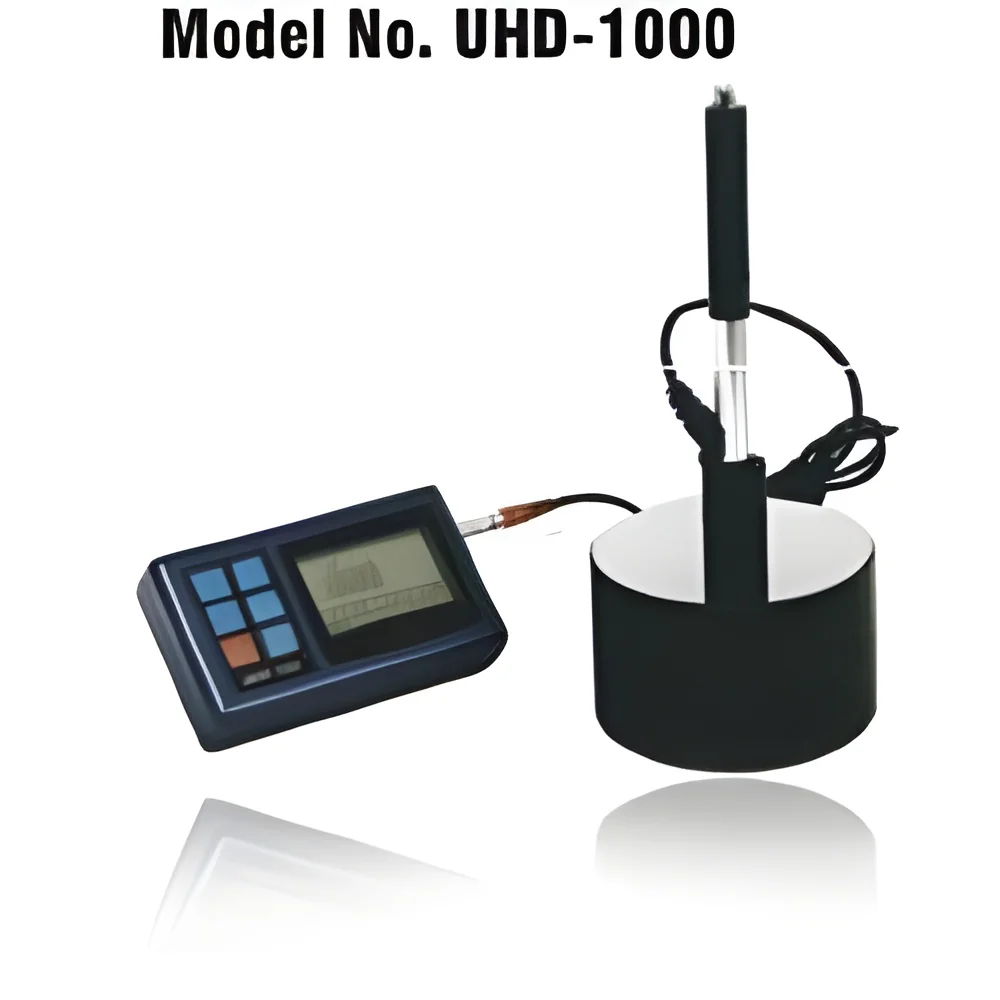
Description
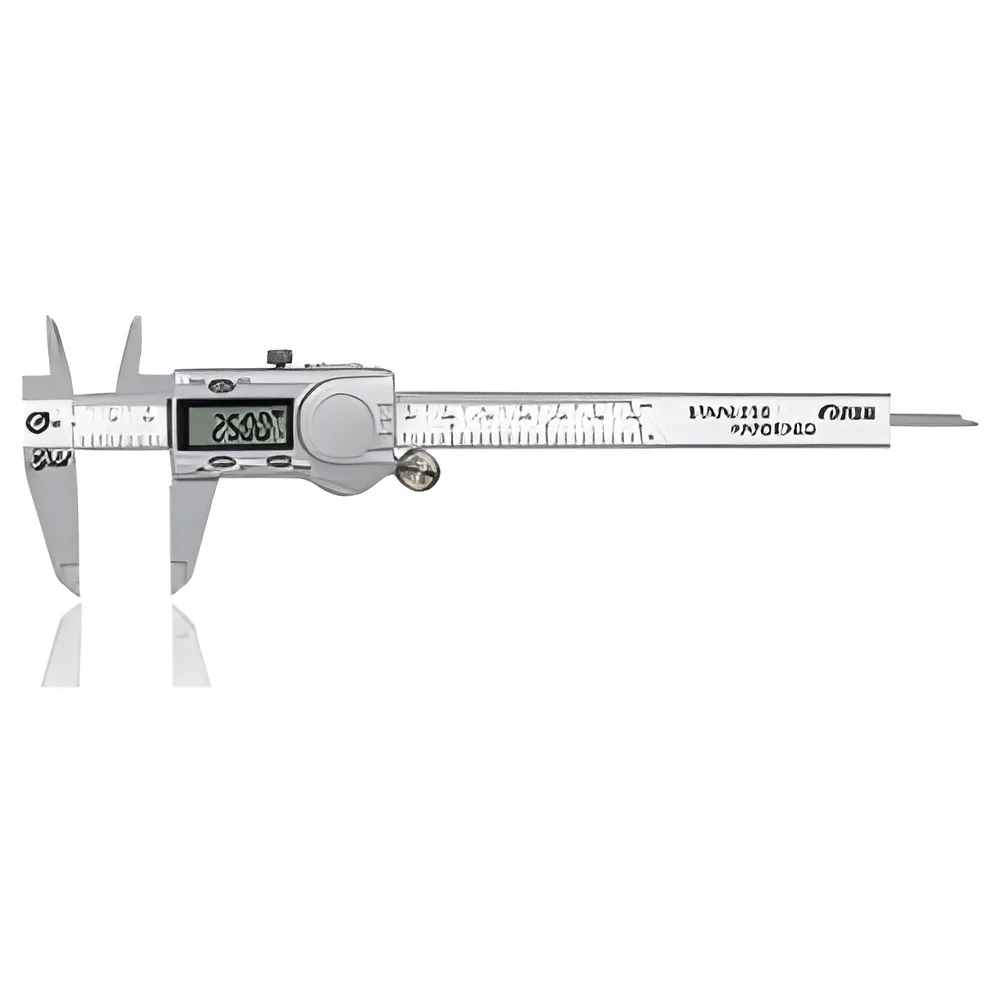
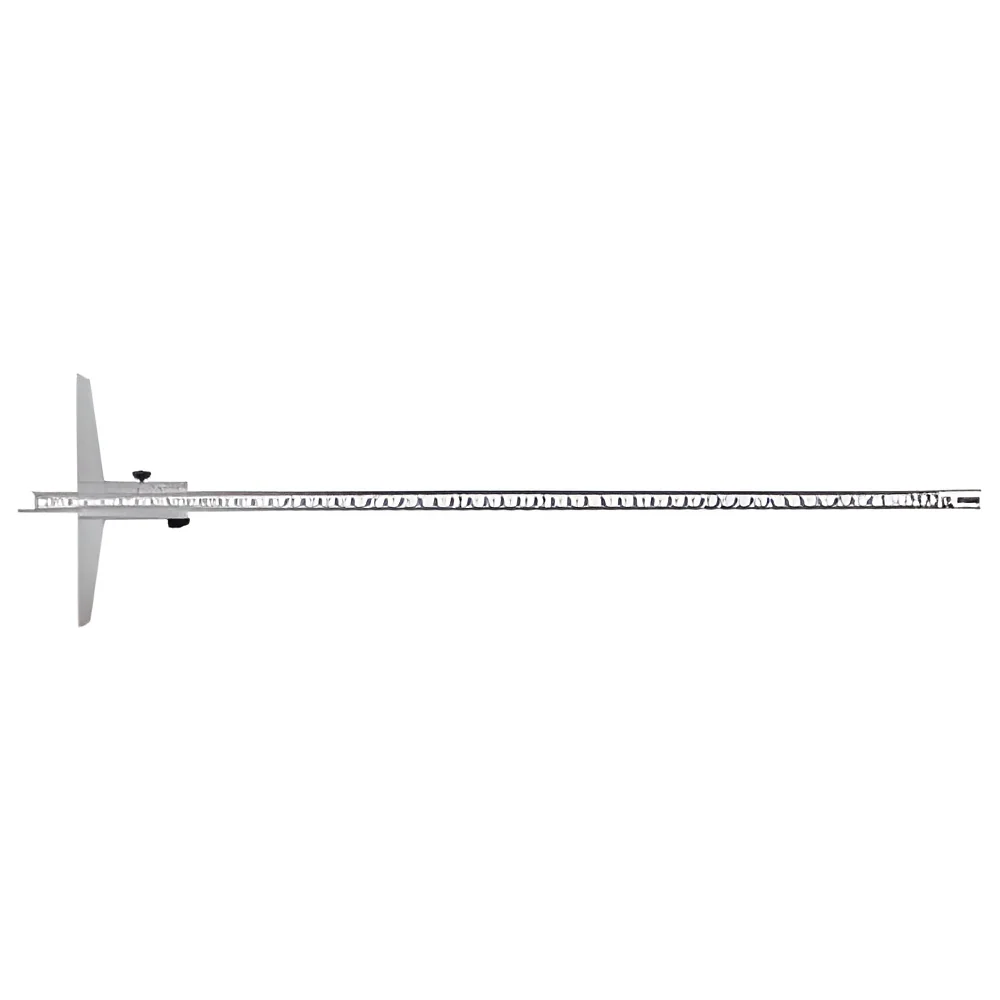
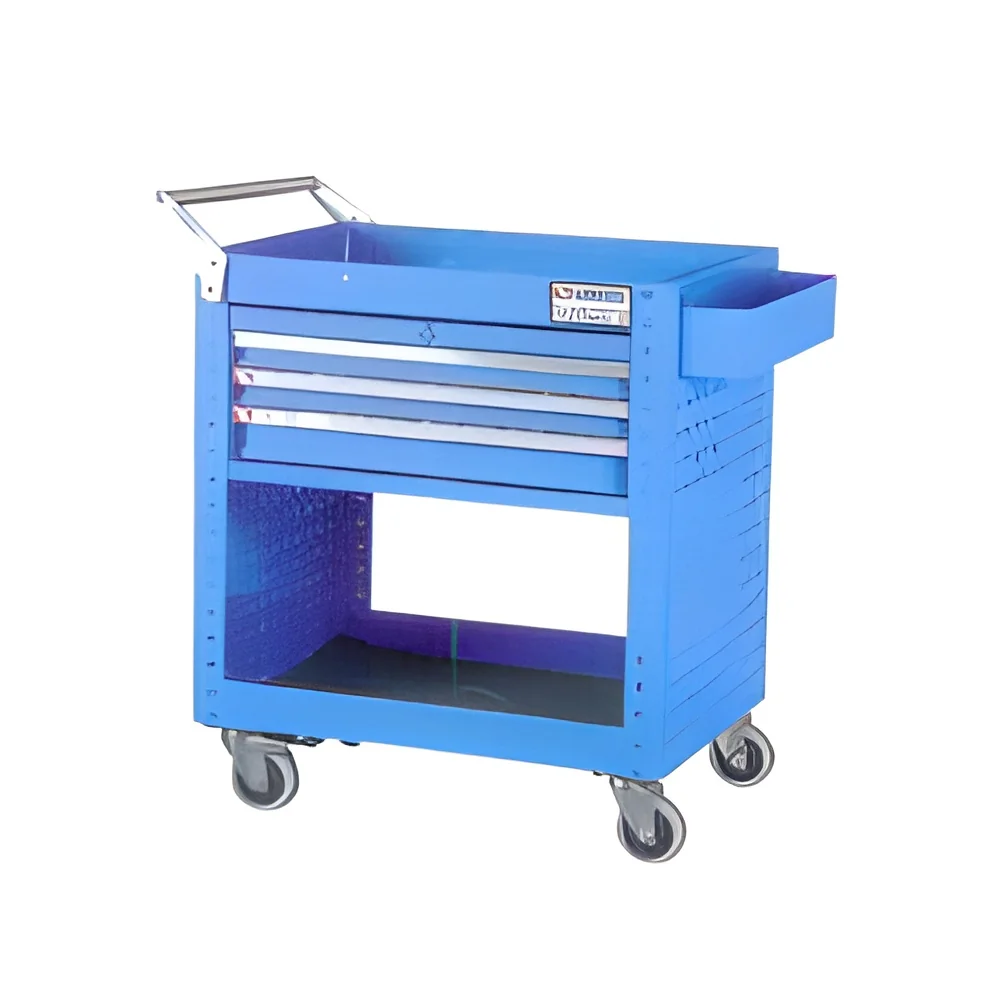
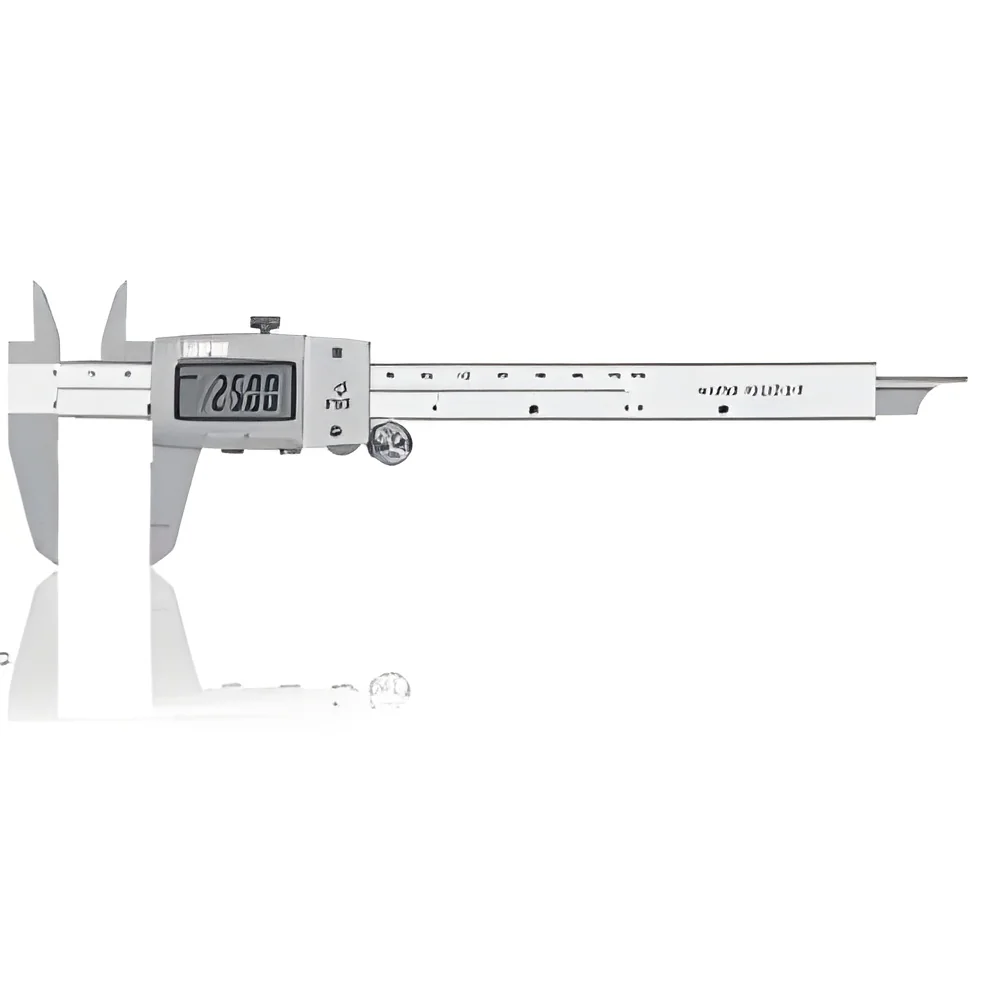
Industrial Quality Control Premium Hardness Testers represent advanced material testing technology designed for precision measurement in demanding industrial environments. These instruments accurately assess material resistance to permanent indentation, providing essential data for quality verification and material certification processes. Engineered to exacting standards, they deliver consistent performance across various materials including metals, alloys, and composite substances. The robust construction ensures reliable operation in both laboratory settings and production floors, while intuitive operation minimizes training requirements without compromising testing accuracy. Each unit undergoes comprehensive calibration and quality verification to ensure adherence to international hardness testing standards and specifications.

These hardness testers serve critical functions across industries where material integrity directly impacts safety and performance. Automotive manufacturers...
Industrial Quality Control Premium Hardness Testers represent advanced material testing technology designed for precision measurement in demanding industrial environments. These instruments accurately assess material resistance to permanent indentation, providing essential data for quality verification and material certification processes. Engineered to exacting standards, they deliver consistent performance across various materials including metals, alloys, and composite substances. The robust construction ensures reliable operation in both laboratory settings and production floors, while intuitive operation minimizes training requirements without compromising testing accuracy. Each unit undergoes comprehensive calibration and quality verification to ensure adherence to international hardness testing standards and specifications.

These hardness testers serve critical functions across industries where material integrity directly impacts safety and performance. Automotive manufacturers utilize them for verifying engine components, transmission systems, and suspension parts to ensure durability and reliability. Aerospace applications include testing turbine blades, structural elements, and landing gear materials where failure is not an option. Metal fabrication operations depend on them for quality assurance of tools, dies, and precision machined components. Construction sectors rely on hardness testing for structural steel verification, reinforcement bar assessment, and welding quality confirmation. Energy industries employ these testers for pipeline inspection and pressure vessel verification to maintain safety compliance and operational integrity.

The business value of these hardness testers lies in their capacity to prevent expensive failures and ensure product reliability throughout manufacturing processes. By detecting material inconsistencies early, they help avoid costly recalls, warranty claims, and potential reputation damage. Their measurement precision reduces material waste by optimizing heat treatment procedures and manufacturing parameters. The equipment's reliability is engineered into every component, from the precision indentation mechanism to the digital measurement system, ensuring consistent performance even under continuous industrial use. This investment in quality testing technology returns value through enhanced product quality, reduced operational downtime, and increased customer confidence in delivered products and components.

Key Features:
- Precision indentation system engineered for accurate hardness measurement
- Industrial-grade construction using durable materials for demanding environments
- Configurable testing parameters adaptable to specific material requirements
- Digital display interface with clear measurement readouts and data recording
- Compliance with international hardness testing standards and calibration protocols

Benefits:
- Early detection of material defects preventing costly manufacturing failures
- Consistent measurement accuracy ensuring reliable quality control processes
- Reduced operational downtime through robust and reliable equipment performance
- Compliance with industry standards and material certification requirements
- Enhanced product quality and customer satisfaction through precise testing
Specifications
| Additional Information | |
|---|---|
| Country of Origin | India |
Application
Premium hardness testers provide essential quality assurance across manufacturing sectors by accurately measuring material resistance to indentation. These instruments ensure compliance with industry specifications while maintaining product integrity in demanding environments where material failure carries significant consequences. Their robust design withstands rigorous industrial use while delivering consistent, repeatable results for critical quality control processes.
Multiple industries depend on hardness testing for material verification and component reliability. Automotive and aerospace manufacturers use them for critical parts verification, while metal fabrication shops ensure proper heat treatment effectiveness. Construction companies test structural components and reinforcement materials, and energy sectors verify pipeline and pressure vessel integrity. These applications prevent costly failures while ensuring long-term performance of vital assets.
- Quality verification of automotive transmission components and engine parts
- Material testing for aerospace turbine blades and structural elements
- Construction industry assessment of structural steel and reinforcement bars
- Metal fabrication quality control for tools, dies, and machined components
- Pipeline integrity verification and pressure vessel inspection in energy sectors
Trade Details
| Available Stock | In Stock |
| Sample Availability | No |
Payment Terms
| Payment Terms |
|
Company Profile
Balaji Engineering Company, Maharashtra
 Maharashtra, India
Maharashtra, IndiaConstruction•Distributor / Wholesaler
Factory Details
Factory SizeBelow 1000 sqm
Annual Production Capacity0
Main Markets
South Asia
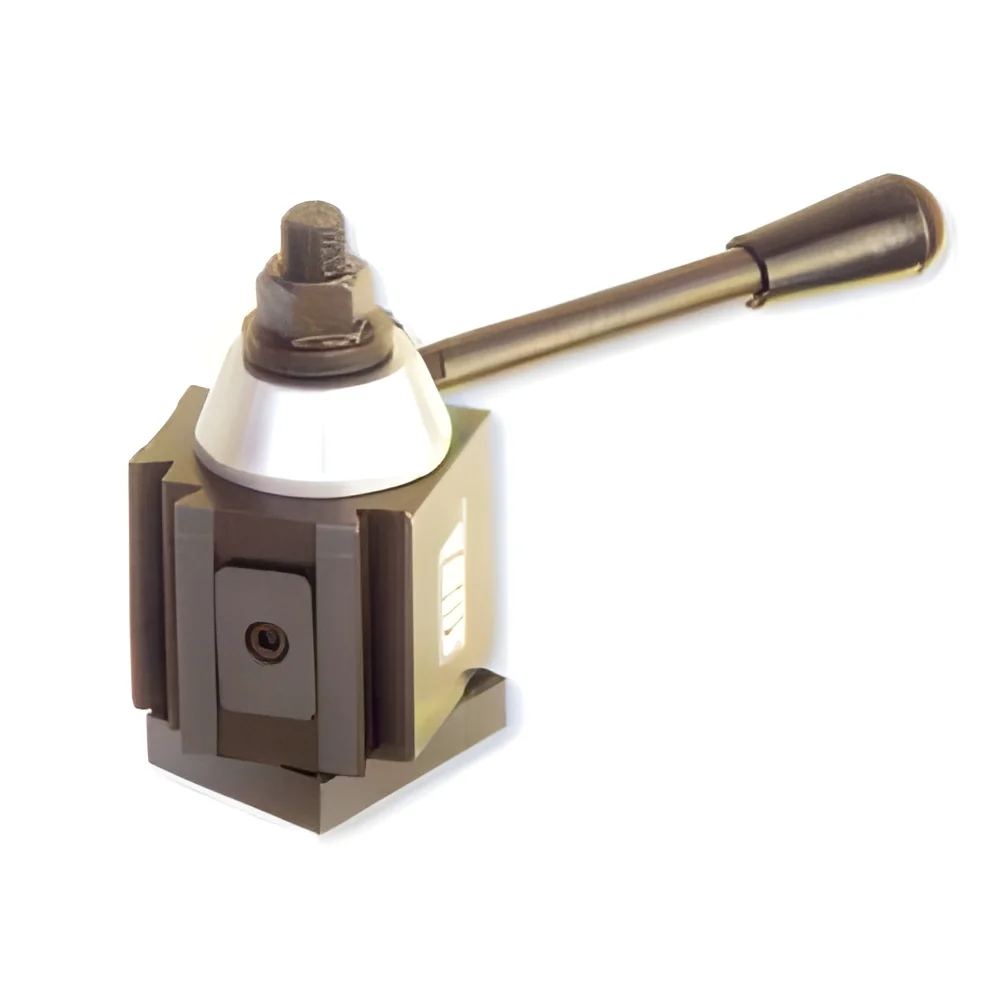
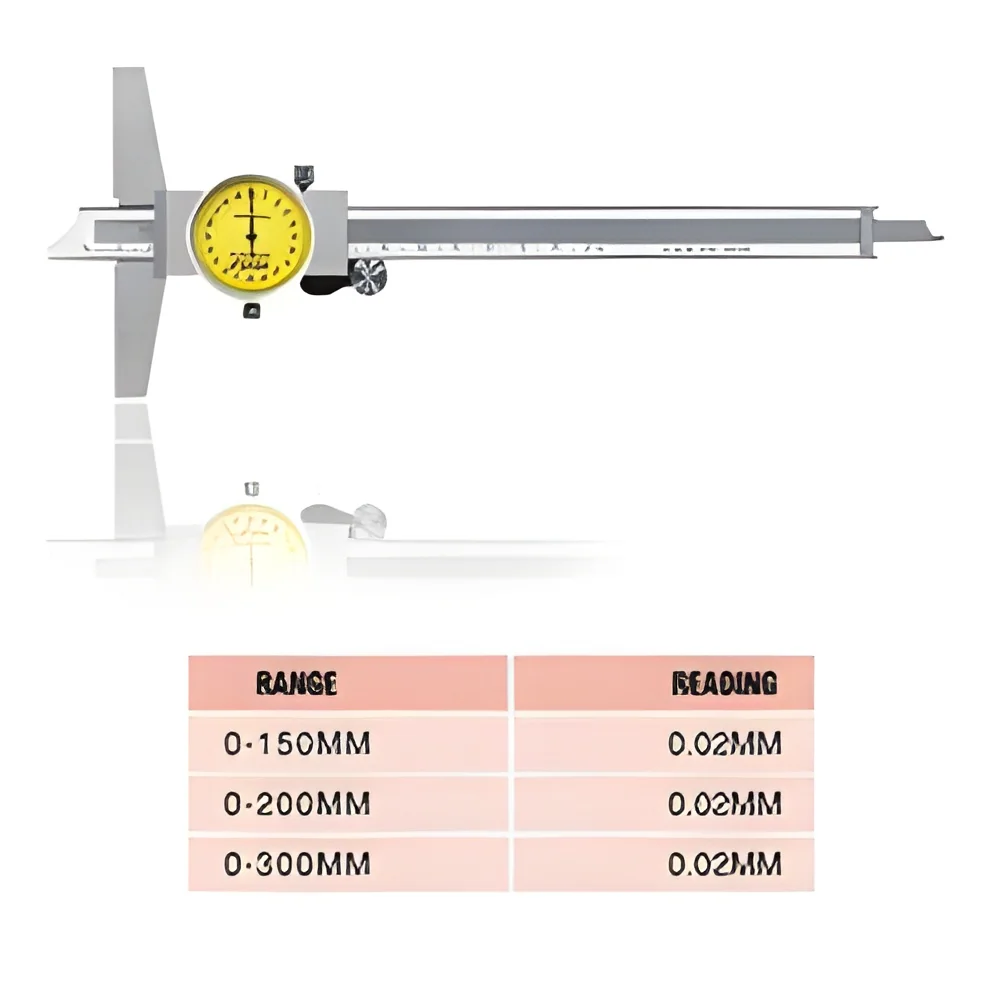
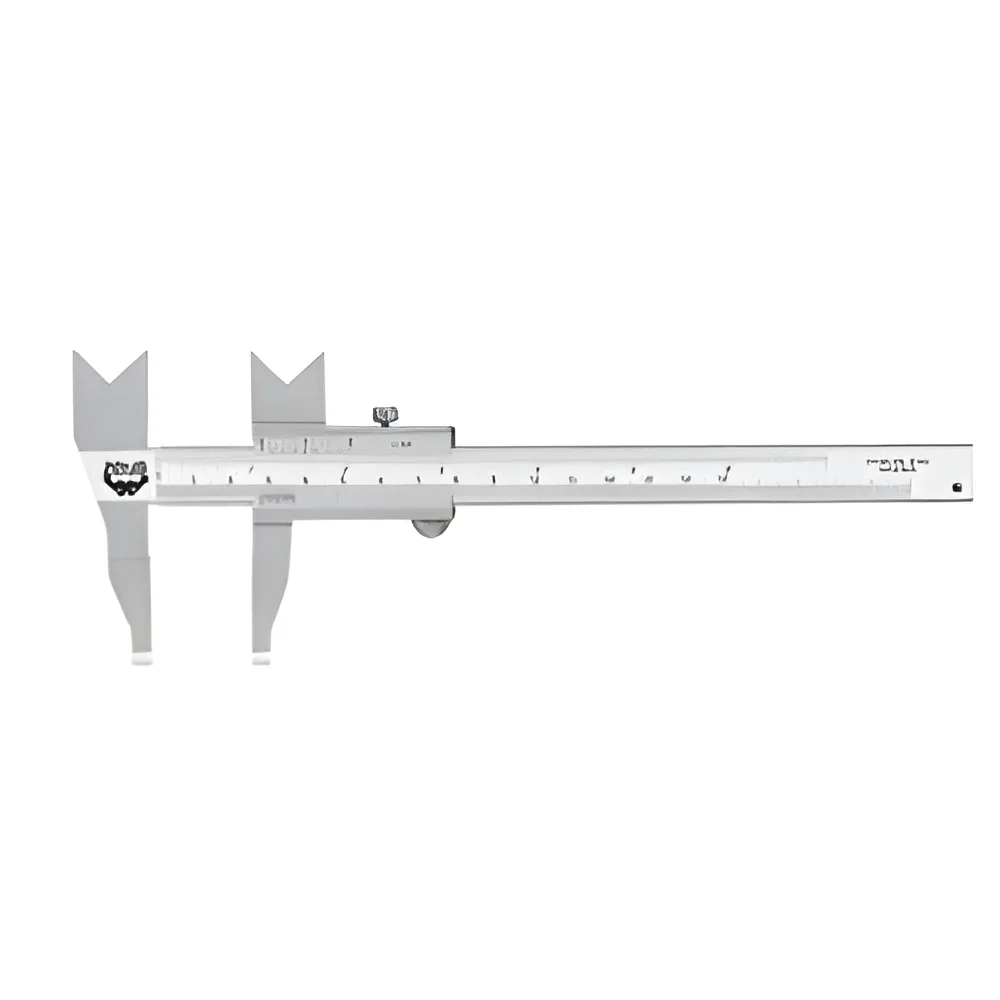
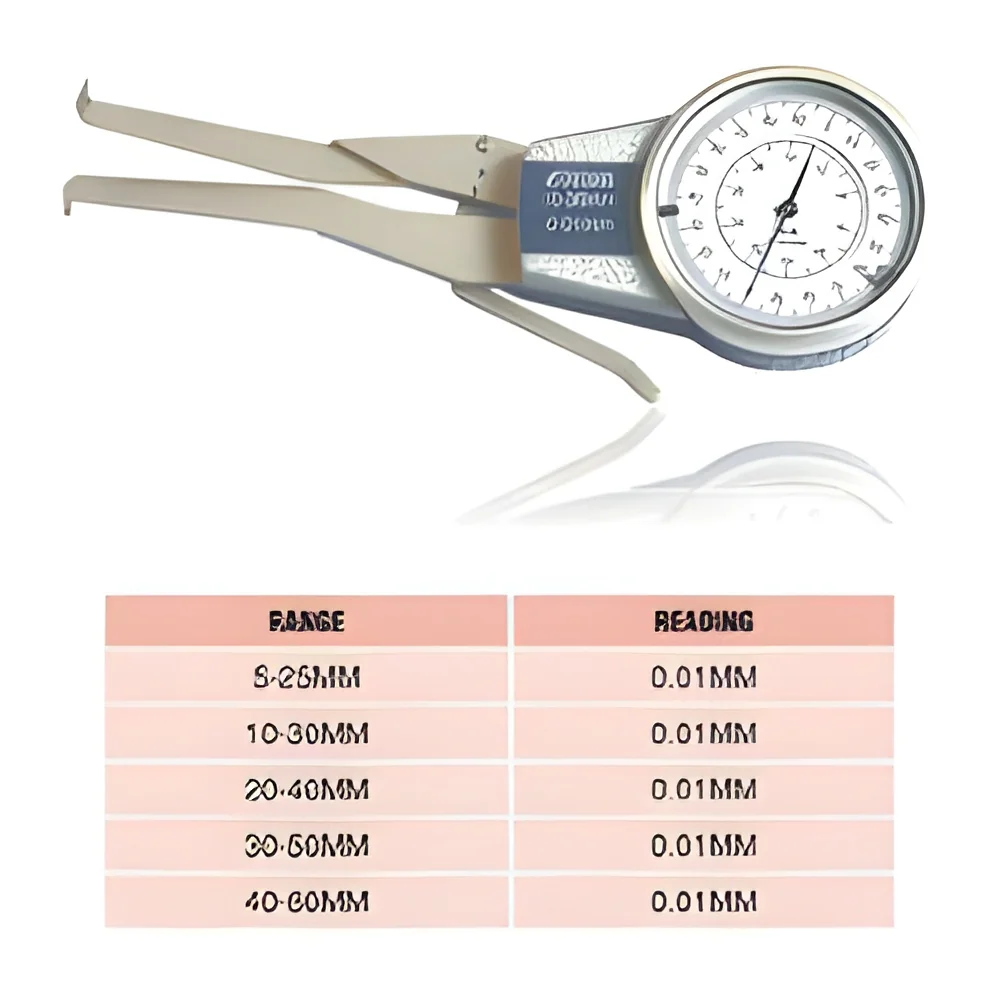
Industrial Quality Control Premium Hardness Testers For Material Testing
Industrial Quality Control Premium Hardness Testers deliver precise material testing with reliable accuracy for manufacturing and construction applications, featuring durable construction and compliance with international standards.
Min. Order Quantity: 1 unit
Shipping
Shipping fee and delivery date to be negotiated. Contact supplier now for more details.
Balaji Engineering Company
 Maharashtra, India
Maharashtra, IndiaConstructionDistributor / Wholesaler