
 IN
Grease Nipples & Caps
1 products available
What are Grease Nipples & Caps?
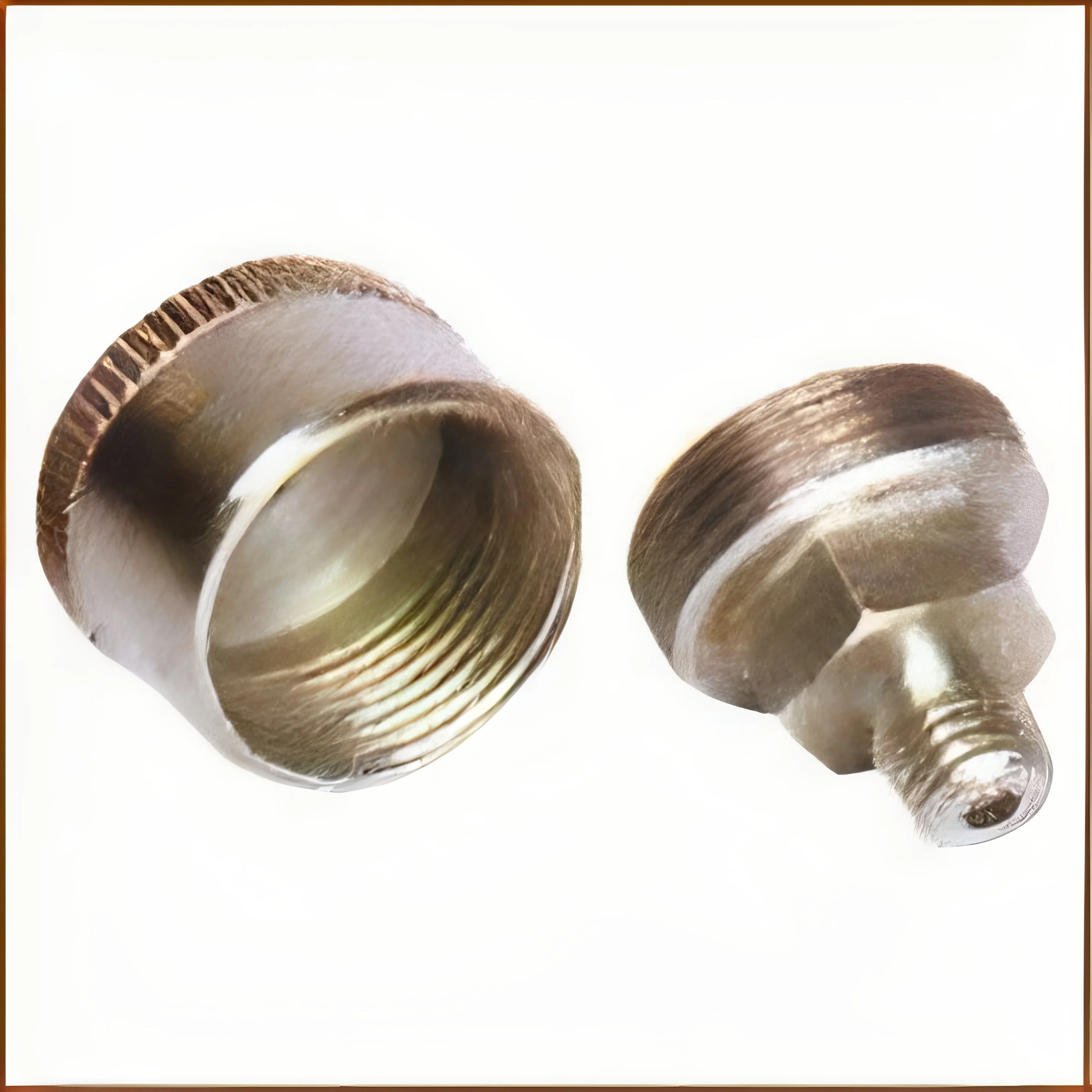
Grease nipples and caps are small mechanical components designed to facilitate the lubrication of machinery. Grease nipples, also known as grease fittings, provide a means for grease to be injected into a machine’s moving parts, ensuring smooth operation and prolonged equipment life. The caps serve to protect these fittings from dirt, debris, and moisture, which can compromise the lubrication process.
These components are primarily used in various industrial applications, including automotive, manufacturing, and construction. They are essential for maintaining equipment such as bearings, gears, and joints that require regular lubrication. By ensuring these parts are adequately lubricated, grease nipples and caps help to prevent wear and tear, reduce friction, and enhance overall efficiency in operations.
In the current market, the relevance of grease nipples and caps is heightened by the increasing emphasis on machinery maintenance and reliability. Industries are focusing on preventive maintenance strategies to minimize downtime and extend the lifespan of their equipment. As such, the demand for high-quality grease nipples and caps is expected to grow, underscoring their importance in maintenance supply chains.
Key Features and Specifications
Grease nipples and caps come with a range of features and specifications that cater to various industrial needs. Understanding these specifications is crucial for selecting the right components for specific applications.
Key specifications include:
1. Material Composition
- Typically made from steel or brass for durability.
- Resistance to corrosion and wear.
2. Thread Size
- Common sizes include 1/8 inch, 1/4 inch, and metric options.
- Compatibility with specific machinery and fittings.
3. Operating Pressure
- Designed to withstand specific pressure ratings, often up to 3,000 PSI.
- Ensures effective grease delivery under operating conditions.
4. Cap Type
- Available in threaded or snap-on styles.
- Provides varying levels of protection against contaminants.
5. Temperature Range
- Suitable for various operating environments.
- Most are effective between -20°C to +120°C.
6. Grease Compatibility
- Designed to work with different grease types, including lithium and calcium-based greases.
- Ensures efficient lubrication without chemical reactions.
7. Certification
- Many products comply with industry standards such as CE marking.
- Indicates adherence to safety and quality regulations.
In summary, selecting grease nipples and caps involves considering their material, size, pressure ratings, and compatibility with greases. These factors are vital for ensuring optimal machine performance and reliability.
Common Applications and Use Cases
Grease nipples and caps serve a wide range of industries, making them versatile components in maintenance and lubrication.
1. Automotive: Used in vehicles for lubricating wheel bearings, joints, and suspension components, ensuring smooth operation and longevity.
2. Manufacturing: Essential for lubricating machinery, such as conveyor belts and production equipment, to maintain efficiency and reduce downtime.
3. Construction: Employed in heavy machinery like excavators and bulldozers to ensure that moving parts operate smoothly under demanding conditions.
4. Agriculture: Utilized in farming equipment such as tractors and harvesters, where regular lubrication is crucial for optimal performance.
5. Marine: Used in boats and ships to lubricate various components exposed to harsh environments, preventing corrosion and wear.
6. Aerospace: Important for maintaining aircraft systems, where precise lubrication is necessary for safety and performance.
7. HVAC: Employed in heating and cooling systems to ensure that fans and motors are properly lubricated for efficient operation.
Product Variants and Subcategories
Grease nipples and caps come in diverse variants tailored to meet specific needs and applications.
Standard Grease Nipples
These are the most common type, designed for general use in various machinery. They typically feature standard thread sizes and are available in multiple materials, making them versatile for different applications.
Heavy-Duty Grease Nipples
This variant is designed for high-pressure applications and is made from materials that can withstand harsh conditions. They are ideal for use in heavy machinery and industrial settings where durability is critical.
Grease Caps
These protective caps are designed to fit securely over grease nipples, preventing contaminants from entering while ensuring easy access for lubrication. They can be made from plastic or metal, depending on the application requirements.
Benefits and Advantages
Grease nipples and caps offer several key advantages that enhance their value in industrial applications.
1. Improved Equipment Longevity: Regular lubrication through grease nipples extends the life of machinery by reducing wear and tear on moving parts.
2. Enhanced Performance: Proper lubrication ensures that machinery operates efficiently, minimizing friction and energy consumption.
3. Easy Maintenance: Grease nipples simplify the lubrication process, allowing for quick and easy access to critical parts without the need for disassembly.
4. Cost-Effective: By preventing costly breakdowns and repairs, grease nipples and caps contribute to lower overall maintenance costs.
5. Versatility: Suitable for a wide range of applications and industries, making them a valuable asset in any maintenance toolkit.
6. Protection Against Contaminants: Grease caps protect the fittings from dirt and moisture, ensuring that lubrication remains effective and machinery operates smoothly.
Buying Guide for B2B Buyers
When sourcing grease nipples and caps, B2B buyers should consider several critical factors to ensure they select the right products for their needs.
1. Quality Assessment: It is essential to evaluate the quality of grease nipples and caps based on material durability, manufacturer reputation, and compliance with industry standards. Look for products that have been tested for reliability.
2. Supplier Verification: Vetting suppliers is crucial for ensuring that they provide high-quality components. Check for certifications, customer reviews, and industry experience to confirm their reliability.
3. Pricing and MOQ: Understand the price range for grease nipples and caps, and inquire about minimum order quantities (MOQ) to align with budget constraints and procurement strategies.
4. Delivery and Lead Times: Consider logistics and delivery timelines when placing orders. Ensure that suppliers can meet your schedule to avoid delays in maintenance operations.
5. Compliance Requirements: Familiarize yourself with any relevant regulations and standards that apply to grease nipples and caps in your industry. Ensure that the products sourced comply with these requirements for safety and performance.
Compliance and Certifications
Grease nipples and caps must adhere to specific industry standards and certifications to ensure safety and reliability. Common quality standards include ISO 9001, which outlines criteria for effective quality management systems. Compliance with HACCP (Hazard Analysis Critical Control Point) is also important in industries where hygiene and safety are paramount.
Many grease nipples and caps carry the CE marking, indicating that they meet European safety standards. This certification is crucial for buyers in regions requiring compliance with stringent regulations.
Additionally, safety and testing requirements should be taken into account when sourcing these components. Manufacturers often conduct rigorous testing to ensure durability and functionality under various conditions. Regional compliance considerations may vary, so it is essential to understand local regulations that apply to grease nipples and caps in specific markets.
Why Source Grease Nipples & Caps from Pepagora?
Pepagora provides a trusted platform for sourcing grease nipples and caps with several key advantages that cater to B2B buyers.
Verified Supplier Network: Pepagora works with a network of verified suppliers, ensuring that buyers receive high-quality products. This verification process enhances buyer confidence and reduces the risk of sourcing inferior components.
Streamlined RFQ Process: The platform offers a streamlined Request for Quotation (RFQ) process, making it easy for buyers to obtain competitive quotes from multiple suppliers. This feature saves time and simplifies procurement.
Trade Assurance and Support: Buyers benefit from trade assurance programs that protect their purchases. Pepagora provides support throughout the sourcing process, ensuring that buyers can resolve any issues that may arise.
Regional Coverage: With a strong presence in India, the Gulf Cooperation Council (GCC), and Southeast Asia, Pepagora offers extensive geographic coverage. This reach allows buyers to access a wide range of suppliers and products tailored to their regional needs.



Frequently Asked Questions
What are Grease Nipples & Caps?
Grease nipples, also known as grease fittings, are small mechanical components used to facilitate the lubrication of machinery. They provide a connection point for grease guns, allowing for easy application of lubricant to moving parts. Caps are used to cover these nipples when not in use, preventing dirt and debris from entering and ensuring the longevity of the lubrication system.
What are the different types of Grease Nipples & Caps?
There are several types of grease nipples, including standard, angled, and push-type fittings, each designed for specific applications. Grease caps can also vary, with some designed for permanent attachment and others for easy removal. The choice of type depends on the machinery requirements and the accessibility of the lubrication points.
How do I choose the right Grease Nipples & Caps?
To select the appropriate grease nipples and caps, consider factors such as the type of machinery, lubrication point accessibility, and the specific grease type required. It is also important to check compatibility with existing fittings and ensure that the size and thread specifications match. Consulting with manufacturers or suppliers can provide additional guidance.
What are the standard specifications for Grease Nipples & Caps?
Standard specifications for grease nipples and caps typically include dimensions such as thread size and length, material composition, and pressure ratings. Common materials include steel, brass, and plastic, which are chosen based on the application environment. Adhering to industry standards like ISO or SAE can ensure compatibility and performance.
What is the price range for Grease Nipples & Caps?
The price range for grease nipples and caps can vary widely depending on the type, material, and manufacturer. Generally, you can expect prices to start from a few rupees for standard fittings and go up to several hundred rupees for specialized or high-pressure versions. Bulk purchasing may also offer additional cost benefits.
What quality standards apply to Grease Nipples & Caps?
Quality standards for grease nipples and caps often include compliance with ISO 9001 or other relevant manufacturing quality assurance protocols. These standards ensure that the products are reliable, durable, and capable of withstanding the intended operating conditions. It's advisable to request certification from suppliers to verify compliance with these standards.
Where can I find Grease Nipples & Caps suppliers in India?
You can find grease nipples and caps suppliers in India through various channels, including online B2B marketplaces like Pepagora, industry trade shows, and local hardware suppliers. It is beneficial to compare multiple suppliers to evaluate their product offerings, pricing, and customer service. Checking reviews and ratings can also help in making an informed decision.
Can Grease Nipples & Caps be customized?
Yes, many manufacturers offer customization options for grease nipples and caps to meet specific operational requirements. Customizations may include alterations in size, material, threading, and even special coatings for enhanced corrosion resistance. Discussing your needs with suppliers can help determine the available options.
What is the typical minimum order quantity for Grease Nipples & Caps?
The typical minimum order quantity (MOQ) for grease nipples and caps can vary by supplier, but it generally ranges from 100 to 1000 pieces. Smaller quantities may be available from some suppliers, especially in online marketplaces. It's advisable to check with specific suppliers to understand their MOQ policies.
What is the typical lead time for Grease Nipples & Caps?
The typical lead time for grease nipples and caps can range from a few days to several weeks, depending on factors such as the supplier's inventory, manufacturing processes, and order size. For custom orders, lead times may be longer. It's best to communicate directly with suppliers for accurate lead time estimates.
Why Businesses Trust Pepagora
Thousands of companies trust Pepagora to source smarter and sell faster
Expand Your Sales Globally

Source Smarter,Grow Faster
