IN
IN₹
Apparel & Fashion
Loading subcategories...
View More
Description
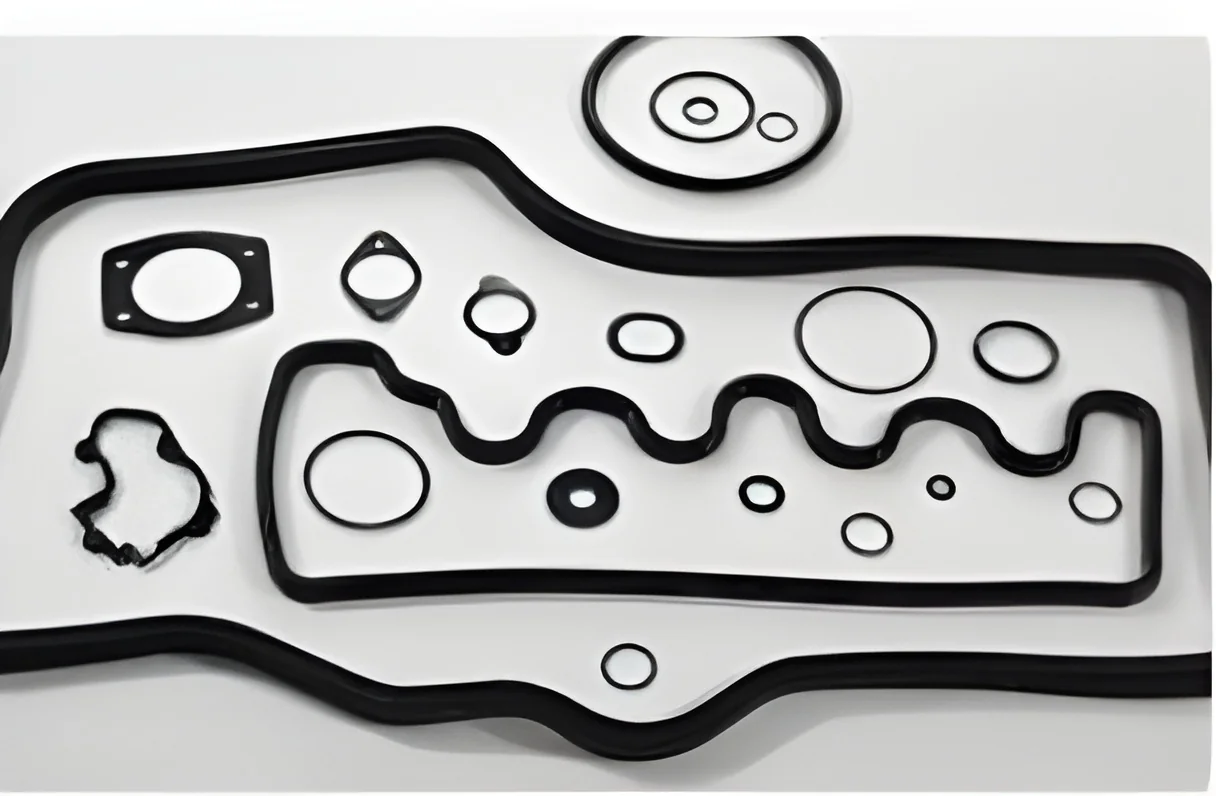
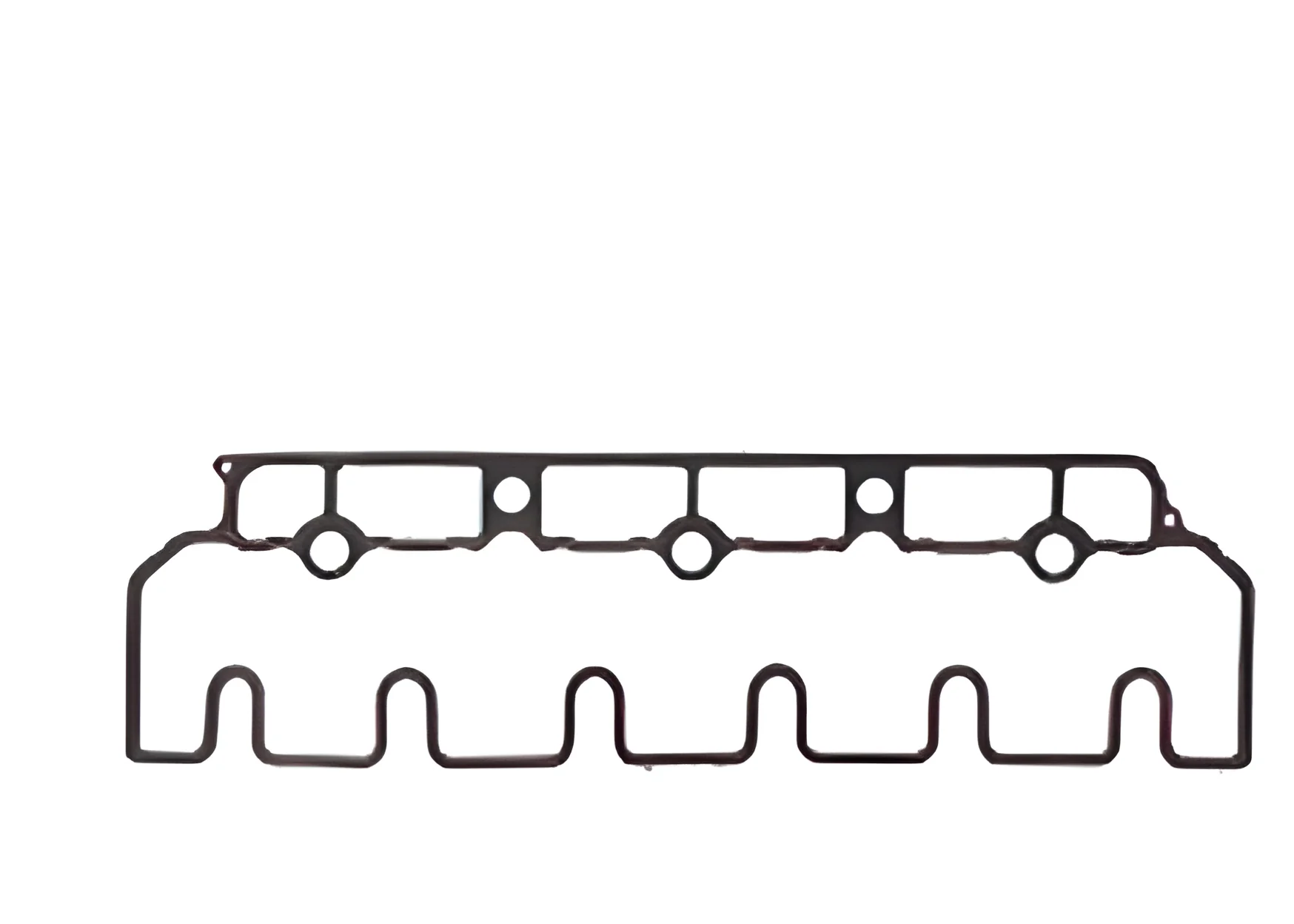
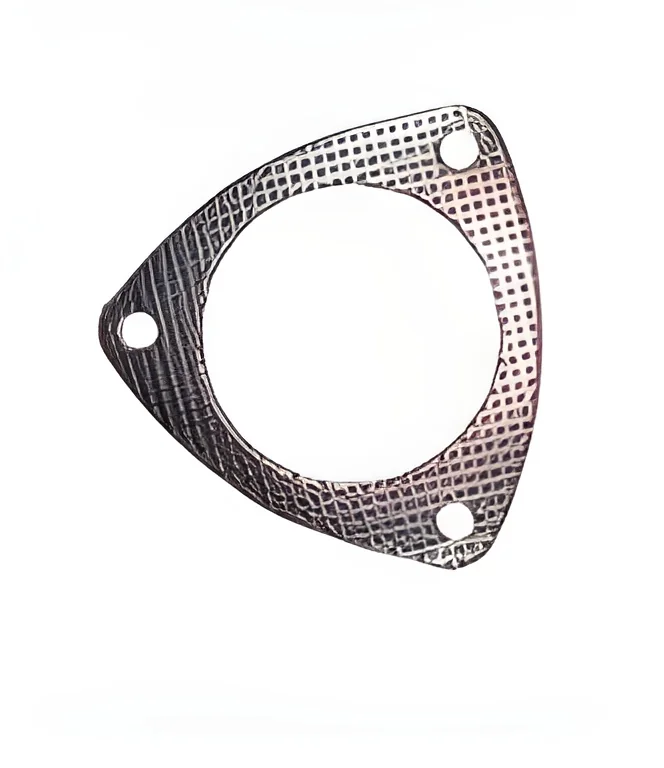
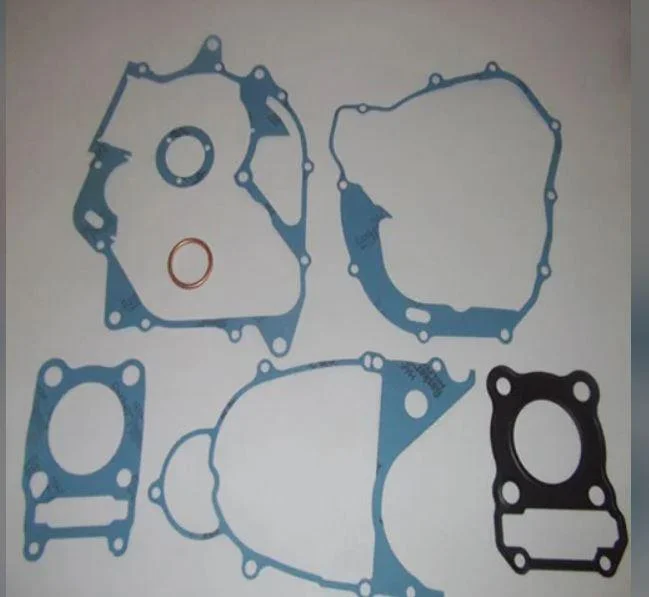
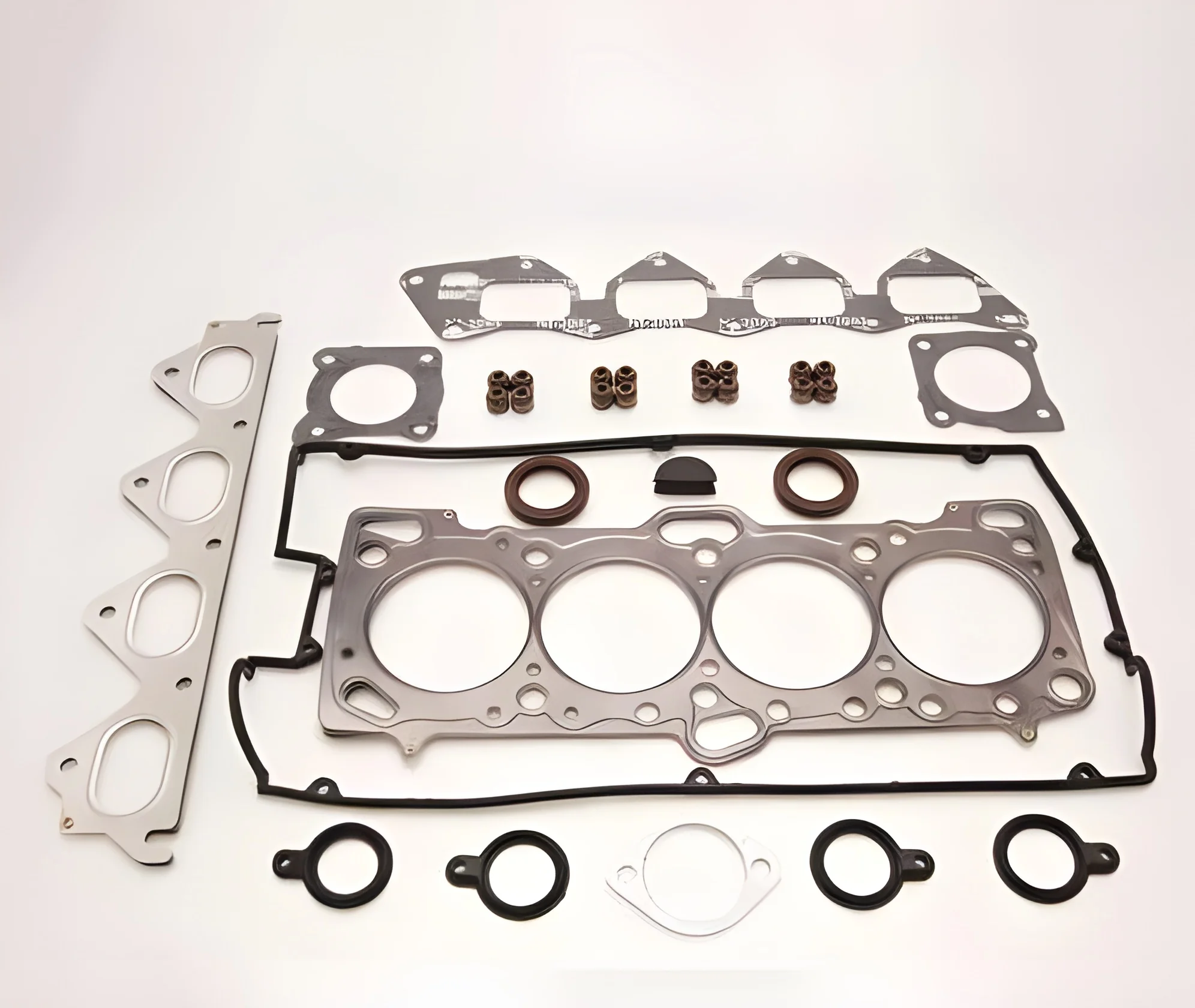
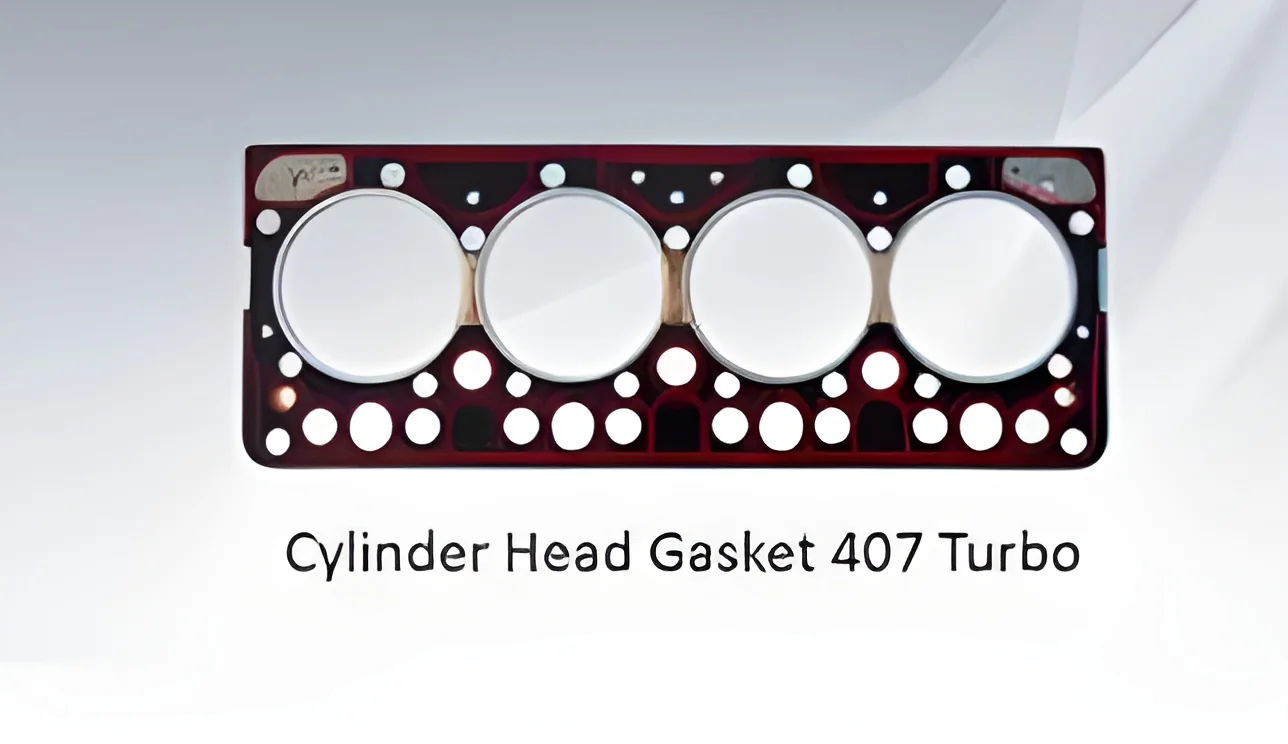
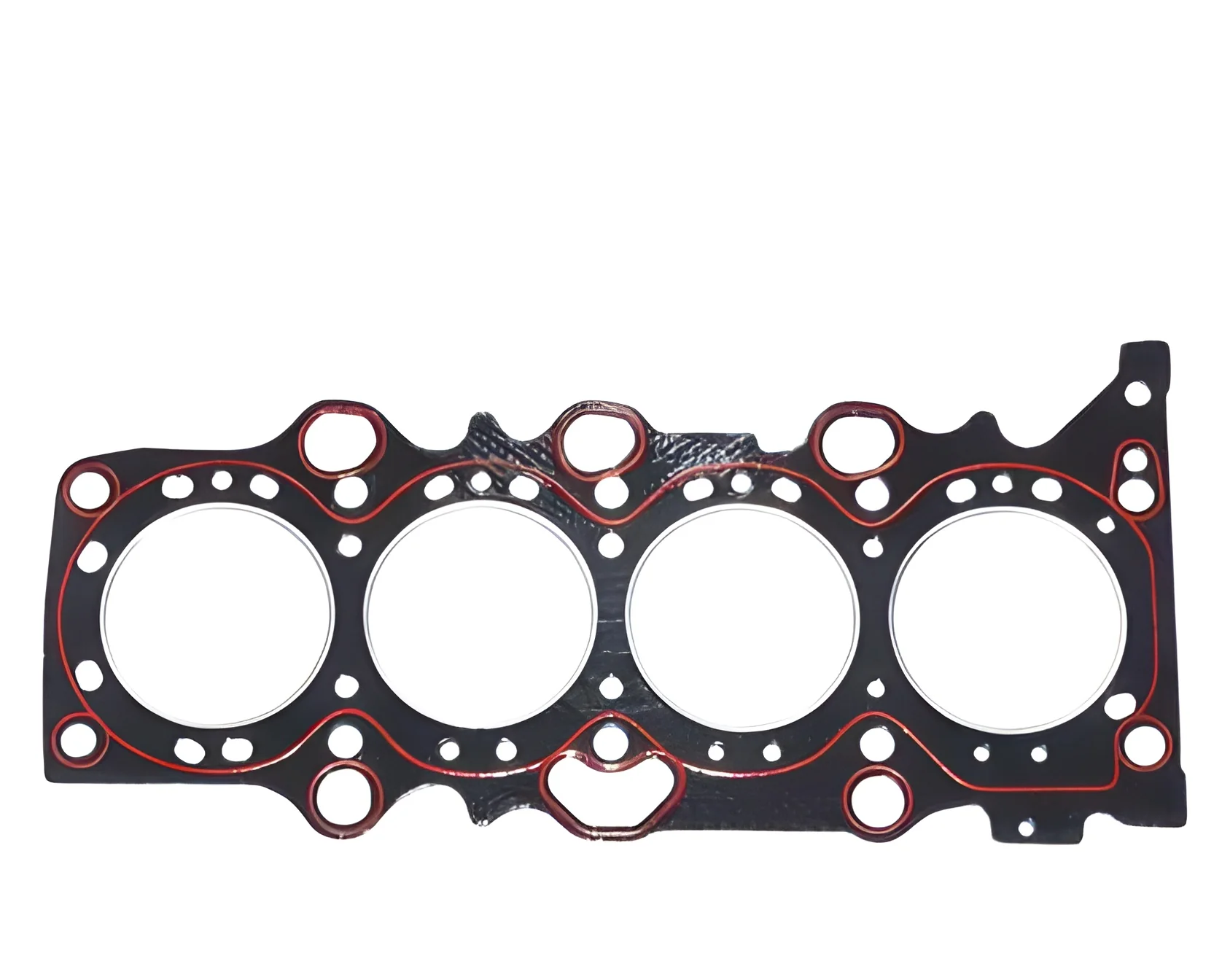
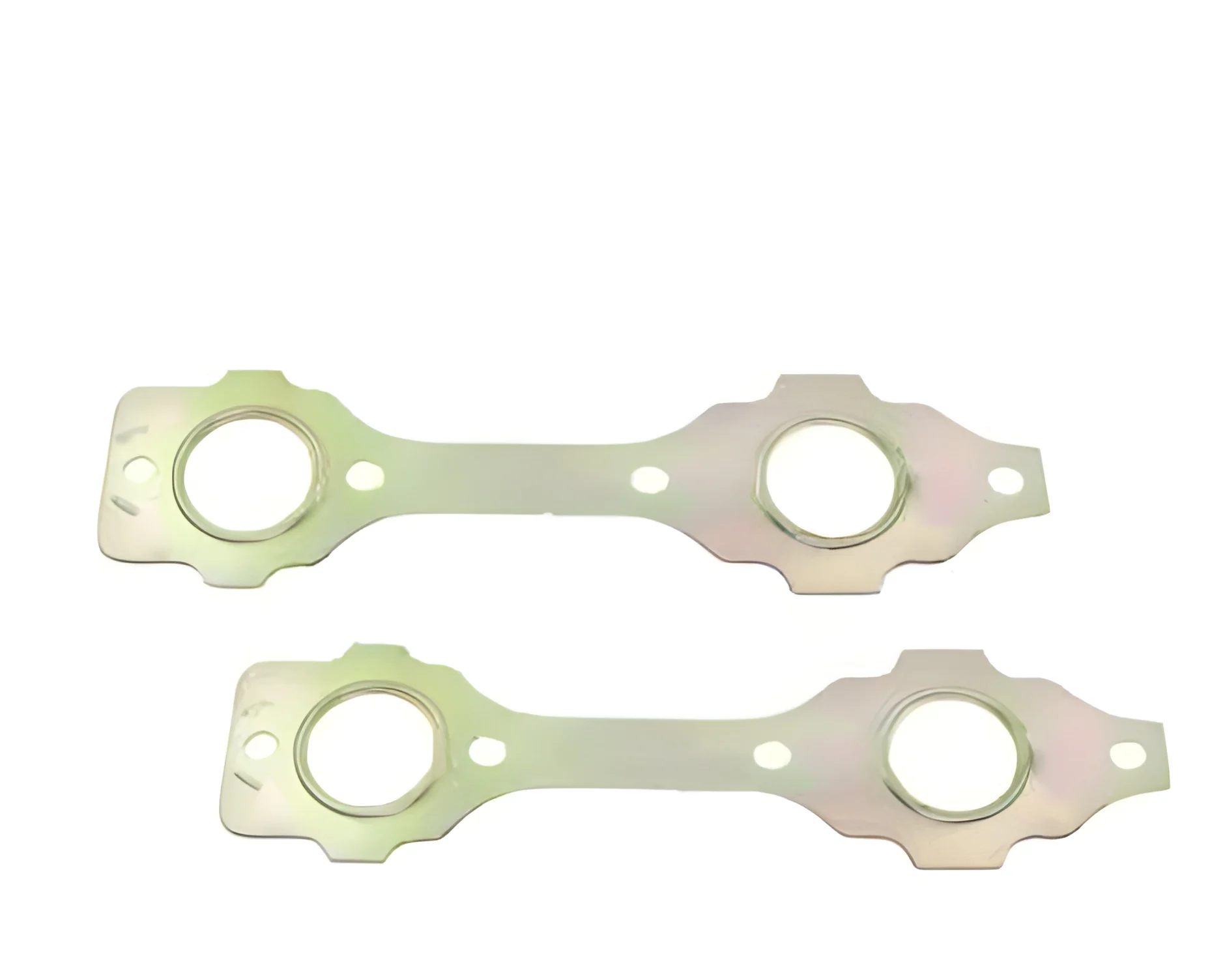
The Manifold Gasket, referenced by part numbers 1613 and 407, is a precision-engineered sealing component critical for engine integrity. It is installed between the engine block or cylinder head and the intake or exhaust manifold. Its core function is to prevent leaks of air, coolant, or exhaust gases, thereby maintaining the sealed environment necessary for proper combustion and exhaust management. Constructed to endure intense heat cycles, constant vibration, and exposure to engine oils and coolants, this gasket ensures stable internal pressures. Using the correct part number, like 1613 or 407, guarantees an exact fit, proper thickness, and material compatibility, which are vital to avoid engine performance issues, increased emissions, or potential overheating from a failed seal.

These manifold gaskets are utilized across a wide spectrum of industries that rely on internal combustion engines. In the automotive sector, they are standard replacement parts for cars, trucks, and commerc...
The Manifold Gasket, referenced by part numbers 1613 and 407, is a precision-engineered sealing component critical for engine integrity. It is installed between the engine block or cylinder head and the intake or exhaust manifold. Its core function is to prevent leaks of air, coolant, or exhaust gases, thereby maintaining the sealed environment necessary for proper combustion and exhaust management. Constructed to endure intense heat cycles, constant vibration, and exposure to engine oils and coolants, this gasket ensures stable internal pressures. Using the correct part number, like 1613 or 407, guarantees an exact fit, proper thickness, and material compatibility, which are vital to avoid engine performance issues, increased emissions, or potential overheating from a failed seal.

These manifold gaskets are utilized across a wide spectrum of industries that rely on internal combustion engines. In the automotive sector, they are standard replacement parts for cars, trucks, and commercial vehicles during repair and maintenance. The industrial and manufacturing sector depends on them for machinery, generators, and pump sets. Marine applications use them in boat engines, while the power generation industry installs them in backup generators and industrial power plants. In each case, the gasket's role is consistent: to provide a reliable seal that upholds engine efficiency, ensures operational safety, and meets emission standards, making it a universal component in engine-driven systems.

For businesses, the value of a reliable manifold gasket lies in its direct impact on operational uptime and cost management. A high-quality seal like the 1613 or 407 prevents minor leaks from escalating into major engine failures, avoiding expensive repairs and downtime. Its reliability translates to consistent engine performance, fuel efficiency, and compliance with environmental regulations. By offering a precise fit and durable construction, this gasket differentiates itself through its ability to withstand demanding conditions, providing peace of mind and a lower total cost of ownership for buyers who prioritize quality and long-term reliability in their engine components.

Key Features:
- Designed for specific part numbers 1613 and 407, ensuring precise fit and application accuracy.
- Manufactured from high-quality materials resistant to extreme heat, pressure, and engine fluid exposure.
- Engineered to prevent leaks of air, exhaust gases, and engine coolant effectively.
- Provides critical sealing between the engine block/cylinder head and intake or exhaust manifolds.
- Built to endure constant thermal cycling and mechanical vibration for long service life.

Benefits:
- Ensures optimal engine performance and fuel efficiency by maintaining correct manifold pressure.
- Prevents power loss and unusual engine noises caused by intake or exhaust leaks.
- Reduces the risk of engine overheating and potential damage from coolant or gas leaks.
- Supports compliance with emission standards by ensuring proper exhaust gas flow.
- Offers reliable durability, minimizing the need for frequent replacements and reducing maintenance costs.
Specifications
| Additional Information | |
|---|---|
| Country of Origin | India |
| Customisable | No |
Application
The Manifold Gasket 1613 and 407 is engineered for critical sealing tasks in internal combustion engines. Its primary role is to create a durable, leak-proof seal between the engine's cylinder head and the intake or exhaust manifold. This precise sealing is fundamental for maintaining correct air-fuel ratios, managing exhaust flow, and preventing the escape of gases or coolant, which are essential for engine efficiency, power output, and emission control. It is a direct-fit component designed for specific engine models, ensuring reliable operation under extreme thermal and pressure conditions.
These gaskets serve as essential maintenance and repair parts across numerous sectors. They are used during routine overhauls, engine rebuilds, or when addressing performance issues like power loss or unusual noises traced to manifold leaks. Their application extends beyond simple replacement, supporting system upgrades where manifolds are changed for enhanced performance. The reliability of these seals makes them indispensable for ensuring long-term engine integrity and preventing costly downstream damage from leaks in demanding operational environments.
- Sealing the exhaust manifold to the cylinder head in passenger cars, trucks, and buses to prevent exhaust gas leaks and maintain backpressure.
- Creating an airtight seal for the intake manifold in gasoline and diesel engines, ensuring optimal air-fuel mixture for combustion.
- Replacement during scheduled engine maintenance or repairs when the manifold is removed for servicing other components.
- Installation in engine retrofit or performance upgrade projects where new or aftermarket intake/exhaust manifolds are fitted.
- Correcting performance issues in industrial, marine, or generator sets where leaks cause power loss, overheating, or increased emissions.
Trade Details
| Available Stock | In Stock |
| Sample Availability | No |
Payment Terms
| Payment Terms |
|
Company Profile

KUMAR AUTO INDUSTRIES, New Delhi
 New Delhi, India
New Delhi, IndiaManufacturer•Distributor / Wholesaler•Retailer
Factory Details
Factory SizeBelow 1000 sqm
Manifold Gasket 1613 and 407
Manifold Gasket 1613 and 407 seals engine block to intake/exhaust manifolds, preventing leaks of air, coolant, or exhaust gases to maintain pressure and ensure optimal engine performance for automotive and industrial applications.
Min. Order Quantity: 1
Shipping
Shipping fee and delivery date to be negotiated. Contact supplier now for more details.
KUMAR AUTO INDUSTRIES
 New Delhi, India
New Delhi, IndiaManufacturer