Key Features and Specifications
Finger Millet boasts several key features that make it an attractive choice for food manufacturers and distributors. Its high nutritional profile and adaptability for various applications set it apart in the marketplace.
Key specifications include:
1. Nutritional Value
- High in calcium, iron, and dietary fiber
- Contains essential amino acids
2. Gluten-Free
- Suitable for gluten-intolerant individuals
- Widely used in gluten-free food products
3. Shelf Life
- Typically lasts 6-12 months when stored properly
- Requires cool, dry storage conditions
4. Processing Options
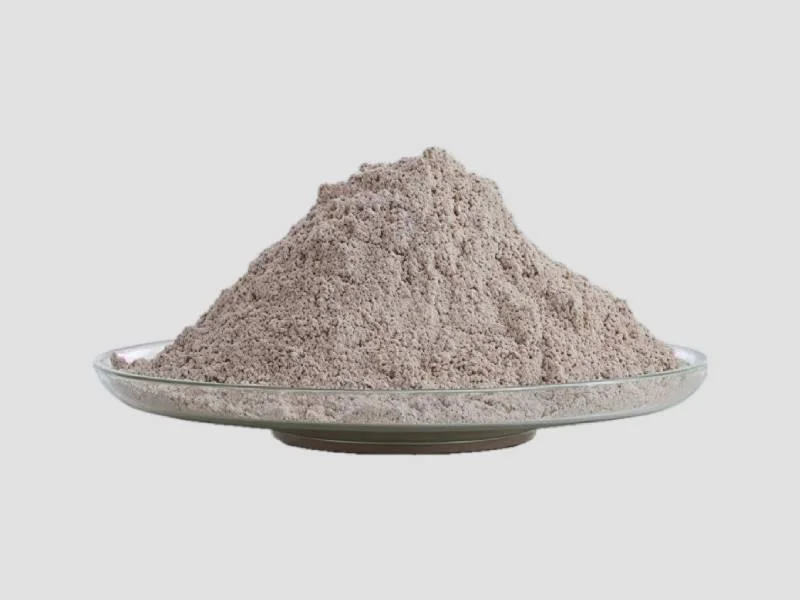
- Available as whole grain, flour, or flakes
- Versatile for different cooking methods
5. Geographical Cultivation
- Grown predominantly in India, Africa, and parts of Southeast Asia
- Adaptable to various agro-climatic conditions
6. Color and Texture
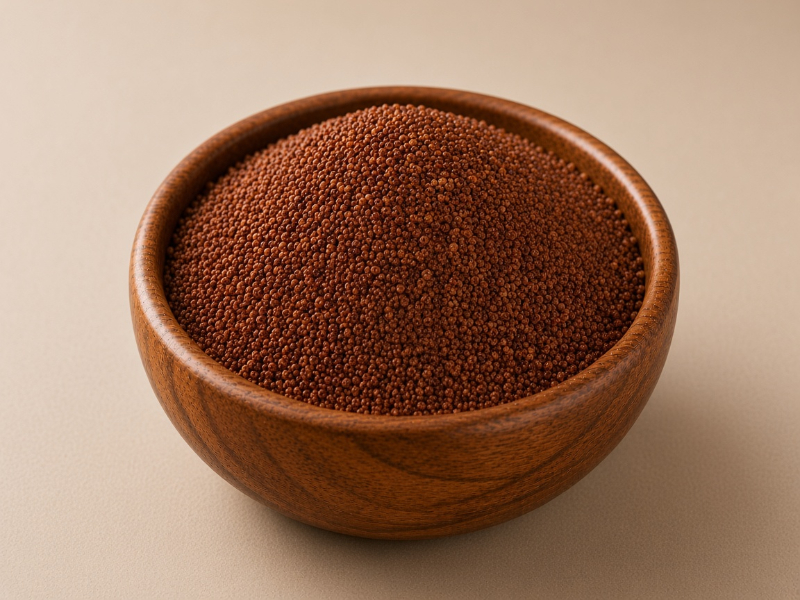
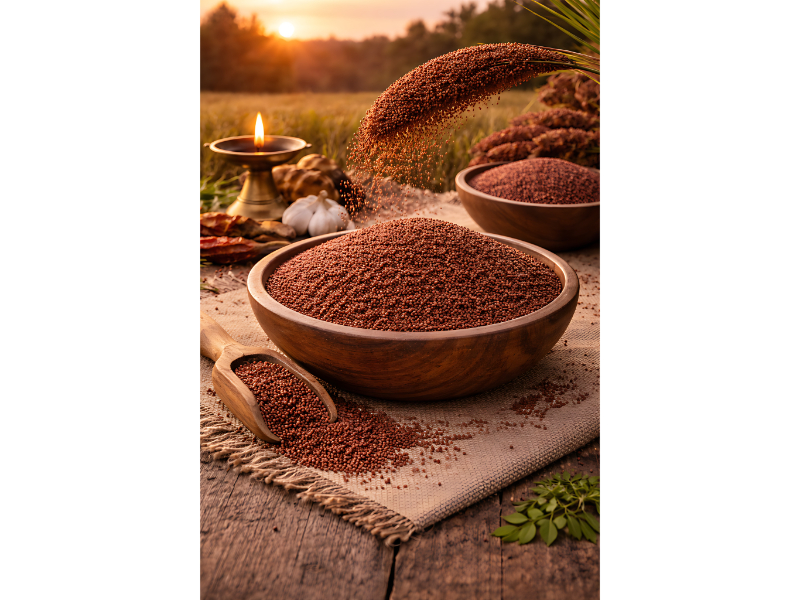
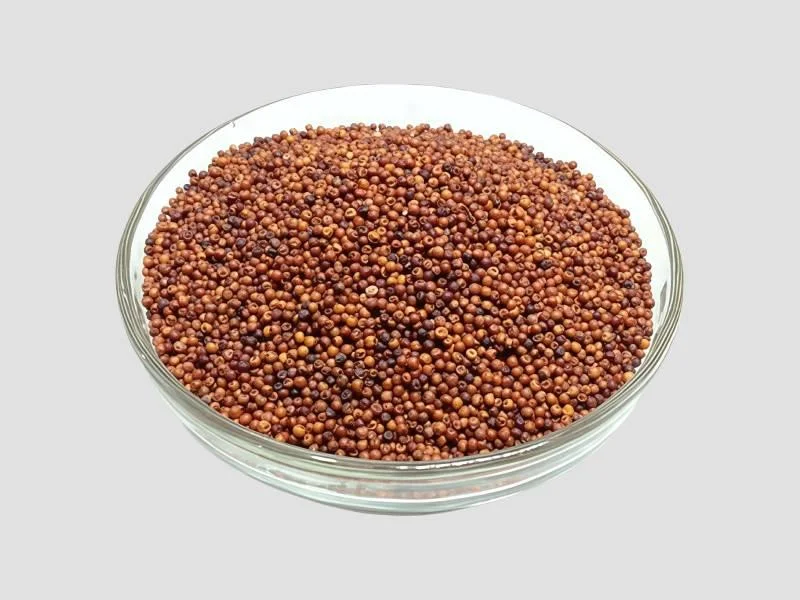
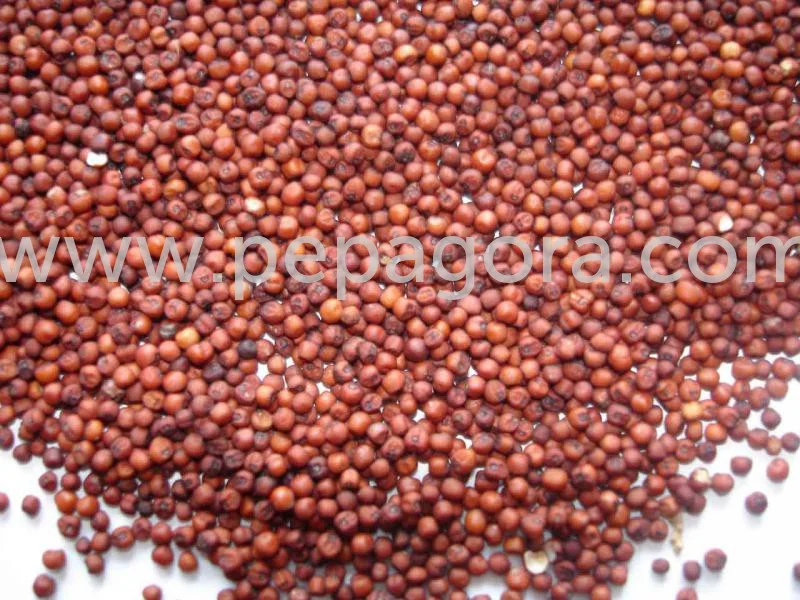
- Reddish-brown color with a fine texture when milled
- Retains moisture well, enhancing product consistency
7. Cooking Properties
- Quick cooking time compared to other grains
- Excellent binding properties in recipes
8. Flavor Profile
- Mild, nutty flavor that complements both sweet and savory dishes
- Enhances taste in a variety of culinary applications
With its unique characteristics, Finger Millet stands out as a valuable ingredient for health-focused food products.
Common Applications and Use Cases
Finger Millet is utilized across various industries, reflecting its versatility and health benefits.
1. Food and Beverage Industry: Ragi is commonly used in the production of health foods, breakfast cereals, and nutritional supplements. Its high fiber content makes it an ideal ingredient for weight management products.
2. Bakery Sector: Ragi flour is increasingly being incorporated into baked goods, such as bread and cookies, catering to the gluten-free market and health-conscious consumers.
3. Snacks and Confectionery: The grain is used to create healthy snacks, including bars and chips, appealing to a growing demographic seeking nutritious snack options.
4. Baby Food Production: Due to its nutritional benefits, Finger Millet is often included in baby food formulations, providing essential nutrients for growing infants.
5. Health Supplements: Ragi is used in dietary supplements and protein powders, targeting fitness enthusiasts and individuals looking to improve their nutritional intake.
6. Traditional Cuisine: In many regions, Ragi is a staple ingredient in traditional dishes, such as porridge and fermented foods, preserving cultural culinary practices.
7. Animal Feed: The by-products of Ragi processing are also used as animal feed, contributing to the livestock industry.
With its broad range of applications, Finger Millet continues to gain traction in multiple sectors.
Product Variants and Subcategories
Finger Millet offers a range of product forms to cater to different market needs.
Whole Grain Ragi: This variant is unprocessed and retains all its natural nutrients. It is ideal for consumers seeking whole food options and can be used in traditional recipes.
Ragi Flour: Ground from whole Ragi grains, this flour is versatile for baking and cooking. It is commonly used in gluten-free products, providing a nutritious alternative to wheat flour.
Ragi Flakes: These are processed Ragi grains that are flattened and can be prepared quickly. They are convenient for busy consumers looking for a healthy breakfast option.
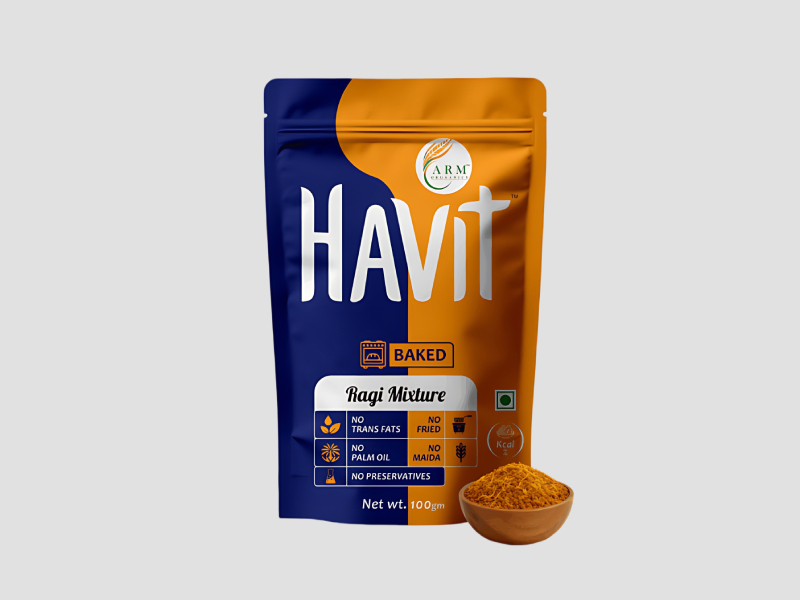
Ragi Porridge Mix: A pre-packaged mix that combines Ragi flour with other ingredients for easy preparation. It appeals to those seeking quick, nutritious meals.
Benefits and Advantages
Finger Millet offers numerous benefits that enhance its appeal to businesses and consumers alike.
Key benefits include:
1. Nutritional Superiority: Ragi is rich in essential nutrients, making it a valuable addition to health-conscious diets.
2. Gluten-Free Advantage: The gluten-free nature of Ragi makes it suitable for a wider audience, including those with dietary restrictions.
3. Sustainable Crop: Ragi requires less water and is more resilient to climate change, positioning it as an environmentally friendly choice.
4. Versatility in Cooking: Ragi can be used in various forms, from flour to whole grains, allowing for diverse culinary applications.
5. Market Demand: Growing awareness of health benefits drives demand, creating opportunities for businesses to expand product offerings.
6. Cultural Significance: Ragi is an integral part of many traditional diets, which can enhance marketability in specific regions.
With these advantages, Finger Millet is positioned to meet the needs of modern consumers while supporting sustainable agricultural practices.
Buying Guide for B2B Buyers
When sourcing Finger Millet (Ragi), it is essential for buyers to consider several key factors to ensure quality and suitability for their needs.
1. Quality Assessment: Evaluate the nutritional profile and purity of the Ragi. Look for suppliers that provide lab testing results to confirm quality.
2. Supplier Verification: Vet suppliers based on their reputation and reliability. Check for certifications and customer reviews to ensure trustworthiness.
3. Pricing and MOQ: Understand the pricing structure and minimum order quantities (MOQ) set by suppliers. This will help in budgeting and ensuring cost-effectiveness.
4. Delivery and Lead Times: Inquire about the logistics involved in shipping and delivery. Reliable lead times are crucial for maintaining inventory levels.
5. Compliance Requirements: Ensure that the Ragi meets regional and international food safety regulations. This may include certifications like CE or adherence to quality standards.
By paying attention to these factors, B2B buyers can make informed decisions when sourcing Finger Millet.
Compliance and Certifications
Finger Millet is subject to various quality standards and certifications that ensure its safety and suitability for consumption.
Relevant quality standards include ISO 9001, which focuses on quality management systems, and HACCP, which addresses food safety management. These standards are crucial for ensuring that Ragi is produced and processed in a safe manner.
Industry certifications such as CE further enhance the credibility of the product, indicating compliance with European safety standards. It is important for suppliers to have these certifications to assure buyers of the product's quality.
In addition, safety and testing requirements may vary by region, necessitating compliance with local regulations. Buyers should verify that their suppliers adhere to these requirements to avoid potential issues.
Overall, compliance and certifications play a vital role in maintaining product integrity and building trust in the marketplace.
Why Source Finger Millet (Ragi) from Pepagora?
Pepagora provides a reliable platform for sourcing Finger Millet (Ragi) while offering several key advantages to buyers.
Verified Supplier Network: Pepagora ensures that all suppliers in its network are thoroughly vetted. This process guarantees that buyers are connected with reputable sources, minimizing the risk associated with sourcing.
Streamlined RFQ Process: The Request for Quotation (RFQ) system simplifies the procurement process. Buyers can easily request quotes from multiple suppliers, facilitating competitive pricing and better negotiation.
Trade Assurance and Support: Pepagora offers trade assurance programs that protect buyers throughout the transaction process. This support helps build confidence in sourcing decisions.
Regional Coverage: With a wide reach across India, the Gulf Cooperation Council (GCC), and Southeast Asia, Pepagora connects buyers with suppliers in key markets. This geographic flexibility allows for better sourcing options and enhanced logistics.
By choosing Pepagora for sourcing Finger Millet, businesses can benefit from a secure and efficient purchasing experience, ultimately supporting their growth in the health food market.

 IN
IN