Key Features and Specifications
Oats (Whole & Rolled) come with various features and specifications that make them suitable for numerous applications. Understanding these specifications helps in making informed purchasing decisions.
Key specifications include:
1. Grain Type
- Whole oats and rolled oats are the two primary types.
- Whole oats provide a chewy texture, while rolled oats are softer and quicker to cook.
2. Nutritional Content
- Oats are high in dietary fiber, protein, and essential vitamins.
- Typically, they contain about 66 grams of carbohydrates per 100 grams.
3. Moisture Content
- Ideal moisture content is between 10% to 12% for optimal shelf life.
- Excess moisture can lead to spoilage and mold growth.
4. Packaging Options
- Available in bulk containers or retail packaging.
- Sealed bags ensure freshness and prevent contamination.
5. Shelf Life
- Generally, oats have a shelf life of 6 to 12 months when stored properly.
- Vacuum-sealed packaging can extend this duration.
6. Origin
- Oats can be sourced from various regions, affecting quality and flavor.
- Factors such as soil type and climate influence their nutritional profile.
7. Processing Method
- Rolled oats are steamed and flattened, while whole oats are minimally processed.
- This affects cooking time and texture in final products.
8. Certifications
- Oats may carry certifications such as CE, indicating compliance with safety and quality standards.
- It is essential for businesses to verify certification claims.
In summary, understanding the features and specifications of oats helps ensure that businesses select the right product for their specific applications.
Common Applications and Use Cases
Oats (Whole & Rolled) find use in a variety of industries due to their health benefits and versatility.
1. Food Processing: Oats are a key ingredient in breakfast cereals, granola bars, and snacks. Their high fiber content makes them an attractive option for health-focused products.
2. Bakeries: Many bakeries use rolled oats in cookies, muffins, and bread. They enhance texture and improve nutritional value.
3. Health and Wellness: Oats are popular in health food products, often marketed for their heart health benefits and as a source of energy.
4. Restaurants: Quick-service restaurants incorporate oats into menu items like oatmeal bowls and smoothies, catering to health-conscious consumers.
5. Pet Food: Oats are also utilized in high-quality pet food formulations due to their digestibility and nutritional value.
6. Nutritional Supplements: Some dietary supplements include oats as a natural source of fiber and protein, appealing to fitness enthusiasts.
7. Organic Markets: With the rise in demand for organic products, oats are increasingly found in health food stores and organic markets.
Product Variants and Subcategories
Oats (Whole & Rolled) offer a range of variants to suit different culinary needs.
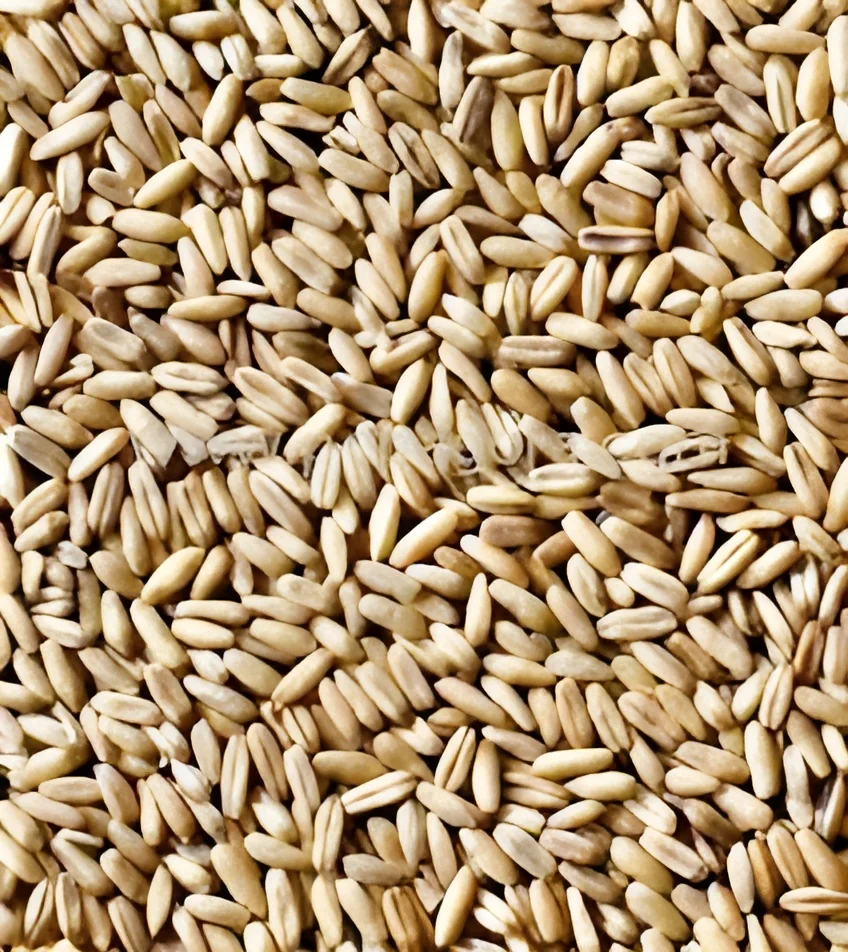
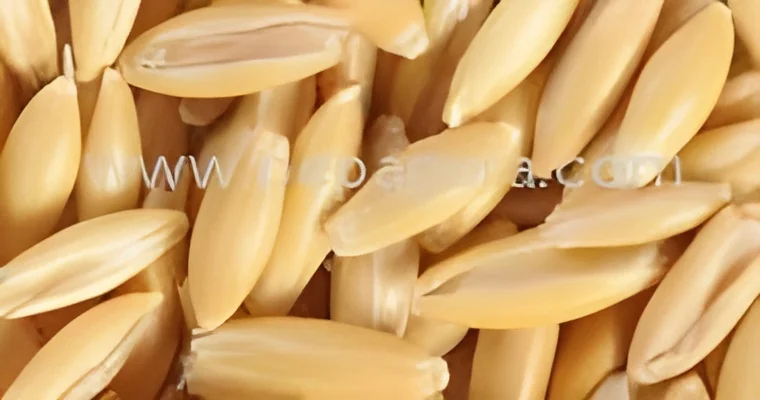
Whole Oats: Whole oats are unprocessed and retain their natural structure, offering a chewy texture and rich flavor. They are perfect for traditional oatmeal and can be used in baking for added nutrition.
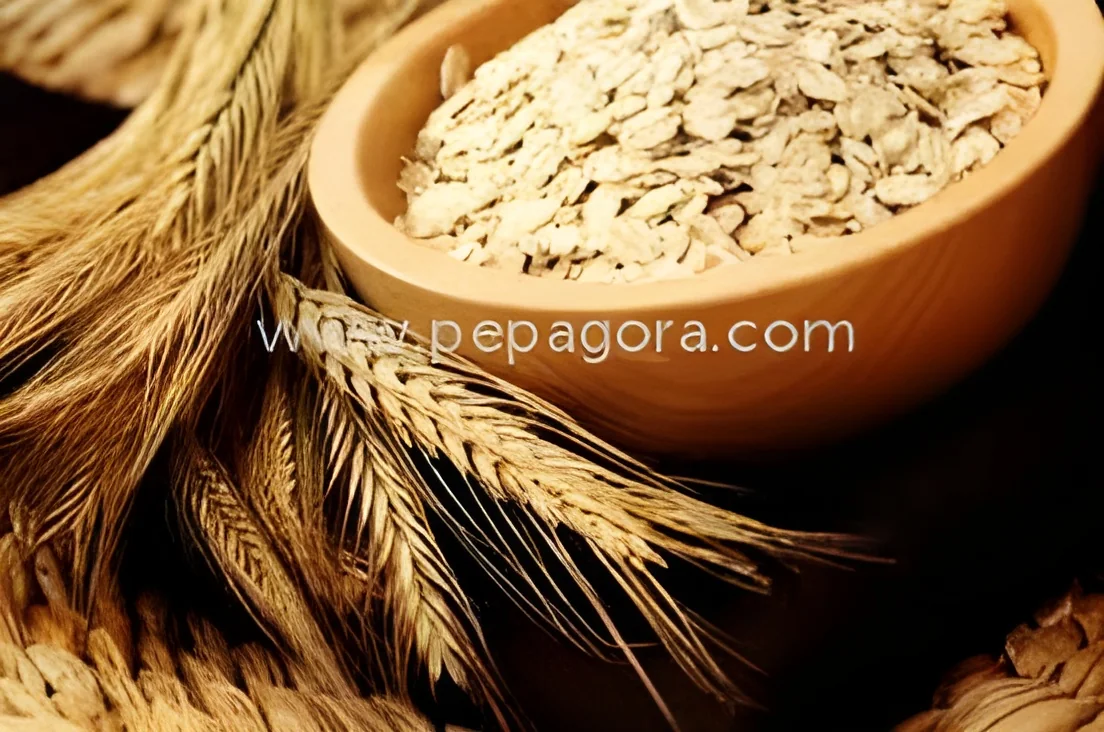
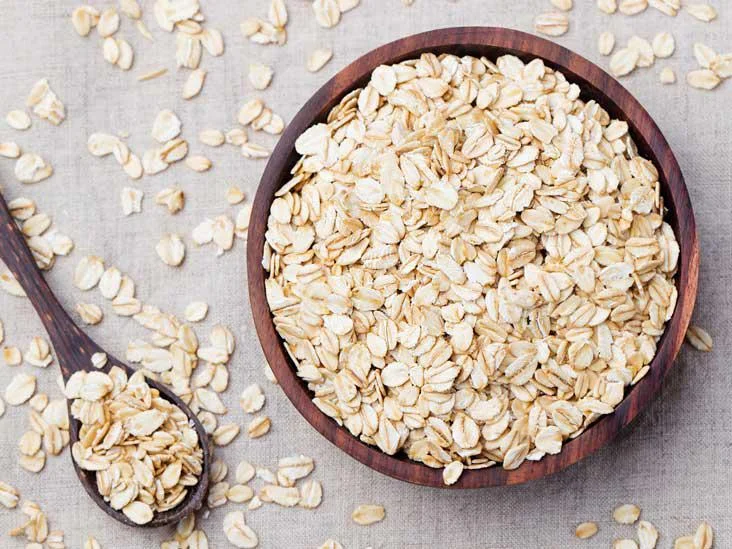
Rolled Oats: Rolled oats are steamed and flattened for faster cooking, making them ideal for quick breakfasts and baking. They have a softer texture and are often used in granola bars, cookies, and smoothies.
Steel-Cut Oats: Steel-cut oats are whole oat groats that have been chopped into pieces. They provide a nutty flavor and chewy texture, suitable for slow-cooked oatmeal.
Instant Oats: Instant oats are pre-cooked and packaged for quick preparation. They are popular in single-serve packets for convenience.
Benefits and Advantages
Sourcing oats (Whole & Rolled) provides numerous benefits for businesses in various sectors.
1. Nutritional Value: Oats are rich in essential nutrients, aiding in promoting health-conscious products.
2. Versatility: The various forms of oats can be used in a wide range of applications, from breakfast to baking.
3. Consumer Demand: With growing interest in healthy eating, oats cater to the needs of a diverse consumer base.
4. Cost-Effectiveness: Oats are generally affordable, making them a cost-effective ingredient for manufacturers.
5. Gluten-Free Options: Oats can be certified gluten-free, appealing to consumers with dietary restrictions.
6. Sustainability: Oat production is often considered environmentally friendly, aligning with the growing demand for sustainable food sources.
Buying Guide for B2B Buyers
When sourcing Oats (Whole & Rolled), several factors should be considered to ensure the best options are chosen.
1. Quality Assessment: Evaluating the quality of oats is vital. Look for suppliers that provide testing for moisture content, nutritional value, and absence of contaminants.
2. Supplier Verification: Vet suppliers thoroughly by checking references, certifications, and reviews. Reliable suppliers contribute significantly to product quality.
3. Pricing and MOQ: Understand the pricing structure and minimum order quantities (MOQ). This helps in budgeting and ensuring that supply meets demand.
4. Delivery and Lead Times: Confirm delivery schedules and lead times with suppliers. Timely delivery is crucial for production schedules.
5. Compliance Requirements: Ensure that the oats comply with relevant food safety standards and certifications, such as CE. This is important for maintaining product integrity.
Compliance and Certifications
Compliance and certifications are essential in ensuring the quality and safety of Oats (Whole & Rolled).
Oats should adhere to quality standards such as ISO 9001 and HACCP, which focus on quality management systems and hazard analysis critical control points. These standards ensure that the products are produced safely and meet quality benchmarks.
Industry certifications like CE indicate that the oats comply with European health, safety, and environmental protection standards. This certification is particularly important for businesses looking to enter the European market.
Safety and testing requirements must also be met, including checks for contaminants and proper labeling. This ensures that consumers receive safe and accurately represented products.
Regional compliance considerations may vary, making it essential for suppliers to understand local regulations and standards in different markets.
Why Source Oats (Whole & Rolled) from Pepagora?
Pepagora offers a trusted platform for sourcing Oats (Whole & Rolled), providing several key advantages for businesses.
Verified Supplier Network: Pepagora has a rigorous verification process for suppliers, ensuring that businesses partner with reliable sources. This minimizes the risk of sourcing inferior products.
Streamlined RFQ Process: The request for quotation (RFQ) process is designed to be straightforward and efficient. Buyers can easily compare prices and specifications from multiple suppliers, saving time and resources.
Trade Assurance and Support: Pepagora offers trade assurance, providing added security for buyers. This buyer protection helps ensure that orders are fulfilled as promised, fostering trust in transactions.
Regional Coverage: With a strong presence in markets like India, GCC, and Southeast Asia, Pepagora connects buyers to a wide range of suppliers, enhancing access to quality oats. This geographic reach allows businesses to find the best products suited for their specific needs.

 IN
IN