What are Private Label Grains & Pulses?
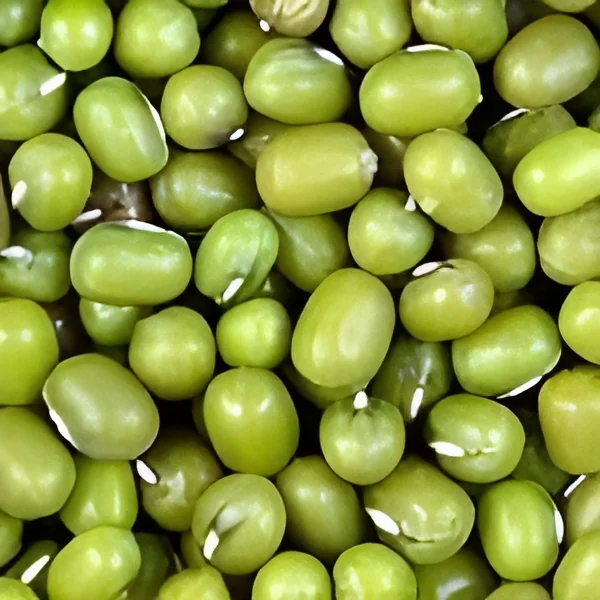
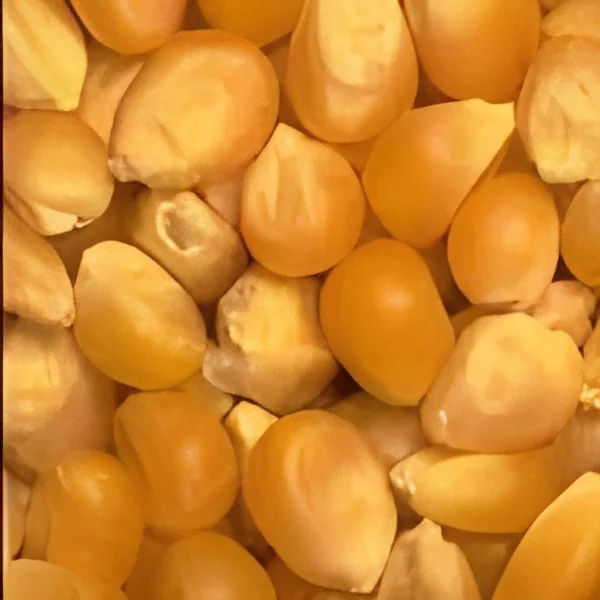
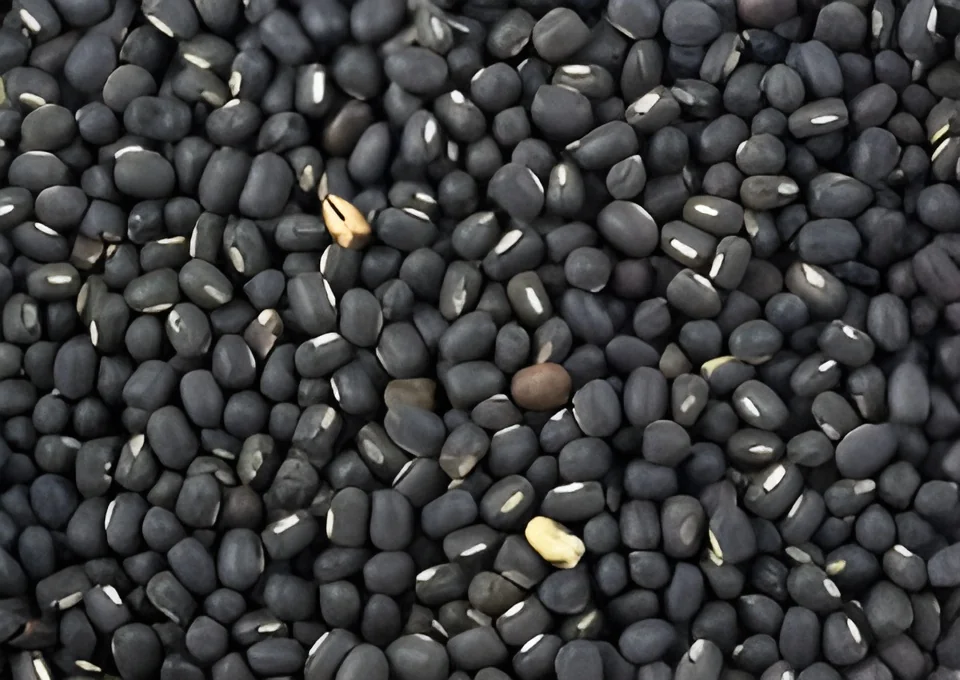
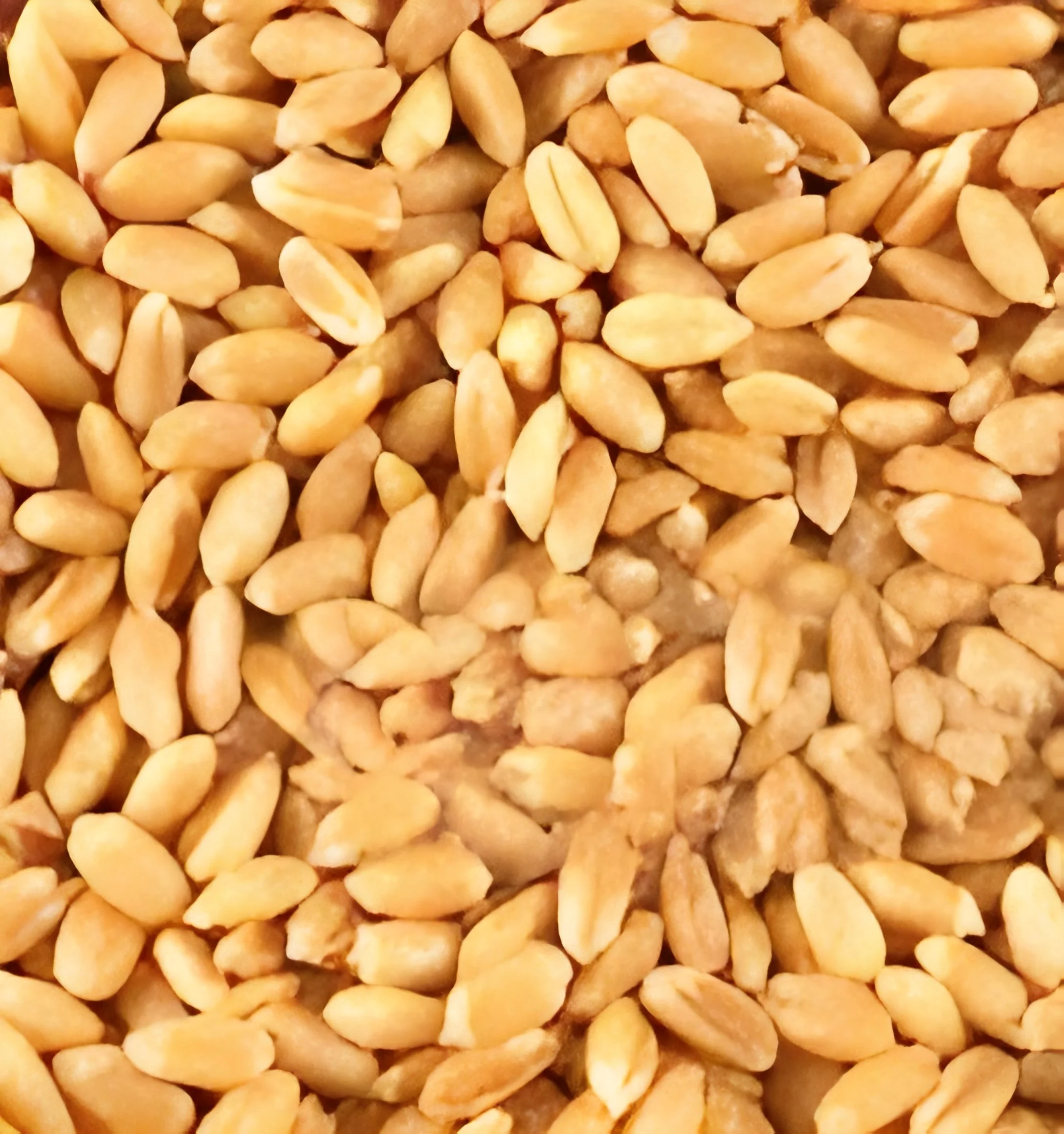
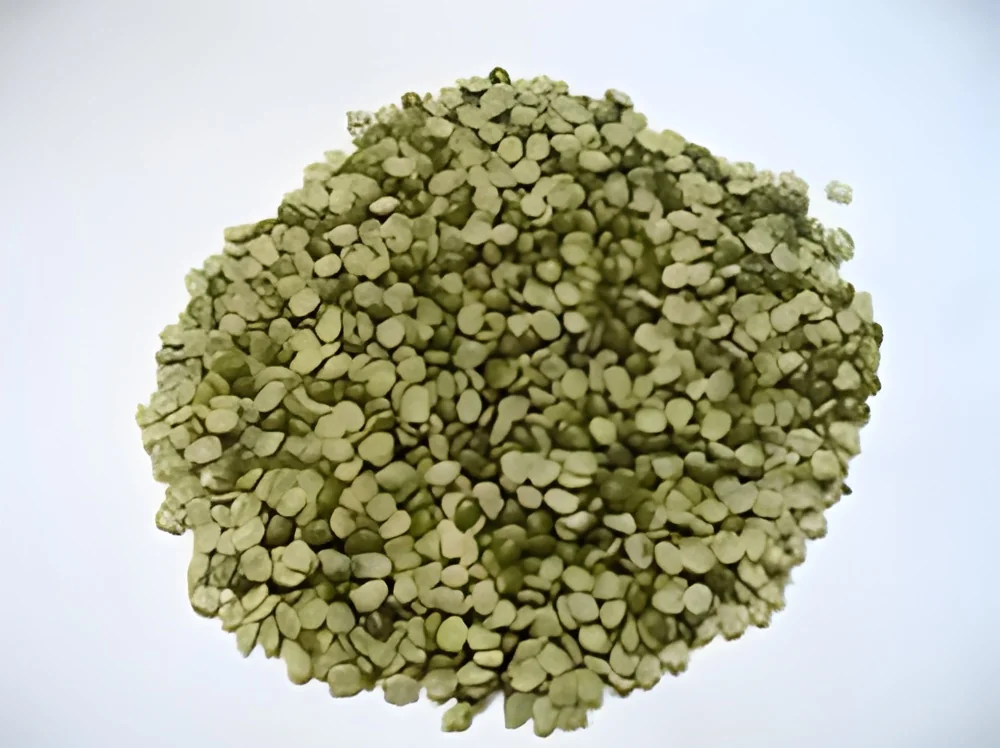
Private label grains and pulses refer to products that are produced by one company and sold under the brand name of another. These products include a variety of grains such as rice, wheat, barley, and pulses such as lentils, chickpeas, and beans. Private labeling allows businesses to offer high-quality products without the need for extensive production facilities. The private label approach is increasingly popular among retailers and distributors looking to enhance their brand offerings.
The primary uses of private label grains and pulses include food production, ingredient sourcing, and retail sales. Many businesses leverage these products in their own food processing operations or sell them directly to consumers. This flexibility allows companies to cater to diverse market needs, including organic, gluten-free, and specialty dietary options. The demand for private label products continues to grow as consumers seek quality and variety at competitive prices.
In the current market context, private label grains and pulses are significant due to their contribution to food security and sustainability. As global awareness around health and nutrition rises, the focus on plant-based diets boosts the relevance of pulses. Additionally, private labeling offers opportunities for businesses to differentiate themselves in a crowded marketplace, making it a strategic choice for many companies.
Key Features and Specifications
Private label grains and pulses come with a range of features and specifications that cater to various consumer needs and industry standards. Understanding these specifications is crucial for businesses looking to source high-quality products.
Key specifications include:
1. Grain Type
- This includes various types of grains such as rice, wheat, barley, and oats.
- Common varieties may include basmati rice, whole wheat flour, and rolled oats.
2. Pulse Type
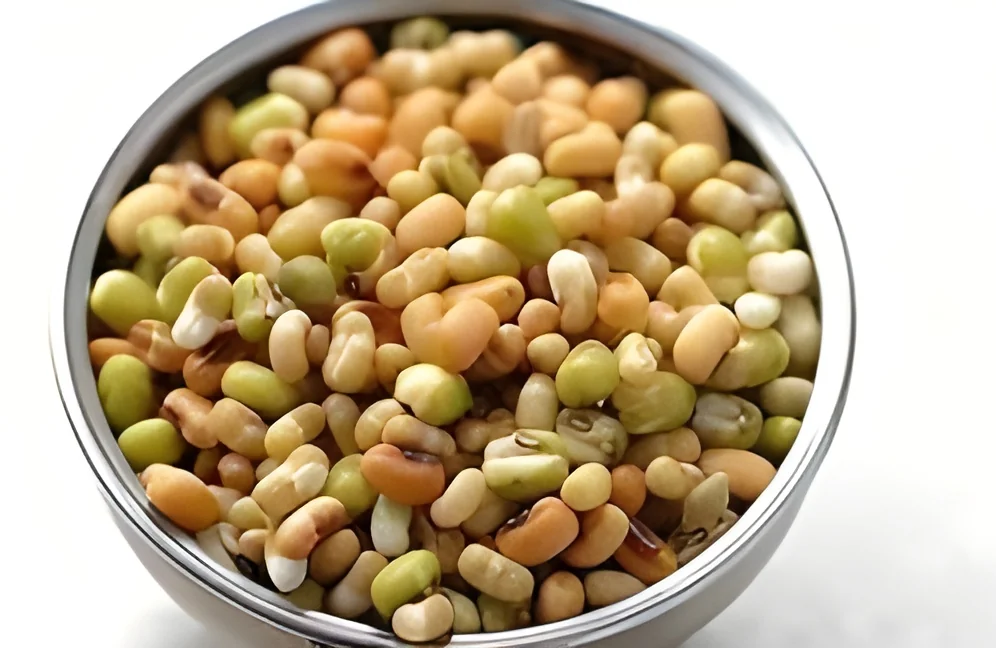
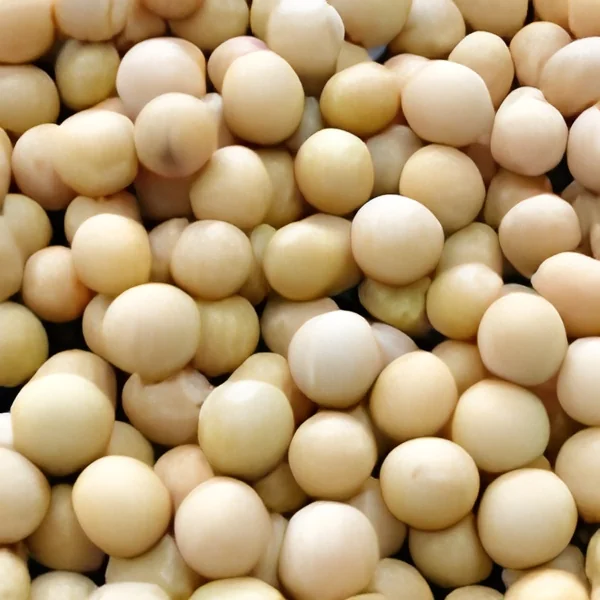
- This encompasses a variety of pulses, including lentils, chickpeas, and black beans.
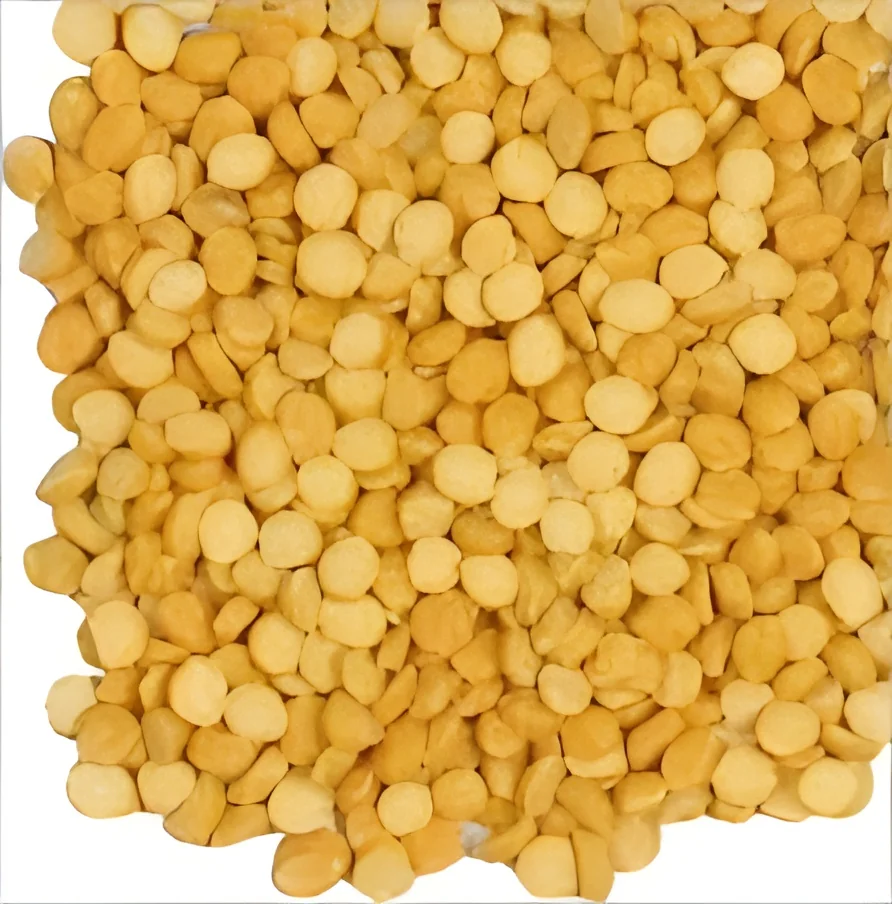
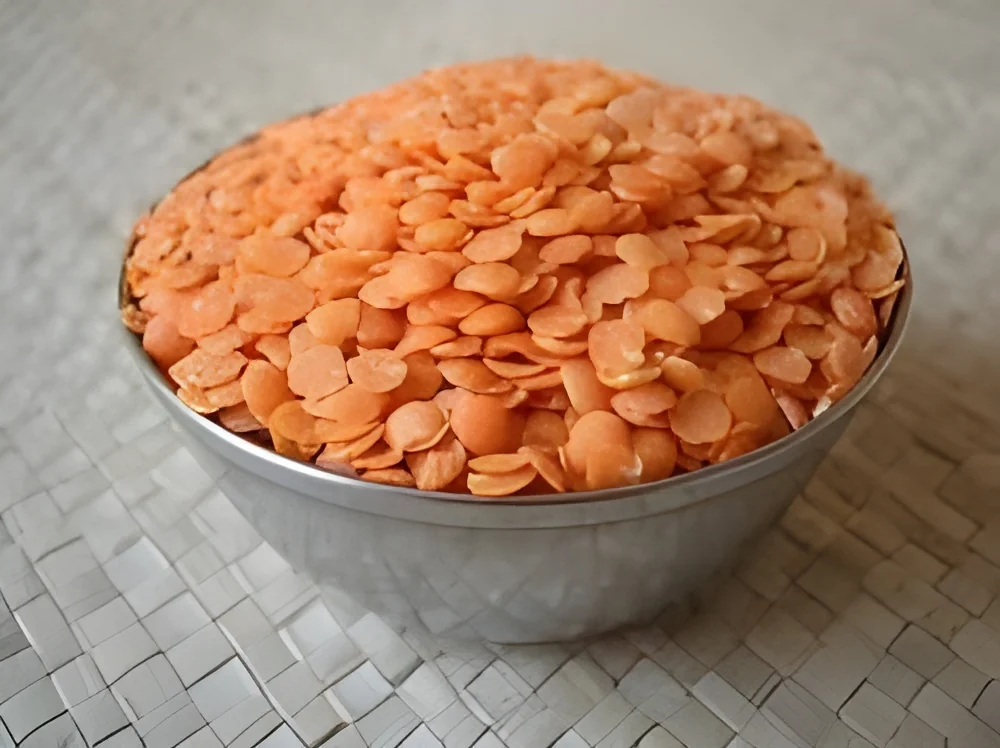
- Specific classifications may include green lentils, red lentils, and dried chickpeas.
3. Packaging Options
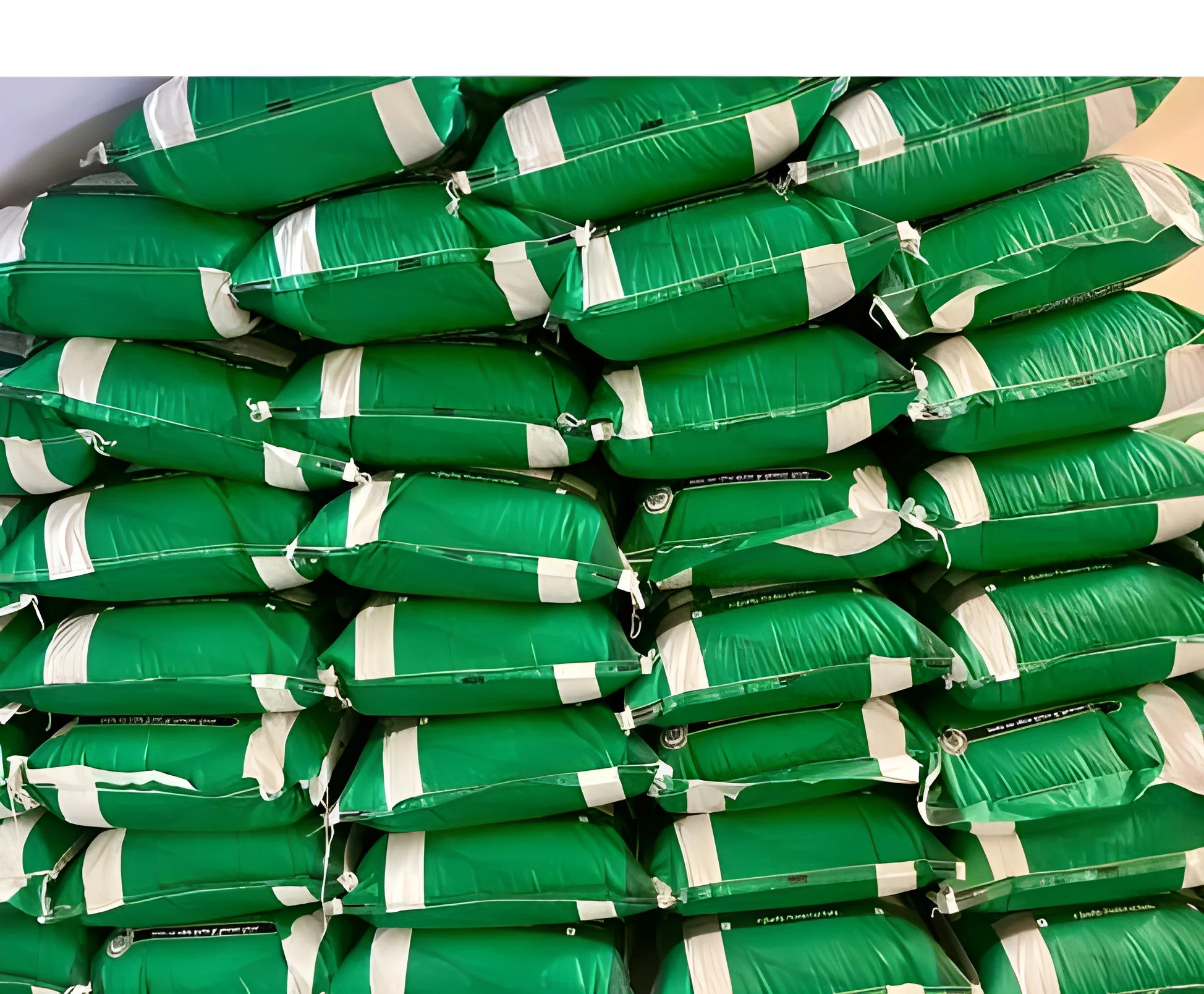
- Available in bulk, retail packs, or customized packaging.
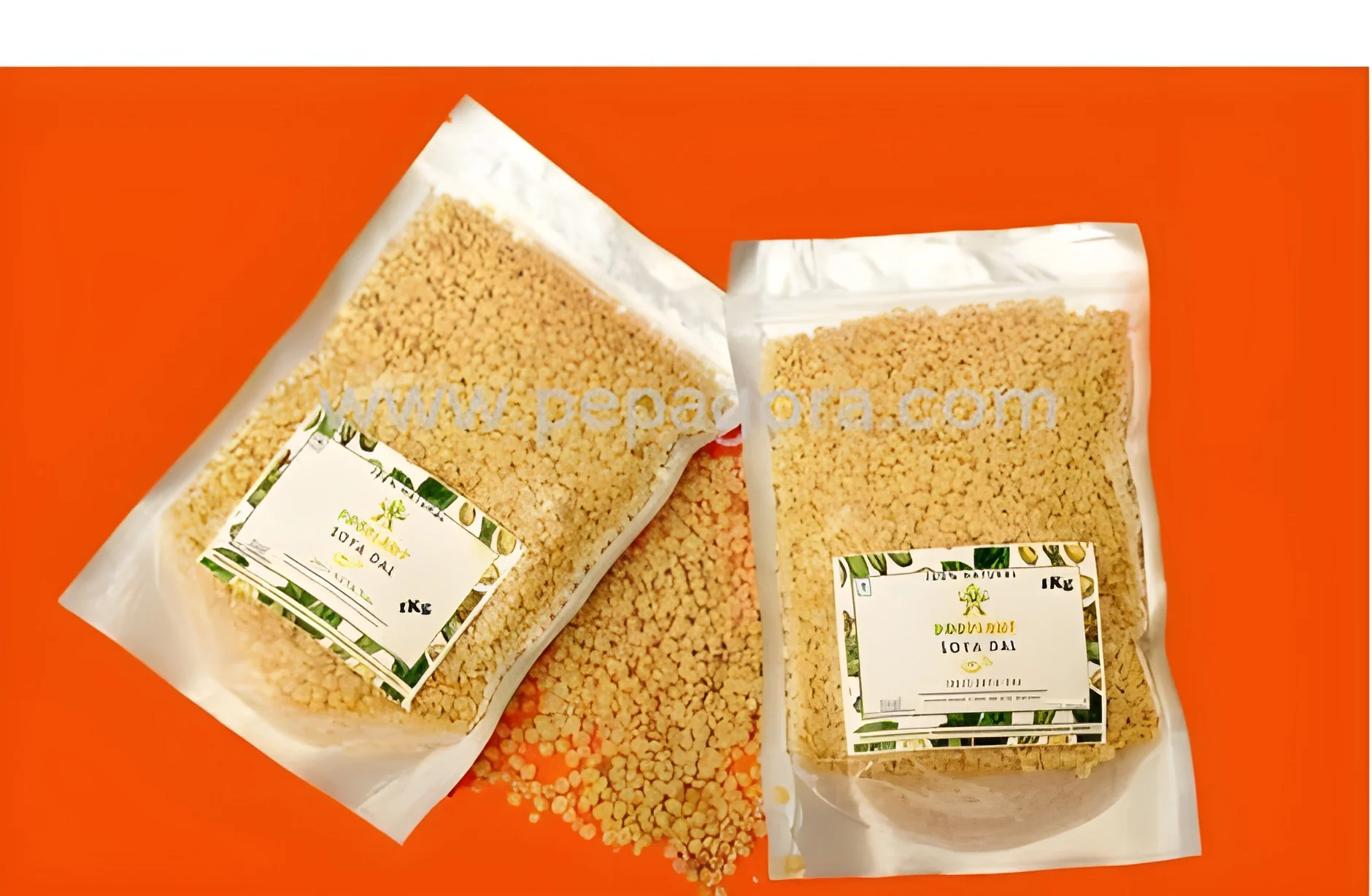
- Standard sizes may range from 1 kg to 25 kg bags.
4. Shelf Life
- Typically ranges from 6 months to 2 years depending on the product and storage conditions.
- Proper storage can extend shelf life significantly.
5. Nutritional Content
- Each product has specific nutritional profiles, including protein, fiber, and micronutrient contents.
- Nutritional labels must comply with local regulations.
6. Origin and Sourcing
- Products may be sourced from specific regions known for quality grains and pulses.
- Traceability is important for quality assurance and consumer trust.
7. Quality Certifications
- Products may adhere to quality standards such as ISO 9001 and HACCP.
- Certifications ensure compliance with industry safety and quality norms.
8. Customization Options
- Some suppliers may offer customization in terms of blends, packaging, and branding.
- Custom formulations can cater to specific dietary requirements.
In summary, when selecting private label grains and pulses, buyers should consider specifications that align with their business needs and market demands.
Common Applications and Use Cases
Private label grains and pulses are versatile products used across various industries. Their applications are diverse, catering to a wide range of consumer preferences.
1. Food Processing: Many food manufacturers use grains and pulses as key ingredients in products like snacks, soups, and ready-to-eat meals. They provide essential nutrients and enhance flavor.
2. Retail: Supermarkets and grocery stores offer private label grains and pulses to provide consumers with quality options at competitive prices. This strategy boosts store branding and customer loyalty.
3. Restaurants and Catering: Food service businesses often source private label products to create unique menu items or as ingredients in their dishes, ensuring quality and consistency.
4. Health and Wellness: Health food brands utilize pulses and grains for their nutritional benefits, promoting them as high-protein, plant-based options for health-conscious consumers.
5. Organic and Specialty Foods: The demand for organic grains and pulses is growing. Retailers are increasingly offering private label organic options to cater to niche markets.
6. International Cuisine: Many ethnic foods rely heavily on grains and pulses, making them essential for restaurants and food producers focusing on global cuisines.
7. Animal Feed: Some grains are also suitable for animal feed, providing nutrition for livestock and pets.
Product Variants and Subcategories
Private label grains and pulses offer diverse product variants to meet various consumer needs. Companies can choose from a range of options to enhance their product lines.
Basmati Rice
Known for its aromatic flavor and long grains, basmati rice is a popular choice for many dishes. It is often used in Indian and Middle Eastern cuisine, making it a staple for restaurants and grocery stores.
Red Lentils
These lentils cook quickly and have a mild flavor, making them ideal for soups and stews. They are a healthy addition to any diet and are often marketed as a quick-cooking option for busy consumers.
Chickpeas
Chickpeas are versatile and can be used in salads, hummus, and curries. Their popularity in plant-based diets makes them a sought-after product in the health and wellness market.
Whole Wheat Flour
This flour variant is increasingly used in baking due to its higher nutritional value compared to white flour. It appeals to health-conscious consumers looking for whole grain options.
Quinoa
Though not a traditional grain, quinoa is often included in the grains category due to its high protein content and versatility. It is popular among health food enthusiasts and those with gluten sensitivities.
Benefits and Advantages
Sourcing private label grains and pulses provides several advantages for businesses looking to expand their product offerings.
Key benefits include:
1. Cost-Effectiveness: Private labeling allows businesses to offer high-quality products at lower prices, enhancing their competitive edge in the market.
2. Brand Recognition: Selling grains and pulses under a private label helps businesses establish their brand identity and build customer loyalty.
3. Customization: Companies can tailor products to meet specific consumer demands, including dietary preferences and packaging specifications.
4. Quality Control: Sourcing from verified suppliers ensures that products meet industry standards and quality expectations, providing peace of mind for buyers.
5. Flexibility: Businesses can adapt their product lines more easily to changing market trends and consumer preferences with private label offerings.
6. Supply Chain Efficiency: Partnering with established suppliers allows for streamlined logistics and better inventory management, reducing overhead costs.
Buying Guide for B2B Buyers
When sourcing private label grains and pulses, it is essential for buyers to consider several key factors to ensure they make informed decisions.
1. Quality Assessment: Buyers should evaluate the quality of grains and pulses based on appearance, nutritional content, and certifications. Conducting sample testing can also help determine product quality.
2. Supplier Verification: It is crucial to vet suppliers thoroughly. Buyers should check for industry certifications, production capabilities, and customer reviews to ensure reliability.
3. Pricing and MOQ: Understanding the pricing structure and minimum order quantities (MOQ) is important for budgeting and inventory planning. Buyers should compare quotes from multiple suppliers to find the best deal.
4. Delivery and Lead Times: Timely delivery is vital for maintaining production schedules. Buyers should inquire about lead times and logistics to ensure products arrive when needed.
5. Compliance Requirements: Familiarity with local and international regulations is essential. Buyers must ensure that the products comply with safety standards and labeling requirements.
Compliance and Certifications
In the grains and pulses industry, compliance with quality standards and regulations is critical for ensuring product safety and consumer trust.
Relevant quality standards include ISO 9001 and HACCP, which focus on quality management systems and food safety management, respectively. Adhering to these standards helps ensure that products are produced, handled, and delivered in a safe manner.
Industry certifications such as UL and CE indicate compliance with safety and performance standards. These certifications provide buyers with confidence in the quality and safety of the products they source.
Safety and testing requirements are also essential, especially for food products. Regular testing for contaminants and adherence to safety guidelines help maintain product integrity and ensure consumer safety.
Regional compliance considerations may vary, making it important for businesses to be aware of local regulations governing food products. This includes understanding import regulations, labeling requirements, and specific quality standards applicable in different markets.
Why Source Private Label Grains & Pulses from Pepagora?
Pepagora provides a trusted platform for sourcing private label grains and pulses, offering several key advantages to buyers.
Verified Supplier Network: Pepagora connects buyers with a network of verified suppliers, ensuring that all partners meet stringent quality and safety standards. This reduces the risk associated with sourcing products from unknown vendors.
Streamlined RFQ Process: The platform features a user-friendly Request for Quotation (RFQ) process, allowing buyers to easily communicate their needs and receive competitive bids from multiple suppliers. This simplifies the sourcing process and helps buyers find the best deals.
Trade Assurance and Support: Pepagora offers trade assurance services, providing buyers with protection during transactions. This includes support in case of disputes, ensuring a smooth sourcing experience.
Regional Coverage: With a strong presence in India, the GCC, and Southeast Asia, Pepagora offers extensive geographic reach, making it easier for businesses to find local suppliers and navigate regional markets.
By sourcing private label grains and pulses through Pepagora, businesses can leverage these advantages to enhance their product offerings and build a successful brand.

 IN
IN