Key Features and Specifications
Kidney beans are recognized for their nutritional value and versatility, making them an essential product in the food industry. Their specifications are crucial for ensuring quality and consistency for business buyers.
Key specifications include:
1. Nutritional Content
- High in protein and fiber
- Rich in vitamins and minerals such as iron, potassium, and folate
2. Size and Shape
- Typically kidney-shaped
- Average length of 1.5 to 2.5 cm
3. Color Variants
- Primarily red and white options
- Color consistency is essential for marketability
4. Moisture Content
- Optimal moisture level should be between 12-14%
- Affects shelf life and cooking quality
5. Packaging Options
- Available in bulk packaging or retail-sized bags
- Packaging must ensure freshness and prevent contamination
6. Shelf Life
- Typically ranges from 1 to 2 years when stored properly
- Storage conditions impact longevity
7. Compliance Standards
- Must meet food safety regulations and quality standards
- Compliance with certifications like CE is crucial
In summary, understanding these specifications helps buyers assess the quality and suitability of kidney beans for their specific applications.
Common Applications and Use Cases
Kidney beans serve a wide range of industries due to their versatility and nutritional benefits.
1. Food Industry: Used extensively in restaurants and catering services, kidney beans are a staple in vegetarian and vegan dishes, such as curries and salads.
2. Food Manufacturing: Manufacturers incorporate kidney beans into processed foods, including canned products and frozen meals, capitalizing on their nutritional profile.
3. Health and Wellness: As a source of plant-based protein, kidney beans feature in health-focused products and meal plans aimed at fitness enthusiasts and health-conscious consumers.
4. Agriculture: Used in crop rotation practices, kidney beans help improve soil health and reduce pests, benefiting farmers.
5. Export Markets: Kidney beans are traded internationally, catering to markets looking for high-quality legumes to meet consumer demands.
6. Retail: Supermarkets and health food stores stock kidney beans, targeting consumers looking for healthy and convenient meal options.
7. Snack Food Production: Some companies produce snack items incorporating kidney beans, emphasizing health benefits and unique flavors.
Product Variants and Subcategories
Kidney beans come in different variants, offering buyers a range of options based on their needs.
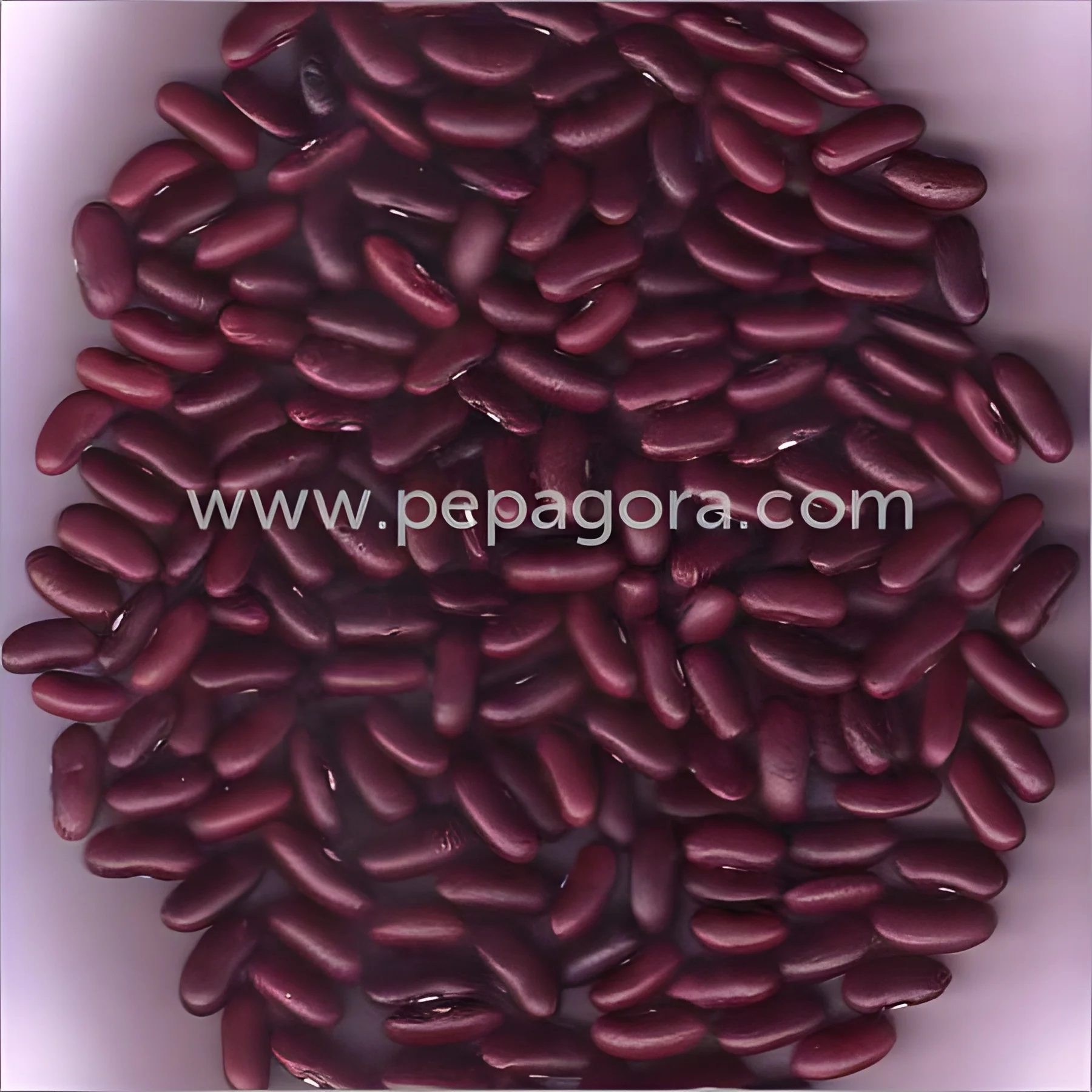
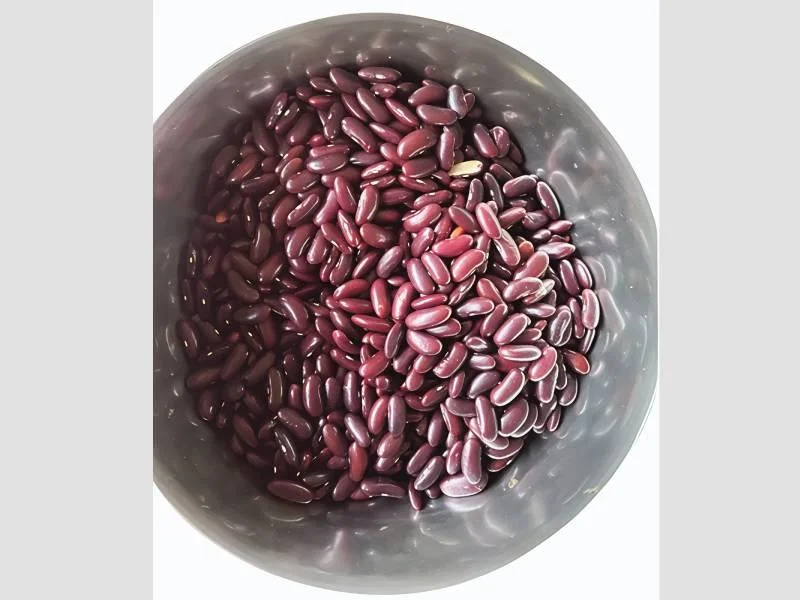
Red Kidney Beans: This variant is the most popular and widely consumed. They have a deep red color and a slightly nutty flavor, making them ideal for a variety of dishes such as chili, stews, and rice dishes.
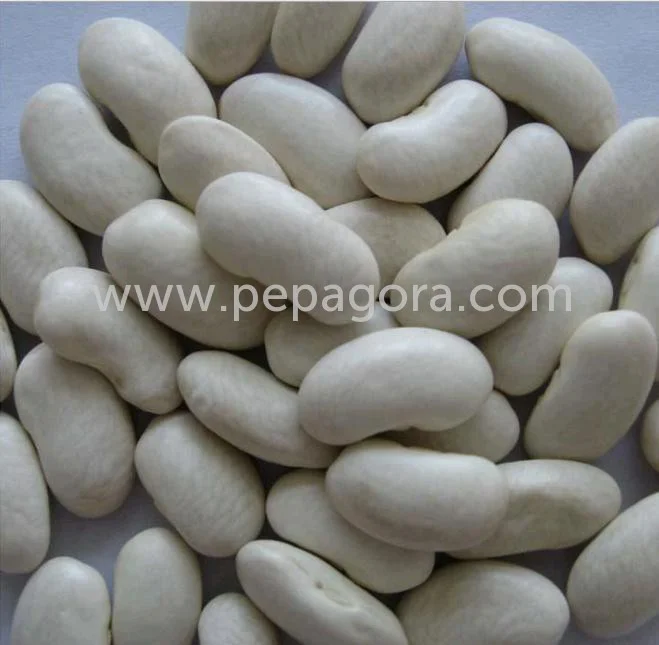
White Kidney Beans: Also known as Cannellini beans, they are larger and have a creamier texture than red kidney beans. They are commonly used in Mediterranean cuisine and are perfect for salads and soups.
Benefits and Advantages
Sourcing kidney beans provides numerous advantages for businesses.
1. Nutritional Value: Kidney beans are an excellent source of protein and dietary fiber, making them a healthy choice for consumers.
2. Versatility: Their adaptability allows them to be used in various cuisines and meal types, from salads to stews.
3. Cost-Effectiveness: Kidney beans are generally affordable, providing a budget-friendly source of nutrition for consumers and businesses alike.
4. Sustainable Crop: Growing kidney beans contributes to sustainable agriculture practices, as they can enhance soil health and require less fertilizer.
5. Long Shelf Life: Properly stored kidney beans have a long shelf life, allowing businesses to manage inventory effectively.
6. Increased Demand: The rise in plant-based diets and health-conscious eating habits has led to a growing market for kidney beans, making them a strategic product choice.
Buying Guide for B2B Buyers
When sourcing kidney beans, it is essential for buyers to consider several factors to ensure they meet their business needs.
1. Quality Assessment: Evaluate the nutritional content, size, and moisture levels of kidney beans to ensure they meet your specific quality standards.
2. Supplier Verification: Conduct thorough background checks on suppliers to ensure they are reputable and comply with food safety regulations.
3. Pricing and MOQ: Understand market prices and minimum order quantities to make informed purchasing decisions.
4. Delivery and Lead Times: Discuss logistics with suppliers to ensure timely delivery and manage your supply chain effectively.
5. Compliance Requirements: Ensure that the kidney beans meet all necessary regulatory and safety standards, including certifications like CE.
Compliance and Certifications
Kidney beans must comply with various quality standards to ensure they are safe for consumption. ISO 9001 certification indicates a commitment to quality management systems, which is crucial in food production. Additionally, HACCP (Hazard Analysis and Critical Control Points) certifications are vital for ensuring food safety by identifying potential hazards in the production process.
In many regions, compliance with Good Distribution Practices (GDP) is also necessary to maintain quality during storage and transportation. Manufacturers and suppliers must adhere to safety and testing requirements to ensure their products are free from contaminants.
Regional compliance considerations may vary, so it is essential for businesses to stay informed about local regulations affecting the import and sale of kidney beans.
Why Source Kidney Beans (Rajma) from Pepagora?
Pepagora provides a trusted platform for sourcing kidney beans, offering several key advantages for B2B buyers.
Verified Supplier Network: Pepagora connects buyers with verified suppliers, ensuring that all products meet industry standards and quality requirements. This network enhances buyer confidence and reduces the risk of dealing with unreliable sources.
Streamlined RFQ Process: The platform simplifies the request-for-quotation process, allowing buyers to receive competitive quotes from multiple suppliers quickly. This efficiency helps businesses make informed purchasing decisions without lengthy delays.
Trade Assurance and Support: Pepagora offers trade assurance measures that protect buyers from potential disputes, providing an added layer of security in transactions. Their dedicated support team is available to assist with any queries or concerns throughout the sourcing process.
Regional Coverage: With a broad geographic reach, including India, the GCC, and Southeast Asia, Pepagora ensures that buyers can access quality kidney beans from various regions. This coverage allows businesses to tap into diverse markets and cater to a wide range of consumer preferences.

 IN
IN