
 IN
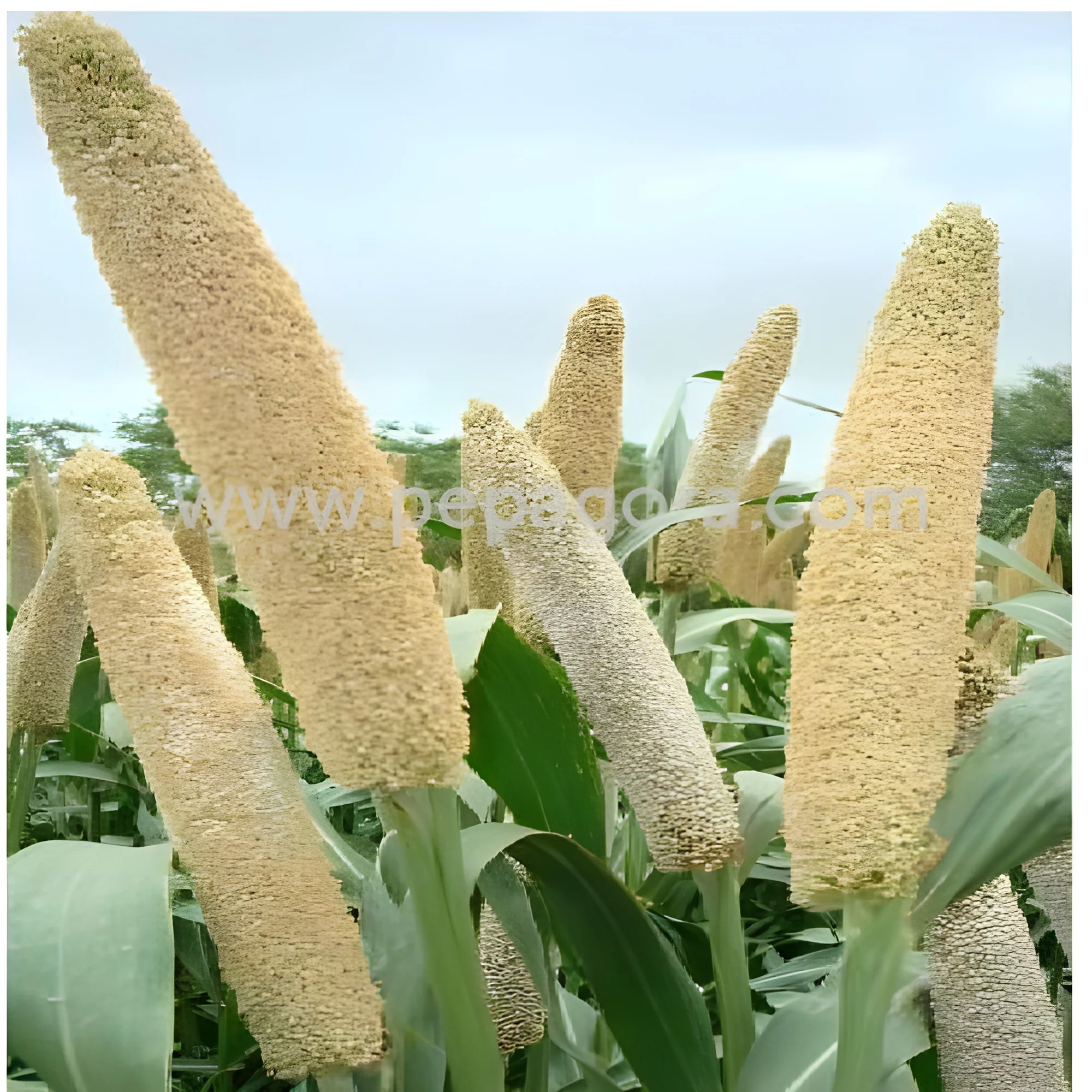
Pearl Millet (Bajra)
31 products available
Key Features and Specifications
Pearl Millet is characterized by several key features that highlight its agricultural and nutritional benefits. It is crucial for buyers to understand the specifications that define this grain.
Key specifications include:
1. Nutritional Value
- High in protein content, typically ranging from 11% to 15%
- Contains essential minerals like iron, zinc, and magnesium
2. Growth Conditions
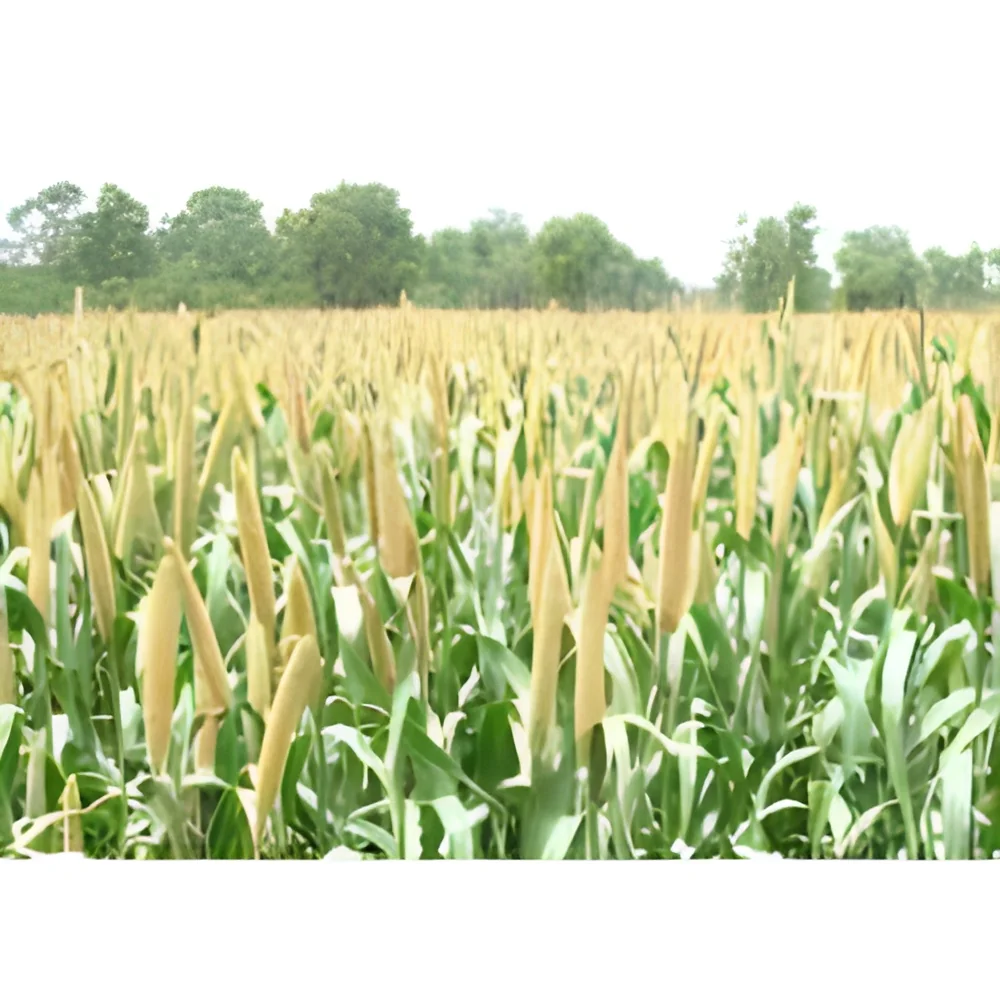
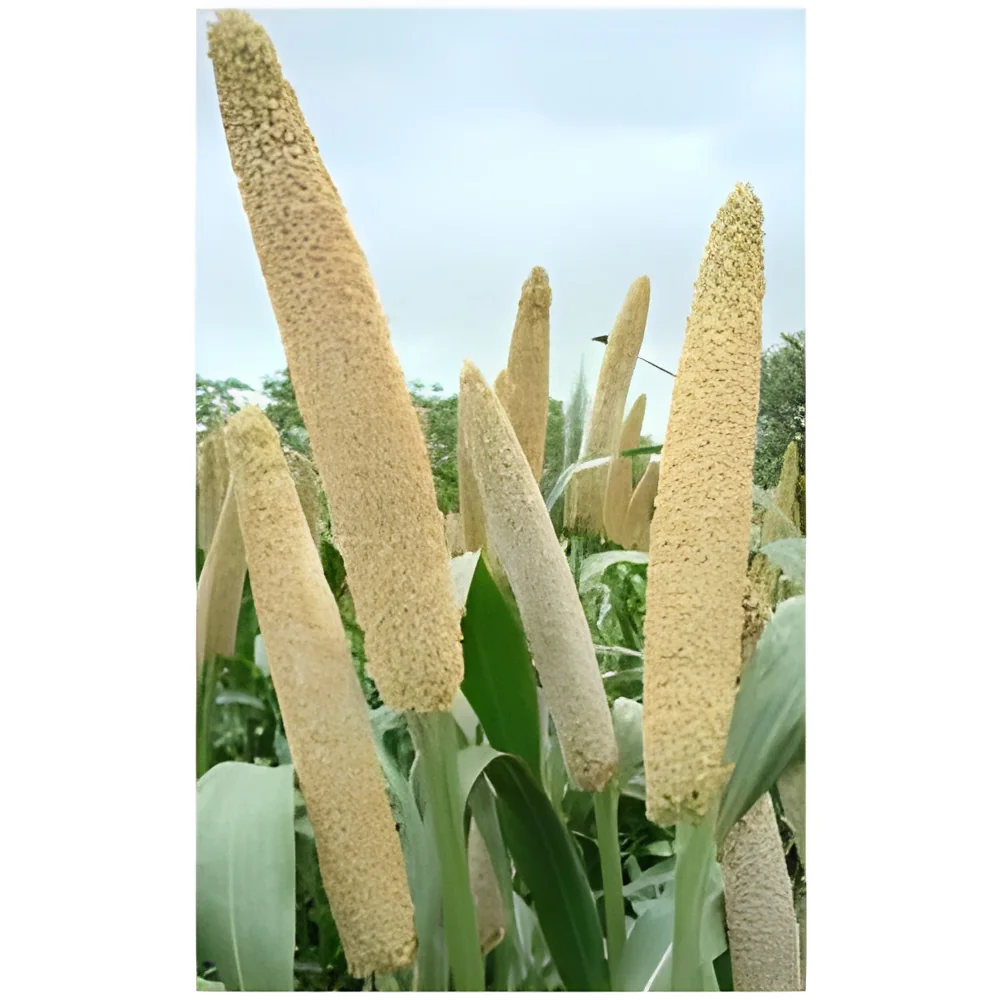
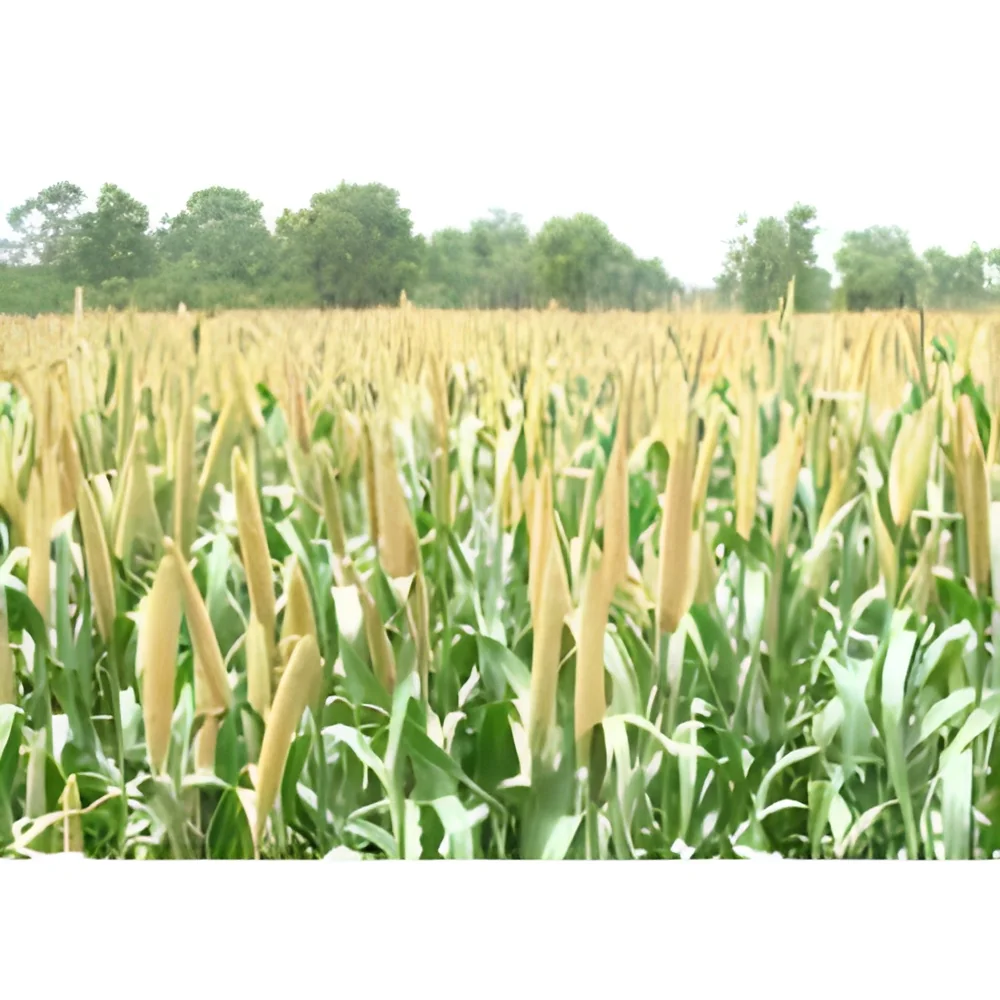
- Thrives in arid and semi-arid climates with low rainfall
- Requires well-drained soils with a pH range of 5.0 to 7.0
3. Grain Size
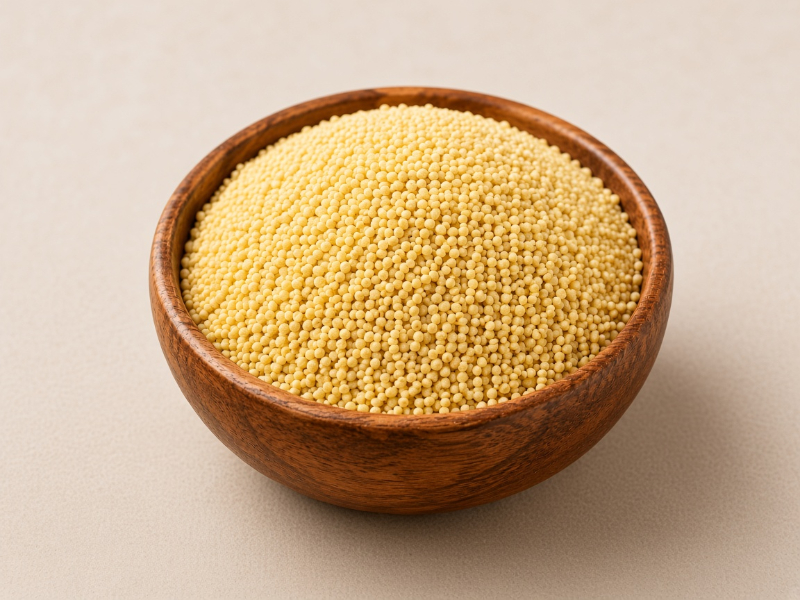
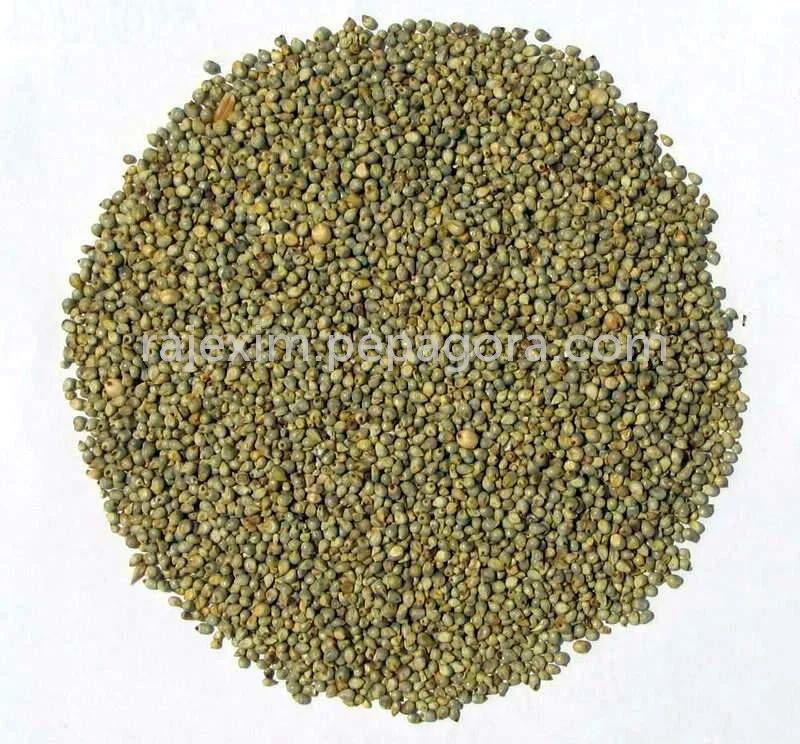
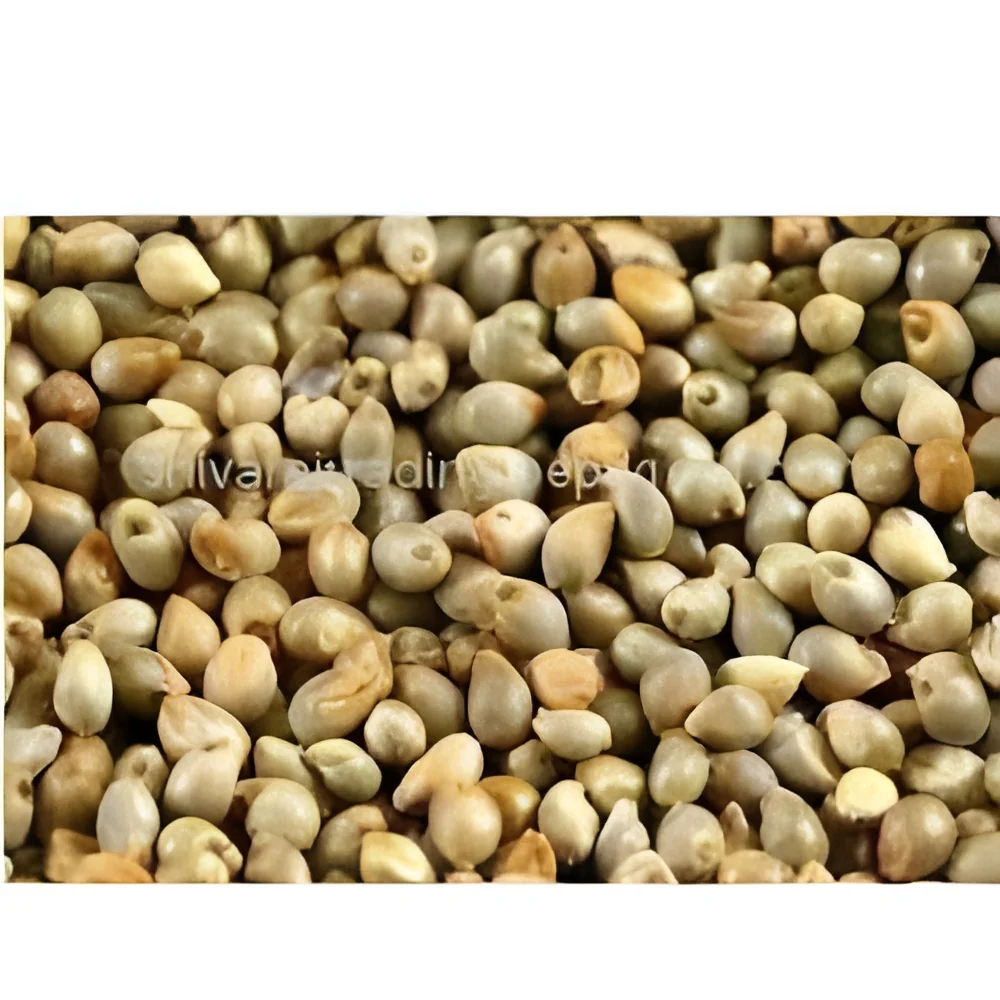
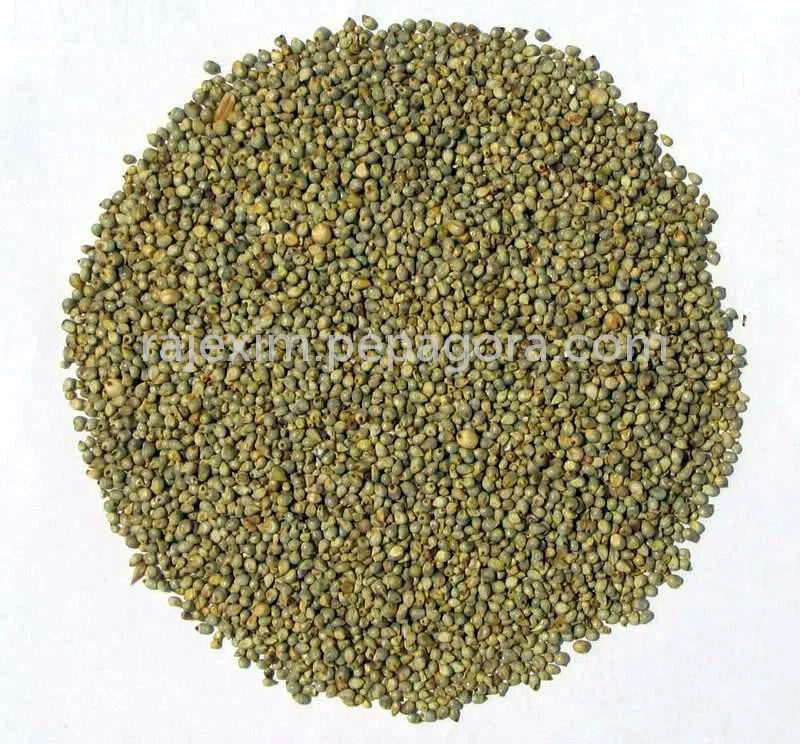
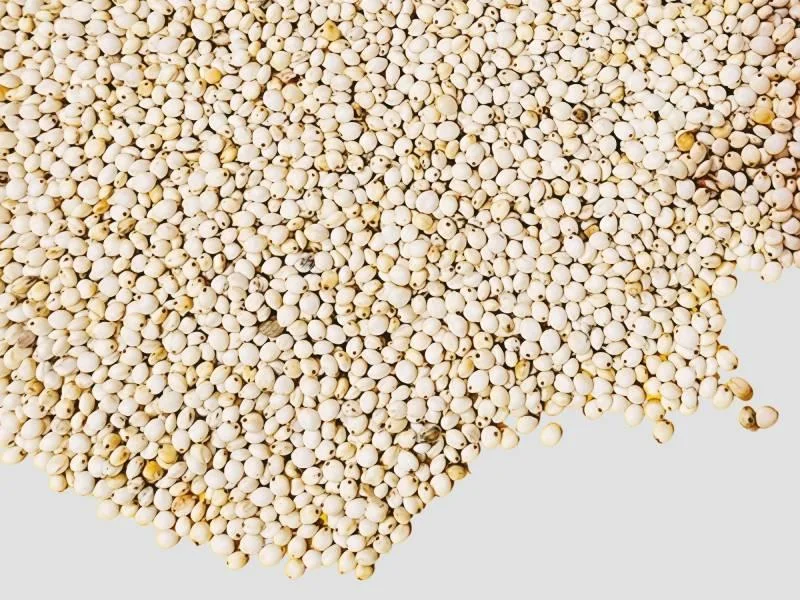
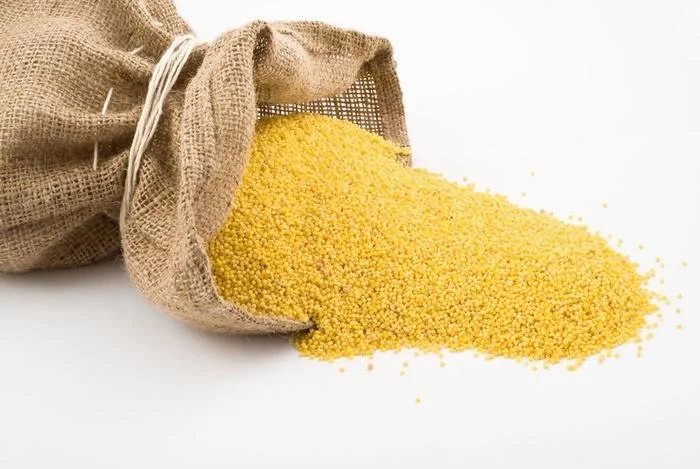
- Typically small, ranging from 1 to 2 mm in diameter
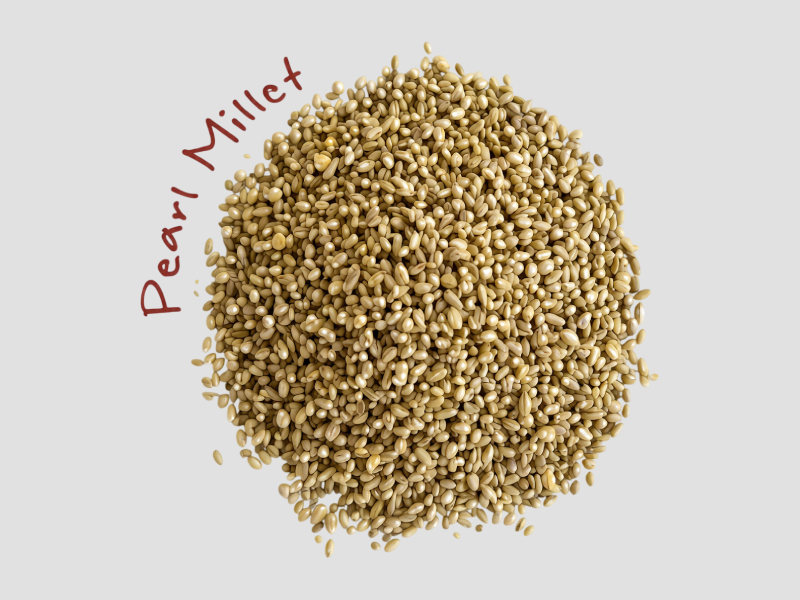
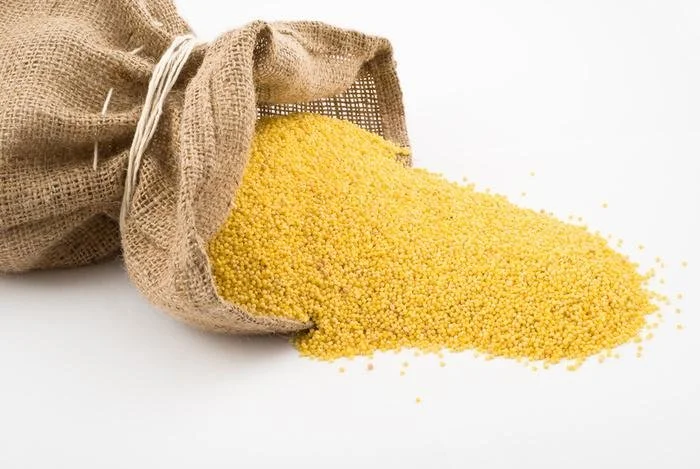
- Varieties may exhibit different colors, including white, yellow, and brown
4. Shelf Life
- Generally has a shelf life of 6 to 12 months when stored properly
- Requires cool, dry storage conditions to prevent spoilage
5. Yield Potential
- Can produce yields ranging from 800 to 2,500 kg per hectare
- Yield can vary based on environmental conditions and farming practices
6. Gluten-Free Status
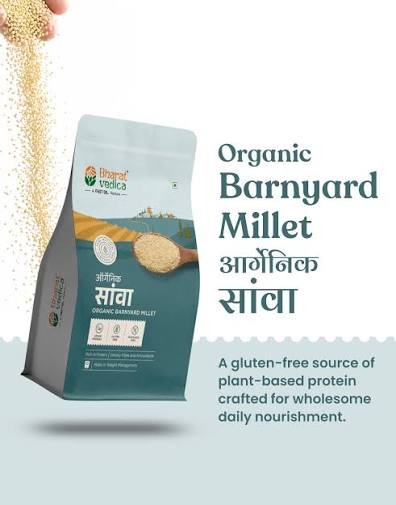
- Naturally gluten-free, making it suitable for gluten-intolerant consumers
- Increasingly popular in health food products
In summary, understanding these specifications is essential for businesses looking to incorporate Pearl Millet into their products or supply chains.
Common Applications and Use Cases
Pearl Millet serves a diverse array of industries, highlighting its versatility and adaptability.
1. Food Industry: Pearl Millet is used in the production of various food items, including traditional breads, snacks, and breakfast cereals. Its nutritional profile makes it a desirable ingredient in health-focused products.
2. Animal Feed: The grain is widely used as a feed component for livestock, providing essential nutrients that support growth and productivity in animals.
3. Health and Wellness: With the rise of gluten-free diets, Pearl Millet has become a key ingredient in health foods, such as gluten-free flours and protein-rich snacks.
4. Biofuels: Pearl Millet is also explored as a potential source of bioenergy, contributing to sustainable energy initiatives.
5. Soil Improvement: Farmers use Pearl Millet in crop rotation to enhance soil fertility and structure, making it beneficial for sustainable agriculture.
6. Beverage Production: In some regions, Pearl Millet is fermented to produce traditional alcoholic beverages, showcasing its cultural significance.
Product Variants and Subcategories
Pearl Millet offers diversity in its variants, catering to different market needs.
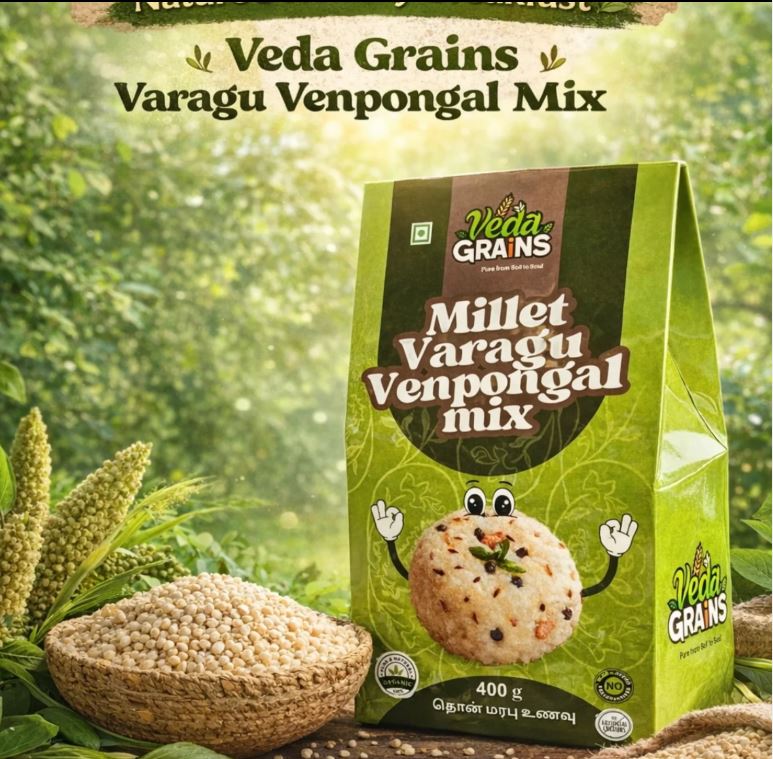
Whole Pearl Millet: This variant is sold as unprocessed grains, ideal for milling into flour or using in whole grain dishes. It retains its nutritional value and is popular among health-conscious consumers.
Pearl Millet Flour: Ground from whole grains, this flour is used in baking and cooking, providing a gluten-free alternative for various recipes. It is favored in health food formulations.
Benefits and Advantages
Sourcing Pearl Millet comes with numerous advantages, making it a valuable addition to various industries.
Key benefits include:
1. Nutritional Superiority: Pearl Millet is packed with proteins, vitamins, and minerals, making it a healthy choice for consumers.
2. Environmental Resilience: Its ability to grow in challenging climates contributes to sustainable agricultural practices and food security.
3. Economic Viability: Pearl Millet can be grown with minimal inputs, providing cost-effective options for farmers and businesses.
4. Versatility: Its applications span across food, feed, and industrial uses, appealing to a wide range of markets.
5. Health Benefits: Its gluten-free nature and high fiber content support digestive health and cater to growing health trends.
Buying Guide for B2B Buyers
When sourcing Pearl Millet, B2B buyers should consider various critical factors to ensure quality and reliability.
1. Quality Assessment: Evaluate grain quality based on appearance, moisture content, and nutritional analysis. Establish criteria to ensure that suppliers meet industry standards.
2. Supplier Verification: Conduct thorough research to verify the credibility and reliability of suppliers. Look for established businesses with positive track records in the industry.
3. Pricing and MOQ: Understand the pricing structure and minimum order quantities required by suppliers. This helps in budgeting and planning for inventory.
4. Delivery and Lead Times: Discuss logistics with suppliers to determine lead times for orders. Timely delivery is crucial for maintaining supply chain efficiency.
5. Compliance Requirements: Ensure that the Pearl Millet meets all regulatory standards and certifications required in your region. This includes food safety and quality assurance regulations.
Compliance and Certifications
Compliance with industry standards and certifications is essential for Pearl Millet procurement.
Relevant quality standards such as ISO 9001 ensure that suppliers maintain consistent quality management systems. These standards help in assessing supplier reliability and product quality.
Certifications like CE indicate that the product meets specific European safety and health requirements, making it suitable for international trade.
Safety and testing requirements are crucial to ensure that the product is free from contaminants and safe for consumption. Regular testing for pesticide residues and microbial contamination is advisable.
Regional compliance considerations should also be taken into account, as different areas may have specific regulations governing agricultural products. Understanding these requirements can aid in smoother market entry.
Why Source Pearl Millet (Bajra) from Pepagora?
Pepagora offers a reliable platform for sourcing Pearl Millet with several distinct advantages.
Verified Supplier Network: Pepagora provides access to a network of verified suppliers who undergo rigorous checks to ensure quality and reliability. This minimizes the risk of sourcing subpar products.
Streamlined RFQ Process: The platform simplifies the Request for Quotation (RFQ) process, allowing buyers to easily compare offers from multiple suppliers, saving time and effort.
Trade Assurance and Support: Pepagora offers trade assurance to protect buyers against potential risks. Their dedicated support team is available to assist with any inquiries or issues that may arise.
Regional Coverage: With a strong presence in India, the GCC, and Southeast Asia, Pepagora ensures that buyers can source Pearl Millet from a wide geographic area, providing flexibility in procurement.
In conclusion, sourcing Pearl Millet from Pepagora not only enhances product quality but also supports informed purchasing decisions for businesses looking to integrate this nutritious grain into their offerings.














Frequently Asked Questions
What are Pearl Millet (Bajra)?
Pearl Millet, commonly known as Bajra, is a type of cereal grain that is widely cultivated in arid and semi-arid regions. It is known for its high nutritional value, being rich in protein, fiber, and essential minerals.
What are the different types of Pearl Millet (Bajra)?
There are several varieties of Pearl Millet, including white, yellow, and brown Bajra. Each type may vary in taste, texture, and nutrient content, catering to different culinary preferences.
How do I choose the right Pearl Millet (Bajra)?
When selecting Pearl Millet, consider factors such as color, size, and intended use. Look for grains that are clean, dry, and free from impurities to ensure high quality.
What are the standard specifications for Pearl Millet (Bajra)?
Standard specifications for Pearl Millet typically include moisture content, purity, and the absence of damaged grains. These specifications ensure that the millet meets quality and safety standards for consumption.
What is the price range for Pearl Millet (Bajra)?
The price of Pearl Millet can vary based on factors such as seasonality, quality, and market demand. Generally, prices range from INR 25 to INR 50 per kilogram in India.
What quality standards apply to Pearl Millet (Bajra)?
Quality standards for Pearl Millet include adherence to food safety regulations, moisture content limits, and grading based on size and color. Compliance with these standards is essential for ensuring the grain's marketability.
Where can I find Pearl Millet (Bajra) suppliers in India?
You can find Pearl Millet suppliers in India through B2B marketplaces like Pepagora, agricultural trade shows, and local grain markets. Researching online directories can also help identify reputable manufacturers.
Can Pearl Millet (Bajra) be customized?
Yes, Pearl Millet can be customized in terms of packaging and processing to meet specific buyer requirements. However, the extent of customization may vary depending on the supplier.
What is the typical minimum order quantity for Pearl Millet (Bajra)?
The typical minimum order quantity (MOQ) for Pearl Millet varies by supplier but generally ranges from 500 kilograms to 1 ton. It is advisable to confirm the MOQ with individual suppliers before placing an order.
What is the typical lead time for Pearl Millet (Bajra)?
The typical lead time for Pearl Millet can range from 7 to 15 days, depending on the supplier's location and order volume. It is recommended to discuss lead times during the ordering process.
Why Businesses Trust Pepagora
Thousands of companies trust Pepagora to source smarter and sell faster
Expand Your Sales Globally

Source Smarter,Grow Faster
