
 IN
Amaranth Seeds
1 products available
What are Amaranth Seeds?
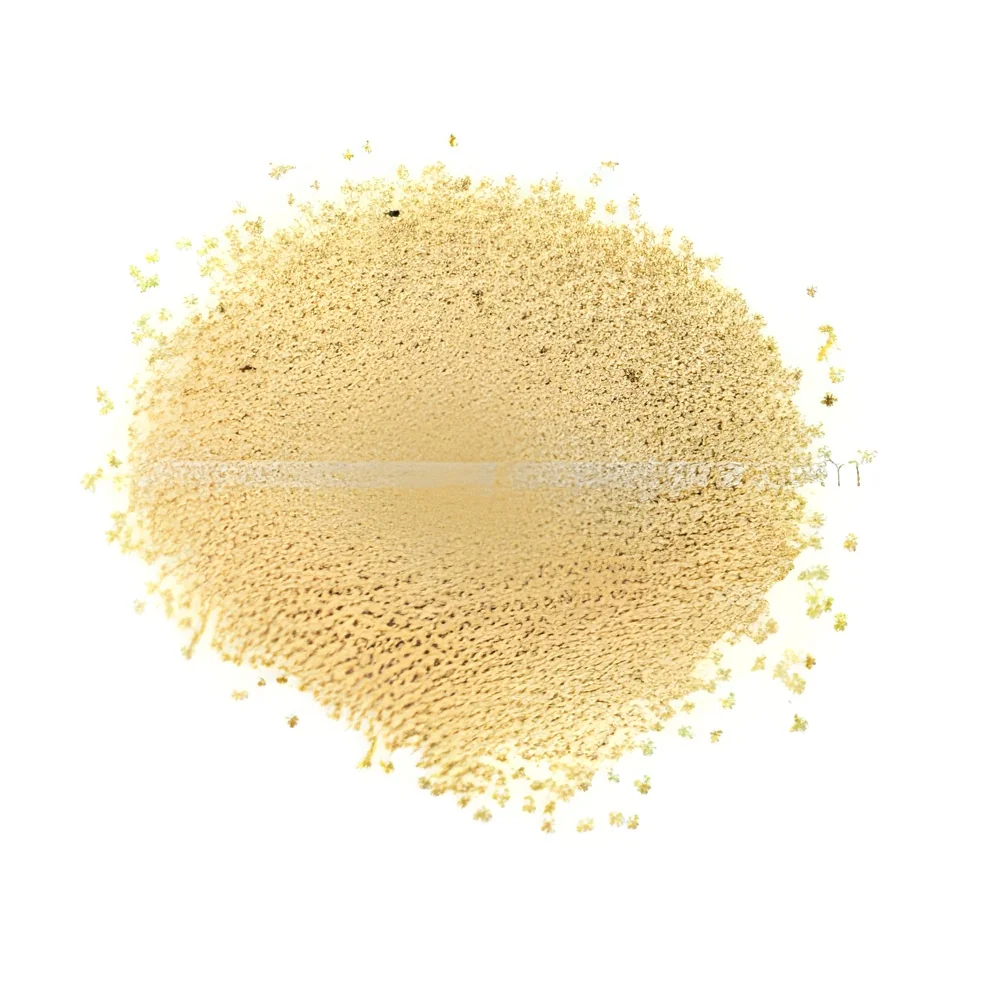
Amaranth seeds are small, nutrient-dense seeds derived from the Amaranth plant, which belongs to the Amaranthaceae family. These seeds have been cultivated for thousands of years and are known for their high protein content and rich supply of essential vitamins and minerals. Amaranth seeds are gluten-free, making them an excellent alternative for individuals with gluten intolerance or celiac disease. Their versatility allows them to be used in various culinary applications, from flour to whole seed consumption.
In the B2B marketplace, Amaranth seeds are primarily used in food production, health supplements, and animal feed. Their nutritional profile makes them a popular choice among health-conscious consumers and food manufacturers looking to enhance the nutritional value of their products. Additionally, Amaranth seeds have gained traction in the organic and health food sectors, reflecting a growing trend toward natural and wholesome ingredients. The demand for Amaranth seeds is on the rise in various markets, driven by the increasing awareness of health benefits and sustainable agriculture practices.
Key Features and Specifications
Amaranth seeds come with a range of features that enhance their appeal in various applications. Understanding these specifications is vital for businesses looking to integrate them into their products or offerings.
Key specifications include:
1. Nutritional Content
- High in protein, fiber, vitamins, and minerals
- Contains essential amino acids, making it a complete protein source
2. Gluten-Free
- Safe for individuals with gluten sensitivity
- Increasingly popular in gluten-free food products
3. Shelf Life
- Generally has a shelf life of 1-2 years under proper storage conditions
- Requires cool, dry places to ensure freshness
4. Sourcing and Availability
- Sourced from various regions, including India and South America
- Availability may vary based on harvest cycles
5. Certification
- Commonly available with CE certification
- Compliance with food safety standards
6. Seed Size
- Small, round seeds, typically measuring between 1-3 mm in diameter
- Available in various colors, including red, gold, and black
7. Cooking Properties
- Can be cooked whole, ground into flour, or popped like popcorn
- Versatile in recipes, suitable for both savory and sweet dishes
8. Health Benefits
- Rich in antioxidants and anti-inflammatory properties
- Supports heart health and promotes digestive wellness
These specifications contribute to the seeds' versatility and marketability in various sectors.
Common Applications and Use Cases
Amaranth seeds serve various industries, showcasing their versatility.
1. Food Industry: Amaranth seeds are used in baking, cooking, and as an ingredient in cereals and snack bars. Their nutritional profile enhances the health benefits of products.
2. Health Supplements: These seeds are often included in dietary supplements due to their high protein content and micronutrients, catering to health enthusiasts.
3. Animal Feed: Amaranth seeds are utilized in livestock and poultry feed, providing a nutritious alternative to traditional grains.
4. Cosmetic Industry: Some companies incorporate Amaranth oil in cosmetic formulations for its moisturizing properties and skin benefits.
5. Organic Farming: Amaranth is cultivated as a cover crop, improving soil quality and promoting sustainable agriculture practices.
6. Gluten-Free Products: The growing demand for gluten-free options has led to increased use of Amaranth in specialty food products.
7. Ethnic Cuisine: Amaranth seeds are prevalent in traditional dishes in various cultures, adding distinct flavors and textures.
Product Variants and Subcategories
Amaranth seeds are available in various forms to meet diverse market needs.
Whole Amaranth Seeds
This variant consists of unprocessed seeds, ideal for cooking or as a nutritious addition to salads, granola, and cereals. They provide a chewy texture and nutty flavor.
Amaranth Flour
Ground from whole seeds, Amaranth flour is perfect for gluten-free baking. It can be used in bread, pancakes, or as a thickening agent in soups and sauces.
Popped Amaranth
This variant is prepared by popping the seeds, similar to popcorn. Popped Amaranth makes for a crunchy snack or topping for salads and yogurt.
Amaranth Seed Oil
Extracted from the seeds, this oil is rich in beneficial fatty acids and is utilized in cosmetics and health food products for its nourishing properties.
Benefits and Advantages
Sourcing Amaranth seeds offers numerous advantages to businesses and consumers alike.
1. Nutritional Superiority: Amaranth seeds are highly nutritious, providing essential vitamins and minerals that enhance overall health.
2. Versatile Usage: Their adaptability in cooking and baking makes them suitable for a wide range of culinary applications.
3. Gluten-Free Options: The seeds cater to the growing demand for gluten-free products, appealing to a larger consumer base.
4. Sustainable Practices: Cultivating Amaranth supports sustainable agricultural practices, promoting environmental responsibility.
5. Long Shelf Life: Amaranth seeds can be stored for extended periods, ensuring availability and reducing waste.
6. Rich in Antioxidants: The seeds' antioxidant properties contribute to health benefits, making them attractive to health-conscious consumers.
Buying Guide for B2B Buyers
When sourcing Amaranth seeds, several factors should be considered to ensure quality and reliability.
1. Quality Assessment: Evaluate the nutritional content and purity of the seeds. Request samples to conduct tests for contaminants and verify that they meet industry standards.
2. Supplier Verification: Vet suppliers carefully by checking their certifications and past performance. Reliable suppliers should have a proven track record and positive reviews from other buyers.
3. Pricing and MOQ: Understand the pricing structure and minimum order quantities. Compare quotes from multiple suppliers to ensure competitive pricing.
4. Delivery and Lead Times: Inquire about delivery schedules and lead times. Choose suppliers who can meet your timelines without compromising quality.
5. Compliance Requirements: Ensure that the seeds comply with local and international food safety regulations. Familiarize yourself with necessary certifications, such as CE, to avoid regulatory issues.
Compliance and Certifications
Amaranth seeds must adhere to relevant quality standards to ensure safety and reliability in their use. Common industry standards include ISO 9001, which focuses on quality management systems, and HACCP, which emphasizes food safety through hazard analysis and critical control points.
Compliance with these standards ensures that the seeds are produced and handled in a manner that minimizes risks to health. Industry certifications like CE indicate that the product meets European health, safety, and environmental protection standards.
In addition to these certifications, safety and testing requirements must be met to ensure that the seeds are free from contaminants. Regional compliance considerations vary, so it is essential to stay informed about local regulations regarding food products and agricultural goods.
Why Source Amaranth Seeds from Pepagora?
Pepagora provides a trusted platform for sourcing Amaranth seeds, offering several key advantages for B2B buyers.
Verified Supplier Network: Pepagora connects buyers with a network of verified suppliers, ensuring quality and reliability in sourcing Amaranth seeds. This verification process helps mitigate risks associated with procurement.
Streamlined RFQ Process: The platform features an efficient request for quotation system, allowing buyers to receive competitive quotes from multiple suppliers quickly. This streamlining simplifies the sourcing process.
Trade Assurance and Support: Pepagora offers trade assurance to protect buyers, providing support throughout the procurement journey. This assurance builds trust and confidence in transactions.
Regional Coverage: With a strong presence in India, the GCC, and Southeast Asia, Pepagora’s geographic reach allows buyers to access a diverse range of Amaranth seed suppliers, ensuring availability and competitive pricing.
By leveraging these advantages, businesses can make informed decisions and secure high-quality Amaranth seeds to meet their operational needs.

Frequently Asked Questions
What are Amaranth Seeds?
Amaranth seeds are small, nutrient-rich seeds derived from the Amaranth plant, which is known for its high protein content and gluten-free properties. These seeds are used in various culinary applications and are considered a superfood due to their health benefits.
What are the different types of Amaranth Seeds?
There are several types of Amaranth seeds, including red Amaranth, green Amaranth, and black Amaranth. Each type has unique characteristics and nutritional profiles, making them suitable for different culinary uses and preferences.
How do I choose the right Amaranth Seeds?
When choosing Amaranth seeds, consider factors such as the type of Amaranth, the intended use, and the quality of the seeds. It is advisable to select seeds that are organic and sourced from reputable suppliers to ensure optimal quality and nutritional value.
What are the standard specifications for Amaranth Seeds?
Standard specifications for Amaranth seeds typically include moisture content, purity, and seed size. These specifications ensure that the seeds meet quality standards for both agricultural and culinary applications.
What is the price range for Amaranth Seeds?
The price range for Amaranth seeds can vary based on factors such as quality, supplier, and market demand. Generally, prices can range from INR 100 to INR 500 per kilogram, depending on these factors.
What quality standards apply to Amaranth Seeds?
Quality standards for Amaranth seeds include parameters such as germination rate, seed purity, and absence of contaminants. These standards help ensure that the seeds are suitable for planting and consumption.
Where can I find Amaranth Seeds suppliers in India?
You can find Amaranth seeds suppliers in India through B2B marketplaces, agricultural trade shows, and online platforms. Websites like Pepagora.com can help connect you with reputable suppliers and manufacturers.
Can Amaranth Seeds be customized?
Yes, Amaranth seeds can be customized in terms of packaging and branding according to the buyer's requirements. However, the seeds themselves are generally sold in standard varieties without alterations.
What is the typical minimum order quantity for Amaranth Seeds?
The typical minimum order quantity (MOQ) for Amaranth seeds varies by supplier but generally ranges from 10 to 50 kilograms. It is advisable to check with individual suppliers for their specific MOQ policies.
What is the typical lead time for Amaranth Seeds?
The typical lead time for Amaranth seeds can vary from 7 to 21 days depending on the supplier's location, order quantity, and availability. It is recommended to confirm the lead time with the supplier at the time of order.
Why Businesses Trust Pepagora
Thousands of companies trust Pepagora to source smarter and sell faster
Expand Your Sales Globally

Source Smarter,Grow Faster
