Key Features and Specifications
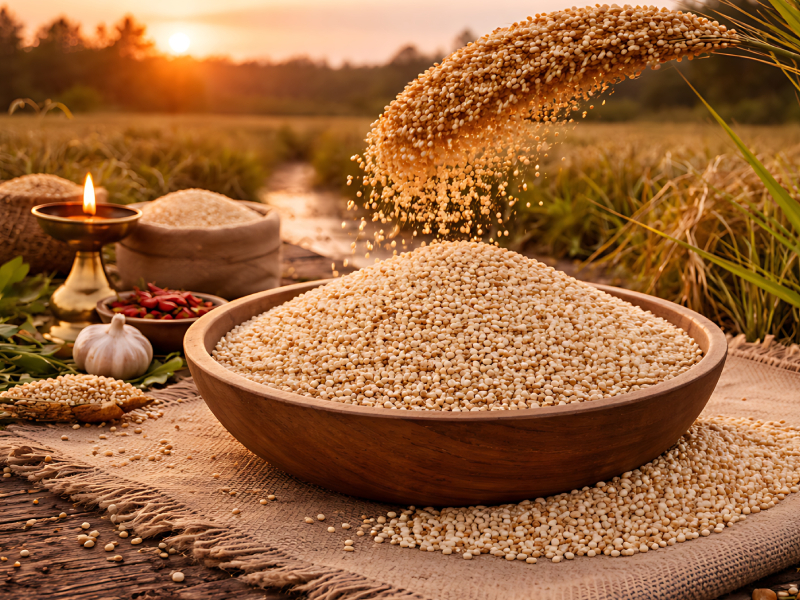
Sorghum (Jowar) offers a range of features and specifications that cater to different industrial needs. It is essential for buyers to understand these specifications to ensure they meet their requirements.
Key specifications include:
1. Nutritional Content
- High in protein, fiber, and essential minerals
- Contains antioxidants and phytochemicals
2. Grain Size
- Varieties available in different sizes
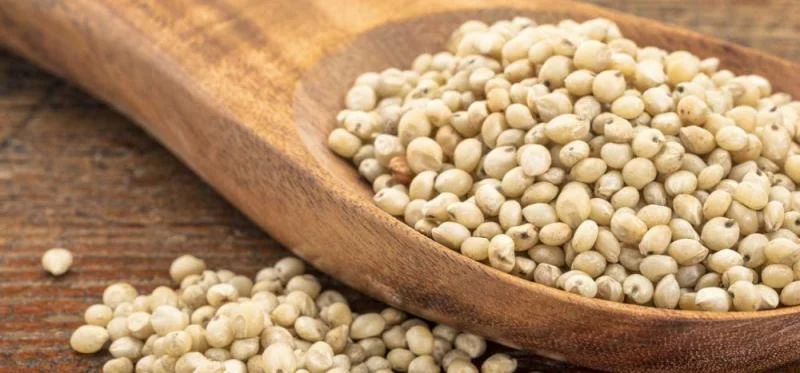
- Typically ranges from 3 to 8 mm in diameter
3. Moisture Content
- Optimal moisture content is around 12-14%
- Essential for storage stability
4. Color
- Available in various colors including white, yellow, red, and brown
- Color may affect market preference and pricing
5. Shelf Life
- Generally has a shelf life of 1-2 years when stored properly
- Requires cool, dry conditions for optimal preservation
6. Gluten-Free Status
- Naturally gluten-free, suitable for gluten-intolerant consumers
- Increasing popularity in health food markets
7. Processing Yield
- High processing yield for flour and other products
- Efficient conversion rates in milling processes
8. Economic Value
- Competitively priced compared to other grains
- Increasing demand in both domestic and international markets
Overall, understanding these specifications helps businesses make informed purchasing decisions.
Common Applications and Use Cases
Sorghum (Jowar) serves various industries, showcasing its versatility and adaptability.
1. Food Industry: Sorghum is processed into flour for gluten-free products, including bread and snacks. It is also used in traditional dishes and as a staple food in many cultures.
2. Animal Feed: Sorghum is a significant ingredient in animal feed formulations due to its high nutritional value. It is used to feed livestock, poultry, and aquaculture.
3. Biofuel Production: Sorghum is increasingly used for bioethanol production, capitalizing on its high starch content. It provides an alternative energy source and contributes to sustainability.
4. Brewing Industry: In certain regions, Sorghum is fermented to produce traditional alcoholic beverages. Its unique flavor profile adds to the diversity of brewing options.
5. Health and Wellness Products: The gluten-free nature and high nutritional content of Sorghum make it a popular ingredient in health-focused food products and supplements.
6. Snack Foods: Sorghum is utilized in the production of various snack foods, including popped snacks and cereals, attracting health-conscious consumers.
7. Organic Farming: Sorghum is a drought-resistant crop, making it suitable for organic farming practices in areas with limited water resources.
Product Variants and Subcategories
Sorghum (Jowar) comes in various forms to cater to different market needs.
Whole Grain Sorghum: This variant includes unprocessed grains, often used in cooking and baking. It retains its nutrients and is popular for its health benefits.
Sorghum Flour: Ground from whole Sorghum grains, this variant is gluten-free and used in baking and cooking. It is favored for its versatility in various recipes.
Sorghum Syrup: Extracted from Sorghum stalks, this sweet syrup is used as a natural sweetener in various food applications. It offers an alternative to refined sugars.
Sorghum Meal: Coarser than flour, Sorghum meal is used in thicker batters and as a filler in various food products. It adds texture and nutritional value.
Benefits and Advantages
Sorghum (Jowar) provides numerous advantages for businesses and consumers alike.
1. Nutritional Value: Sorghum is packed with essential nutrients, making it a healthy choice for consumers looking for wholesome food options.
2. Gluten-Free: Its gluten-free nature appeals to individuals with gluten intolerance, expanding market opportunities.
3. Drought Resistance: Sorghum thrives in arid conditions, making it a more sustainable crop in the face of climate change.
4. Versatility: Sorghum can be used in a multitude of applications, from food products to biofuels, providing diverse market opportunities.
5. Cost-Effective: Compared to other grains, Sorghum is often more affordable, making it an attractive option for manufacturers and consumers.
6. Environmental Benefits: Sorghum requires less water and is more resilient to pests, contributing to sustainable agricultural practices.
Buying Guide for B2B Buyers
When sourcing Sorghum (Jowar), it is crucial for businesses to consider several factors to ensure successful procurement.
1. Quality Assessment: Evaluate the nutritional content and grain quality to meet the specific requirements of your end products. Conduct laboratory tests if necessary.
2. Supplier Verification: Vet suppliers to ensure they comply with industry standards and have a good reputation. Look for certifications and references.
3. Pricing and MOQ: Understand the pricing structure and minimum order quantities. Negotiate terms to achieve the best value for your business.
4. Delivery and Lead Times: Discuss logistics to ensure timely delivery. Consider the supplier’s capacity to meet your lead time requirements.
5. Compliance Requirements: Ensure that the Sorghum meets local and international regulations. Familiarize yourself with any compliance documentation needed for import/export processes.
Compliance and Certifications
Sorghum (Jowar) must adhere to various compliance and certification standards, ensuring quality and safety in production and distribution.
Relevant quality standards include ISO 9001, which focuses on quality management systems, and HACCP, which emphasizes food safety. These standards help maintain the highest quality in Sorghum production.
Industry certifications such as CE indicate compliance with European health, safety, and environmental protection standards. This certification is crucial for businesses looking to enter European markets.
Safety and testing requirements are essential to ensure that Sorghum is free from contaminants. Regular testing can help verify that the grain meets health standards.
Regional compliance considerations may vary, so it is important to understand the regulations specific to each market. This can include grading standards and labeling requirements.
Why Source Sorghum (Jowar) from Pepagora?
Pepagora offers a trusted platform for sourcing Sorghum (Jowar) with several key advantages that benefit B2B buyers.
Verified Supplier Network: Pepagora connects businesses with a network of verified suppliers. This ensures that buyers can access quality products from reputable sources.
Streamlined RFQ Process: The platform simplifies the request for quotation (RFQ) process. Buyers can easily compare offers and choose the best options for their needs.
Trade Assurance and Support: Pepagora provides buyer protection through trade assurance measures. This builds trust and security in transactions.
Regional Coverage: With a focus on India, GCC, and Southeast Asia, Pepagora offers extensive regional coverage. This enables businesses to tap into diverse markets and meet local demands effectively.

 IN
IN