
 IN
Export Grade Grain Suppliers
13 products available
What are Export Grade Grain Suppliers?
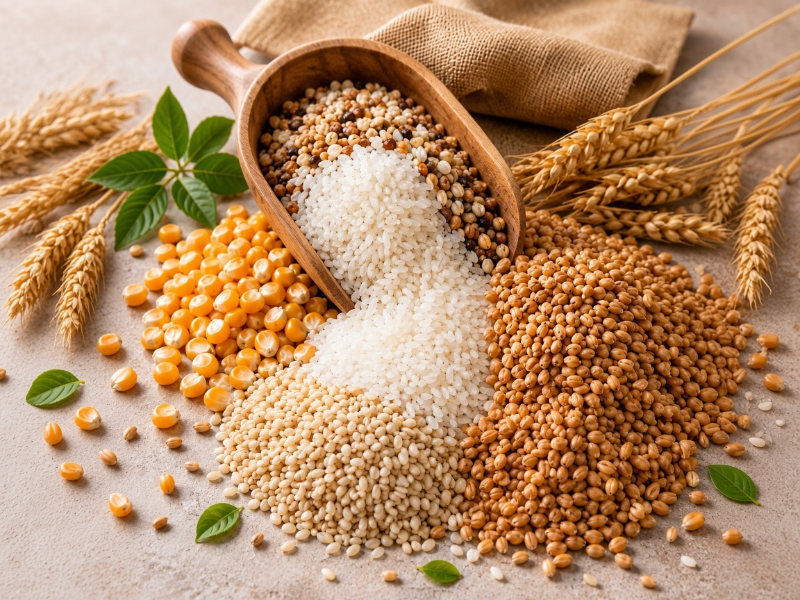
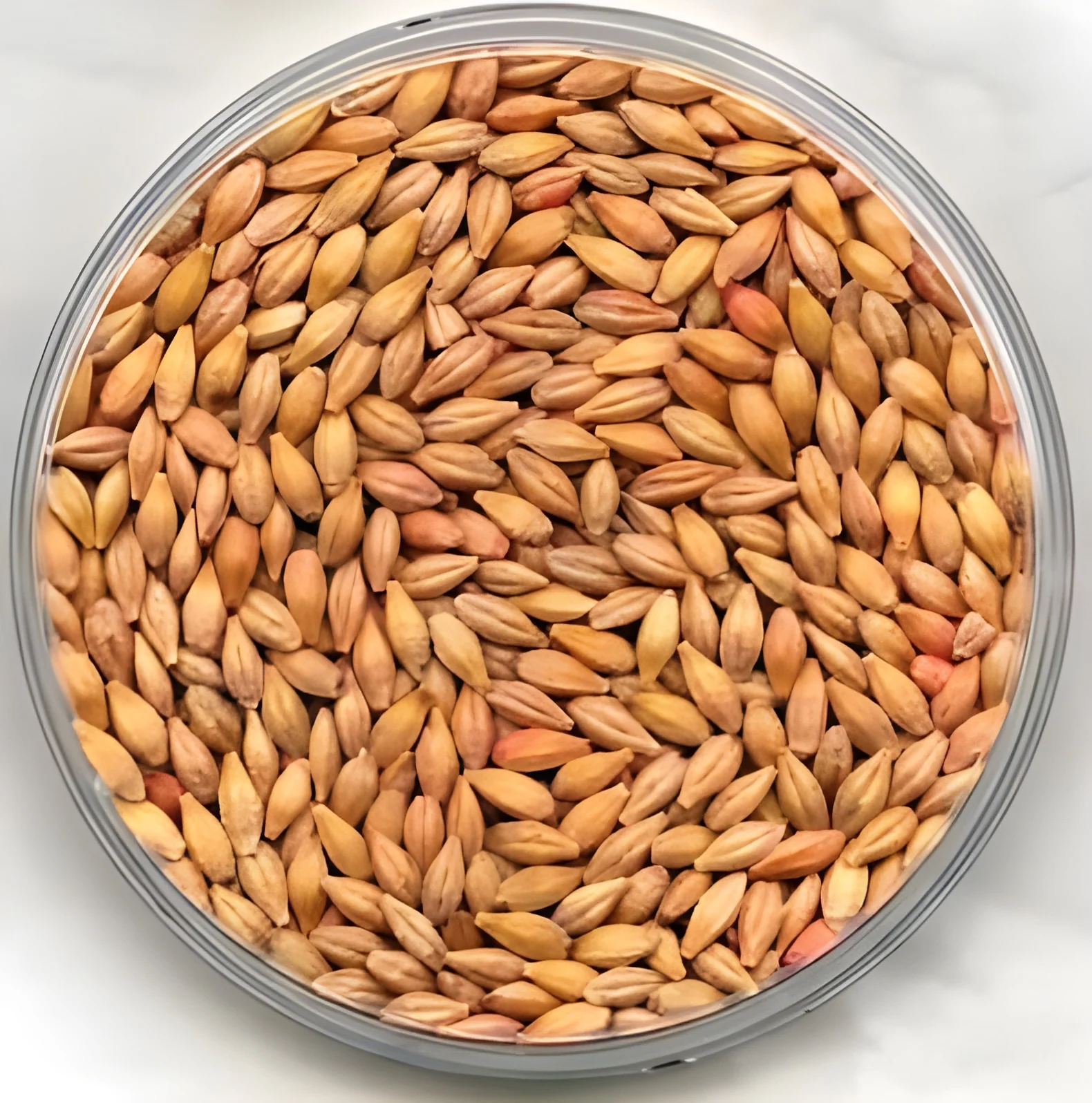
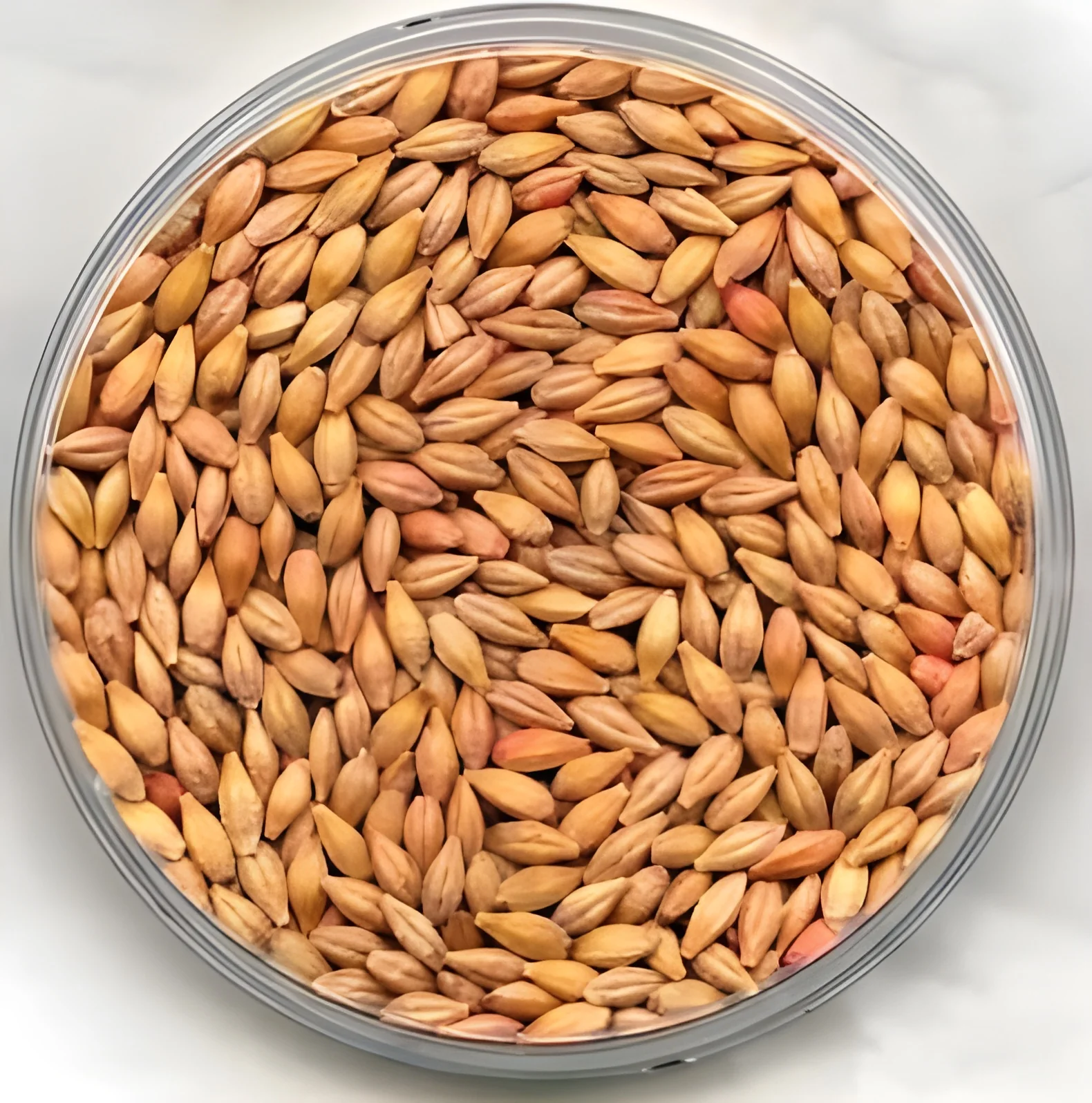
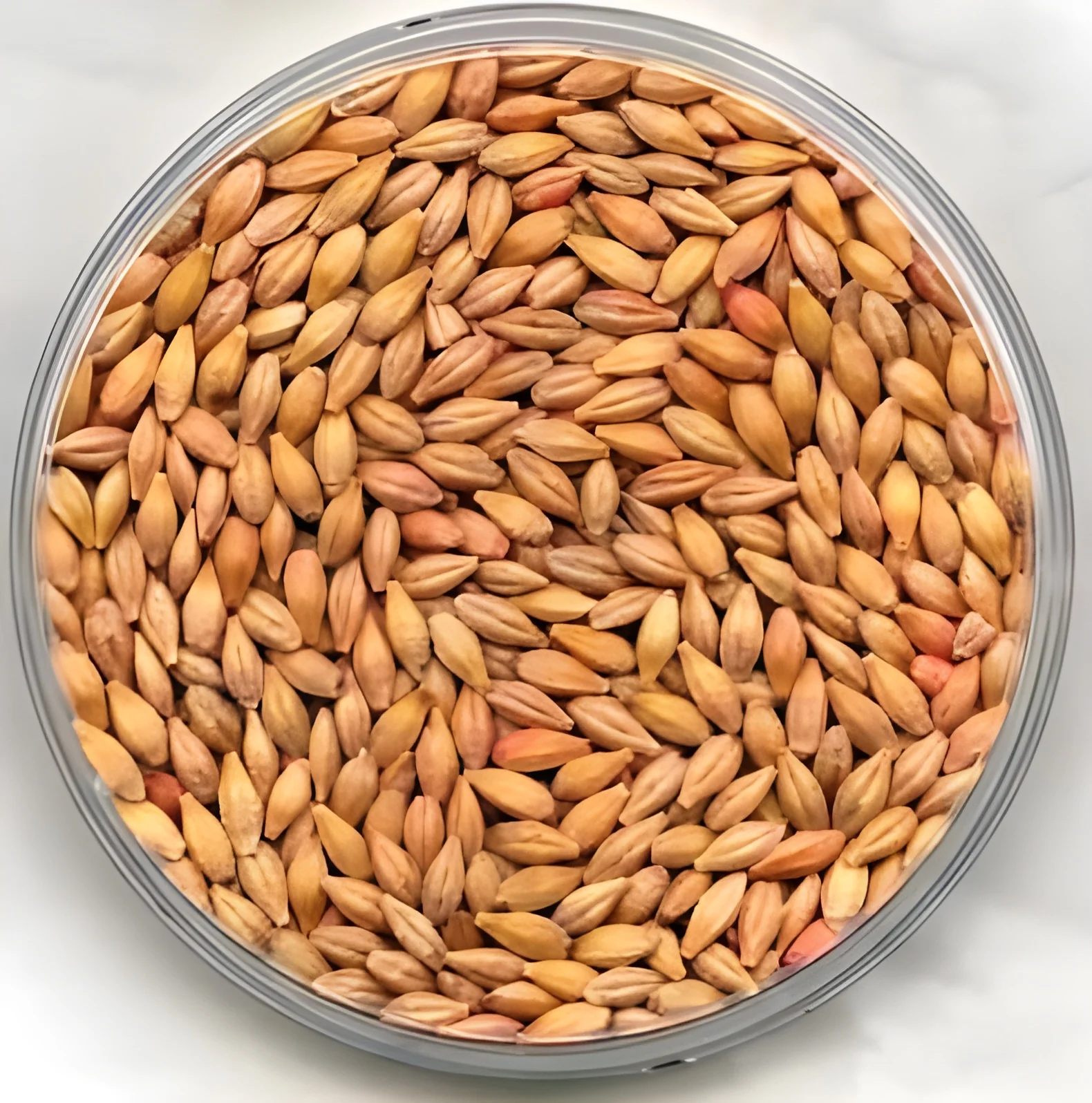
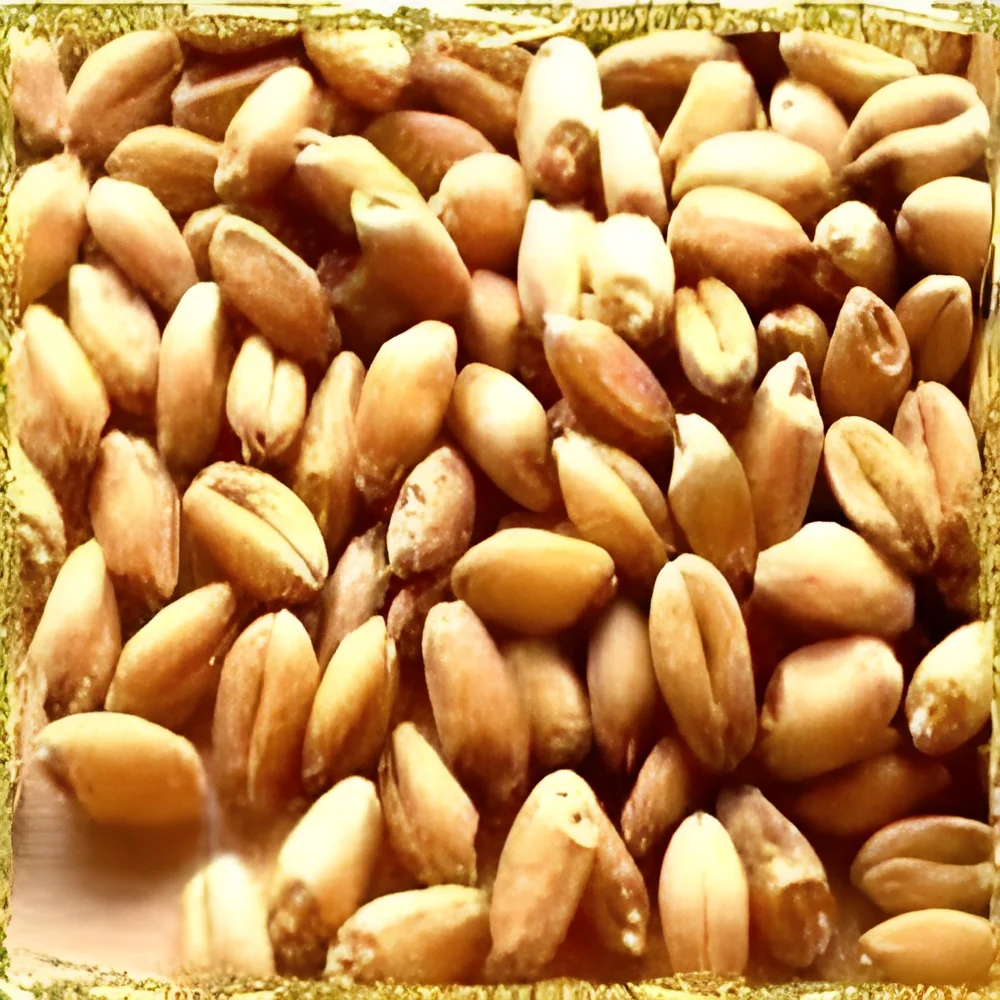
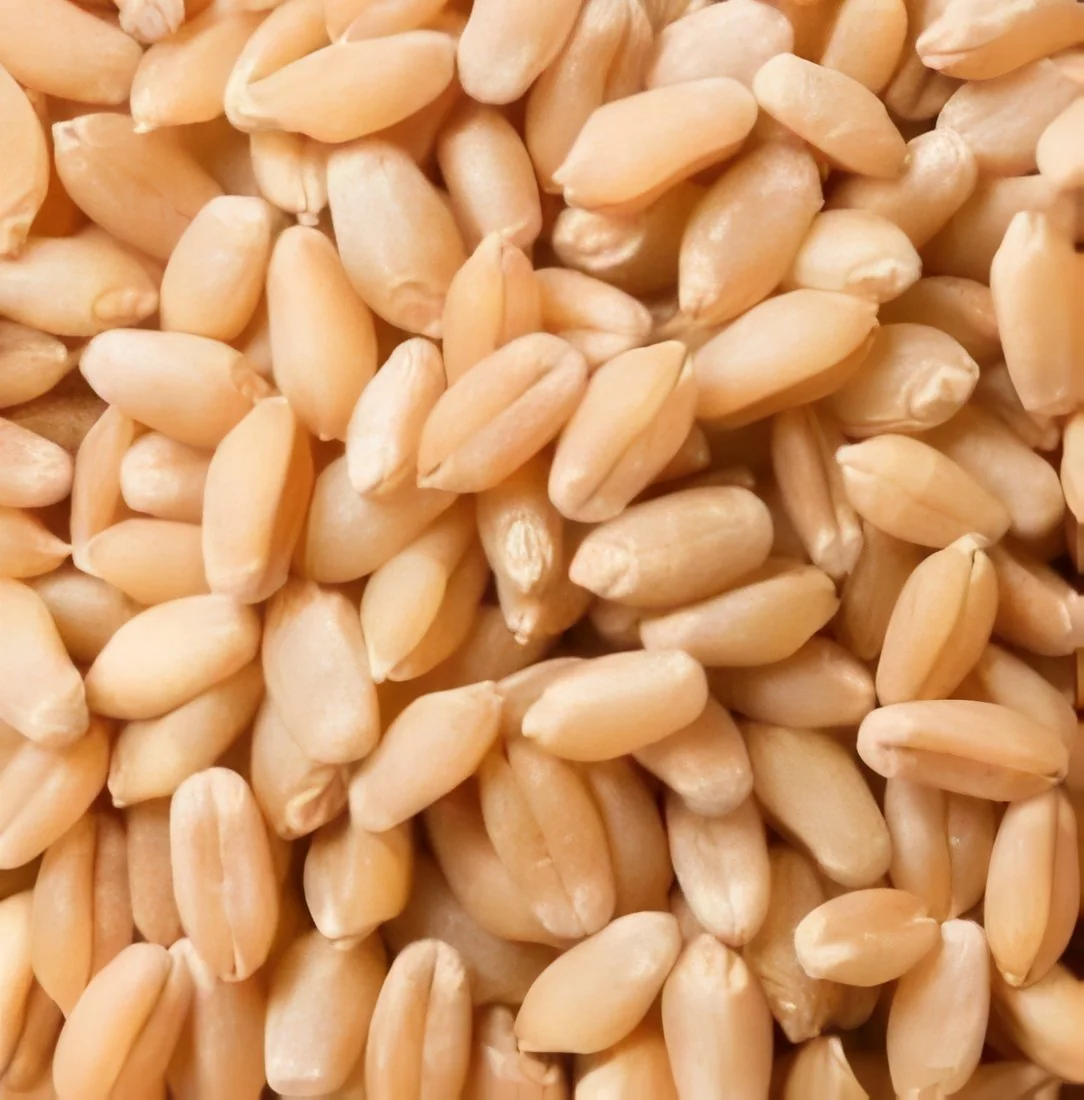
Export Grade Grain Suppliers are businesses that provide high-quality grains suitable for international trade. These suppliers focus on meeting stringent quality standards that ensure the grains are safe, nutritious, and suitable for consumption or processing. The grains supplied often include wheat, rice, maize, barley, and various pulses, which are crucial ingredients in food production and other industrial applications.
These suppliers play a vital role in the agricultural supply chain. They are essential for manufacturers, food processors, and distributors who rely on consistent and quality grain supplies. Export grade grains are typically used in food production, animal feed, and various industrial processes. The market for these grains is growing, driven by increasing global demand for food security and sustainable agricultural practices.
In the current market context, the role of export grade grain suppliers has become more significant due to changing consumer preferences and regulatory standards. Suppliers must navigate complex international trade regulations and quality certifications to remain competitive. This sector is crucial for ensuring that high-quality grains reach markets around the world.
Key Features and Specifications
Export Grade Grain Suppliers adhere to several key features and specifications to ensure the quality and reliability of their products. These specifications are critical for B2B buyers looking for consistent and safe grain supplies.
Key specifications include:
1. Quality Assurance
- Grains must meet national and international quality standards.
- Typically assessed through testing for moisture content, purity, and foreign matter.
2. Compliance Certifications
- Suppliers often hold relevant certifications such as CE and ISO.
- These certifications indicate adherence to safety and quality management standards.
3. Grading Standards
- Grains are graded based on size, color, and quality.
- Common grades include Grade A, Grade B, and so forth, depending on the type of grain.
4. Storage Conditions
- Proper storage is vital to maintain grain quality.
- Controlled temperature and humidity levels are essential to prevent spoilage.
5. Packaging Options
- Grains are available in various packaging sizes, from bulk shipments to smaller retail packs.
- Packaging must protect the grains during transport.
6. Traceability
- Suppliers should provide information about the origin of the grains and the production process.
- Traceability is important for food safety and quality assurance.
7. Supply Chain Transparency
- Clear visibility into the supply chain helps buyers ensure ethical sourcing practices.
- Suppliers should provide documentation regarding sourcing and transport.
8. Flexibility in Orders
- Suppliers often accommodate different order sizes to meet buyers' needs.
- Minimum order quantities may vary, allowing for both bulk and smaller purchases.
These specifications ensure that buyers receive high-quality grains that meet their operational requirements.
Common Applications and Use Cases
Export grade grains are utilized across various industries, reflecting their versatility and importance.
1. Food Industry: Grains serve as essential ingredients in baking, cooking, and food manufacturing. They are used in products such as bread, pasta, and breakfast cereals.
2. Animal Feed: Many grains are crucial components of animal feed, providing necessary nutrients for livestock, poultry, and aquaculture.
3. Beverage Production: Grains like barley and corn are fundamental in brewing beer and producing spirits, contributing to flavor and fermentation processes.
4. Biofuel Production: Certain grains are processed to produce biofuels, contributing to sustainable energy solutions.
5. Pharmaceuticals: Grains are sometimes used as excipients in pharmaceutical formulations, aiding in the delivery of active ingredients.
6. Textile Industry: Some grains are processed for starches used in textiles, enhancing fabric quality and finish.
7. Health Supplements: Grains are often included in health food products as sources of fiber and nutrients.
This broad application spectrum highlights the significance of sourcing high-quality grains from reliable suppliers.
Product Variants and Subcategories
The field of export grade grains offers a range of product variants, catering to diverse market needs.
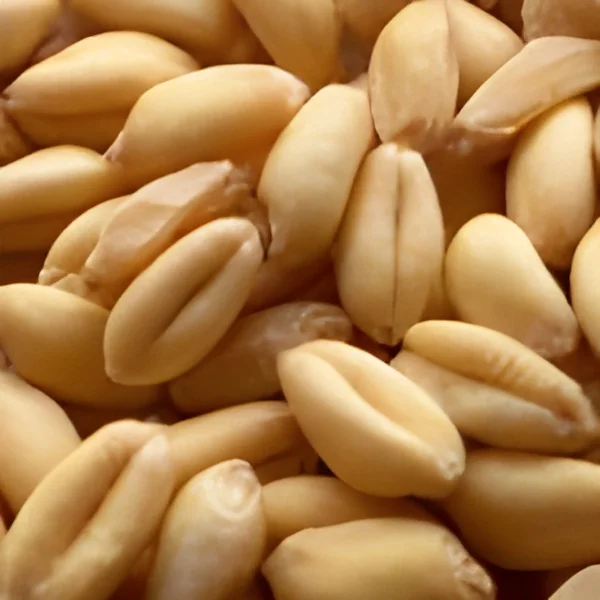
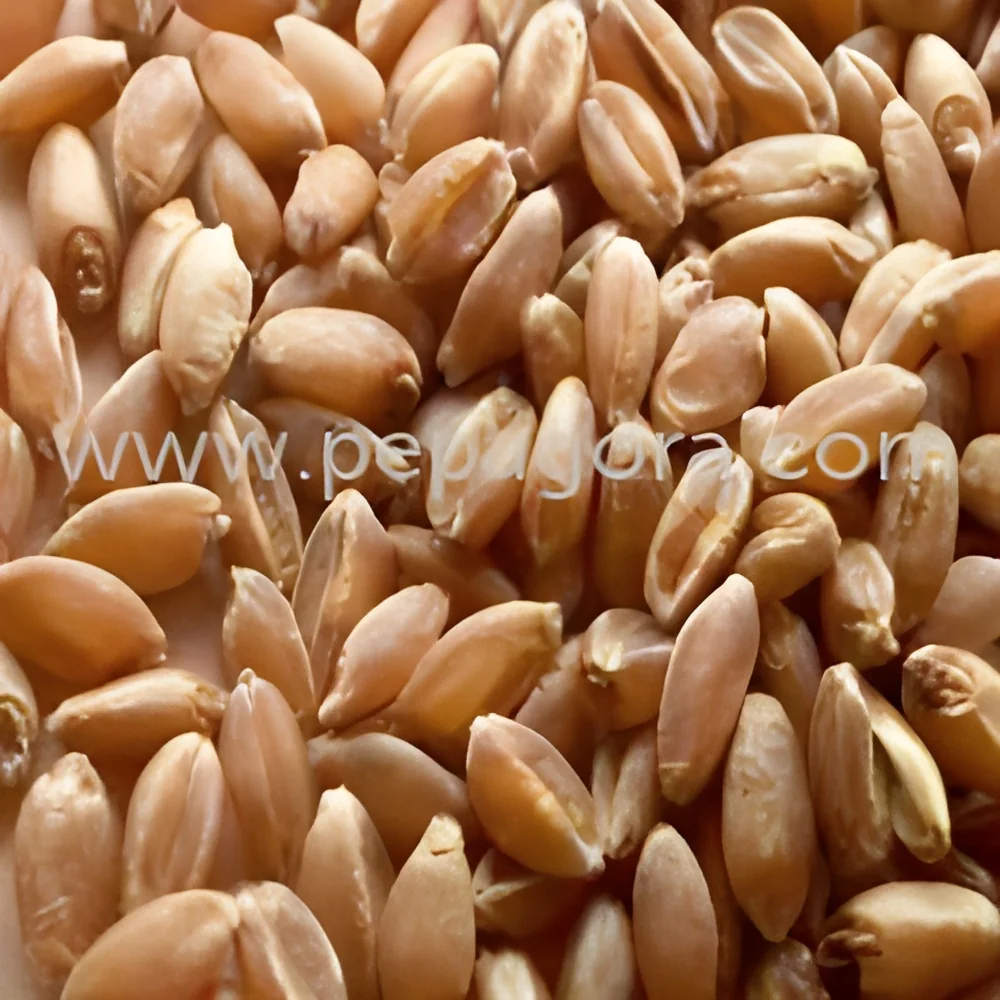
Wheat Varieties: Different types of wheat, such as hard red winter wheat and soft white wheat, are available. Each type has specific characteristics that make it suitable for different baking and cooking applications.
Rice Grades: Various grades of rice, including long-grain, medium-grain, and short-grain, are supplied to meet consumer preferences and culinary applications.
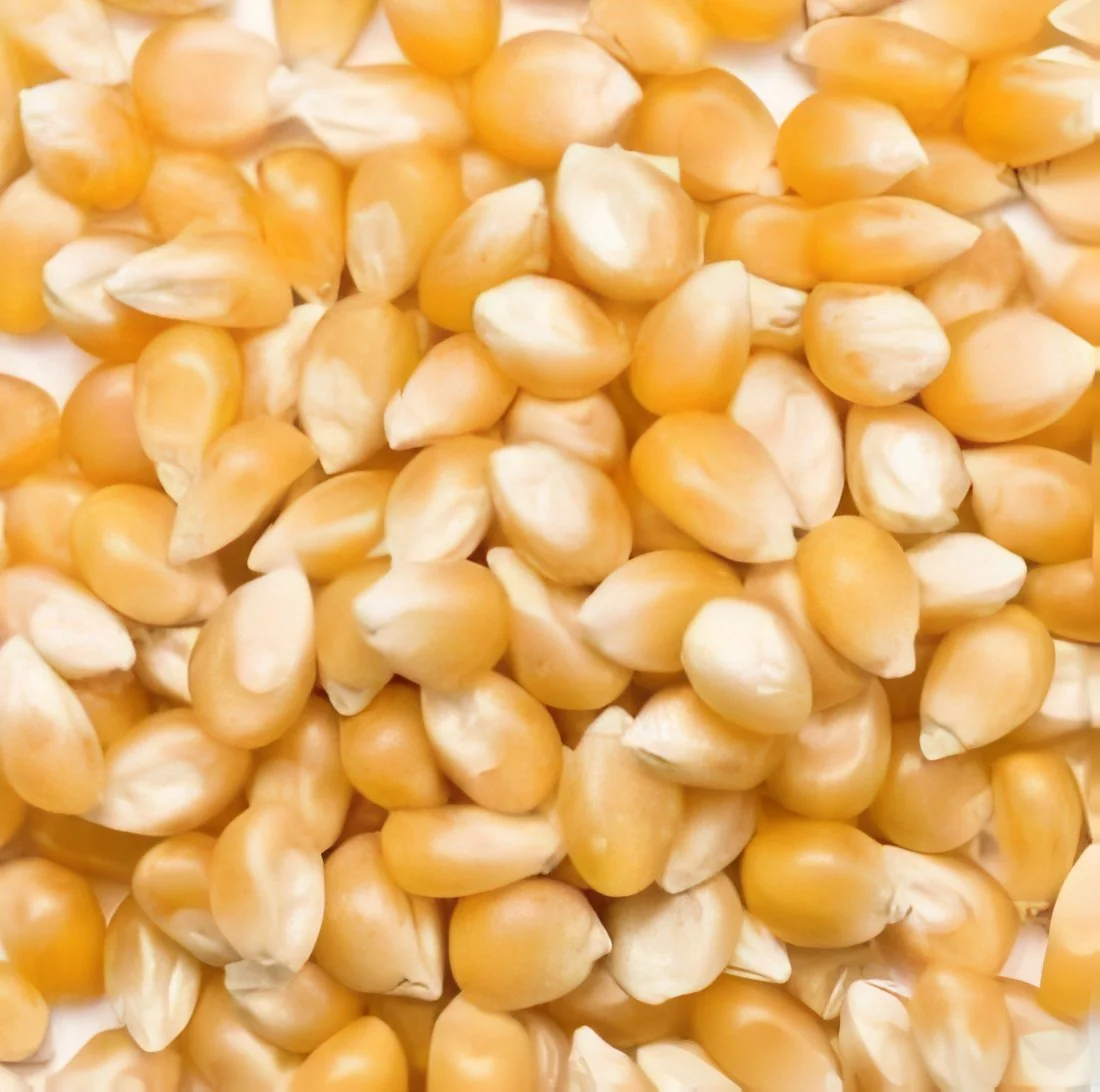
Corn Types: Suppliers offer different corn varieties, such as sweet corn for food and dent corn for animal feed and industrial uses.
Millet Products: Various types of millet are available, catering to health-conscious consumers seeking gluten-free options.
Sorghum: This versatile grain can be used in food products and animal feed, offering a nutritious alternative.
Benefits and Advantages
Sourcing from export grade grain suppliers brings numerous advantages that can enhance business operations.
1. High Quality: Export grade grains meet rigorous quality standards, ensuring safety and consistency.
2. Global Reach: Suppliers often have access to international markets, allowing buyers to source grains from diverse regions.
3. Reliability: Established suppliers provide consistent supply and reliability, reducing risks associated with stock shortages.
4. Compliance Assurance: Working with certified suppliers ensures adherence to regulatory requirements and quality standards.
5. Cost Efficiency: Bulk purchasing from reliable suppliers can lead to cost savings over time.
6. Support Services: Many suppliers offer customer service and support, helping buyers navigate their sourcing needs.
These benefits make working with export grade grain suppliers a strategic choice for B2B buyers.
Buying Guide for B2B Buyers
When sourcing Export Grade Grain Suppliers, various considerations can help ensure a successful purchasing experience.
1. Quality Assessment: Evaluate the quality of grains through sampling and testing. Look for suppliers that provide detailed quality reports and certifications.
2. Supplier Verification: Conduct thorough background checks on potential suppliers. Verify their certifications, reputation, and history in the market.
3. Pricing and MOQ: Understand the pricing structure and minimum order quantities. Compare quotes from multiple suppliers to find competitive pricing.
4. Delivery and Lead Times: Discuss and agree on delivery schedules to ensure timely receipt of orders. Consider suppliers' logistics capabilities.
5. Compliance Requirements: Ensure that the supplier meets all relevant regulatory and compliance standards for the intended market. This includes import/export regulations.
Compliance and Certifications
Export grade grain suppliers must adhere to various compliance and certification standards to ensure product quality and safety.
Relevant quality standards include ISO 9001, which sets out criteria for quality management systems. Adherence to HACCP (Hazard Analysis and Critical Control Points) ensures that suppliers implement effective food safety management practices.
Industry certifications such as CE signify that products meet European safety standards. These certifications provide assurance to buyers about the quality and safety of grains.
Suppliers may also need to comply with safety and testing requirements that vary by region. This can include testing for contaminants and ensuring that products meet specific nutritional standards.
Regional compliance considerations are crucial, as different countries have varying regulations regarding food imports. Suppliers must stay informed about these regulations to facilitate smooth international trade.
Why Source Export Grade Grain Suppliers from Pepagora?
Pepagora provides a trusted platform for sourcing export grade grain suppliers, offering several key advantages that set it apart in the marketplace.
Verified Supplier Network: Pepagora ensures that all listed suppliers go through a rigorous verification process. This builds trust and guarantees that buyers are connected with reputable suppliers.
Streamlined RFQ Process: The platform features an easy-to-use request for quotation system. Buyers can quickly submit their needs and receive competitive quotes from multiple suppliers.
Trade Assurance and Support: Pepagora offers buyer protection through trade assurance services. This helps mitigate risks associated with transactions and provides support throughout the purchasing process.
Regional Coverage: With a strong presence in India, the GCC, and Southeast Asia, Pepagora connects buyers with suppliers across these regions, ensuring access to a diverse range of quality grains.
By choosing Pepagora, buyers gain confidence in their sourcing decisions, benefiting from a reliable platform that prioritizes quality and transparency.





Frequently Asked Questions
What are Export Grade Grain Suppliers?
Export Grade Grain Suppliers are companies or manufacturers that specialize in providing grains that meet international quality standards suitable for export. These suppliers ensure that their products comply with regulations and quality specifications required by foreign markets.
What are the different types of Export Grade Grain Suppliers?
Different types of Export Grade Grain Suppliers include those that focus on specific grains such as rice, wheat, maize, and pulses. Some suppliers may specialize in organic grains, while others might offer conventional options, catering to various market demands.
How do I choose the right Export Grade Grain Suppliers?
To choose the right Export Grade Grain Suppliers, consider factors such as quality certifications, product variety, pricing, and customer reviews. It is also essential to assess their ability to meet your specific requirements regarding volume and delivery timelines.
What are the standard specifications for Export Grade Grain Suppliers?
Standard specifications for Export Grade Grain Suppliers typically include moisture content, purity levels, and absence of foreign materials. Additionally, grains must meet specific grading standards set by regulatory authorities to qualify for export.
What is the price range for Export Grade Grain Suppliers?
The price range for Export Grade Grain Suppliers can vary significantly depending on the type of grain, quality, and market conditions. Generally, prices may range from INR 20 to INR 100 per kg, but it is advisable to request quotes for accurate pricing.
What quality standards apply to Export Grade Grain Suppliers?
Quality standards for Export Grade Grain Suppliers include compliance with international norms such as ISO, HACCP, and FSSAI certifications. These standards ensure that the grains are safe for consumption and meet the required quality benchmarks for export.
Where can I find Export Grade Grain Suppliers suppliers in India?
You can find Export Grade Grain Suppliers in India through online B2B marketplaces, trade directories, and industry exhibitions. Websites like Pepagora.com offer a comprehensive listing of verified suppliers, making it easier to connect with them.
Can Export Grade Grain Suppliers be customized?
Yes, many Export Grade Grain Suppliers offer customization options based on buyer specifications such as packaging, labeling, and specific grain blends. It is advisable to discuss your requirements with potential suppliers to ensure they can accommodate your needs.
What is the typical minimum order quantity for Export Grade Grain Suppliers?
The typical minimum order quantity (MOQ) for Export Grade Grain Suppliers can vary widely depending on the supplier and the type of grain. Generally, MOQs can range from 500 kg to several tons, so it's essential to confirm this with individual suppliers.
What is the typical lead time for Export Grade Grain Suppliers?
The typical lead time for Export Grade Grain Suppliers usually ranges from 2 to 6 weeks, depending on factors such as order volume, processing time, and shipping arrangements. It is advisable to clarify the lead time with suppliers before placing an order.
Why Businesses Trust Pepagora
Thousands of companies trust Pepagora to source smarter and sell faster
Expand Your Sales Globally

Source Smarter,Grow Faster
