Key Features and Specifications
Pigeon Pea (Toor/Arhar) is characterized by several defining features and specifications that make it a preferred choice for various agricultural and culinary applications. Understanding these specifications helps businesses make informed sourcing decisions.
Key specifications include:
1. Seed Size
- The average seed size ranges from 4 to 6 mm in diameter.
- This size is suitable for both culinary and planting purposes.
2. Protein Content
- Pigeon Peas typically contain around 20-25% protein.
- This high protein content makes it an excellent source of nutrition.
3. Cooking Time
- Cooking time for Pigeon Pea varies from 30 to 50 minutes when soaked.
- Quick cooking options are available for timely meal preparation.
4. Shelf Life
- Properly stored Pigeon Pea can have a shelf life of up to 12 months.
- Ideal storage conditions include a cool, dry environment.
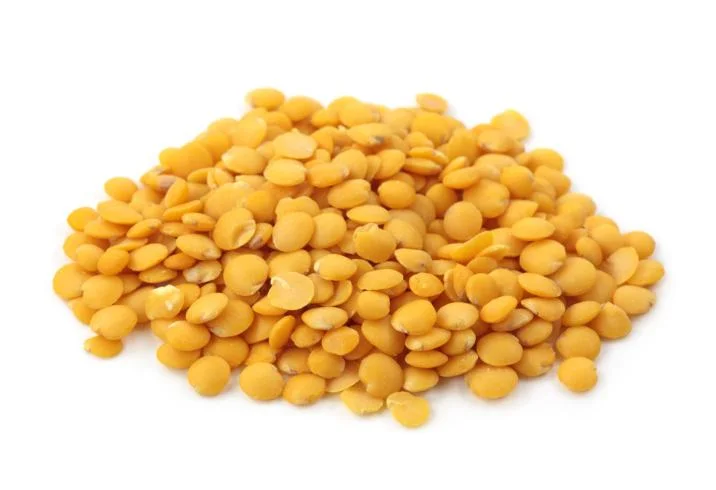
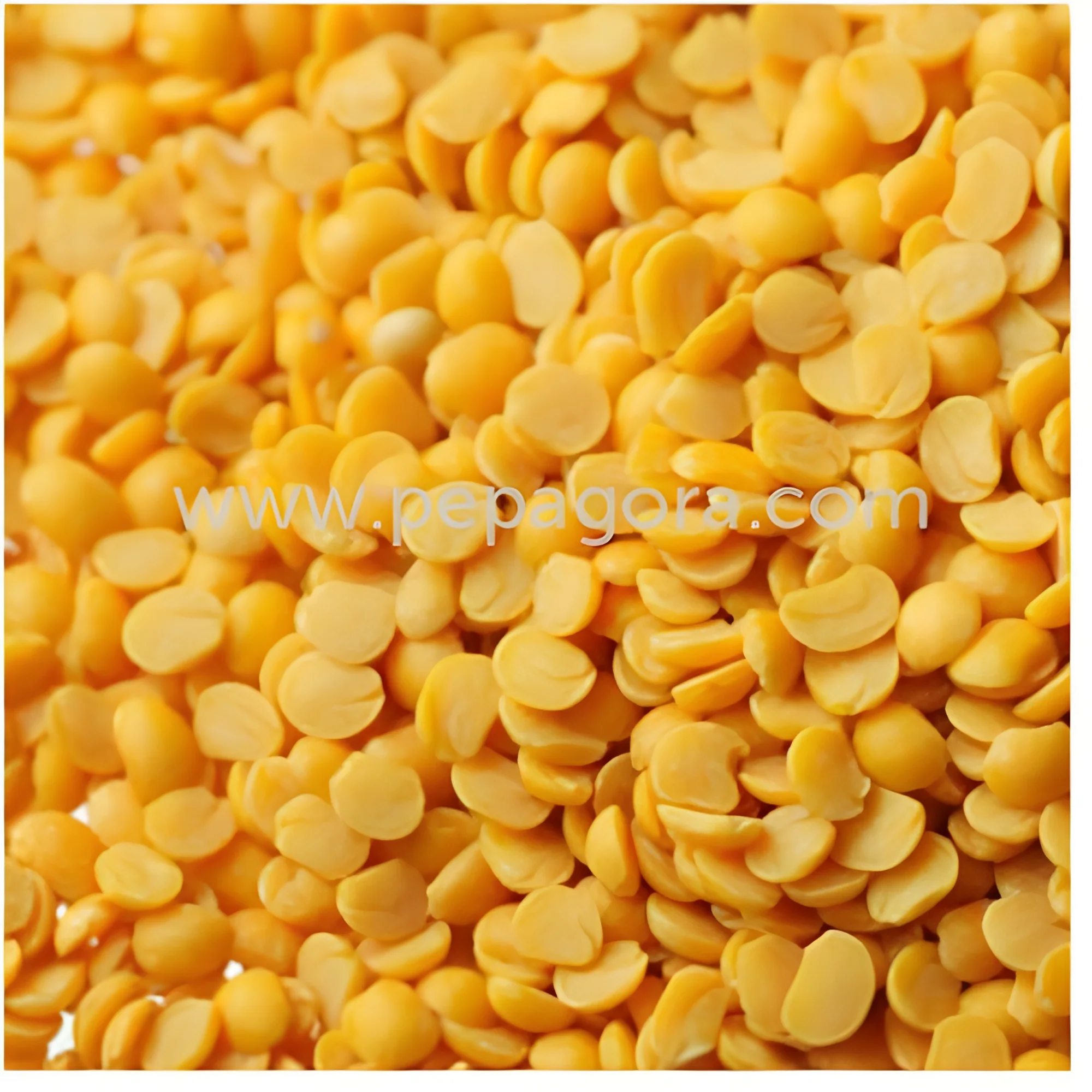
5. Color
- The seeds are generally yellow, cream, or light brown.
- The color can vary based on the specific variety.
6. Moisture Content
- The acceptable moisture content is around 12-14%.
- Low moisture levels are crucial for maintaining quality.
7. Nutritional Profile
- Rich in vitamins such as B6 and folate along with essential minerals.
- Contains dietary fiber, supporting digestive health.
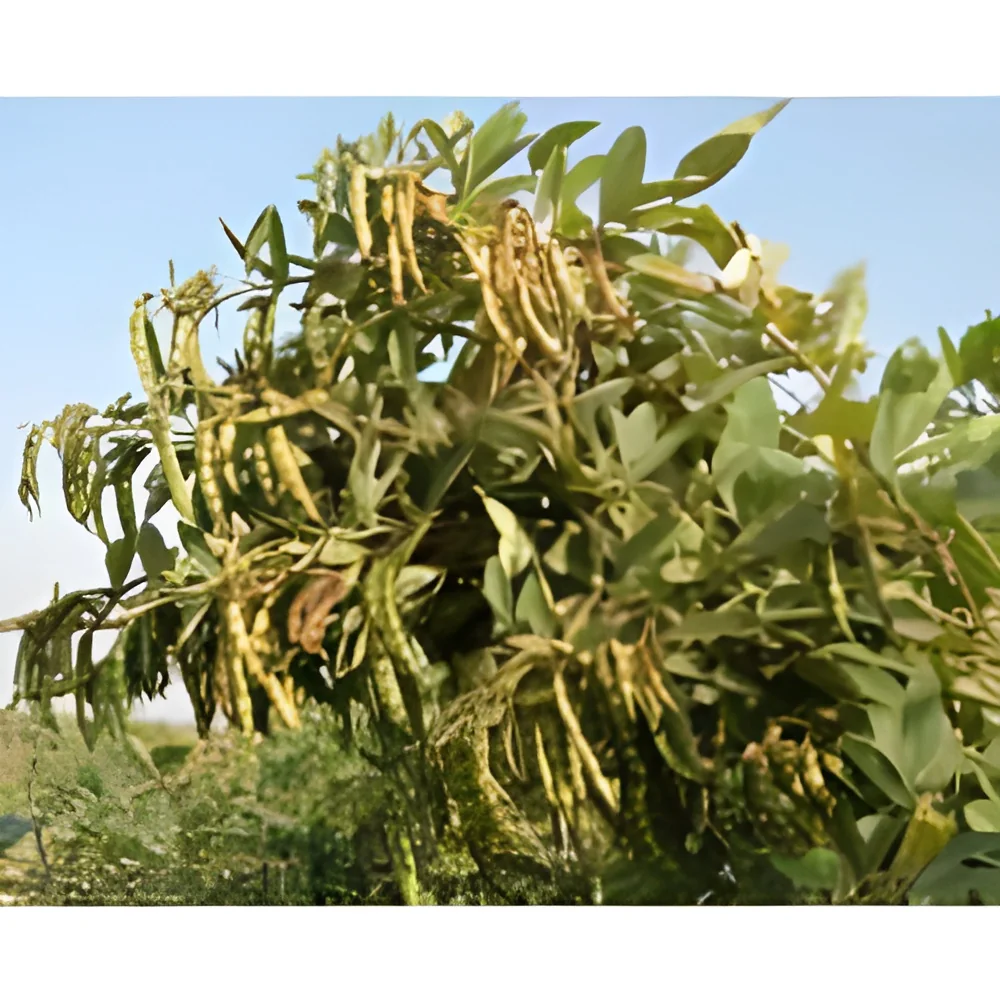
8. Harvesting Period
- The typical harvesting period is 4-5 months after planting.
- Seasonal variations may affect the exact timing.
Pigeon Pea's diverse specifications cater to a range of agricultural and food processing needs.
Common Applications and Use Cases
Pigeon Pea (Toor/Arhar) serves a variety of industries with its versatile applications.
1. Food Industry: Pigeon Pea is extensively used in Indian cuisine, particularly in the preparation of dals, curries, and snacks. Its high protein content makes it a staple in vegetarian diets.
2. Agriculture: The crop is utilized in crop rotation to enhance soil fertility. Its nitrogen-fixing properties contribute to sustainable farming practices, improving soil health.
3. Animal Feed: Pigeon Pea is often included in livestock feed formulations due to its nutritional benefits. It is an economical protein source for poultry and other livestock.
4. Health Food Sector: With the rising trend of plant-based diets, Pigeon Pea is increasingly featured in health food products, including protein powders and snacks.
5. Export Market: Pigeon Pea is also a significant export product, particularly to regions with high demand for pulses and legumes.
6. Organic Farming: Its natural resistance to pests makes Pigeon Pea suitable for organic farming practices, aligning with the global shift towards sustainable agriculture.
7. Biofuel Production: Research into biofuel applications for Pigeon Pea is ongoing, exploring its potential as a renewable energy source.
Product Variants and Subcategories
Pigeon Pea (Toor/Arhar) offers a range of variants to meet different agricultural and culinary needs. These variants vary in seed size, color, and nutritional content.
Variant 1: Yellow Pigeon Pea
This variant is characterized by its bright yellow color and is widely used in Indian cooking. It is known for its quick cooking time and is often preferred in the preparation of traditional dishes.
Variant 2: Brown Pigeon Pea
Brown Pigeon Pea has a darker hue and is recognized for its rich flavor. It is commonly used in soups and stews, offering a hearty taste that complements various recipes.
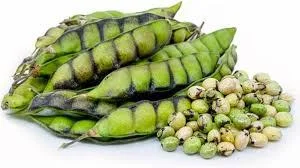
Variant 3: Green Pigeon Pea
This variant is less common but is gaining popularity due to its unique taste and nutritional profile. It is often used in salads and healthy meal preparations.
Benefits and Advantages
Pigeon Pea (Toor/Arhar) presents numerous benefits that make it an attractive option for various industries.
1. High Nutritional Value: Pigeon Pea is an excellent source of protein, vitamins, and minerals, making it a healthy dietary choice.
2. Sustainable Farming: The nitrogen-fixing ability of Pigeon Pea enhances soil fertility, promoting sustainable agricultural practices.
3. Versatile Applications: Its adaptability allows for diverse applications in food, agriculture, and animal feed.
4. Drought Resistance: Pigeon Pea is well-suited for arid conditions, making it a reliable crop in regions with limited water resources.
5. Cost-Effective: The crop's relatively low cost allows for affordable sourcing, benefiting both suppliers and consumers.
6. Health Benefits: Regular consumption of Pigeon Pea supports digestive health and provides essential nutrients for overall well-being.
Buying Guide for B2B Buyers
When sourcing Pigeon Pea (Toor/Arhar), several important factors should be considered to ensure quality and reliability.
1. Quality Assessment: Evaluate the quality of Pigeon Pea by examining its seed size, color, and moisture content. High-quality seeds should be uniform and free from impurities.
2. Supplier Verification: Vet suppliers to ensure they meet industry standards and have a good reputation for providing quality products. Look for certifications and customer reviews.
3. Pricing and MOQ: Understand the pricing landscape and assess the minimum order quantities required by suppliers. This helps in budgeting and procurement planning.
4. Delivery and Lead Times: Discuss delivery schedules and lead times to ensure timely supply. Efficient logistics are crucial for maintaining inventory levels.
5. Compliance Requirements: Ensure that the Pigeon Pea meets regional and international regulatory standards. Compliance with quality and safety regulations is essential for market acceptance.
Compliance and Certifications
Pigeon Pea (Toor/Arhar) must adhere to various compliance and certification standards to ensure product quality and safety.
Relevant quality standards include ISO 9001 and HACCP, which focus on quality management and food safety systems. These standards ensure that the product is consistently produced and controlled according to quality standards.
Industry certifications, such as CE, may be relevant depending on the market and application of the product. These certifications indicate compliance with European health, safety, and environmental protection standards.
Safety and testing requirements are essential to ensure that Pigeon Pea is free from contaminants and safe for consumption. Regular testing for pesticide residues and microbiological safety is necessary.
Regional compliance considerations may vary, depending on the country of import. It is crucial for suppliers to be aware of and comply with local regulations to facilitate smooth trade.
Why Source Pigeon Pea (Toor/Arhar) from Pepagora?
Pepagora provides a trusted platform for sourcing Pigeon Pea (Toor/Arhar) with several key advantages that benefit B2B buyers.
Verified Supplier Network: Pepagora offers a network of verified suppliers who meet stringent quality standards. This ensures that buyers can source high-quality Pigeon Pea with confidence.
Streamlined RFQ Process: The Request for Quotation (RFQ) process on Pepagora is designed to be user-friendly, allowing buyers to receive competitive quotes efficiently. This simplifies the procurement process and saves time.
Trade Assurance and Support: Pepagora provides trade assurance and support for buyers, ensuring that transactions are secure and that buyers receive the products as specified. This protection fosters trust in the sourcing process.
Regional Coverage: With a strong presence in India, the GCC, and Southeast Asia, Pepagora offers extensive regional coverage. This geographic reach enables buyers to access quality Pigeon Pea across multiple markets, facilitating international trade.

 IN
IN