
 IN
Rice
66 products available
What are Rice?
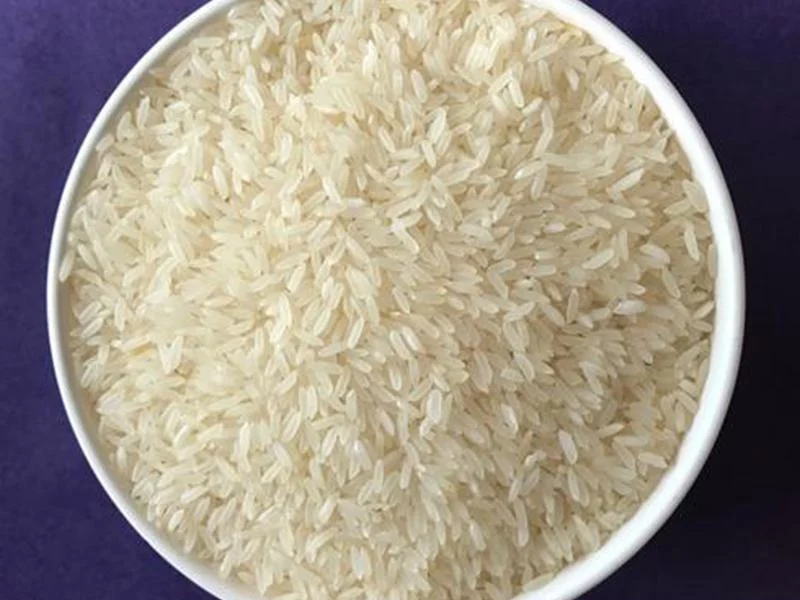
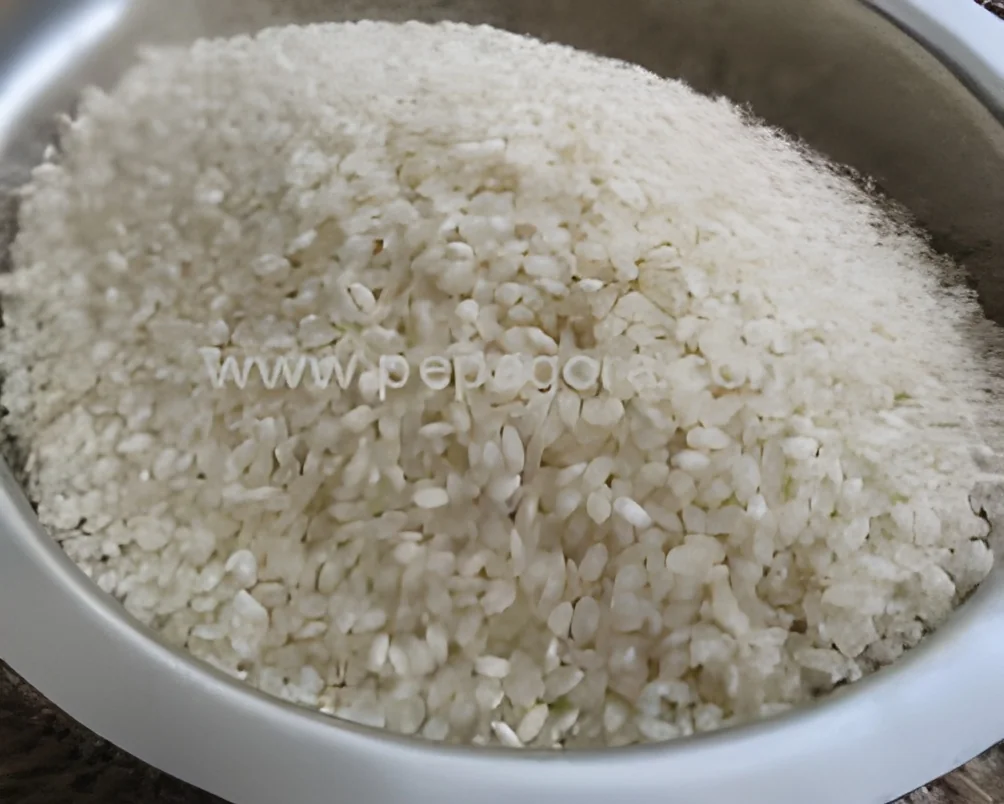
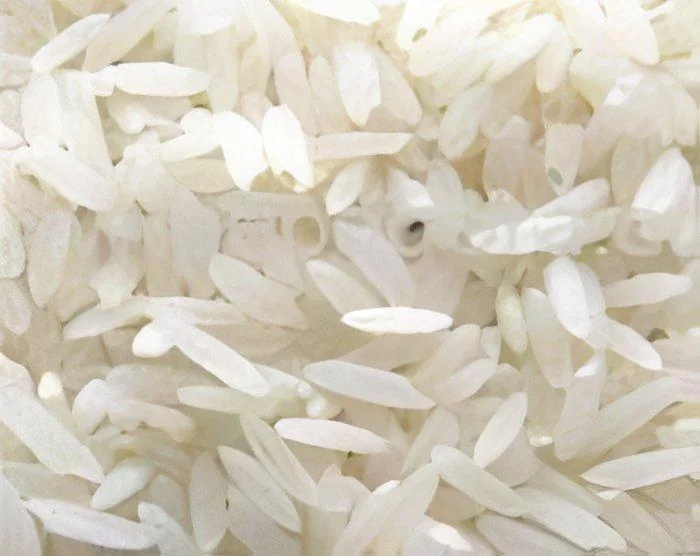
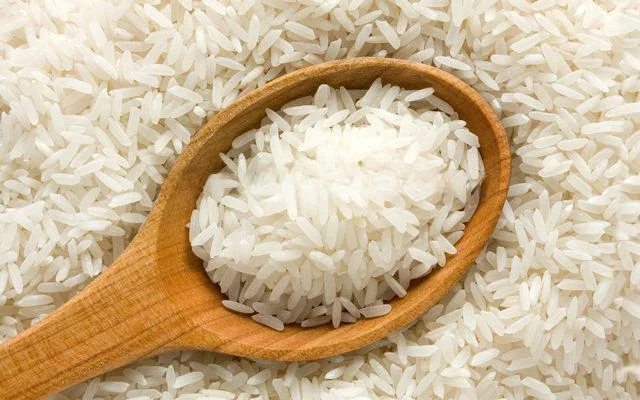
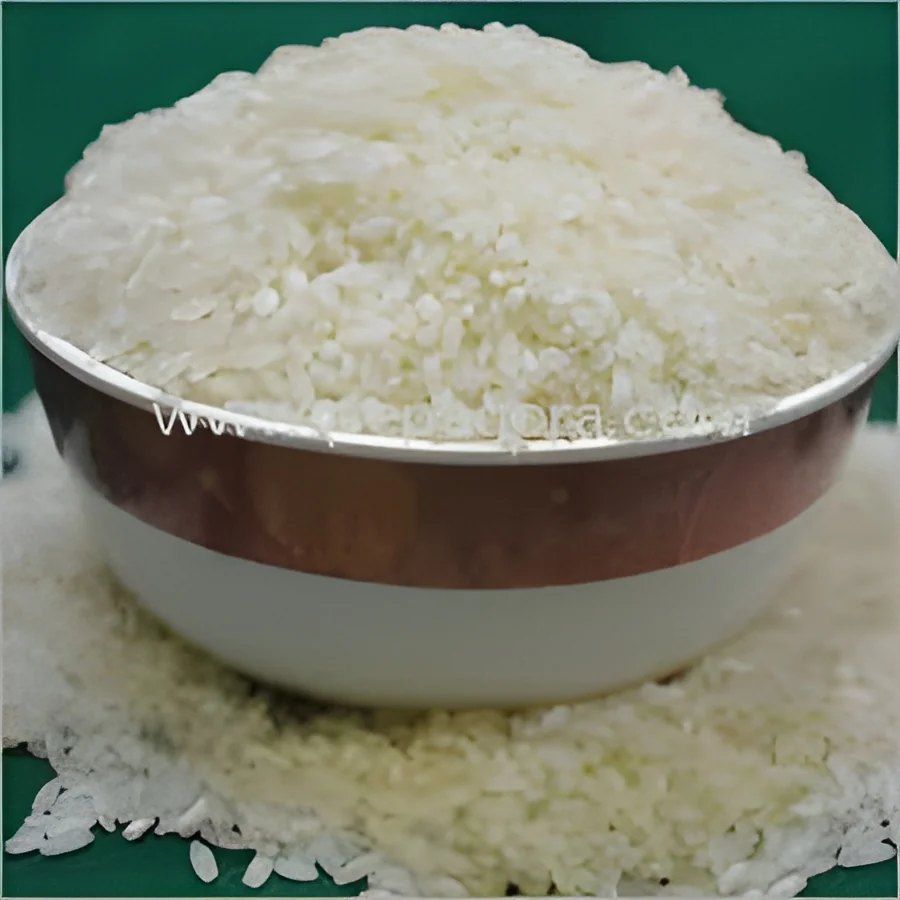
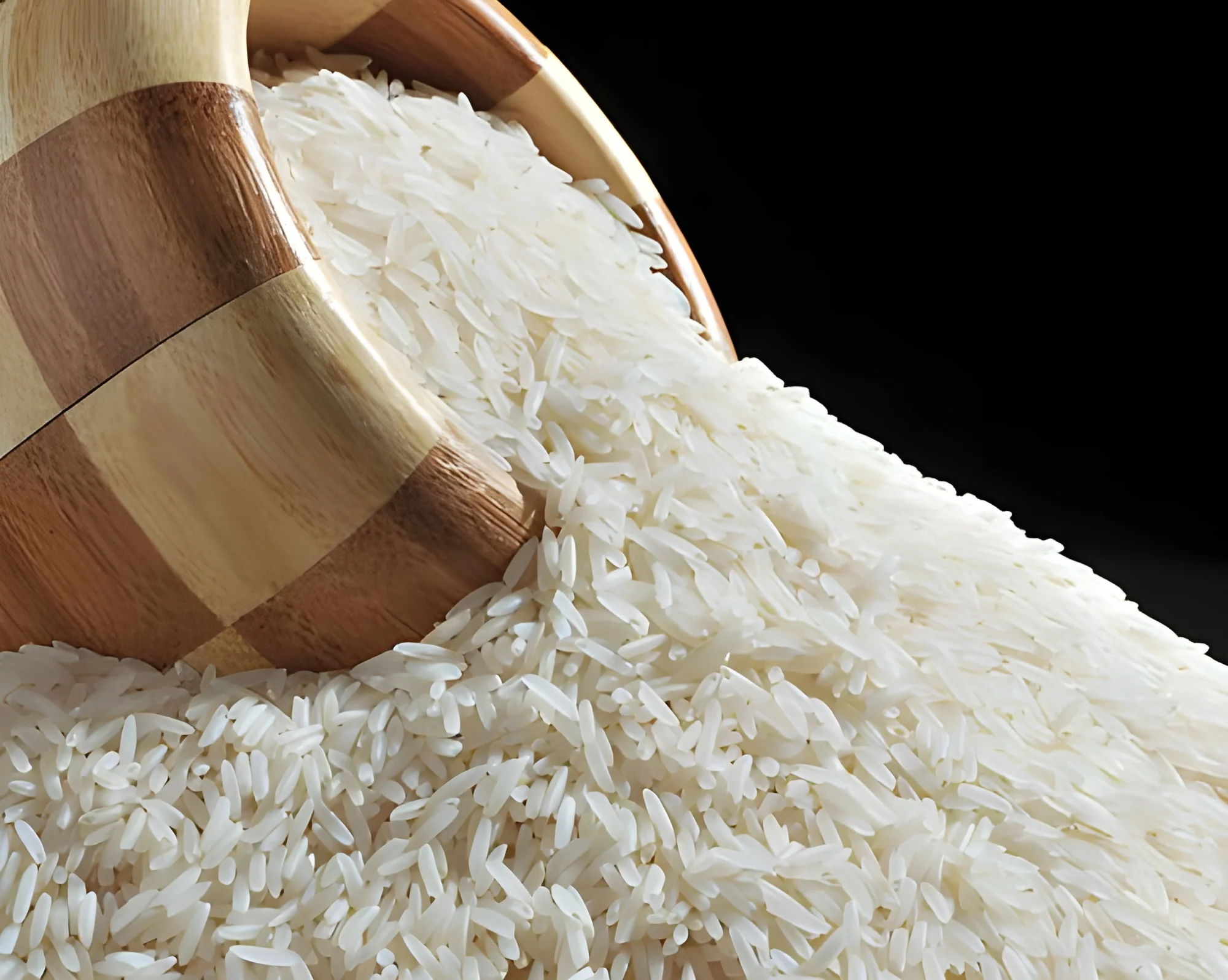
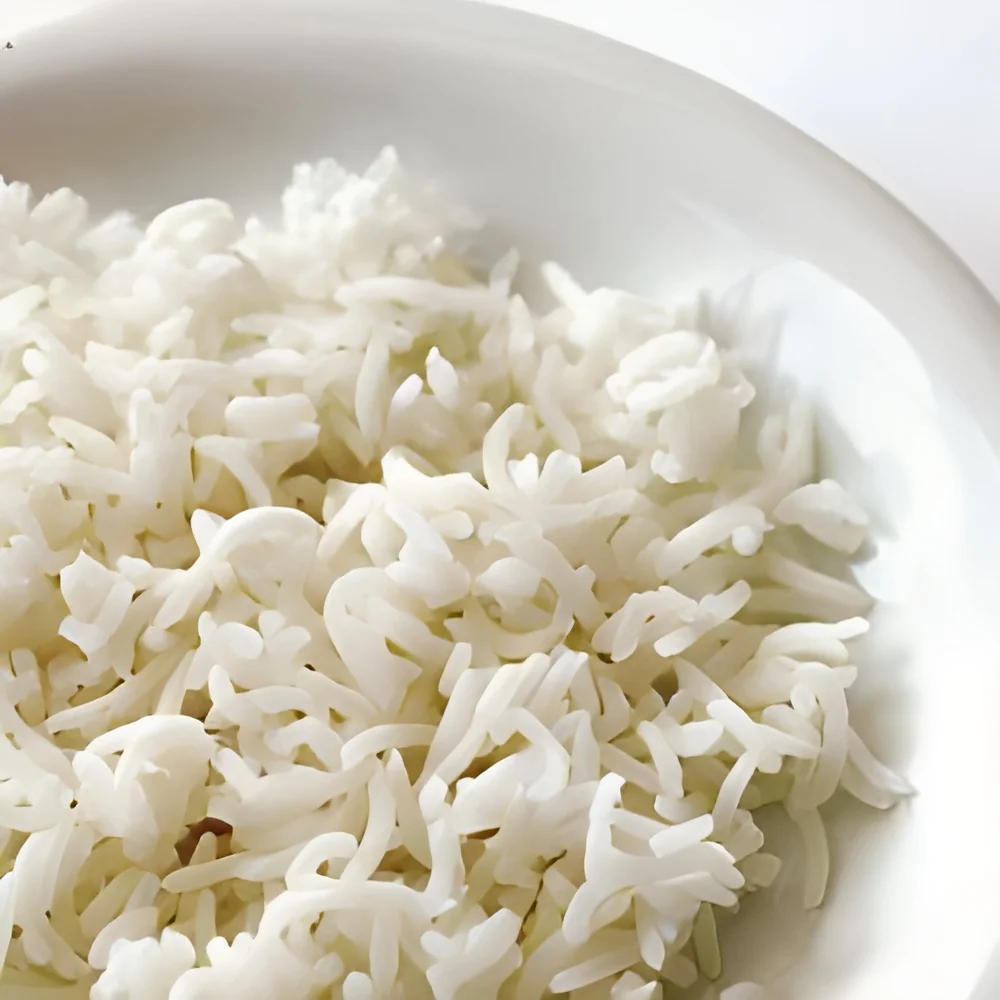
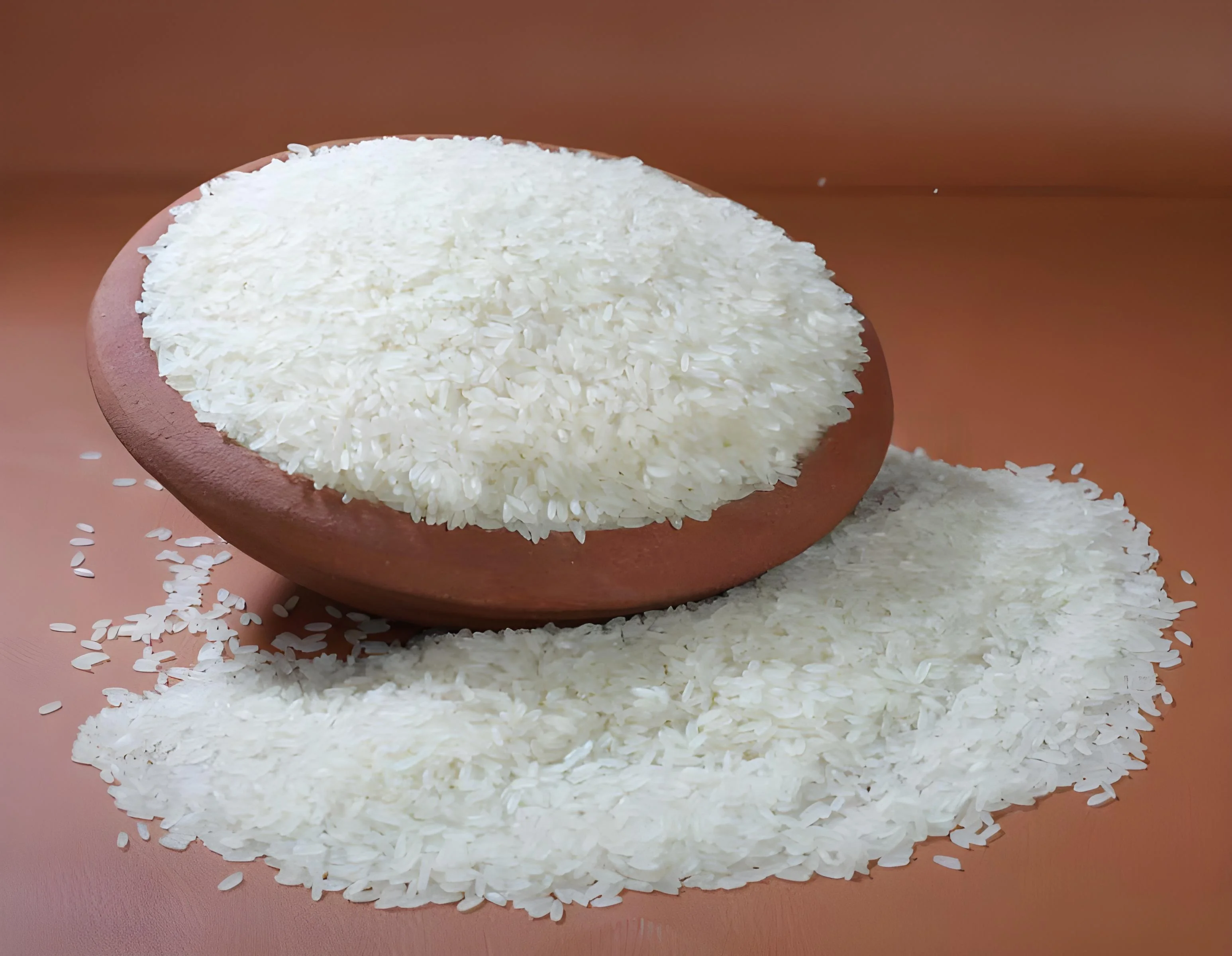
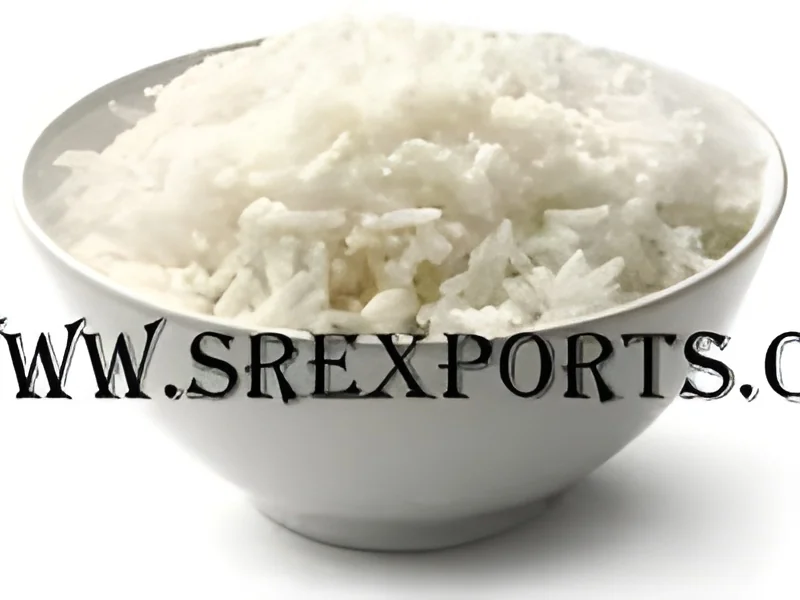
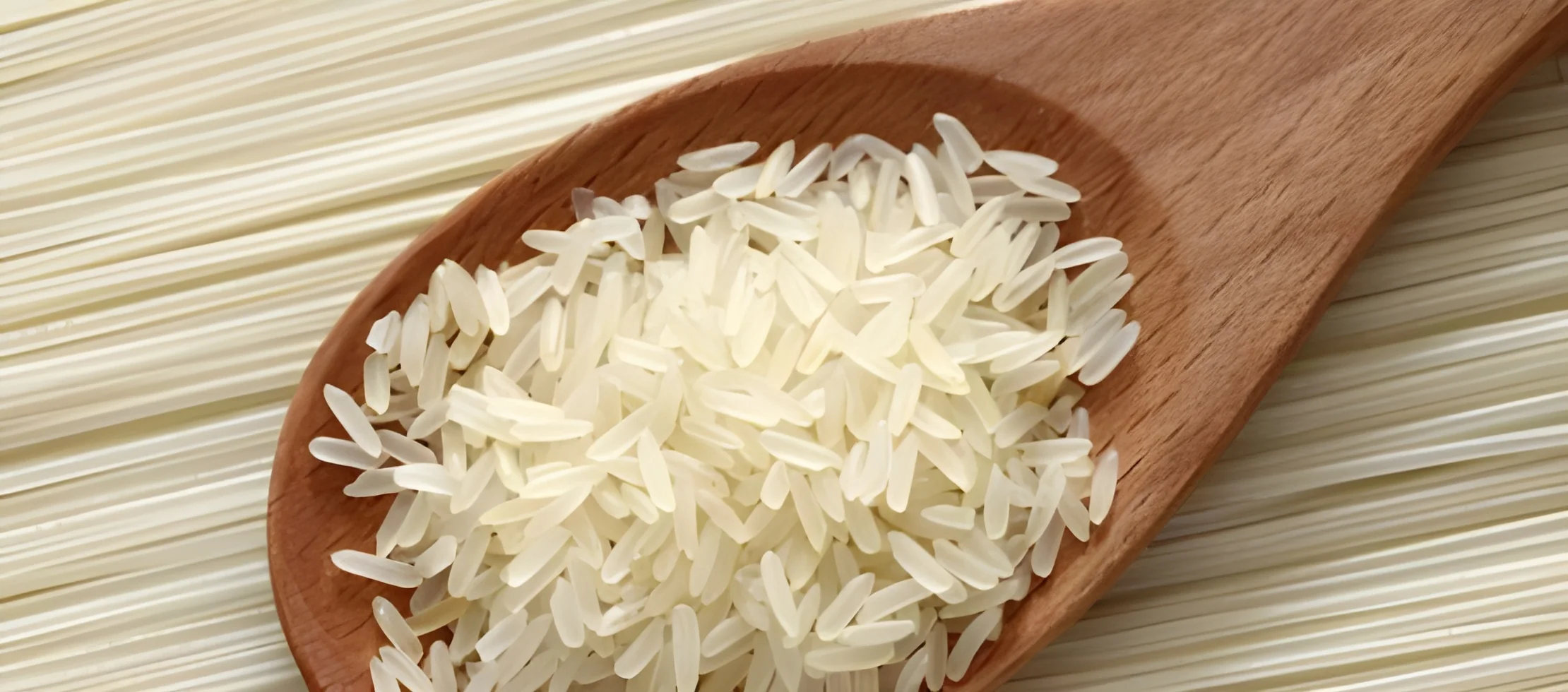
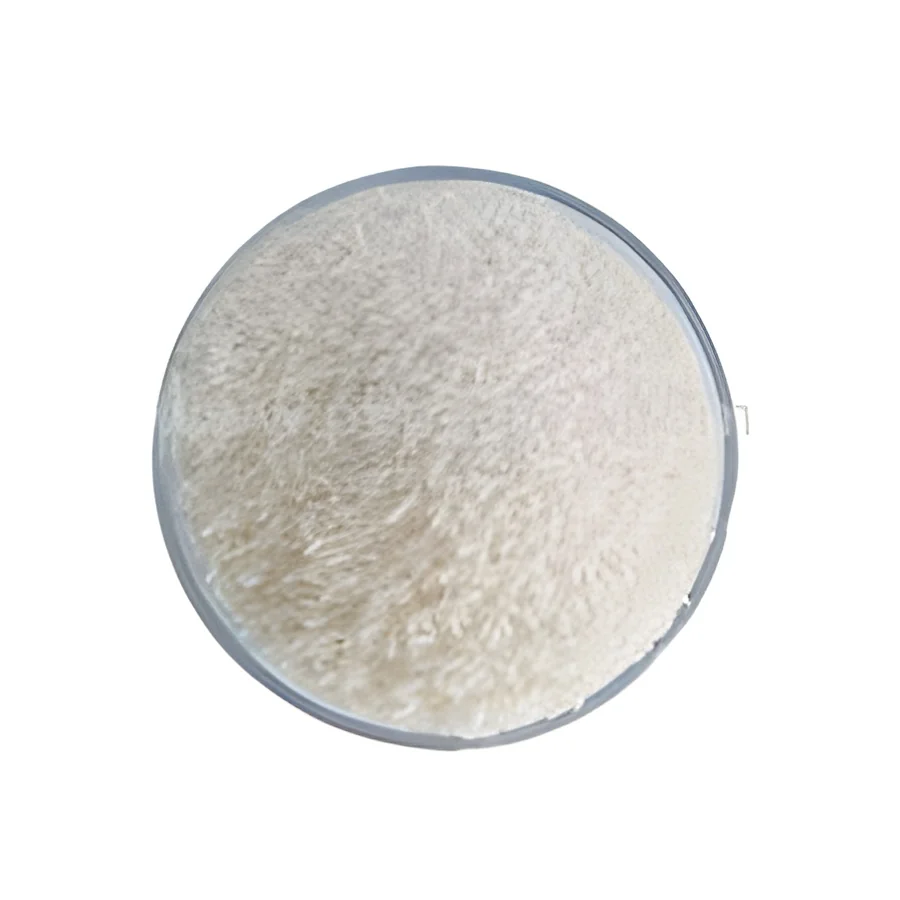
Rice is a staple food crop that belongs to the grass family and is cultivated in many parts of the world. It is primarily grown for its edible seeds, which are a significant source of carbohydrates. Rice varieties vary widely, ranging from long-grain to short-grain types, and they can be found in different colors, including white, brown, and even black. The cultivation of rice requires specific environmental conditions, including warm temperatures and ample water supply, making it essential for farmers to understand the growing conditions and requirements.
In the business context, rice serves multiple purposes and is utilized across various industries. It is a primary food source for a large portion of the global population and is used in products such as rice flour, rice noodles, and rice bran oil. Additionally, rice is an essential ingredient in many culinary traditions worldwide. The rice market is significant, with vast trade networks connecting producers, suppliers, and consumers. As a commodity, rice's price can be influenced by factors such as weather conditions, crop yield, and global demand, making it a critical player in the agricultural economy.
Key Features and Specifications
Rice comes with several key features and specifications that are crucial for buyers in various industries. Understanding these specifications can help businesses choose the right type of rice for their needs.
Key specifications include:
1. Grain Type
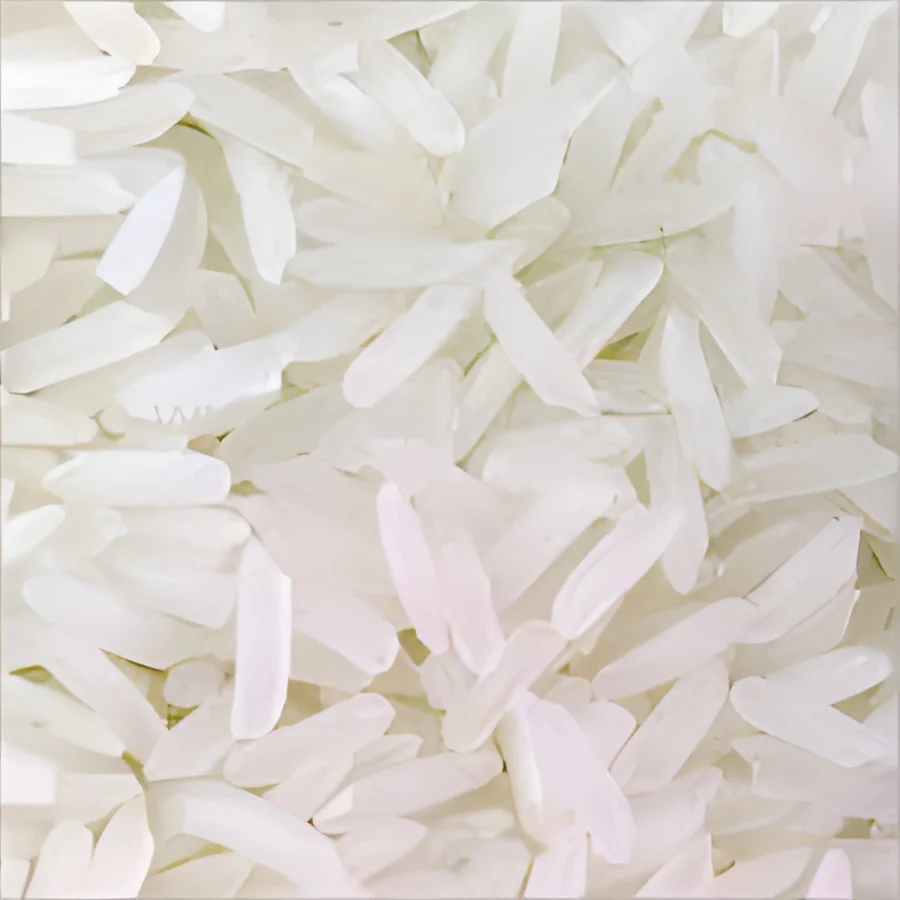
- Long-grain, medium-grain, and short-grain varieties are available.
- Each type has different cooking properties and applications.
2. Color
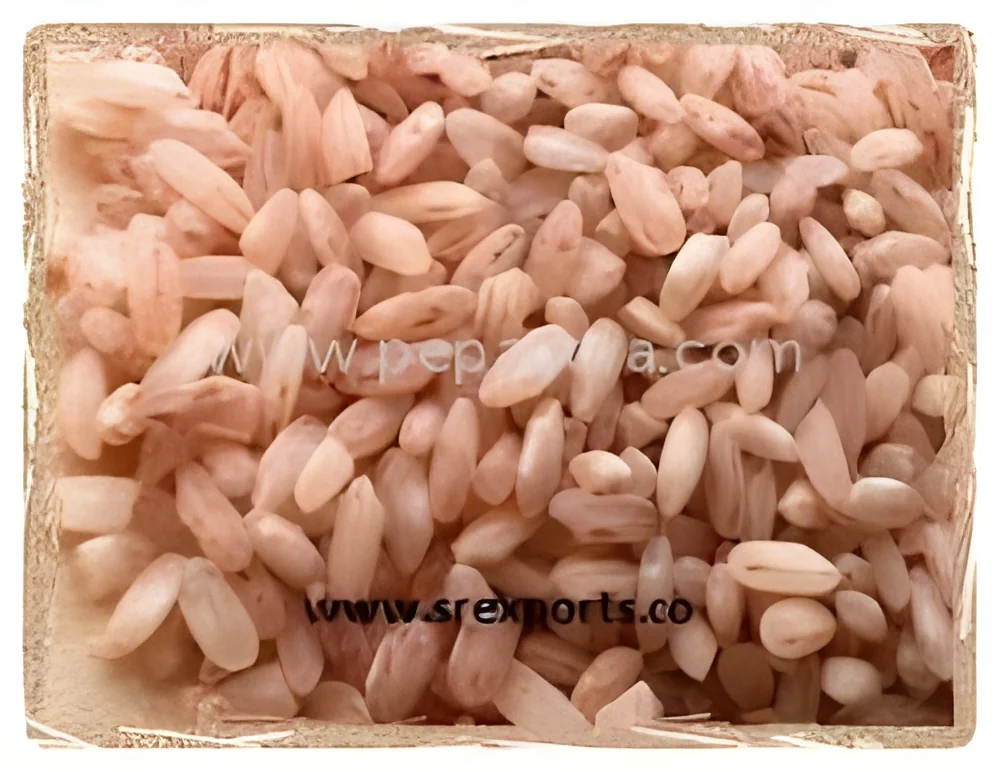
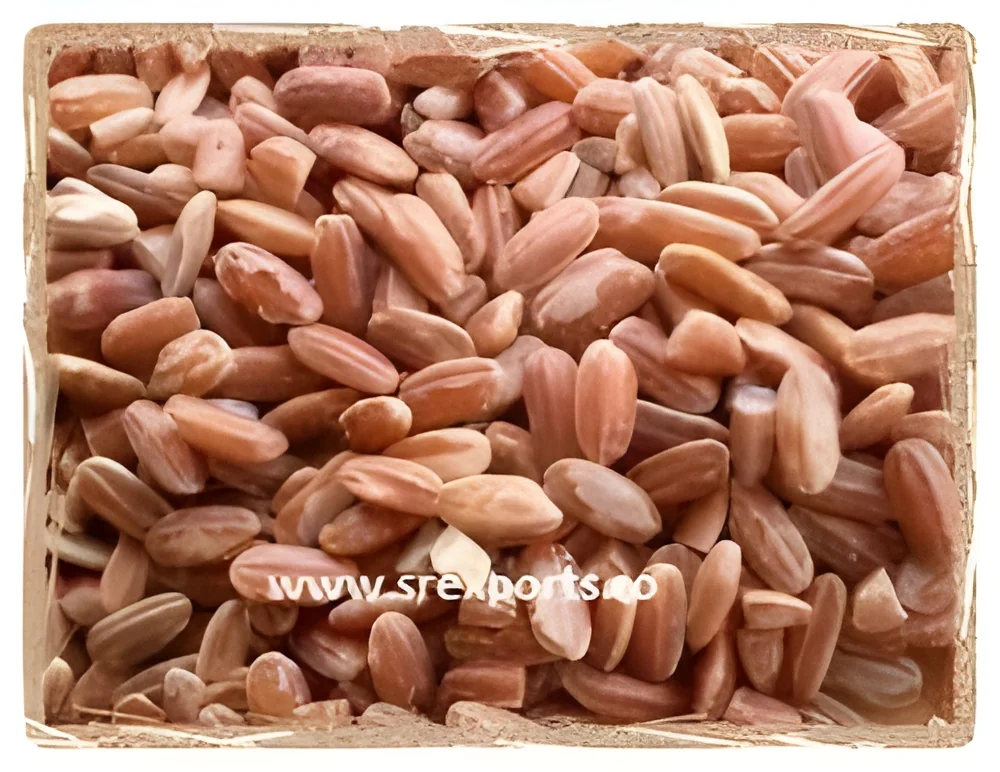
- Common colors include white, brown, red, and black.
- Color affects nutritional content and market appeal.
3. Moisture Content
- Optimal moisture content is typically between 12% to 14%.
- Moisture levels impact shelf life and storage requirements.
4. Broken Grain Percentage
- Industry standards allow for a certain percentage of broken grains.
- Lower percentages are preferred for higher quality.
5. Aroma
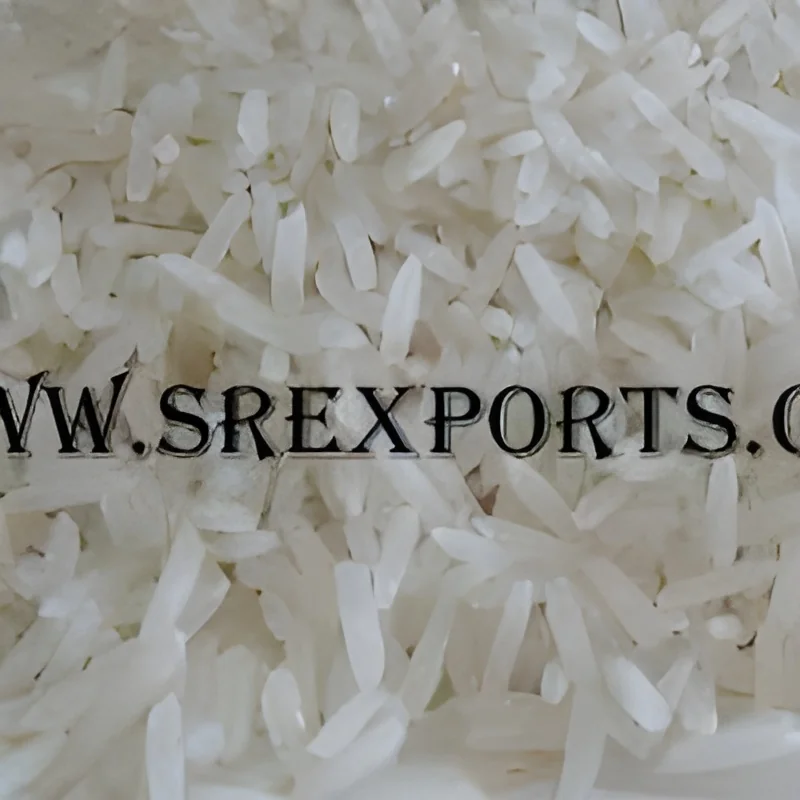
- Varieties like Basmati and Jasmine are known for their distinct aroma.
- Aroma can enhance culinary applications and consumer appeal.
6. Cooking Time
- Different types of rice have varying cooking times, typically ranging from 15 to 30 minutes.
- Cooking time affects preparation methods in food production.
7. Nutritional Content
- Rice contains carbohydrates, vitamins, and minerals.
- Brown rice retains more nutrients than white rice due to minimal processing.
8. Certifications
- Rice may be certified organic or non-GMO.
- Certifications can influence marketability and consumer choice.
In summary, understanding the key features and specifications of rice is essential for businesses to make informed purchasing decisions based on their specific needs and applications.
Common Applications and Use Cases
Rice finds applications in a variety of industries due to its versatility and widespread popularity.
1. Food Industry: Rice is a staple ingredient in countless dishes worldwide, including sushi, risotto, and paella. It is also processed into rice flour and rice bran oil for various food products.
2. Agriculture: Rice straw and husks are used as animal feed and for bioenergy production. Farmers also utilize rice byproducts for soil improvement.
3. Beverage Industry: Rice is a primary ingredient in alcoholic beverages such as sake. The fermentation process leverages the carbohydrates in rice.
4. Pharmaceuticals: Rice is used in the production of excipients and as a binding agent in tablet formulations due to its starch content.
5. Textiles: Rice husks are sometimes used in the textile industry for eco-friendly fabric production.
6. Cosmetics: Rice powder is utilized in cosmetic formulations for its absorbent properties and gentle exfoliation.
7. Biodegradable Products: Innovations in material science have led to the use of rice in creating biodegradable packaging materials.
Product Variants and Subcategories
Rice is a diverse product with various types catering to different market needs.
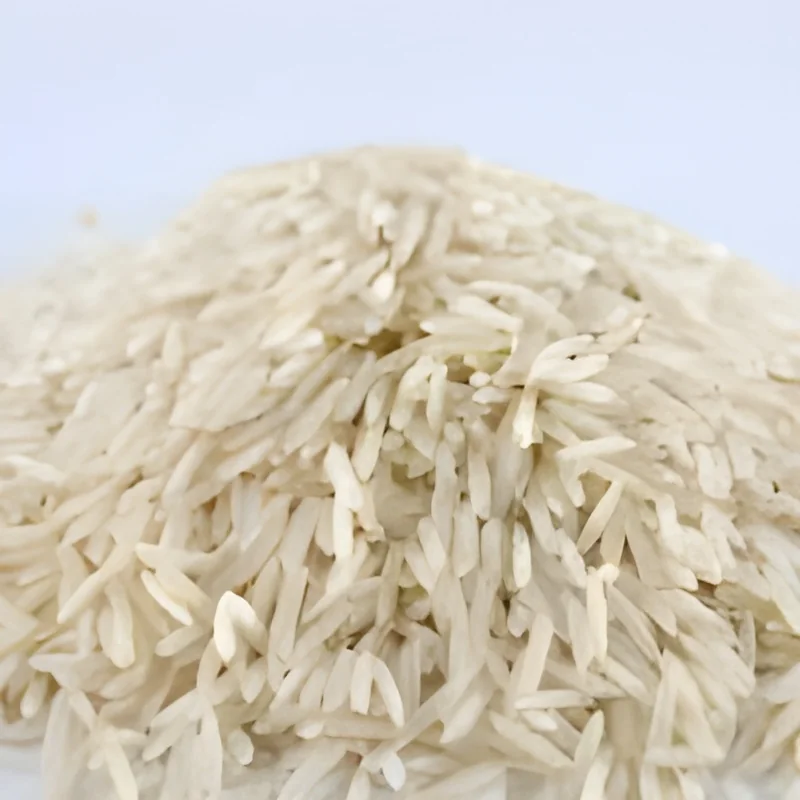
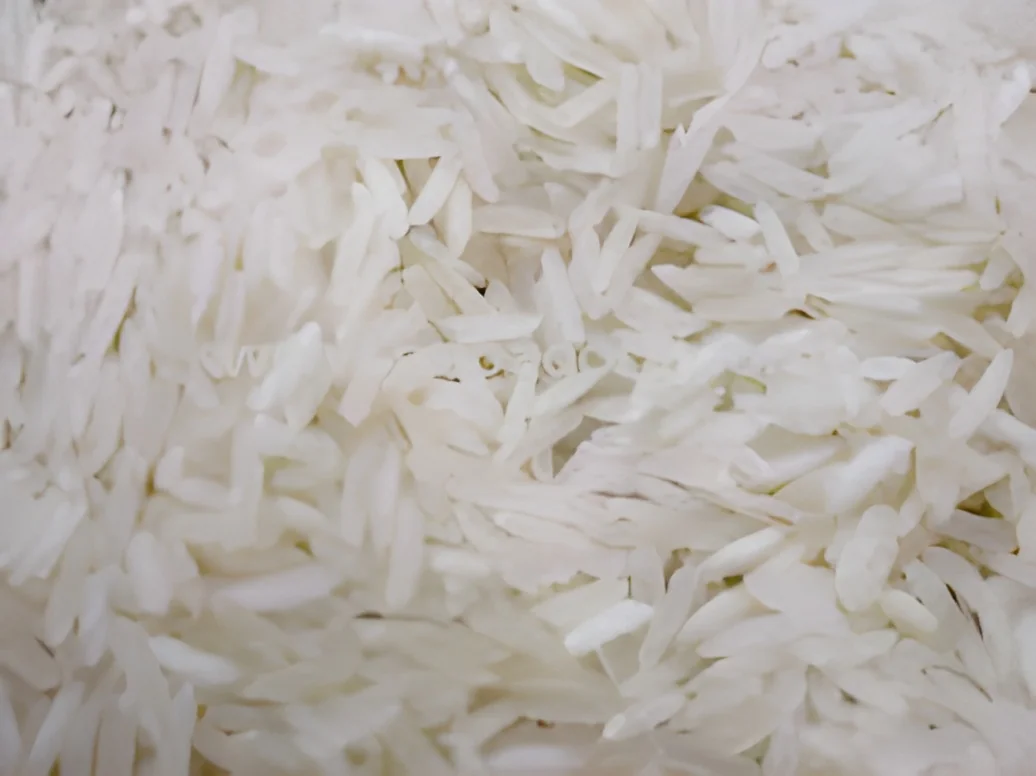
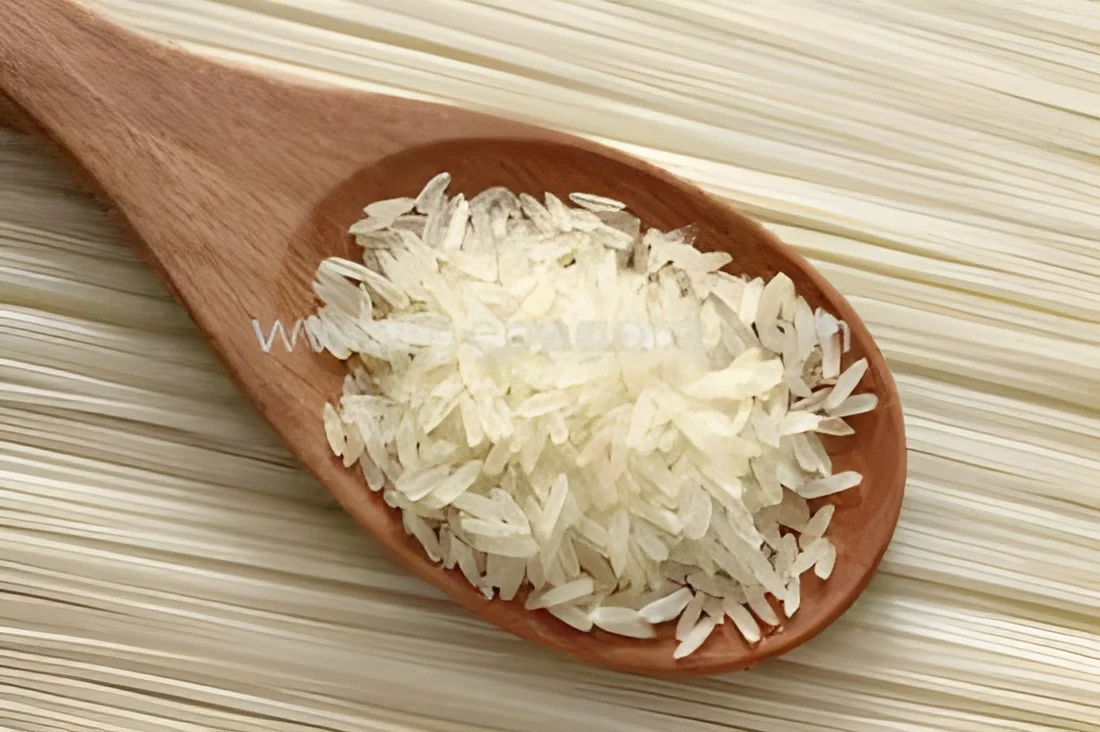
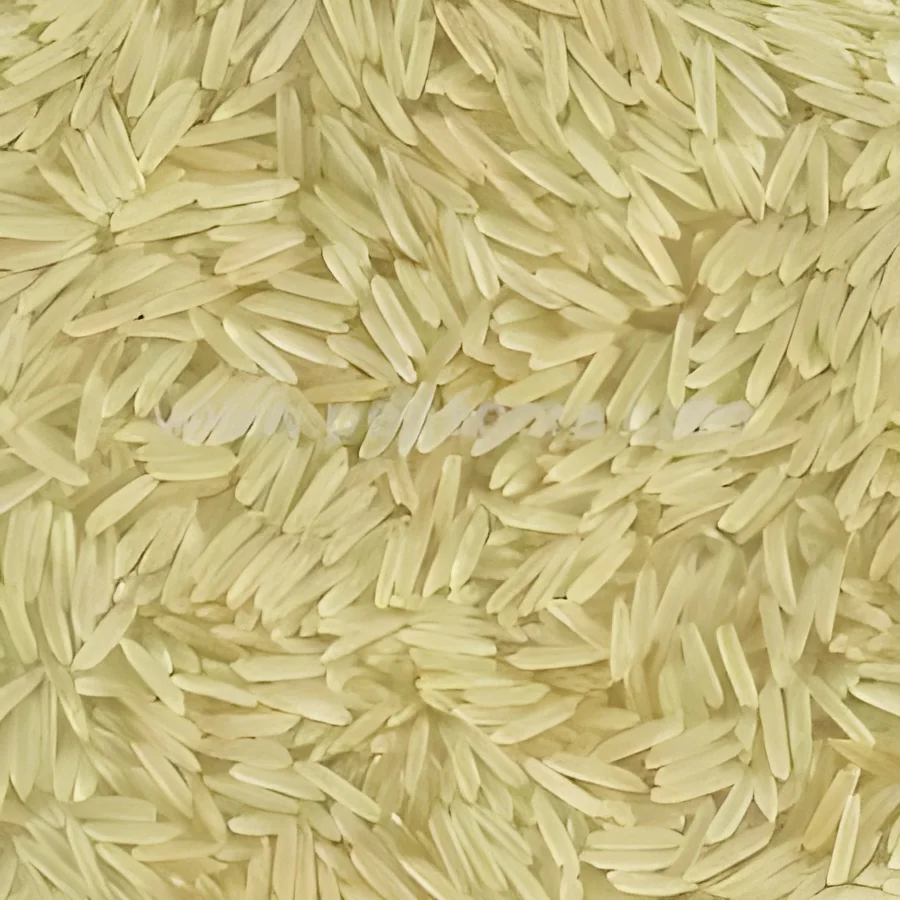
Basmati Rice
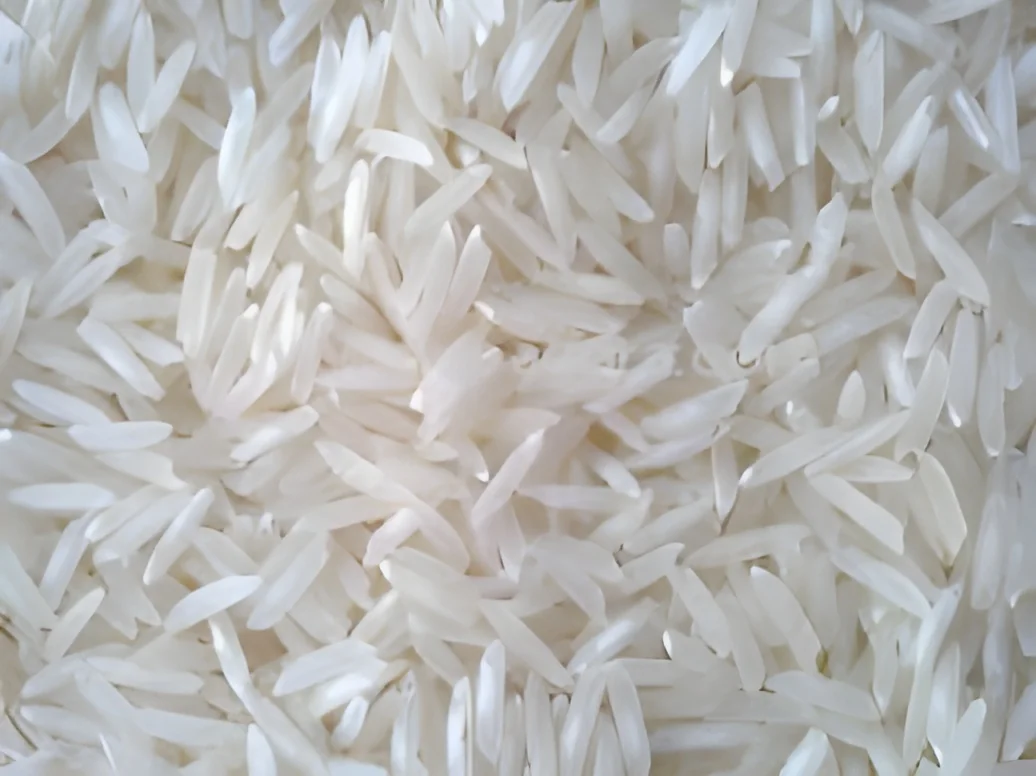
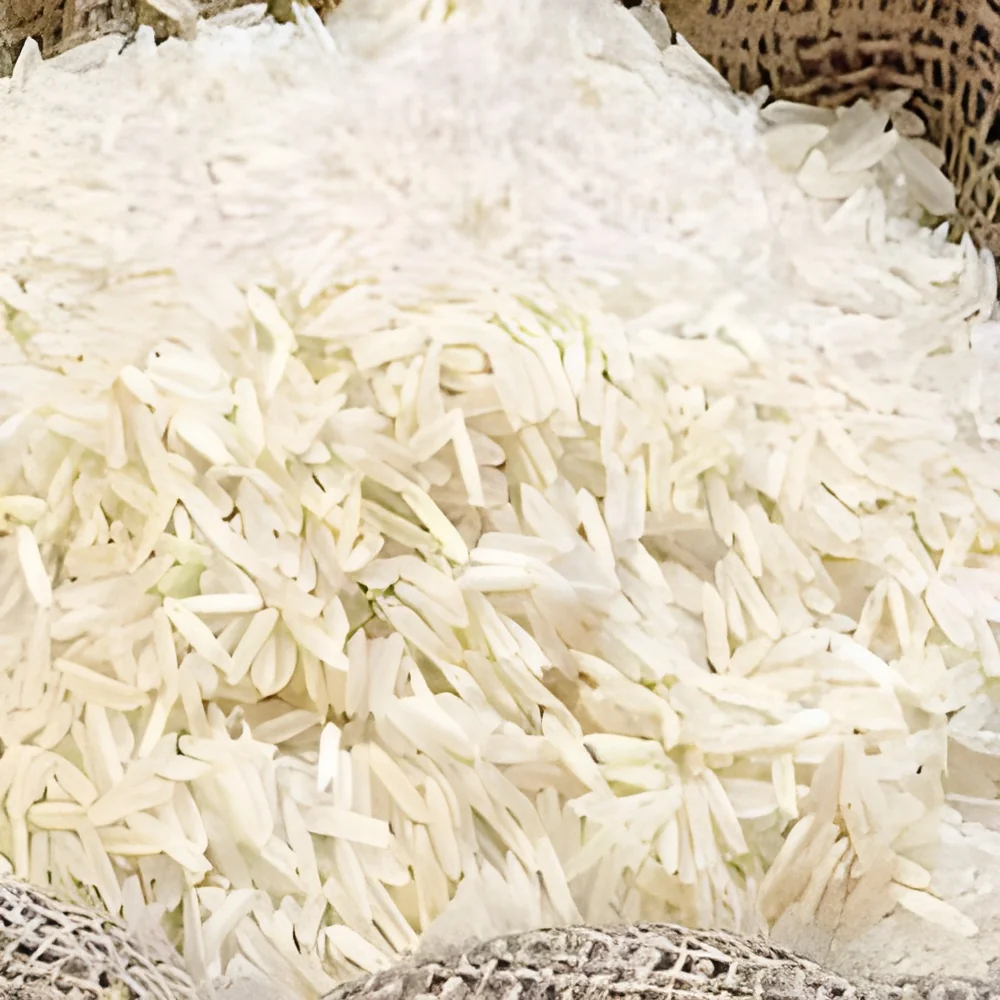
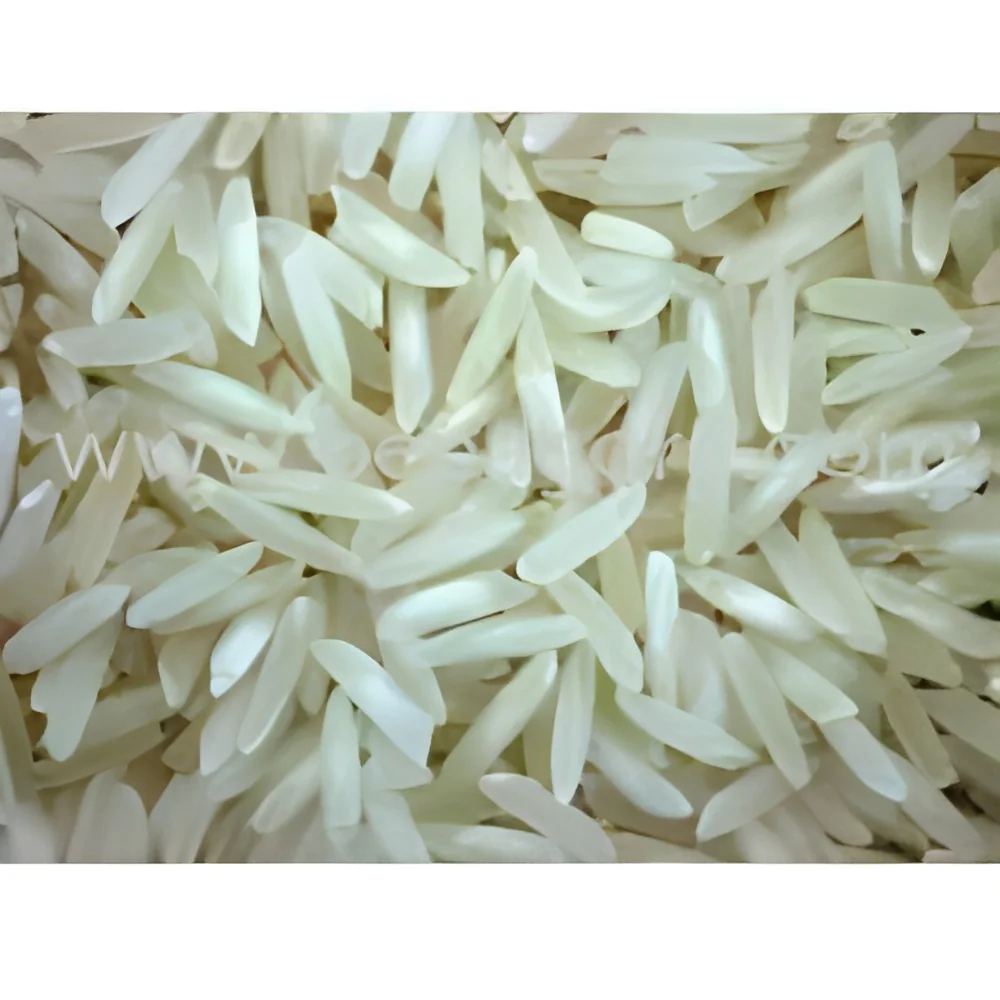
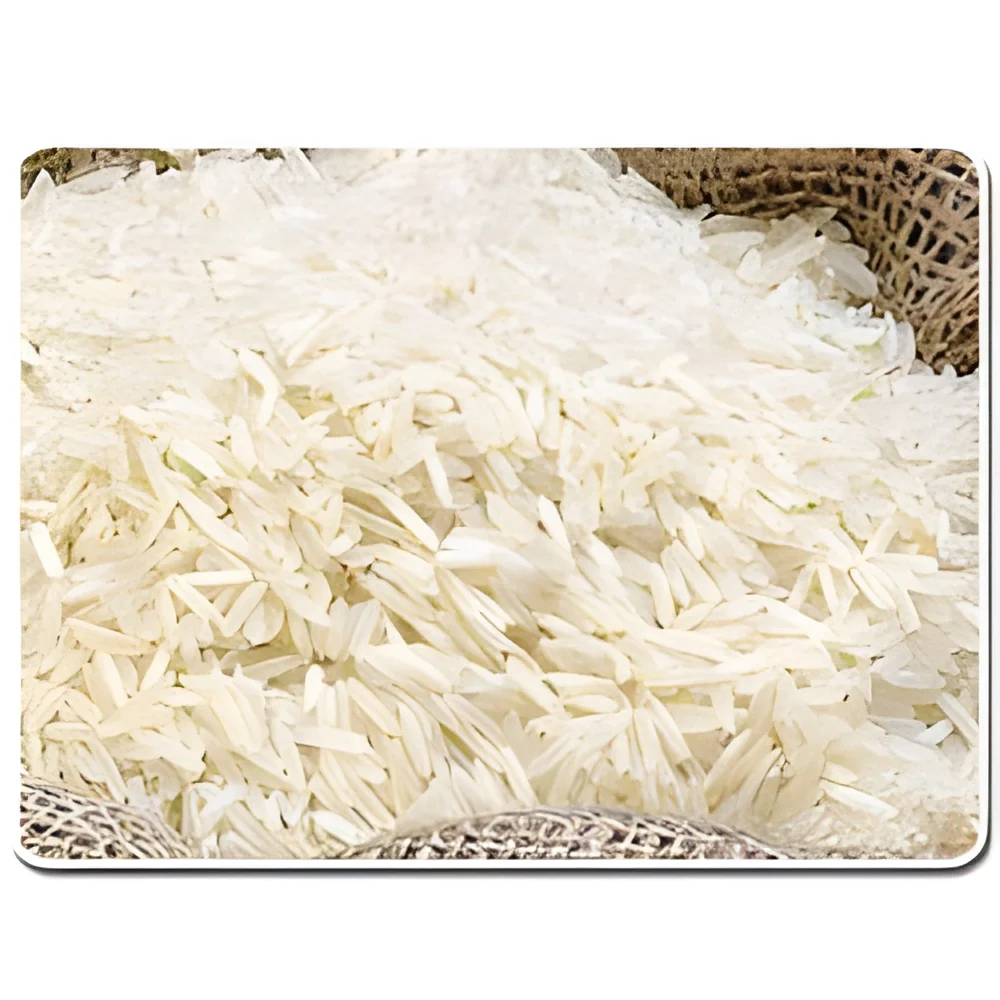
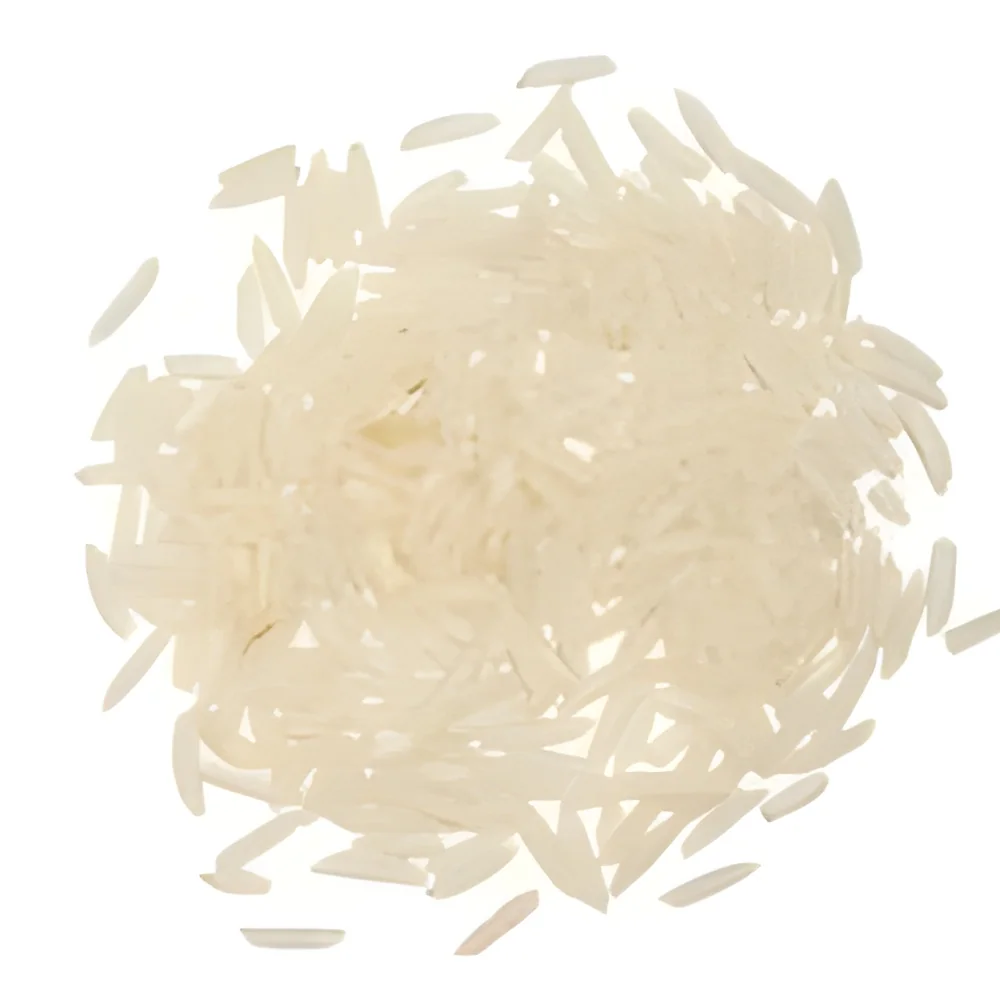
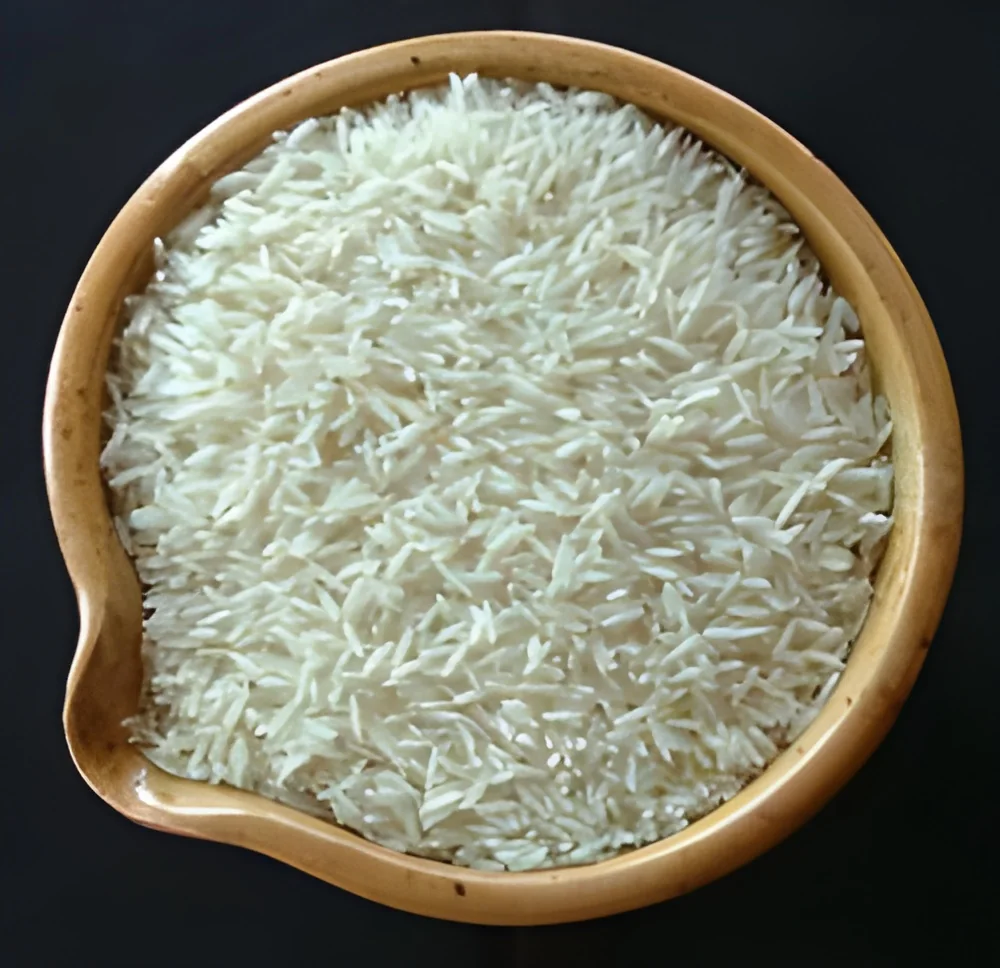
Basmati is known for its long grains and aromatic flavor. It is primarily grown in the Indian subcontinent and is highly prized for its use in biryani and pilaf dishes.
Jasmine Rice
This type features a slightly sticky texture and a sweet aroma. It is commonly used in Southeast Asian cuisine and pairs well with a variety of dishes.
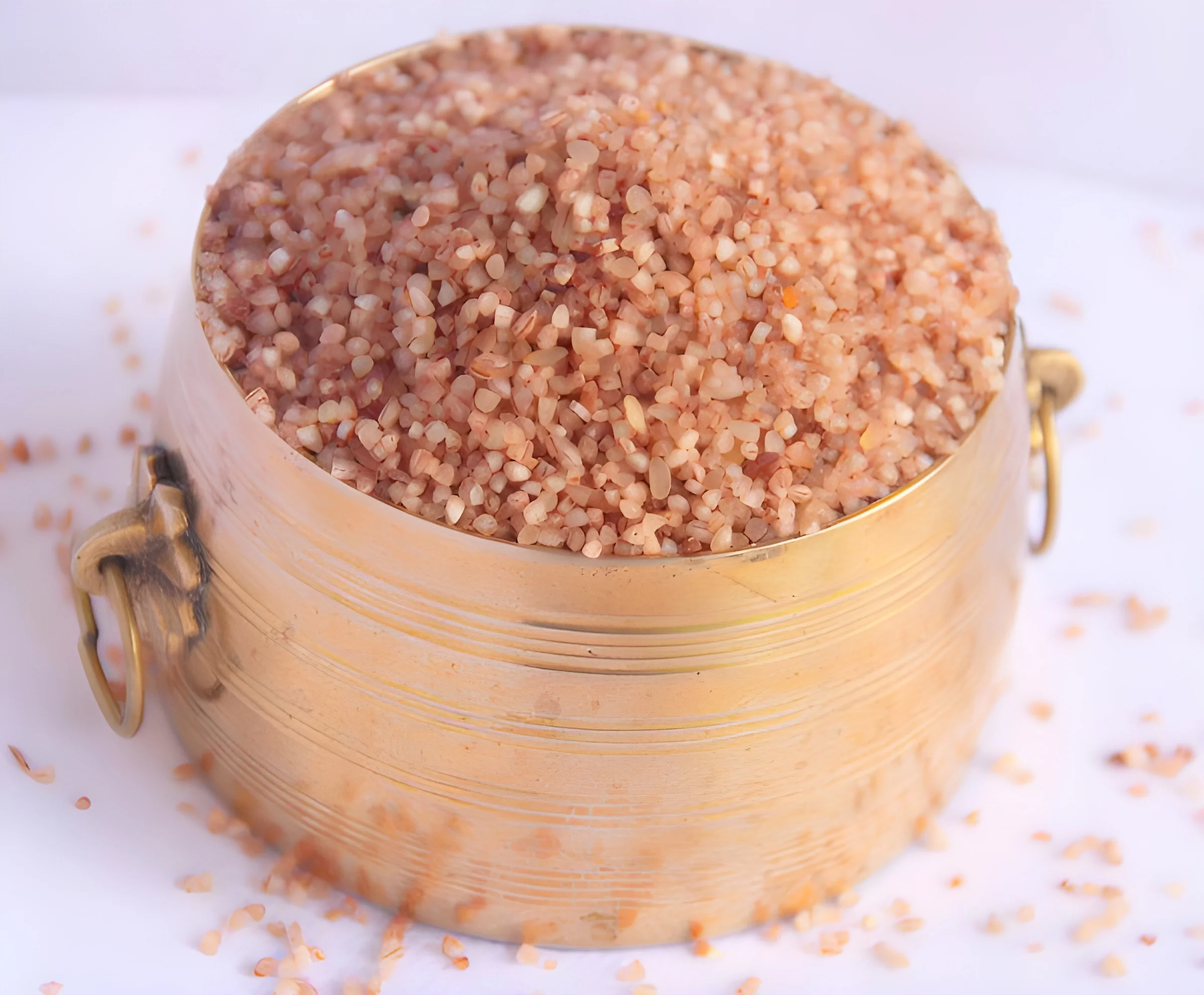
Brown Rice
Brown rice is a whole grain with the bran and germ intact. It is considered healthier due to its higher fiber content and is popular among health-conscious consumers.
Sushi Rice
Specially formulated for sushi preparation, this short-grain rice becomes sticky when cooked, making it ideal for holding its shape in sushi rolls.
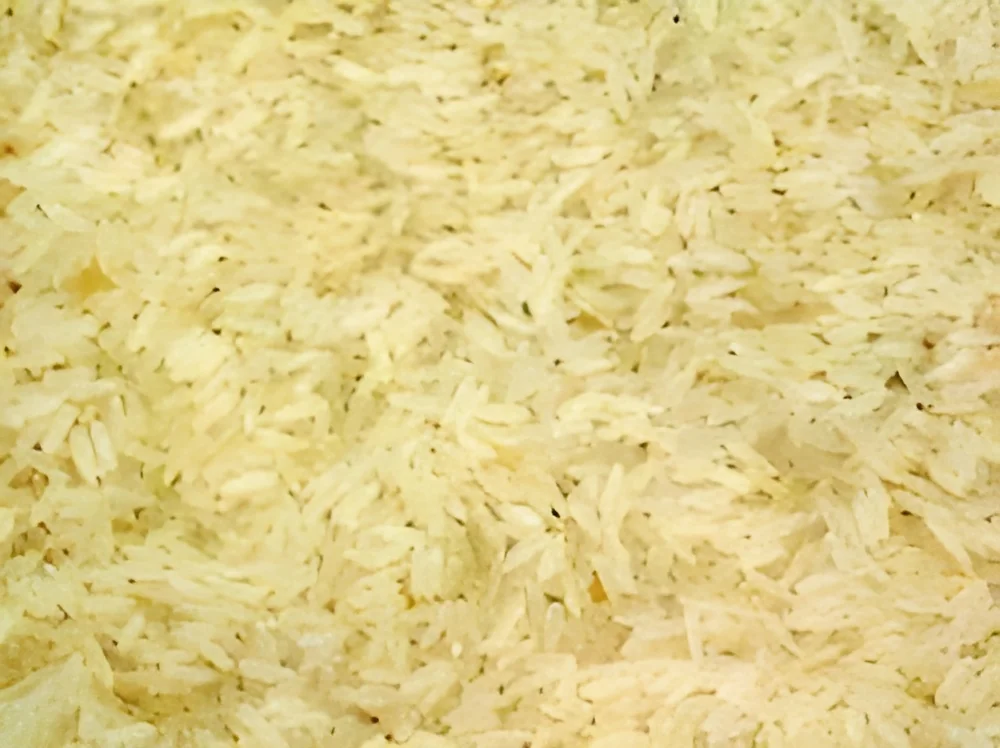
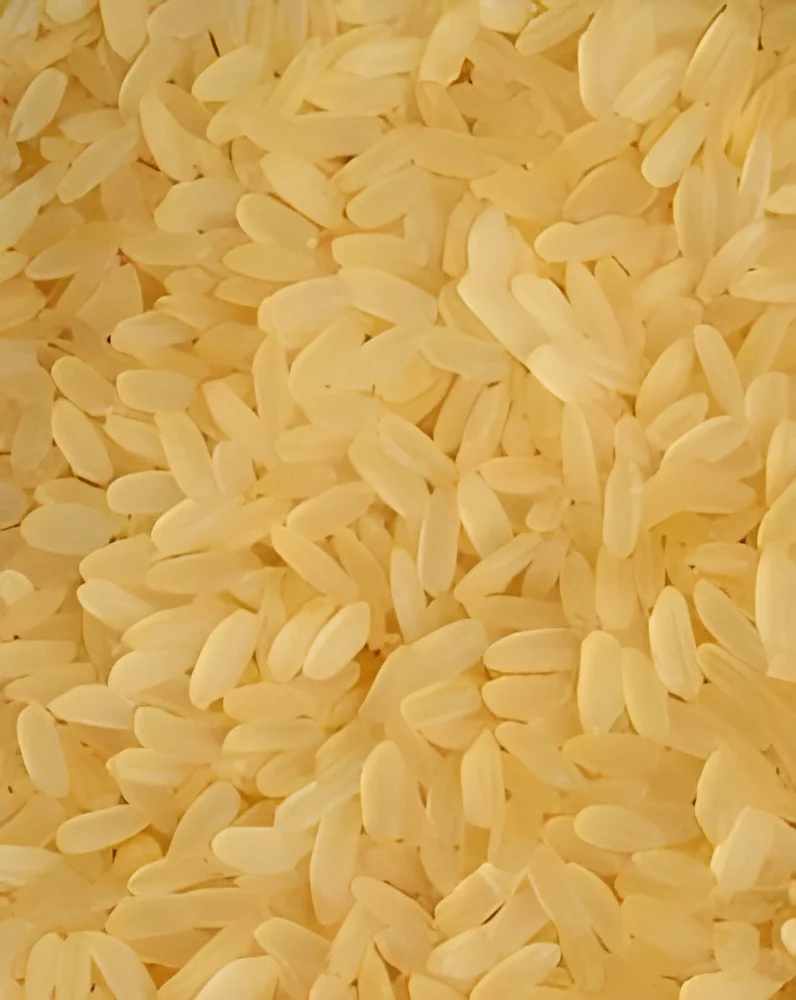
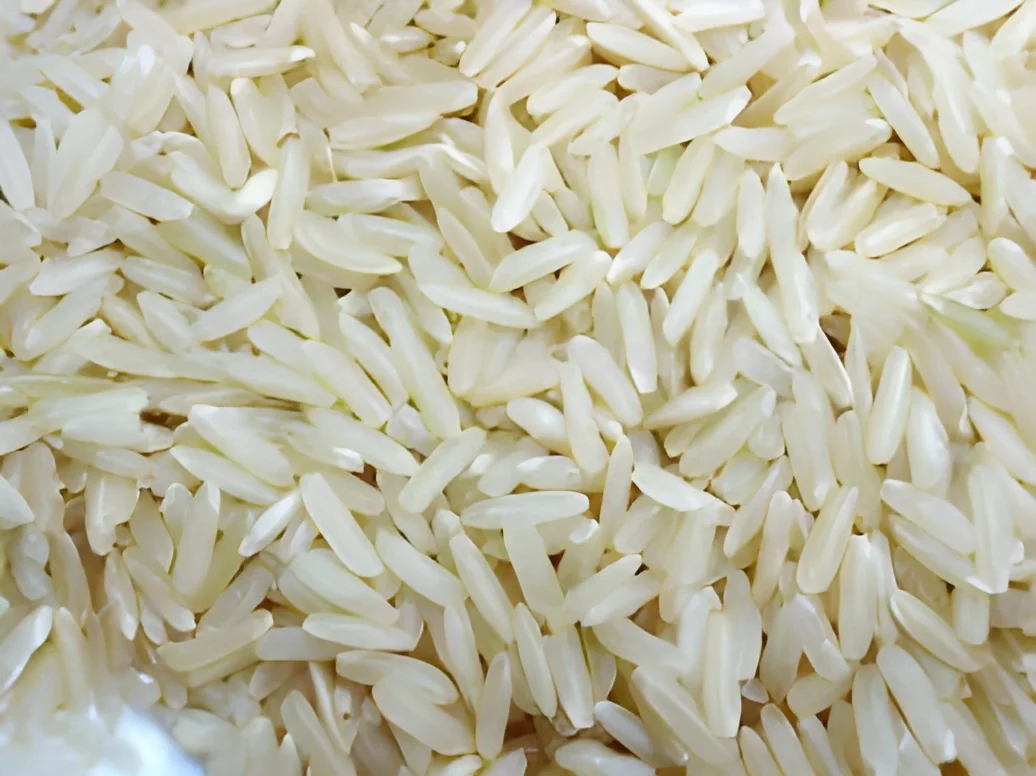
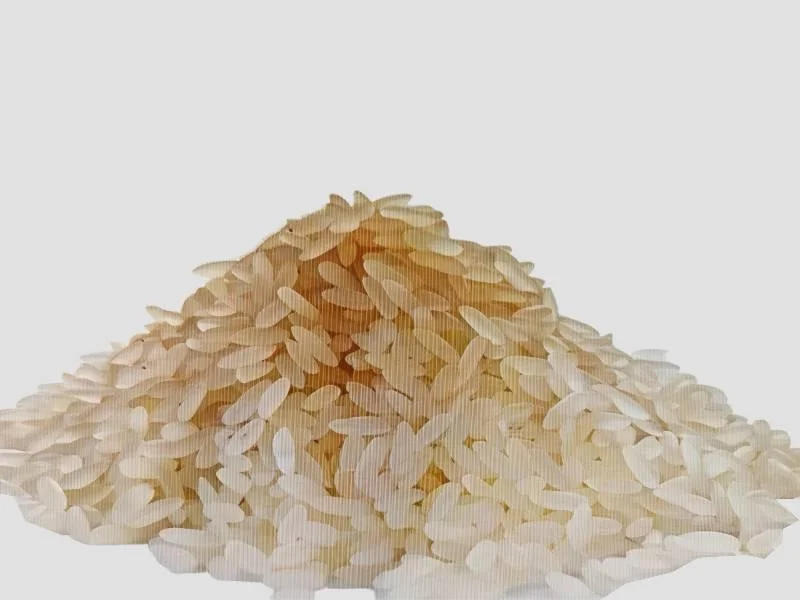
Parboiled Rice
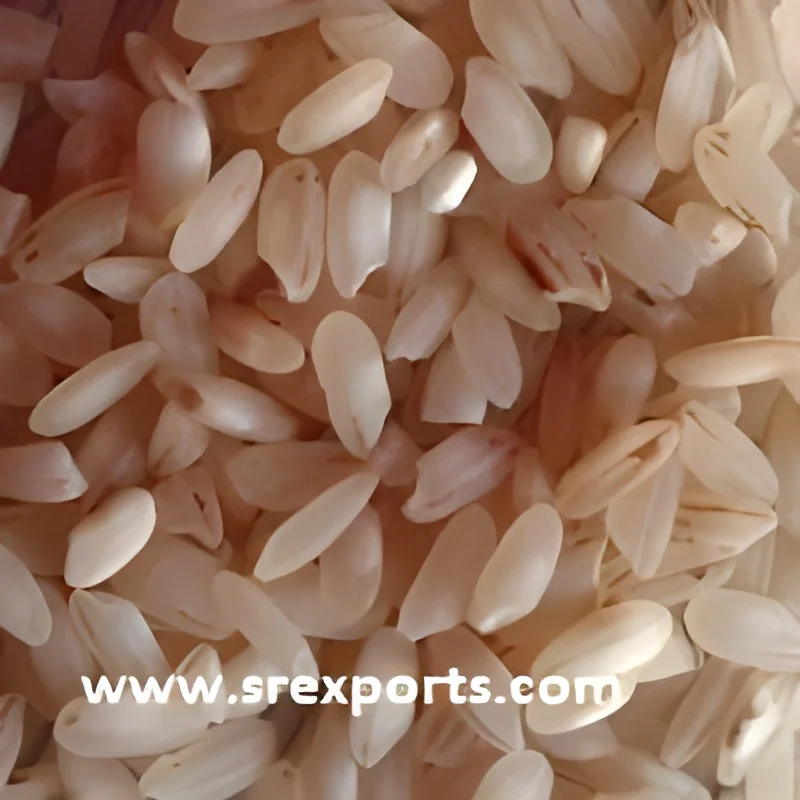
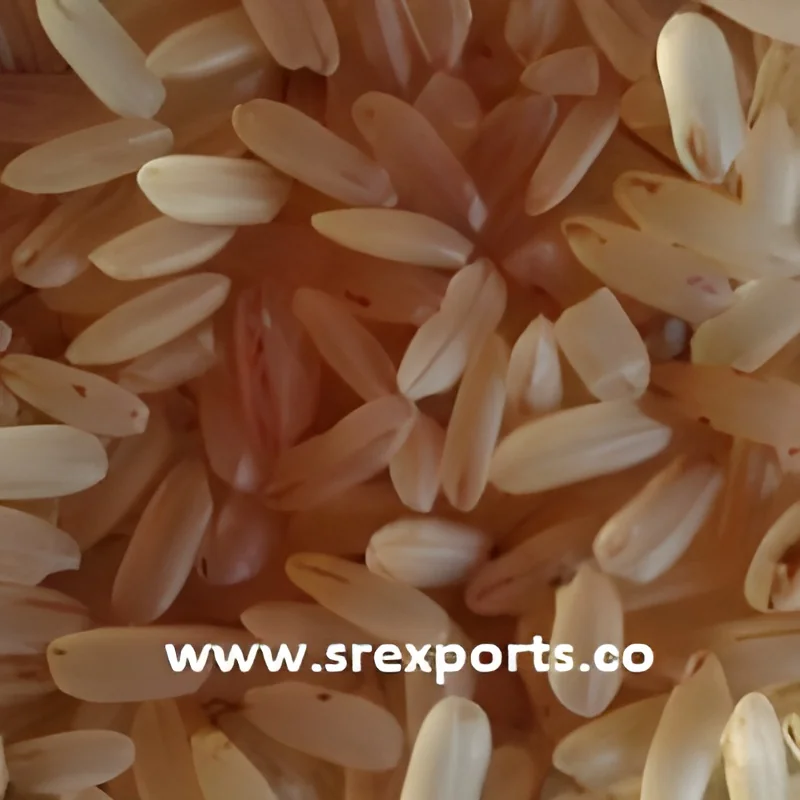
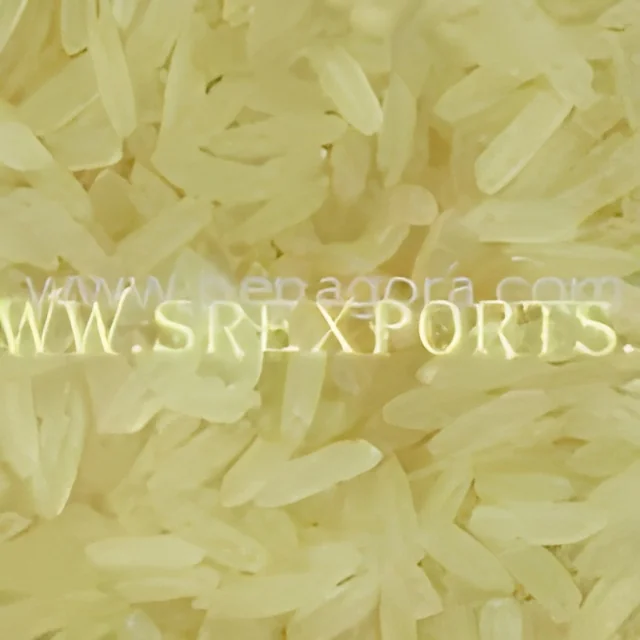
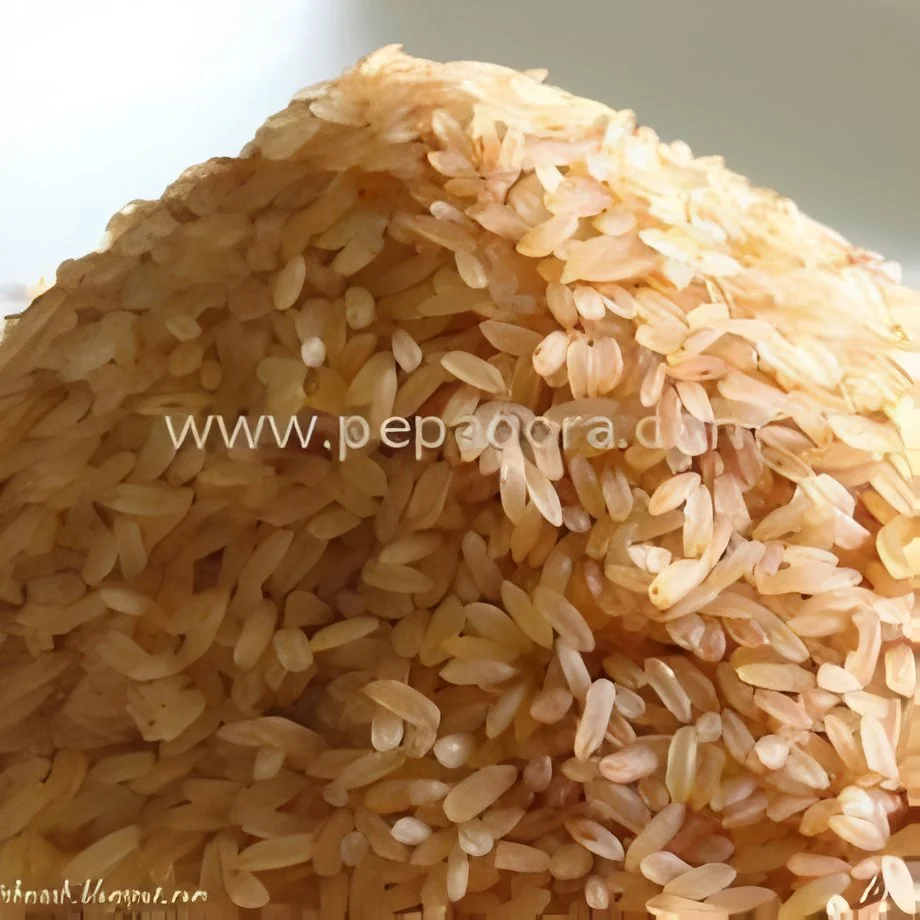
Parboiled rice undergoes a steaming process before milling, retaining more nutrients and providing a firmer texture when cooked. It is often used in restaurants and food service.
Benefits and Advantages
Rice offers numerous benefits that make it a valuable product for businesses.
1. Nutritional Value: Rice is a rich source of carbohydrates, providing energy for various applications.
2. Versatility: It can be used in multiple forms, including whole grains, flours, and oils, catering to diverse industries.
3. Economic Impact: Rice production supports millions of farmers and contributes significantly to economies, especially in developing countries.
4. Long Shelf Life: Properly stored rice can remain fresh for extended periods, making it a reliable staple.
5. Gluten-Free: Rice is naturally gluten-free, making it suitable for consumers with dietary restrictions or gluten intolerance.
6. Adaptability: Rice can thrive in various climates and soils, allowing for production in diverse regions worldwide.
Buying Guide for B2B Buyers
When sourcing rice for business needs, several factors should be considered to ensure quality and reliability.
1. Quality Assessment: Buyers should evaluate the quality of rice based on grain type, moisture content, and the percentage of broken grains. High-quality rice must meet industry standards to ensure customer satisfaction.
2. Supplier Verification: It is crucial to vet suppliers to ensure they have a reliable track record and adhere to quality standards. Checking for certifications and references can help in making informed decisions.
3. Pricing and MOQ: Understanding the price range and minimum order quantities (MOQs) is essential. Buyers should negotiate pricing based on volume and establish long-term supplier relationships.
4. Delivery and Lead Times: Assessing logistics and lead times is necessary for planning inventory and ensuring timely product availability. Clear communication with suppliers can prevent delays.
5. Compliance Requirements: Buyers must be aware of local and international regulations governing rice sales, including food safety standards and import/export requirements.
Compliance and Certifications
Compliance with quality standards and certifications is critical in the rice industry.
ISO 9001 is a well-known quality management standard that ensures consistent quality in production and service delivery. Adhering to this standard can enhance customer trust.
HACCP (Hazard Analysis Critical Control Point) outlines systematic preventive approaches to food safety, ensuring that rice is produced and handled safely throughout the supply chain.
GDP (Good Distribution Practice) ensures that products are consistently stored, transported, and distributed in a manner that maintains their quality and safety.
CE certification indicates that the rice meets European health, safety, and environmental protection standards, which can facilitate market access in Europe.
Regional compliance considerations may vary, requiring businesses to stay informed about specific regulations in their operational areas to ensure the safe and legal distribution of rice products.
Why Source Rice from Pepagora?
Pepagora is a trusted platform for sourcing rice, offering several key advantages that benefit B2B buyers.
Verified Supplier Network: Pepagora connects businesses with a network of verified suppliers, ensuring that buyers can trust the quality and reliability of the rice sourced through the platform. This network fosters transparency and accountability in transactions.
Streamlined RFQ Process: The platform simplifies the request for quotation (RFQ) process, allowing buyers to easily compare prices and specifications from multiple suppliers. This efficiency helps businesses make informed purchasing decisions quickly.
Trade Assurance and Support: Pepagora provides trade assurance to buyers, protecting their investments and ensuring that suppliers meet their commitments. Customer support is available to assist with any inquiries or issues that may arise during the sourcing process.
Regional Coverage: With a comprehensive reach across India, the GCC, and Southeast Asia, Pepagora ensures that buyers have access to a diverse range of rice products tailored to their regional markets. This geographic coverage enhances sourcing flexibility and opportunities for businesses looking to expand their offerings.





Frequently Asked Questions
What are Rice?
Rice is a staple food grain that is cultivated and consumed globally. It is primarily grown in flooded fields and is a key source of carbohydrates for a significant portion of the world's population.
What are the different types of Rice?
There are several types of rice, including white rice, brown rice, basmati rice, jasmine rice, and arborio rice, among others. Each type has distinct characteristics in terms of flavor, texture, and cooking properties.
How do I choose the right Rice?
Choosing the right rice depends on the intended use, such as cooking methods and dishes. Consider factors like grain length, aroma, and nutritional content to ensure the rice meets your culinary needs.
What are the standard specifications for Rice?
Standard specifications for rice typically include moisture content, broken grain percentage, and the presence of impurities. These specifications ensure that the rice is of good quality and suitable for consumption.
What is the price range for Rice?
The price of rice can vary widely based on factors such as type, quality, and market demand. Generally, prices can range from ₹30 to ₹120 per kilogram, depending on these variables.
What quality standards apply to Rice?
Quality standards for rice often include compliance with food safety regulations and grading based on factors like color, size, and purity. The Food Safety and Standards Authority of India (FSSAI) sets specific guidelines that suppliers must follow.
Where can I find Rice suppliers in India?
You can find rice suppliers in India through various channels, including online B2B marketplaces like Pepagora.com, agricultural trade shows, and local wholesale markets. These platforms help connect buyers with reputable manufacturers and suppliers.
Can Rice be customized?
Yes, rice can be customized in terms of packaging, branding, and specific grain types based on buyer requirements. Suppliers may offer options for bulk orders or specific blends to meet customer preferences.
What is the typical minimum order quantity for Rice?
The typical minimum order quantity (MOQ) for rice can vary by supplier but often ranges from 1 ton to 5 tons. It is advisable to check with individual suppliers for their specific MOQ requirements.
What is the typical lead time for Rice?
The typical lead time for rice orders can vary based on the supplier and the order size, usually ranging from 1 to 4 weeks. Factors such as availability and logistics can also influence delivery times.
Why Businesses Trust Pepagora
Thousands of companies trust Pepagora to source smarter and sell faster
Expand Your Sales Globally

Source Smarter,Grow Faster
