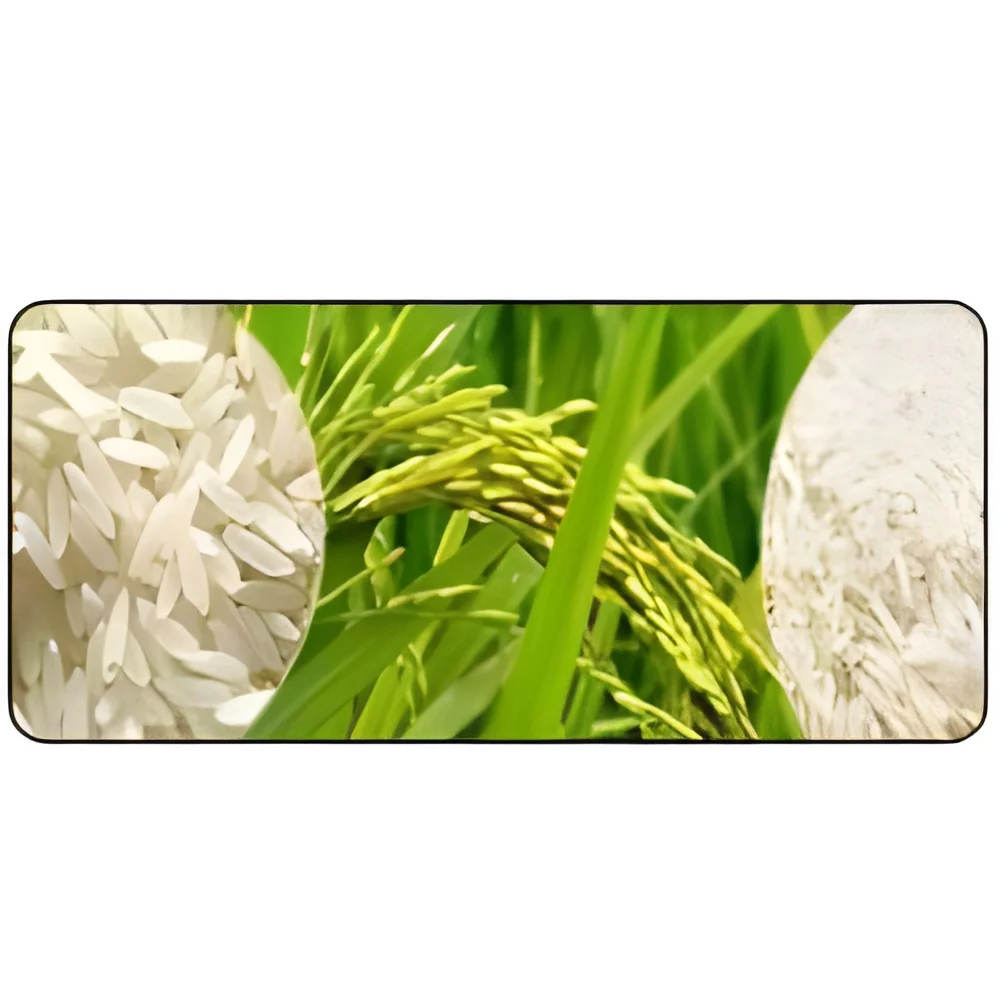
What are Black Rice?
Black rice, often referred to as forbidden rice, is a type of whole grain rice that is distinguished by its dark color and rich nutritional profile. It is known for its high levels of antioxidants, particularly anthocyanins, which give it its characteristic hue. This ancient grain has been cultivated in Asia for centuries and is gaining popularity due to its health benefits and unique flavor profile.
In the business context, black rice is used in various culinary applications, from gourmet restaurants to health food products. It is becoming a staple ingredient in gluten-free diets and health-conscious recipes. Additionally, its appealing color makes it an attractive option for food presentation, adding a visually striking element to dishes. The rising consumer awareness regarding nutrition and wellness trends is further propelling the demand for black rice in the market.
The relevance of black rice in the industry is growing as it aligns with the increasing consumer preference for whole grains and natural food products. As the market for organic and health-oriented foods expands, black rice is well-positioned to meet these consumer demands, making it an essential product for food manufacturers and distributors.
Key Features and Specifications
Black rice is characterized by several key features that enhance its appeal to B2B buyers. Its nutritional profile, culinary versatility, and unique taste are just a few aspects that make it a sought-after ingredient in various sectors.
Key specifications include:
1. Nutritional Content
- High in antioxidants, particularly anthocyanins
- Contains essential nutrients such as iron, fiber, and protein
2. Grain Type
- Whole grain with unpolished outer layer
- Retains natural nutrients compared to white rice
3. Cooking Time
- Requires approximately 30-45 minutes to cook
- Absorbs flavors well during preparation
4. Shelf Life
- Typically lasts 1-2 years when stored in a cool, dry place
- Requires proper packaging to maintain freshness
5. Color and Appearance
- Dark purple to black kernels
- Soft texture when cooked
6. Taste Profile
- Nutty and slightly sweet flavor
- Pairs well with a variety of dishes
7. Non-GMO Status
- Certified non-GMO, appealing to health-conscious consumers
8. Gluten-Free
- Naturally gluten-free, suitable for individuals with gluten sensitivity
In summary, black rice's unique features and specifications make it a valuable ingredient for various applications in the food industry.
Common Applications and Use Cases
Black rice serves diverse industries, showcasing its versatility in various culinary settings.
1. Food Service Industry: Black rice is increasingly used in restaurants for gourmet dishes, salads, and side items, providing a unique taste and visual appeal.
2. Health Food Products: Many health food brands incorporate black rice into snacks, energy bars, and cereals, capitalizing on its nutritional benefits.
3. Organic Food Market: Black rice is a popular choice in the organic food sector, where consumer demand for whole grains and natural products is high.
4. Specialty Grocery Stores: Retailers often stock black rice as a premium product, attracting health-conscious consumers looking for nutritious alternatives.
5. Meal Kits and Prepared Foods: Black rice is featured in meal kits and prepared foods, offering convenience while maintaining a focus on health and wellness.
6. Gluten-Free Products: The gluten-free market has embraced black rice as a nutritious grain option for various products, catering to individuals with dietary restrictions.
7. Ethnic Cuisine: Black rice is often used in Asian dishes, showcasing its cultural significance and culinary versatility.
Product Variants and Subcategories
Black rice, while predominantly known for its unique characteristics, can be found in a few variants that cater to different consumer needs.
Organic Black Rice: This variant is grown without synthetic fertilizers or pesticides, appealing to environmentally conscious buyers. It retains all the nutritional benefits of conventional black rice while ensuring sustainable farming practices.
Sticky Black Rice: Also known as sweet black rice, this variant is commonly used in desserts and traditional dishes. It has a higher starch content, providing a chewy texture that is ideal for sweet recipes.
Wild Black Rice: Although not a true rice, wild rice is often categorized alongside black rice due to its similar appearance. It has a nutty flavor and is typically used in salads and side dishes.
Benefits and Advantages
Black rice offers numerous advantages that make it an attractive choice for businesses and consumers alike.
Key benefits include:
1. Nutritional Superiority: Black rice is rich in antioxidants, vitamins, and minerals, making it a healthy choice for consumers.
2. Culinary Versatility: Its unique flavor and texture allow for various culinary applications, from savory dishes to desserts.
3. Visual Appeal: The striking color of black rice enhances the presentation of meals, making it a favorite among chefs and food enthusiasts.
4. Gluten-Free Option: Being naturally gluten-free, black rice is suitable for individuals with gluten intolerance, expanding its market reach.
5. Sustainable Choice: Many black rice varieties are grown using sustainable farming practices, appealing to environmentally conscious consumers.
6. Growing Market Demand: As health trends evolve, the demand for black rice continues to rise, presenting opportunities for suppliers.
Buying Guide for B2B Buyers
When sourcing black rice, buyers should consider several important factors to ensure they make informed decisions.
1. Quality Assessment: Evaluate the nutritional content, color, and grain consistency of black rice. Look for suppliers who can provide samples and detailed specifications.
2. Supplier Verification: Ensure that suppliers are reputable and have a track record of quality. Check for certifications and customer reviews to assess their reliability.
3. Pricing and MOQ: Understand the pricing structure and minimum order quantities (MOQ) required by suppliers. This can vary significantly based on quality and sourcing methods.
4. Delivery and Lead Times: Discuss logistics and expected lead times with suppliers to ensure timely delivery of black rice to meet production schedules.
5. Compliance Requirements: Be aware of any regulatory requirements for food products in your region. Ensure that the black rice meets necessary safety and quality standards.
Compliance and Certifications
Black rice is subject to several quality standards and certifications that ensure its safety and suitability for consumption.
Relevant quality standards include ISO 9001, which outlines requirements for quality management systems. This standard helps ensure consistent product quality and customer satisfaction.
HACCP (Hazard Analysis Critical Control Point) is another important standard in the food industry. It focuses on food safety and requires suppliers to identify, evaluate, and control potential hazards throughout the production process.
CE certification indicates that the product meets European health, safety, and environmental protection standards. This certification is crucial for products marketed in Europe.
Safety and testing requirements may vary by region, but it is essential for suppliers to comply with local regulations regarding food safety.
Additionally, regional compliance considerations should be taken into account, ensuring that black rice products adhere to specific guidelines in different markets.
Why Source Black Rice from Pepagora?
Pepagora offers a trusted platform for sourcing black rice, providing several key advantages to B2B buyers.
Verified Supplier Network: Pepagora features a network of verified suppliers who meet stringent quality standards. This ensures that buyers can source high-quality black rice with confidence.
Streamlined RFQ Process: The platform's user-friendly request for quotation (RFQ) system allows buyers to easily compare prices and terms from multiple suppliers, facilitating informed purchasing decisions.
Trade Assurance and Support: Pepagora provides trade assurance, protecting buyers from potential risks associated with sourcing. Dedicated support ensures a smooth buying experience.
Regional Coverage: With a strong presence in India, the GCC, and Southeast Asia, Pepagora connects buyers with suppliers across these regions, enhancing access to quality black rice products.

 IN
IN