What are Chickpeas (Kabuli & Desi)?
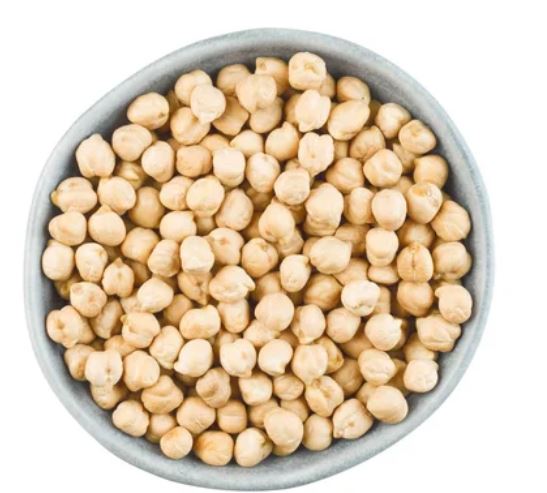
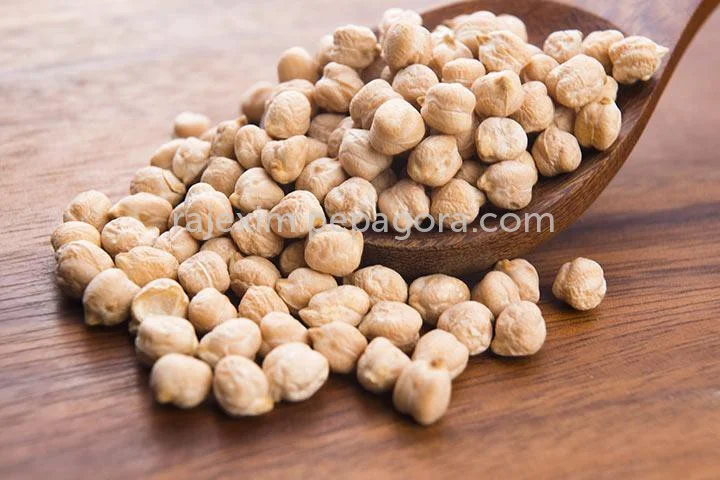
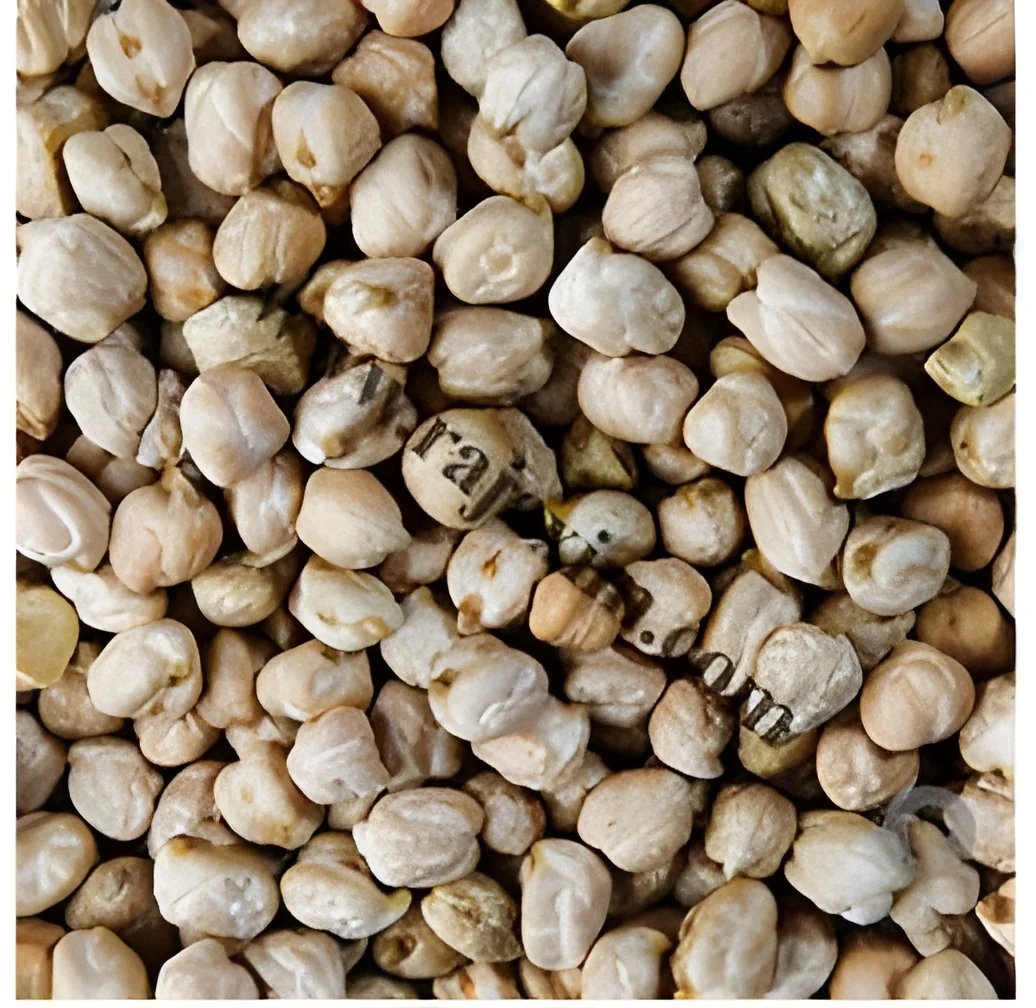
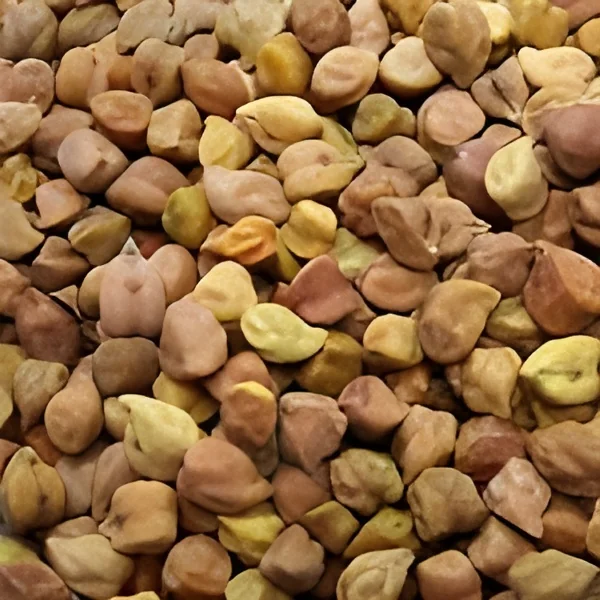
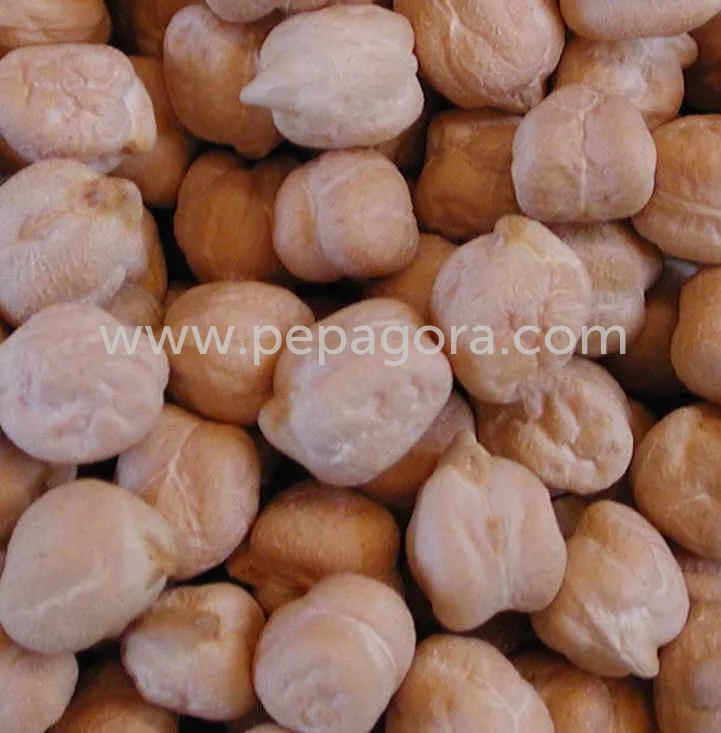
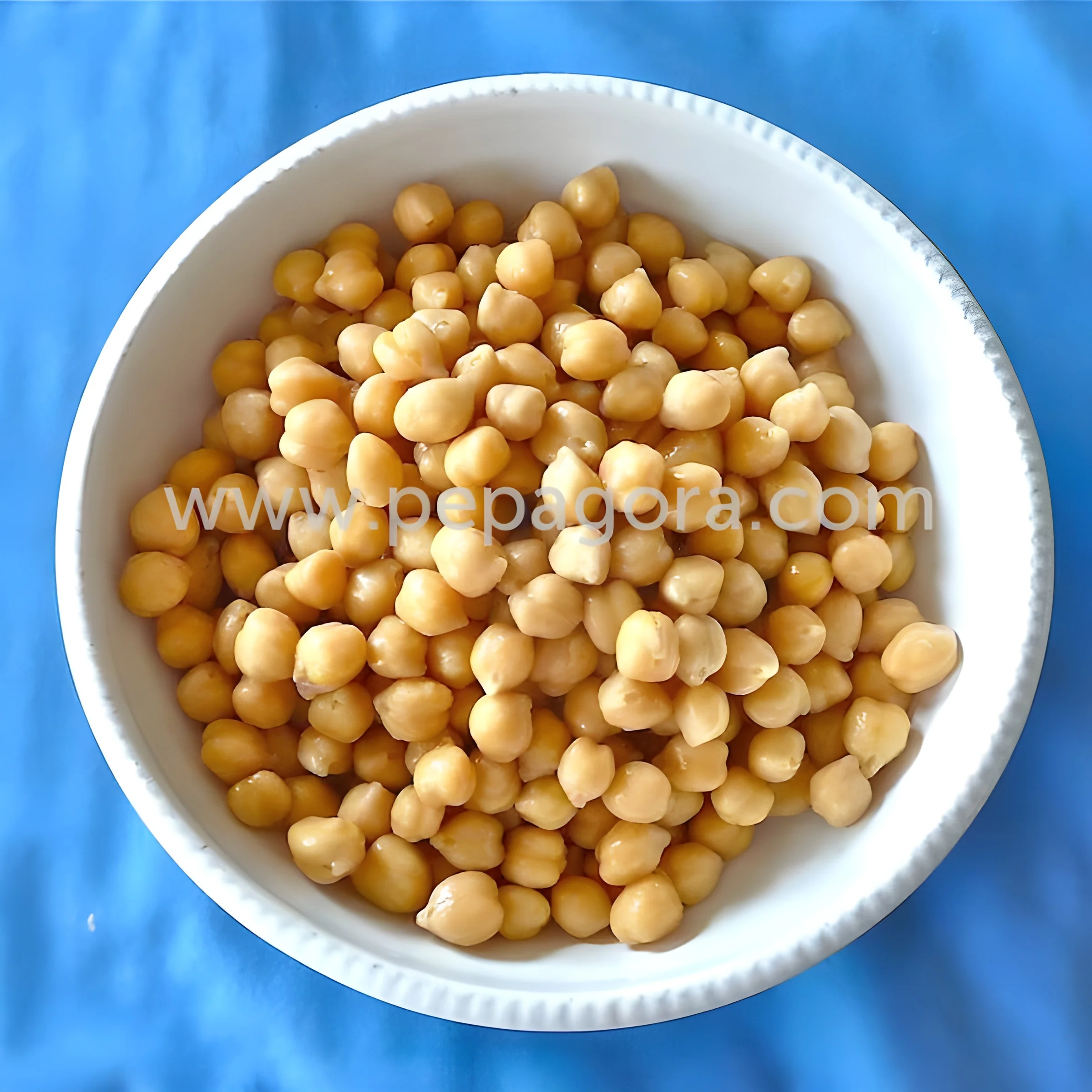
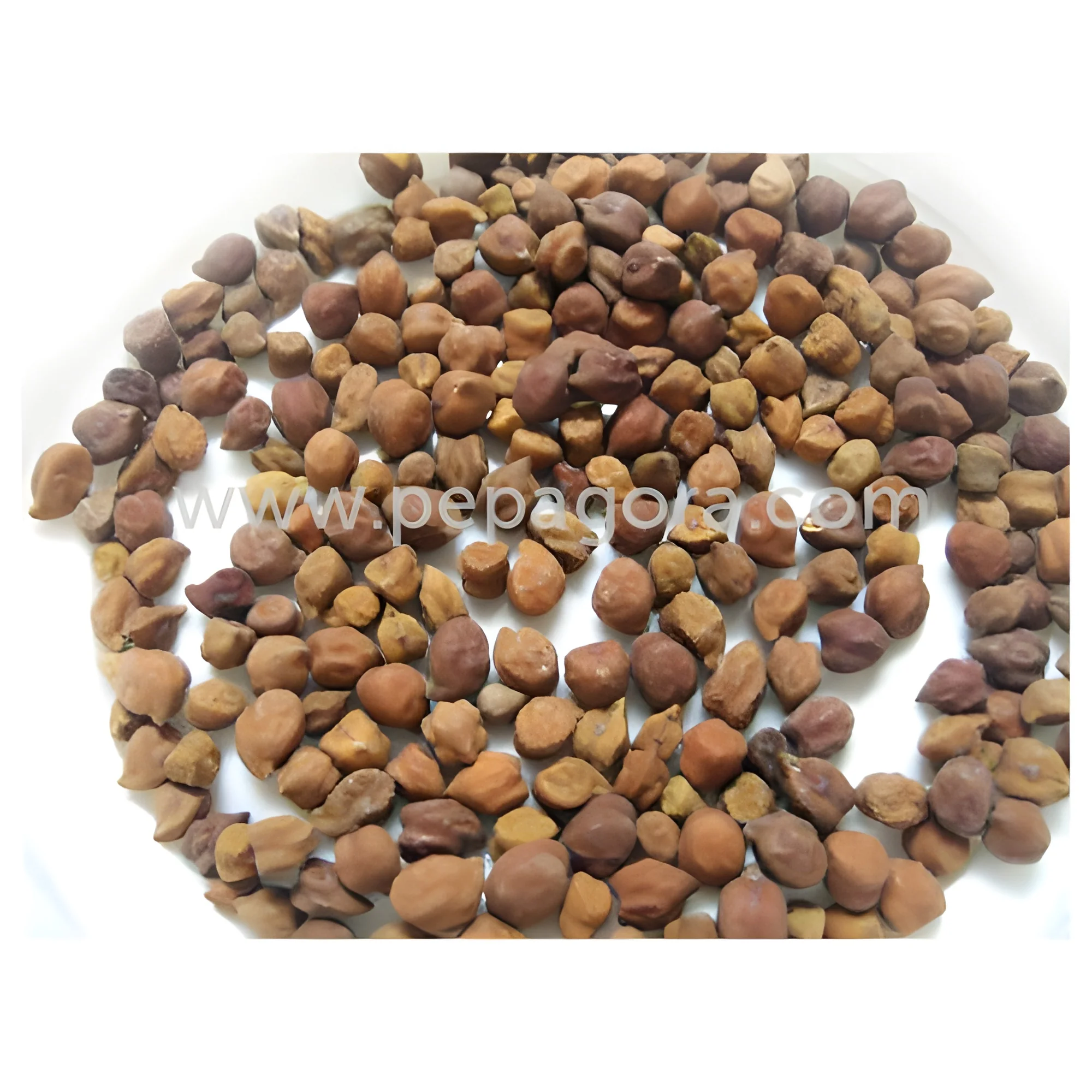
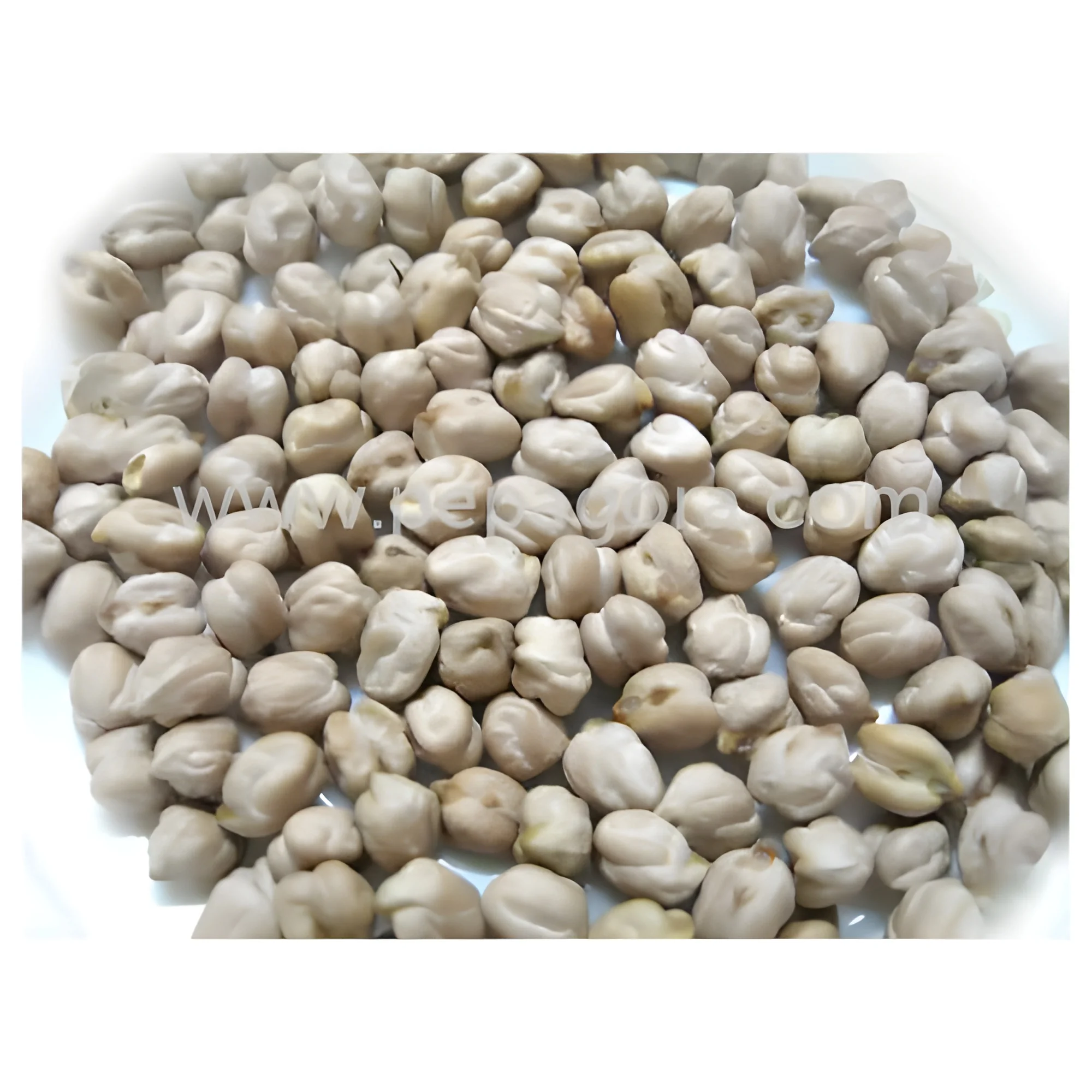
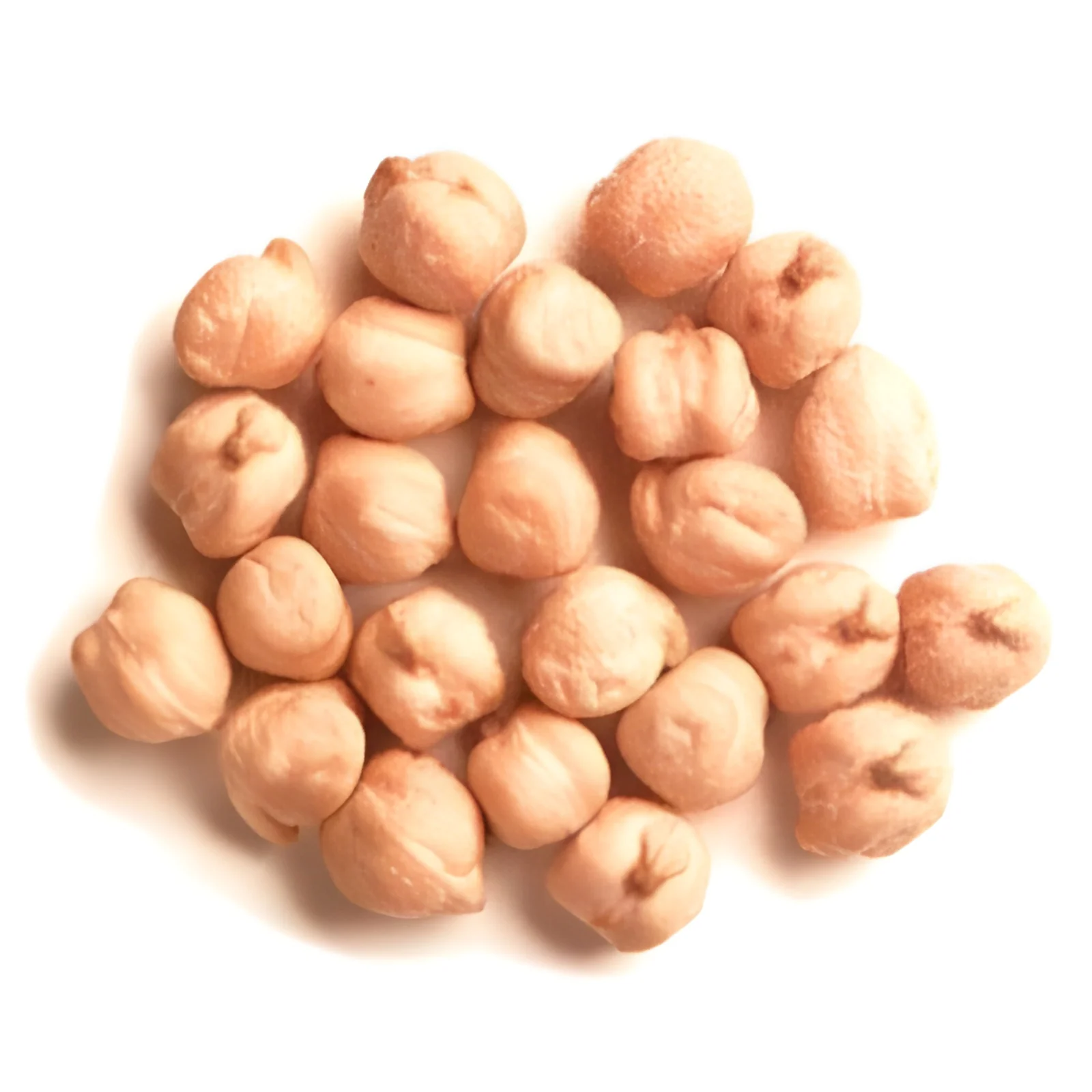
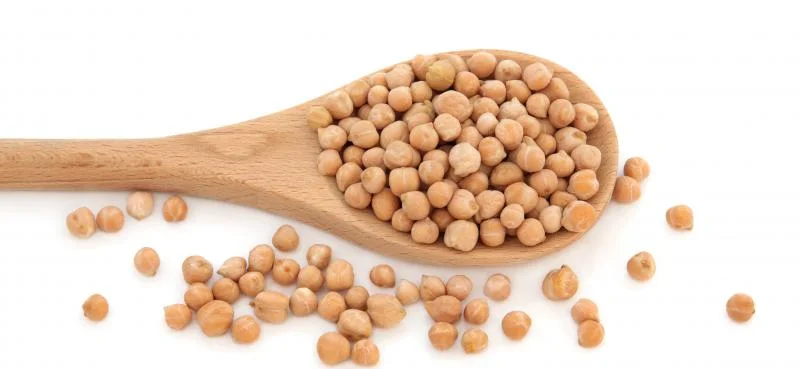
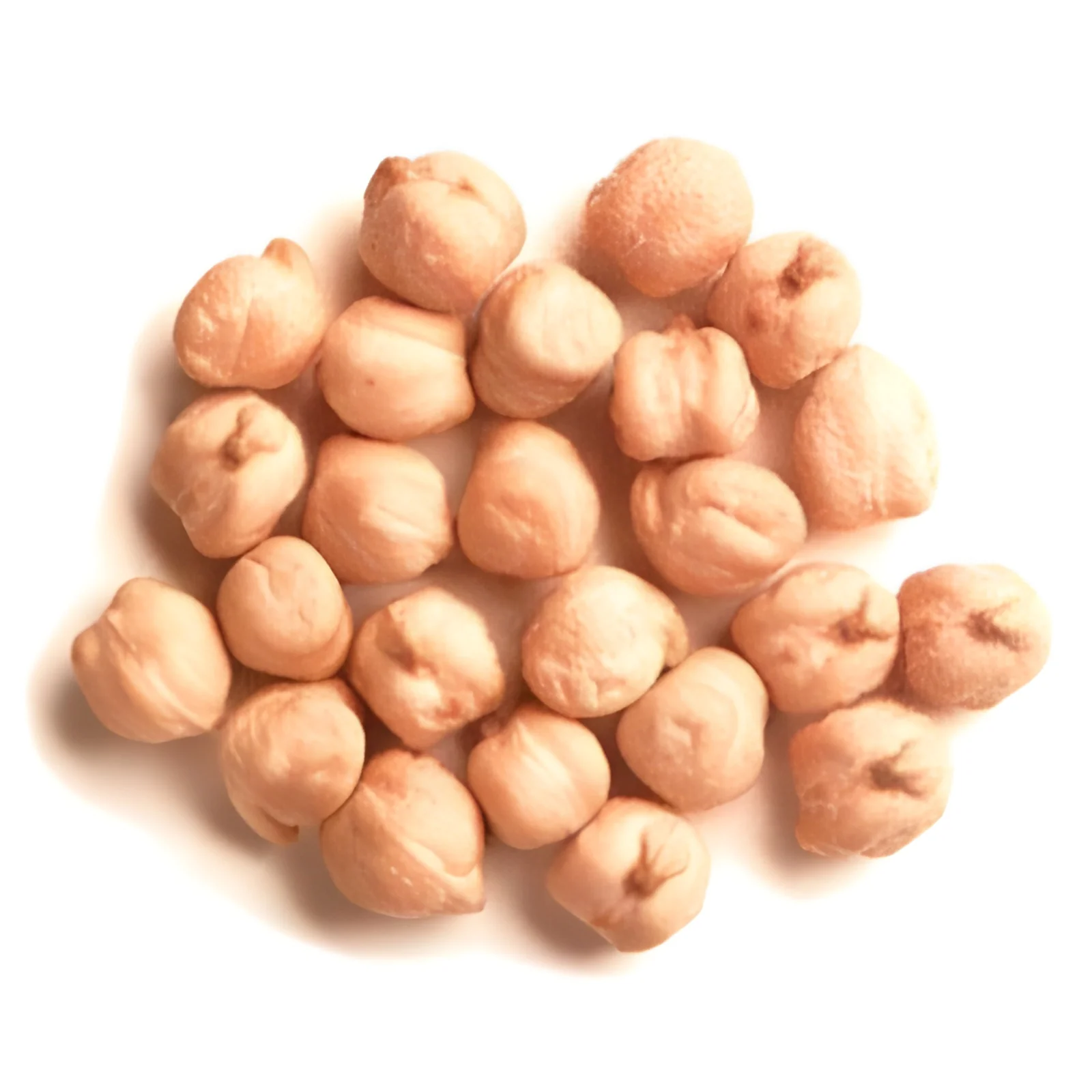
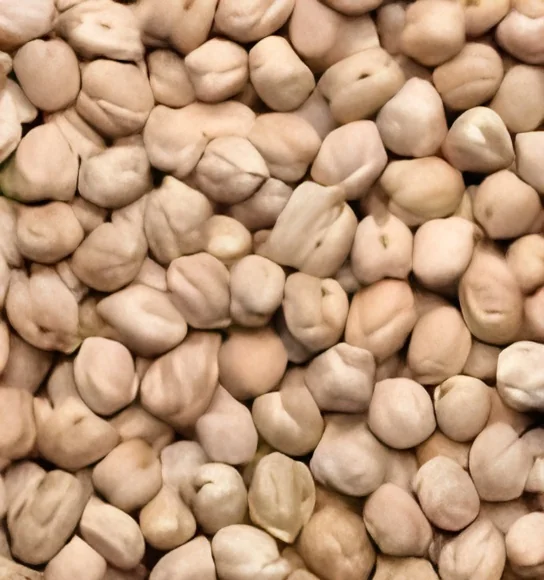
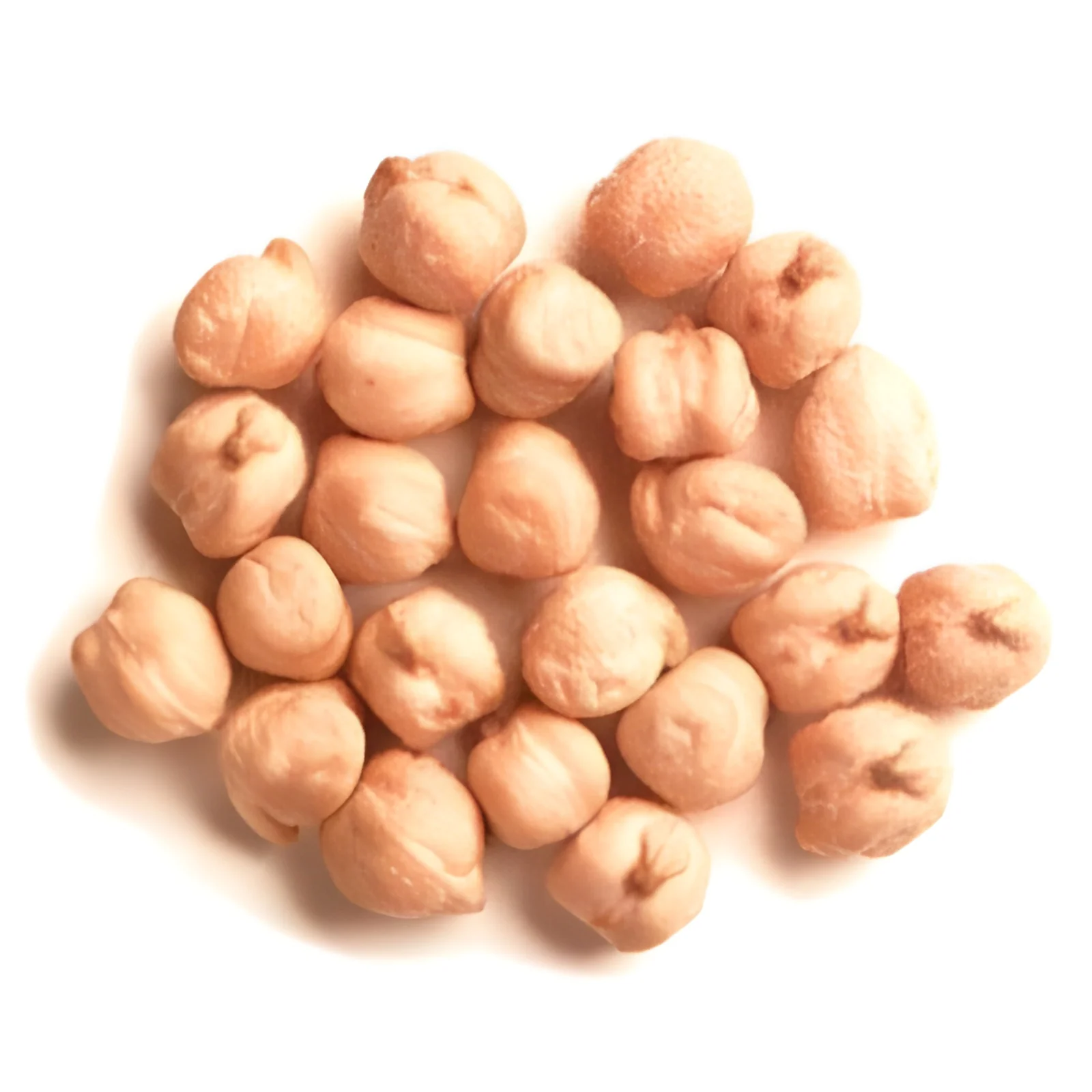
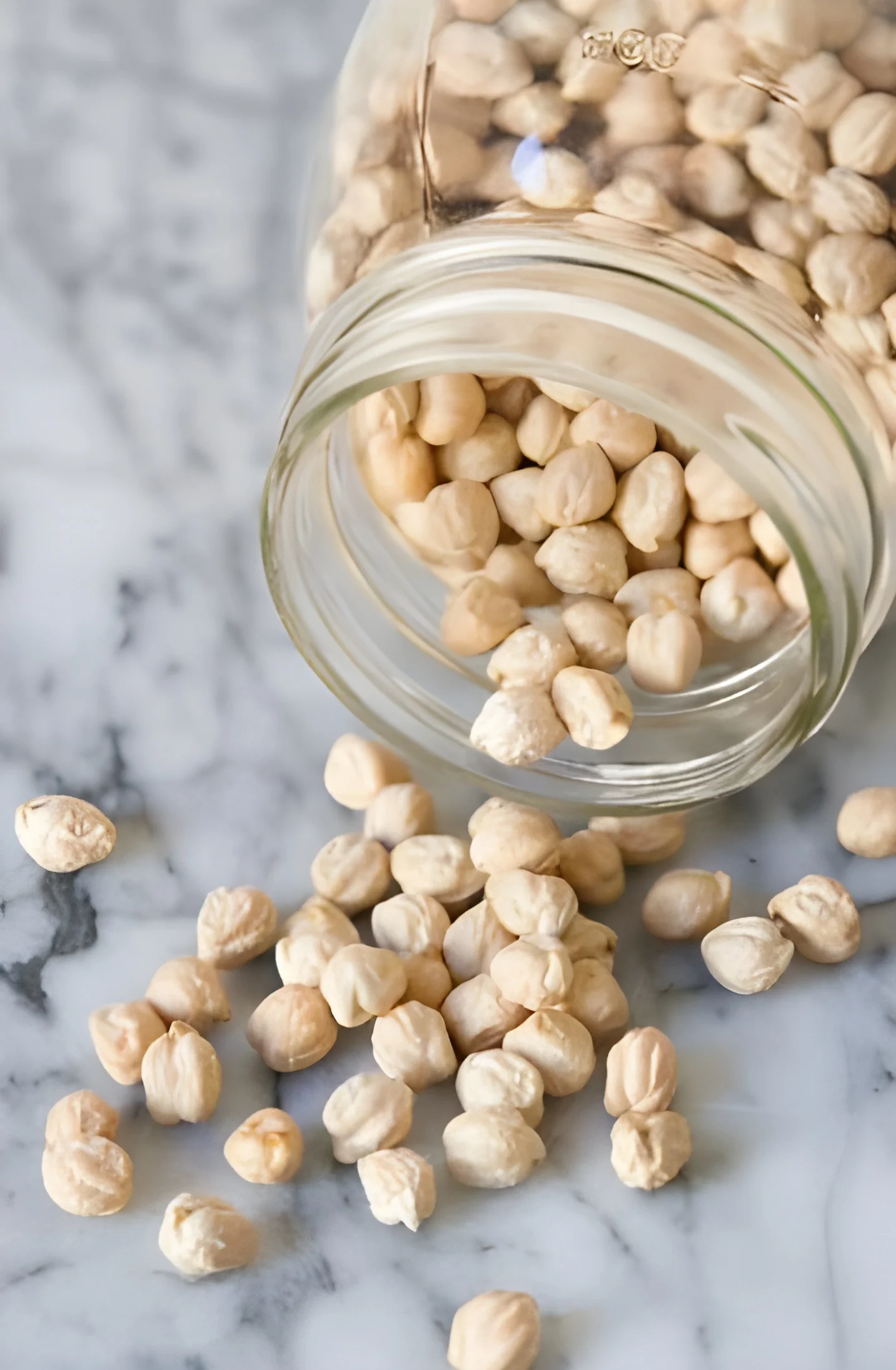
Chickpeas, also known as garbanzo beans, are a type of legume that comes in two main varieties: Kabuli and Desi. Kabuli chickpeas are larger, lighter in color, and have a smooth, shiny appearance. On the other hand, Desi chickpeas are smaller, darker, and have a rough texture. Both varieties are rich in protein, fiber, and essential nutrients, making them a valuable food source in many cultures.
These legumes are widely used in various culinary applications, ranging from salads and soups to hummus and curries. In the B2B sector, chickpeas are essential for food manufacturers, restaurants, and health food companies. Their versatility allows for incorporation in snacks, plant-based protein products, and gluten-free alternatives. The chickpea market continues to grow, driven by increasing health consciousness and trends toward plant-based diets.
𝗞𝗲𝘆 𝗙𝗲𝗮𝘁𝘂𝗿𝗲𝘀 𝗮𝗻𝗱 𝗦𝗽𝗲𝗰𝗶𝗳𝗶𝗰𝗮𝘁𝗶𝗼𝗻𝘀
Chickpeas are known for their nutritional profile and culinary versatility. They are a rich source of protein, dietary fiber, vitamins, and minerals. The following specifications outline the key features of both Kabuli and Desi chickpeas.
Key specifications include:
1. Nutritional Content
- High in protein, approximately 20-25% by weight
- Rich in dietary fiber, around 10-12% by weight
2. Moisture Content
- Ideal moisture levels should be between 10-12%
- Excess moisture can lead to spoilage
3. Color and Appearance
- Kabuli: Light beige to pale yellow, smooth surface
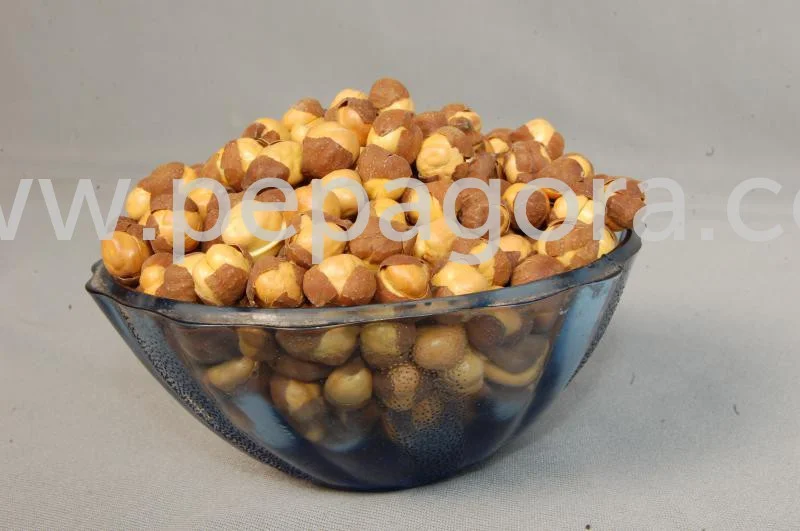
- Desi: Dark brown to black, rough texture
4. Size
- Kabuli: Typically 7-10 mm in diameter
- Desi: Usually 5-7 mm in diameter
5. Packaging
- Available in bulk packaging for large orders
- Retail packaging options for consumer markets
6. Shelf Life
- Dried chickpeas can last up to 2-3 years when stored properly
- Canned chickpeas have a shorter shelf life but offer convenience
In summary, chickpeas are a highly nutritious legume with a variety of specifications that cater to different market needs.
𝗖𝗼𝗺𝗺𝗼𝗻 𝗔𝗽𝗽𝗹𝗶𝗰𝗮𝘁𝗶𝗼𝗻𝘀 𝗮𝗻𝗱 𝗨𝘀𝗲 𝗖𝗮𝘀𝗲𝘀
Chickpeas serve diverse industries due to their nutritional benefits and versatility in food preparation.
1. Food Processing: Used in the production of snacks, plant-based protein products, and pasta.
2. Restaurant Industry: Essential for various dishes, including salads, soups, and hummus.
3. Health Food Sector: Popular in gluten-free and vegan diets, often used in protein bars and supplements.
4. Animal Feed: Chickpeas can be processed into feed for livestock, providing a source of protein.
5. Export Markets: High demand for chickpeas in international markets, particularly in Middle Eastern and Mediterranean cuisine.
6. Organic Farming: Increasing interest in organic chickpea varieties to meet consumer demand for sustainable products.
𝗣𝗿𝗼𝗱𝘂𝗰𝘁 𝗩𝗮𝗿𝗶𝗮𝗻𝘁𝘀 𝗮𝗻𝗱 𝗦𝘂𝗯𝗰𝗮𝘁𝗲𝗴𝗼𝗿𝗶𝗲𝘀
Chickpeas come in various forms, allowing businesses to choose the best fit for their needs.
Kabuli Chickpeas
These larger chickpeas are popular for their mild flavor and creamy texture. They are often used in salads, stews, and hummus, making them a staple in Mediterranean and Middle Eastern cuisines.
Desi Chickpeas
Smaller and darker, Desi chickpeas have a nuttier taste and firmer texture. They are commonly used in Indian dishes such as curries and are essential for making traditional snacks like chole and besan.
𝗕𝗲𝗻𝗲𝗳𝗶𝘁𝘀 𝗮𝗻𝗱 𝗔𝗱𝘃𝗮𝗻𝘁𝗮𝗴𝗲𝘀
Chickpeas offer numerous benefits that make them a valuable addition to any food portfolio.
1. Nutritional Value: High in protein and fiber, chickpeas contribute to a balanced diet and promote health.
2. Versatility: Suitable for a wide range of dishes, appealing to diverse culinary traditions.
3. Plant-Based Protein Source: Ideal for vegetarian and vegan diets, helping to meet protein needs without animal products.
4. Gluten-Free: A great alternative for those with gluten sensitivities, making them suitable for a broad market.
5. Sustainable Crop: Chickpeas require less water than many other crops, making them an environmentally friendly choice.
6. Cost-Effective: Generally affordable, providing good value for businesses looking to incorporate legumes into their products.
𝗕𝘂𝘆𝗶𝗻𝗴 𝗚𝘂𝗶𝗱𝗲 𝗳𝗼𝗿 𝗕𝟮𝗕 𝗕𝘂𝘆𝗲𝗿𝘀
When sourcing Chickpeas (Kabuli & Desi), it is crucial to consider several key factors to ensure quality and reliability.
1. Quality Assessment: Look for chickpeas that meet specific nutritional standards and have a low moisture content to prevent spoilage.
2. Supplier Verification: Vet suppliers by checking certifications and customer reviews to ensure they meet industry standards.
3. Pricing and MOQ: Understand the pricing structure and minimum order quantities to align with budget and storage capabilities.
4. Delivery and Lead Times: Discuss logistics with suppliers to ensure timely delivery that meets production schedules.
5. Compliance Requirements: Be aware of food safety regulations and certifications required for importing and selling chickpeas in your region.
𝗖𝗼𝗺𝗽𝗹𝗶𝗮𝗻𝗰𝗲 𝗮𝗻𝗱 𝗖𝗲𝗿𝘁𝗶𝗳𝗶𝗰𝗮𝘁𝗶𝗼𝗻𝘀
Chickpeas must adhere to various quality standards and certifications to ensure safety and reliability in the market.
ISO 9001 is a quality management standard that applies to the processing and handling of chickpeas, ensuring consistency and quality across production.
HACCP (Hazard Analysis and Critical Control Points) focuses on food safety, identifying potential hazards in the production process to maintain safe products.
UL and CE certifications signify that the products meet safety and performance standards, which is crucial for consumer trust.
Additionally, businesses should be aware of regional compliance requirements that vary by country and market, ensuring that all imported and exported chickpeas meet local regulations.
Why Source Chickpeas (Kabuli & Desi) from Pepagora?
Pepagora provides a trusted platform for sourcing Chickpeas (Kabuli & Desi) with several key advantages.
Verified Supplier Network: Pepagora connects buyers with a network of verified suppliers, ensuring high-quality products and reliable service.
Streamlined RFQ Process: The platform offers an easy-to-use Request for Quotation system, allowing buyers to compare offers and select the best options for their needs.
Trade Assurance and Support: Buyers receive protection through trade assurance programs, providing peace of mind when making purchases.
Regional Coverage: With a wide reach across India, the GCC, and Southeast Asia, Pepagora ensures that businesses can easily source chickpeas no matter their location.
Overall, sourcing from Pepagora enhances the purchasing experience for businesses looking for quality chickpeas while providing essential support throughout the process.