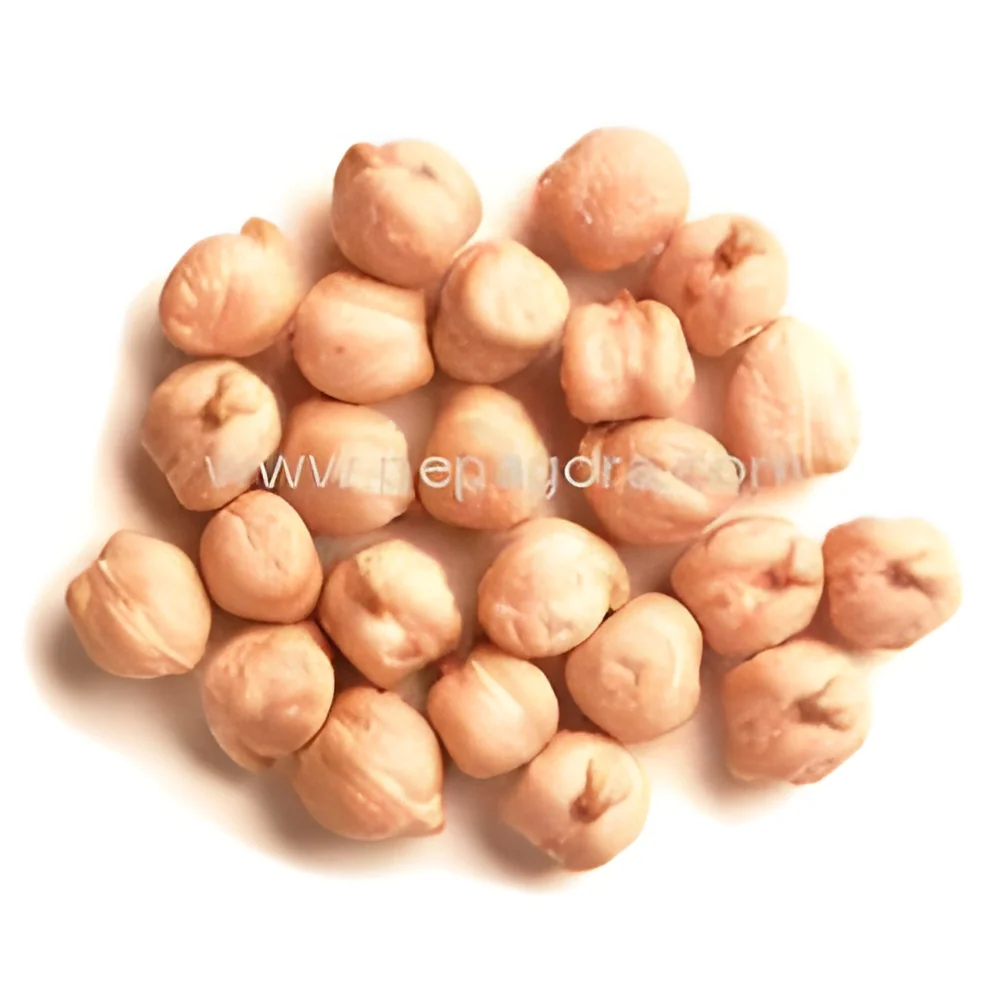
What are Organic Grains & Pulses?
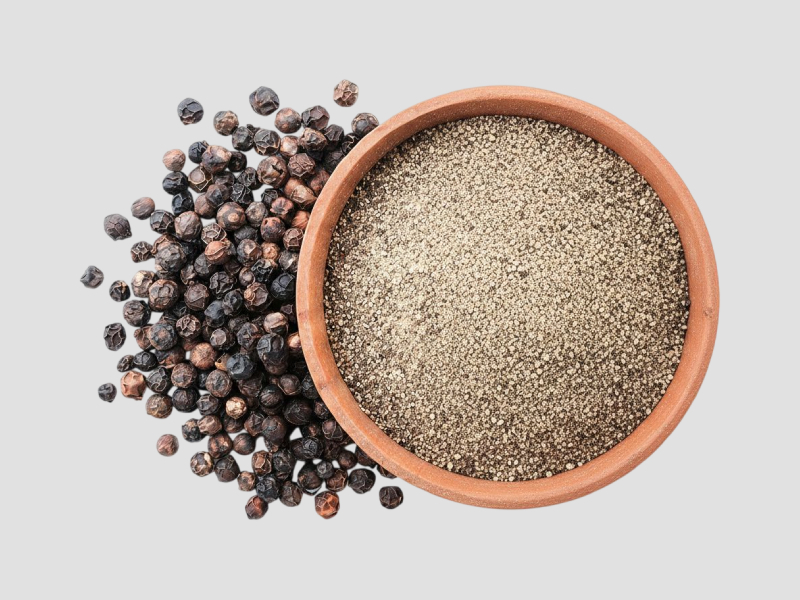
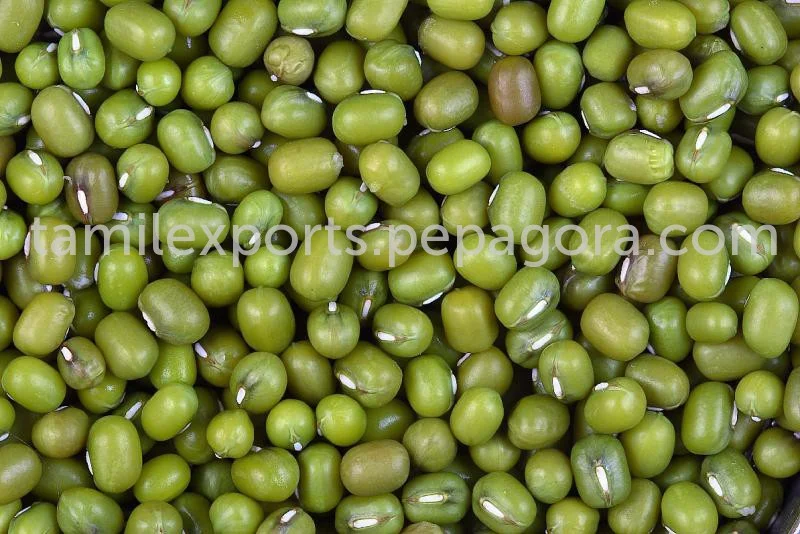
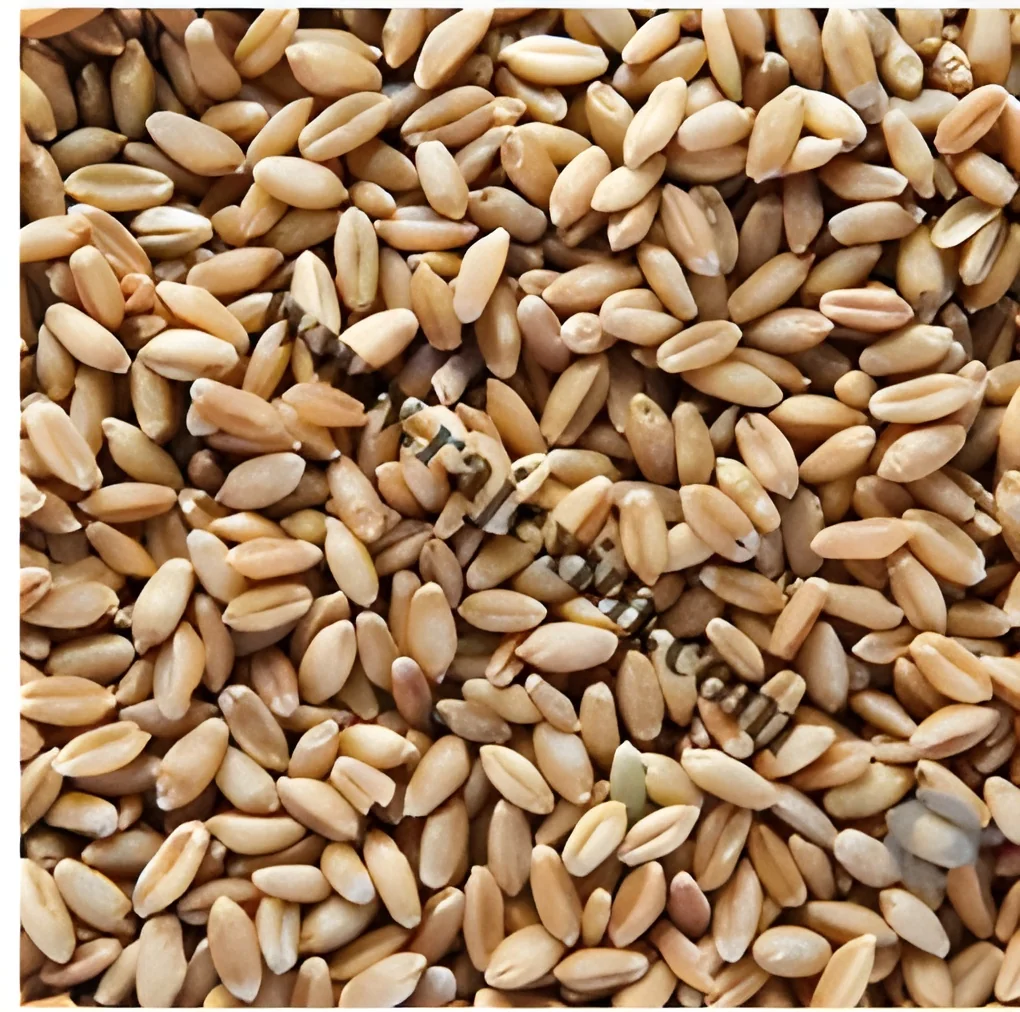
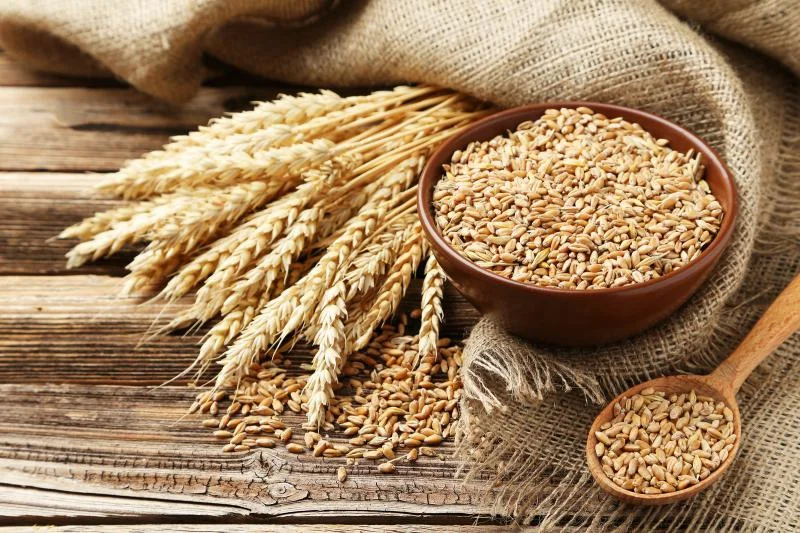
Organic grains and pulses are agricultural products cultivated without synthetic pesticides, fertilizers, or genetically modified organisms. These products include a variety of grains such as wheat, rice, barley, and oats, as well as pulses like lentils, chickpeas, and beans. The organic farming practices used not only promote environmental sustainability but also enhance the nutritional quality of these foods, making them increasingly popular among health-conscious consumers and businesses alike.
In the business landscape, organic grains and pulses serve multiple applications across various industries. They are essential ingredients in food manufacturing, health food sectors, and even in animal feed. As consumer demand for organic products rises, businesses are increasingly integrating these ingredients into their product lines to cater to a more health-oriented market. The organic grains and pulses sector is witnessing substantial growth due to heightened awareness about health benefits and sustainable farming practices, making it a vital market for suppliers and manufacturers.
Key Features and Specifications
Organic grains and pulses come with a range of key features and specifications that enhance their appeal in the marketplace. These specifications ensure that businesses receive high-quality products that meet their specific needs.
Key specifications include:
1. Quality Standards
- Must meet organic certification requirements
- Adhere to relevant industry regulations
2. Nutritional Content
- High in fiber, protein, and essential vitamins
- Low in saturated fats
3. Shelf Life
- Typically ranges from 6 months to 2 years, depending on the product
- Proper storage conditions can extend shelf life
4. Packaging Options
- Available in bulk, retail, and custom packaging
- Options for eco-friendly packaging materials
5. Traceability
- Ability to track the origin of grains and pulses
- Ensures transparency in the supply chain
6. Allergen Information
- Clearly labeled for common allergens
- Important for consumer safety
7. Moisture Content
- Controlled moisture levels to prevent spoilage
- Typically between 10-14% for optimal storage
8. Certification Bodies
- Certification by recognized bodies such as USDA Organic, EU Organic
- Ensures compliance with organic standards
In summary, understanding the key features and specifications of organic grains and pulses is crucial for businesses looking to source high-quality ingredients that meet regulatory and consumer demands.
Common Applications and Use Cases
Organic grains and pulses have diverse applications across various industries.
1. Food Manufacturing: These ingredients are used in the production of snacks, cereals, and baked goods, providing healthier alternatives to conventional products.
2. Health Food Sector: Organic grains and pulses are staples in health-focused products such as protein bars, meal replacements, and gluten-free options.
3. Animal Feed: These organic ingredients are also utilized in animal feed, promoting healthier livestock and sustainable farming practices.
4. Restaurant and Catering: Many restaurants are incorporating organic grains and pulses into their menus to attract health-conscious diners.
5. Beverage Industry: Organic grains are used in brewing and distilling processes, contributing to the production of organic beers and spirits.
6. Nutraceuticals: These ingredients are increasingly found in dietary supplements due to their health benefits.
7. Organic Baby Food: Many baby food brands are opting for organic grains and pulses to ensure safe and nutritious options for infants.
Product Variants and Subcategories
Organic grains and pulses come in various forms and types, catering to different consumer needs and industry requirements.
Whole Grains
Whole grains retain their bran and germ, providing maximum nutritional benefits. They are commonly used in baking and cooking, offering fiber-rich options.
Processed Grains
These include flours, oats, and other forms that have been milled or otherwise processed. They are ideal for manufacturers looking for specific textures and cooking properties.
Legumes
This variant includes a variety of pulses such as lentils, peas, and beans. They are versatile and can be used in salads, soups, and as meat substitutes.
Dried Pulses
Dried versions of pulses have a longer shelf life and are perfect for bulk purchases. They are commonly used in food manufacturing and meal preparation.
Benefits and Advantages
The benefits of sourcing organic grains and pulses extend beyond mere nutrition.
1. Health Benefits: Organic grains and pulses are rich in nutrients, providing essential vitamins and minerals that promote overall health.
2. Environmental Sustainability: Sourcing organic products supports environmentally friendly farming practices that reduce chemical usage and promote biodiversity.
3. Consumer Demand: As consumer preferences shift towards healthier options, businesses can capitalize on this trend by offering organic grains and pulses.
4. Versatility: These ingredients can be used in a wide range of applications, making them suitable for various industries.
5. Quality Assurance: Organic certifications ensure that the products are of high quality and meet industry standards.
6. Flavor Profile: Organic grains and pulses often have a more robust flavor compared to their conventional counterparts, enhancing the overall taste of dishes.
Buying Guide for B2B Buyers
When sourcing organic grains and pulses, businesses should keep several factors in mind to ensure they make informed purchasing decisions.
1. Quality Assessment: Evaluate the quality of grains and pulses by checking for organic certifications and conducting sensory evaluations.
2. Supplier Verification: Vet suppliers by reviewing their certifications, customer reviews, and their ability to meet your specific requirements.
3. Pricing and MOQ: Understand the pricing structure and minimum order quantities to ensure that they fit within your budget and needs.
4. Delivery and Lead Times: Assess delivery options and lead times to ensure timely availability of products for your operations.
5. Compliance Requirements: Be aware of regulatory requirements and certifications that may apply to your products, ensuring they meet local and international standards.
Compliance and Certifications
Compliance and certifications are critical components in the sourcing of organic grains and pulses. Relevant quality standards such as ISO 9001 and HACCP ensure that products meet safety and quality benchmarks throughout the supply chain. These standards help businesses maintain consistency and reliability in their offerings.
Industry certifications such as UL and CE signify that the products have been tested for safety and effectiveness. These certifications provide an added layer of assurance for B2B buyers and end consumers alike.
Additionally, safety and testing requirements must be adhered to in order to ensure that products are free from contaminants and meet health regulations. Regional compliance considerations are also vital, as different markets may have specific standards that must be met for organic labeling.
Why Source Organic Grains & Pulses from Pepagora?
Pepagora offers a trusted platform for sourcing organic grains and pulses, providing several key advantages for B2B buyers.
Verified Supplier Network: Pepagora maintains a network of verified suppliers who meet stringent quality standards. This ensures that businesses can source reliable products with confidence.
Streamlined RFQ Process: The platform features a user-friendly RFQ process, allowing buyers to request quotes easily, compare options, and make informed purchasing decisions.
Trade Assurance and Support: Pepagora prioritizes buyer protection, offering trade assurance programs that safeguard transactions and enhance trust between buyers and suppliers.
Regional Coverage: With a focus on regions like India, GCC, and Southeast Asia, Pepagora provides extensive coverage, making it easier for businesses to find local suppliers and meet their organic sourcing needs.

 IN
IN