What are Barley?
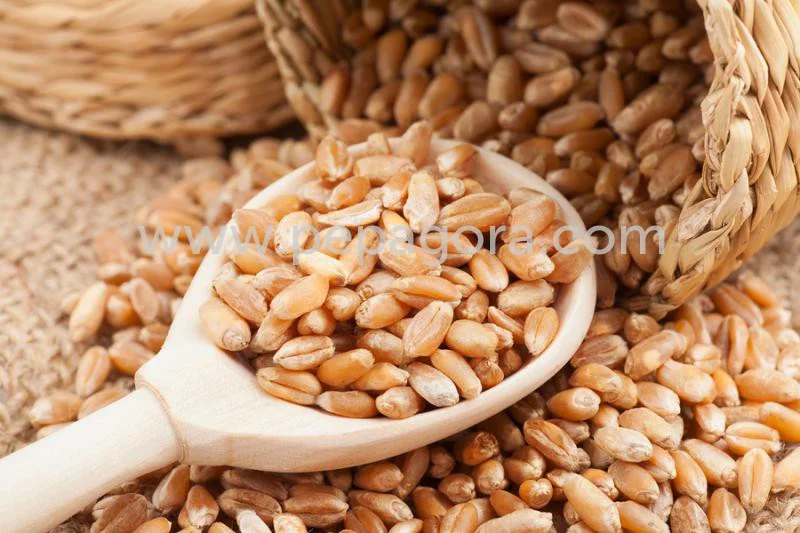
Barley is a versatile cereal grain that belongs to the grass family, primarily cultivated for its seeds. It is one of the oldest cultivated grains, dating back thousands of years, and is known for its resilience in various climates. Barley grains can be processed in multiple ways, making them suitable for consumption, animal feed, or industrial uses. The grain is characterized by its high nutritional content, including fiber, vitamins, and minerals, which contributes to its popularity in both human and animal diets.
In the business context, barley serves several key applications. It is widely used in the food industry for producing flour, cereals, and health supplements. Additionally, barley is a crucial ingredient in the brewing industry, where it is malted to produce beer. Its fibrous content also makes it valuable in the production of animal feed, providing essential nutrients for livestock. The global barley market has shown resilience, driven by the increasing demand for healthy food products and the growing brewing industry.
Key Features and Specifications
Barley is distinguished by several important features that cater to various industrial needs. When selecting barley, it is essential to consider its specifications to ensure it meets the intended application requirements.
Key specifications include:
1. Grain Type
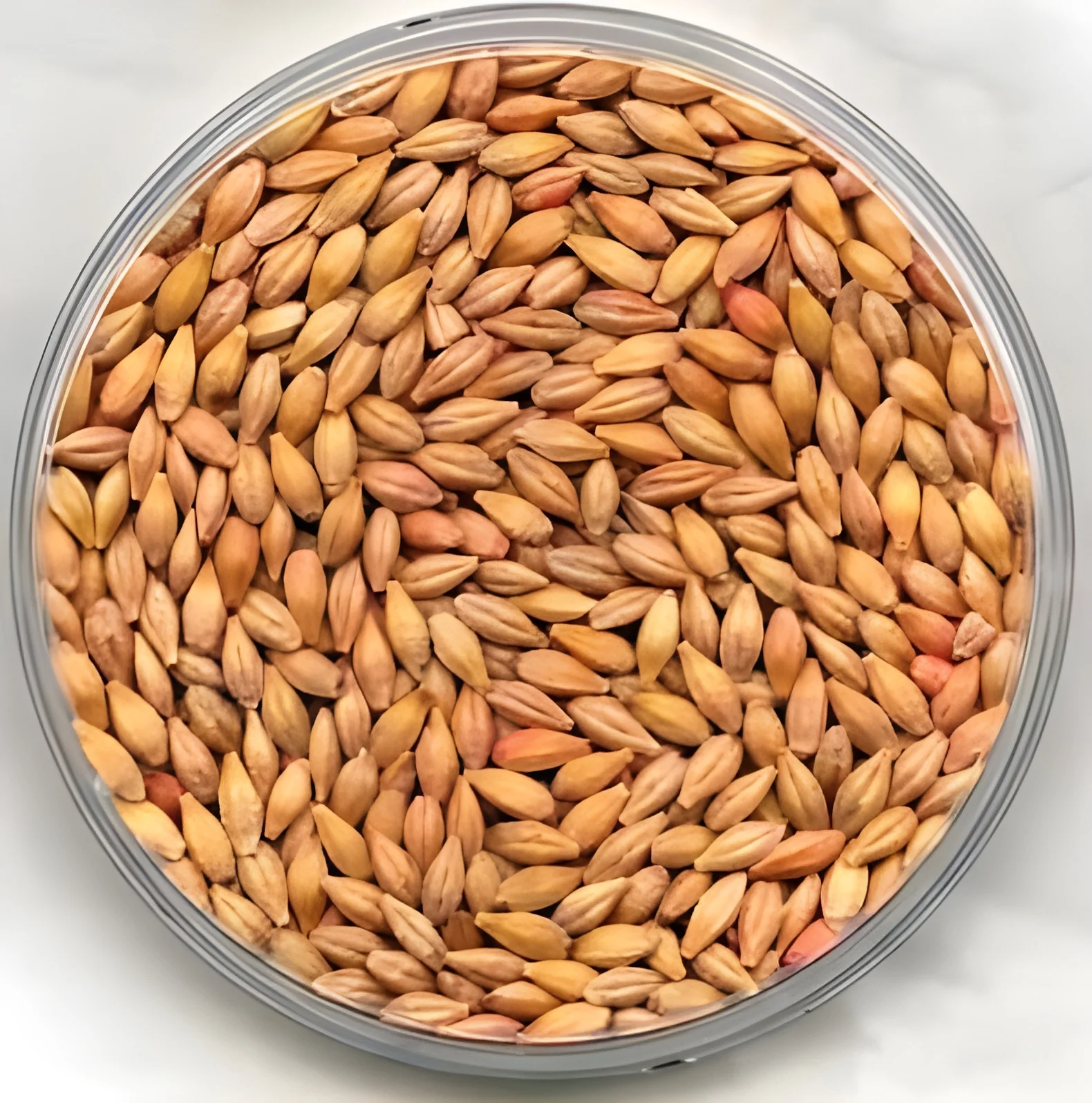
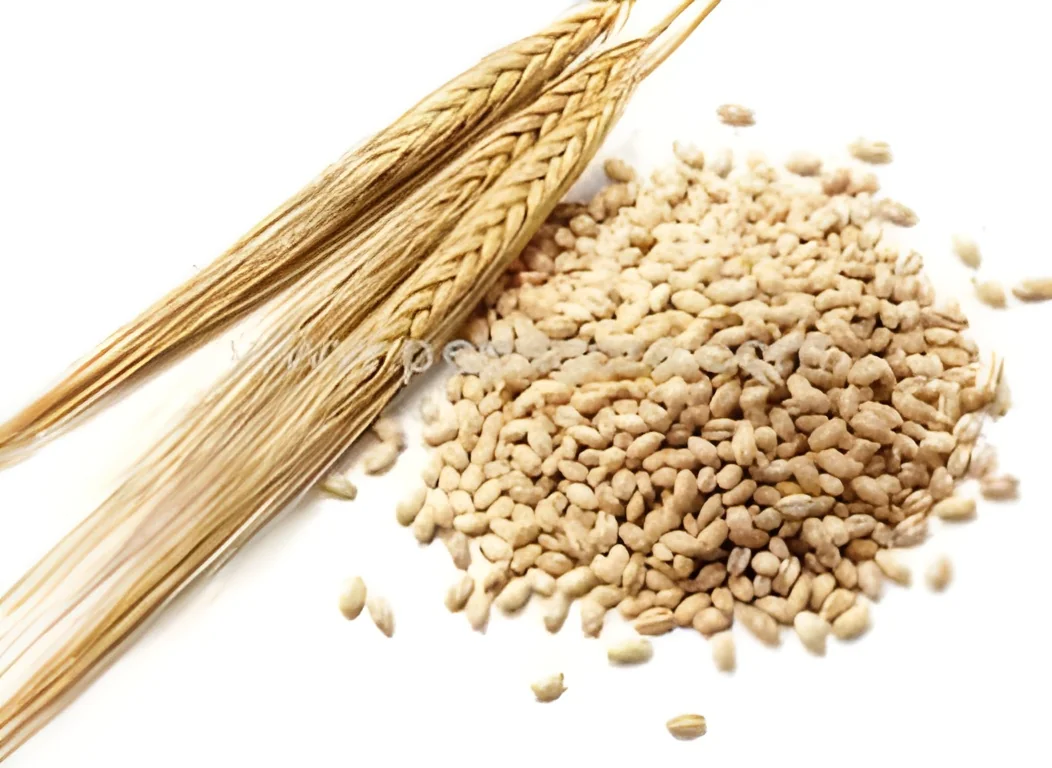
- Common types include hulled, pearl, and malt barley.
- Each type has specific processing methods and applications.
2. Moisture Content
- Ideal moisture levels typically range from 12% to 14%.
- Moisture affects storage and shelf life.
3. Protein Content
- Protein levels can vary between 8% to 14%.
- Higher protein content is often preferred for animal feed.
4. Grain Size
- Barley grains vary in size, impacting milling and processing.
- Average grain size is around 6 to 7 mm.
5. Color
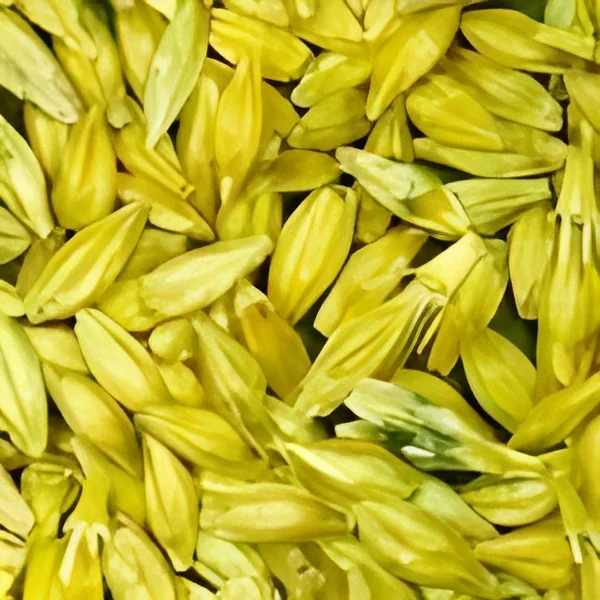
- Barley can be found in various colors, including pale yellow and brown.
- Color can influence market value and consumer preference.
6. Purity Levels
- Purity is crucial for food-grade barley, often requiring less than 2% impurities.
- Higher purity levels are necessary for brewing applications.
7. Shelf Life
- Properly stored barley can last for several years.
- Factors like moisture and temperature can affect longevity.
In summary, understanding these specifications is vital for businesses to choose the right type of barley for their specific needs.
Common Applications and Use Cases
Barley is utilized across multiple industries due to its nutritional and versatile nature.
1. Food Industry: Barley is processed into flour, cereal products, and health foods. Its high fiber content makes it a popular choice for health-conscious consumers.
2. Brewing Industry: Malted barley is a key ingredient in beer production. The malting process enhances the grain's sugars, which are essential for fermentation.
3. Animal Feed: Barley serves as a nutritious feed for livestock. Its protein and fiber content contribute to animal health and productivity.
4. Health Supplements: Barley extracts are used in dietary supplements, emphasizing their nutritional benefits, including heart health and digestive support.
5. Biofuel Production: Barley is explored as a feedstock for bioethanol production, contributing to renewable energy sources.
6. Pharmaceutical Industry: Barley is utilized in various medicinal products, leveraging its health benefits and nutritional properties.
7. Food Additives: Barley can be processed into beta-glucans, which are used as functional food ingredients for their health benefits.
Product Variants and Subcategories
Barley products are diverse, catering to different market needs and applications.
Hulled Barley
Hulled barley retains its bran layer and is minimally processed. It is high in fiber and nutrients, making it ideal for health food products and direct human consumption.
Pearl Barley
Pearl barley is polished to remove the outer bran layer, resulting in a quicker cooking time. It is commonly used in soups, stews, and as a side dish.
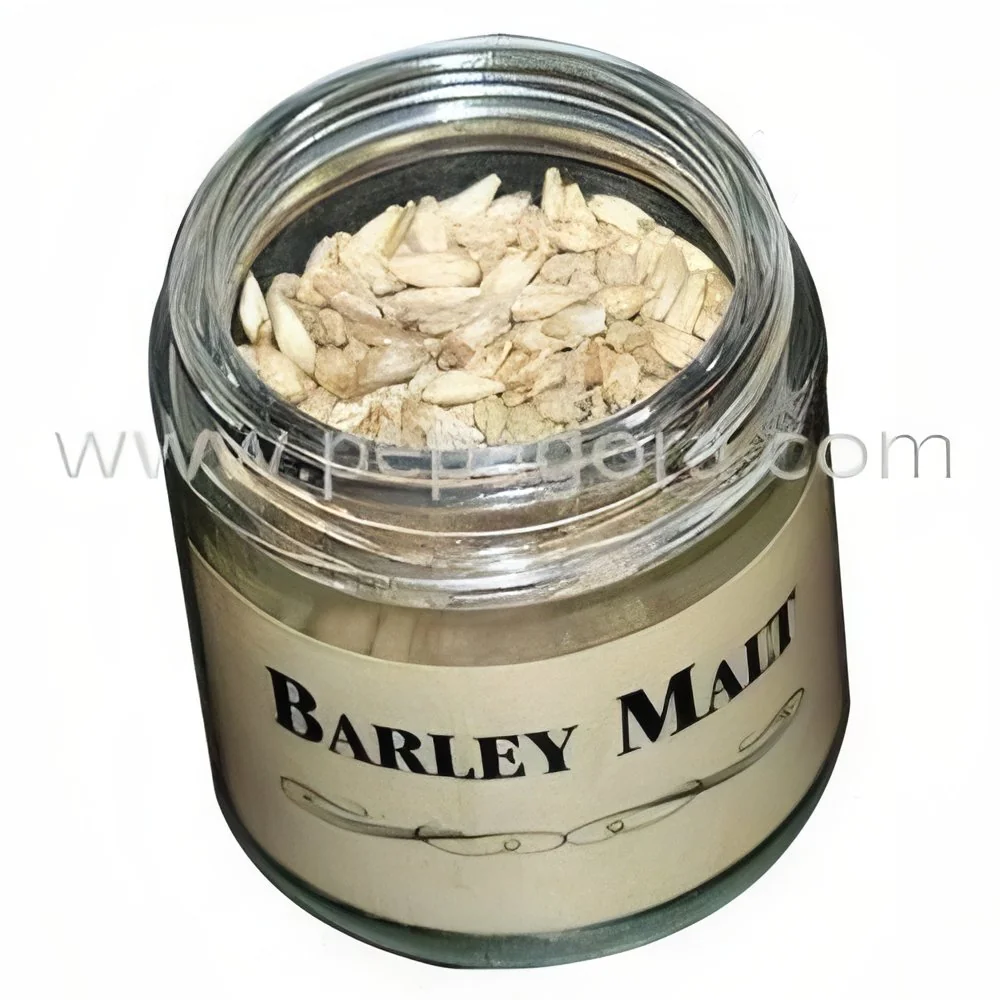
Malted Barley
Malted barley undergoes a germination process to convert starches into sugars. This variant is essential for brewing beer and producing malt-based beverages.
Flaked Barley
Flaked barley is steamed and rolled into flakes, making it convenient for use in cereals and snack bars. Its processing enhances digestibility and nutritional absorption.
Benefits and Advantages
Sourcing barley offers numerous benefits to businesses across various industries.
1. Nutritional Value: Barley is rich in essential nutrients, including fiber, vitamins, and minerals, supporting health and wellness.
2. Versatility: The grain can be used in a wide range of applications, from food products to animal feed, making it a valuable commodity.
3. Cost-Effectiveness: Barley is often more affordable than other grains, offering good value for businesses looking to manage costs.
4. Sustainability: Barley is a hardy crop that can thrive in diverse environments, contributing to sustainable agricultural practices.
5. Health Benefits: Its high fiber content supports digestive health and can help in managing cholesterol levels, appealing to health-conscious consumers.
6. Easy Processing: Barley is relatively easy to process, allowing for various product forms that meet specific industry needs.
Buying Guide for B2B Buyers
When sourcing barley, it is essential for B2B buyers to consider several critical factors to ensure quality and reliability.
1. Quality Assessment: Buyers should evaluate barley based on moisture content, protein levels, and purity to ensure it meets the necessary industry standards.
2. Supplier Verification: It is important to vet suppliers through background checks and reviews to establish trust and reliability in sourcing.
3. Pricing and MOQ: Understanding the pricing structure and minimum order quantities is crucial for budget management and operational planning.
4. Delivery and Lead Times: Buyers should inquire about lead times and delivery schedules to align with their production timelines and inventory needs.
5. Compliance Requirements: Awareness of regulatory compliance, including food safety and industry standards, is necessary to avoid legal issues and ensure product safety.
Compliance and Certifications
Barley is subject to various quality standards and certifications that ensure its safety and suitability for consumption. Relevant quality standards include ISO 9001, which focuses on quality management systems, and HACCP, which addresses food safety risks. Additionally, compliance with GDP (Good Distribution Practices) ensures that barley is handled properly throughout the supply chain.
Furthermore, industry certifications like CE are important for guaranteeing product quality and safety. Safety and testing requirements vary by region and application, necessitating thorough understanding and adherence to local regulations. Buyers must also consider regional compliance factors, as different countries may have specific standards governing the sale and distribution of barley.
Why Source Barley from Pepagora?
Pepagora provides a trusted platform for sourcing barley, offering several key advantages to businesses.
Verified Supplier Network: Pepagora connects buyers with a network of verified suppliers, ensuring quality and reliability in sourcing. Each supplier undergoes a thorough vetting process to maintain high standards.
Streamlined RFQ Process: The platform simplifies the request for quotation process, allowing buyers to easily compare prices and specifications from multiple suppliers. This efficiency saves time and enhances decision-making.
Trade Assurance and Support: Pepagora offers trade assurance to protect buyers, ensuring that transactions are secure and that products meet the agreed-upon specifications. This support fosters trust and confidence in the purchasing process.
Regional Coverage: With a strong presence in India, the GCC, and Southeast Asia, Pepagora provides extensive geographic reach, enabling buyers to access quality barley from various regions while benefiting from local market insights.

 IN
IN