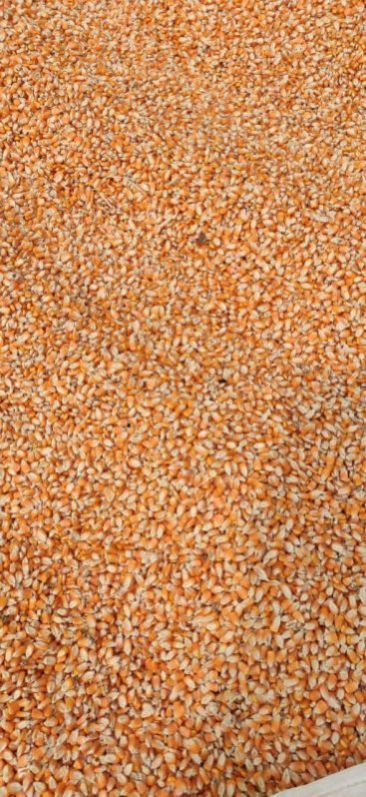
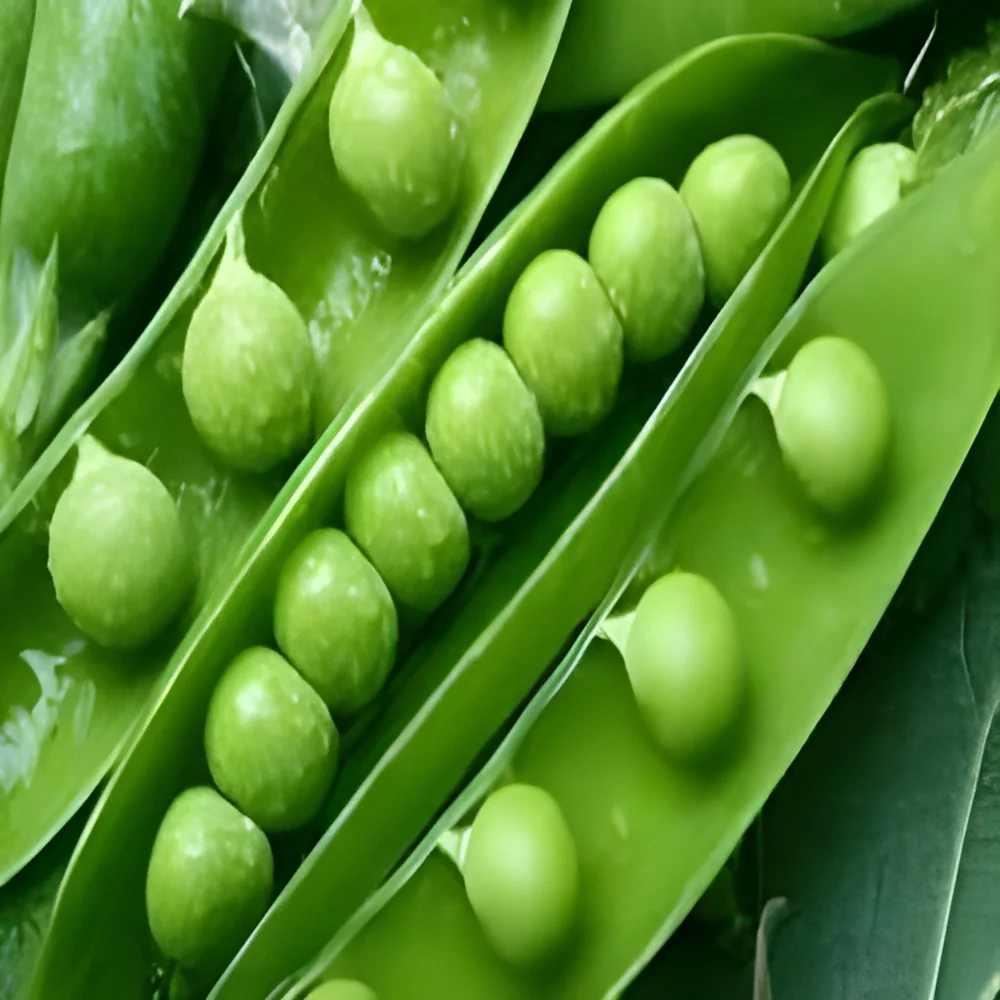
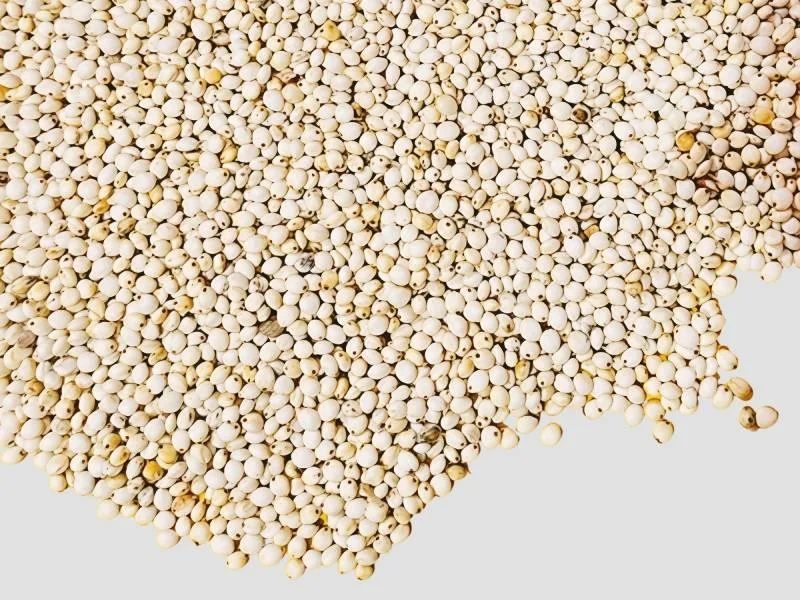
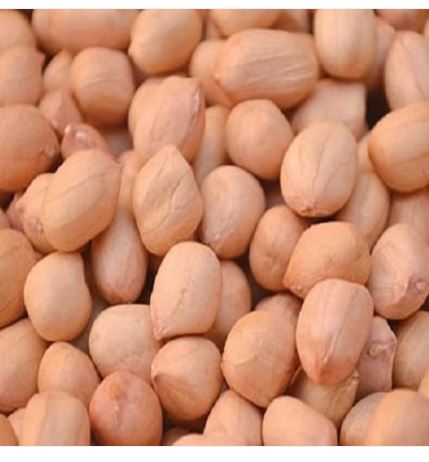
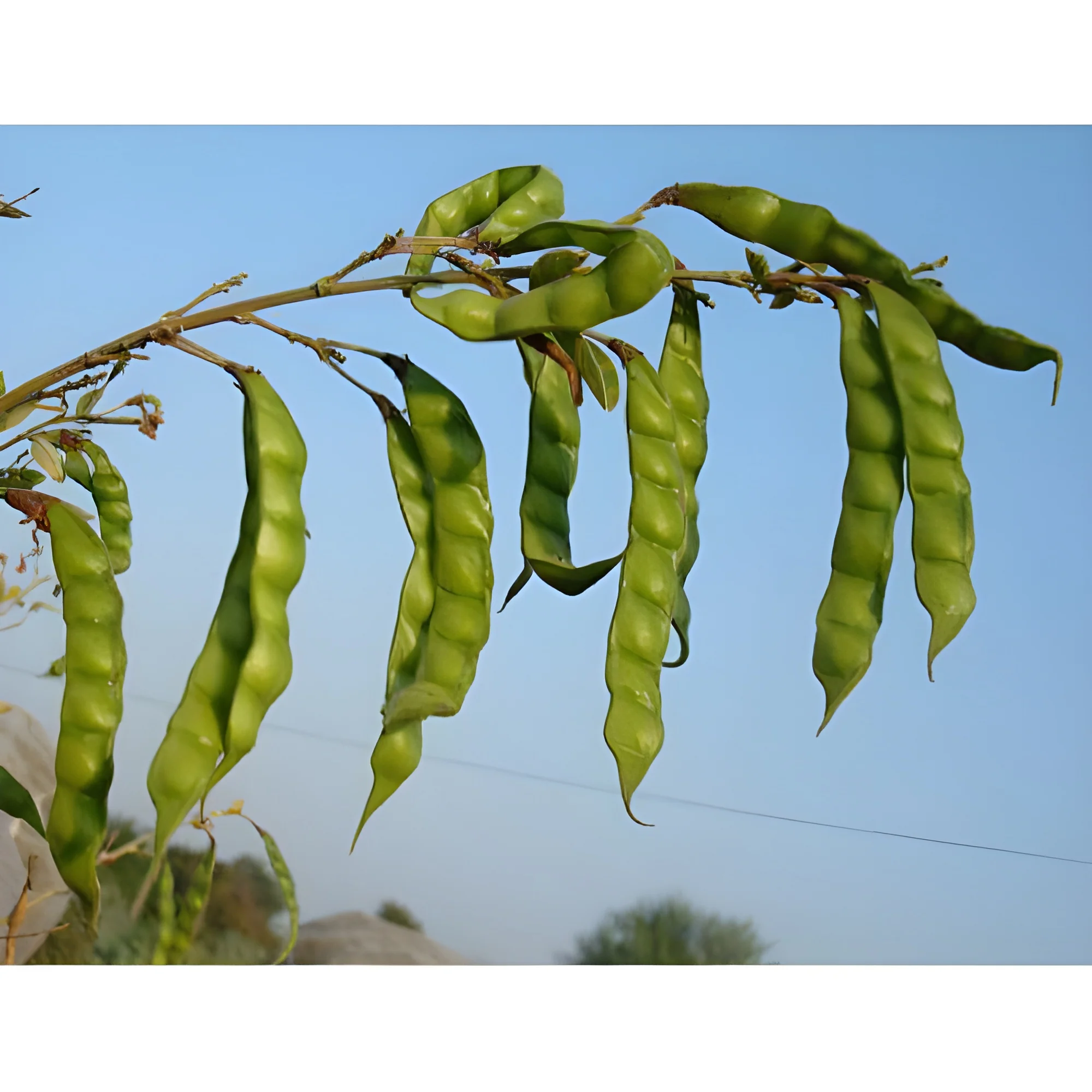
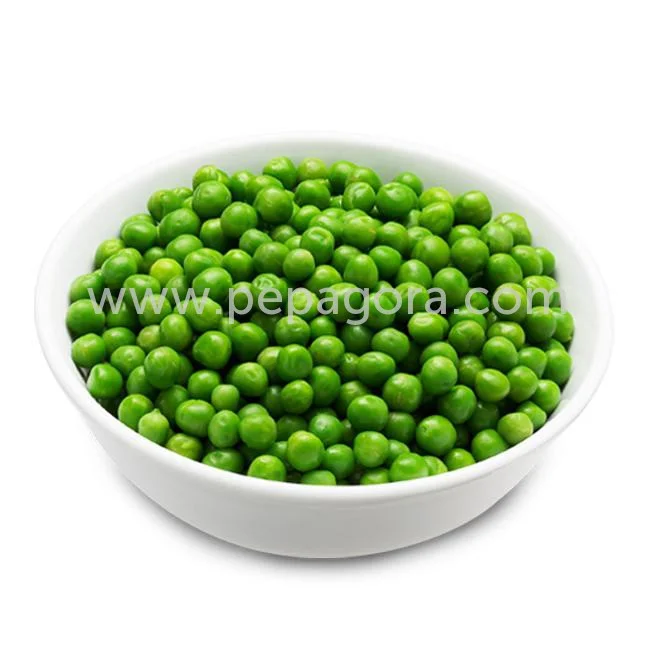
What are Other Grains, Cereals & Pulses?
Other Grains, Cereals, and Pulses encompass a variety of plant-based food products that serve as fundamental components in diets around the world. This category includes not only traditional grains such as oats and barley but also diverse pulses like lentils, chickpeas, and beans. These items are known for their nutritional benefits, including high protein content, fiber, and essential vitamins and minerals. They are cultivated in various climates, making them accessible and versatile.
The primary uses of Other Grains, Cereals, and Pulses extend beyond human consumption. They are crucial in the animal feed industry and are used in food processing for products like flour, snacks, and ready-to-eat meals. Businesses in agriculture, food manufacturing, and nutrition rely on these grains and pulses for their affordability and nutritional value. The industry is significant in global markets, with a growing emphasis on health and sustainability driving demand for plant-based products.
Key Features and Specifications
Other Grains, Cereals, and Pulses possess a range of features that make them suitable for various applications. Their specifications are critical for ensuring quality and usability in different industries.
Key specifications include:
1. Nutritional Content
- High in protein and fiber
- Contains essential vitamins and minerals
2. Moisture Content
- Typically ranges from 10% to 14%
- Important for shelf stability and quality preservation
3. Grain Size
- Varies from whole grains to flours
- Affects cooking time and texture in products
4. Color and Appearance
- Available in various colors and sizes
- Influences consumer preference and marketability
5. Packaging Options
- Bulk or retail packaging available
- Ensures freshness and easy handling
6. Shelf Life
- Generally ranges from 6 months to 2 years
- Dependent on storage conditions and type
7. Processing Requirements
- May require cleaning, sorting, and milling
- Important for quality assurance and safety
8. Origin and Certification
- Geographic origin can affect quality and pricing
- Certifications like UL and CE ensure compliance
In summary, understanding the specifications of Other Grains, Cereals, and Pulses is essential for businesses seeking high-quality ingredients for their products.
Common Applications and Use Cases
Other Grains, Cereals, and Pulses find applications across multiple industries, enhancing both nutrition and sustainability.
1. Food Production: These grains and pulses are vital in creating a variety of food products, including baked goods, cereals, and snacks. Their nutritional benefits make them popular among consumers seeking healthy options.
2. Animal Feed: Many livestock producers incorporate pulses and grains into feed formulations. This practice improves the nutritional profile of animal diets and supports livestock health.
3. Health and Wellness: The increasing trend toward plant-based diets has led to a surge in demand for these products in health supplements and functional foods, enhancing overall wellness.
4. Biofuels: Some grains and pulses can be processed into biofuels, contributing to sustainable energy solutions and reducing reliance on fossil fuels.
5. Ethnic and Specialty Foods: These ingredients are fundamental in various cultural cuisines, allowing food manufacturers to create authentic ethnic products that appeal to diverse consumer bases.
6. Gluten-Free Products: Pulses and certain grains are naturally gluten-free, making them ideal ingredients for gluten-free food products, catering to the growing gluten-intolerant population.
7. Ready-to-Eat Meals: Manufacturers utilize grains and pulses in the production of convenient meal options, aligning with the fast-paced lifestyles of consumers.
Product Variants and Subcategories
The diversity of Other Grains, Cereals, and Pulses allows for a wide range of product variants, each with unique characteristics and uses.
Whole Grains
Whole grains like brown rice and quinoa are unrefined and retain all parts of the grain, offering maximum nutritional benefits. They are popular in health foods and can be used in various recipes.
Split Pulses
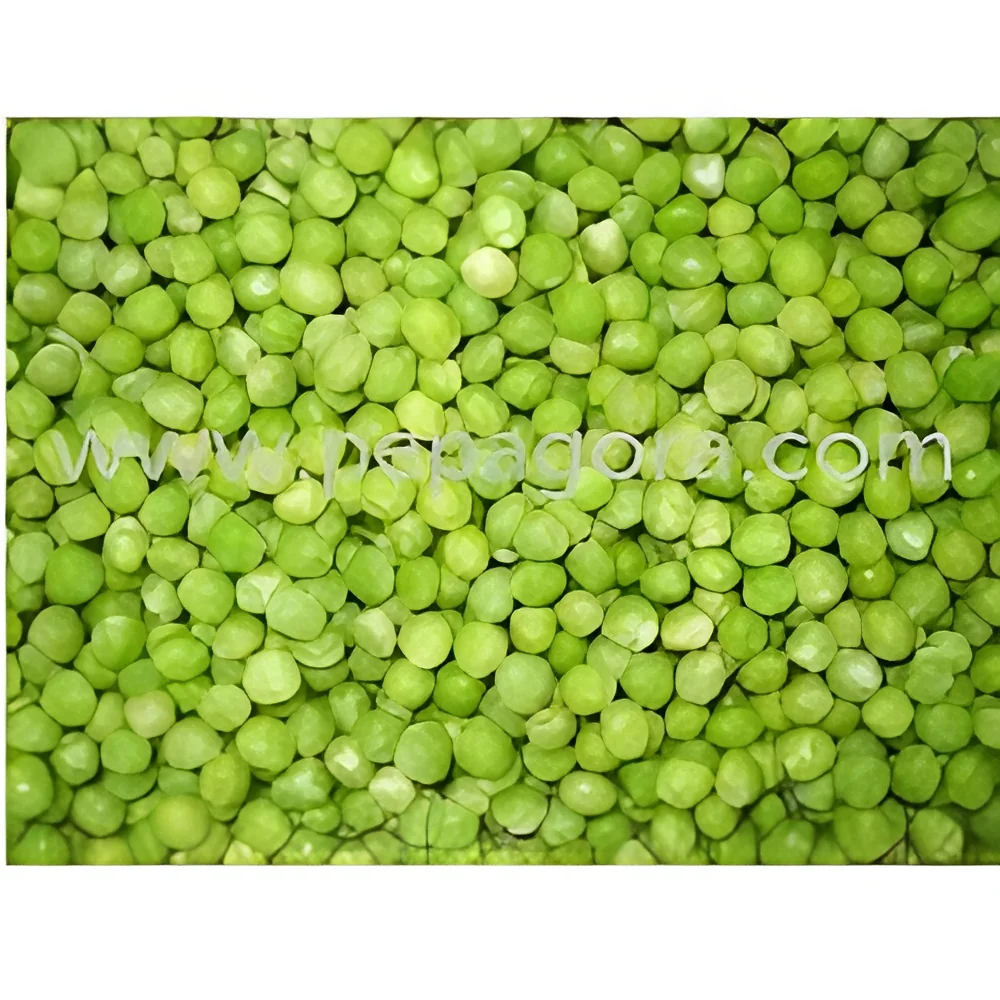
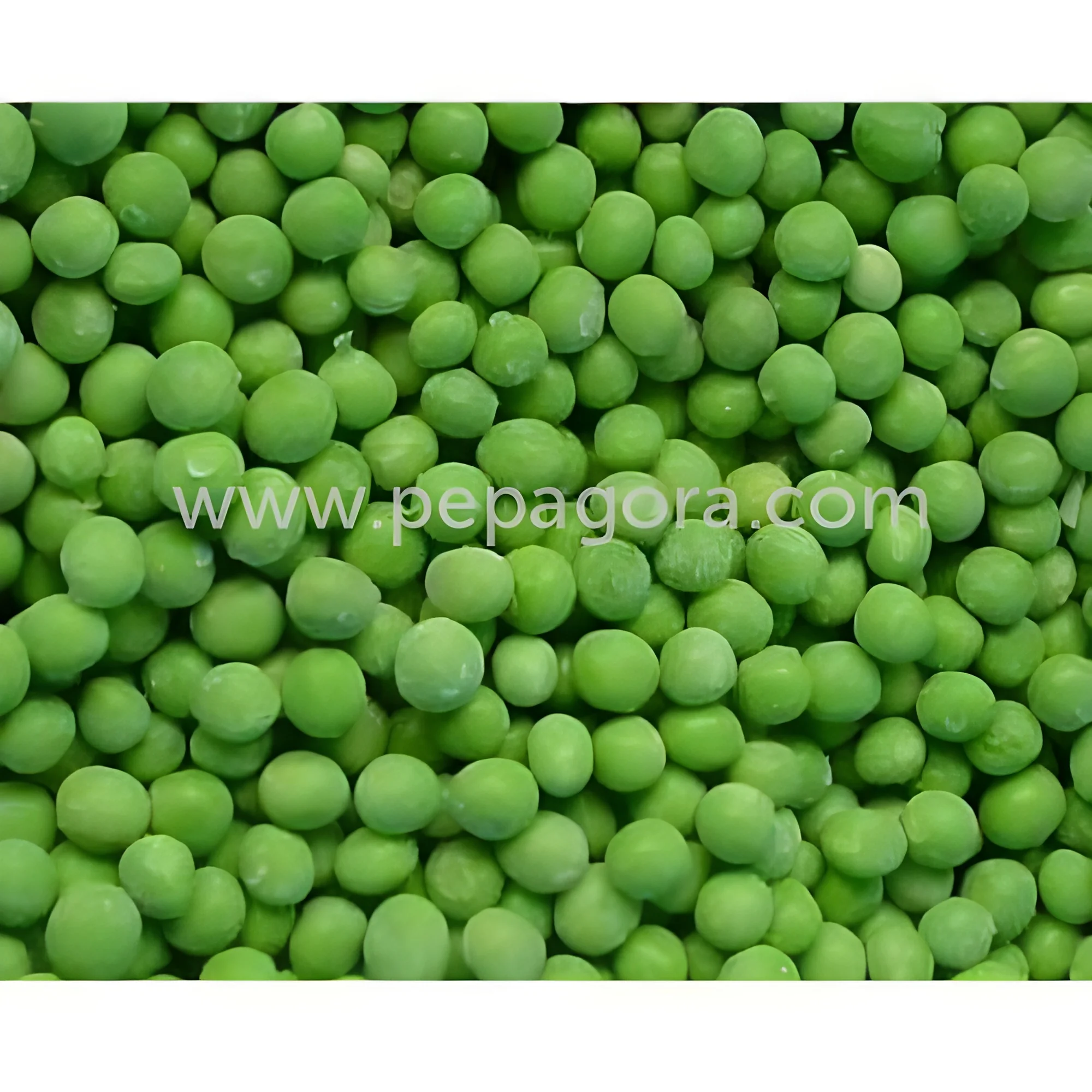
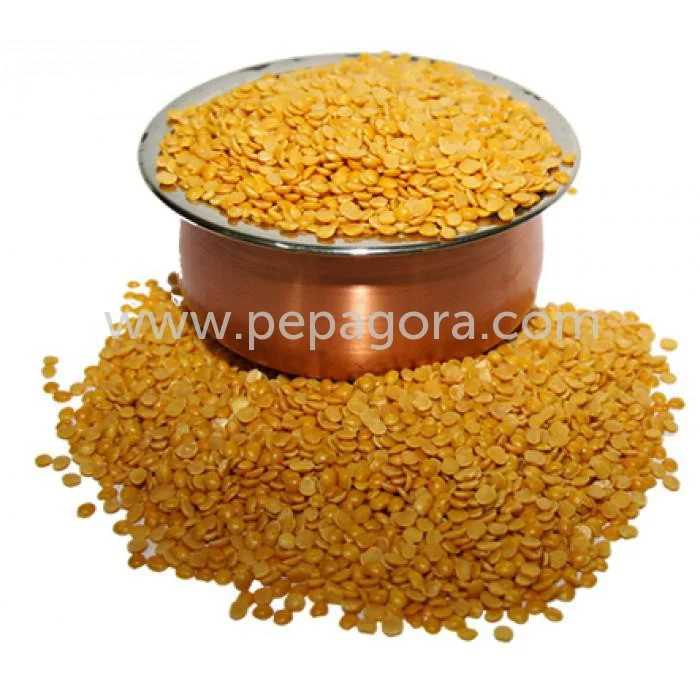
Split pulses, such as split peas and lentils, are processed for quicker cooking times and easier digestion. They are often used in soups and stews, making them a staple in many cuisines.
Flours
Flours made from grains and pulses, such as chickpea flour and oat flour, are utilized in baking and cooking. They provide alternative options for gluten-free and high-protein recipes.
Rolled Grains
Rolled grains, including rolled oats, are processed for quick cooking and are commonly found in breakfast products. They are a convenient option for consumers seeking nutritious meal solutions.
Crushed Pulses
Crushed pulses are often used in snack foods and protein bars, providing a crunchy texture and nutritional boost. They appeal to health-conscious consumers seeking wholesome snacks.
Benefits and Advantages
Other Grains, Cereals, and Pulses offer numerous advantages that make them valuable to businesses and consumers alike.
Key benefits include:
1. Nutritional Value: They are rich in protein, fiber, and essential nutrients, contributing to overall health and well-being.
2. Cost-Effectiveness: These products are often more affordable than animal protein sources, making them an economical choice for food manufacturers.
3. Versatility: They can be used in a wide range of applications, from animal feed to human food products, allowing businesses to diversify their offerings.
4. Sustainability: Plant-based products have a lower environmental impact compared to animal-based proteins, aligning with consumer preferences for eco-friendly options.
5. Health Trends: The growing demand for plant-based diets and gluten-free options positions these grains and pulses favorably in the market.
6. Supply Stability: Many of these products are widely cultivated, ensuring a steady supply for businesses across various sectors.
Buying Guide for B2B Buyers
When sourcing Other Grains, Cereals, and Pulses, buyers should consider several critical factors to ensure they make informed decisions.
1. Quality Assessment: Evaluate the nutritional content and quality of grains and pulses. Look for certifications and quality standards that indicate reliability.
2. Supplier Verification: Vet suppliers by checking their credibility, certifications, and reviews. A reliable supplier will ensure consistent quality and supply.
3. Pricing and MOQ: Understand the pricing structures and minimum order quantities (MOQ) that suppliers offer. This information is essential for budgeting and inventory management.
4. Delivery and Lead Times: Discuss logistics and delivery schedules with suppliers. Ensure that lead times align with your production needs to avoid delays.
5. Compliance Requirements: Be aware of any regulatory requirements for sourcing and selling grains and pulses in your region. Compliance with safety standards is vital.
Compliance and Certifications
Compliance and certification are essential in the production and distribution of Other Grains, Cereals, and Pulses. Recognized quality standards like ISO 9001 ensure that products meet international quality management requirements. HACCP (Hazard Analysis and Critical Control Points) focuses on food safety and minimizes risks in food production processes.
Industry certifications such as UL and CE demonstrate compliance with safety and performance standards, which is crucial for market acceptance. In addition, regional compliance considerations may vary, requiring adherence to local regulations governing food safety and agricultural practices. Businesses should ensure that their suppliers maintain all necessary certifications and meet safety testing requirements to guarantee product integrity.
Why Source Other Grains, Cereals & Pulses from Pepagora?
Pepagora provides a trusted platform for sourcing Other Grains, Cereals, and Pulses with several key advantages.
The verified supplier network ensures that all suppliers undergo thorough vetting. This process guarantees that buyers can access high-quality products from reputable sources, reducing risks associated with sourcing.
The streamlined RFQ (Request for Quotation) process allows buyers to quickly and efficiently obtain quotes from multiple suppliers. This system enhances transparency and enables businesses to make competitive purchasing decisions.
Trade assurance and support offer buyers protection throughout the transaction process. Pepagora's commitment to buyer satisfaction helps foster trust and reliability in sourcing.
With extensive regional coverage in markets like India, the GCC, and Southeast Asia, Pepagora connects buyers with a diverse range of suppliers, ensuring accessibility to Other Grains, Cereals, and Pulses tailored to specific market needs.

 IN
IN