Key Features and Specifications
Horse Gram is characterized by several features that enhance its usability in various applications. Understanding these specifications helps businesses make informed purchasing decisions.
Key specifications include:
1. Nutritional Content
- High protein content, approximately 22-25% per 100 grams
- Rich in dietary fiber, aiding digestion
2. Moisture Content
- Typically ranges between 10-12%
- Essential for maintaining seed viability
3. Shelf Life
- Stable for up to 12 months when stored in cool, dry conditions
- Proper packaging enhances longevity
4. Size and Appearance
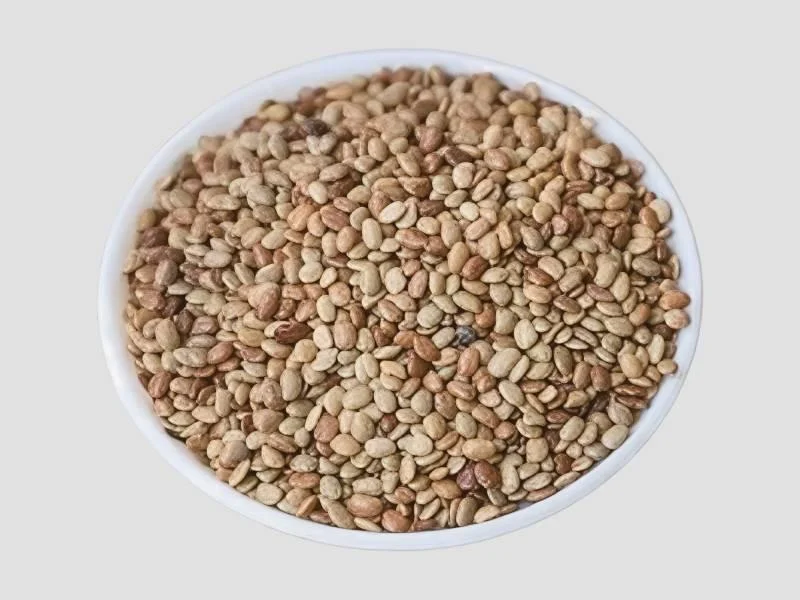
- Seeds are small, oval, and brownish in color
- Uniform size ensures consistent processing
5. Conditions for Cultivation
- Thrives in semi-arid climates with low rainfall
- Prefers well-drained soil with good sunlight exposure
6. Processing Options
- Can be sold whole or ground into flour
- Versatile for various culinary uses
7. Packaging
- Available in bulk and retail packaging
- Ensures protection against moisture and pests
The specifications of Horse Gram highlight its versatility and importance in both food and agricultural industries.
Common Applications and Use Cases
Horse Gram serves various industries due to its nutritional properties and agricultural benefits.
1. Food Industry: Horse Gram is used in traditional dishes and recipes, offering a high-protein alternative to meat. It is often found in soups, salads, and snacks.
2. Animal Feed: Its nutritional profile makes it suitable as a feed ingredient for livestock, promoting health and growth in farm animals.
3. Health and Wellness: With the rise in health consciousness, Horse Gram is increasingly included in dietary supplements and health foods, appealing to fitness enthusiasts.
4. Agriculture: Horse Gram improves soil health through nitrogen fixation, making it a valuable crop for sustainable farming practices.
5. Food Processing: The legume is processed into flour, which is utilized in a variety of baked goods and snacks, catering to diverse dietary preferences.
6. Export Market: There is a growing demand for Horse Gram in international markets, driven by the trend of plant-based diets and natural ingredients.
7. Nutraceuticals: Its rich nutrient profile positions Horse Gram as a key ingredient in nutraceutical formulations aimed at promoting overall health.
Product Variants and Subcategories
Horse Gram is available in various forms, catering to different market needs.
Whole Horse Gram: This variant consists of unprocessed seeds, retaining all natural nutrients. It is ideal for consumers looking for whole foods and traditional cooking methods.
Horse Gram Flour: Processed from whole seeds, this flour is popular for making nutritious snacks and dishes. It is suitable for gluten-free diets and is often used in health food formulations.
Benefits and Advantages
Sourcing Horse Gram offers numerous benefits to businesses and consumers.
1. High Nutritional Value: Horse Gram is an excellent source of protein and fiber, contributing to a balanced diet.
2. Versatility: It can be used in various forms, from whole seeds to flour, making it adaptable to different culinary needs.
3. Sustainable Farming: Horse Gram contributes to soil health and supports sustainable agricultural practices through nitrogen fixation.
4. Cost-Effective: As a legume, it is generally more affordable compared to other protein sources.
5. Health Benefits: Consumption of Horse Gram is linked to various health advantages, including improved digestion and weight management.
6. Growing Market: The increasing demand for plant-based proteins presents opportunities for businesses to expand their product offerings.
Buying Guide for B2B Buyers
When sourcing Horse Gram, businesses should consider several key factors to ensure a successful purchase.
1. Quality Assessment: Evaluate the nutritional content and purity of the Horse Gram. Look for suppliers who provide quality certifications and lab analysis.
2. Supplier Verification: Vet suppliers by checking their reputation, past customer reviews, and compliance with industry standards to ensure reliability.
3. Pricing and MOQ: Understand the market pricing for Horse Gram and inquire about minimum order quantities (MOQ) to align with budget constraints.
4. Delivery and Lead Times: Confirm the logistics of shipping, including delivery schedules and any potential delays, to plan inventory effectively.
5. Compliance Requirements: Ensure that the product meets relevant food safety and quality standards, as well as any regional regulations that may apply.
Compliance and Certifications
Horse Gram must adhere to various quality and safety standards to ensure its suitability for consumption and processing.
Relevant quality standards include ISO 9001, which outlines requirements for quality management systems, and HACCP (Hazard Analysis and Critical Control Points), which focuses on food safety. These standards help businesses maintain consistent quality and safety throughout production.
Industry certifications such as UL and CE are essential for establishing trust and credibility in the market. They ensure that the product meets safety and performance criteria, which is particularly important for health-related applications.
Safety and testing requirements are critical to ensure that Horse Gram is free from contaminants. Regular testing for pesticides, aflatoxins, and other harmful substances is necessary to comply with food safety regulations.
Additionally, regional compliance considerations vary, and businesses should be aware of local laws governing food products to ensure adherence to all necessary regulations.
Why Source Horse Gram (Kulthi) from Pepagora?
Pepagora offers a reliable platform for sourcing Horse Gram, providing several key advantages for businesses.
Verified Supplier Network: Pepagora connects buyers with a network of verified suppliers, ensuring that all products meet high-quality standards. This reduces the risk of sourcing from unreliable sources.
Streamlined RFQ Process: The request for quotation (RFQ) system is user-friendly, allowing businesses to easily request quotes from multiple suppliers. This process simplifies comparison and decision-making.
Trade Assurance and Support: Pepagora provides trade assurance, offering buyers protection and support throughout the purchasing process. This includes assistance in resolving disputes and ensuring timely delivery.
Regional Coverage: With a focus on markets in India, the GCC, and Southeast Asia, Pepagora enables businesses to access a broad geographic reach for sourcing Horse Gram. This facilitates diverse market opportunities and supply chain efficiency.

 IN
IN