What are Little Millet?
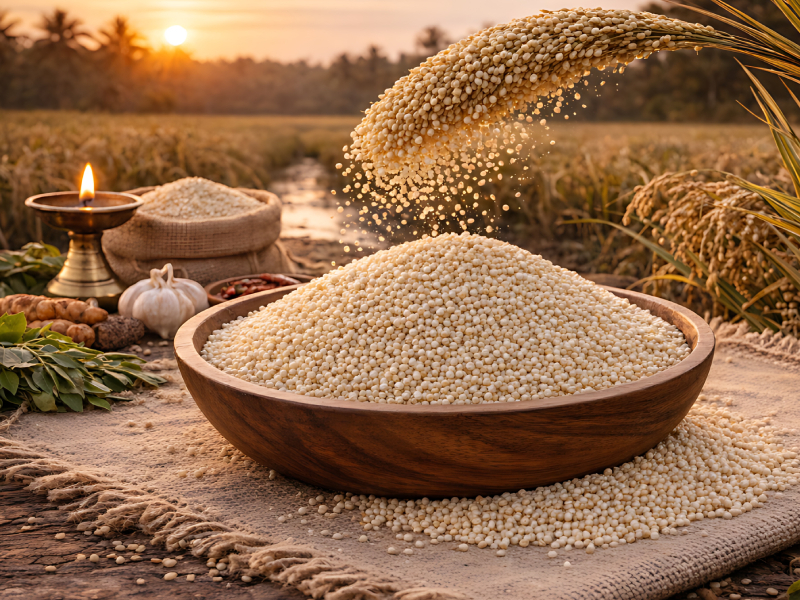
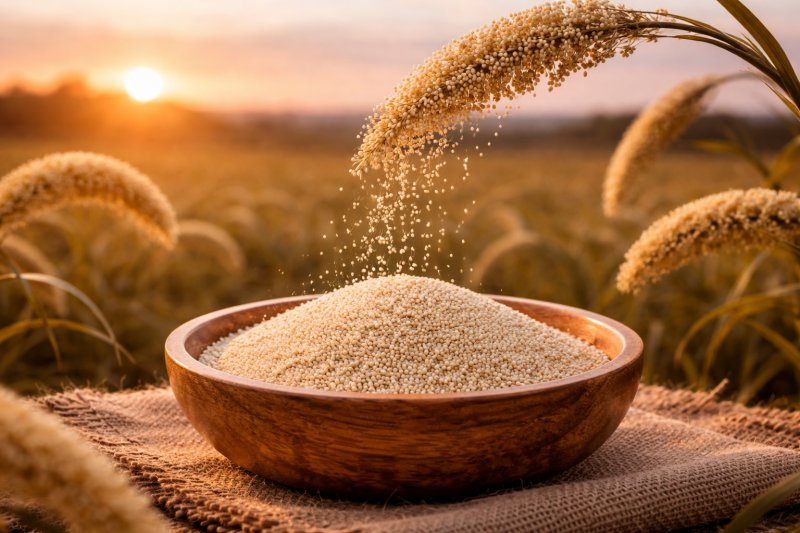
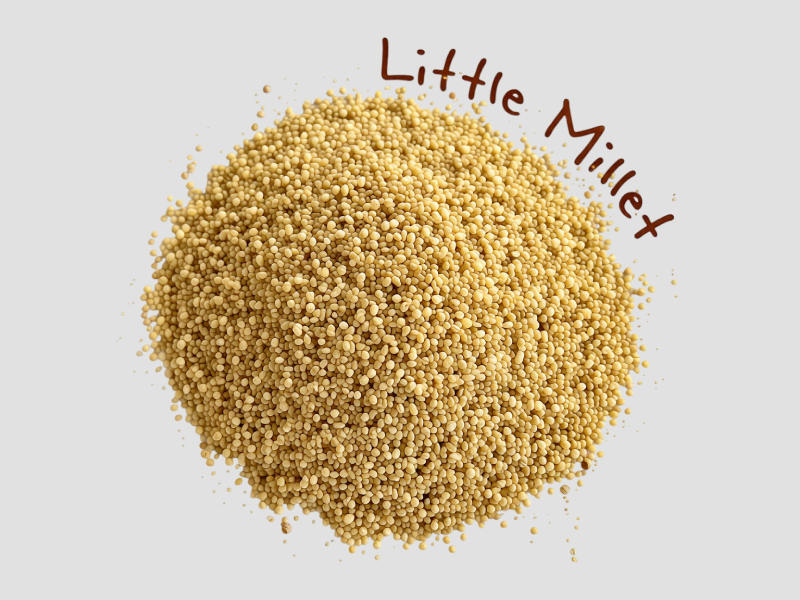
Little Millet is a small-seeded grain that belongs to the millet family. It is known for its nutritional benefits and is cultivated primarily in the Indian subcontinent and certain parts of Africa. Little Millet has a high content of fiber, protein, and essential minerals, making it an excellent choice for health-conscious consumers. This grain has gained popularity in recent years as people seek alternatives to traditional cereals and grains, particularly in gluten-free diets.
In terms of business applications, Little Millet is utilized in various forms, including whole grains, flour, and processed snacks. It is often incorporated into breakfast cereals, health bars, and gluten-free products. The rising awareness of healthy eating and the demand for organic and nutritious food options have increased the market relevance of Little Millet. Various food manufacturers and health food brands are now considering Little Millet as a key ingredient in their product lines, contributing to its growth in the global market.
Key Features and Specifications
Little Millet is characterized by several key features that enhance its appeal to manufacturers and consumers alike. Its nutritional profile is one of the most significant aspects, as it is rich in dietary fiber, vitamins, and minerals. Additionally, Little Millet has a short cooking time and a nutty flavor that can enhance various culinary applications.
Key specifications include:
1. Nutritional Content
- Rich in protein, fiber, and minerals like iron and calcium
- Low in fat, making it a healthy grain option
2. Cooking Characteristics
- Quick cooking time, typically 15-20 minutes
- Can be used in a variety of dishes, from pilafs to porridge
3. Shelf Life
- Generally has a shelf life of 6-12 months when stored properly
- Requires cool, dry storage conditions to maintain quality
4. Gluten-Free
- Naturally gluten-free, making it suitable for those with gluten intolerance
- Increasingly popular in gluten-free product formulations
5. Versatility
- Can be used in both sweet and savory dishes
- Suitable for various food applications, including snacks and baked goods
6. Environmental Impact
- Grows well in arid conditions, requiring less water than other grains
- Considered a sustainable crop with lower environmental impact
In summary, Little Millet offers a range of features that cater to health-conscious consumers and food manufacturers, reinforcing its position in the market.
Common Applications and Use Cases
Little Millet serves various industries and applications, providing diverse opportunities for businesses.
1. Food Industry: Little Millet is widely used to create health-focused products like breakfast cereals, granola, and energy bars. Its nutritional benefits and versatility make it an ideal ingredient in many formulations.
2. Bakery Sector: In the bakery industry, Little Millet flour is incorporated into bread, muffins, and cookies. Its gluten-free properties attract a growing segment of consumers seeking alternative flour options.
3. Snack Production: Little Millet is often used in the production of snacks such as chips and crackers. It offers a healthy alternative to traditional snack ingredients while providing a unique flavor profile.
4. Health and Wellness Products: With rising health awareness, Little Millet is a popular choice in products designed for weight management and dietary supplements due to its high fiber content.
5. Animal Feed: Little Millet can also be used as a nutritious feed ingredient for livestock and poultry, supporting animal health and growth.
6. Export Markets: Little Millet is gaining traction in international markets, especially in regions that prioritize healthy eating. Export opportunities are increasing for suppliers looking to reach health-conscious consumers globally.
Product Variants and Subcategories
Little Millet is a versatile grain that can be processed into various forms, each catering to specific consumer needs.
Whole Grain Little Millet: This form retains all its natural nutrients and is often sold as a bulk item for cooking or meal preparation. It is ideal for consumers seeking whole food options.
Little Millet Flour: Ground from whole grains, this flour is used in gluten-free baking. It provides a nutritious alternative to traditional wheat flour, appealing to health-conscious bakers.
Little Millet Snacks: Processed into chips or puffs, these snacks are designed for on-the-go consumers. They combine the nutritional benefits of Little Millet with convenient packaging.
Little Millet Porridge: Pre-packaged porridge mixes are available, catering to busy individuals looking for nutritious breakfast options. These products often include additional ingredients like fruits and nuts for enhanced flavor.
Benefits and Advantages
Choosing Little Millet offers several key benefits for both consumers and manufacturers.
1. Nutritional Value: Little Millet is rich in essential nutrients, providing a healthy alternative to refined grains. Its high fiber content supports digestive health.
2. Gluten-Free Option: As a naturally gluten-free grain, Little Millet is suitable for those with celiac disease or gluten sensitivity, expanding market opportunities.
3. Versatility in Cooking: Little Millet can be incorporated into various dishes, making it a flexible ingredient for chefs and home cooks alike.
4. Sustainable Crop: Little Millet is drought-resistant and requires less water than other grains, contributing to sustainable agricultural practices.
5. Health Trend Alignment: As consumers increasingly prioritize health and wellness, Little Millet aligns well with current dietary trends and preferences.
6. Global Market Demand: The growing interest in health foods and organic products drives demand for Little Millet, making it a lucrative option for suppliers.
Buying Guide for B2B Buyers
When sourcing Little Millet, B2B buyers should consider several important factors to ensure quality and reliability.
1. Quality Assessment: Evaluate the nutritional profile and overall quality of Little Millet. Look for certifications and laboratory testing results to verify claims.
2. Supplier Verification: Conduct thorough due diligence on potential suppliers. Check their production processes, certifications, and client references to ensure they meet industry standards.
3. Pricing and MOQ: Understand the pricing structures and minimum order quantities (MOQs) set by suppliers. Compare offers to find the best value while maintaining quality.
4. Delivery and Lead Times: Inquire about logistics and expected lead times for deliveries. Ensure that suppliers can meet your schedule and provide consistent supply.
5. Compliance Requirements: Familiarize yourself with any regulatory requirements for importing or selling Little Millet in your region. Compliance with food safety standards is essential.
Compliance and Certifications
Little Millet must adhere to various quality standards and certifications to meet market demands. Relevant standards, such as ISO 9001, ensure that suppliers maintain consistent quality management systems throughout production.
Industry certifications, such as CE, indicate compliance with European safety and quality standards. These certifications reassure buyers that the product meets high safety requirements.
Additionally, safety and testing requirements involve regular inspections and lab testing to confirm the absence of harmful substances and verify nutritional claims.
Regional compliance considerations may vary, so it is vital for suppliers to stay informed about local regulations governing the sale and distribution of food products.
Why Source Little Millet from Pepagora?
Pepagora provides a trusted platform for sourcing Little Millet, offering several key advantages to B2B buyers.
Verified Supplier Network: Pepagora connects buyers with a network of verified suppliers who meet stringent quality standards. This network ensures that buyers can source high-quality Little Millet with confidence.
Streamlined RFQ Process: The platform simplifies the request for quotation (RFQ) process, enabling buyers to receive competitive pricing and detailed product information quickly. This efficiency saves time and enhances procurement strategies.
Trade Assurance and Support: Pepagora offers trade assurance programs to protect buyers, ensuring that transactions are secure and reliable. This support fosters trust and encourages long-term partnerships.
Regional Coverage: With a geographic reach that includes India, the GCC, and Southeast Asia, Pepagora provides access to a diverse market for Little Millet. Buyers can explore regional suppliers and expand their sourcing options effectively.

 IN
IN