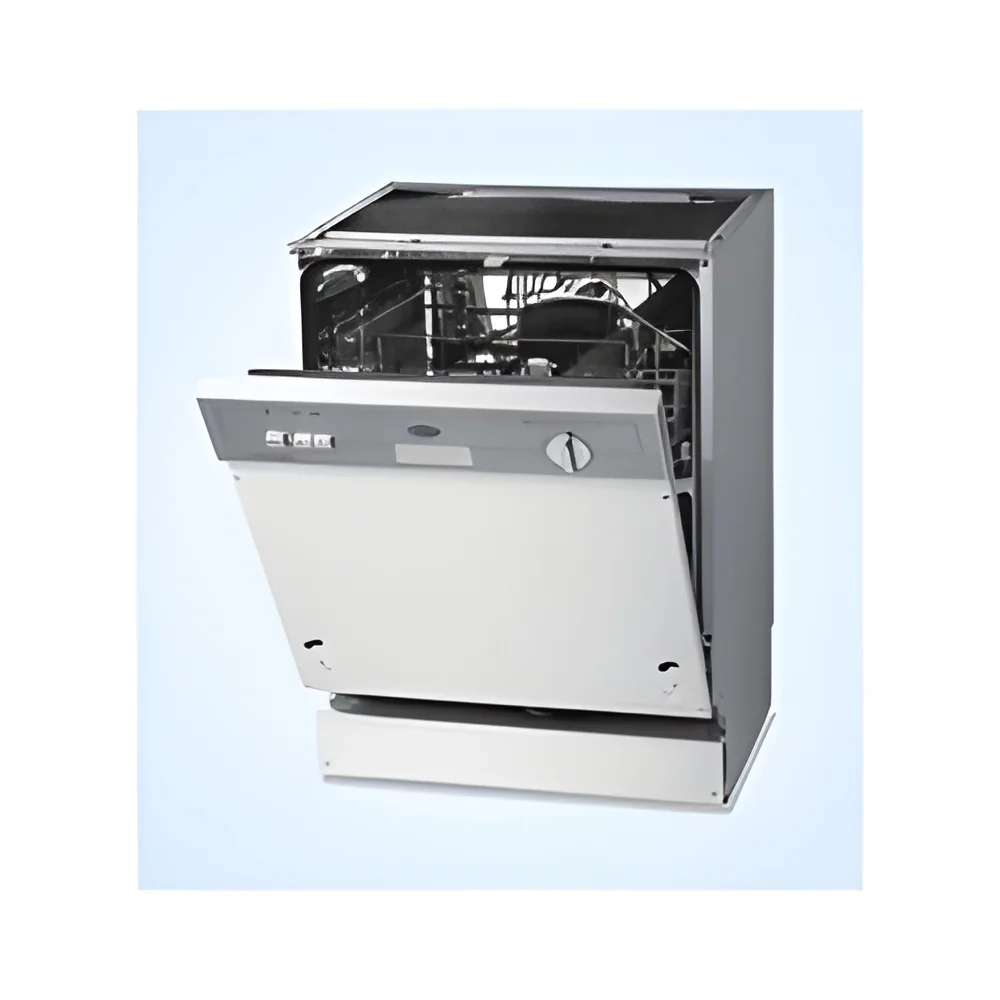
What are Dishwashers?
Dishwashers are appliances designed to automate the cleaning of dishes, utensils, and cookware. They use water, detergent, and heat to efficiently remove food particles and sanitize items. Dishwashers come in various sizes and configurations, suitable for both residential and commercial applications. They can significantly reduce the time and labor involved in manual dishwashing, making them an essential tool in many kitchens.
In a business context, dishwashers are primarily used in restaurants, hotels, catering services, and other food service establishments. These appliances help maintain hygiene standards while optimizing workflow in busy kitchens. By integrating dishwashers into their operations, businesses can improve efficiency, reduce labor costs, and enhance customer satisfaction through faster service.
The demand for dishwashers has been growing in the food service industry due to increasing health regulations and the need for consistent quality in cleaning. As businesses seek to streamline their operations, dishwashers have become a critical component in maintaining cleanliness and efficiency. The market for commercial dishwashers is evolving, with advancements in technology leading to more energy-efficient and eco-friendly models.
Key Features and Specifications
Dishwashers come equipped with various features designed to enhance their performance and usability. Understanding these specifications is crucial for businesses looking to invest in this equipment.
Key specifications include:
1. Capacity
- The capacity of a dishwasher is typically measured in the number of place settings it can handle at once.
- Ranges vary from small units for home use to large commercial models capable of processing dozens of place settings.
2. Energy Efficiency
- Energy-efficient dishwashers consume less water and electricity, significantly reducing operating costs.
- Many models are rated with Energy Star certifications, indicating superior efficiency.
3. Wash Cycles
- Dishwashers offer multiple wash cycles such as heavy, normal, and quick wash.
- This allows users to select the appropriate cycle based on the level of soiling.
4. Noise Level
- Measured in decibels (dB), noise levels can impact the kitchen environment.
- Commercial models typically operate at lower noise levels to minimize disruption.
5. Drying System
- Different types of drying systems include heated drying and air drying.
- Effective drying systems prevent water spots and ensure that dishes are ready for service immediately.
6. Control Panel
- User-friendly control panels with digital displays enhance usability.
- Some models feature programmable settings for added convenience.
7. Safety Features
- Safety features may include child locks and automatic shut-off systems.
- These features enhance operational safety in busy kitchen environments.
8. Build Quality
- Dishwashers are made from durable materials such as stainless steel to withstand heavy use.
- High-quality construction contributes to the longevity of the appliance.
In summary, understanding the key features and specifications of dishwashers is essential for making informed purchasing decisions. These elements directly impact the appliance's efficiency, safety, and overall performance.
Common Applications and Use Cases
Dishwashers find utility across various industries, each with specific applications that cater to their operational needs.
1. Restaurants: In restaurants, dishwashers are vital for maintaining cleanliness and efficiency in the kitchen. They handle large volumes of dishes, cookware, and utensils quickly, allowing staff to focus on food preparation.
2. Hotels: Hotels utilize dishwashers to manage tableware and kitchen items for dining services. High-capacity models are essential for catering to the needs of guests during busy meal times.
3. Catering Services: Catering companies rely on dishwashers to ensure that all serving equipment is sanitized and ready for use at events. This helps maintain hygiene standards and streamline operations.
4. Cafeterias: In large cafeterias, dishwashers play a crucial role in managing the influx of dishes. They help maintain a smooth flow of service during peak hours.
5. Hospitals: In healthcare settings, dishwashers are used to sanitize utensils and trays to prevent cross-contamination. Compliance with health regulations is paramount in these environments.
6. Educational Institutions: Schools and universities use dishwashers to manage dining hall operations efficiently. They ensure that dishes are cleaned quickly between meal services.
7. Food Processing Plants: In food processing, dishwashers are employed to clean equipment and utensils, maintaining hygiene standards in production areas.
Product Variants and Subcategories
Dishwashers are available in various configurations to suit different operational needs. Each variant is designed with specific features and applications in mind.
Commercial Dishwashers: These units are built to handle the high demands of food service establishments. They typically feature larger capacities and faster wash cycles to accommodate busy kitchens.
Under-Counter Dishwashers: Ideal for smaller spaces, under-counter models fit beneath counters and are suitable for establishments with limited floor space. They provide efficient cleaning without taking up valuable room.
High-Temperature Dishwashers: These variants use high-temperature water to achieve superior sanitation levels. They are often required in environments with strict hygiene regulations.
Conveyor Dishwashers: Designed for high-volume operations, conveyor dishwashers continuously process dishes on a conveyor belt system. They are perfect for large kitchens and cafeterias.
Benefits and Advantages
Investing in dishwashers offers numerous advantages for businesses looking to enhance their operational efficiency and hygiene standards.
Key benefits include:
1. Time Savings: Dishwashers significantly reduce the time required for cleaning dishes, allowing staff to focus on other critical tasks.
2. Labor Efficiency: By automating the dishwashing process, businesses can reduce labor costs and improve staff productivity.
3. Enhanced Hygiene: Dishwashers provide thorough cleaning and sanitization, helping businesses meet health regulations and maintain high hygiene standards.
4. Water and Energy Conservation: Modern dishwashers are designed to use less water and energy compared to manual washing, leading to lower utility bills.
5. Consistent Cleaning Results: Dishwashers ensure that dishes are cleaned to the same standard every time, reducing the risk of human error.
6. Improved Workflow: By streamlining the dishwashing process, businesses can enhance overall workflow in the kitchen, leading to faster service.
Buying Guide for B2B Buyers
When sourcing dishwashers, businesses should consider several critical factors to ensure they select the right model for their needs.
1. Quality Assessment: Evaluate the quality of the dishwasher by considering the materials used, brand reputation, and warranty options. High-quality units are essential for long-term reliability.
2. Supplier Verification: Vet suppliers thoroughly to ensure they have a strong track record and positive customer feedback. Reliable suppliers are crucial for ongoing support and maintenance.
3. Pricing and MOQ: Understand the pricing structures and minimum order quantities (MOQ) set by suppliers. Comparing costs among different providers can help secure the best deal.
4. Delivery and Lead Times: Discuss delivery timelines with suppliers to ensure that the dishwasher will arrive when needed. Timely delivery is crucial for uninterrupted operations.
5. Compliance Requirements: Ensure that the dishwasher meets relevant industry standards and regulations. Compliance with health and safety requirements is essential for all food service operations.
Compliance and Certifications
Dishwashers must adhere to various compliance standards to ensure safety and efficiency. Relevant quality standards such as ISO 9001 guarantee consistent quality management practices. Additionally, industry certifications like CE indicate compliance with European health, safety, and environmental protection standards.
Safety and testing requirements are critical for ensuring that dishwashers operate safely in commercial settings. Businesses should verify that their chosen models comply with regional regulations to avoid legal complications and ensure safe operation.
Regional considerations are also important, as different areas may have specific compliance requirements. Understanding these regulations helps businesses select dishwashers that align with local laws and industry practices.
Why Source Dishwashers from Pepagora?
Pepagora provides a trusted platform for sourcing dishwashers, offering several key advantages for B2B buyers.
Verified Supplier Network: Pepagora features a network of verified suppliers who are committed to quality and reliability. This ensures that buyers can trust the products they source through the platform.
Streamlined RFQ Process: The request for quotation (RFQ) process is straightforward, allowing buyers to quickly compare offers from multiple suppliers. This transparency helps businesses make informed decisions.
Trade Assurance and Support: Pepagora offers trade assurance, providing buyers with protection during transactions. This support ensures a secure purchasing experience.
Regional Coverage: With a strong presence in India, the GCC, and Southeast Asia, Pepagora connects buyers with local suppliers, facilitating efficient sourcing and logistics.
By choosing Pepagora, businesses can confidently source dishwashers that meet their operational needs while benefitting from a reliable support system.

 IN
IN