What are Curing Ovens (Paint, Powder Coating)?
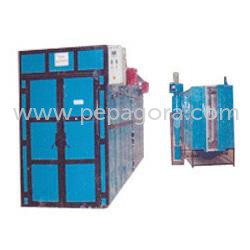
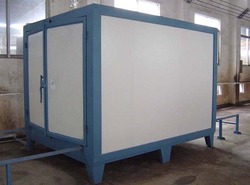
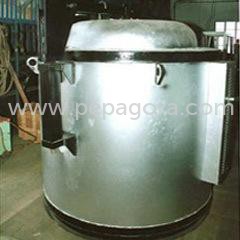
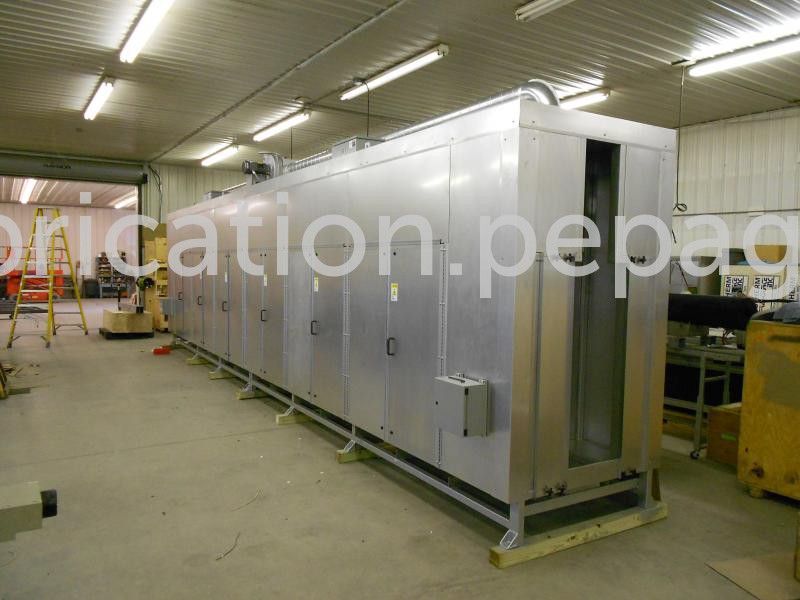
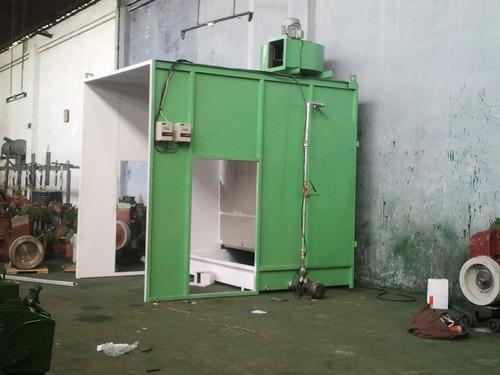
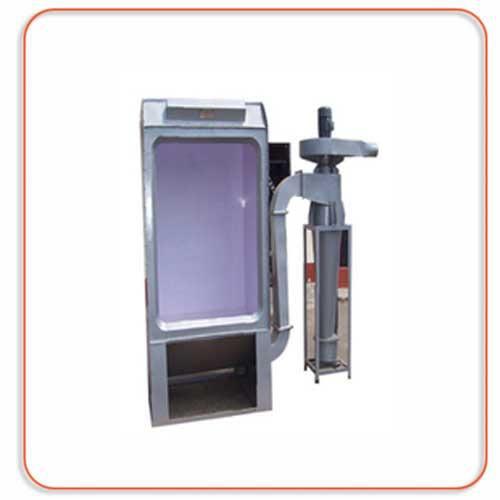
Curing ovens for paint and powder coating are specialized industrial ovens designed to cure or bake coatings onto surfaces. These ovens apply heat to accelerate the curing process, ensuring that the coatings adhere properly and achieve the desired finish. The controlled environment within these ovens is crucial for optimizing the performance of the coatings, whether they are liquid paints or powder coatings.
These curing ovens are widely used in various industries, including automotive, aerospace, and manufacturing. They help businesses improve their production efficiency by providing consistent results in coating applications. The ability to heat materials uniformly allows for better adhesion and durability of coatings. In today’s competitive market, the relevance of curing ovens is underscored by the increasing demand for high-quality finishes and coatings.
𝗞𝗲𝘆 𝗙𝗲𝗮𝘁𝘂𝗿𝗲𝘀 𝗮𝗻𝗱 𝗦𝗽𝗲𝗰𝗶𝗳𝗶𝗰𝗮𝘁𝗶𝗼𝗻𝘀
Curing ovens are equipped with a range of features designed to ensure optimal performance in curing processes. These features contribute to their efficiency and effectiveness in various applications. Key specifications include:
1. Temperature Control
- Accurate temperature settings are critical for curing.
- Typical operating ranges can vary depending on the coating type.
2. Uniform Heat Distribution
- Ensures that the entire surface is cured evenly.
- Helps prevent defects in the finished product.
3. Ventilation System
- Provides effective air circulation to remove volatile compounds.
- Maintains a safe working environment.
4. Energy Efficiency
- Designed to minimize energy consumption.
- Incorporates insulation to retain heat.
5. Size and Capacity Options
- Available in various sizes to accommodate different production needs.
- Custom configurations can be provided.
6. Safety Features
- Equipped with alarms and automatic shut-off systems.
- Complies with safety standards to protect operators.
7. Digital Monitoring
- Some models include digital interfaces for real-time monitoring.
- Enhances precision in the curing process.
8. Humidity Control
- Maintains optimal humidity levels for specific coatings.
- Reduces the risk of defects.
Overall, these specifications contribute to the versatility and reliability of curing ovens in various industrial applications.
𝗖𝗼𝗺𝗺𝗼𝗻 𝗔𝗽𝗽𝗹𝗶𝗰𝗮𝘁𝗶𝗼𝗻𝘀 𝗮𝗻𝗱 𝗨𝘀𝗲 𝗖𝗮𝘀𝗲𝘀
Curing ovens serve multiple industries with specific applications tailored to their needs.
1. Automotive: Curing ovens are critical in automotive manufacturing for curing paint finishes on vehicles. This ensures a durable and attractive surface that can withstand harsh environmental conditions.
2. Aerospace: In the aerospace industry, curing ovens are used for coatings on aircraft components, which require high-performance materials that can endure extreme conditions.
3. Electronics: Curing ovens are utilized in the electronics sector for coatings on circuit boards and components, ensuring reliability and protection against moisture and corrosion.
4. Furniture: The furniture industry employs curing ovens for applying finishes on wood and metal furniture, enhancing aesthetics and durability.
5. Metal Fabrication: Curing ovens play a vital role in metal fabrication processes, especially for powdered coatings that require precise curing for optimal adhesion.
6. Appliance Manufacturing: These ovens are used to cure finishes on household appliances, ensuring a high-quality appearance and longevity.
7. Construction: Curing ovens are applied in the construction industry for coatings on building materials, providing protection and enhancing visual appeal.
𝗣𝗿𝗼𝗱𝘂𝗰𝘁 𝗩𝗮𝗿𝗶𝗮𝗻𝘁𝘀 𝗮𝗻𝗱 𝗦𝘂𝗯𝗰𝗮𝘁𝗲𝗴𝗼𝗿𝗶𝗲𝘀
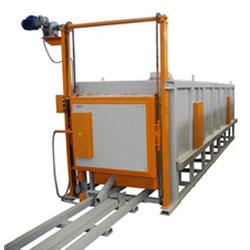
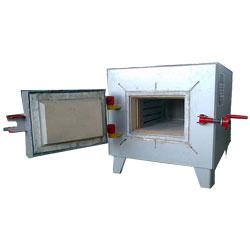
Curing ovens come in diverse variants designed to meet different operational needs and preferences.
Batch Curing Ovens
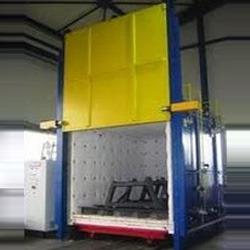
These ovens are suitable for small to medium production runs. They allow for flexibility in processing various items simultaneously, making them ideal for businesses with diverse coating requirements.
Conveyor Curing Ovens
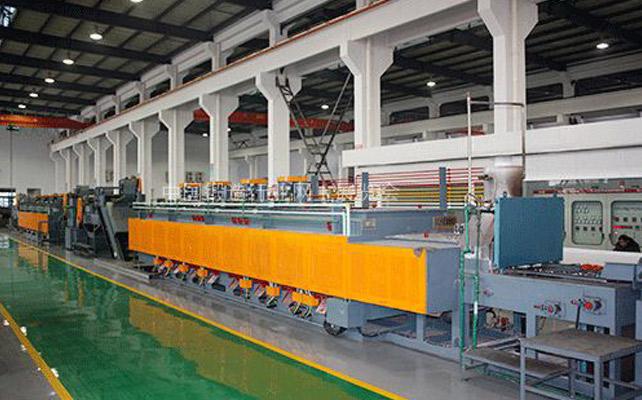
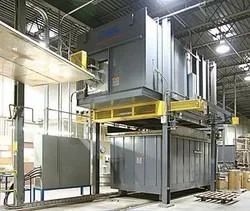
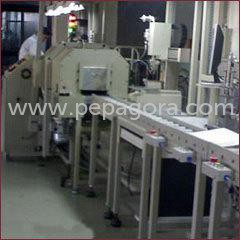
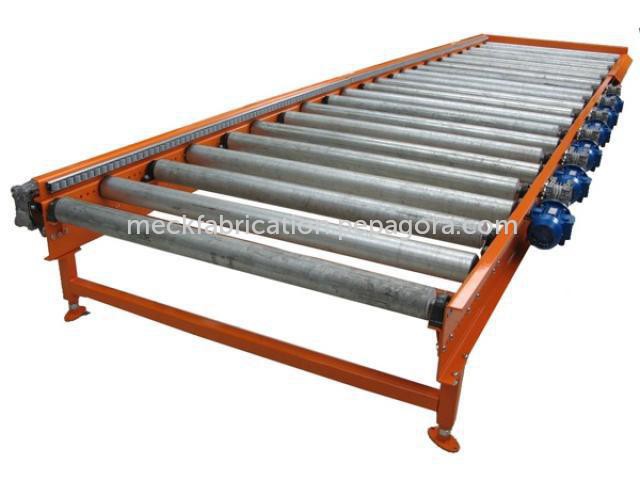
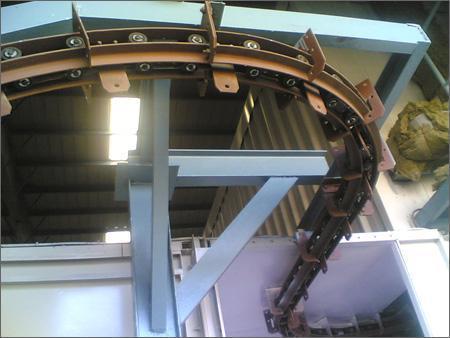
Conveyor ovens are designed for high-volume production. They feature a continuous process where items are moved through the oven on a conveyor belt, ensuring efficiency and consistent curing.
Walk-In Curing Ovens
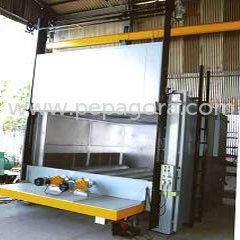
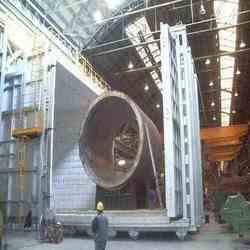
These ovens provide ample space for larger items or bulk processing. They are ideal for industries that require curing of oversized parts or multiple items at once.
𝗕𝗲𝗻𝗲𝗳𝗶𝘁𝘀 𝗮𝗻𝗱 𝗔𝗱𝘃𝗮𝗻𝘁𝗮𝗴𝗲𝘀
Choosing the right curing oven offers several benefits to businesses.
1. Improved Coating Quality: Curing ovens enhance the quality of the final finish, leading to better adhesion and durability.
2. Increased Production Efficiency: With consistent curing processes, businesses can streamline production, reducing time and waste.
3. Versatility: Curing ovens can accommodate various types of coatings, making them suitable for different applications.
4. Cost Savings: Energy-efficient models can lead to reduced operating costs over time.
5. Enhanced Safety: Modern ovens come with safety features that protect workers and ensure compliance with industry regulations.
6. Customization Options: Many manufacturers offer customized solutions to meet specific business needs.
𝗕𝘂𝘆𝗶𝗻𝗴 𝗚𝘂𝗶𝗱𝗲 𝗳𝗼𝗿 𝗕𝟮𝗕 𝗕𝘂𝘆𝗲𝗿𝘀
When sourcing curing ovens for paint and powder coating, several factors should be considered to ensure a suitable purchase.
1. Quality Assessment: Evaluate the quality of materials and construction. Look for ovens that meet industry standards and have a reputation for reliability.
2. Supplier Verification: Vet suppliers thoroughly. Ensure they have a proven track record and positive customer feedback.
3. Pricing and MOQ: Understand the pricing structure and minimum order quantities. Compare costs among various suppliers to find the best value.
4. Delivery and Lead Times: Clarify delivery schedules and lead times to align with production needs. Timely delivery is crucial for maintaining project timelines.
5. Compliance Requirements: Ensure that the curing ovens comply with relevant safety and environmental regulations. This can prevent future legal issues.
𝗖𝗼𝗺𝗽𝗹𝗶𝗮𝗻𝗰𝗲 𝗮𝗻𝗱 𝗖𝗲𝗿𝘁𝗶𝗳𝗶𝗰𝗮𝘁𝗶𝗼𝗻𝘀
Curing ovens are subject to various quality standards and certifications that ensure their safety and efficiency.
ISO 9001 is a widely recognized quality management standard that outlines criteria for consistent quality in products and services. Curing ovens that meet this standard provide assurance of reliability and performance.
The CE marking indicates compliance with European health, safety, and environmental protection standards. This certification is essential for ovens operating within the European market, ensuring they meet strict regulatory requirements.
Safety and testing requirements are critical for curing ovens, as they must protect operators and ensure safe operation. Manufacturers often conduct rigorous testing to meet these standards before products reach the market.
Regional compliance considerations may vary, so it is vital to understand local regulations where the ovens will be used. This ensures that businesses remain compliant and avoid penalties.
Why Source Curing Ovens (Paint, Powder Coating) from Pepagora?
Pepagora offers a trusted platform for sourcing curing ovens for paint and powder coating, providing several key advantages for B2B buyers.
Verified Supplier Network: Pepagora connects buyers with a network of verified suppliers. This ensures that businesses can source high-quality ovens from reputable manufacturers.
Streamlined RFQ Process: The platform simplifies the request for quotation process, allowing buyers to easily compare options and select the best fit for their needs.
Trade Assurance and Support: Pepagora provides buyer protection through trade assurance, ensuring that transactions are secure and that buyers receive support throughout the purchasing process.
Regional Coverage: With a focus on markets in India, the GCC, and Southeast Asia, Pepagora offers extensive coverage to meet the diverse needs of businesses in these regions. This ensures that buyers have access to local suppliers and resources.

 IN
IN
 India
India