
 IN
Coriander Seeds
22 products available
What are Coriander Seeds?
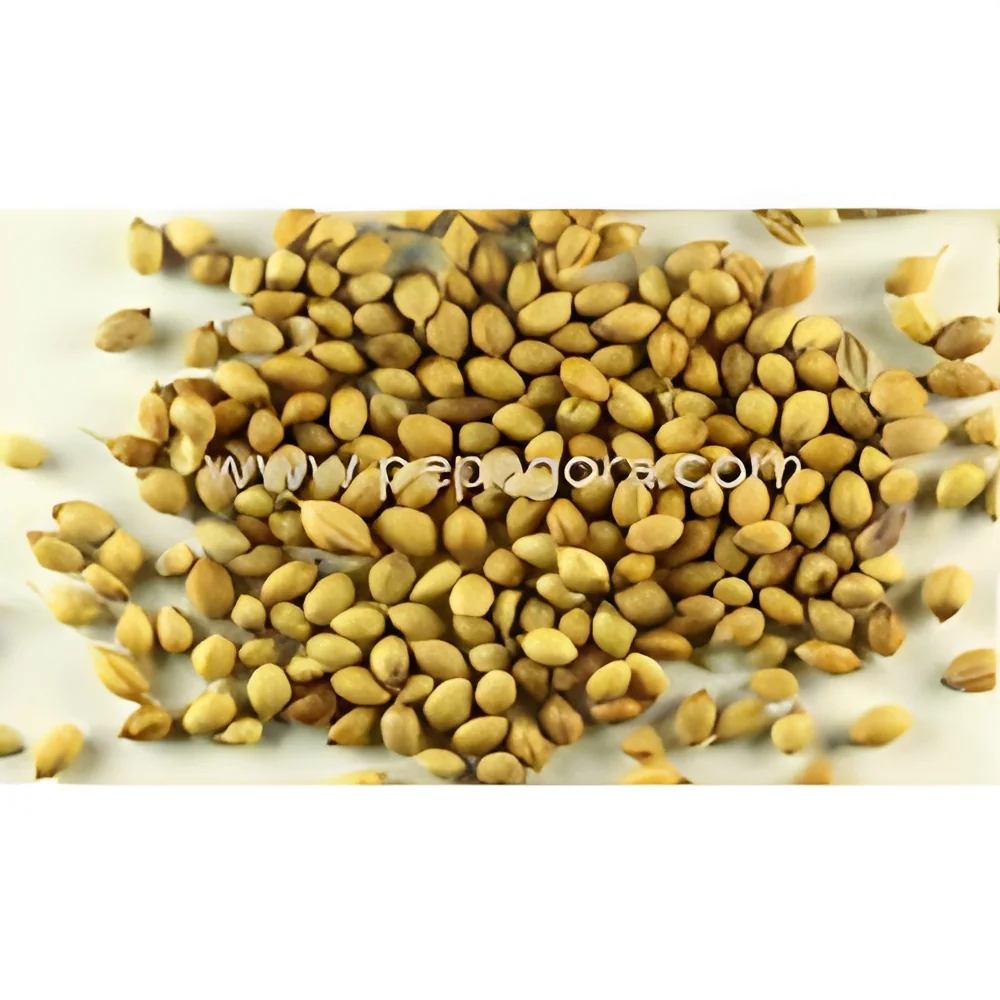
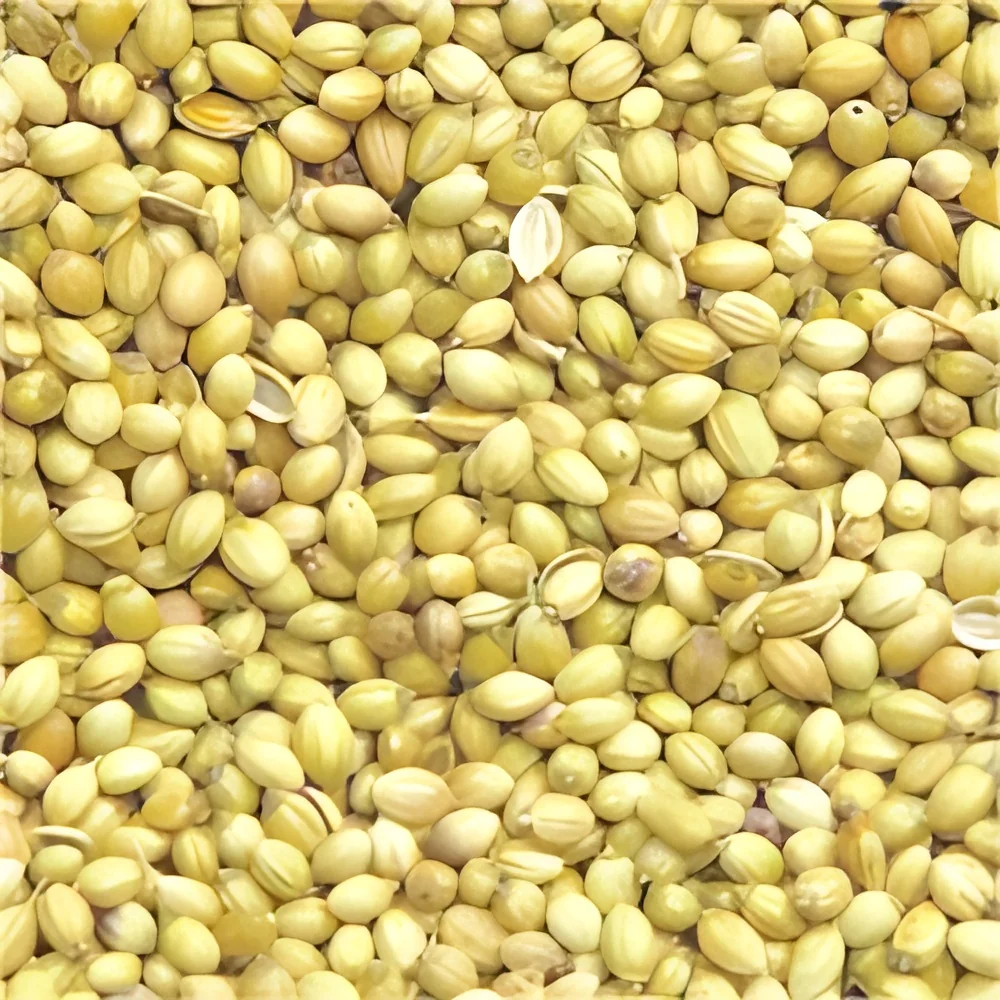
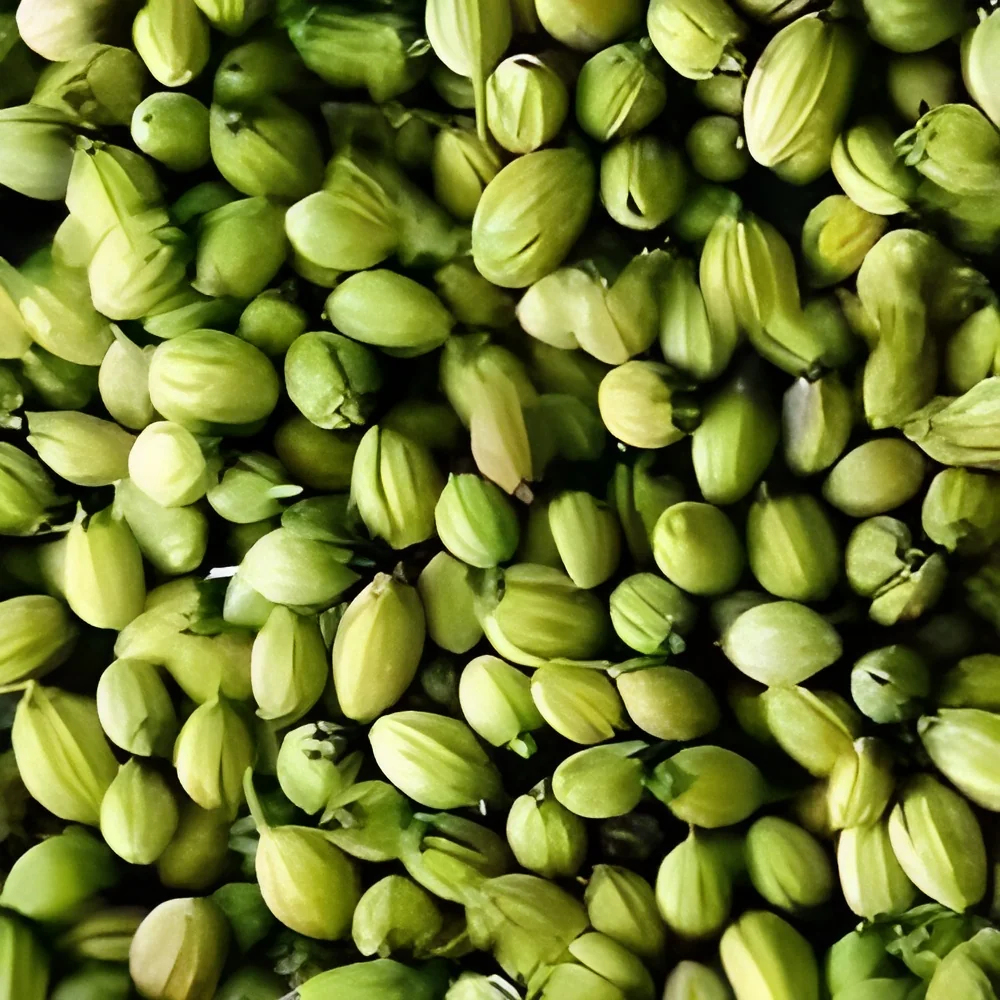
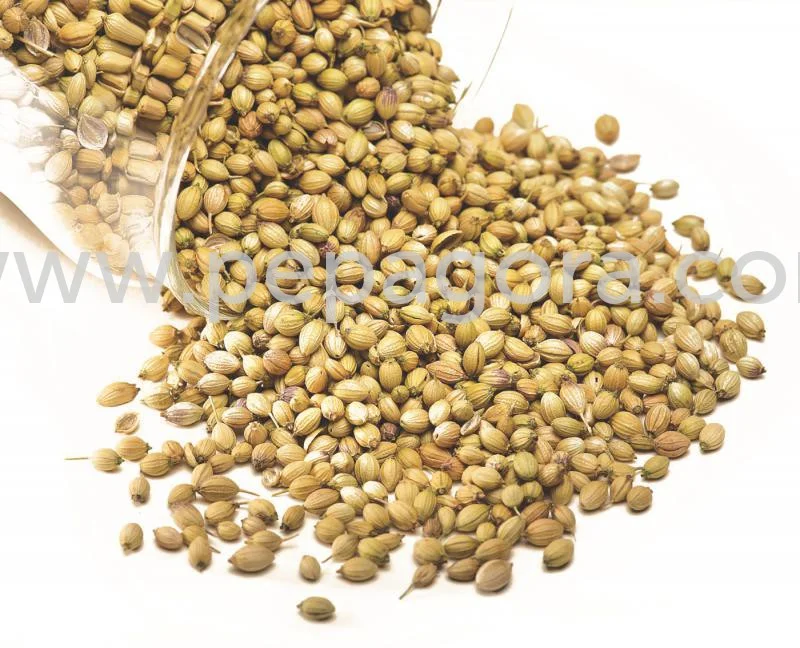
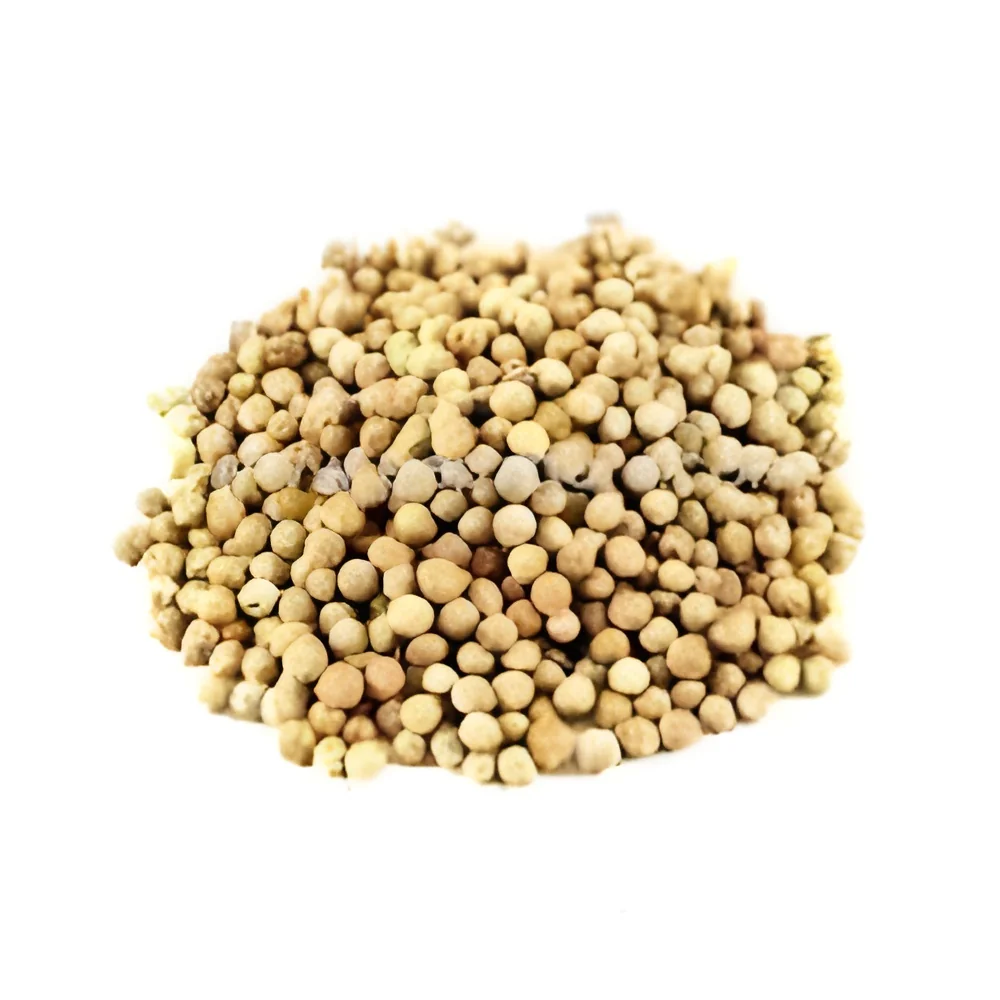
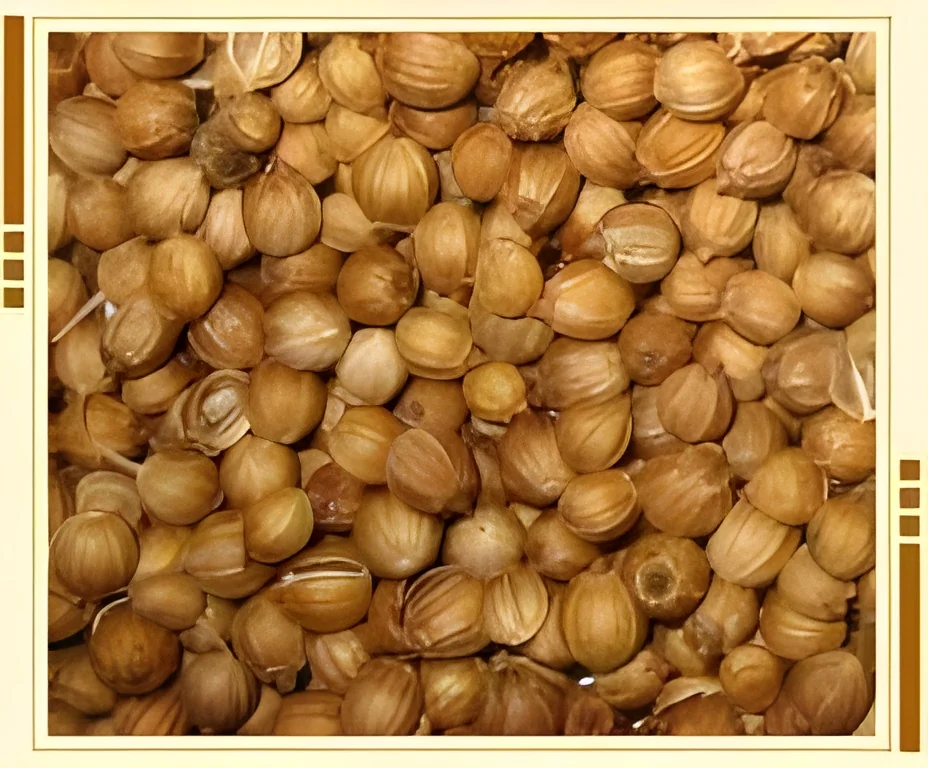
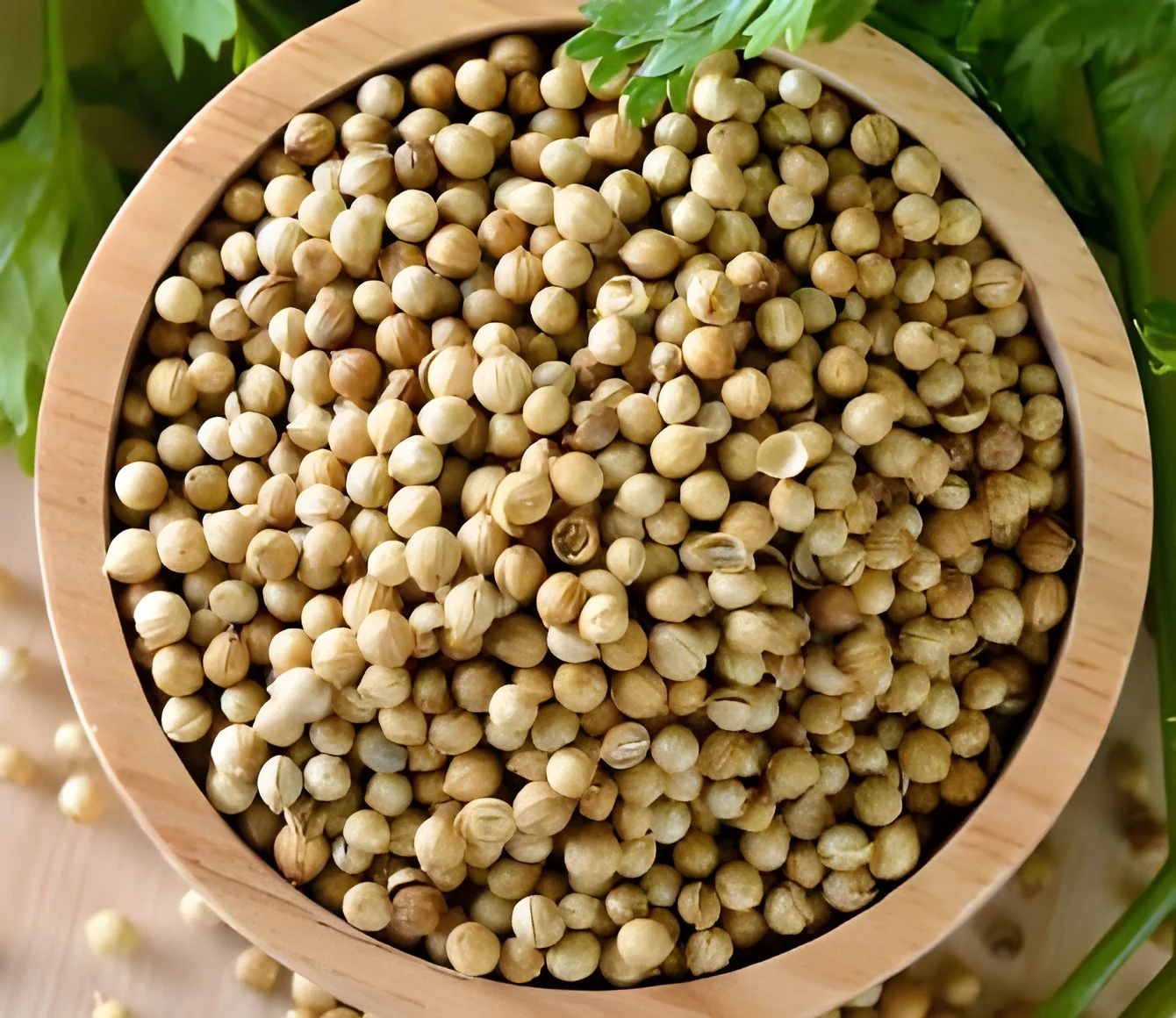
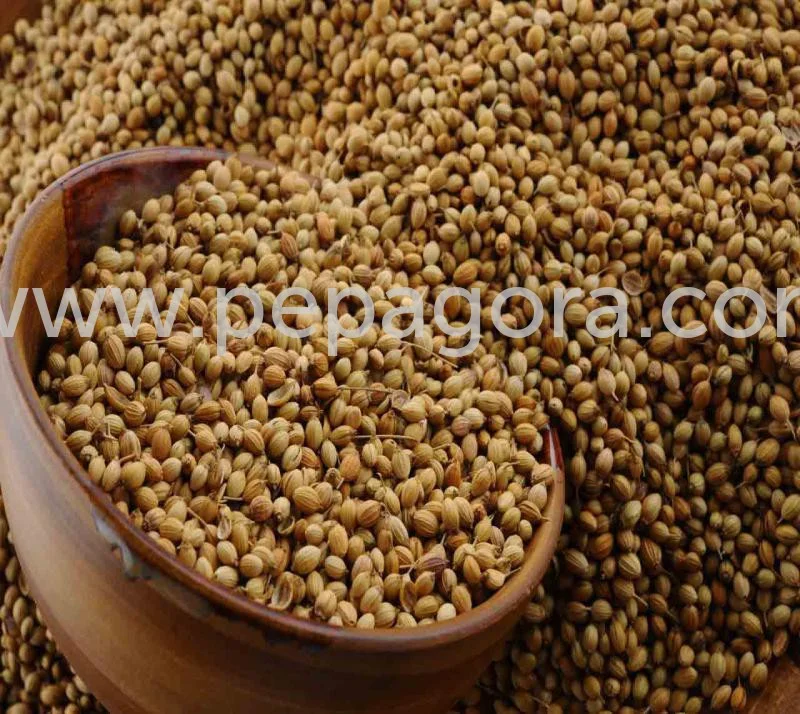
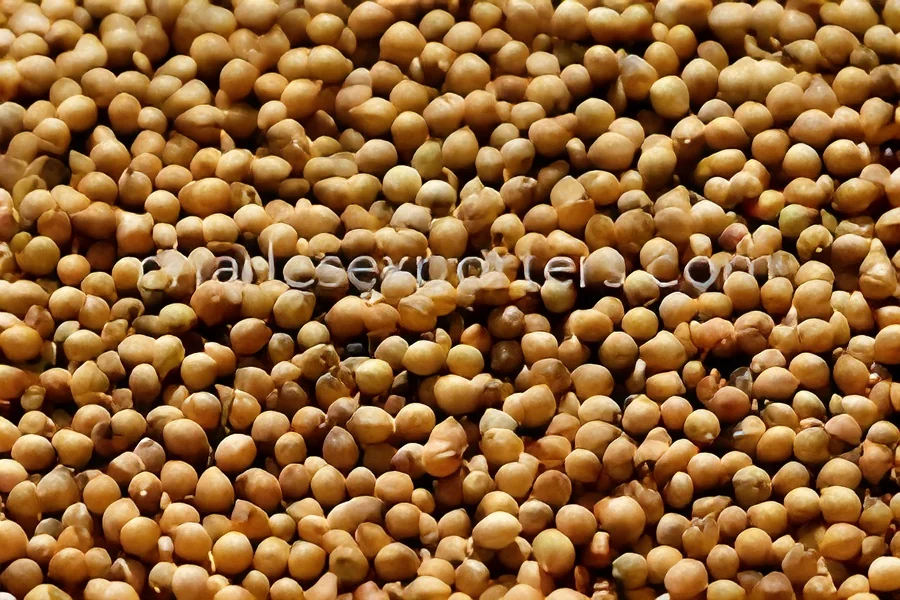
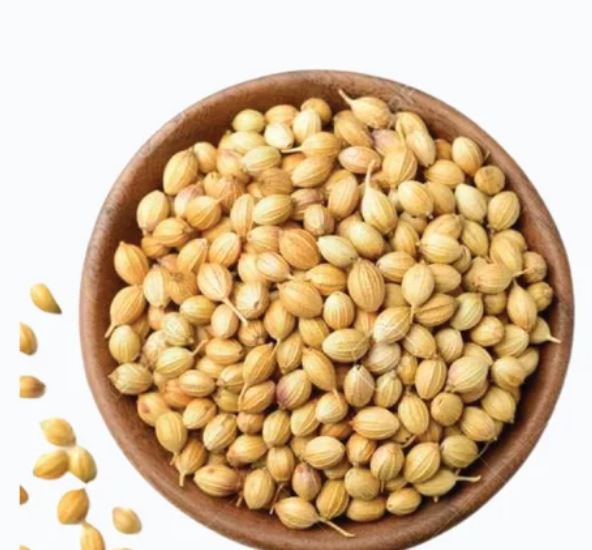
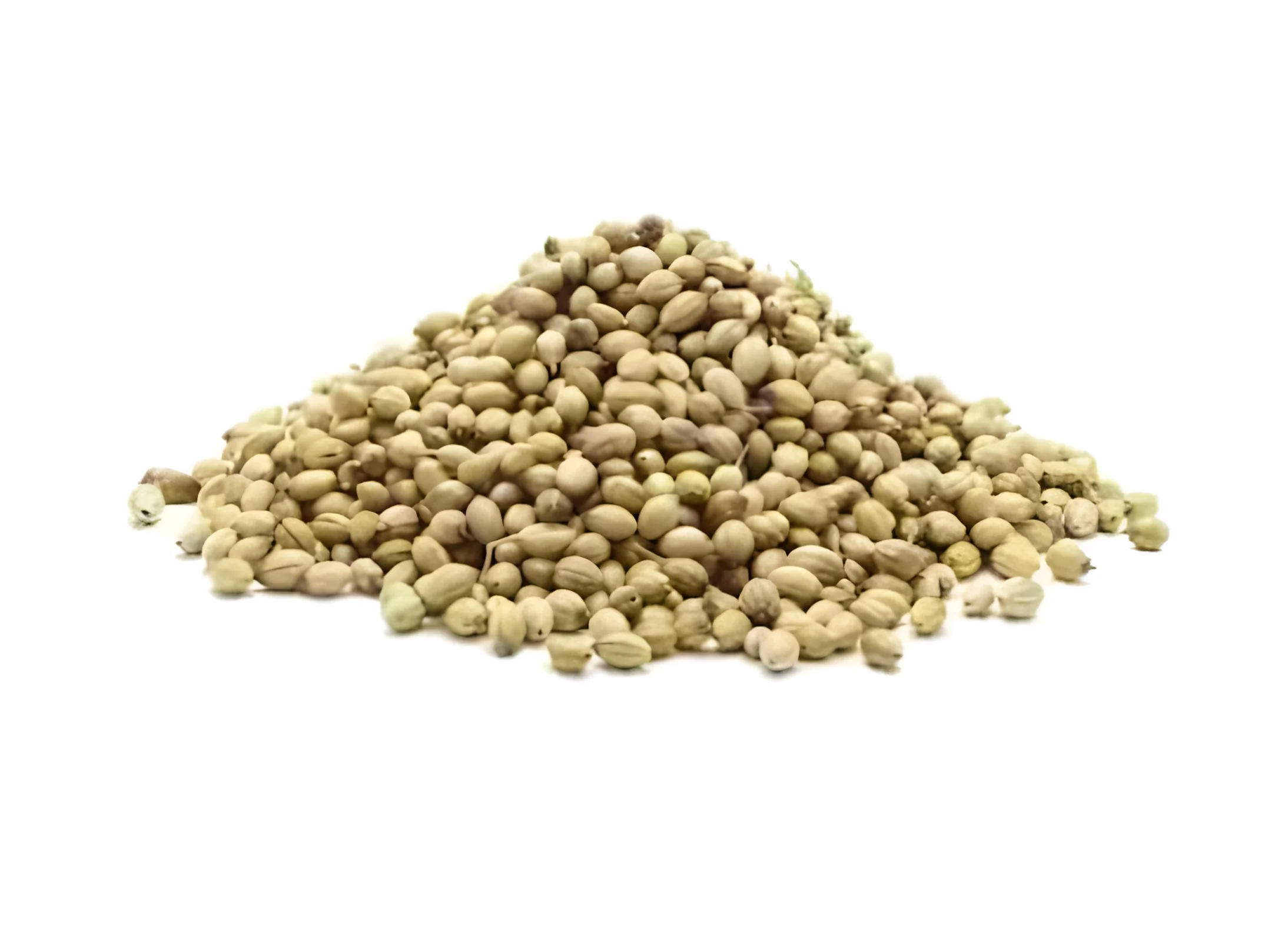
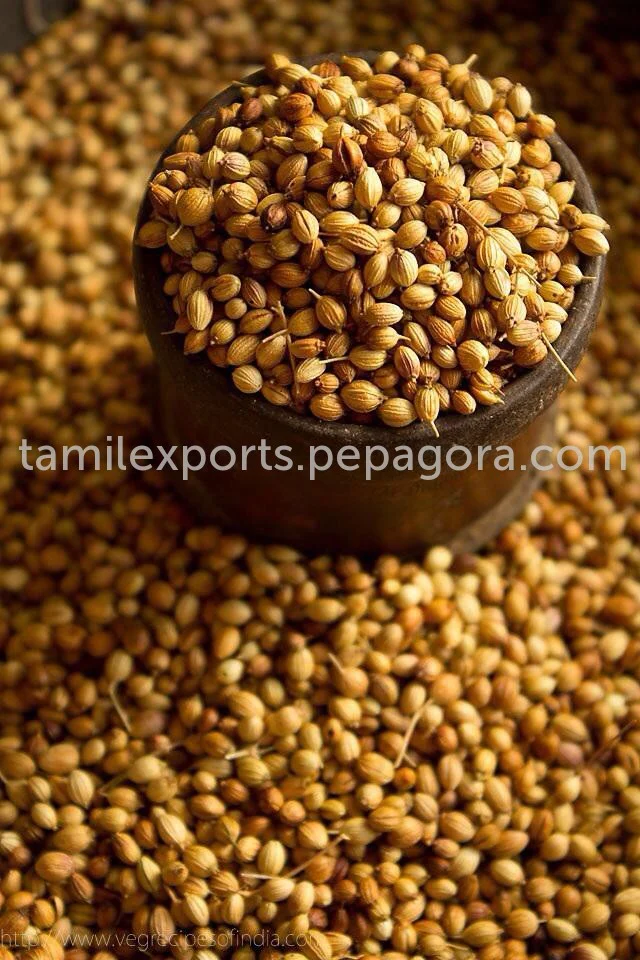
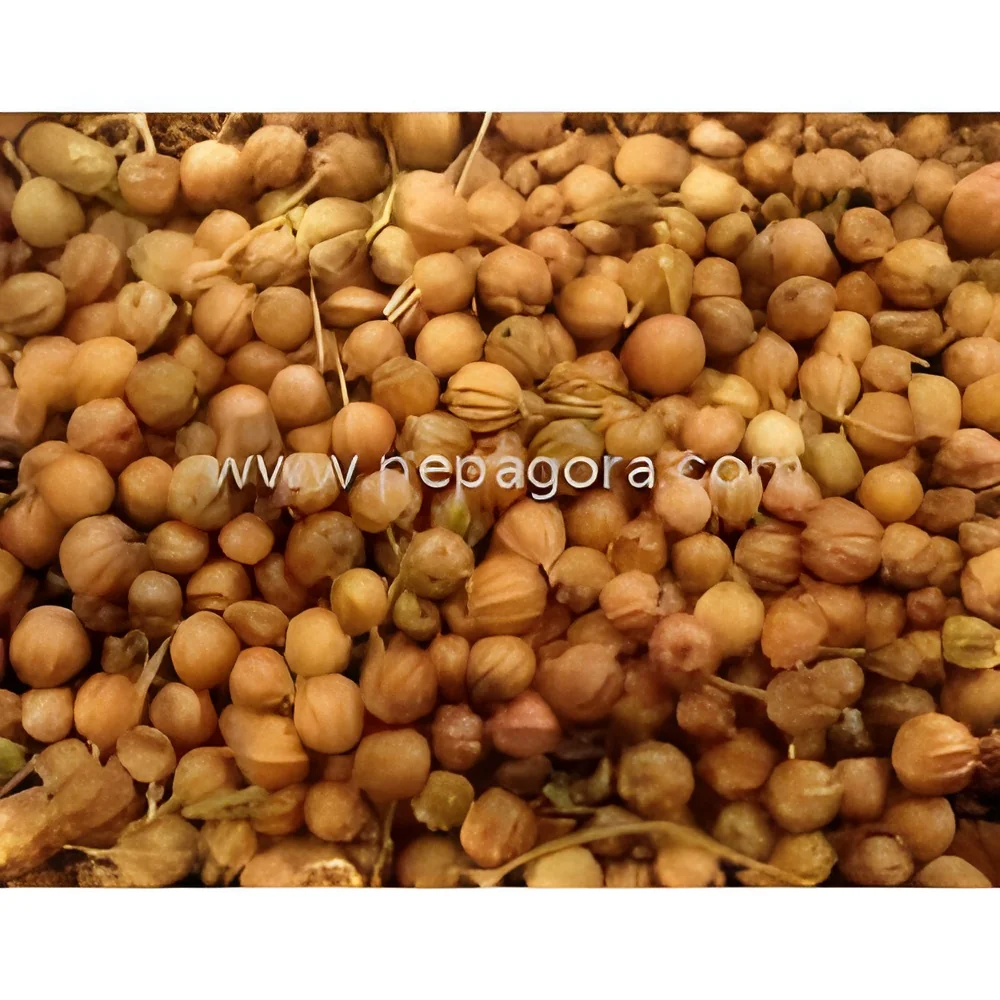
Coriander seeds are the dried fruit of the coriander plant, scientifically known as Coriandrum sativum. These seeds are small, round, and typically light brown in color. They possess a warm, spicy, and slightly citrusy flavor, making them a popular ingredient in various culinary applications. Coriander seeds are often used whole or ground, offering versatility in flavoring and seasoning.
In the B2B context, coriander seeds have numerous applications across different industries. They are widely utilized in the food and beverage sector, particularly in spice blends, sauces, and baked goods. Additionally, the seeds are valuable in the pharmaceutical industry, where they are used for their potential health benefits. The growing demand for natural and organic ingredients has further driven the market for coriander seeds, making them a significant commodity in many regions.
Key Features and Specifications
Coriander seeds are characterized by several key features that define their quality and usability. Understanding these specifications is essential for businesses looking to source high-quality seeds for their applications.
Key specifications include:
1. Quality Assessment
- Seeds should be free from contaminants, mold, and foreign materials.
- Moisture content should typically be below 10% to ensure shelf stability.
2. Size and Shape
- Seeds should be uniform in size, typically ranging from 3 to 5 mm in diameter.
- A round shape is preferred for even grinding and flavor release.
3. Flavor Profile
- Fresh coriander seeds should have a strong, aromatic fragrance.
- Flavor intensity can vary based on origin and processing methods.
4. Origin
- Sourcing from specific regions, such as India or Morocco, can affect flavor and quality.
- Traceability to source is important for quality assurance.
5. Packaging
- Bulk packaging is common, typically in 25 kg or 50 kg bags.
- Packaging should be moisture-proof to preserve freshness.
6. Shelf Life
- Properly stored coriander seeds can have a shelf life of 2 to 3 years.
- Storage conditions should be cool and dry to maintain quality.
In summary, these specifications ensure that businesses can select coriander seeds that meet their quality standards and application needs.
Common Applications and Use Cases
Coriander seeds find applications in various industries, showcasing their versatility and importance.
1. Food and Beverage Industry: Coriander seeds are commonly used as a spice in culinary applications, enhancing the flavor of curries, sauces, and baked goods. They are a key ingredient in many spice blends.
2. Pharmaceutical Industry: The seeds are known for their potential health benefits, including digestive support and antioxidant properties. They are often used in herbal formulations and dietary supplements.
3. Cosmetic Industry: Coriander seeds are sometimes included in skincare products for their soothing properties and pleasant aroma, making them a valuable ingredient in natural cosmetics.
4. Beverage Production: Coriander seeds are used in the brewing of certain beers and spirits, adding unique flavor profiles that appeal to consumers seeking craft beverages.
5. Natural Remedies: In traditional medicine, coriander seeds are utilized for their potential therapeutic properties, often in herbal teas and tinctures.
6. Essential Oils: Coriander seeds are extracted to produce essential oils, which are used in aromatherapy and fragrance applications.
Product Variants and Subcategories
Coriander seeds are available in various forms to cater to different market needs. Each variant offers unique features and applications.
Whole Coriander Seeds
Whole seeds are ideal for culinary use, retaining their flavor and aroma until ground. They are often preferred for spice blends and can be toasted to enhance their flavor.
Ground Coriander
This variant is convenient for immediate use in recipes. Ground coriander offers a more intense flavor but should be used quickly to maintain freshness.
Benefits and Advantages
Sourcing high-quality coriander seeds brings several benefits to businesses.
1. Flavor Enhancement: Coriander seeds add a distinct flavor profile that can elevate a wide range of dishes and products.
2. Natural Ingredient: As a natural spice, coriander seeds appeal to consumers seeking cleaner labels and organic options.
3. Versatile Applications: The seeds can be used in various industries, from food to cosmetics, making them a flexible addition to product lines.
4. Health Benefits: Known for potential health properties, coriander seeds can enhance the marketability of food and supplement products.
5. Cost-Effectiveness: Purchasing coriander seeds in bulk can lead to significant cost savings for manufacturers and retailers.
Buying Guide for B2B Buyers
When sourcing coriander seeds, it is essential to consider several key factors to ensure quality and reliability.
1. Quality Assessment: Evaluate the quality of coriander seeds by checking for freshness, size uniformity, and proper moisture content. High-quality seeds will have a strong aroma and flavor.
2. Supplier Verification: It is crucial to vet suppliers to ensure they adhere to quality standards and ethical sourcing practices. Look for suppliers with industry certifications and positive reviews.
3. Pricing and MOQ: Understand pricing structures and minimum order quantities (MOQ) to make informed purchasing decisions. Consider negotiating terms based on order volume.
4. Delivery and Lead Times: Confirm delivery schedules and lead times to ensure timely availability of seeds for production needs.
5. Compliance Requirements: Be aware of regional compliance requirements and certifications, such as CE, to ensure that the sourced coriander seeds meet industry standards.
Compliance and Certifications
Coriander seeds must meet specific quality standards and compliance requirements to be accepted in various markets. Relevant standards include ISO 9001, which ensures a quality management system, and HACCP, which focuses on food safety management. These standards help businesses maintain product consistency and safety.
Industry certifications, such as CE, confirm that products comply with European health, safety, and environmental protection standards. Additionally, businesses should be aware of safety and testing requirements to mitigate risks associated with food products.
Regional compliance considerations may vary, so it is important for buyers to research and adhere to local regulations regarding the import and sale of coriander seeds.
Why Source Coriander Seeds from Pepagora?
Pepagora offers a reliable platform for sourcing coriander seeds, providing several key advantages for businesses.
Verified Supplier Network: Pepagora connects buyers with a network of verified suppliers, ensuring quality and reliability in sourcing. This network undergoes thorough evaluation to maintain high standards.
Streamlined RFQ Process: The Request for Quotation (RFQ) process is designed to be efficient, allowing buyers to quickly receive competitive quotes from multiple suppliers. This enhances decision-making and reduces sourcing time.
Trade Assurance and Support: With trade assurance programs, Pepagora offers buyer protection, ensuring that businesses can source with confidence. Support services are also available to assist with any queries during the sourcing process.
Regional Coverage: Pepagora’s geographic reach includes India, the GCC, and Southeast Asia, making it a valuable resource for businesses looking to source coriander seeds from diverse markets. This regional coverage helps buyers access high-quality products tailored to their specific needs.





 India
 India
 India
 India
 India










Frequently Asked Questions
What are Coriander Seeds?
Coriander seeds are the dried fruits of the coriander plant, known scientifically as Coriandrum sativum. They are used as a spice and have a warm, nutty flavor. Coriander seeds are commonly used in various cuisines, including Indian, Middle Eastern, and Mediterranean dishes.
What are the different types of Coriander Seeds?
Coriander seeds can primarily be classified into two types: whole coriander seeds and ground coriander. Whole seeds are used in their natural form for seasoning, while ground coriander offers a more intense flavor and is often used in spice blends or marinades.
How do I choose the right Coriander Seeds?
When selecting coriander seeds, consider their freshness and aroma. Look for seeds that are whole and have a pleasant, strong smell, as this indicates quality. Additionally, check for uniformity in size and color to ensure consistency.
What are the standard specifications for Coriander Seeds?
Standard specifications for coriander seeds typically include moisture content, which should not exceed 10%, and purity levels of at least 99%. The seeds should also be free from foreign matter and have a specific size range to meet quality requirements.
What is the price range for Coriander Seeds?
The price of coriander seeds can vary based on quality, origin, and market conditions. Generally, the price range falls between INR 100 to INR 300 per kilogram in India, but it is advisable to check current market rates for accuracy.
What quality standards apply to Coriander Seeds?
Quality standards for coriander seeds often include adherence to food safety regulations and grading systems. Seeds should be assessed for factors such as size, color, moisture content, and the absence of contaminants to ensure they meet industry standards.
Where can I find Coriander Seeds suppliers in India?
You can find coriander seeds suppliers in India through various online B2B marketplaces, such as Pepagora.com. Additionally, local agricultural fairs and trade shows often feature suppliers specializing in spices, including coriander seeds.
Can Coriander Seeds be customized?
Coriander seeds can be customized in terms of packaging and specific quality parameters as per buyer requirements. However, the seeds themselves cannot be altered as they are a natural product, but suppliers may offer different blends or preparations.
What is the typical minimum order quantity for Coriander Seeds?
The typical minimum order quantity (MOQ) for coriander seeds can vary depending on the supplier. Generally, MOQs can range from 25 kg to 100 kg, but it's best to confirm with individual suppliers for their specific requirements.
What is the typical lead time for Coriander Seeds?
The typical lead time for coriander seeds can range from 1 to 4 weeks, depending on the supplier's inventory and order size. Factors such as shipping and location can also impact delivery timelines.
Why Businesses Trust Pepagora
Thousands of companies trust Pepagora to source smarter and sell faster
Expand Your Sales Globally

Source Smarter,Grow Faster
