
 IN
Cloves
15 products available
What are Cloves?
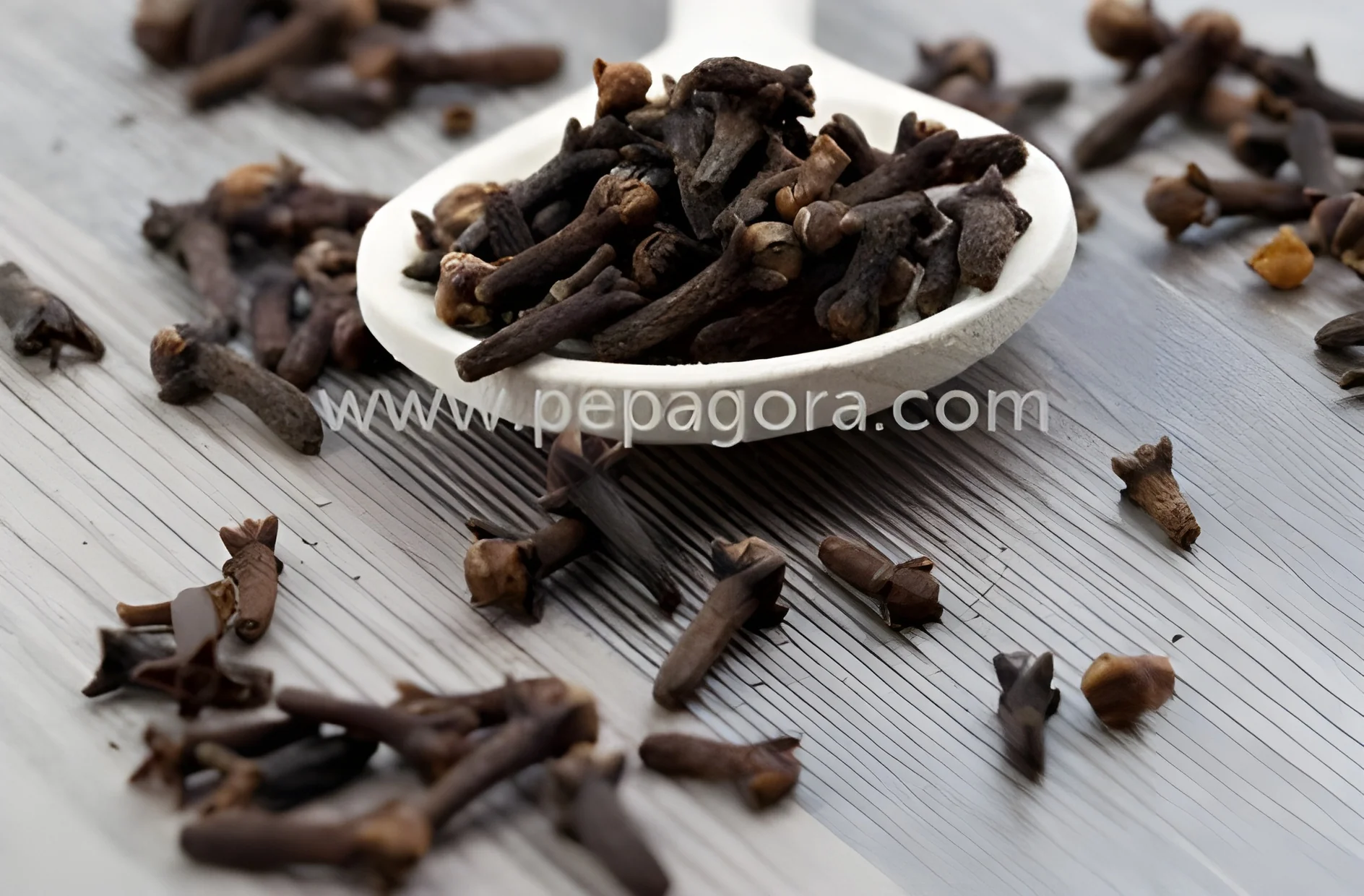
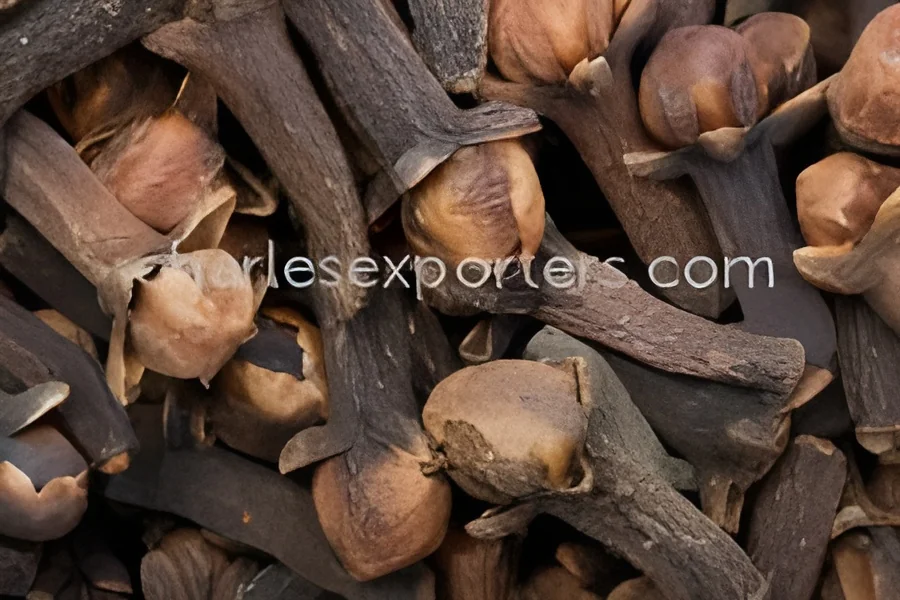
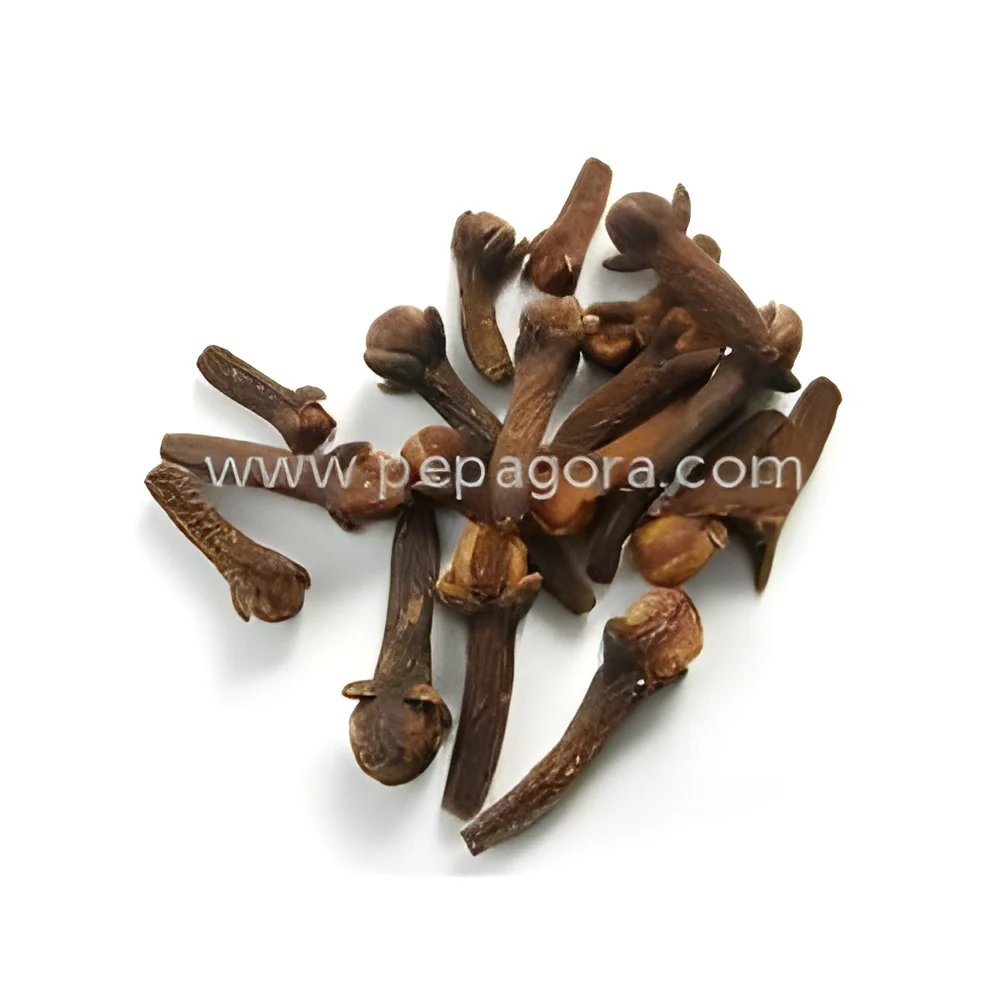
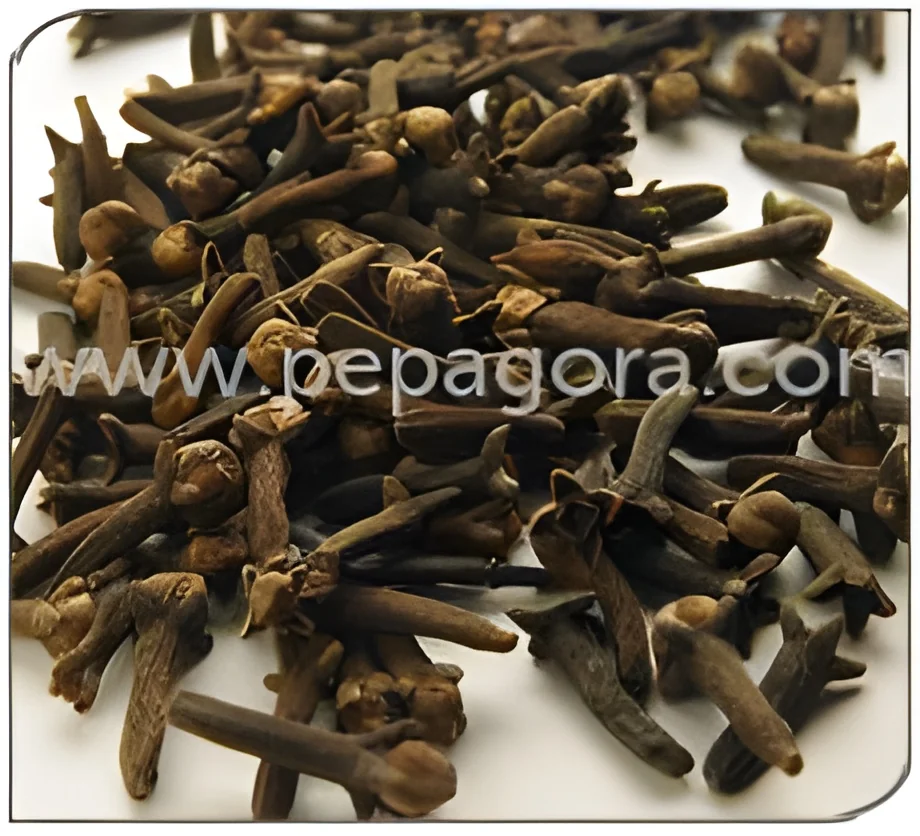
Cloves are the dried flower buds of the Syzygium aromaticum tree, native to the Maluku Islands in Indonesia. They are characterized by their strong aroma and distinctive flavor, which make them a valuable spice in culinary applications. Cloves are harvested when the buds are still immature and are typically dried in the sun before being processed for various uses.
In the business context, cloves serve multiple purposes across diverse industries, primarily in food and beverage, pharmaceuticals, and cosmetics. They are widely utilized for flavoring in food products, as well as in the production of essential oils and extracts. Additionally, cloves possess antimicrobial properties, leading to their use in health-related products. The global market for cloves is significant, driven by an increasing demand for natural flavoring agents and health supplements.
Key Features and Specifications
Cloves are distinguished by several key features that enhance their usability and appeal. Understanding these specifications is essential for businesses looking to source high-quality cloves for their products.
Key specifications include:
1. Aroma and Flavor Profile
- Strong, pungent, and sweet flavor
- Characteristic warm and spicy aroma
2. Moisture Content
- Ideal moisture content typically around 10-12%
- Affects shelf life and quality
3. Size and Appearance
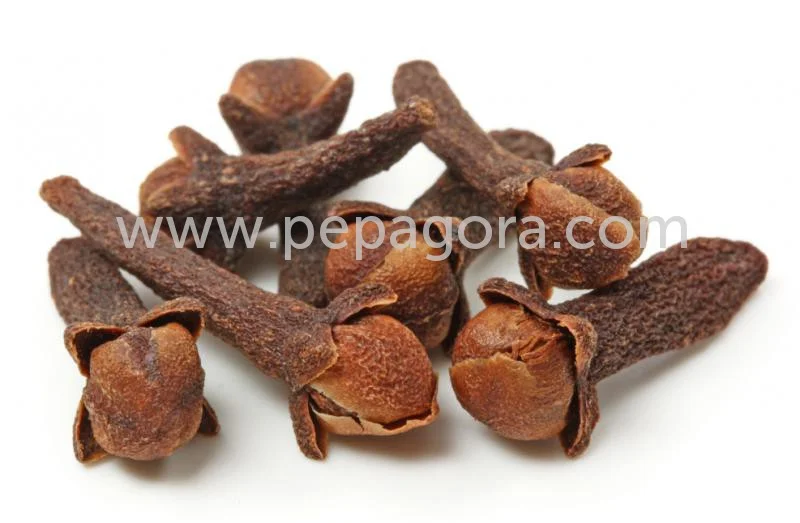
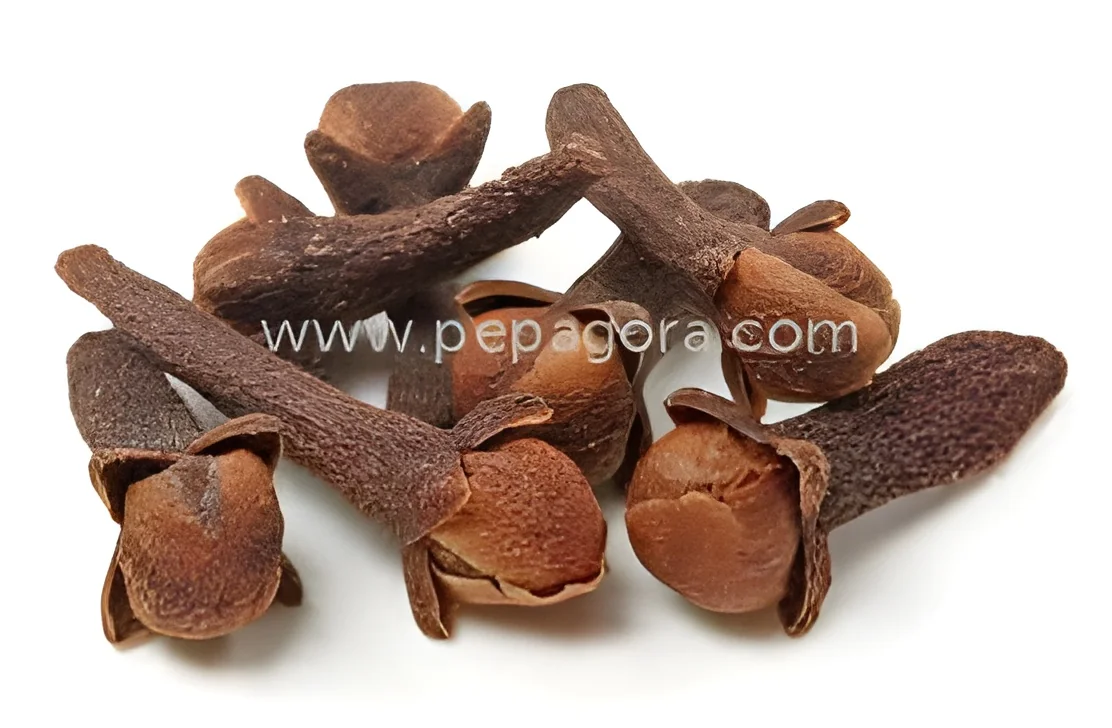
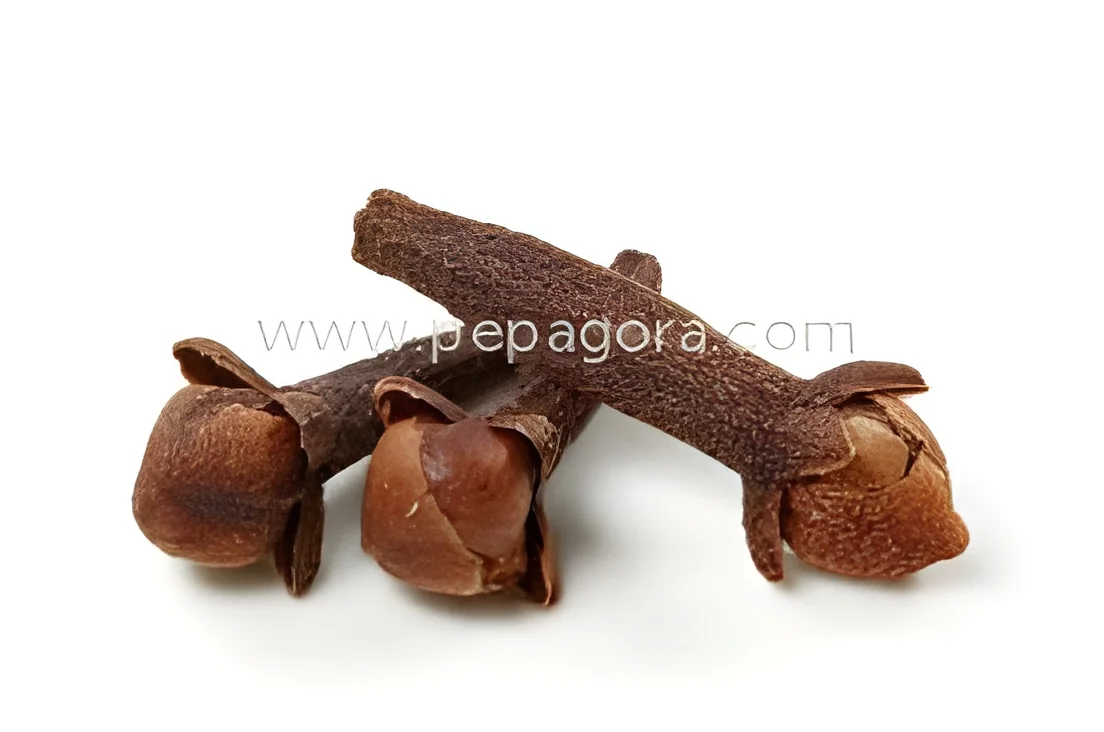
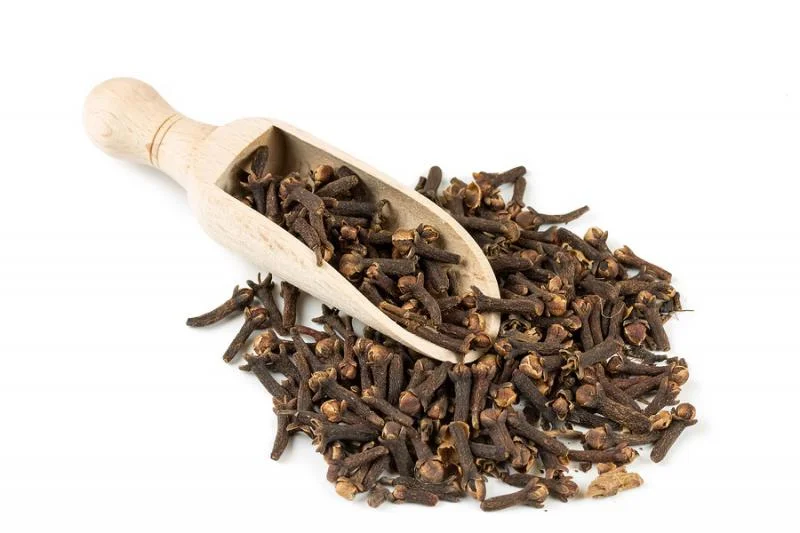
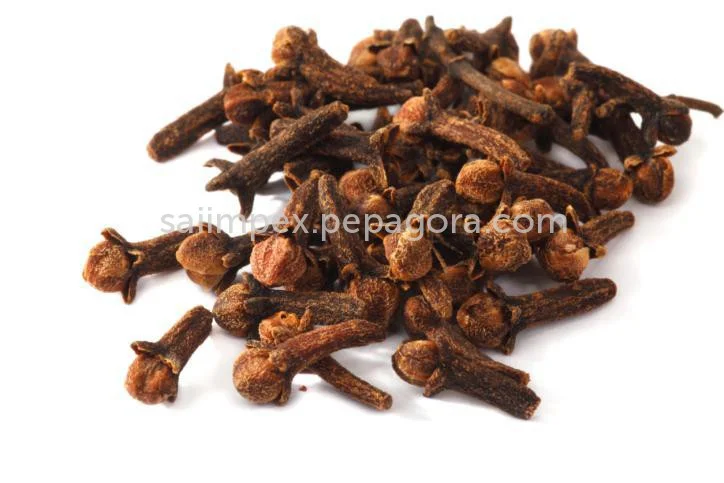
- Whole cloves are about 1-2 cm in length
- Dark brown color with a tapered end
4. Essential Oil Content
- Contains approximately 15-20% essential oil
- Main component is eugenol, contributing to flavor and medicinal properties
5. Shelf Life
- Typically ranges from 2 to 3 years when stored properly
- Affected by storage conditions like temperature and humidity
6. Origin and Quality
- Sourced from various regions including Indonesia, Madagascar, and Sri Lanka
- Quality can vary based on origin and growing conditions
7. Packaging
- Available in bulk and retail packaging
- Must be airtight to preserve freshness
8. Certifications
- CE certified for food safety
- Compliance with international quality standards
In summary, cloves are a multifaceted product with specific features that can influence their application and effectiveness in various industries.
Common Applications and Use Cases
Cloves have a wide range of applications across multiple industries, each leveraging their unique properties.
1. Food and Beverage: Cloves are commonly used as a spice in cooking and baking, providing a rich flavor to dishes such as curries, baked goods, and beverages like chai tea.
2. Pharmaceuticals: Due to their antimicrobial and anti-inflammatory properties, cloves are often included in health supplements and topical ointments for pain relief.
3. Cosmetics: Clove oil is utilized in cosmetic products for its fragrance and skin-soothing properties, appearing in items such as lotions and perfumes.
4. Agriculture: Cloves can serve as a natural pesticide, helping to repel certain pests and contributing to organic farming practices.
5. Traditional Medicine: In various cultures, cloves have been used in herbal remedies to treat digestive issues and as a natural analgesic.
6. Essential Oils: Clove oil is extracted for its potent aroma and therapeutic benefits, widely used in aromatherapy and natural health products.
7. Flavoring Agents: Used in the production of sauces, marinades, and seasonings for its strong flavor profile.
Product Variants and Subcategories
Cloves come in various forms that cater to different applications and user preferences. Each variant has its unique characteristics.
Whole Cloves
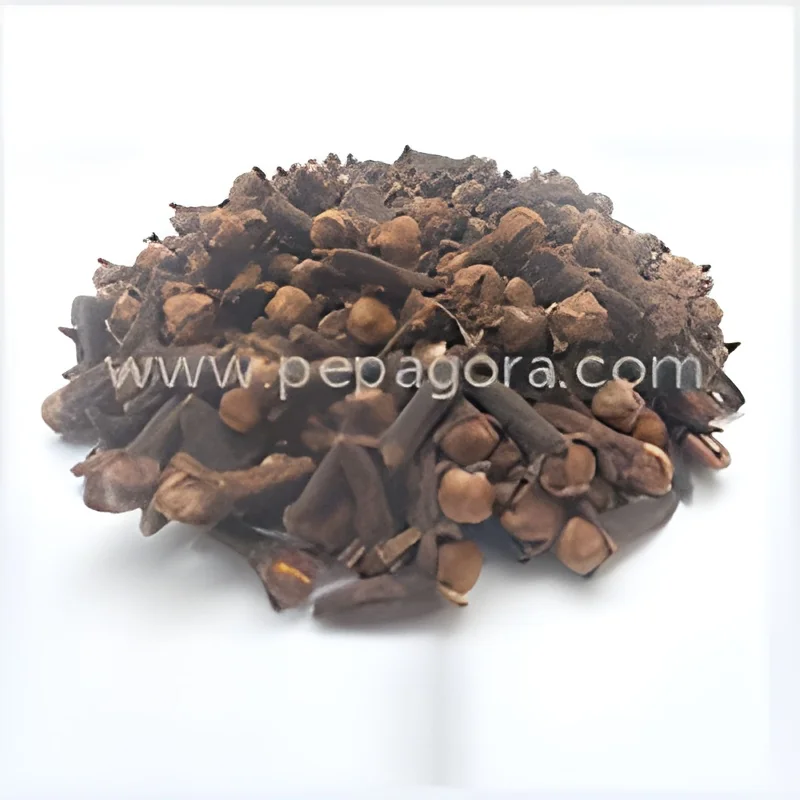
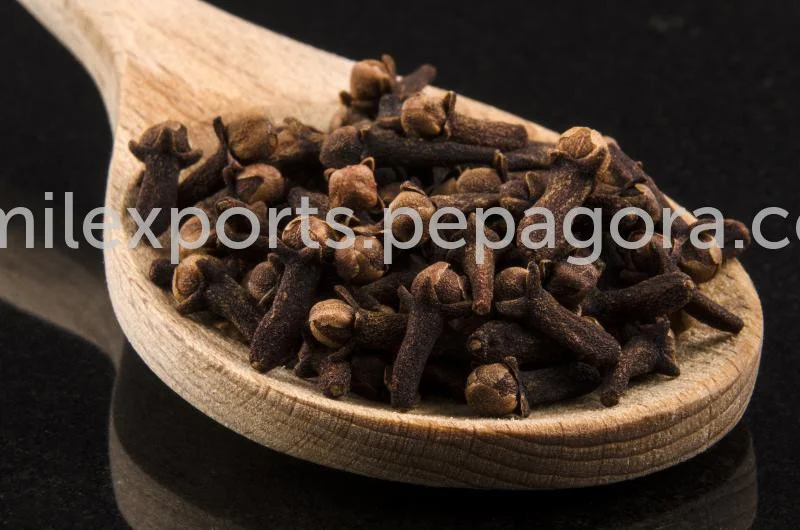
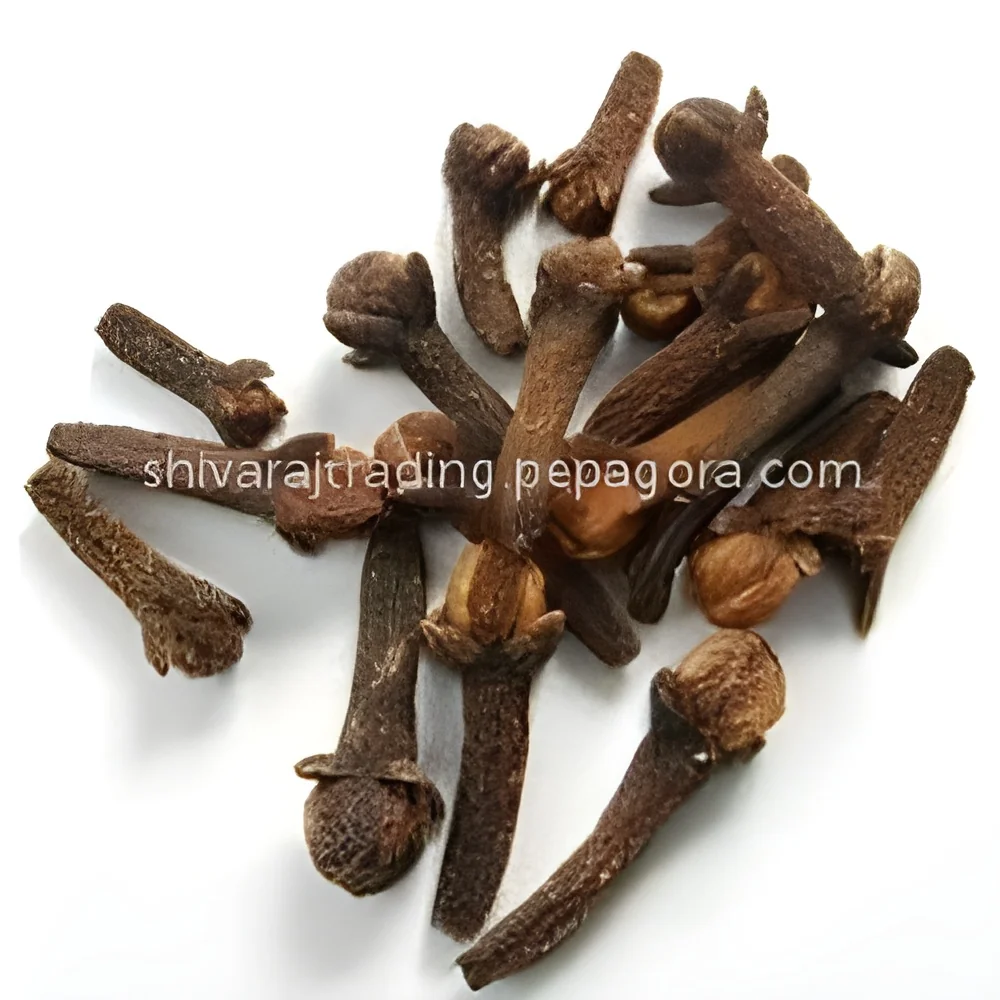
Whole cloves are the dried flower buds and are commonly used in cooking and baking. They are preferred for their longevity and ability to impart flavor over time.
Clove Powder
Ground clove powder is made from whole cloves and is often used in spice blends and baking. It provides a more intense flavor and is easier to incorporate into recipes.
Clove Oil
Extracted from the flower buds, clove oil is used for its aromatic properties in perfumes and essential oil blends. It is also used in dental products for its analgesic effects.
Benefits and Advantages
Sourcing cloves offers numerous advantages that can enhance product offerings and business operations.
1. Natural Flavoring: Cloves provide a rich, natural flavor that enhances the taste of various food products without artificial additives.
2. Health Benefits: Cloves are known for their medicinal properties, offering potential health benefits that can be marketed in health and wellness products.
3. Versatility: Cloves can be used in a wide range of applications, from culinary uses to industrial products, making them highly adaptable for various industries.
4. Long Shelf Life: When stored properly, cloves have a long shelf life, reducing the frequency of restocking and ensuring product availability.
5. Sustainable Sourcing: Sourcing cloves from reliable suppliers can contribute to sustainable agricultural practices and support local economies.
6. Competitive Pricing: Cloves can be sourced at competitive prices, allowing businesses to maintain healthy profit margins while providing quality products.
Buying Guide for B2B Buyers
When considering the purchase of cloves, B2B buyers should evaluate several factors to ensure they make informed decisions.
1. Quality Assessment: Buyers should look for cloves that meet specific quality criteria, including aroma, flavor, and moisture content. Conducting sensory evaluations can help determine product suitability.
2. Supplier Verification: It is crucial to vet suppliers for their reliability and reputation. This can include checking certifications, reviews, and previous customer feedback.
3. Pricing and MOQ: Understanding the pricing structure and minimum order quantities is essential for budgeting and inventory management. Buyers should seek multiple quotations to compare costs.
4. Delivery and Lead Times: Timely delivery is critical to maintaining production schedules. Buyers should inquire about lead times and logistics to ensure a smooth supply chain.
5. Compliance Requirements: Familiarity with regulatory requirements and compliance standards is necessary to ensure that sourced cloves meet local and international safety and quality standards.
Compliance and Certifications
Cloves must adhere to various compliance standards and certifications to ensure quality and safety. Relevant quality standards include ISO 9001, which focuses on quality management systems, and HACCP, which addresses food safety.
Industry certifications such as CE are also important, indicating that the product meets European safety and health requirements. Additionally, cloves should undergo safety testing to assess their suitability for consumption and use in cosmetic products.
Regional compliance considerations are vital, as different countries may have specific regulations regarding food products and natural ingredients. Buyers should stay informed about these regulations to ensure compliance and avoid penalties.
Why Source Cloves from Pepagora?
Pepagora offers a reliable platform for sourcing cloves with several key advantages that benefit B2B buyers.
Verified Supplier Network: Pepagora maintains a network of verified suppliers, ensuring that buyers have access to high-quality cloves. Each supplier undergoes rigorous checks to confirm their reliability and product quality.
Streamlined RFQ Process: The platform features a user-friendly RFQ system that simplifies the process of obtaining quotations. Buyers can easily request quotes from multiple suppliers, allowing for efficient comparison and selection.
Trade Assurance and Support: Pepagora provides trade assurance to protect buyers from potential issues, ensuring a secure and reliable sourcing experience. The platform also offers support for any inquiries or issues that may arise during the sourcing process.
Regional Coverage: With a strong presence in India, the GCC, and Southeast Asia, Pepagora ensures broad geographic reach, allowing buyers to source cloves from various regions. This coverage helps in finding the best quality products and competitive pricing.


 India





 India
Frequently Asked Questions
What are Cloves?
Cloves are the dried flower buds of the Syzygium aromaticum tree, native to the Maluku Islands in Indonesia. They are widely used as a spice due to their strong, aromatic flavor and are commonly found in both sweet and savory dishes. Cloves also have medicinal properties and are used in traditional medicine.
What are the different types of Cloves?
The two main types of cloves are whole cloves and ground cloves. Whole cloves are the dried flower buds, while ground cloves are made from crushed whole cloves and are often used in cooking for convenience. There are also variations in quality, such as Indonesian cloves and Indian cloves, which may differ in flavor and potency.
How do I choose the right Cloves?
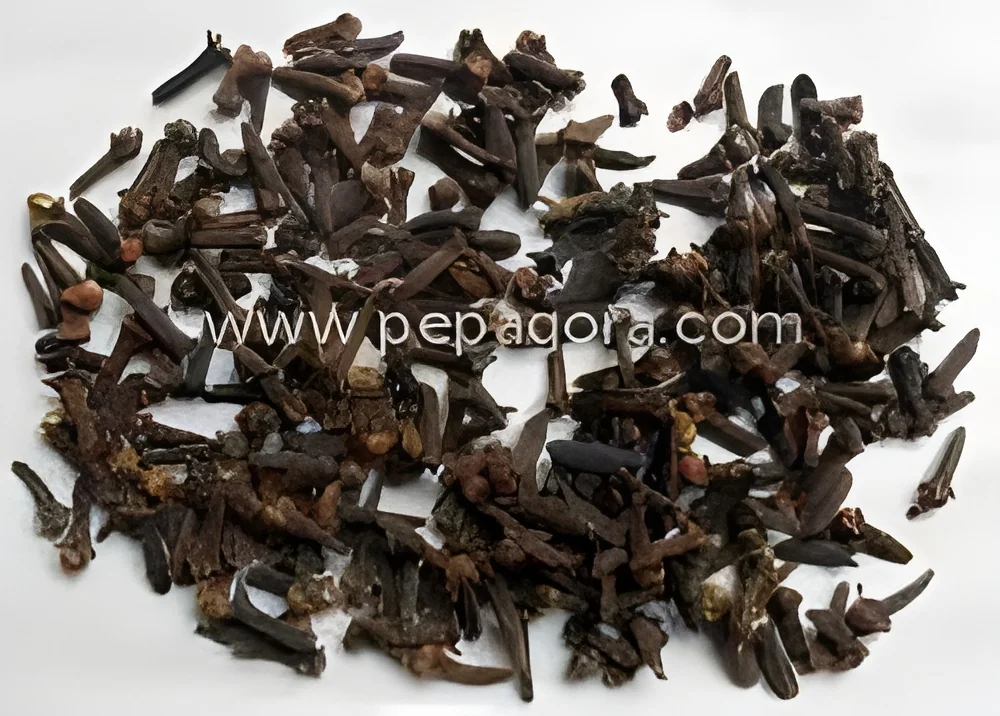
When selecting cloves, look for whole buds that are firm, dark brown, and have a strong aroma. Avoid cloves that are broken or have a dull appearance, as these may indicate lower quality. Freshness is key, so check for packaging dates and source your cloves from reputable suppliers.
What are the standard specifications for Cloves?
Standard specifications for cloves typically include parameters like moisture content, particle size, and volatile oil content. High-quality cloves usually have a moisture content of less than 12% and a minimum volatile oil content of 15%. Specifications may vary based on the intended use, such as culinary or industrial.
What is the price range for Cloves?
The price of cloves can vary widely based on quality, origin, and market demand. Typically, wholesale prices for cloves range from INR 600 to INR 1,200 per kilogram. Seasonal fluctuations and supply chain factors can also impact pricing.
What quality standards apply to Cloves?
Cloves must meet certain quality standards, including purity and absence of contaminants. They are often graded based on their size, aroma, and oil content. Compliance with food safety regulations is essential for cloves intended for culinary use.
Where can I find Cloves suppliers in India?
You can find cloves suppliers in India through online B2B marketplaces like Pepagora, trade shows, and local spice markets. It's beneficial to research and compare suppliers based on quality, pricing, and customer reviews to ensure reliable sourcing.
Can Cloves be customized?
Cloves can be customized in terms of packaging, quantity, and possibly blends with other spices. However, customization options may vary by supplier and depend on the intended use of the cloves. It's advisable to discuss specific requirements with the supplier.
What is the typical minimum order quantity for Cloves?
The minimum order quantity (MOQ) for cloves can vary by supplier, but it generally ranges from 10 kg to 100 kg. Smaller quantities may be available for retail customers, while bulk orders are common for businesses and manufacturers.
What is the typical lead time for Cloves?
The typical lead time for cloves can range from 1 to 4 weeks, depending on the supplier and order size. Factors such as stock availability, processing time, and shipping can affect delivery times. It's advisable to confirm lead times during the ordering process.
Why Businesses Trust Pepagora
Thousands of companies trust Pepagora to source smarter and sell faster
Expand Your Sales Globally

Source Smarter,Grow Faster
