
 IN
Cinnamon Sticks
3 products available
What are Cinnamon Sticks?
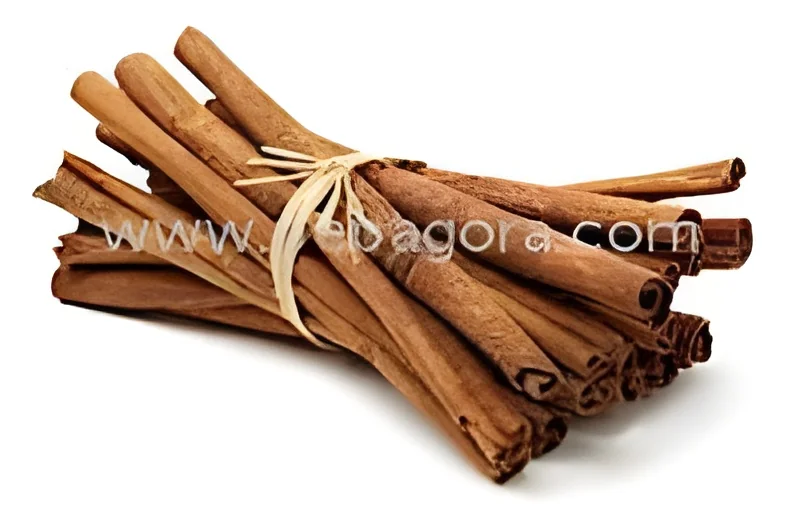
Cinnamon sticks are the dried inner bark of trees belonging to the genus Cinnamomum. They are typically rolled into tubular shapes and are known for their aromatic and flavorful properties. Used in various culinary applications, these sticks are recognized for their distinct sweet and spicy flavor, which enhances both sweet and savory dishes.
In the business context, cinnamon sticks serve multiple purposes. They are widely used in food and beverage production, especially in baking, cooking, and beverage industries. They are also popular in the spice trade and can be found in many health and wellness products due to their potential health benefits. The demand for cinnamon sticks has remained steady in recent years, driven by the growing interest in natural flavors and ingredients in various food sectors.
As global markets continue to expand, the relevance of cinnamon sticks in industries like food processing, pharmaceuticals, and cosmetics is notable. The increasing trend towards organic and natural ingredients has further bolstered the market for cinnamon, leading to a rise in both production and consumption rates.
Key Features and Specifications
Cinnamon sticks are characterized by several key features that determine their quality and suitability for various applications. Understanding these specifications is essential for businesses looking to source high-quality cinnamon sticks.
Key specifications include:
1. Length
- Typically ranges from 4 to 6 inches.
- Longer sticks may indicate higher quality but can vary based on supplier.
2. Diameter
- Usually falls between 0.1 to 0.5 inches.
- Thickness can affect flavor concentration and extraction rates.
3. Aroma
- Strong, sweet, and spicy scent.
- Aroma intensity can indicate freshness and quality.
4. Moisture Content
- Should ideally be less than 10%.
- Ensures longer shelf life and prevents mold growth.
5. Color
- A rich brown hue is preferred.
- Color can indicate the species of cinnamon and its quality.
6. Purity
- Must be free from contaminants and adulterants.
- Verification of origin and species is crucial for quality assurance.
7. Packaging
- Should be airtight to preserve freshness.
- Bulk packaging options are available for larger orders.
8. Certifications
- CE certification ensures compliance with safety and quality standards.
- Other certifications may vary by region and supplier.
These specifications serve as a guideline for businesses to ensure they are sourcing the best product for their needs.
Common Applications and Use Cases
Cinnamon sticks find applications across various industries due to their versatile nature and flavor profile.
1. Food Industry: Widely used in baking, cooking, and beverages, cinnamon sticks add flavor to dishes such as curries, desserts, and teas.
2. Beverage Production: Frequently infused in hot beverages like chai and mulled wine for enhanced flavor.
3. Pharmaceuticals: Utilized in traditional medicine and wellness products due to their potential health benefits, including anti-inflammatory properties.
4. Cosmetics: Incorporated into beauty products for their aromatic qualities and potential skin benefits.
5. Home Fragrance: Used in potpourri and scented candles for their warm and inviting aroma.
6. Food Preservation: Sometimes employed in pickling and preserving processes due to their antimicrobial properties.
7. Specialty Retail: Found in gourmet spice shops and specialty food stores, attracting consumers looking for high-quality ingredients.
Product Variants and Subcategories
Cinnamon sticks come in various forms, catering to different market needs and preferences.
Ceylon Cinnamon Sticks: Known for their sweet and delicate flavor, Ceylon cinnamon is often referred to as "true cinnamon." It is preferred in gourmet cooking and has a lighter color.
Cassia Cinnamon Sticks: More commonly found in retail, cassia cinnamon has a stronger flavor and is less expensive. It is widely used in commercial food production.
Organic Cinnamon Sticks: Sourced from organic farms, these sticks are free from pesticides and chemicals, appealing to health-conscious consumers.
Ground Cinnamon: While not a stick, ground cinnamon is a popular alternative for those seeking convenience in cooking and baking.
Benefits and Advantages
Sourcing cinnamon sticks offers numerous advantages for businesses.
1. Flavor Enhancement: Cinnamon sticks provide a unique flavor profile that can elevate a variety of dishes and beverages.
2. Natural Ingredient: As a natural spice, cinnamon appeals to health-conscious consumers looking for clean label options.
3. Versatility: Suitable for a wide range of applications, making them a valuable ingredient in multiple industries.
4. Long Shelf Life: Properly stored cinnamon sticks can last for years, reducing waste and improving inventory management.
5. Health Benefits: Cinnamon is linked to various health benefits, including anti-inflammatory and antioxidant properties, appealing to the wellness market.
6. Competitive Pricing: With varying quality and sourcing options, businesses can find competitive pricing to meet their budget needs.
Buying Guide for B2B Buyers
When sourcing cinnamon sticks, businesses should consider several important factors to ensure quality and reliability.
1. Quality Assessment: Look for suppliers who provide samples for testing and have established quality control processes. Assess the freshness, aroma, and appearance of the cinnamon sticks.
2. Supplier Verification: Conduct thorough research on potential suppliers. Check for certifications, customer reviews, and past performance to ensure they meet industry standards.
3. Pricing and MOQ: Understand the pricing structure and minimum order quantities. Compare quotes from different suppliers to find the best deal without compromising quality.
4. Delivery and Lead Times: Discuss logistics with suppliers to ensure timely delivery. Factor in lead times when planning production schedules.
5. Compliance Requirements: Ensure that the cinnamon sticks meet local and international regulatory standards, including food safety and labeling requirements.
Compliance and Certifications
Cinnamon sticks must adhere to various compliance standards to ensure safety and quality in the market.
ISO 9001 certification is a key indicator of a supplier's commitment to quality management systems. It ensures that processes are in place to consistently provide products that meet customer and regulatory requirements.
HACCP (Hazard Analysis Critical Control Point) is crucial in food production, ensuring that potential hazards are identified and managed throughout the supply chain. This certification helps in maintaining food safety.
CE certification indicates that products meet European health and safety standards, making it essential for businesses looking to sell in European markets.
Safety and testing requirements must be followed to ensure that cinnamon sticks are free from harmful substances and contaminants. Regular testing should be conducted to maintain product integrity.
Regional compliance considerations may vary based on local regulations. It is important for businesses to be aware of and comply with these standards to avoid potential legal issues.
Why Source Cinnamon Sticks from Pepagora?
Pepagora provides a trusted platform for sourcing cinnamon sticks, offering several key advantages to businesses.
Verified Supplier Network: Pepagora connects buyers with a network of verified suppliers. This ensures that businesses can source high-quality cinnamon sticks from reputable sources.
Streamlined RFQ Process: The platform features a simplified request for quotation (RFQ) process, enabling buyers to receive competitive quotes from multiple suppliers quickly and efficiently.
Trade Assurance and Support: Pepagora offers trade assurance, providing buyers with protection against potential quality issues. This support ensures a smoother transaction experience.
Regional Coverage: With a strong presence in India, the GCC, and Southeast Asia, Pepagora effectively serves businesses across diverse markets, facilitating access to quality cinnamon sticks globally.



Frequently Asked Questions
What are Cinnamon Sticks?
Cinnamon sticks are the curled inner bark of the cinnamon tree, primarily from the species Cinnamomum verum and Cinnamomum cassia. They are commonly used as a spice for flavoring food and beverages, and also have various medicinal properties.
What are the different types of Cinnamon Sticks?
The two main types of cinnamon sticks are Ceylon cinnamon (true cinnamon) and Cassia cinnamon. Ceylon cinnamon is lighter in color and has a sweet flavor, while Cassia cinnamon is darker and has a stronger, spicier taste.
How do I choose the right Cinnamon Sticks?
When selecting cinnamon sticks, consider the type of cinnamon, as well as their aroma and appearance. Look for sticks that are tightly rolled, with a smooth surface and a strong scent, indicating freshness and quality.
What are the standard specifications for Cinnamon Sticks?
Standard specifications for cinnamon sticks typically include diameter, length, and moisture content. The most common length ranges from 7 to 10 centimeters, and the diameter should be consistent, generally around 5 to 10 millimeters.
What is the price range for Cinnamon Sticks?
The price of cinnamon sticks can vary based on quality, type, and sourcing. Generally, the price range for cinnamon sticks in India can be between INR 200 to INR 800 per kilogram.
What quality standards apply to Cinnamon Sticks?
Cinnamon sticks should adhere to food safety standards, including permissible limits for contaminants and adulterants. Quality assessments may also include testing for aroma, flavor, and moisture content.
Where can I find Cinnamon Sticks suppliers in India?
You can find cinnamon sticks suppliers in India through B2B marketplaces like Pepagora, local spice auctions, and agricultural supply companies. Online directories and trade shows can also connect you with reliable manufacturers.
Can Cinnamon Sticks be customized?
Yes, cinnamon sticks can be customized based on size, packaging, and labeling requirements. However, customization options may vary among different suppliers, so it's advisable to discuss your specific needs directly with them.
What is the typical minimum order quantity for Cinnamon Sticks?
The typical minimum order quantity (MOQ) for cinnamon sticks can vary by supplier, but it usually ranges from 25 to 100 kilograms. It's best to check with individual suppliers for their specific MOQs.
What is the typical lead time for Cinnamon Sticks?
The typical lead time for cinnamon sticks can range from 1 to 4 weeks, depending on the supplier and the quantity ordered. Factors such as sourcing location and shipping methods may also affect the delivery timeline.
Why Businesses Trust Pepagora
Thousands of companies trust Pepagora to source smarter and sell faster
Expand Your Sales Globally

Source Smarter,Grow Faster
