
 IN
Centerless Grinders
5 products available
What are Centerless Grinders?
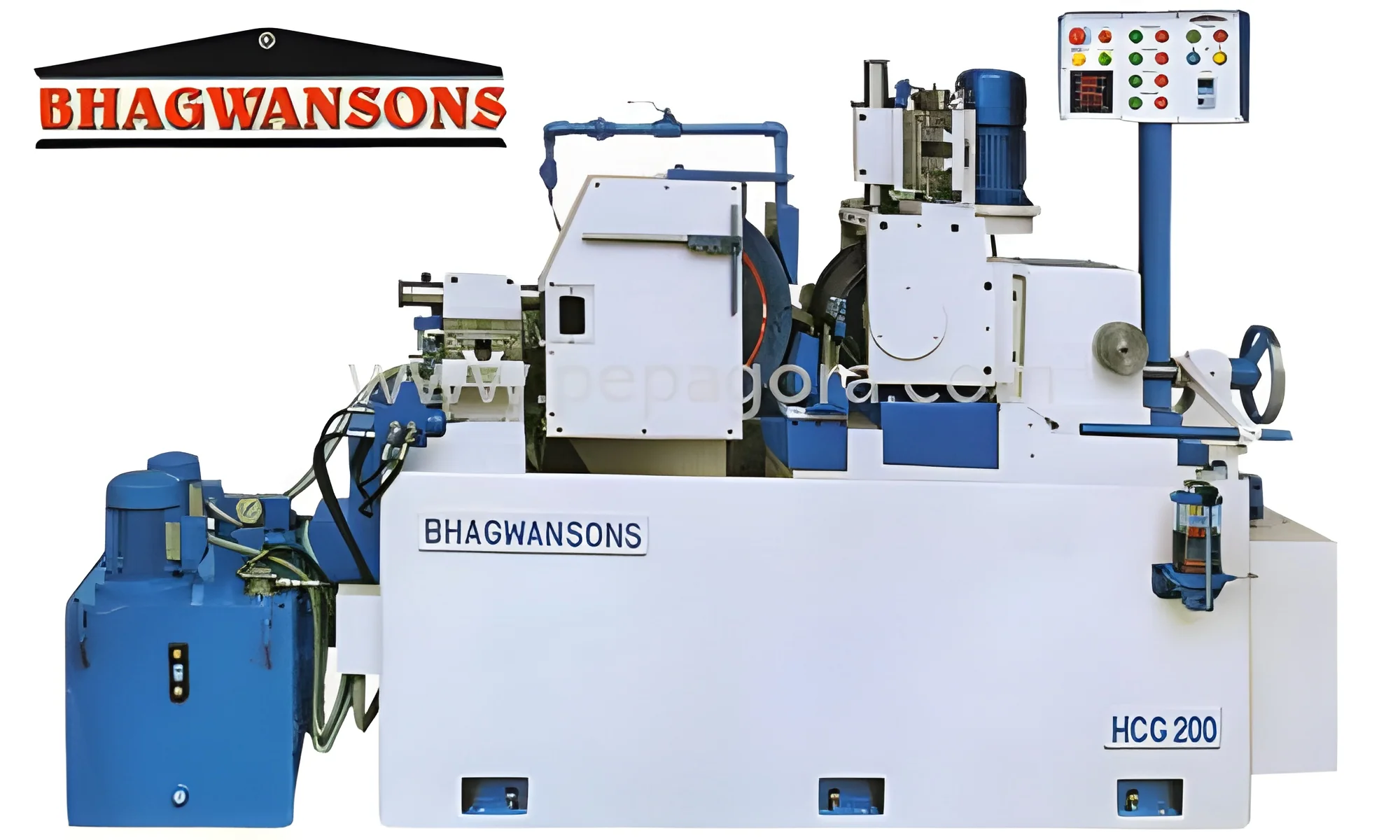
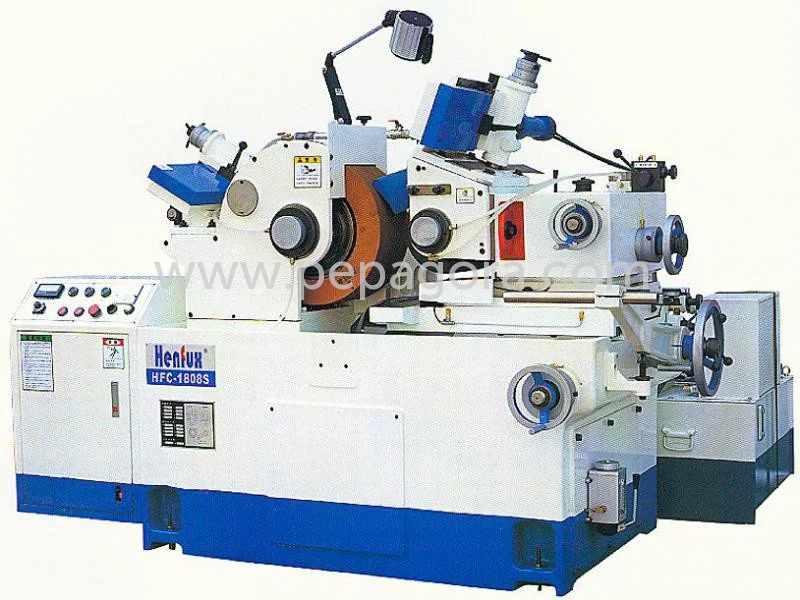
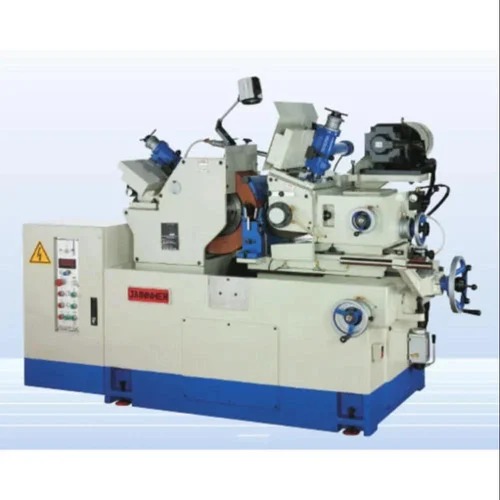
Centerless grinders are precision machines used for grinding cylindrical parts without the need for a central support or fixture. This method allows for high-throughput and efficient processing of workpieces by feeding them between two rotating grinding wheels. The unique design of centerless grinders enables continuous operation, making them ideal for mass production of rods, shafts, and other cylindrical components.
These machines are primarily utilized in manufacturing settings where precision and efficiency are paramount. Centerless grinding is commonly employed in industries such as automotive, aerospace, and metalworking. The ability to produce parts with tight tolerances and high surface finishes makes centerless grinders a critical component in various production lines. As industries continue to demand higher quality standards and faster production times, the relevance of centerless grinders remains strong in the market.
Key Features and Specifications
Centerless grinders are designed with several key features that enhance their functionality and efficiency. Understanding these specifications is crucial for making an informed purchasing decision.
Key specifications include:
1. Grinding Wheel Size
- Typically ranges from 12 inches to 20 inches in diameter
- Affects the size of the workpiece that can be processed
2. Workpiece Diameter Capacity
- Can accommodate parts ranging from 0.5 inches to 4 inches
- Allows for versatility in handling different sizes
3. Grinding Wheel Speed
- Commonly operates at speeds between 1,500 to 3,600 RPM
- Influences the material removal rate and finish quality
4. Power Consumption
- Generally requires between 5 HP to 20 HP
- Efficiency is vital for operational cost management
5. Machine Weight
- Varies from 1,500 to 6,000 pounds
- Heavier machines tend to offer more stability during operation
6. Control System
- Can be manual, semi-automatic, or fully automatic
- Automation enhances precision and reduces operator error
7. Material of Construction
- Usually made from high-quality cast iron or steel
- Durability and rigidity are essential for maintaining accuracy
8. Cooling System
- May include coolant circulation for temperature control
- Helps in maintaining optimal grinding conditions
In summary, understanding these specifications can significantly impact operational efficiency and product quality when using centerless grinders.
Common Applications and Use Cases
Centerless grinders serve a variety of industries due to their precision and efficiency in processing cylindrical parts.
1. Automotive: Centerless grinders are used to shape components such as axles, camshafts, and bearings, ensuring high precision and surface finish.
2. Aerospace: The aerospace industry relies on centerless grinding for manufacturing parts like landing gear and turbine shafts, where strict tolerances are critical.
3. Metalworking: Manufacturers in metalworking use these grinders for producing rods and tubes, enabling high-volume production with consistent quality.
4. Medical: In the medical device sector, centerless grinders help in fabricating components like surgical instruments and implants, which require precision and reliability.
5. Electronics: These grinders are employed to create parts for electronic devices, ensuring tight tolerances for efficient performance.
6. Oil and Gas: Centerless grinding is used to produce components for valves and fittings, where durability and precision are essential.
7. Tool and Die: The tool and die industry uses centerless grinders for creating molds and dies with high accuracy, impacting the quality of the final products.
Product Variants and Subcategories
Centerless grinders come in various types to meet specific operational needs. Each variant offers unique features to address different grinding challenges.
CNC Centerless Grinders: These grinders utilize computer numerical control for enhanced precision and automation. They are ideal for high-volume production where consistency is key.
Manual Centerless Grinders: Designed for lower production volumes, these grinders require more operator intervention. They are suitable for small workshops or custom applications.
Infeed Centerless Grinders: These machines are designed for processing parts with complex shapes and sizes. They allow for parts to be fed into the grinder at an angle, providing flexibility.
Throughfeed Centerless Grinders: Ideal for high-speed production, these grinders allow continuous feeding of parts, making them suitable for mass production of similar workpieces.
Benefits and Advantages
Centerless grinders offer numerous advantages that make them an essential choice for many manufacturers.
Key benefits include:
1. High Efficiency: Centerless grinders enable continuous operation, increasing throughput and reducing cycle times.
2. Precision Grinding: They achieve tight tolerances and superior surface finishes, ensuring that parts meet stringent quality standards.
3. Versatility: These machines can handle a wide range of material types and workpiece sizes, making them adaptable to various manufacturing needs.
4. Reduced Setup Time: The design of centerless grinders allows for quicker setup and changeover, enhancing operational flexibility.
5. Cost-Effectiveness: The ability to produce high volumes of parts with minimal waste leads to lower manufacturing costs over time.
6. Improved Operator Safety: Many modern centerless grinders come with safety features that protect operators, reducing the risk of accidents in the workplace.
Buying Guide for B2B Buyers
When sourcing centerless grinders, several factors should be considered to ensure a successful purchase.
1. Quality Assessment: Evaluate the quality of the machines by reviewing specifications, customer reviews, and performance metrics. High-quality grinders will deliver consistent results and require less maintenance.
2. Supplier Verification: Research potential suppliers to ensure they have a good reputation and experience in providing reliable equipment. Look for certifications and customer testimonials to validate their credibility.
3. Pricing and MOQ: Understand the pricing structure and minimum order quantities (MOQ) offered by suppliers. Compare prices across different vendors to find the best value without compromising quality.
4. Delivery and Lead Times: Inquire about delivery times and logistics capabilities. Timely delivery is crucial to maintaining production schedules and minimizing downtime.
5. Compliance Requirements: Ensure that the machines meet necessary industry standards and regulations. This includes checking for certifications like CE, which indicate compliance with safety and quality regulations.
Compliance and Certifications
Compliance with industry standards is critical for centerless grinders to ensure quality and safety in manufacturing processes. Key standards include ISO 9001, which focuses on quality management systems, ensuring that products meet customer and regulatory requirements.
Additionally, industry certifications like CE are vital as they signify conformity with European health, safety, and environmental protection standards. This certification reassures buyers about the safety and reliability of the equipment.
Safety and testing requirements are also essential for centerless grinders. Manufacturers must adhere to strict guidelines to ensure that machines operate safely and efficiently. This includes regular maintenance checks and compliance with regional regulations that may vary by location.
Why Source Centerless Grinders from Pepagora?
Pepagora provides a trusted platform for sourcing centerless grinders, offering several key advantages to buyers.
Verified Supplier Network: Pepagora has a robust network of verified suppliers, ensuring that buyers can connect with reputable manufacturers. This network helps mitigate risks associated with purchasing from unknown vendors.
Streamlined RFQ Process: The request for quotation (RFQ) process is designed to be user-friendly, allowing buyers to quickly obtain quotes from multiple suppliers. This efficiency saves time and helps buyers make informed decisions.
Trade Assurance and Support: Pepagora offers trade assurance to protect buyers from potential risks, ensuring that transactions are secure. Additionally, their support team is available to assist with any inquiries throughout the purchasing process.
Regional Coverage: With a strong presence in India, the GCC, and Southeast Asia, Pepagora offers extensive regional coverage. This geographic reach enhances access to local suppliers and provides buyers with options that suit their specific needs.


 India

 India
 India

Frequently Asked Questions
What are Centerless Grinders?
Centerless grinders are machines used for grinding cylindrical parts without the need for a fixed axis. They work by placing the workpiece between two grinding wheels, allowing for precision and efficiency in producing smooth and accurate cylindrical shapes.
What are the different types of Centerless Grinders?
The main types of centerless grinders are in-feed, through-feed, and end-feed grinders. In-feed grinders are used for complex shapes, through-feed grinders are suitable for long cylindrical parts, and end-feed grinders handle parts with varying diameters.
How do I choose the right Centerless Grinders?
To choose the right centerless grinder, consider factors such as the type of material being machined, the desired precision, and the production volume. It's also important to evaluate the machine's specifications and features to ensure they meet your operational needs.
What are the standard specifications for Centerless Grinders?
Standard specifications for centerless grinders typically include wheel size, grinding wheel speed, power requirements, and workpiece capacity. Additionally, features such as automation options and cooling systems may also be included in the specifications.
What is the price range for Centerless Grinders?
The price range for centerless grinders can vary widely depending on their type, size, and features, typically starting from a few thousand to several lakhs of Indian Rupees. Customization and advanced technology options can further influence the price.
What quality standards apply to Centerless Grinders?
Quality standards for centerless grinders often include compliance with ISO or ANSI specifications, ensuring precision and reliability. Manufacturers may also adhere to specific industry standards relevant to the materials and applications of the grinders.
Where can I find Centerless Grinders suppliers in India?
You can find centerless grinders suppliers in India through B2B marketplaces like Pepagora.com, industry trade shows, and manufacturer directories. It's advisable to compare suppliers based on their reputation, product range, and customer reviews.
Can Centerless Grinders be customized?
Yes, centerless grinders can be customized to meet specific production requirements. Customization options may include modifications in size, automation features, and tooling to fit unique machining processes.
What is the typical minimum order quantity for Centerless Grinders?
The typical minimum order quantity (MOQ) for centerless grinders varies by supplier and can range from one unit for standard models to multiple units for custom orders. It's best to check with individual manufacturers for their specific MOQs.
What is the typical lead time for Centerless Grinders?
The typical lead time for centerless grinders can range from a few weeks to several months, depending on the complexity of the machine and whether it is a standard or custom order. Suppliers should provide estimated delivery times upon order placement.
Why Businesses Trust Pepagora
Thousands of companies trust Pepagora to source smarter and sell faster
Expand Your Sales Globally

Source Smarter,Grow Faster
