IN
IN₹
Apparel & Fashion
Description
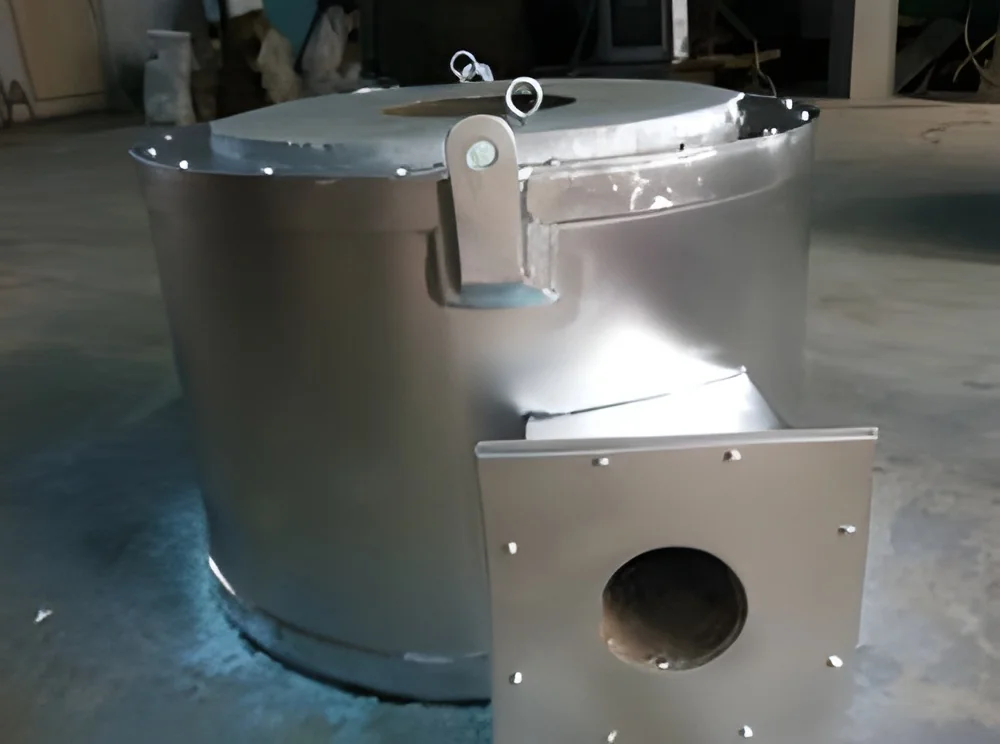
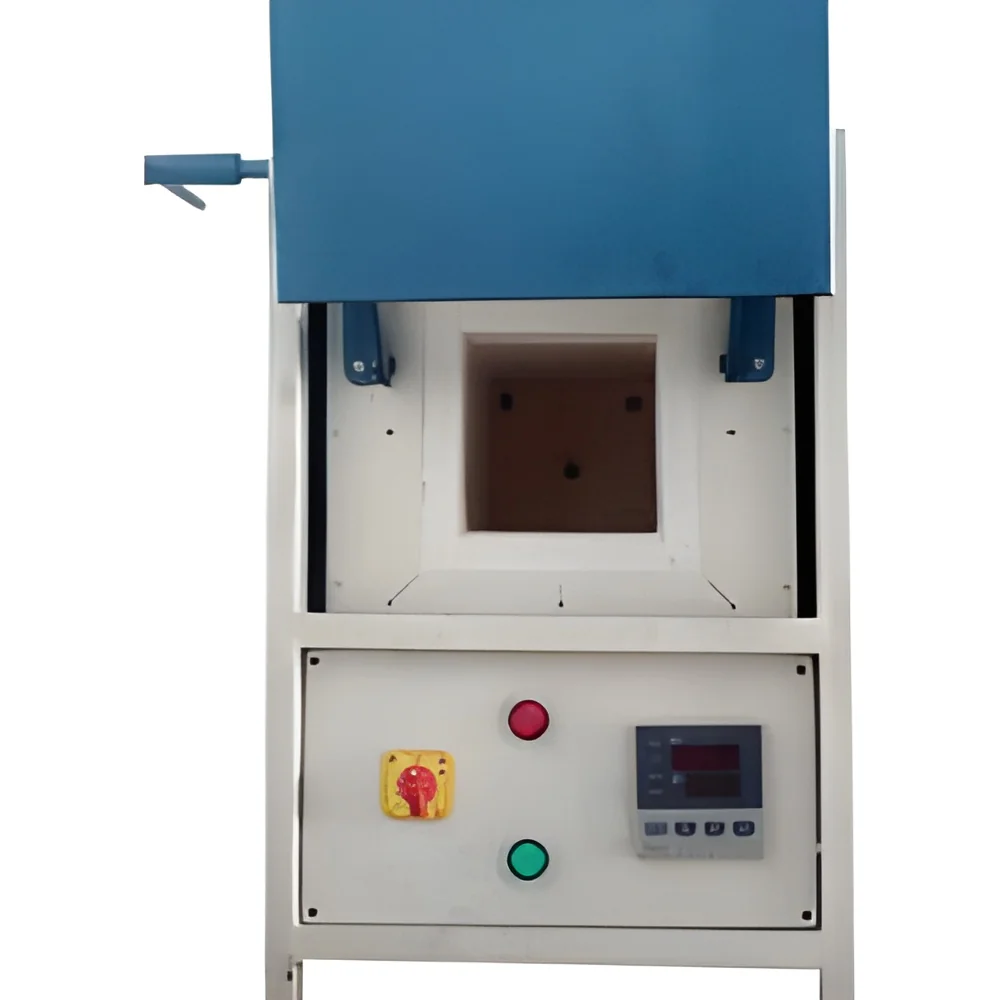
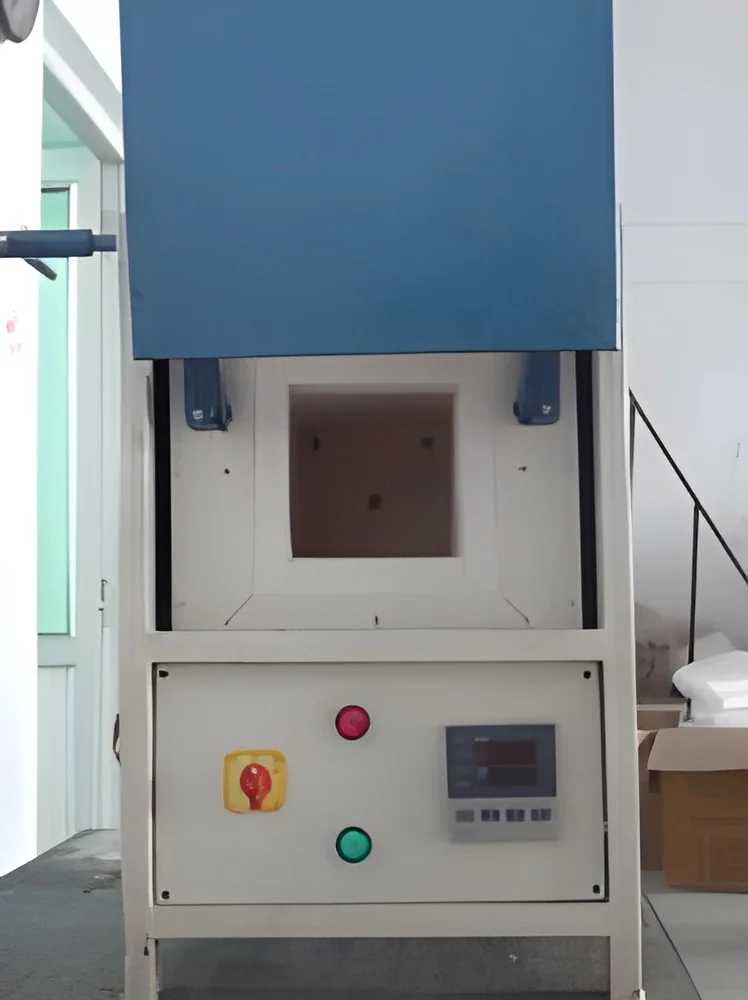
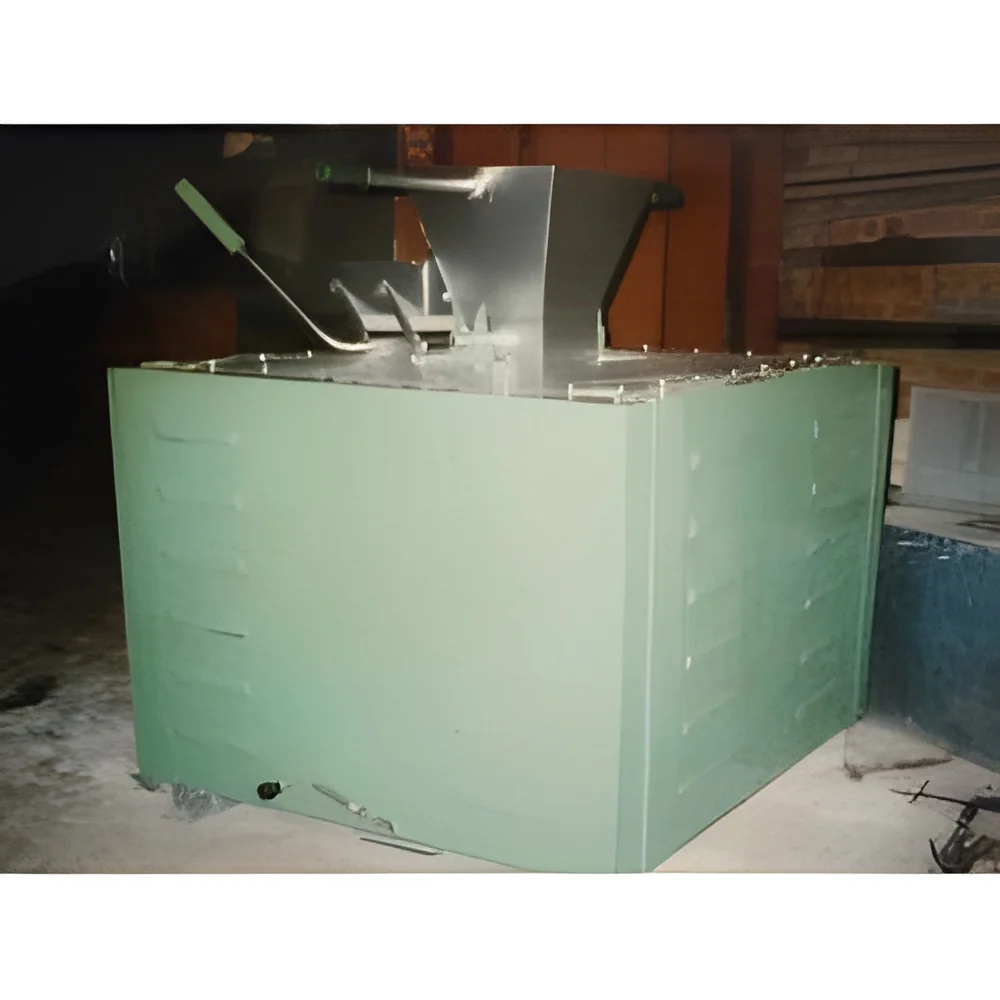
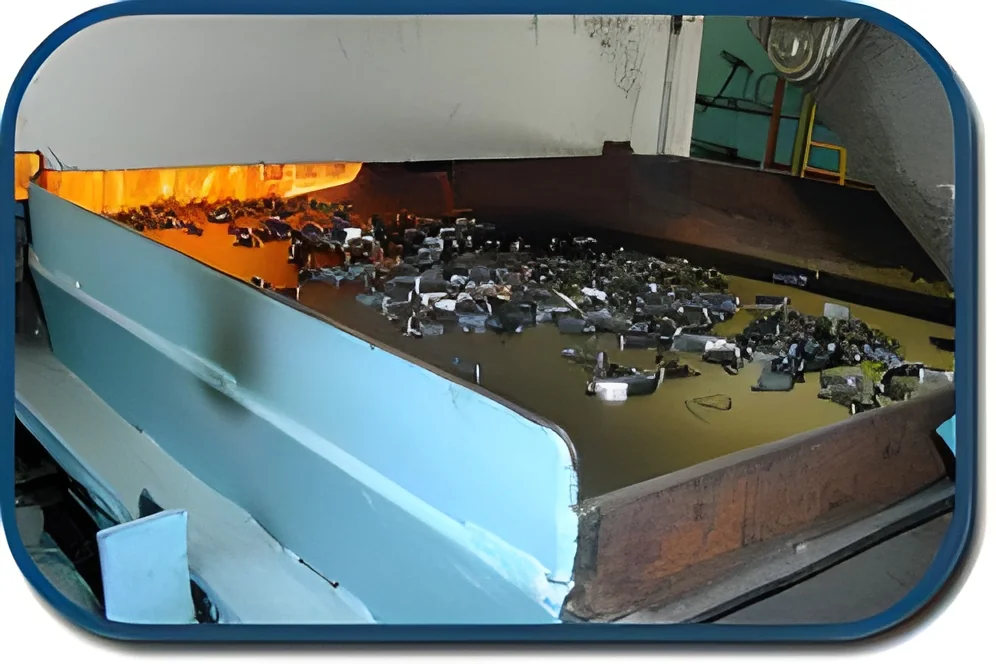
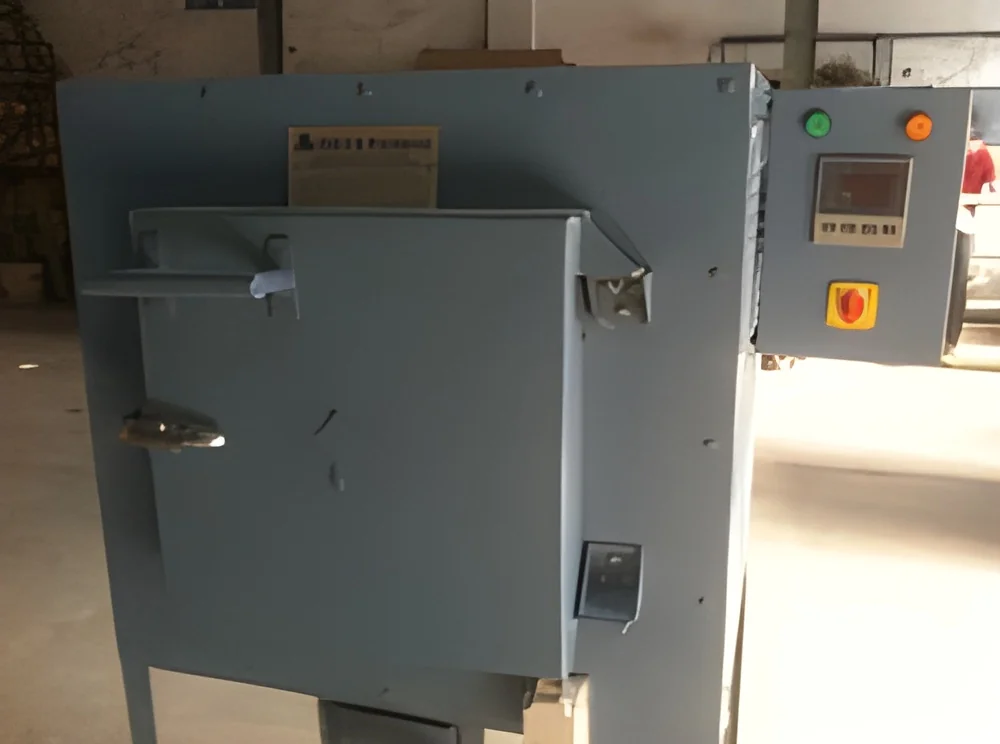
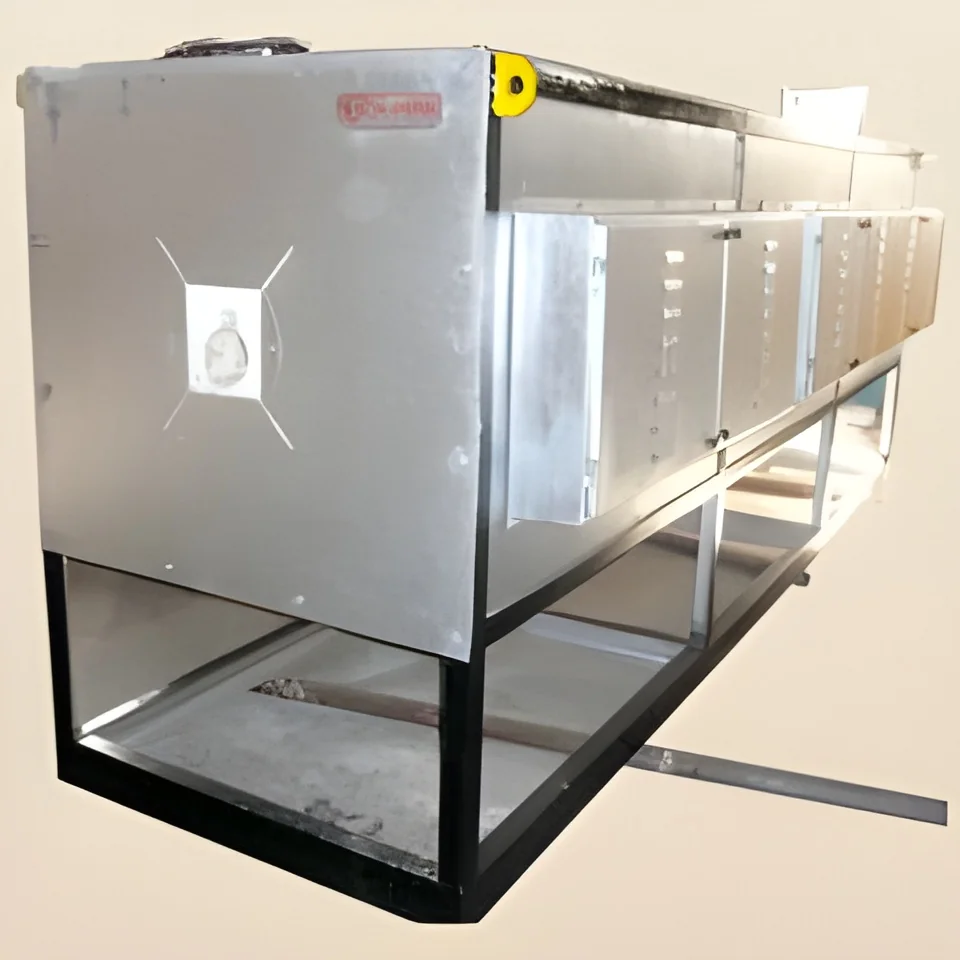
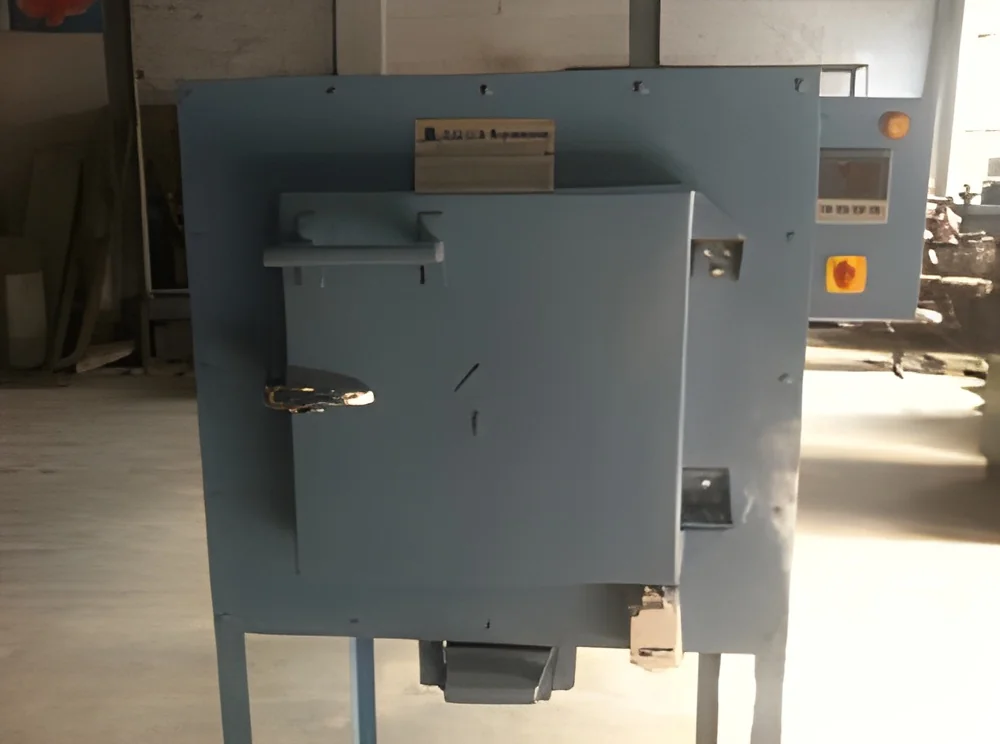
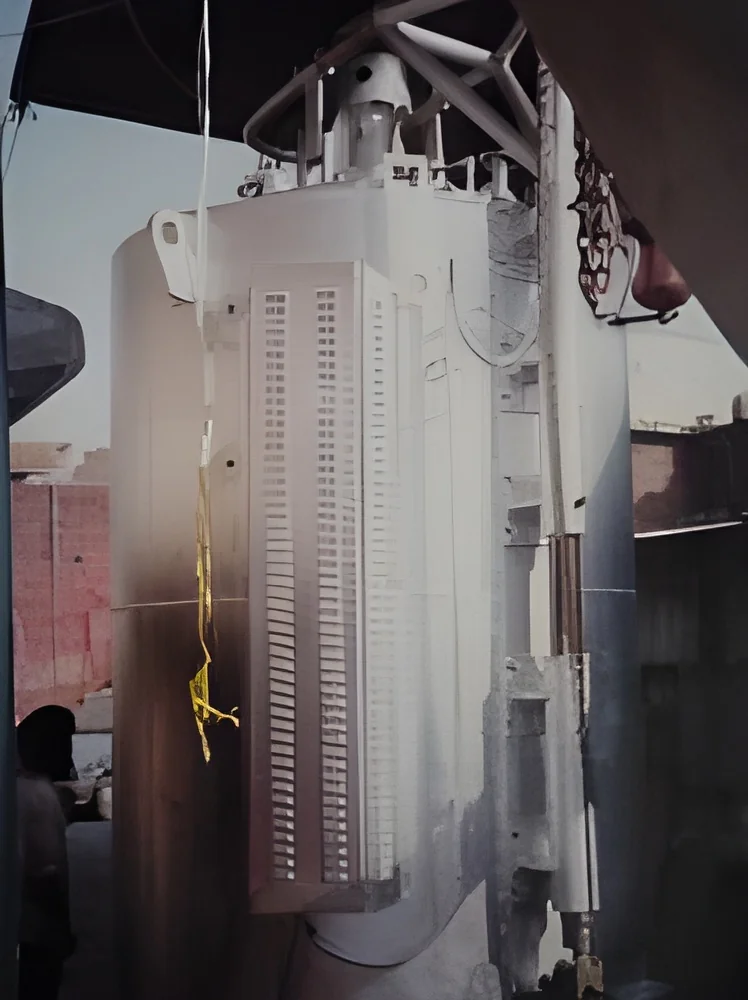
Industrial gas carburizing furnaces represent advanced heat treatment technology designed for precision case hardening applications. These systems utilize controlled atmosphere technology to introduce carbon into steel component surfaces, creating hardened cases while maintaining tough cores. Operating within precise temperature ranges of 800°C to 950°C, they ensure optimal carbon absorption and diffusion for consistent results. The robust construction incorporates high-quality refractory materials and advanced temperature control systems that deliver reliable performance batch after batch. Integration with tempering furnaces and quenching tanks provides complete heat treatment solutions that enhance manufacturing capabilities and product quality across various industrial sectors.

These furnaces serve critical roles across multiple industries where component durability and performance are essential. Automotive manufacturers utilize them for hardening transmission gears, crankshafts, a...
Industrial gas carburizing furnaces represent advanced heat treatment technology designed for precision case hardening applications. These systems utilize controlled atmosphere technology to introduce carbon into steel component surfaces, creating hardened cases while maintaining tough cores. Operating within precise temperature ranges of 800°C to 950°C, they ensure optimal carbon absorption and diffusion for consistent results. The robust construction incorporates high-quality refractory materials and advanced temperature control systems that deliver reliable performance batch after batch. Integration with tempering furnaces and quenching tanks provides complete heat treatment solutions that enhance manufacturing capabilities and product quality across various industrial sectors.

These furnaces serve critical roles across multiple industries where component durability and performance are essential. Automotive manufacturers utilize them for hardening transmission gears, crankshafts, and drivetrain components that require superior wear resistance. Fastener producers rely on these systems to enhance the durability of bolts, nuts, and specialized connectors used in construction and machinery. Steel plants incorporate these furnaces in processing lines for various alloy components, while gear manufacturing units depend on consistent case depth achieved through precise carburizing processes. The technology also serves agricultural equipment manufacturers, mining machinery producers, and general metalworking industries requiring enhanced surface hardness in their products for extended service life.

The business value of our gas carburizing furnaces lies in their operational reliability, processing efficiency, and consistent performance. These systems reduce processing time through optimized heating cycles and uniform temperature distribution across the chamber. Manufacturers benefit from lower energy consumption compared to conventional furnaces, resulting in significant operating cost reductions over time. The equipment's durable construction ensures minimal maintenance requirements and long-term operational reliability in demanding industrial environments. Consistent quality output helps businesses meet stringent industry standards while improving manufacturing competitiveness and product performance in the market. The integration capabilities with existing production lines further enhance their value proposition for growing manufacturing operations.

Key Features:
- Precise temperature control system maintaining 800°C to 950°C operating range
- Robust construction with high-quality refractory materials for extended service life
- Advanced atmosphere control for consistent carbon diffusion and case depth
- Uniform temperature distribution across the heating chamber
- Compatibility with various quenching media and tempering processes

Benefits:
- Enhanced surface hardness and wear resistance for steel components
- Reduced energy consumption and lower operating costs
- Consistent case depth and uniform hardening results
- Minimal maintenance requirements and reliable long-term performance
- Improved product quality meeting industry standards and specifications
Specifications
| Additional Information | |
|---|---|
| Country of Origin | India |
Application
Our industrial gas carburizing furnaces deliver precise case hardening for high-volume manufacturing applications. These systems ensure uniform carbon diffusion to enhance surface hardness while maintaining core toughness in steel components. They provide consistent results for transmission gears, engine parts, and mechanical components requiring superior wear resistance in continuous production environments. The reliable performance makes them essential for industries where repeatability and quality are critical to operational success.
These heat treatment systems integrate seamlessly with existing production lines, supporting various temperature profiles and atmosphere controls for different steel grades. Manufacturers benefit from reduced part distortion, controlled carburizing depth, and energy-efficient operation that lowers production costs. The furnaces handle diverse part geometries and are suitable for automotive suppliers, fastener producers, and metalworking plants seeking to improve product longevity and performance under demanding conditions.
- Case hardening automotive transmission gears and shafts for enhanced durability
- Heat treatment of industrial fasteners and bolts to achieve high tensile strength
- Carburizing bearing components in machinery for extended service life
- Processing agricultural equipment parts to withstand harsh operating environments
- Surface hardening mining and construction machinery components for abrasion resistance
Trade Details
| Available Stock | In Stock |
| Sample Availability | No |
Payment Terms
| Payment Terms |
|
Company Profile
Delta Furnaces, Haryana
 Haryana, India
Haryana, IndiaRaw Materials & Chemicals•Manufacturer•Distributor / Wholesaler•Importer / Exporter
Factory Details
Factory SizeBelow 1000 sqm
Annual Production Capacity0
Industrial Gas Carburizing Furnaces For Heat Treatment And Case Hardening
Industrial gas carburizing furnaces for heat treatment and case hardening enhance surface durability in gears, fasteners, and automotive components with reliable performance for manufacturing and steel plants.
Min. Order Quantity: 1 unit
Shipping
Shipping fee and delivery date to be negotiated. Contact supplier now for more details.
Delta Furnaces
 Haryana, India
Haryana, IndiaRaw Materials & ChemicalsManufacturer