
 IN
Built-in Ovens & Hobs
6 products available
What are Built-in Ovens & Hobs?
Built-in ovens and hobs are essential kitchen appliances designed for seamless integration into cabinetry. Unlike traditional standalone units, these appliances are fixed within kitchen structures, providing a clean and modern aesthetic. Built-in ovens typically offer various cooking methods such as baking, roasting, and broiling, while hobs, which may be gas or electric, serve as the primary cooking surface for pots and pans.
These appliances are widely used in both residential and commercial kitchens. In restaurants and catering businesses, built-in ovens and hobs enable chefs to prepare a variety of dishes efficiently. Their design allows for better space utilization and enhances the overall kitchen workflow. As the demand for high-quality cooking equipment increases, the market for built-in ovens and hobs continues to grow, driven by trends toward modern kitchen designs and energy efficiency.
Key Features and Specifications
Built-in ovens and hobs come with various features that cater to both professional chefs and home cooks. Understanding these features helps buyers select the best options for their needs.
Key specifications include:
1. Cooking Methods
- Built-in ovens may offer convection, microwave, and steam cooking options.
- Hobs can feature induction, gas, or electric heating methods.
2. Size and Dimensions
- Standard dimensions typically range from 24 to 30 inches for ovens.
- Hobs can vary in size from 30 to 36 inches based on the number of burners.
3. Temperature Control
- Ovens generally have a temperature range from 150°F to 500°F.
- Hobs usually provide adjustable heat settings for precise cooking.
4. Energy Efficiency
- Many models are designed to meet energy efficiency standards, reducing operating costs.
- Ratings may vary by model but are important for long-term savings.
5. Safety Features
- Common safety features include automatic shut-off and child lock options.
- Hobs may include flame failure devices for gas options.
6. User Interface
- Digital displays and touch controls enhance ease of use.
- Programmable settings can help streamline cooking processes.
7. Cleaning Options
- Self-cleaning cycles are available in many built-in ovens.
- Hobs often feature smooth surfaces for easy wipe-down maintenance.
8. Warranty and Support
- Warranties typically range from one to three years, depending on the manufacturer.
- Technical support and service options are crucial for long-term satisfaction.
Built-in ovens and hobs combine functionality with modern design, making them ideal for various culinary applications.
Common Applications and Use Cases
Built-in ovens and hobs serve a range of industries, enhancing cooking efficiency and quality.
1. Hospitality: In hotels and restaurants, built-in ovens provide chefs with versatile cooking options while optimizing kitchen space.
2. Catering Services: Catering businesses benefit from built-in appliances that allow for large-scale meal preparation while maintaining consistent quality.
3. Residential Kitchens: Homeowners prefer built-in ovens and hobs for their sleek design and space-saving capabilities, fitting seamlessly into modern kitchen layouts.
4. Educational Institutions: Culinary schools use these appliances to train future chefs in a professional kitchen environment.
5. Food Production: Food manufacturers may utilize built-in ovens for baking and cooking processes in controlled settings.
6. Healthcare Facilities: Built-in ovens are used in hospitals and nursing homes to prepare meals that meet specific dietary requirements.
7. Retail Food Services: Supermarkets and delis often use built-in hobs for in-store food preparation and cooking demonstrations.
Product Variants and Subcategories
Built-in ovens and hobs come in various configurations to meet different cooking needs and preferences.
Gas Built-in Oven
This variant utilizes gas for cooking, offering precise temperature control and quick heating. It is ideal for professional kitchens where speed and efficiency are essential.
Electric Built-in Oven
Electric ovens provide even heating and are often equipped with advanced features like self-cleaning and convection cooking. They are popular in both residential and commercial settings.
Induction Hob
Induction hobs use electromagnetic energy to heat pots and pans directly, offering rapid cooking times and energy efficiency. They are favored for their safety and ease of cleaning.
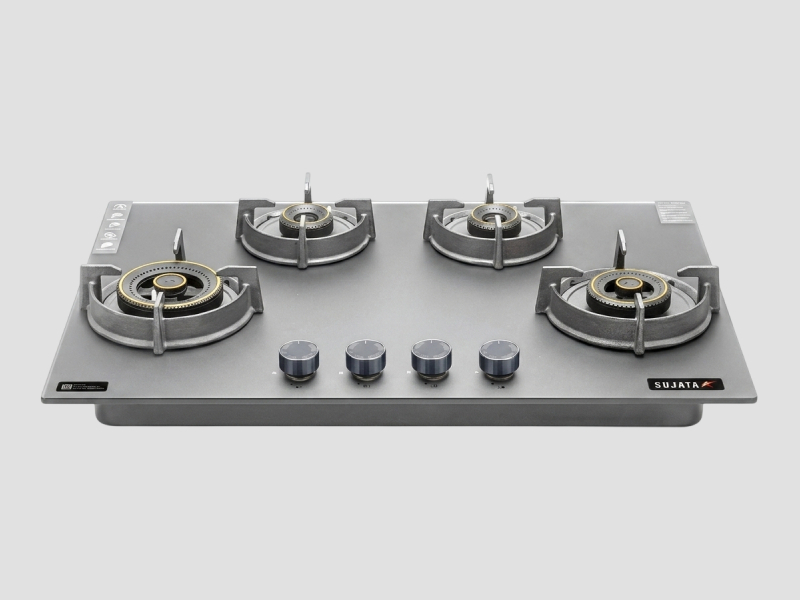
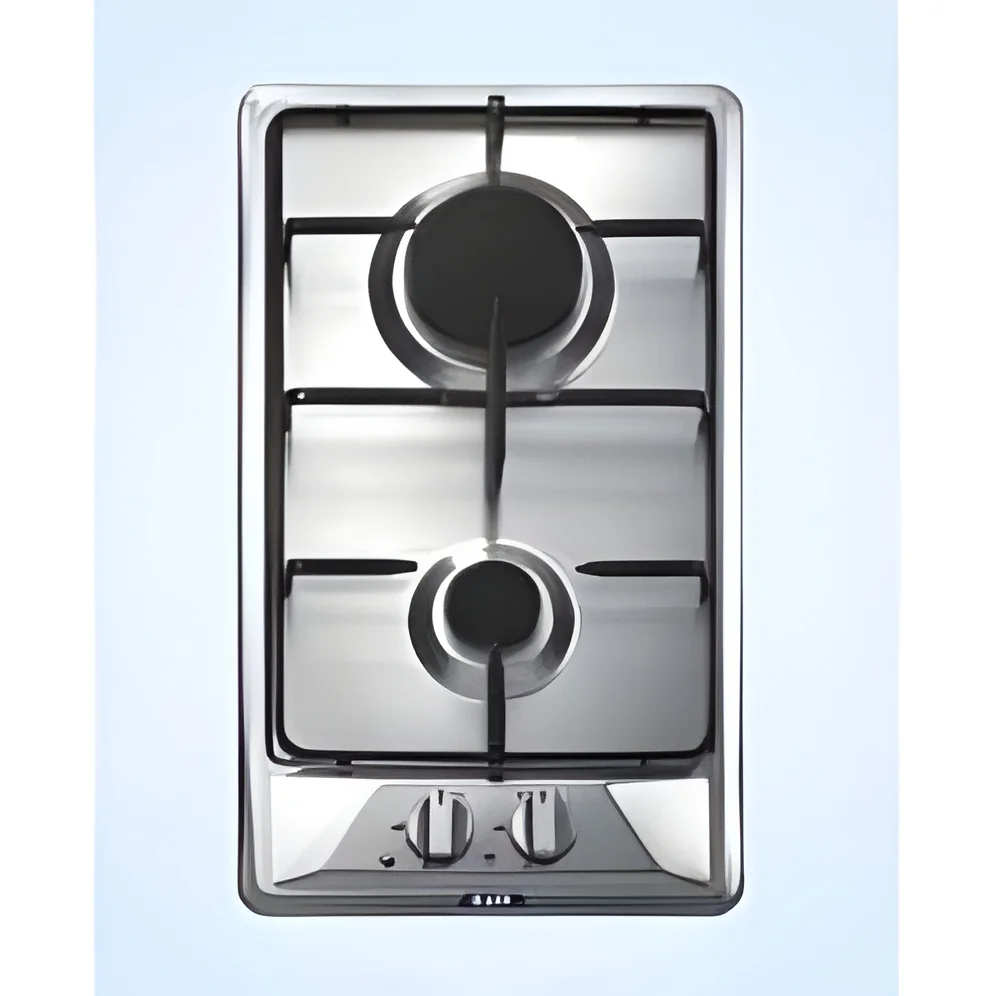
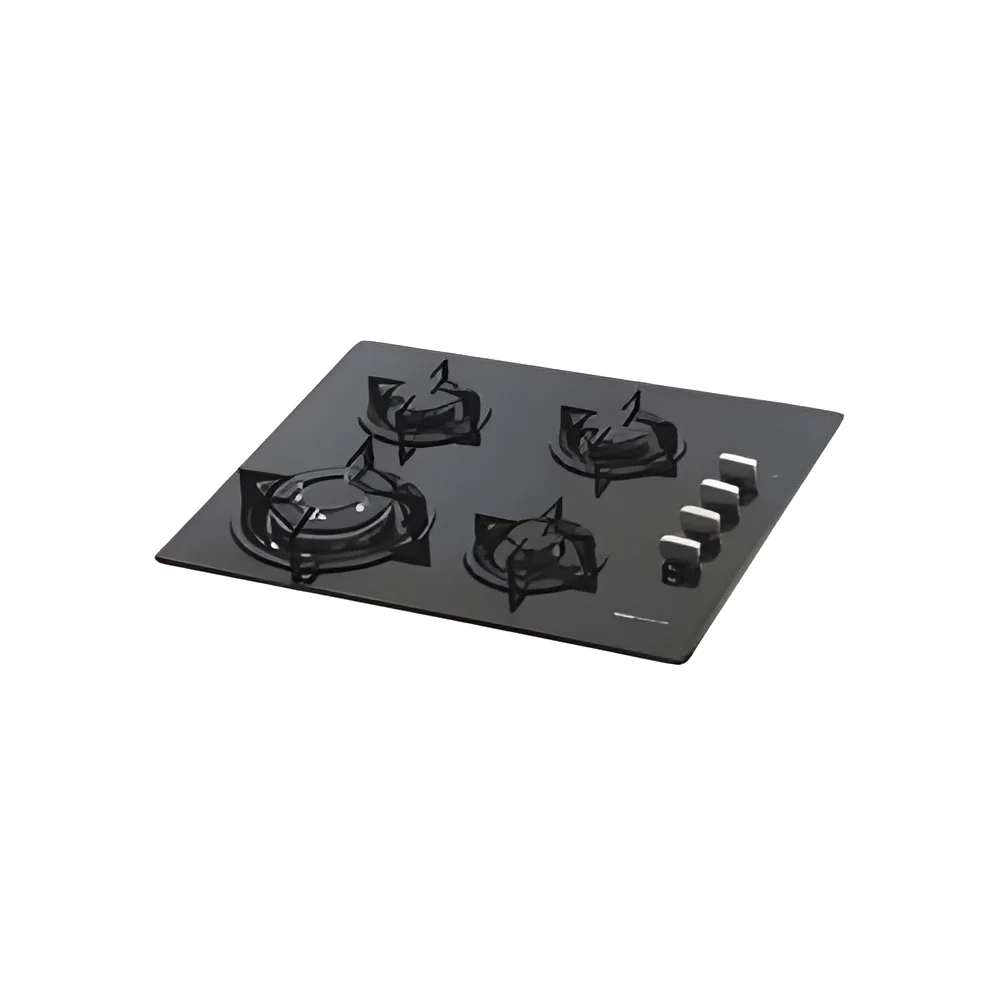
Gas Hob
Gas hobs provide instant heat and precise control over cooking temperatures. They are widely used in professional kitchens for their reliability and performance.
Benefits and Advantages
Investing in built-in ovens and hobs offers several advantages for businesses and homeowners alike.
1. Space Efficiency: Built-in designs maximize kitchen space, making them ideal for both large and small environments.
2. Enhanced Aesthetics: These appliances create a sleek and modern look, elevating the overall kitchen design.
3. Versatile Cooking Options: Built-in ovens and hobs accommodate various cooking methods, catering to diverse culinary needs.
4. Improved Workflow: Fixed placements in cabinetry streamline kitchen operations, allowing for efficient meal preparation.
5. Energy Savings: Many models are designed for energy efficiency, reducing utility bills over time.
6. Safety Features: Built-in ovens and hobs often come with advanced safety features, providing peace of mind during use.
Buying Guide for B2B Buyers
When sourcing built-in ovens and hobs, several factors should be considered to ensure a successful purchase.
1. Quality Assessment: Evaluate the construction materials and features of the appliances to ensure durability and performance. Look for reputable brands known for high-quality products.
2. Supplier Verification: Vet suppliers through reviews and references. Ensure they have a track record of reliability and customer satisfaction.
3. Pricing and MOQ: Understand the cost structure and minimum order quantities. Compare prices across different suppliers to find competitive options.
4. Delivery and Lead Times: Consider logistics and the expected delivery timelines. Ensure that suppliers can meet your scheduling requirements.
5. Compliance Requirements: Check for compliance with industry standards and regulations, including safety certifications. This is crucial for maintaining operational integrity.
Compliance and Certifications
Built-in ovens and hobs must adhere to various quality standards and certifications to ensure safety and reliability.
ISO 9001 is a standard that outlines quality management systems. Manufacturers of built-in ovens and hobs often comply with this standard to ensure consistent quality and customer satisfaction.
HACCP (Hazard Analysis Critical Control Point) is vital in food service environments, ensuring that cooking appliances maintain food safety standards. Compliance with HACCP helps mitigate risks associated with food preparation.
CE certification indicates that products meet European safety, health, and environmental protection standards. This certification is important for suppliers targeting markets in the European Union.
Safety and testing requirements vary by region and product type. It is essential to verify that products are tested for safety and performance before purchase.
Regional compliance considerations should also be taken into account, as different areas may have specific regulations governing kitchen appliances.
Why Source Built-in Ovens & Hobs from Pepagora?
Pepagora offers a trusted platform for sourcing built-in ovens and hobs, providing several key advantages to buyers.
Verified Supplier Network: Pepagora connects buyers with verified suppliers, ensuring quality and reliability. This network is essential for making informed purchasing decisions.
Streamlined RFQ Process: The request for quotation process is designed to be efficient and user-friendly. Buyers can easily compare options and receive competitive pricing from multiple suppliers.
Trade Assurance and Support: Pepagora prioritizes buyer protection through trade assurance measures. This support helps buyers feel secure in their transactions.
Regional Coverage: With a strong presence in India, the GCC, and Southeast Asia, Pepagora facilitates access to a diverse range of suppliers, catering to various regional needs. This geographic reach enhances sourcing efficiency for businesses across different markets.




Frequently Asked Questions
What are Built-in Ovens & Hobs?
Built-in Ovens & Hobs are kitchen appliances designed to be installed within kitchen cabinetry for a seamless look. These appliances provide efficient cooking solutions, combining the functionality of an oven and a cooktop in a compact space.
What are the different types of Built-in Ovens & Hobs?
The different types of Built-in Ovens & Hobs include electric ovens, gas ovens, induction hobs, and ceramic hobs. Each type offers varying cooking methods and features tailored to different culinary needs and preferences.
How do I choose the right Built-in Ovens & Hobs?
To choose the right Built-in Ovens & Hobs, consider factors such as the cooking style, available space, and the appliance's features. It is also essential to evaluate the energy efficiency, ease of use, and compatibility with your kitchen design.
What are the standard specifications for Built-in Ovens & Hobs?
Standard specifications for Built-in Ovens & Hobs typically include dimensions, power ratings, capacity, and cooking features such as convection, grilling, and timer functions. It's crucial to review these specifications to ensure the appliance meets your cooking requirements.
What is the price range for Built-in Ovens & Hobs?
The price range for Built-in Ovens & Hobs can vary significantly based on brand, features, and specifications. Generally, prices can start from around INR 15,000 and can go up to INR 100,000 or more for high-end models.
What quality standards apply to Built-in Ovens & Hobs?
Built-in Ovens & Hobs must adhere to various quality standards to ensure safety and performance. Common standards include ISI certification in India, which ensures that the appliances meet specific safety and efficiency criteria.
Where can I find Built-in Ovens & Hobs suppliers in India?
You can find Built-in Ovens & Hobs suppliers in India through B2B marketplaces like Pepagora, trade shows, and industry directories. Additionally, local appliance retailers may also stock these products and can provide supplier information.
Can Built-in Ovens & Hobs be customized?
Yes, many manufacturers offer customization options for Built-in Ovens & Hobs to meet specific design and functional requirements. Customizations may include size adjustments, additional features, or unique finishes.
What is the typical minimum order quantity for Built-in Ovens & Hobs?
The typical minimum order quantity (MOQ) for Built-in Ovens & Hobs can vary by supplier, but it often ranges from 5 to 20 units. It is advisable to check with individual suppliers for their specific MOQs.
What is the typical lead time for Built-in Ovens & Hobs?
The typical lead time for Built-in Ovens & Hobs can range from 2 to 8 weeks, depending on the manufacturer's production schedule and the complexity of the order. It is best to confirm lead times with suppliers at the time of order.
Why Businesses Trust Pepagora
Thousands of companies trust Pepagora to source smarter and sell faster
Expand Your Sales Globally

Source Smarter,Grow Faster
