
 IN
Binding Wires
9 products available
What are Binding Wires?
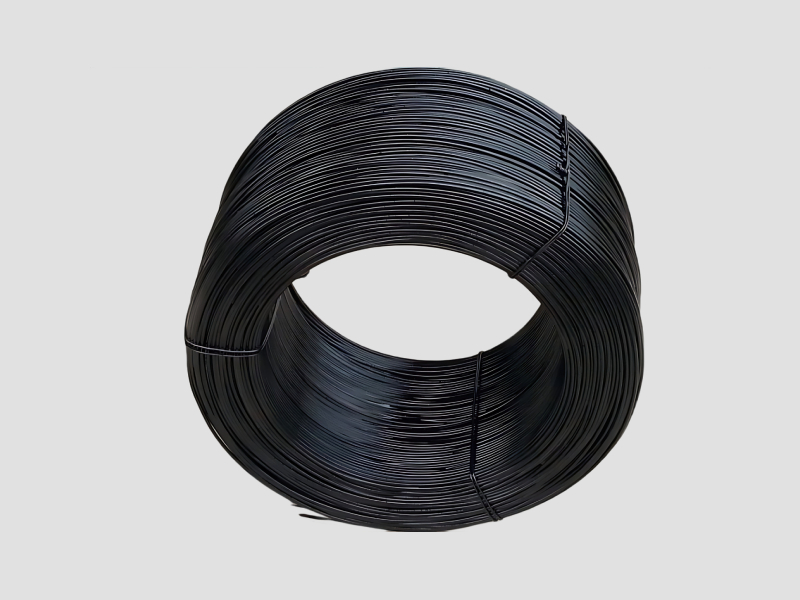
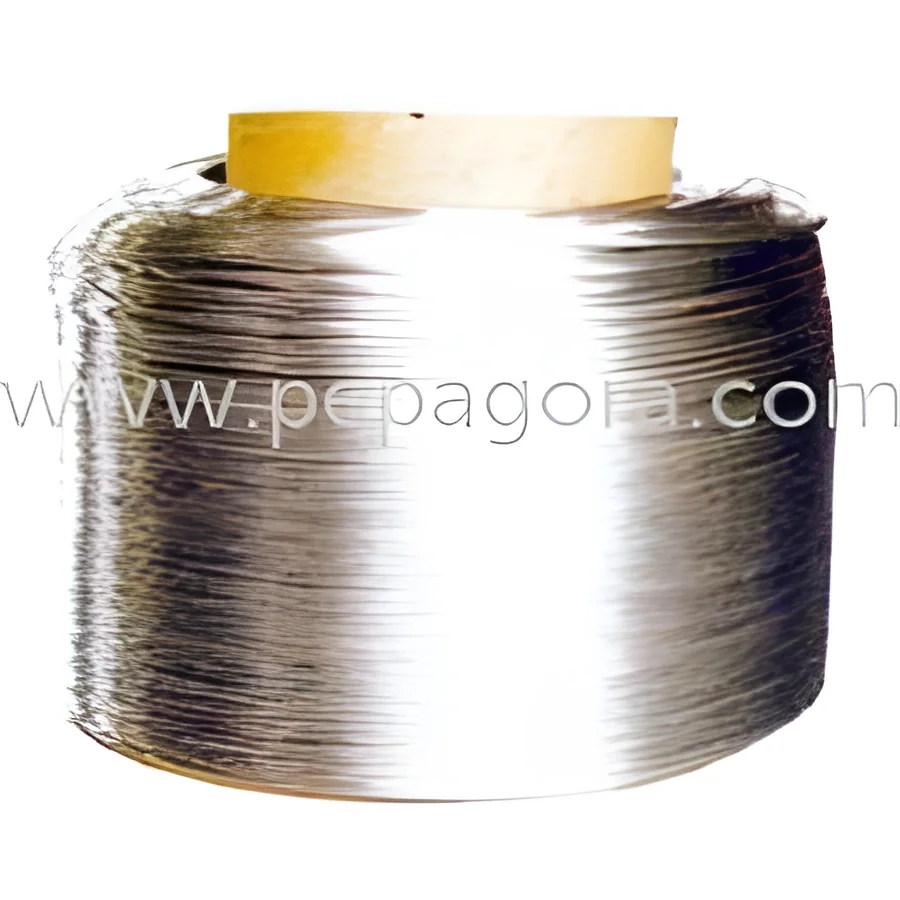
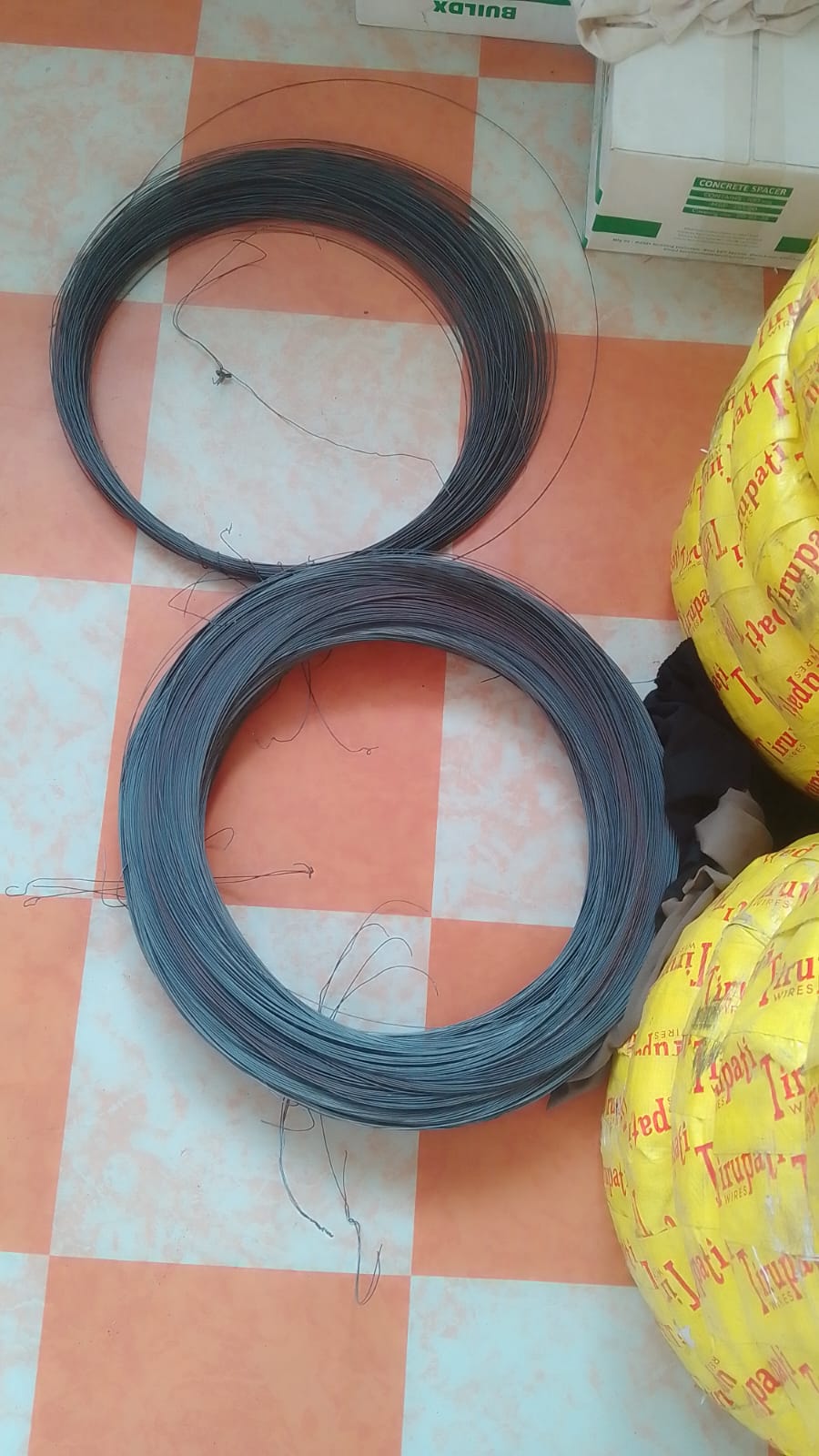
Binding wires are essential materials used primarily in construction and industrial applications. They are typically made of steel or other durable materials, designed to securely hold or bind various components together. The versatility of binding wires allows them to be used in a wide range of settings, ensuring that structural integrity is maintained during processes such as building framing, electrical installations, and even in packaging applications.
These wires play a crucial role in numerous business applications, including the construction of buildings, bridges, and other infrastructure projects. They are also utilized in the manufacturing sector for assembling products and ensuring components remain firmly in place during transport. The binding wire market is significant in various industries, reflecting the growing demand for reliable fastening solutions in both emerging and established markets.
Key Features and Specifications
Binding wires come with a variety of features that make them suitable for different applications. Understanding their specifications is crucial for businesses looking to procure the right type for their needs.
Key specifications include:
1. Material Composition
- Typically made from high-strength steel or other alloys.
- Offers durability and resistance to corrosion.
2. Diameter Range
- Available in various thicknesses, generally ranging from 0.8 mm to 4.0 mm.
- Thicker wires provide enhanced strength for heavier applications.
3. Tensile Strength
- Varies depending on the material and diameter.
- Common tensile strength ratings are between 300 to 600 MPa.
4. Coating Options
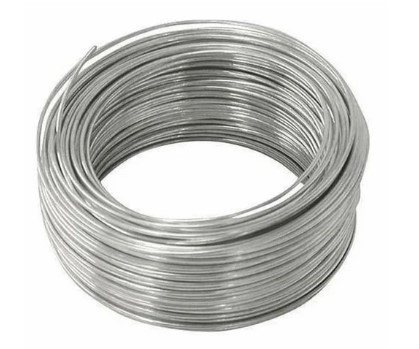
- Available in galvanized or PVC-coated variants.
- Coating provides additional protection against environmental factors.
5. Lengths Available
- Offered in standard lengths, typically from 50 meters to 200 meters per roll.
- Custom lengths may be available based on supplier capabilities.
6. Packaging
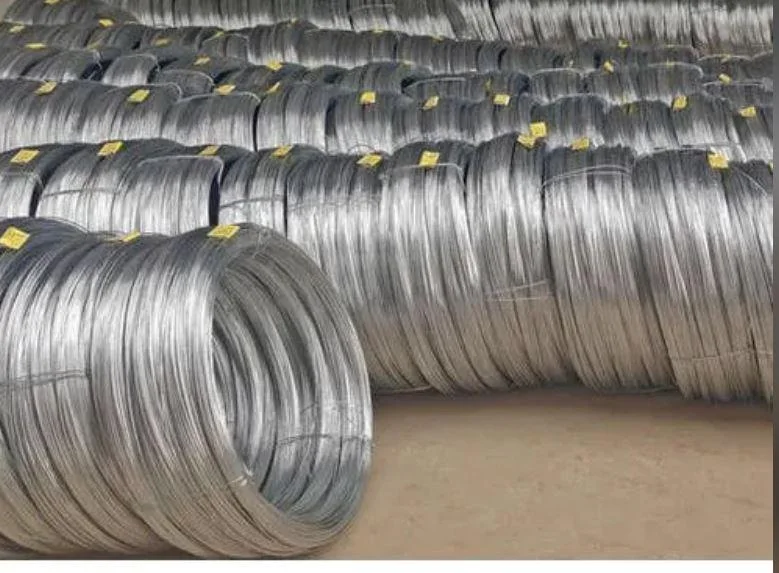
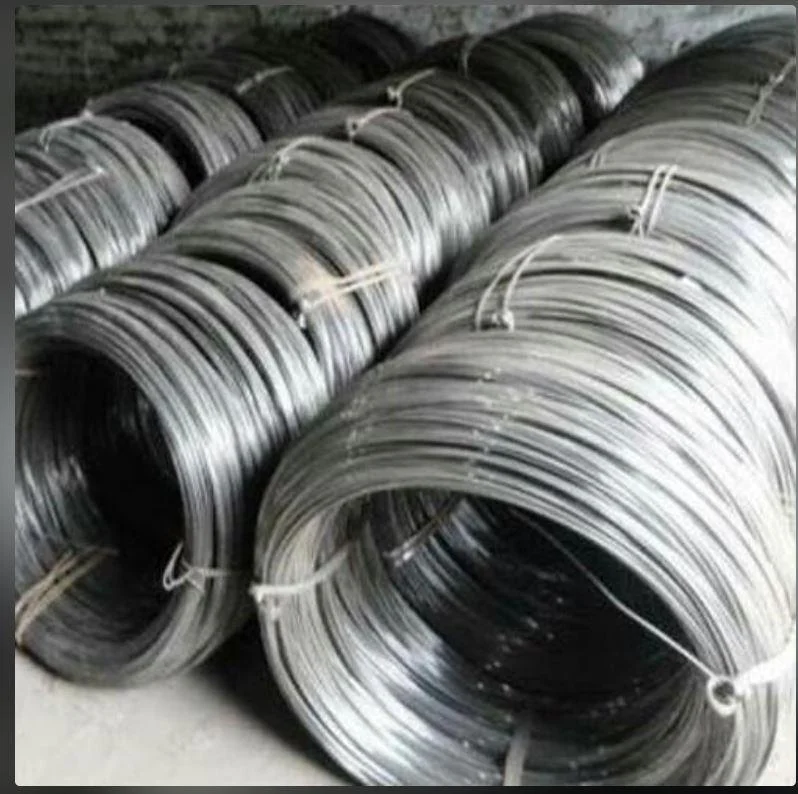
- Usually supplied in coils or spools for ease of handling.
- Packaging ensures protection during shipping and storage.
In summary, binding wires are designed to meet various industrial needs, with specifications tailored to the demands of different applications.
Common Applications and Use Cases
Binding wires are widely used across multiple industries, reflecting their versatility and importance.
1. Construction: In the construction industry, binding wires are used for tying rebar and reinforcing structures, ensuring stability and safety in building projects.
2. Electrical: These wires are commonly employed to secure electrical conduits and components, providing a safe and organized installation environment.
3. Manufacturing: In manufacturing settings, binding wires are essential for assembling products and components, ensuring they remain fixed during production and transportation.
4. Agriculture: In agricultural applications, binding wires are used to support plants and structures, such as trellises and fencing.
5. Packaging: Binding wires are also utilized in the packaging sector to secure boxes and bundles, ensuring items remain intact during shipping.
Product Variants and Subcategories
The diversity of binding wires allows for various options tailored to specific needs. While there are no specified subcategories, several types based on features and applications can be highlighted.
Galvanized Binding Wires
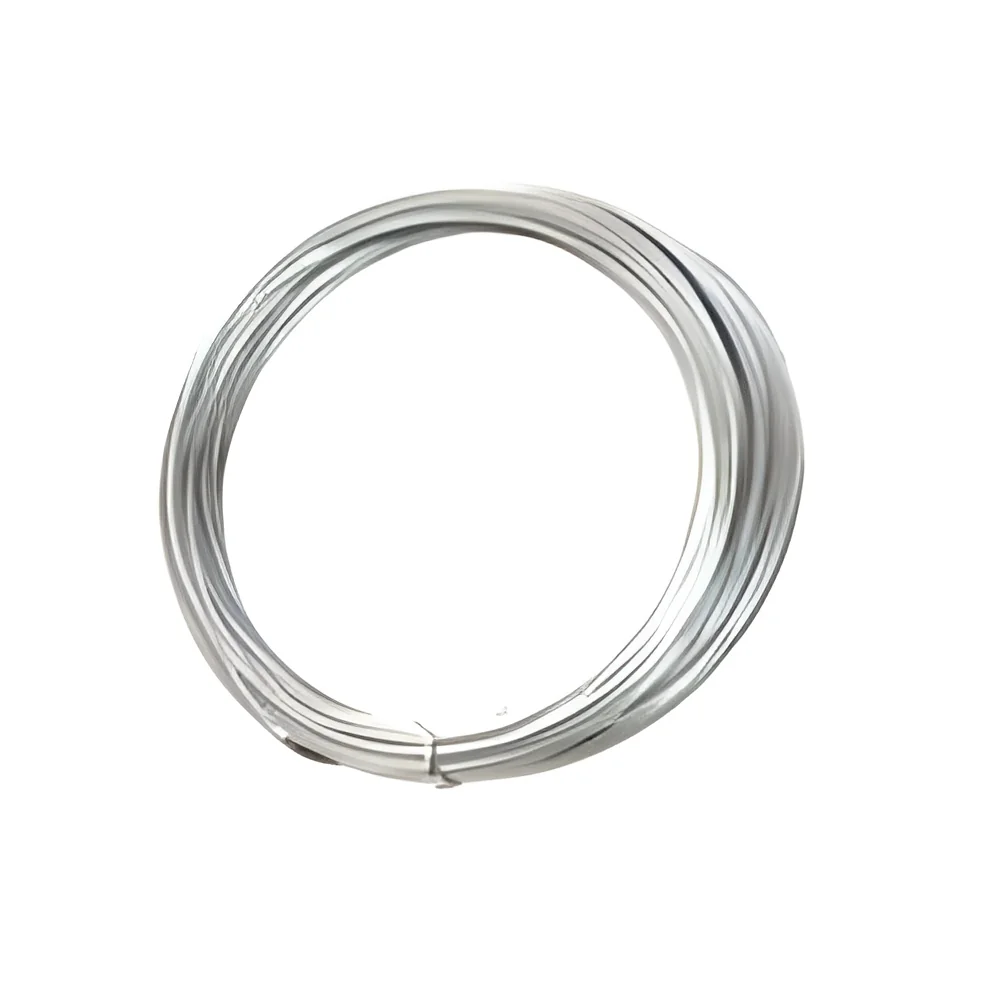
These wires are coated with zinc to provide corrosion resistance, making them ideal for outdoor use and in environments prone to moisture.
PVC-Coated Binding Wires
These variants have a layer of PVC that offers additional protection against environmental factors and enhances grip, suitable for delicate applications.
Benefits and Advantages
Binding wires offer numerous benefits that make them a preferred choice in industrial applications.
Key benefits include:
1. High Strength: Binding wires provide robust support, ensuring secure fastening even in demanding environments.
2. Versatility: They can be used across various applications and industries, making them a flexible solution for many businesses.
3. Cost-Effective: Binding wires are generally affordable, offering excellent value for the strength and durability they provide.
4. Easy to Use: Their lightweight nature and flexibility make binding wires easy to handle and install, reducing labor time.
5. Corrosion Resistance: Many binding wires come with protective coatings that enhance their durability and lifespan in harsh conditions.
Buying Guide for B2B Buyers
When sourcing binding wires, it is essential to consider several factors to ensure the right purchase.
1. Quality Assessment: Look for binding wires that meet industry standards for strength and durability. Verify any certifications that indicate compliance with relevant quality benchmarks.
2. Supplier Verification: Vet potential suppliers by checking their credentials, customer reviews, and industry experience to ensure reliability.
3. Pricing and MOQ: Compare prices from different suppliers while being aware of minimum order quantities to find a supplier that fits your budget and needs.
4. Delivery and Lead Times: Inquire about the delivery schedule and lead times to ensure that your production timelines are met without delays.
5. Compliance Requirements: Ensure that the binding wires meet any specific regulatory or industry compliance requirements relevant to your sector.
Compliance and Certifications
Binding wires must adhere to specific quality standards and certifications to ensure safety and reliability. Relevant certifications include CE marking, which indicates conformity with European health, safety, and environmental protection standards.
In addition to CE certification, binding wires should be produced in accordance with quality management standards such as ISO 9001. Compliance with these standards ensures that manufacturers maintain consistent quality in their products.
Furthermore, safety testing requirements are essential to ascertain that binding wires can withstand the conditions they will face in various applications. Regional compliance may vary, so it is crucial to check local regulations and standards that apply to your industry.
Why Source Binding Wires from Pepagora?
Pepagora stands out as a trusted platform for sourcing binding wires, offering several key advantages for businesses.
Verified Supplier Network: Pepagora has a comprehensive network of verified suppliers, ensuring that buyers can trust the quality and reliability of the products they purchase.
Streamlined RFQ Process: The platform features a user-friendly request for quotation (RFQ) process, enabling buyers to easily connect with suppliers and receive competitive pricing.
Trade Assurance and Support: Pepagora provides buyer protection through trade assurance policies, ensuring that transactions are secure and that buyers can rely on support throughout the purchasing process.
Regional Coverage: With a strong presence in India, the GCC, and Southeast Asia, Pepagora offers extensive geographic reach, making it easier for businesses to source binding wires from reputable suppliers in their region.


 India
 India
 India


Frequently Asked Questions
What are Binding Wires?
Binding wires are thin, flexible wires used to bind or hold materials together, commonly in construction and manufacturing. They provide support and stability to various structures and products, making them essential in numerous applications.
What are the different types of Binding Wires?
Binding wires come in various types, including annealed wire, galvanized wire, and stainless steel wire. Each type is suited for specific applications, with characteristics that enhance their strength, corrosion resistance, and flexibility.
How do I choose the right Binding Wires?
Choosing the right binding wires depends on the intended application, required strength, and environmental conditions. Consider factors such as wire gauge, material type, and whether the wire needs to be resistant to corrosion or other environmental factors.
What are the standard specifications for Binding Wires?
Standard specifications for binding wires typically include wire diameter, tensile strength, and elongation percentage. These specifications ensure that the wires meet industry standards for performance and durability.
What is the price range for Binding Wires?
The price range for binding wires can vary significantly based on material, type, and market demand. Generally, prices can range from INR 50 to INR 200 per kilogram, but it is advisable to check with suppliers for current rates.
What quality standards apply to Binding Wires?
Binding wires must adhere to various quality standards, including ISI (Indian Standards Institute) guidelines and ISO certifications. These standards ensure that the wires are manufactured to meet safety and performance criteria.
Where can I find Binding Wires suppliers in India?
You can find binding wires suppliers in India through online B2B marketplaces like Pepagora.com, trade directories, and industry exhibitions. These platforms often list reputable manufacturers and wholesalers in the binding wires segment.
Can Binding Wires be customized?
Yes, binding wires can often be customized based on specific requirements such as length, diameter, and material type. Many manufacturers offer customization options to meet unique project needs.
What is the typical minimum order quantity for Binding Wires?
The typical minimum order quantity (MOQ) for binding wires can vary by supplier but is often around 100 kg. It is best to confirm the MOQ with the supplier to ensure it meets your purchasing needs.
What is the typical lead time for Binding Wires?
The typical lead time for binding wires varies depending on the manufacturer and order size, but it usually ranges from 1 to 4 weeks. It is advisable to discuss lead times with the supplier before placing an order.
Why Businesses Trust Pepagora
Thousands of companies trust Pepagora to source smarter and sell faster
Expand Your Sales Globally

Source Smarter,Grow Faster
