
 IN
Batch Ovens
8 products available
What are Batch Ovens?
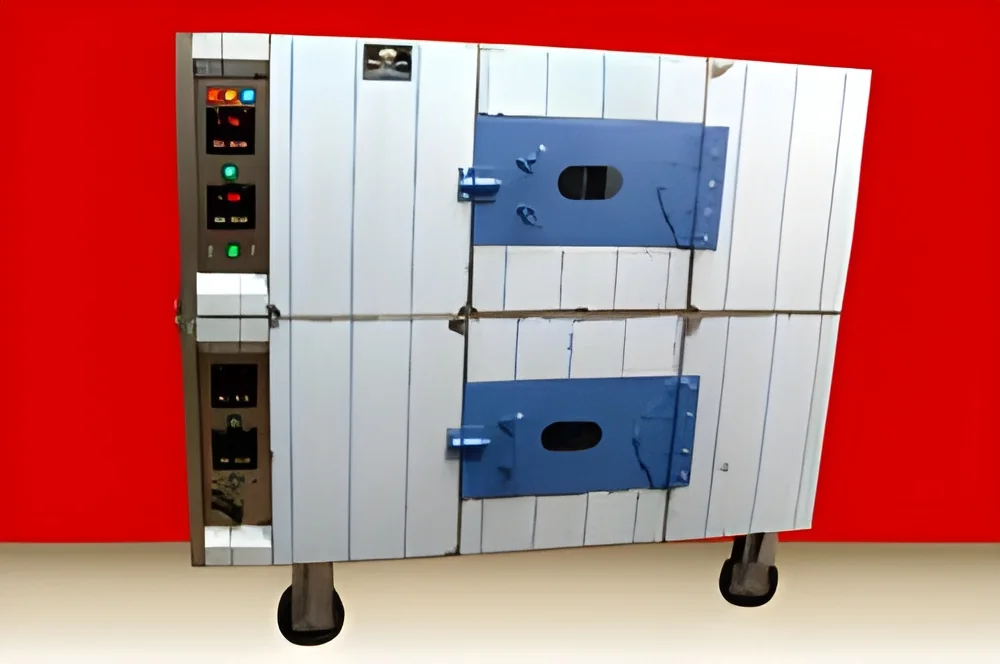
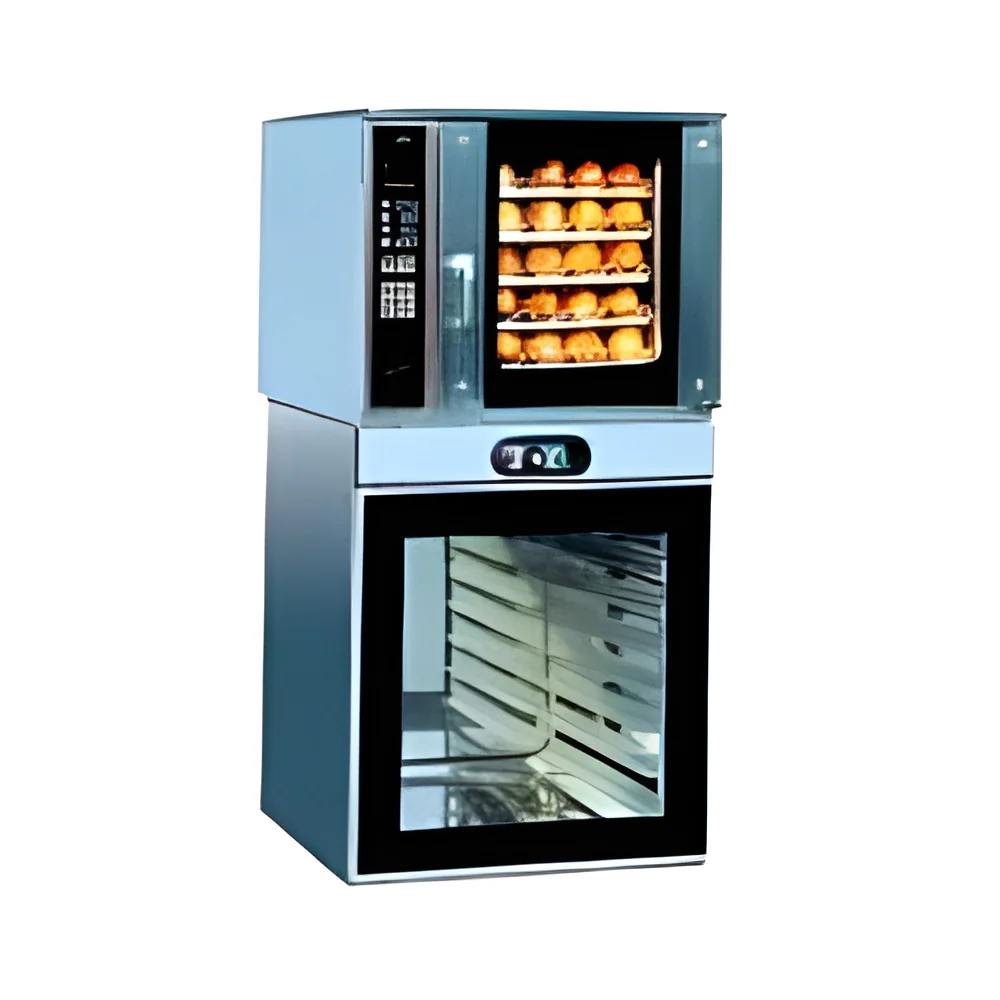
Batch ovens are specialized industrial equipment designed for heating, drying, and curing products in batch processes. They operate by circulating heated air around items placed within the oven, ensuring uniform temperature distribution. This type of oven is crucial for achieving desired thermal treatments, especially in processes that require precise temperature control for optimal results.
These ovens find extensive use across various sectors, including food processing, pharmaceuticals, and manufacturing. In the food industry, batch ovens are employed for baking, roasting, and drying, while in pharmaceuticals, they are essential for sterilizing equipment and materials. Their versatility also extends to metal finishing and composite curing in manufacturing, making them a vital component in industrial operations.
With their growing demand, batch ovens have become a significant product in the industrial heating market. Businesses are increasingly investing in advanced models that offer enhanced energy efficiency and precise control features. As industries look for reliable solutions to improve production quality and efficiency, the relevance of batch ovens continues to rise.
Key Features and Specifications
Batch ovens come equipped with a variety of features and specifications that enhance their functionality. These specifications are essential for buyers looking to invest in reliable and efficient equipment.
Key specifications include:
1. Temperature Control
- Precise temperature settings for various applications
- Typical ranges not specified
2. Humidity Control
- Systems to regulate moisture levels during heating
- Technical parameters not specified
3. Monitoring Features
- Advanced monitoring systems for temperature and humidity
- Details not specified
4. Energy Efficiency
- Design aimed at reducing energy consumption
- Efficiency ratings not specified
5. Construction Material
- Durable materials designed to withstand high temperatures
- Specific materials not detailed
6. Capacity
- Varies based on model and application needs
- Range not specified
7. Safety Features
- Built-in safety mechanisms to prevent overheating
- Specific safety measures not detailed
8. Compliance Standards
- Adherence to industry regulations
- Certifications such as CE included
Overall, the combination of these features ensures that batch ovens meet the rigorous demands of industrial applications.
Common Applications and Use Cases
Batch ovens are adaptable to a range of industrial applications, making them valuable assets in various sectors.
1. Food Processing: In the food industry, batch ovens are commonly used for baking, roasting, and drying processes, ensuring products meet safety and quality standards.
2. Pharmaceuticals: These ovens are crucial for sterilization processes, helping to maintain hygiene and safety in the production of medical supplies and medicines.
3. Manufacturing: In manufacturing, batch ovens serve to cure coatings and finishes on metal products, enhancing durability and performance.
4. Electronics: Batch ovens are used for drying and curing printed circuit boards, ensuring reliability and functionality of electronic components.
5. Aerospace: They are employed in the curing of composite materials, vital for the production of lightweight and strong aerospace components.
6. Automotive: Batch ovens are utilized for paint curing and drying processes, ensuring a smooth finish on vehicles.
7. Textiles: In the textile industry, batch ovens are used for drying fabrics after dyeing, essential for achieving the desired color saturation.
Product Variants and Subcategories
Batch ovens are available in diverse configurations to cater to various industrial needs.
Standard Batch Oven
This variant is designed for general applications, offering reliable performance for baking, drying, and curing. It features basic temperature control and is suitable for a wide range of products.
High-Temperature Batch Oven
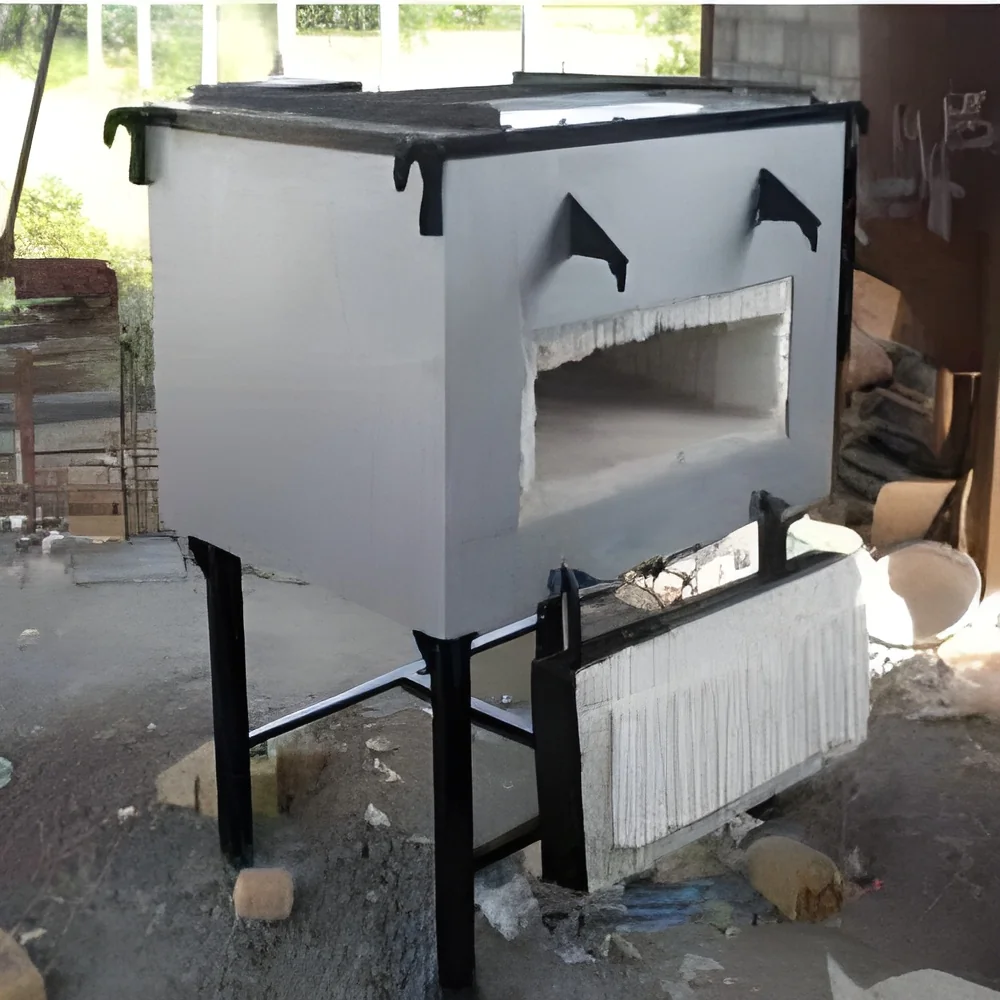
Engineered for high-temperature applications, this oven can handle extreme conditions, making it ideal for industries like aerospace and automotive. It offers enhanced insulation and safety features.
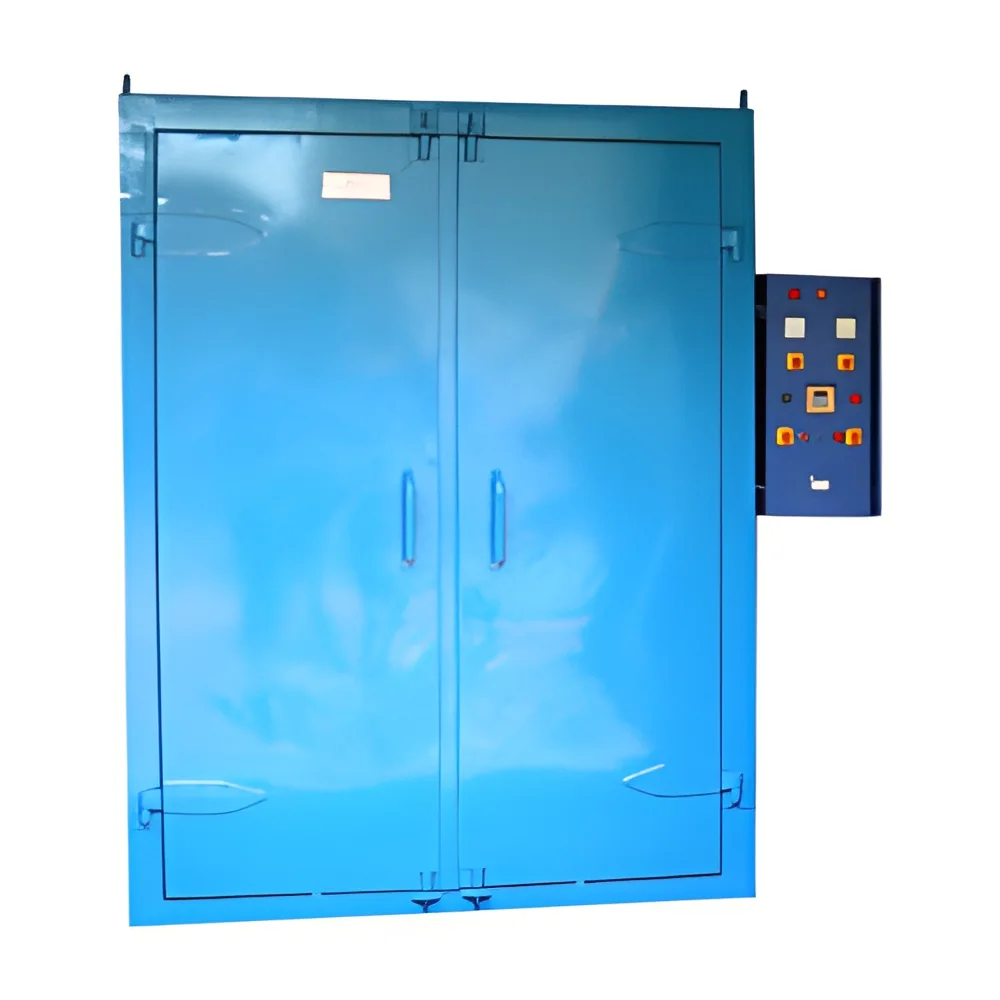
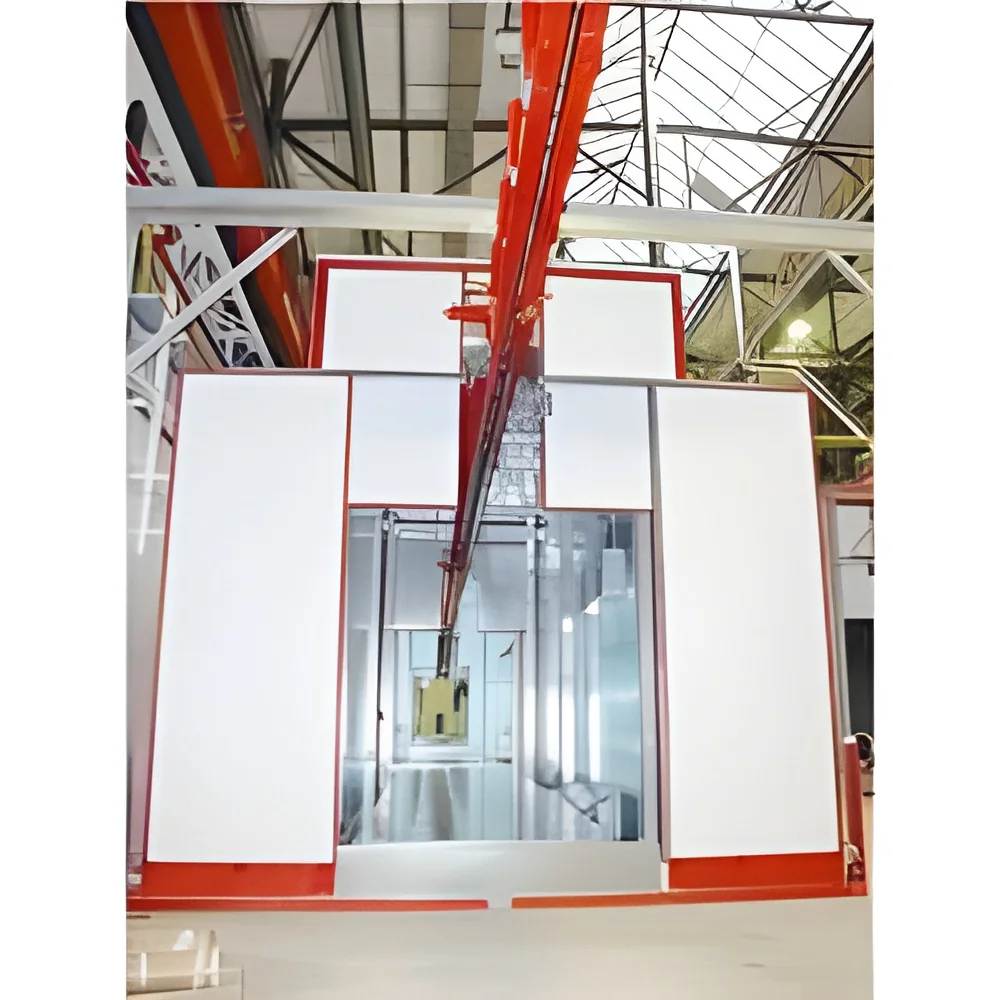
Walk-in Batch Oven
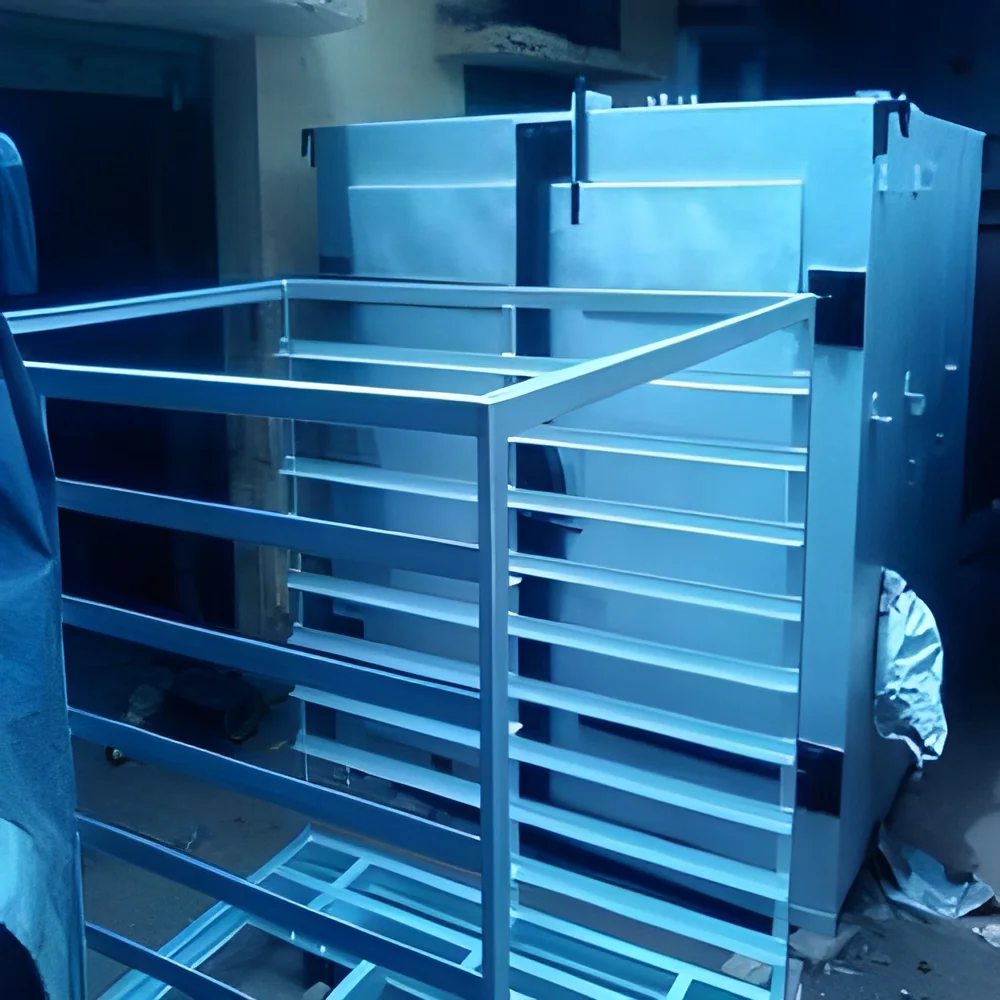
This larger variant allows operators to load and unload products easily, making it suitable for bulk processing. It is often used in manufacturing and large-scale food production.
Custom Batch Oven
Some manufacturers offer custom-built solutions tailored to specific operational needs, allowing businesses to optimize performance and efficiency.
Benefits and Advantages
Investing in batch ovens provides numerous benefits for businesses seeking efficiency and quality in their operations.
1. Improved Product Quality: Batch ovens ensure uniform heating, resulting in consistent product quality, which is critical for market competitiveness.
2. Energy Efficiency: Many modern batch ovens are designed to consume less energy, helping businesses reduce operational costs and their carbon footprint.
3. Versatility: These ovens can be used across multiple industries, allowing for diverse applications without needing multiple machines.
4. Enhanced Reliability: Batch ovens are built to withstand rigorous industrial use, providing dependable performance over time.
5. User-Friendly Operation: Many models feature intuitive controls, making them easy for operators to use while minimizing training time.
6. Compliance Assurance: Batch ovens often meet industry standards, helping businesses adhere to regulatory requirements effortlessly.
Buying Guide for B2B Buyers
When sourcing batch ovens, it is essential to consider several factors that influence the purchasing decision.
1. Quality Assessment: Evaluate the build quality and materials used in the oven. Look for reputable manufacturers with a proven track record of reliability and performance.
2. Supplier Verification: Conduct thorough research on potential suppliers. Verify their credentials, customer reviews, and compliance with industry standards to ensure a reliable partnership.
3. Pricing and MOQ: Consider the overall cost including any delivery fees. Be aware of minimum order quantities and how they fit into your budget.
4. Delivery and Lead Times: Understand the logistics involved in the delivery of the oven. Ensure the supplier can meet your timeline requirements without compromising on quality.
5. Compliance Requirements: Ensure that the batch oven meets all relevant safety and regulatory standards specific to your industry to avoid any compliance issues.
Compliance and Certifications
Batch ovens must comply with various quality standards and certifications to ensure safety and performance.
ISO 9001 is a key quality management standard that batch ovens may adhere to, reflecting a commitment to consistent quality and continuous improvement.
HACCP (Hazard Analysis and Critical Control Points) is often applicable in food processing environments, ensuring that batch ovens are designed to maintain food safety.
CE certification indicates that the batch oven complies with European safety standards, which is critical for international trade and market acceptance.
Safety and testing requirements are paramount, ensuring that batch ovens operate safely under prescribed conditions. Regional compliance considerations may vary, so it is essential to be aware of local regulations in the areas where the ovens will be used.
Why Source Batch Ovens from Pepagora?
Pepagora provides a trusted platform for sourcing batch ovens with several key advantages that appeal to B2B buyers.
Verified Supplier Network: Pepagora features a network of verified suppliers committed to delivering high-quality products. This ensures that buyers can trust the equipment they source.
Streamlined RFQ Process: The request for quotation (RFQ) process is simplified, allowing buyers to receive multiple quotes quickly and efficiently, enabling informed decision-making.
Trade Assurance and Support: Buyers benefit from trade assurance policies that protect their purchases, along with dedicated support to address any concerns that may arise during the sourcing process.
Regional Coverage: Pepagora serves a broad geographic area, including India, the GCC, and Southeast Asia. This extensive coverage allows buyers to find local suppliers that meet their specific needs while ensuring timely delivery and service.

 India
 India

 India
 India
 India
 India
Frequently Asked Questions
What are Batch Ovens?
Batch ovens are industrial ovens designed to heat and process various materials in batches. They are commonly used in food processing, manufacturing, and other industries where controlled heating is necessary.
What are the different types of Batch Ovens?
Batch ovens come in several types, including convection ovens, radiant ovens, and steam ovens. Each type offers different heating methods and is suited for specific applications, such as baking, drying, or curing.
How do I choose the right Batch Ovens?
Selecting the right batch oven depends on factors such as the type of materials you will process, the desired temperature range, and the production volume. It's important to consider energy efficiency and the specific features needed for your applications.
What are the standard specifications for Batch Ovens?
Standard specifications for batch ovens typically include temperature range, heating method, dimensions, and capacity. It's also essential to consider the materials used in construction and any additional features like programmable controls.
What is the price range for Batch Ovens?
The price range for batch ovens can vary significantly based on their type, size, and features, typically ranging from a few thousand to several lakhs of Indian Rupees. Customization and advanced technologies can also influence the overall cost.
What quality standards apply to Batch Ovens?
Batch ovens must comply with various quality standards, including ISO certifications and safety regulations specific to the industry. Depending on the application, ovens may also need to meet food safety or environmental standards.
Where can I find Batch Ovens suppliers in India?
You can find batch ovens suppliers in India through online B2B marketplaces like Pepagora, industry trade shows, and manufacturer directories. It's advisable to research potential suppliers to ensure they meet your quality and service requirements.
Can Batch Ovens be customized?
Yes, many manufacturers offer customization options for batch ovens to meet specific operational needs. Custom features may include different sizes, heating methods, or enhanced control systems tailored to your production processes.
What is the typical minimum order quantity for Batch Ovens?
The typical minimum order quantity (MOQ) for batch ovens can vary by manufacturer, but it often starts at one unit for standard models. Customized ovens may have a higher MOQ depending on the specifications and production processes involved.
What is the typical lead time for Batch Ovens?
The lead time for batch ovens usually ranges from a few weeks to several months, depending on the manufacturer's production capacity and whether the ovens are standard or customized. It's best to confirm the lead time with the supplier directly.
Why Businesses Trust Pepagora
Thousands of companies trust Pepagora to source smarter and sell faster
Expand Your Sales Globally

Source Smarter,Grow Faster
