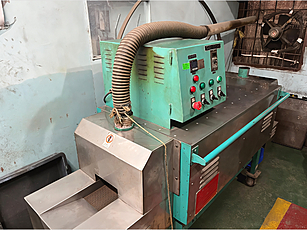
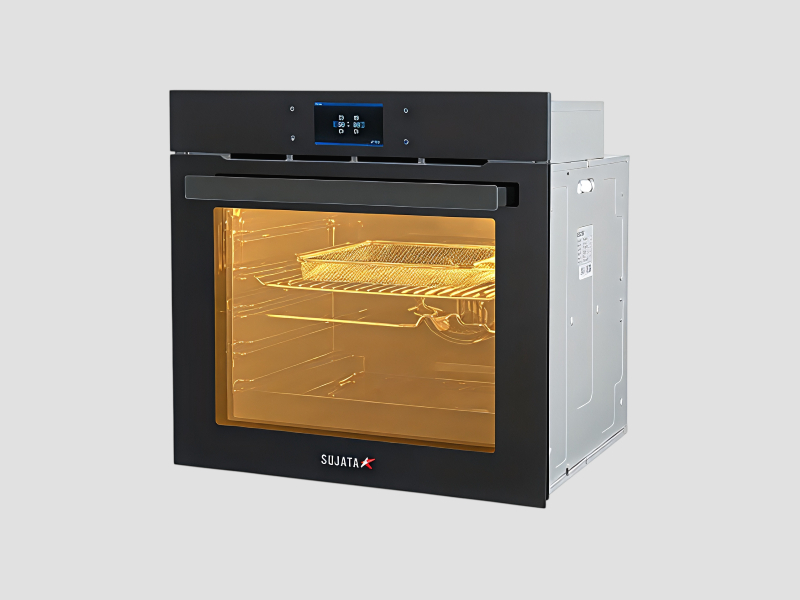
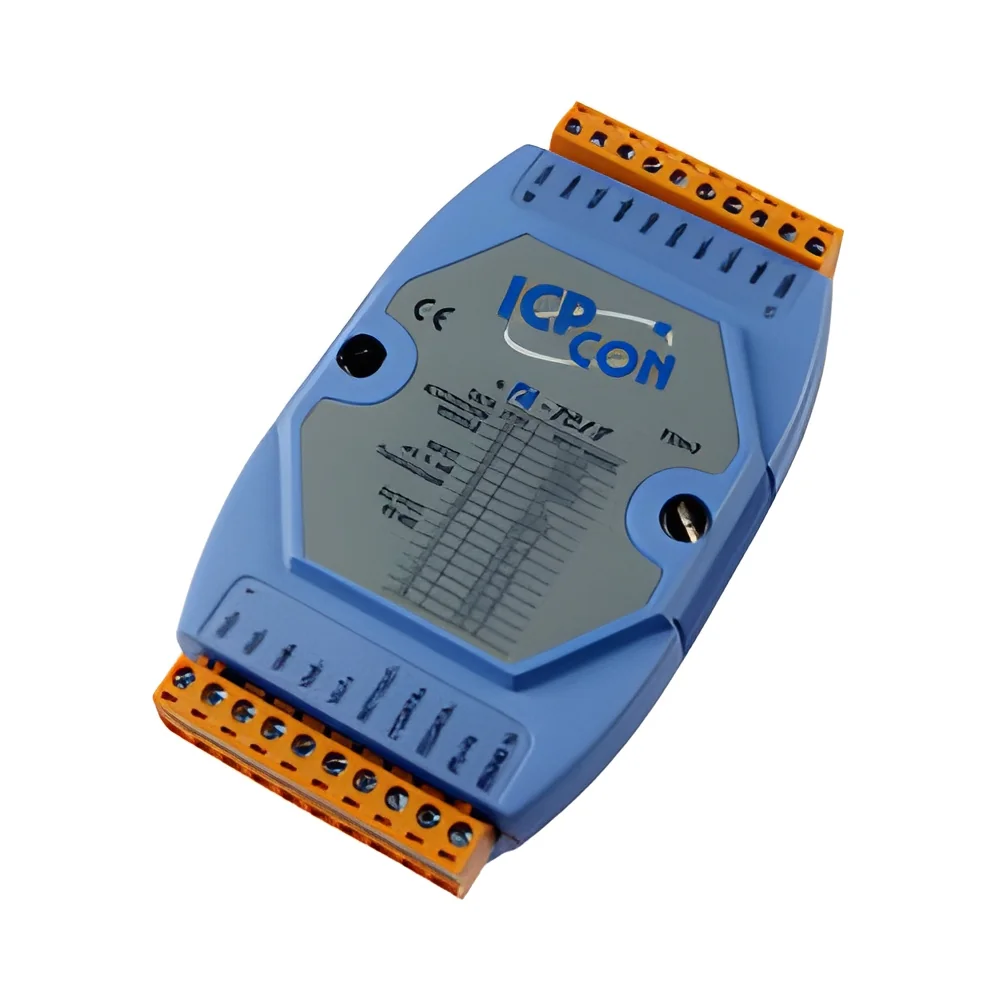
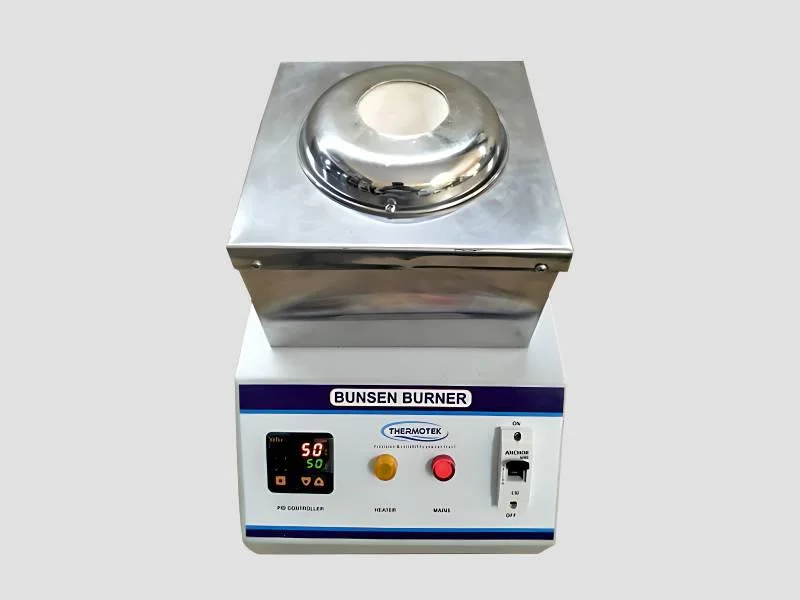
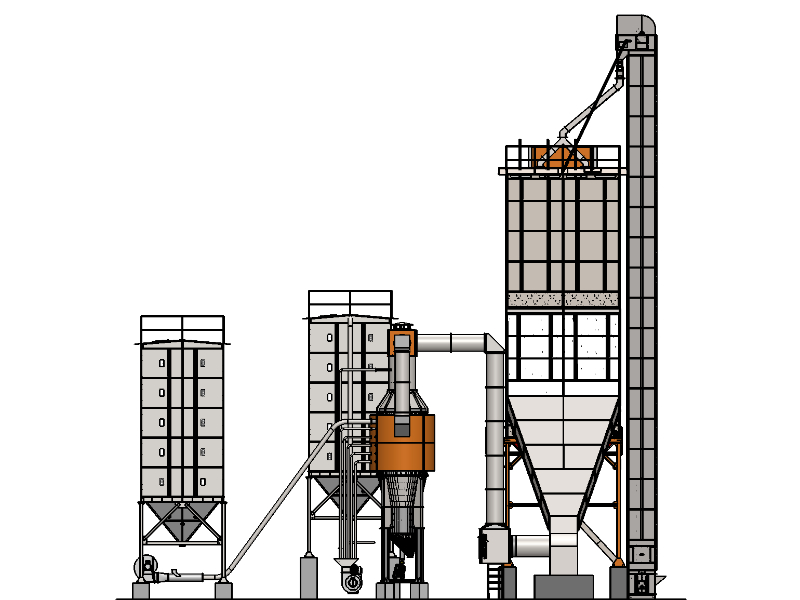
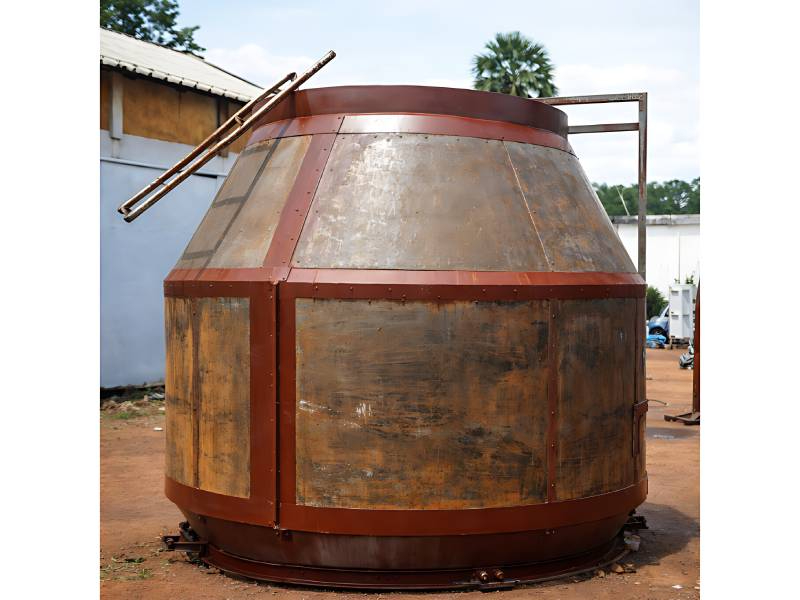
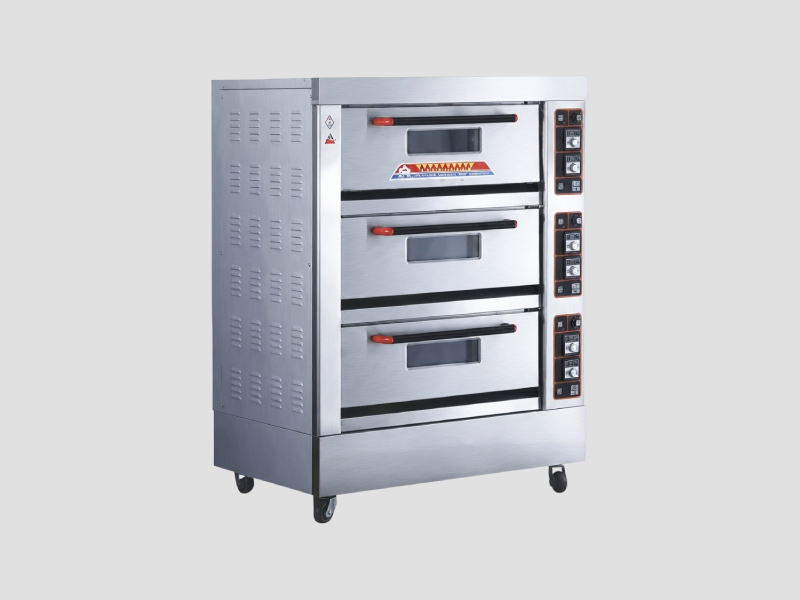
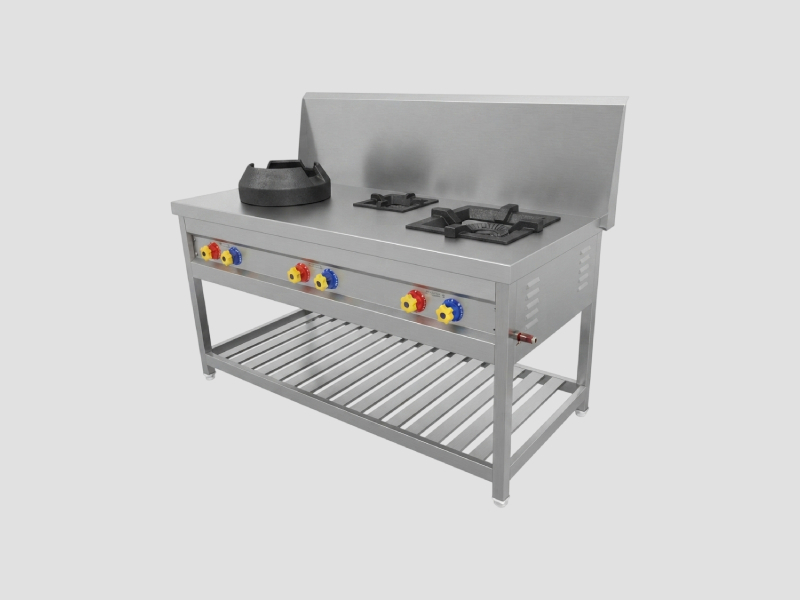
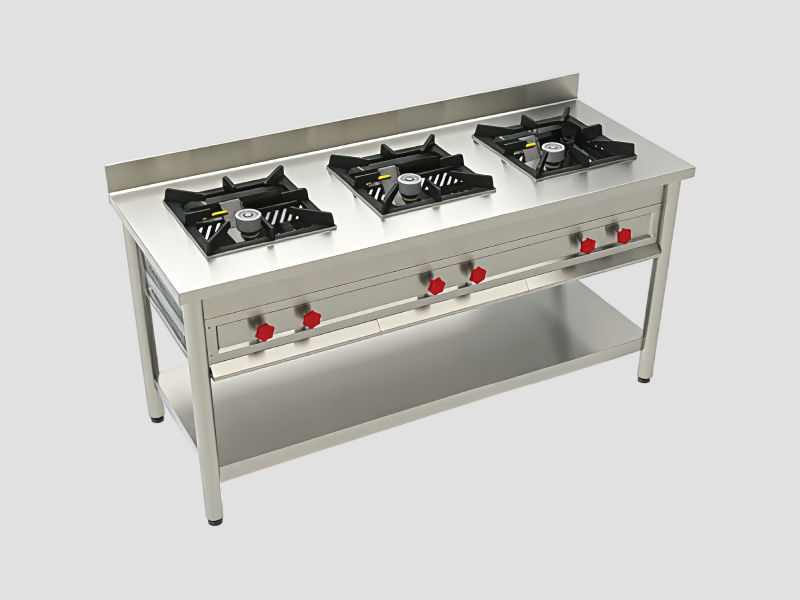
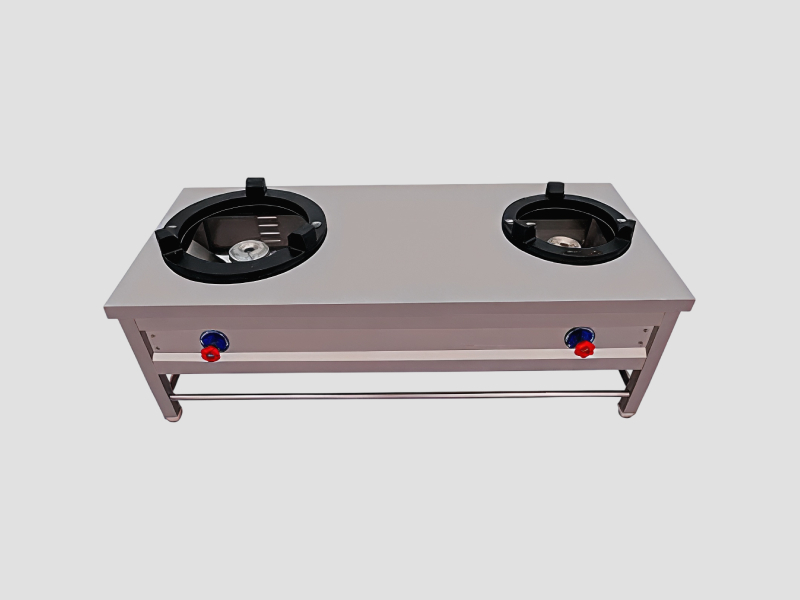
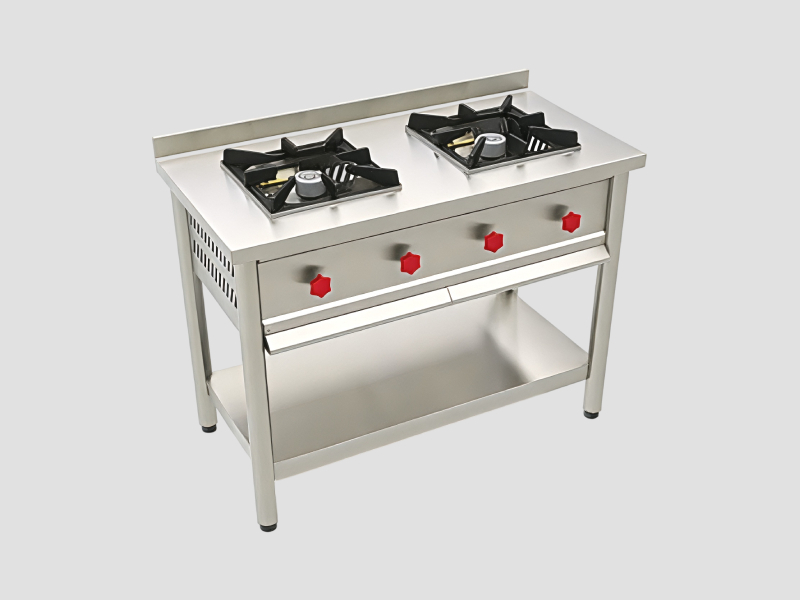
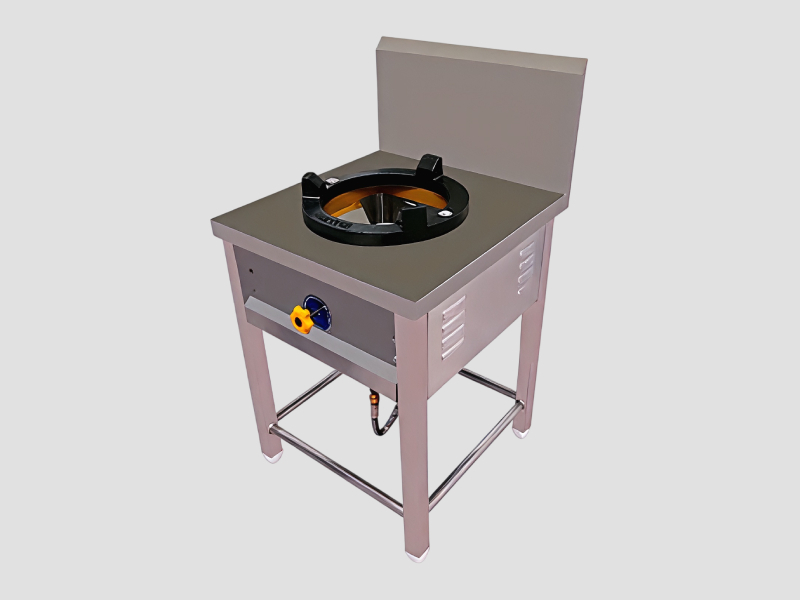
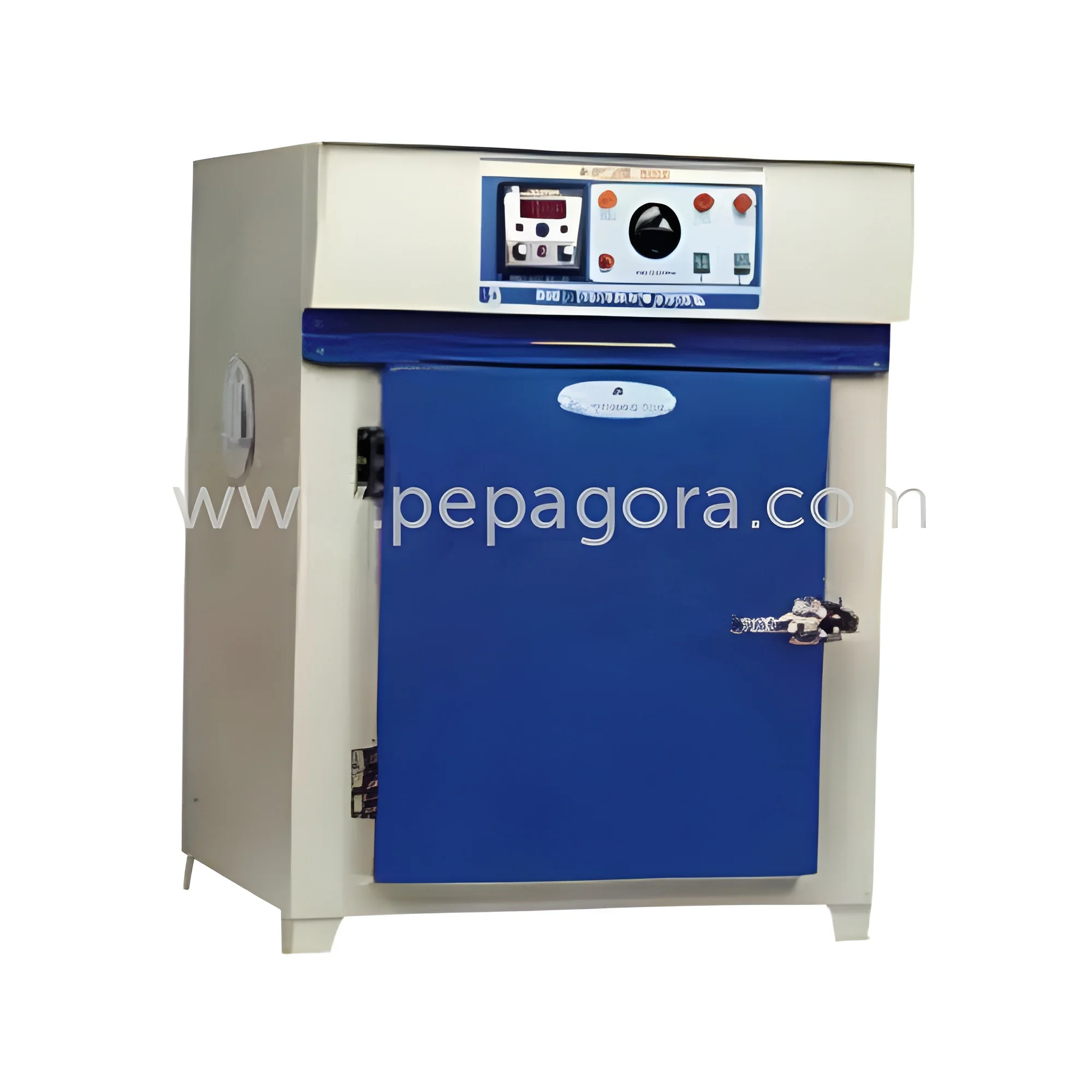
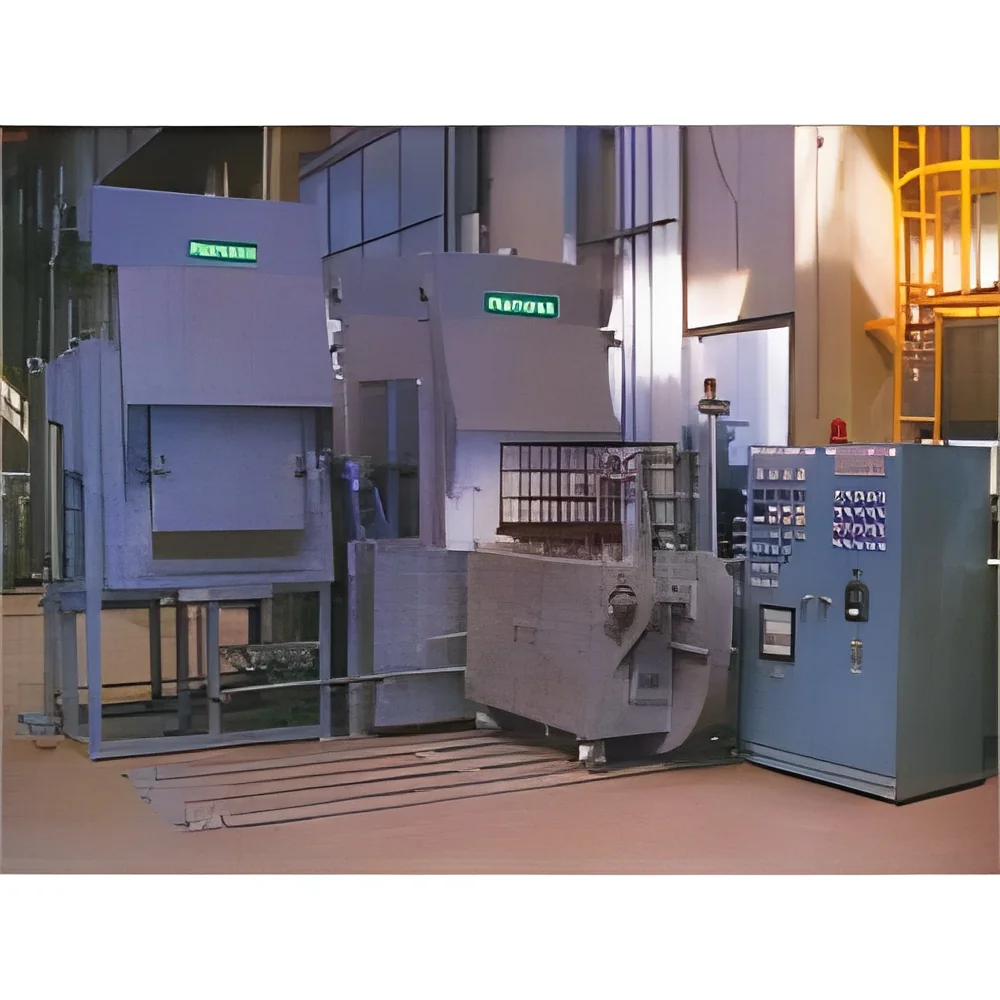
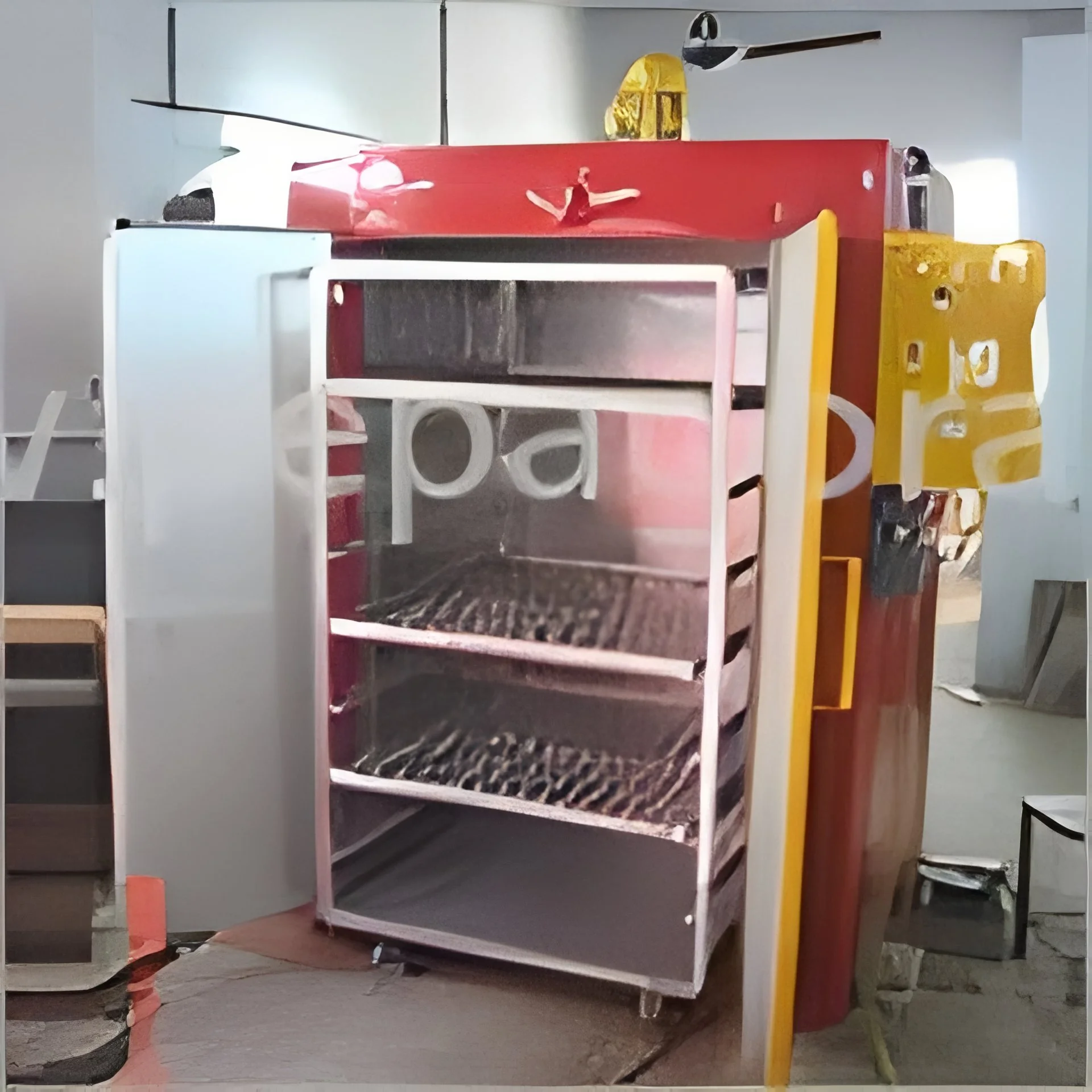
𝗪𝗵𝗮𝘁 𝗮𝗿𝗲 𝗜𝗻𝗱𝘂𝘀𝘁𝗿𝗶𝗮𝗹 𝗢𝘃𝗲𝗻𝘀 & 𝗙𝘂𝗿𝗻𝗮𝗰𝗲𝘀?
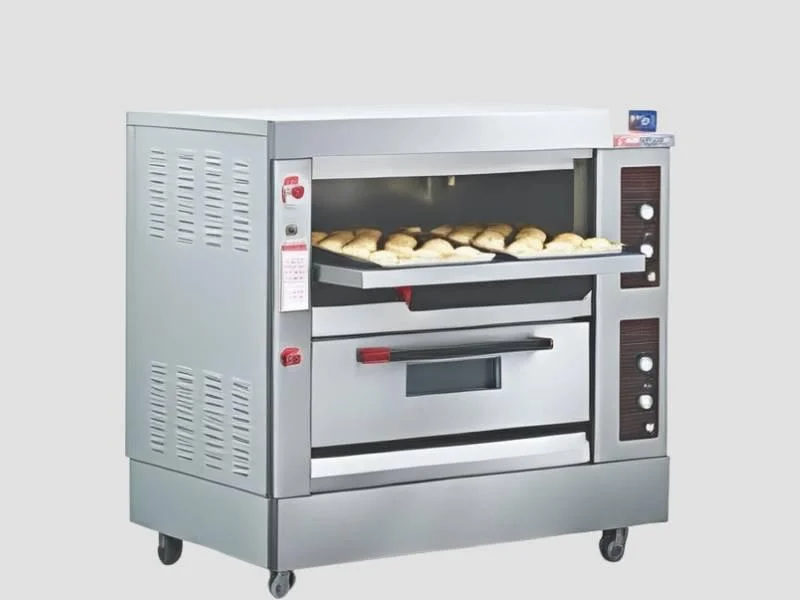
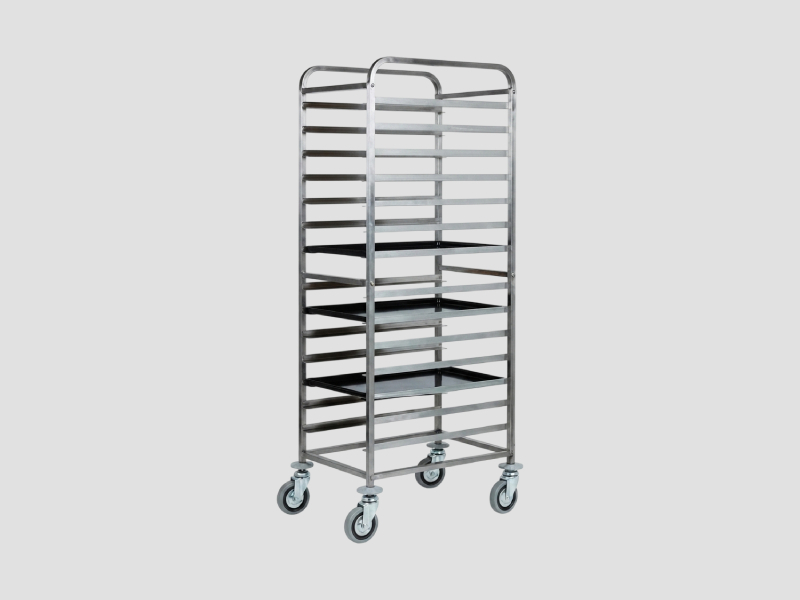
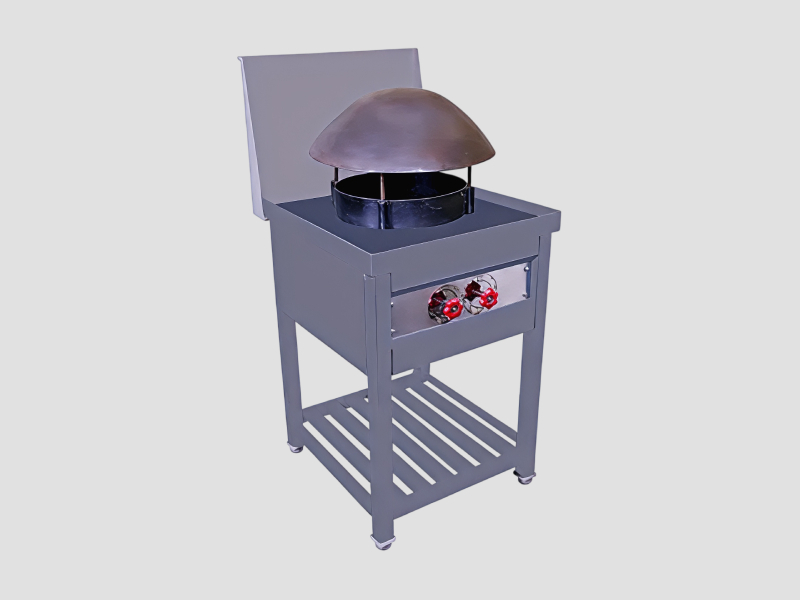
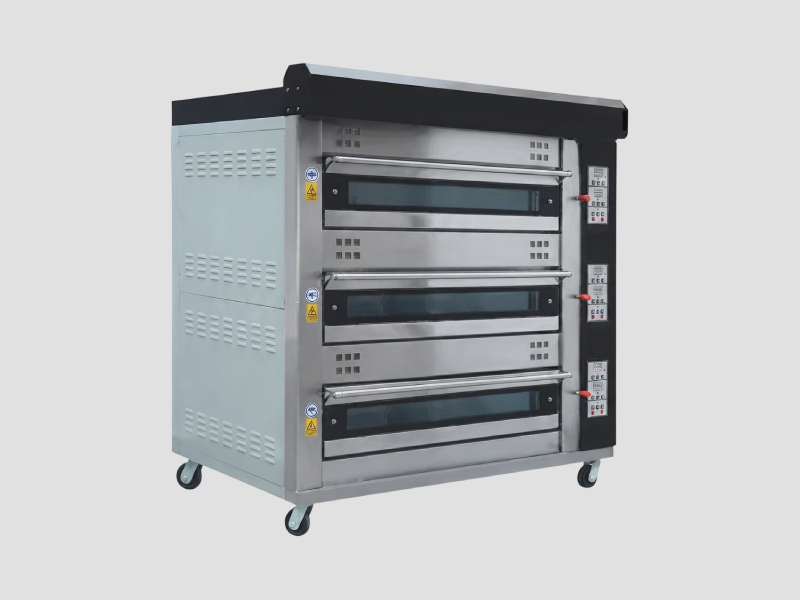
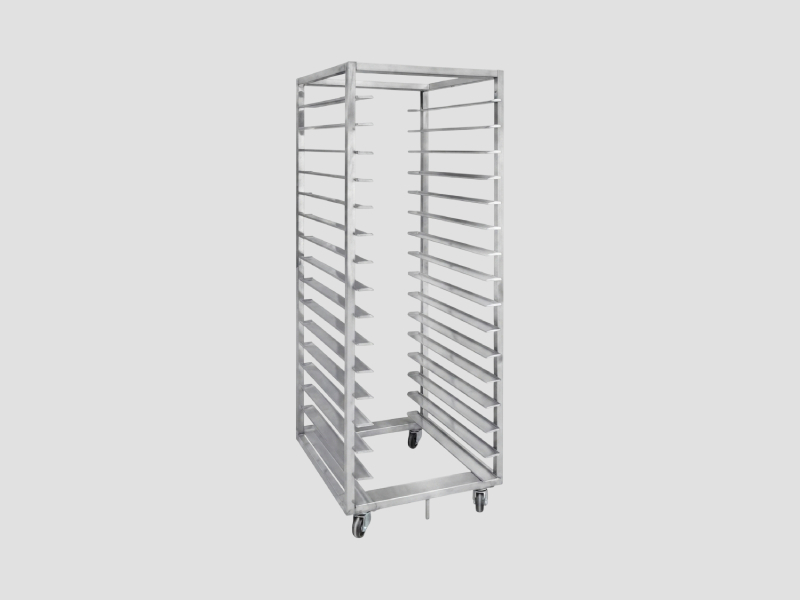
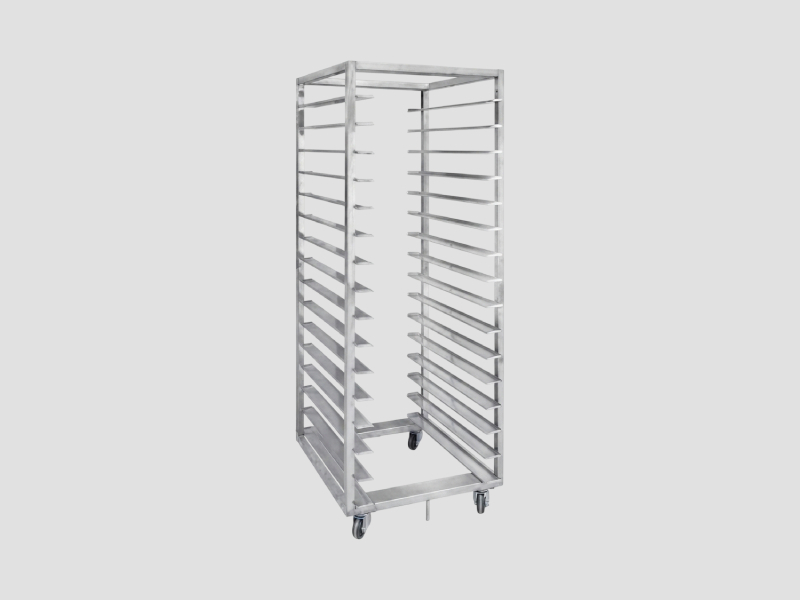
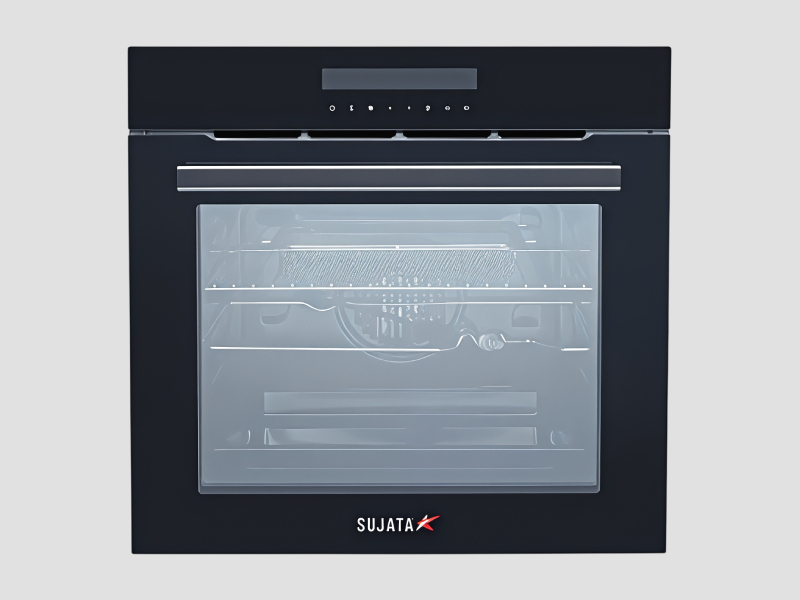
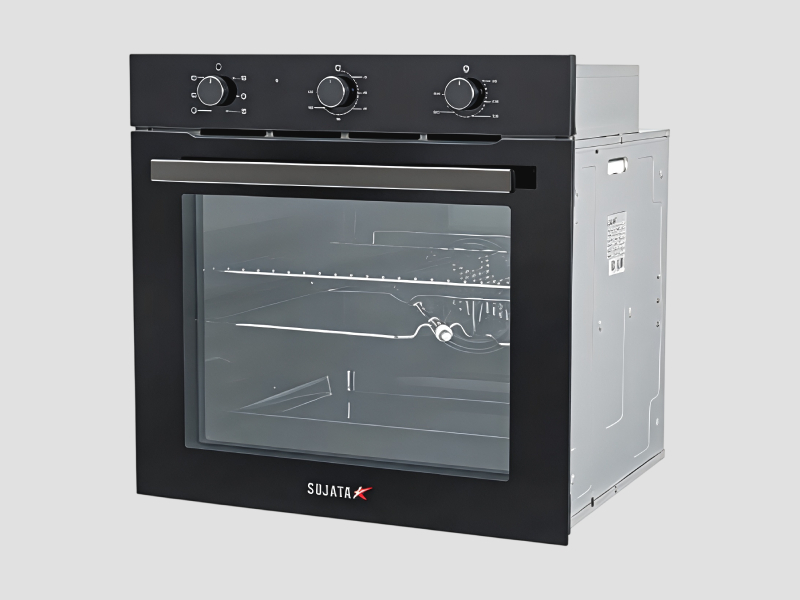
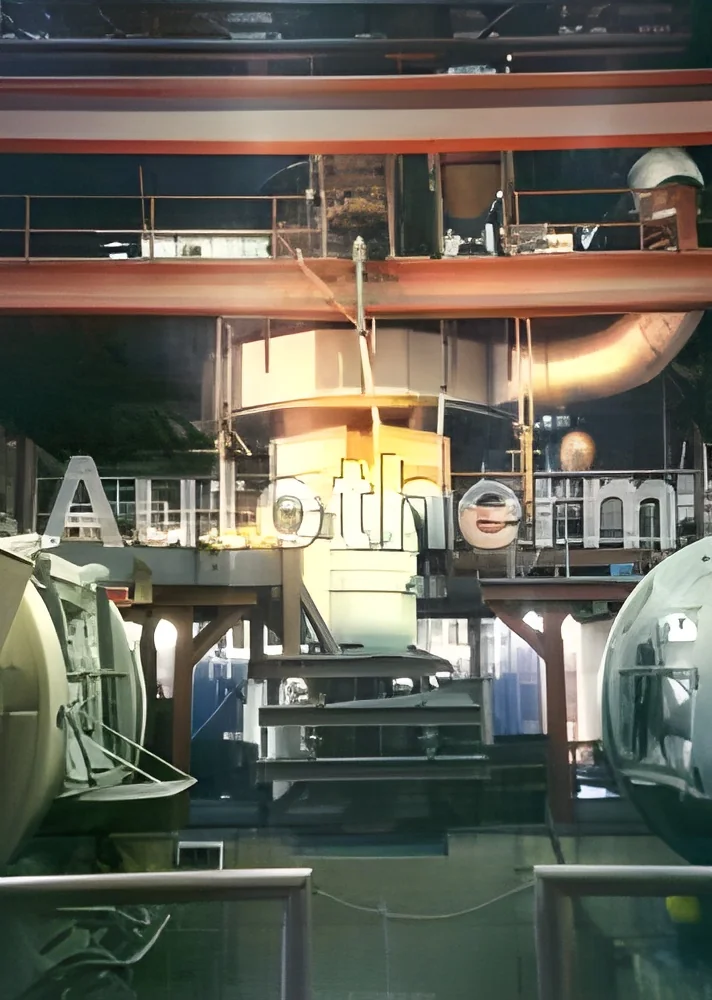
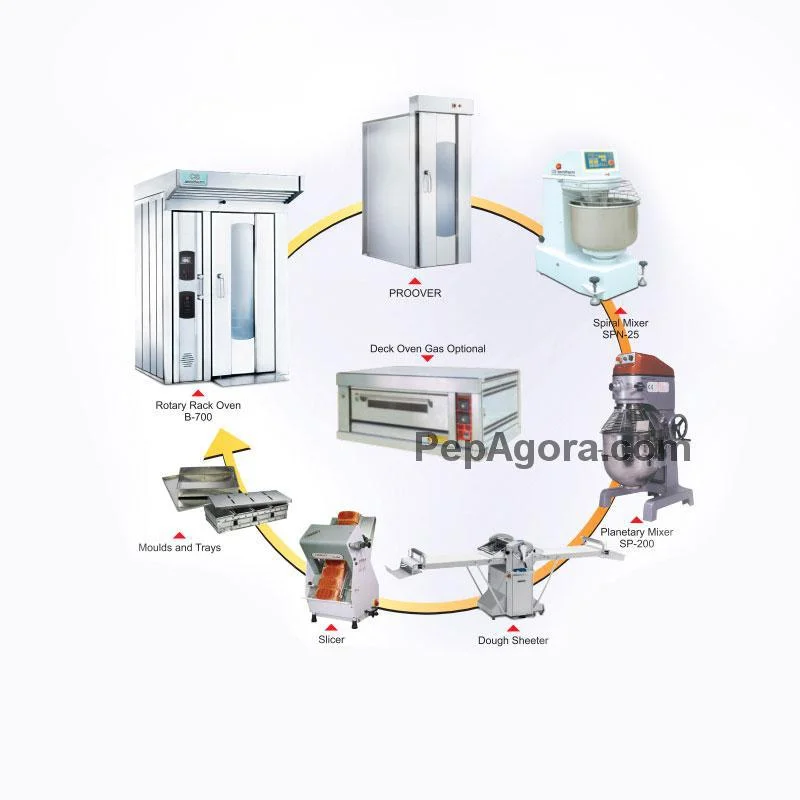
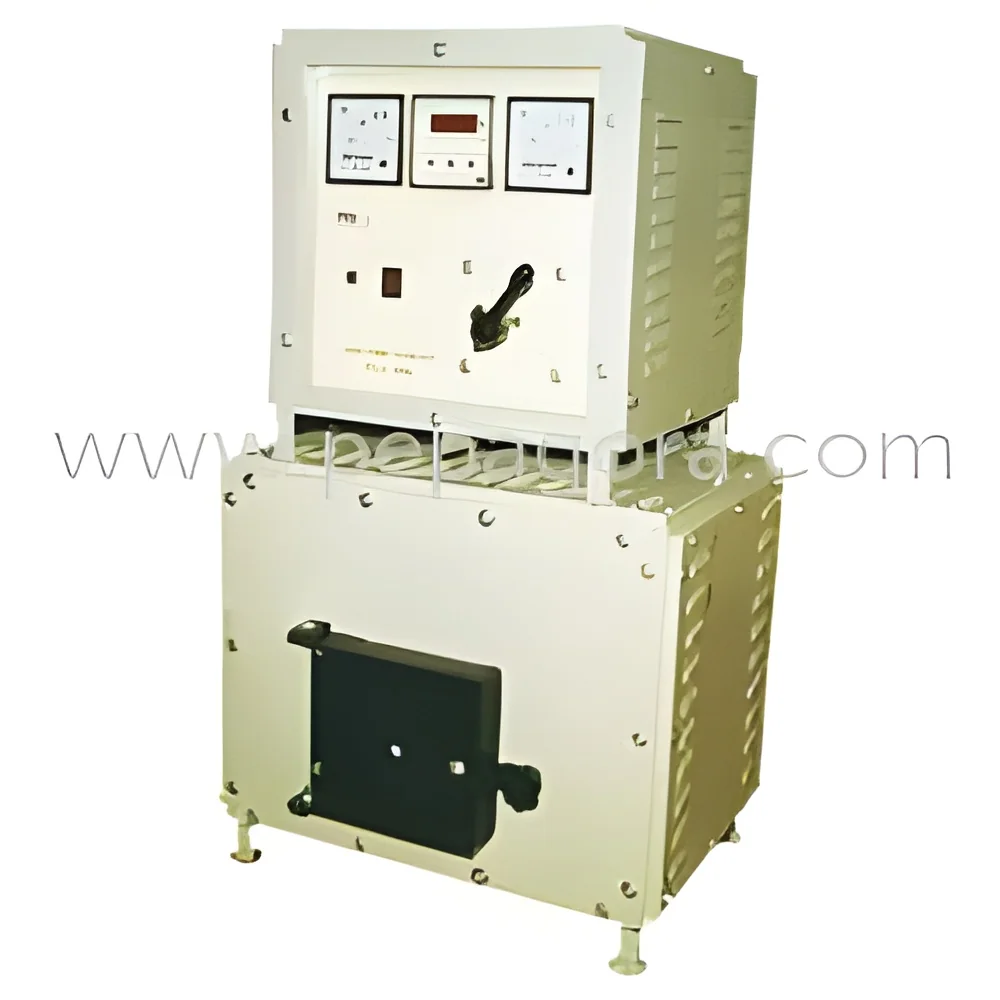
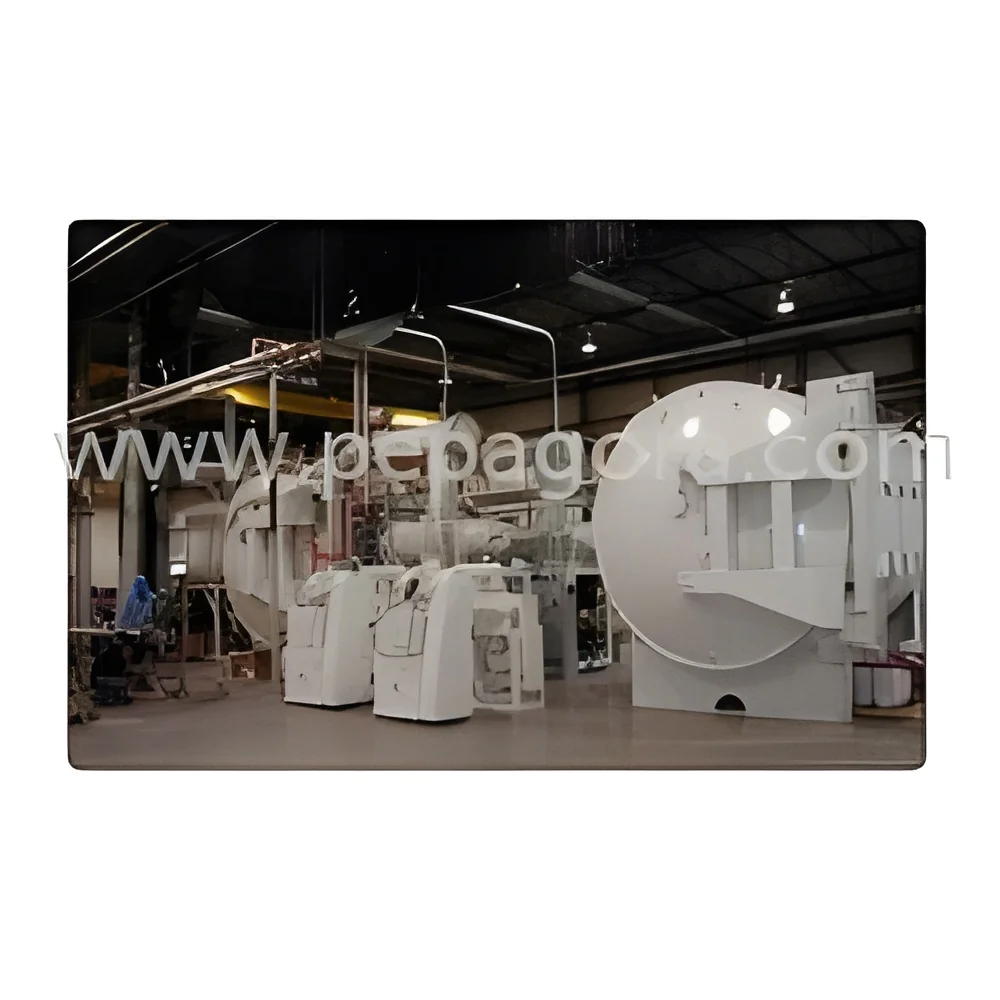
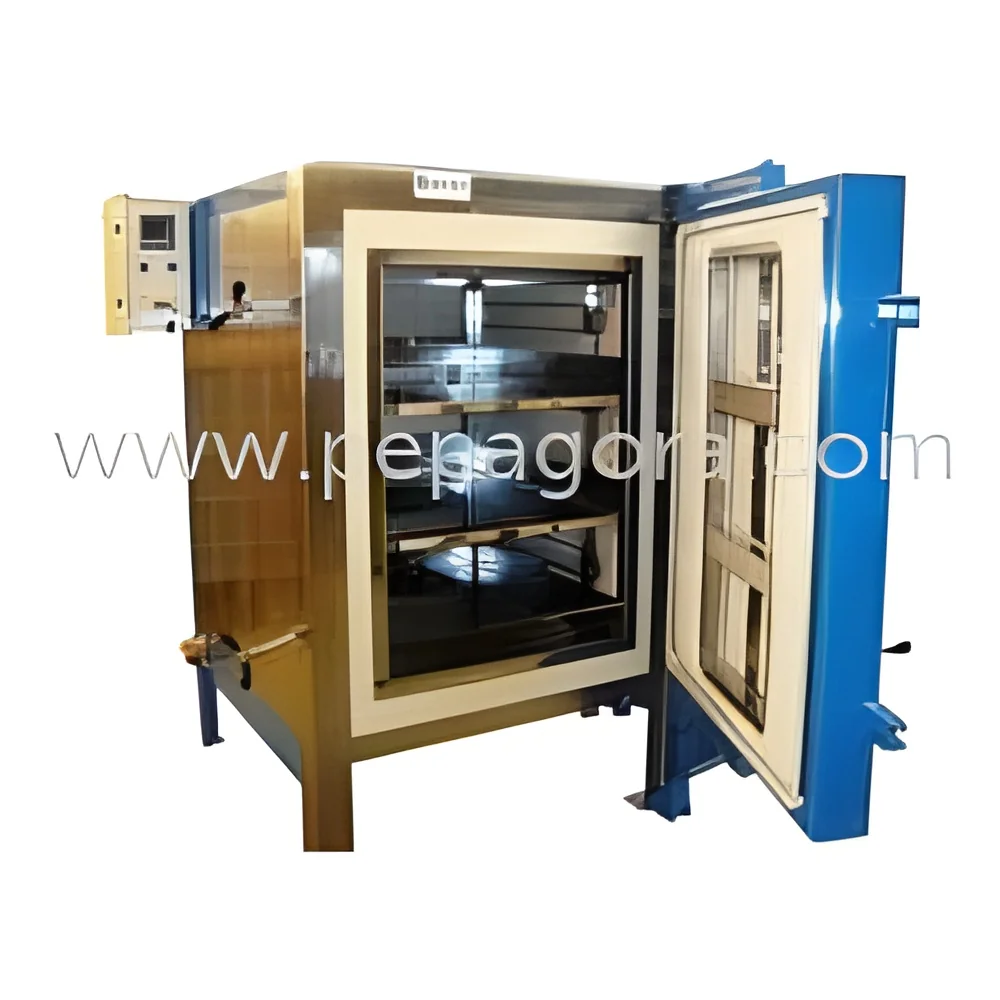
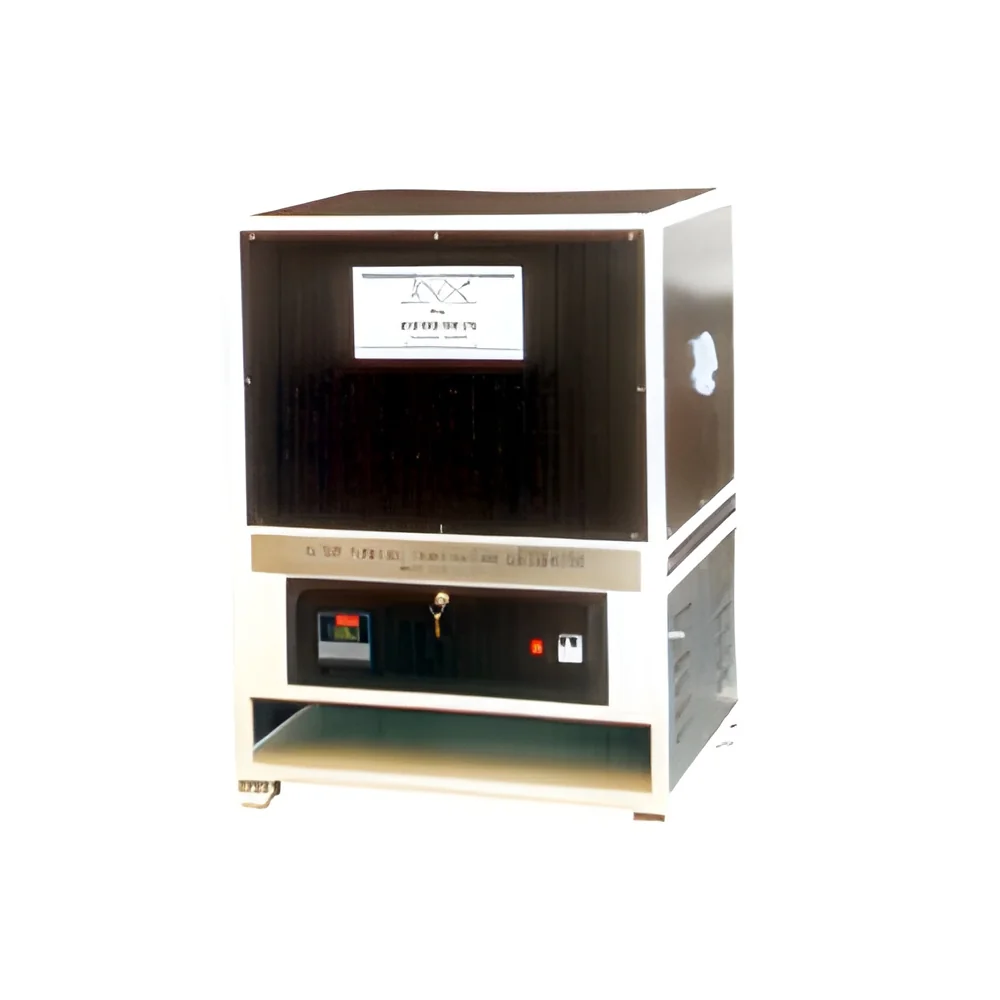
Industrial ovens and furnaces are essential equipment used in manufacturing processes for heating, baking, curing, and drying various materials. These devices operate at high temperatures and are designed to provide uniform heating to ensure product quality and consistency. Industrial ovens typically use forced air circulation to distribute heat evenly, while furnaces may utilize more intense heating methods, such as electric or gas-fired systems.
These products have a wide range of applications across multiple industries, including food processing, metalworking, ceramics, and pharmaceuticals. They are crucial in processes such as drying paint, baking ceramics, and heat treating metals. The relevance of industrial ovens and furnaces in today’s market cannot be overstated, as they are integral to improving efficiency, product quality, and operational safety in various manufacturing settings.
𝗞𝗲𝘆 𝗙𝗲𝗮𝘁𝘂𝗿𝗲𝘀 𝗮𝗻𝗱 𝗦𝗽𝗲𝗰𝗶𝗳𝗶𝗰𝗮𝘁𝗶𝗼𝗻𝘀
Industrial ovens and furnaces come with a variety of features and technical specifications that cater to different industrial needs. Understanding these specifications is crucial for selecting the right equipment for specific applications.
Key specifications include:
1. Temperature Range
- Capable of reaching high temperatures for various processes
- Typical ranges may vary based on model and application
2. Heating Method
- Options include electric, gas, or infrared heating
- Each method offers unique benefits depending on the application
3. Capacity
- Available in various sizes to accommodate different batch sizes
- Capacity often measured in cubic feet or liters
4. Control Systems
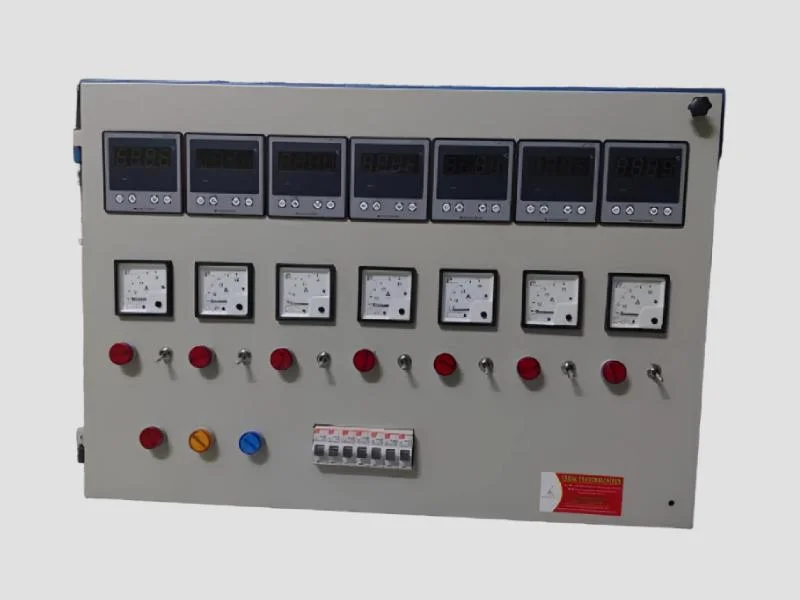
- Advanced digital controls for precise temperature regulation
- Some models include programmable features for automated processes
5. Insulation
- High-quality insulation materials to maintain internal temperatures
- Reduces energy consumption and enhances safety
6. Safety Features
- Includes emergency shut-off systems and temperature alarms
- Designed to meet safety standards for industrial use
7. Build Material
- Constructed from durable materials such as stainless steel
- Resistant to corrosion and high temperatures
8. Energy Efficiency
- Designed to minimize energy consumption
- Some models may offer energy-saving certifications
In summary, understanding the key features and specifications of industrial ovens and furnaces is essential for making informed purchasing decisions tailored to specific industrial needs.
𝗖𝗼𝗺𝗺𝗼𝗻 𝗔𝗽𝗽𝗹𝗶𝗰𝗮𝘁𝗶𝗼𝗻𝘀 𝗮𝗻𝗱 𝗨𝘀𝗲 𝗖𝗮𝘀𝗲𝘀
Industrial ovens and furnaces serve a diverse array of industries and applications.
1. Food Processing: Used for baking, drying, and sterilizing food products to ensure safety and quality.
2. Metalworking: Employed in processes such as heat treating and metal tempering to enhance material properties.
3. Ceramics: Essential for firing ceramics and pottery, ensuring durability and aesthetic appeal.
4. Pharmaceuticals: Used for drying and sterilization processes to meet strict regulatory standards.
5. Electronics: Utilized in the curing of adhesives and coatings in electronic component manufacturing.
6. Automotive: Applied in processes like paint drying and heat treatment of automotive parts.
7. Aerospace: Essential for the treatment and preparation of materials used in aircraft manufacturing.
𝗣𝗿𝗼𝗱𝘂𝗰𝘁 𝗩𝗮𝗿𝗶𝗮𝗻𝘁𝘀 𝗮𝗻𝗱 𝗦𝘂𝗯𝗰𝗮𝘁𝗲𝗴𝗼𝗿𝗶𝗲𝘀
Industrial ovens and furnaces come in various types to meet specific operational needs.
Convection Ovens
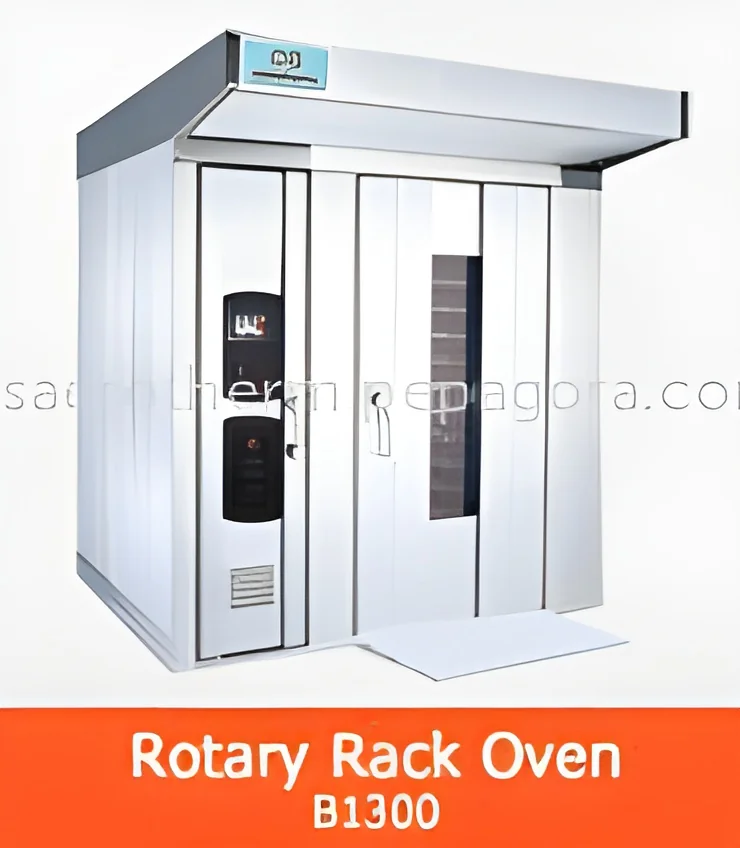
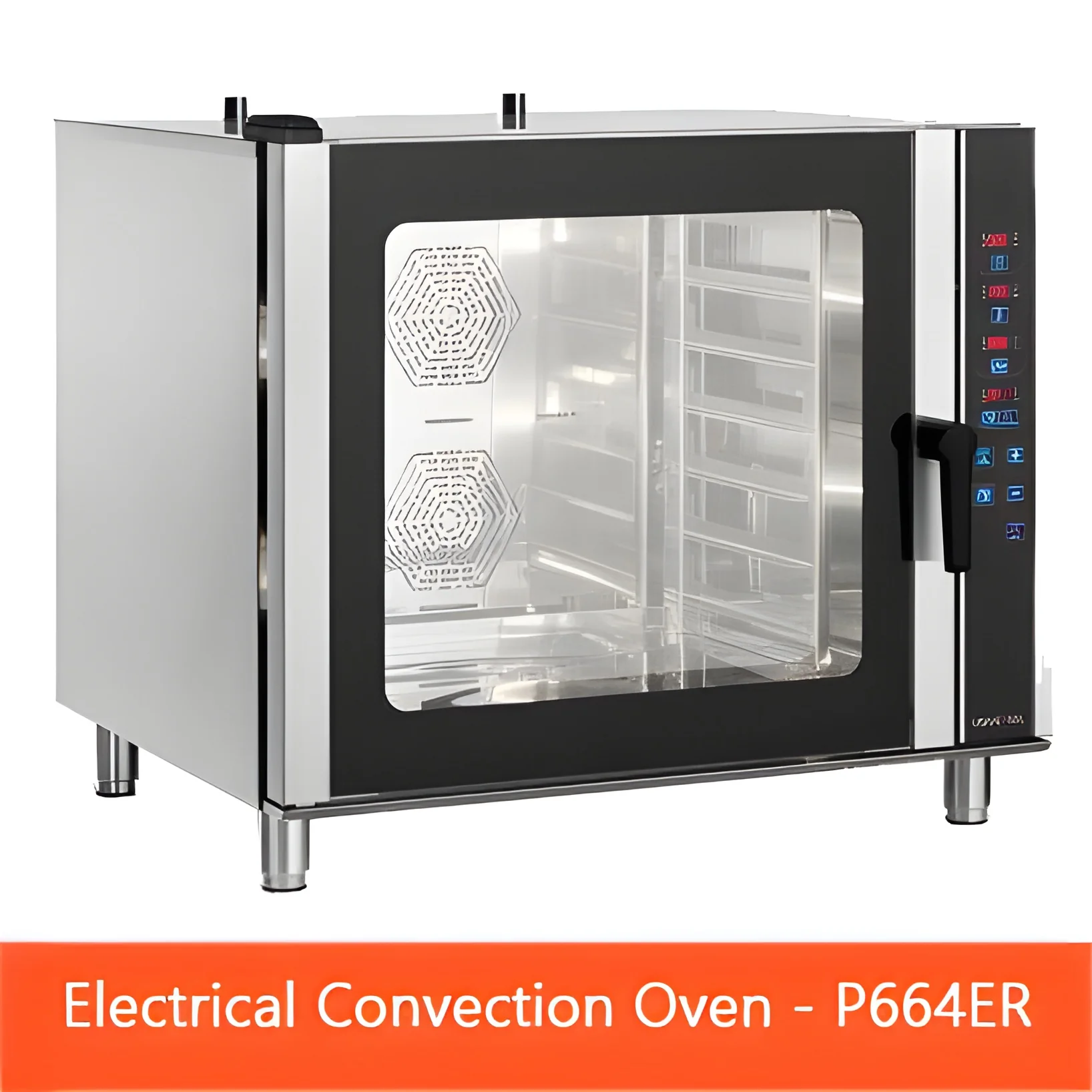
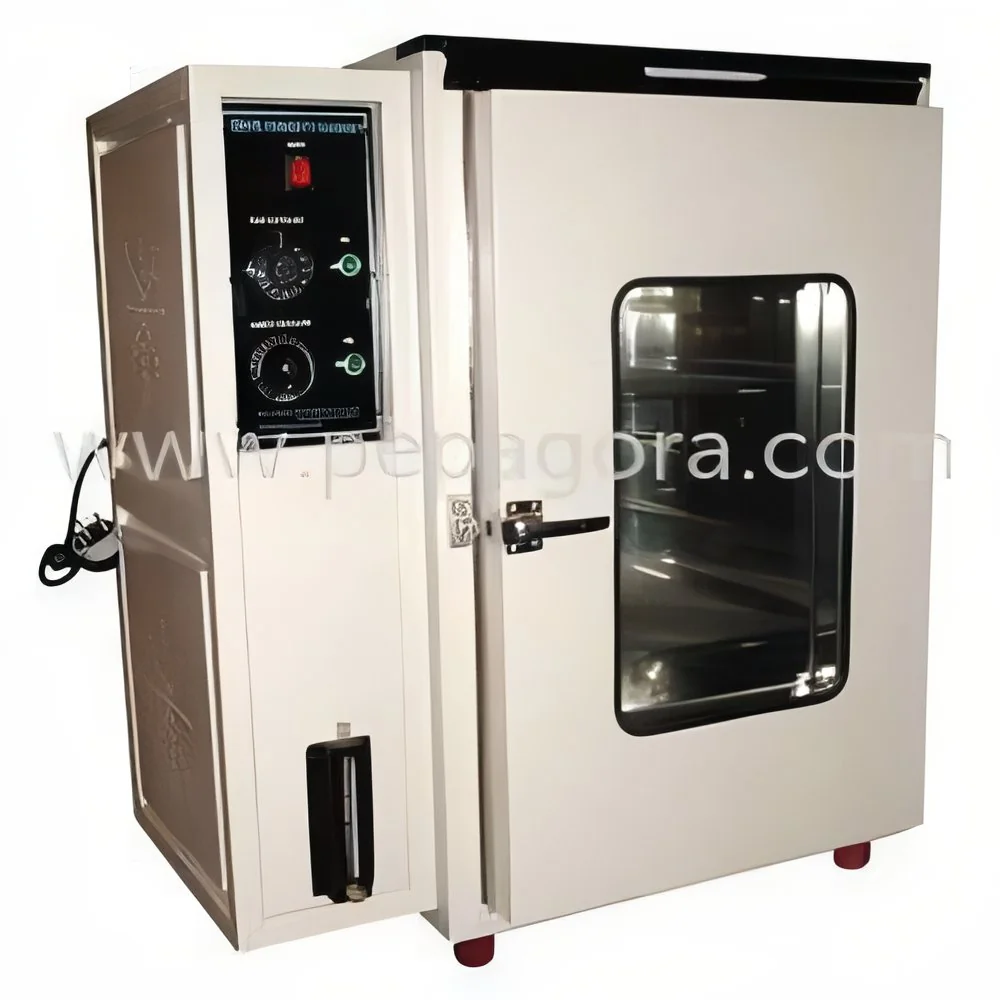
Convection ovens utilize a fan to circulate hot air, providing even heating and reducing cooking times. These ovens are ideal for baking and roasting in food processing industries.
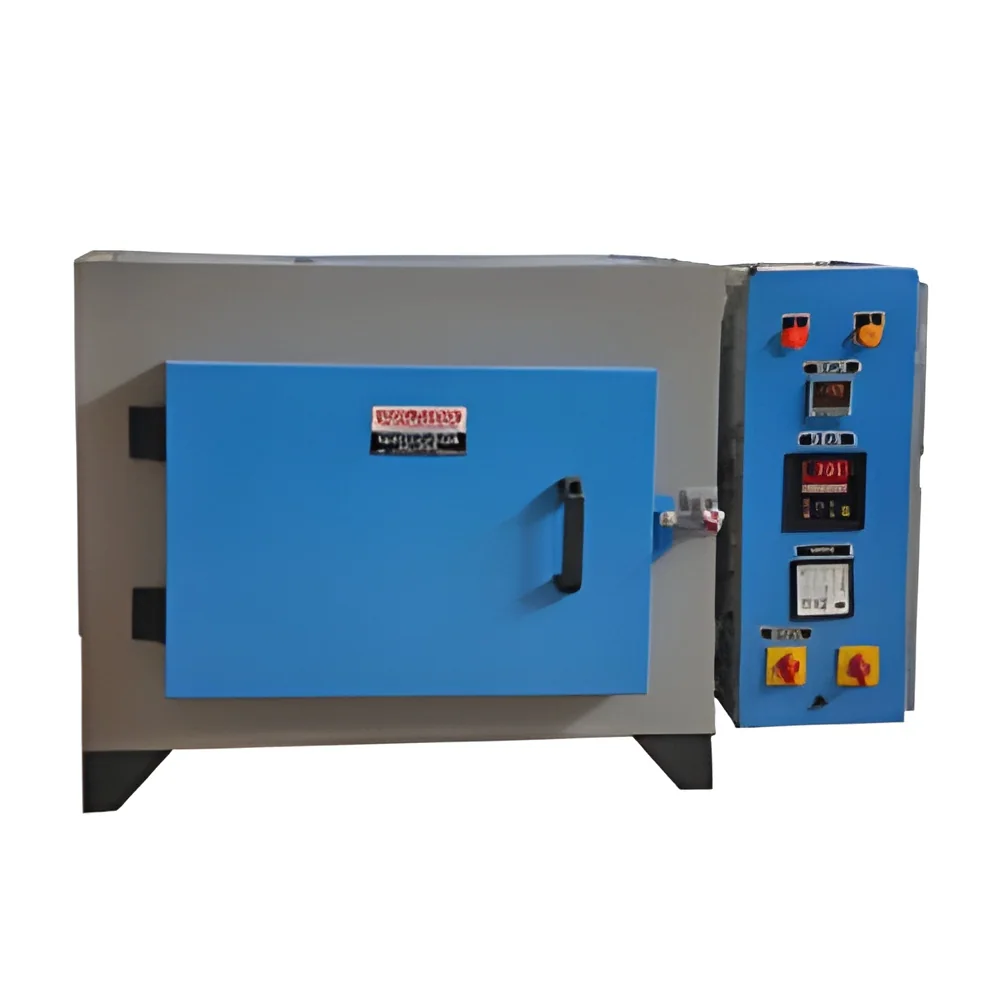
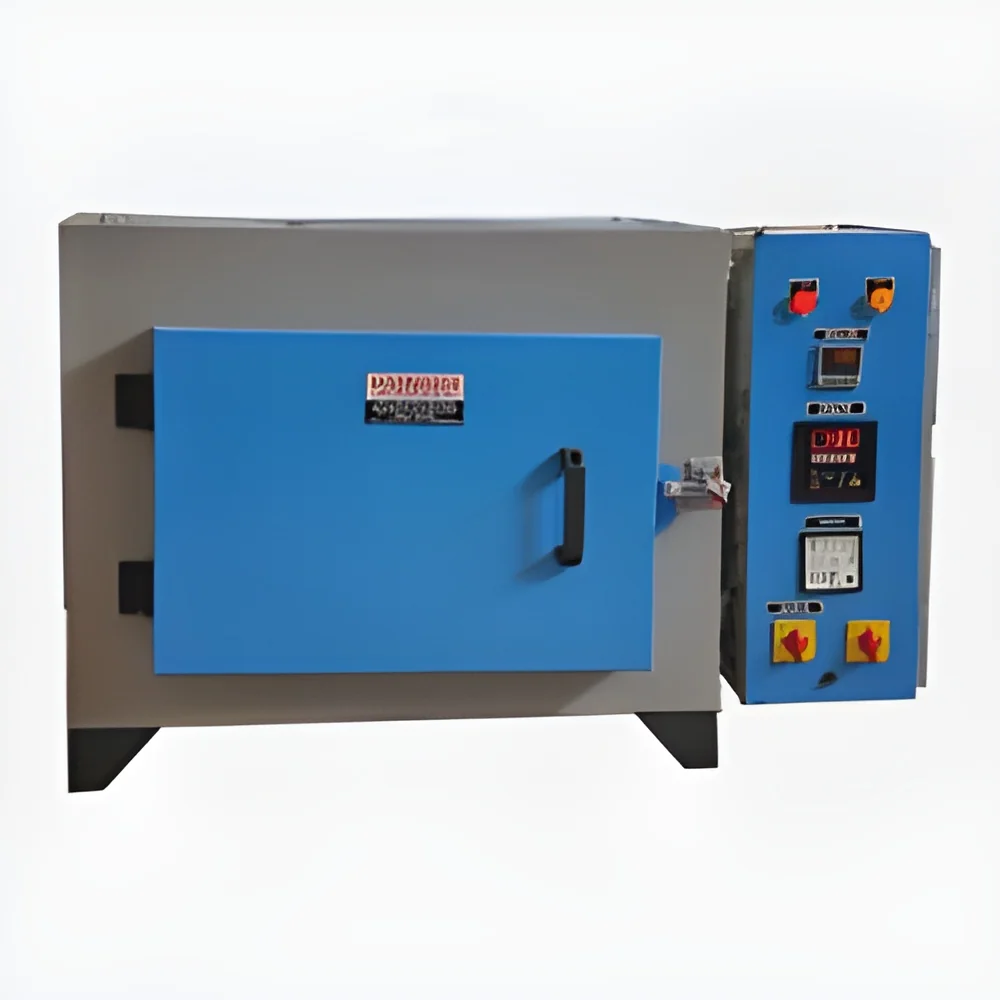
Batch Ovens
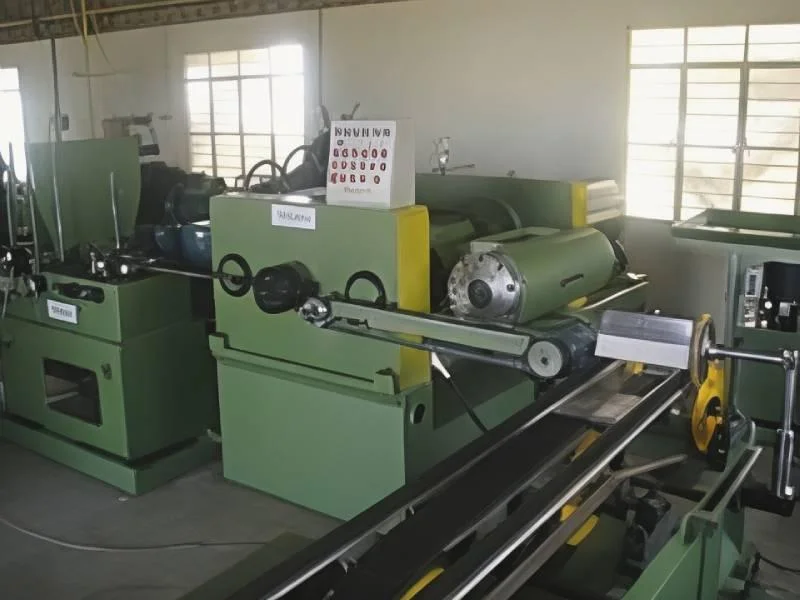
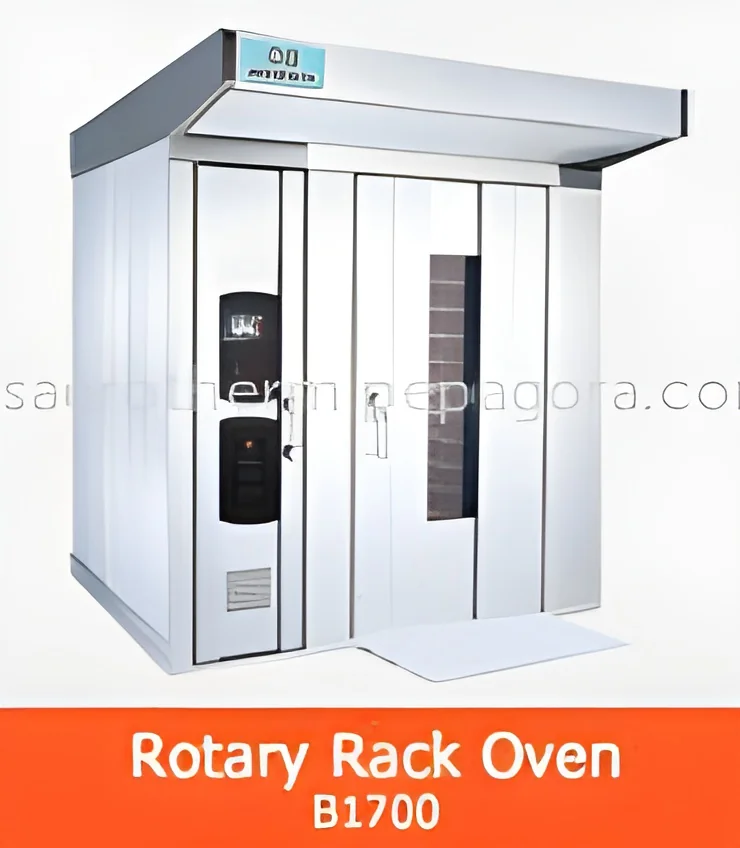
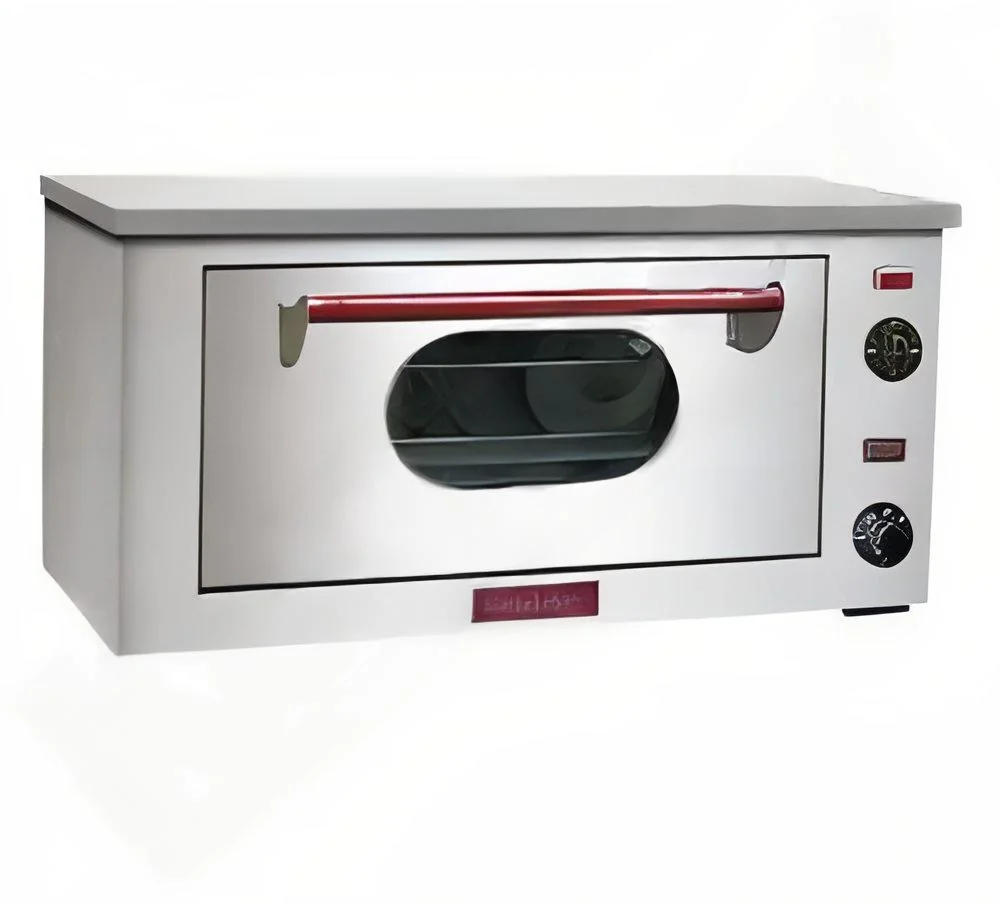
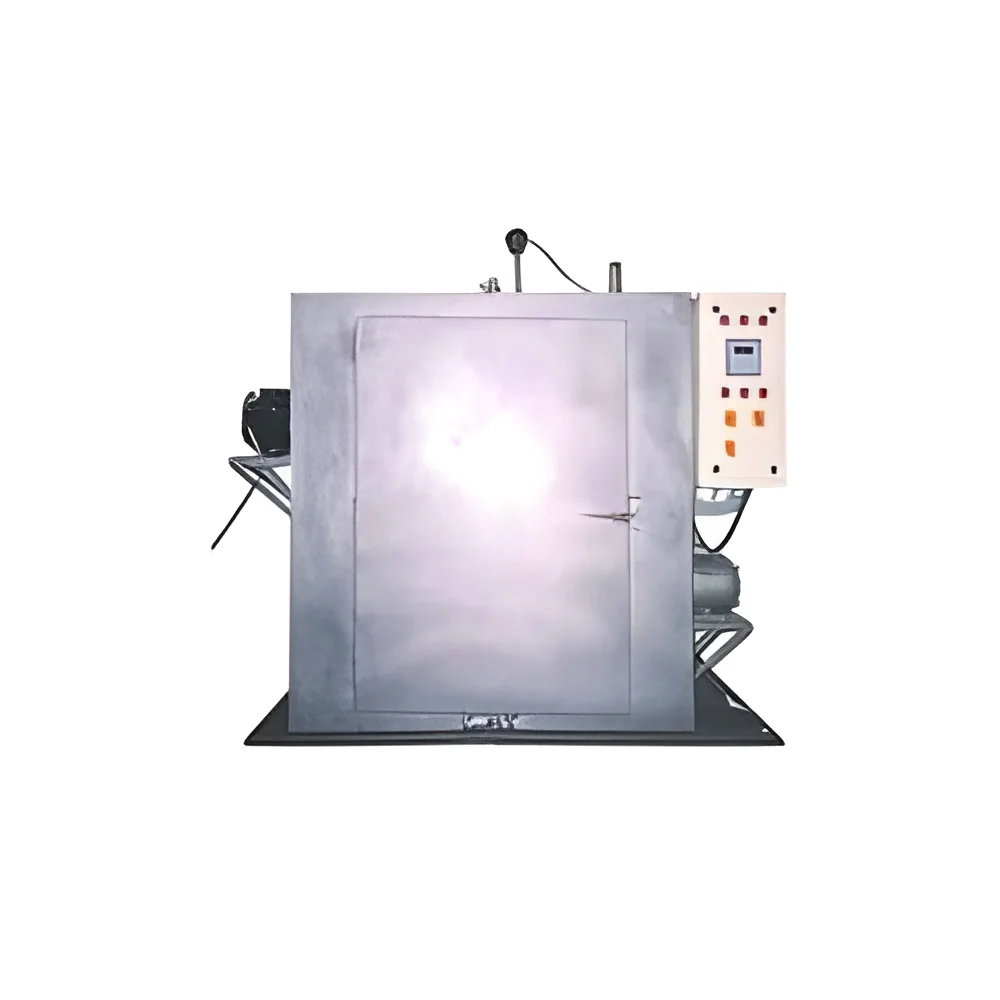
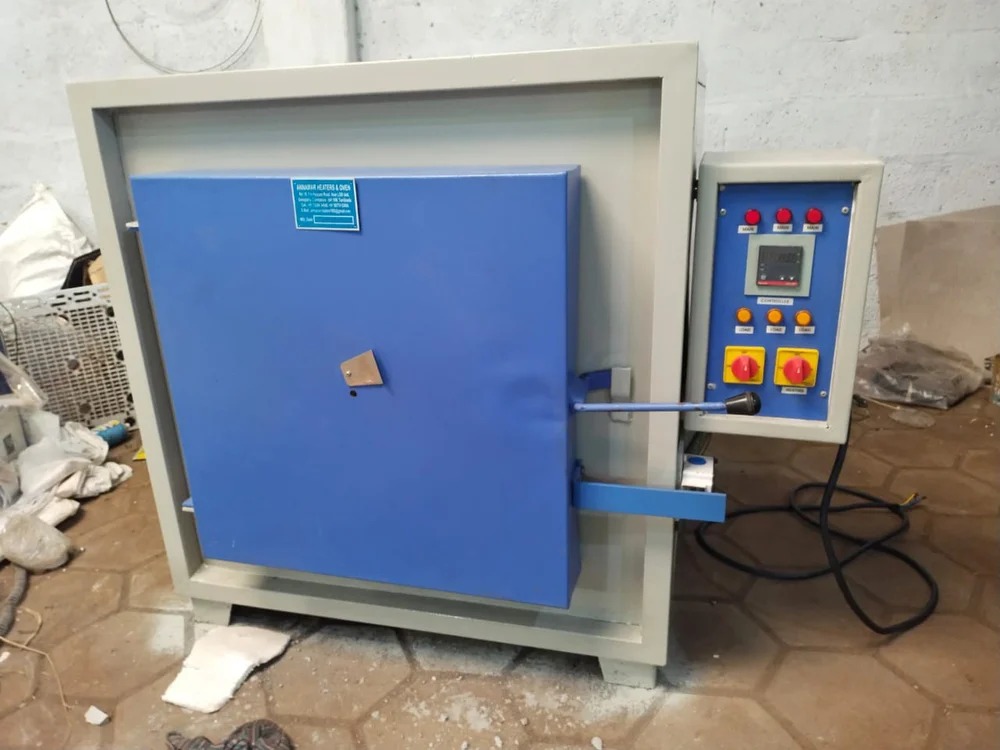
Batch ovens are designed for processing materials in batches, allowing manufacturers to optimize production cycles. They are commonly used in metalworking and ceramics for heat treatment processes.
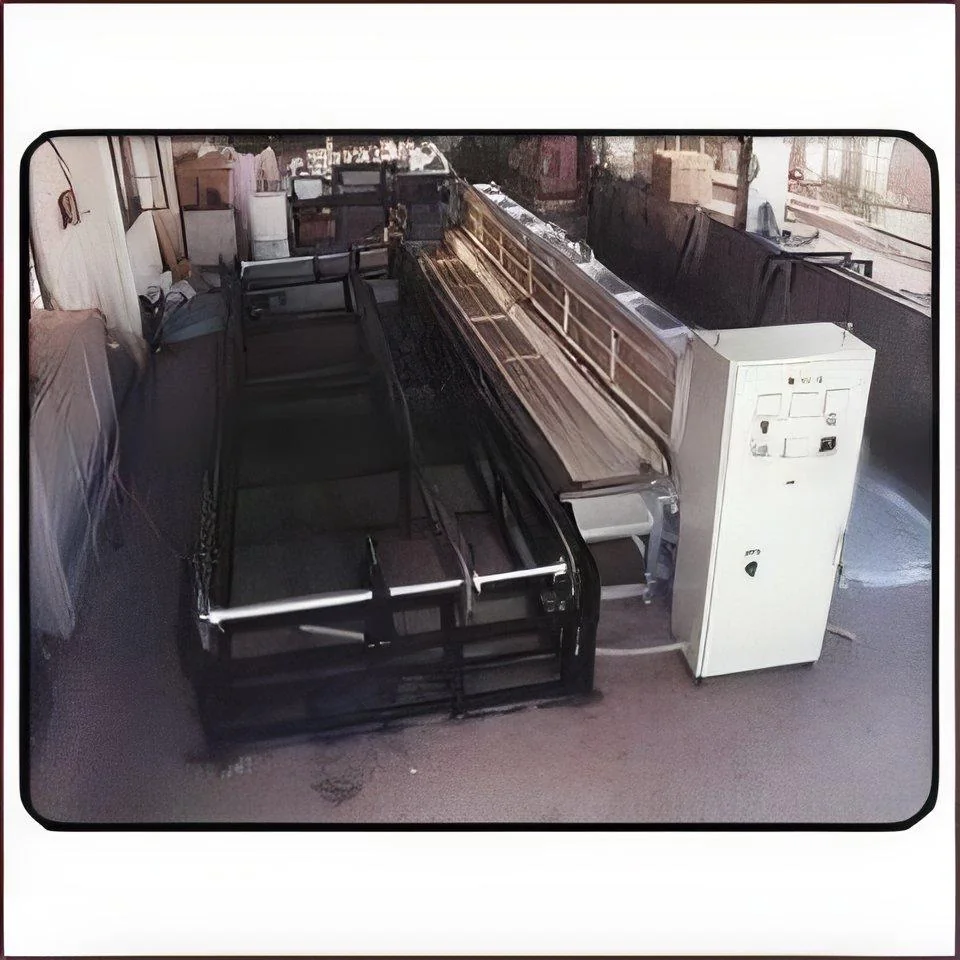
Continuous Ovens
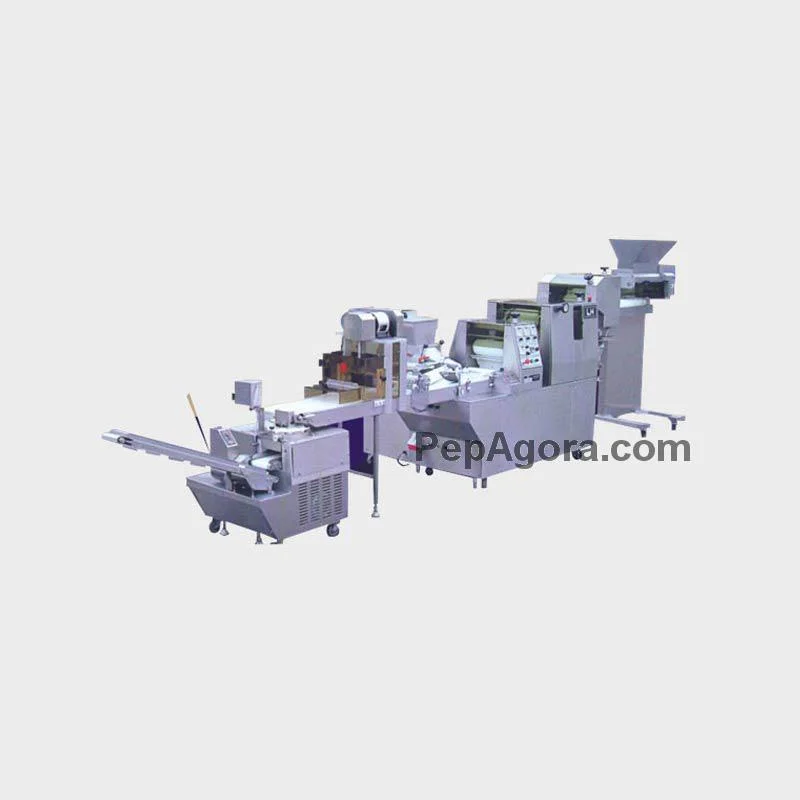
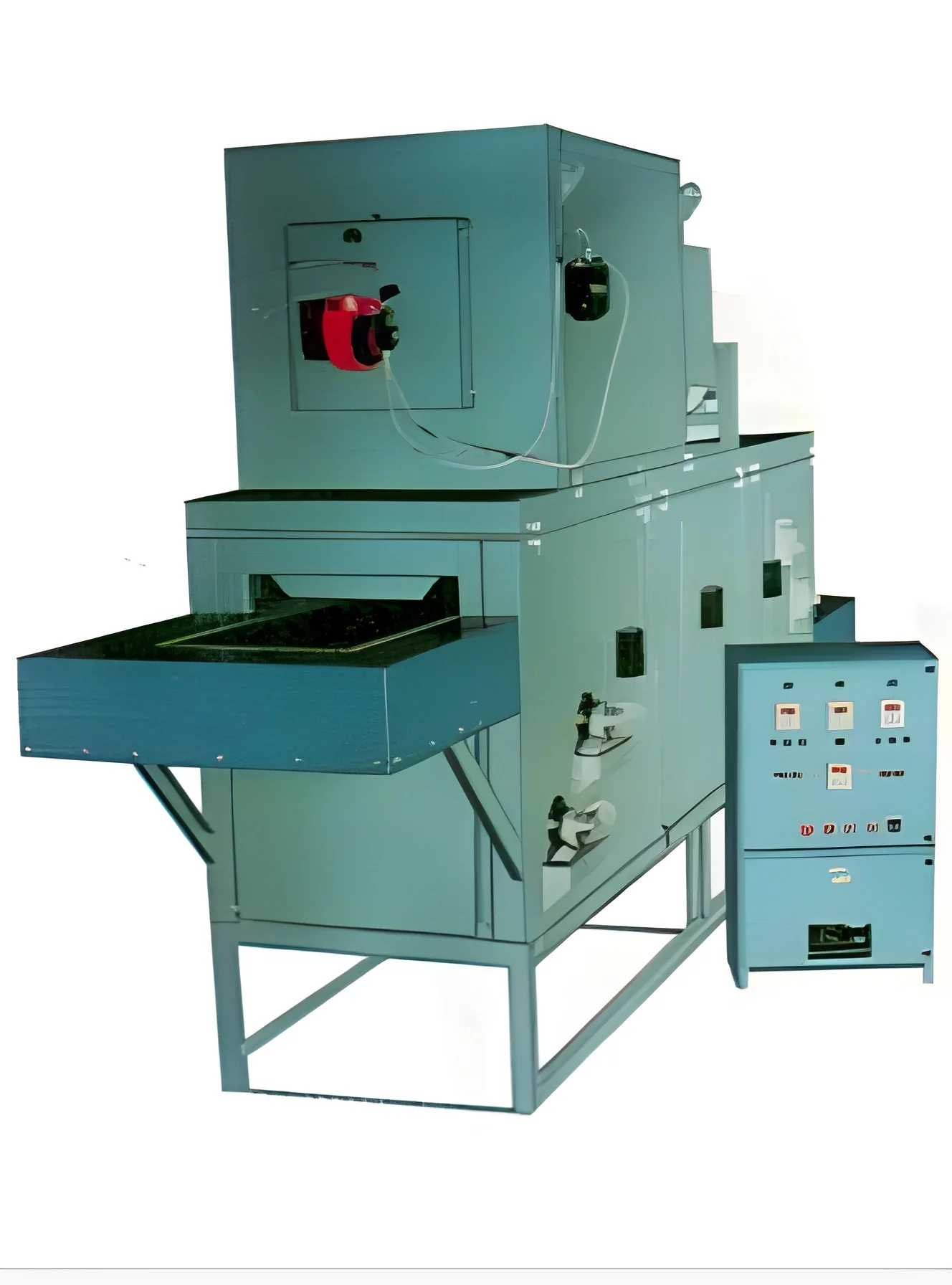
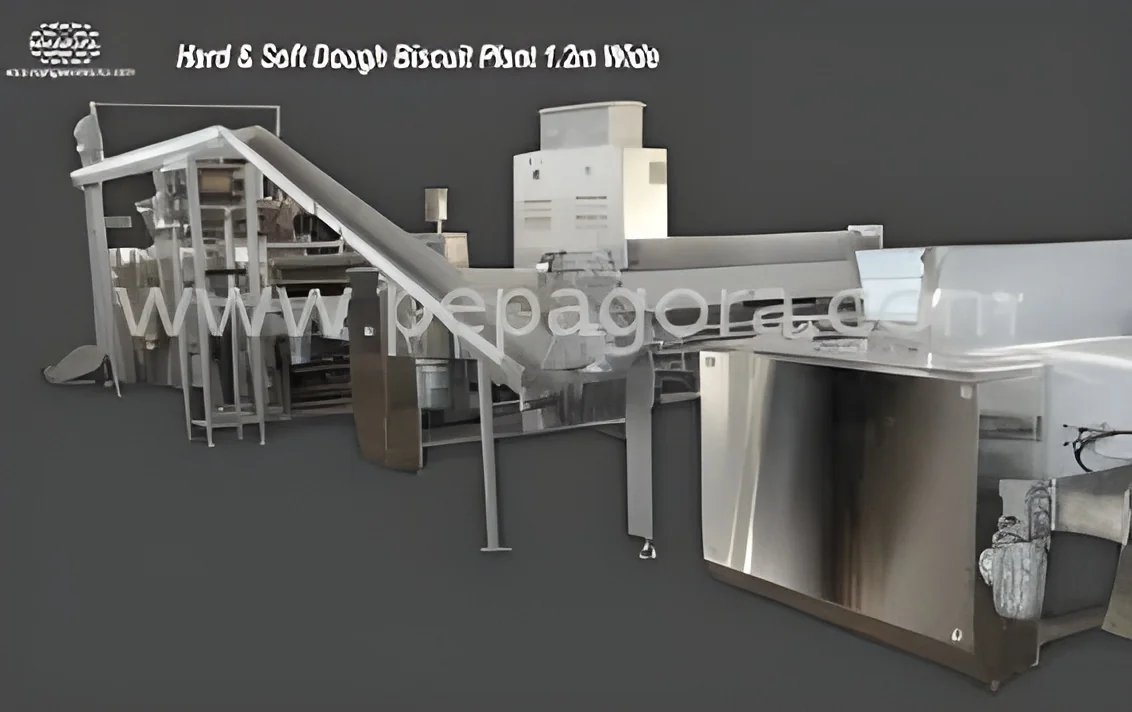
These ovens are designed for continuous processing, allowing materials to move through the heating chamber on a conveyor system. They are widely used in food production and packaging industries.
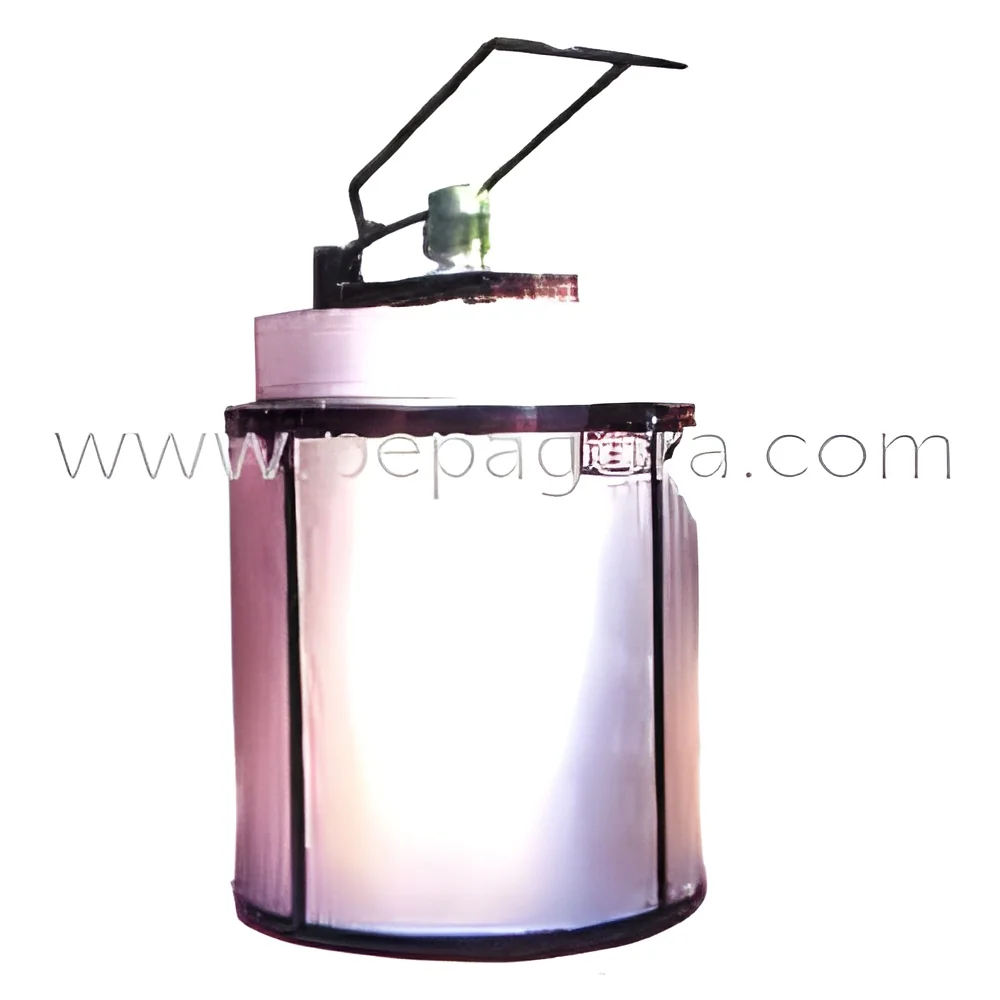
Furnaces
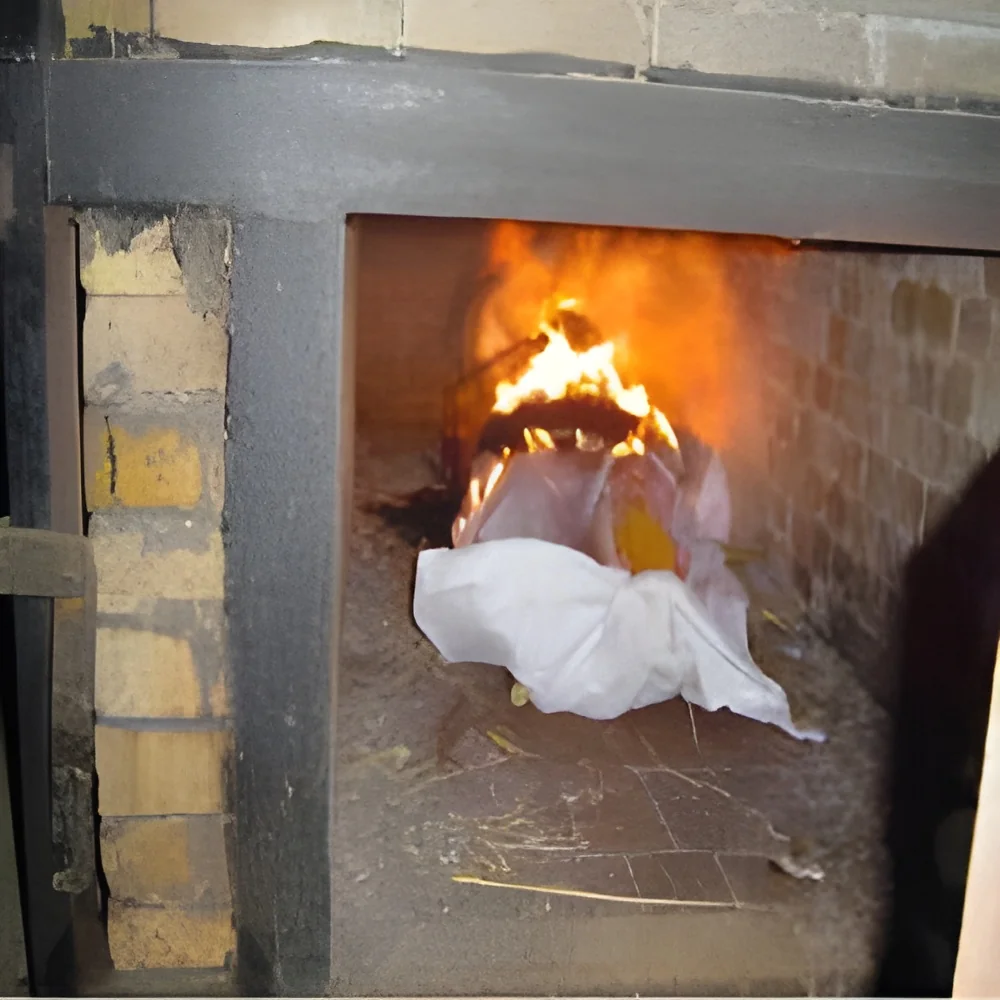
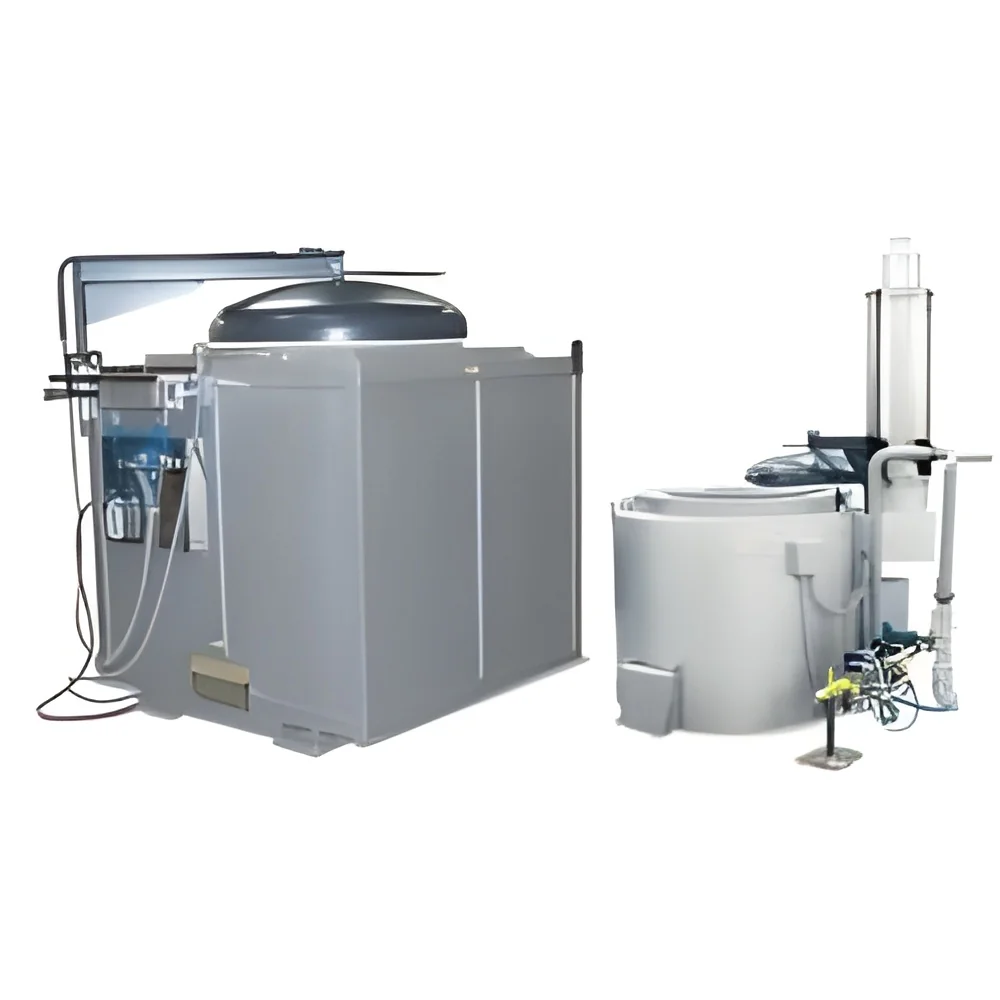
Furnaces are used for high-temperature applications such as melting metals or glass. They provide intense heat and are critical for processes requiring specific temperature control.
𝗕𝗲𝗻𝗲𝗳𝗶𝘁𝘀 𝗮𝗻𝗱 𝗔𝗱𝘃𝗮𝗻𝘁𝗮𝗴𝗲𝘀
Investing in industrial ovens and furnaces provides numerous benefits for businesses.
1. Improved Efficiency: High-capacity ovens and furnaces streamline manufacturing processes, leading to faster production times.
2. Enhanced Product Quality: Consistent heating ensures uniform product characteristics, improving overall quality.
3. Versatility: These devices can be used for a wide range of applications across multiple industries, making them adaptable to changing needs.
4. Energy Savings: Modern ovens and furnaces are designed to be energy-efficient, reducing operational costs over time.
5. Safety Features: Built-in safety mechanisms help prevent accidents and ensure compliance with industry regulations.
6. Customization Options: Many manufacturers offer customizable features to meet specific operational requirements.
𝗕𝘂𝘆𝗶𝗻𝗴 𝗚𝘂𝗶𝗱𝗲 𝗳𝗼𝗿 𝗕𝟮𝗕 𝗕𝘂𝘆𝗲𝗿𝘀
When sourcing industrial ovens and furnaces, several factors should be taken into account to ensure the best fit for your operational needs.
1. Quality Assessment: Evaluate the build quality and durability of the equipment. Look for certifications that indicate compliance with industry standards.
2. Supplier Verification: Research potential suppliers to ensure they have a proven track record of reliability and customer satisfaction. Consider asking for references or case studies.
3. Pricing and MOQ: Understand the pricing structure and any minimum order quantities. Compare quotes from different suppliers to find the most competitive options.
4. Delivery and Lead Times: Inquire about the expected delivery timelines and ensure they align with your project schedules. Consider logistics and transportation costs.
5. Compliance Requirements: Ensure that the equipment meets all relevant regulatory standards. This will vary by industry and region, so be thorough in your research.
𝗖𝗼𝗺𝗽𝗹𝗶𝗮𝗻𝗰𝗲 𝗮𝗻𝗱 𝗖𝗲𝗿𝘁𝗶𝗳𝗶𝗰𝗮𝘁𝗶𝗼𝗻𝘀
Industrial ovens and furnaces must adhere to various quality standards and certifications to ensure safety and efficiency.
ISO 9001 is a fundamental quality management standard that ensures consistent product quality and continuous improvement processes. Compliance with this standard signifies that the manufacturer maintains high standards in their production processes.
HACCP (Hazard Analysis Critical Control Point) is particularly relevant in food processing, ensuring that safety protocols are in place to prevent contamination during production.
The CE marking indicates that the equipment meets European safety, health, and environmental requirements, making it suitable for use within the European market.
Safety and testing requirements may include performance evaluations and adherence to local safety regulations.
Regional compliance considerations are crucial, as different regions may have specific regulations governing industrial equipment. Understanding these requirements is essential for manufacturers and suppliers alike.
𝗪𝗵𝘆 𝗦𝗼𝘂𝗿𝗰𝗲 𝗜𝗻𝗱𝘂𝘀𝘁𝗿𝗶𝗮𝗹 𝗢𝘃𝗲𝗻𝘀 & 𝗙𝘂𝗿𝗻𝗮𝗰𝗲𝘀 𝗳𝗿𝗼𝗺 𝗣𝗲𝗽𝗮𝗴𝗼𝗿𝗮?
Pepagora offers a trusted platform for sourcing industrial ovens and furnaces, providing several key advantages for B2B buyers.
Verified Supplier Network: Pepagora connects buyers with a network of verified suppliers who have been thoroughly vetted for quality and reliability. This ensures that buyers can source equipment from reputable manufacturers.
Streamlined RFQ Process: The request for quotation (RFQ) process on Pepagora is designed for efficiency. Buyers can easily submit their requirements and receive competitive quotes from multiple suppliers, simplifying the purchasing process.
Trade Assurance and Support: Pepagora provides trade assurance to protect buyers throughout the transaction process. This includes support for any issues that may arise, ensuring peace of mind for B2B transactions.
Regional Coverage: Pepagora has a broad geographic reach, covering regions such as India, the GCC, and Southeast Asia. This enables buyers to access a diverse array of suppliers and products tailored to their local markets.

 IN
IN