Heat exchangers and radiators
Automotive components
HVAC and refrigeration systems
Stainless steel assemblies
Copper tubes and fittings
Industrial fluid-handling equipment
Electrical and electronic components
Precision engineering parts

 IN

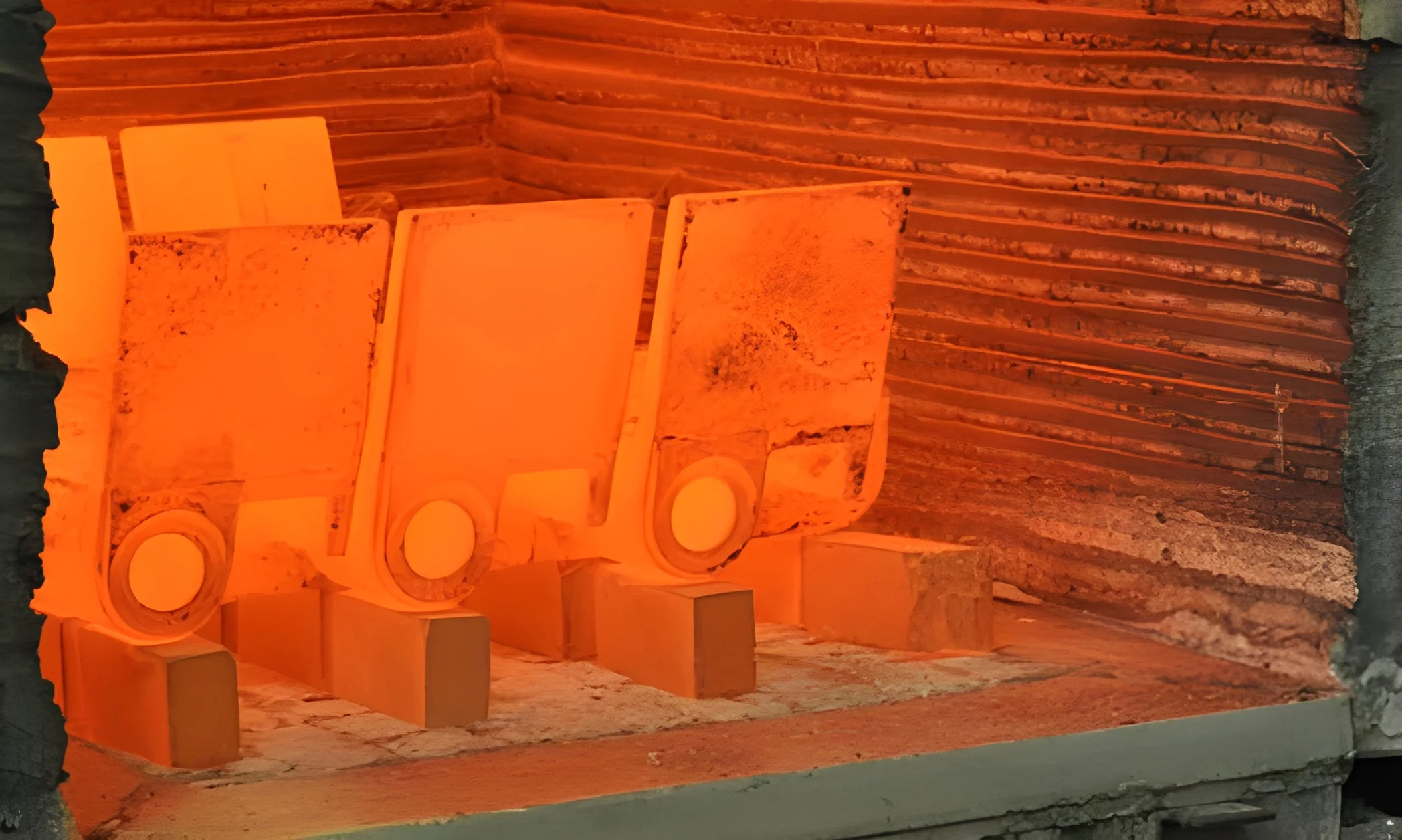
Furnace brazing represents the pinnacle of controlled metal joining technology, utilizing precisely regulated thermal cycles within protective atmosphere environments to create permanent, high-strength bonds between metal components. This sophisticated manufacturing process employs carefully controlled heating profiles that bring assemblies to specific brazing temperatures while maintaining atmospheric purity to prevent oxidation and contamination. The result is exceptionally clean, flux-free joints with mechanical properties often surpassing those of the base materials themselves. Unlike welding processes that melt base metals, furnace brazing uses capillary action to draw filler metals into meticulously prepared joints, creating bonds that distribute stress evenly while preserving the metallurgical integrity of parent materials.
| Key Attributes | |
|---|---|
| Joint strength | Up to 500 MPa |
| Temperature Uniformity | ±5°C |
| Atmosphere Control Efficiency | >99% |
| Corrosion Resistance | High (meets ASTM standards) |
| Dimensional Accuracy | ±0.1 mm |
| Additional Information | |
|---|---|
| Country of Origin | India |
Heat exchangers and radiators
Automotive components
HVAC and refrigeration systems
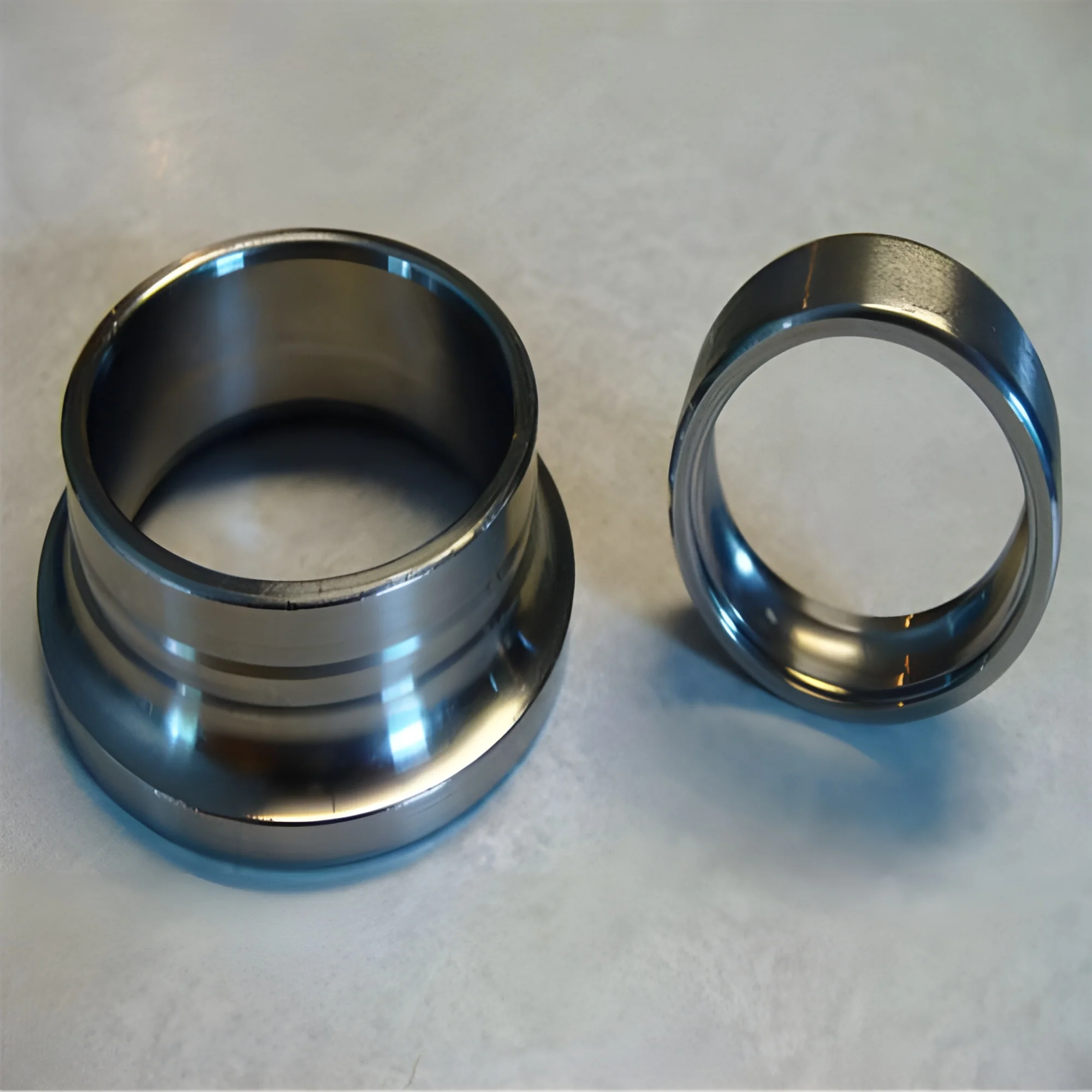
Stainless steel assemblies
Copper tubes and fittings
Industrial fluid-handling equipment
Electrical and electronic components
Precision engineering parts
| Available Stock | In Stock |
| Sample Availability | No |
| Payment Terms |
|


 Tamil Nadu, India
Joint strength depends on the base materials, filler metal, joint clearance, design, and brazing conditions. Properly designed joints can provide reliable mechanical performance.
Yes. Suitable filler metals, compatible base materials, and appropriate processing conditions can provide good corrosion resistance for the intended operating environment.
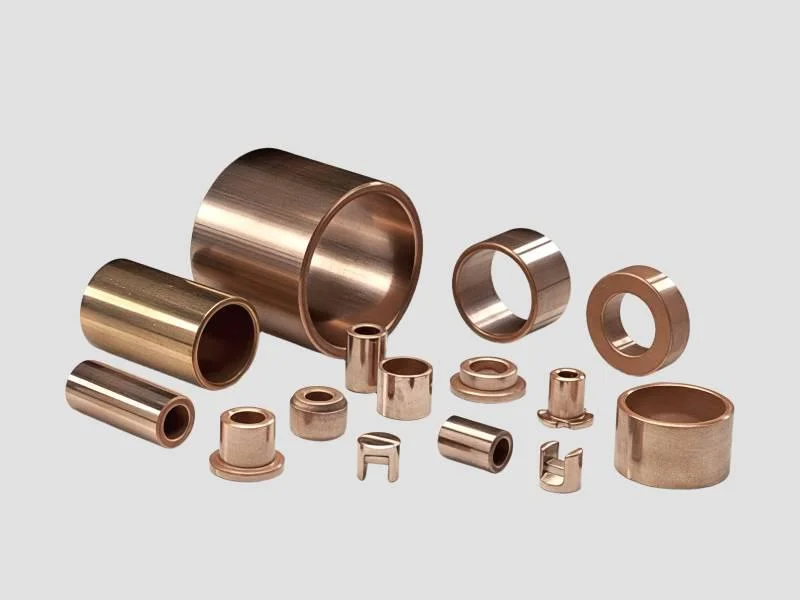
Stainless steel, copper, brass, nickel alloys, and other compatible metals can be furnace brazed using suitable filler materials.
A suitable protective or reducing furnace atmosphere can minimize oxidation and surface scaling during heating.
Yes. Furnace brazing supports batch production and, with suitable equipment, continuous high-volume manufacturing.
Shipping fee and delivery date to be negotiated. Contact supplier now for more details.
 Tamil Nadu, India