IN
INundefined
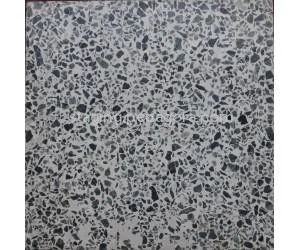
Stone Chips
1 products available
𝗪𝗵𝗮𝘁 𝗮𝗿𝗲 𝗦𝘁𝗼𝗻𝗲 𝗖𝗵𝗶𝗽𝘀?
Stone chips are small, crushed pieces of stone that are commonly used in various construction and industrial applications. These chips are typically produced from granite, limestone, or other types of stone and are available in different sizes, shapes, and colors. The production process involves crushing larger stones into smaller fragments, which are then sorted according to size and quality. This versatile material is known for its durability and strength, making it a popular choice for a variety of projects.
The primary uses of stone chips include road construction, concrete production, and landscaping. In the construction sector, they serve as an aggregate in concrete mixtures, providing structural integrity and stability. Stone chips are also used as decorative elements in landscaping, offering aesthetic appeal and practical benefits like erosion control. The relevance of stone chips in the industry is significant, as they are essential for infrastructure development and are widely sourced by contractors, builders, and manufacturers across multiple sectors.
𝗞𝗲𝘆 𝗙𝗲𝗮𝘁𝘂𝗿𝗲𝘀 𝗮𝗻𝗱 𝗦𝗽𝗲𝗰𝗶𝗳𝗶𝗰𝗮𝘁𝗶𝗼𝗻𝘀
Stone chips are available in a variety of features and specifications that cater to different applications. Understanding these specifications is crucial for businesses seeking the right type of stone chips for their projects.
Key specifications include:
1. Size
- Available in various sizes ranging from fine to coarse.
- Common sizes include 3/8 inch, 1/2 inch, and 3/4 inch.
2. Material Composition
- Typically made from granite, limestone, or quartz.
- Provides specific properties based on the material used.
3. Color
- Available in a range of colors, including gray, black, and beige.
- Color selection can influence aesthetic choices in landscaping.
4. Cleanliness
- Chips are often screened to remove dust and debris.
- Ensures higher quality and better performance in applications.
5. Density
- Density varies based on material and size.
- Important for weight calculations in construction projects.
6. Absorption Rate
- Indicates the amount of water the stone can absorb.
- Critical for applications in wet environments.
7. Compressive Strength
- Measures the material's ability to withstand pressure.
- High compressive strength is essential for structural uses.
8. Regulatory Compliance
- Must meet local and regional regulations.
- Certification ensures quality and safety standards are met.
These specifications play a vital role in selecting the appropriate stone chips for specific applications.
𝗖𝗼𝗺𝗺𝗼𝗻 𝗔𝗽𝗽𝗹𝗶𝗰𝗮𝘁𝗶𝗼𝗻𝘀 𝗮𝗻𝗱 𝗨𝘀𝗲 𝗖𝗮𝘀𝗲𝘀
Stone chips serve various industries due to their versatility and durability.
1. Construction: Stone chips are widely used as aggregate in concrete, providing strength and stability to structures. They are also utilized in asphalt mixtures for road construction.
2. Landscaping: In landscaping projects, stone chips are used as decorative ground cover, pathways, and in drainage systems to prevent soil erosion.
3. Manufacturing: Stone chips are used in the production of various materials, including tiles, countertops, and other architectural elements.
4. Infrastructure: They play a crucial role in building foundations, retaining walls, and other infrastructure elements that require solid support.
5. Agriculture: Stone chips can be employed in agricultural drainage systems, helping to manage water flow and prevent erosion of soil.
6. Decorative Arts: Artists often use stone chips for creating mosaics, sculptures, and other decorative pieces.
7. Road Maintenance: They are also used for surface dressing on roads to enhance traction and extend the lifespan of road surfaces.
𝗣𝗿𝗼𝗱𝘂𝗰𝘁 𝗩𝗮𝗿𝗶𝗮𝗻𝘁𝘀 𝗮𝗻𝗱 𝗦𝘂𝗯𝗰𝗮𝘁𝗲𝗴𝗼𝗿𝗶𝗲𝘀
Stone chips come in a range of variants, each tailored for specific applications and industries.
Granite Stone Chips
These chips are known for their strength and durability. They are often used in construction and landscaping projects due to their aesthetic appeal and resistance to weathering.
Limestone Stone Chips
Limestone chips are typically softer and more versatile. They are commonly used in agricultural applications and as a base for driveways and paths.
Colored Stone Chips
These chips are available in various colors and are primarily used for decorative landscaping. They add visual interest and can complement the design of outdoor spaces.
Recycled Stone Chips
Made from recycled materials, these chips are an eco-friendly option for construction and landscaping. They contribute to sustainability efforts while providing similar performance to traditional stone chips.
𝗕𝗲𝗻𝗲𝗳𝗶𝘁𝘀 𝗮𝗻𝗱 𝗔𝗱𝘃𝗮𝗻𝘁𝗮𝗴𝗲𝘀
Sourcing stone chips offers numerous benefits for businesses and projects.
1. Durability: Stone chips are highly durable and can withstand harsh environmental conditions, making them ideal for long-lasting applications.
2. Versatility: They can be used across various industries, from construction to landscaping, providing flexibility in their usage.
3. Aesthetic Appeal: Available in different colors and sizes, stone chips can enhance the visual quality of landscaping and architectural projects.
4. Cost-Effectiveness: Stone chips are generally affordable, making them a cost-effective solution for large-scale projects.
5. Easy to Source: With a wide range of suppliers available, businesses can easily find the stone chips they need for their specific requirements.
6. Environmentally Friendly: Many stone chips can be sourced from sustainable practices, contributing to eco-friendly construction efforts.
𝗕𝘂𝘆𝗶𝗻𝗴 𝗚𝘂𝗶𝗱𝗲 𝗳𝗼𝗿 𝗕𝟮𝗕 𝗕𝘂𝘆𝗲𝗿𝘀
When sourcing stone chips, businesses should consider several key factors to ensure they acquire the right product.
1. Quality Assessment: Evaluate the quality of the stone chips based on size, color, and material composition. Ensure that they meet your project's specific requirements.
2. Supplier Verification: Conduct thorough research on suppliers. Look for reputable companies with positive reviews and a track record of providing high-quality products.
3. Pricing and MOQ: Understand the pricing structure and minimum order quantities. Compare offers from different suppliers to ensure competitive pricing.
4. Delivery and Lead Times: Check logistics capabilities, including delivery times and shipping options. Ensure that the supplier can meet your project deadlines.
5. Compliance Requirements: Verify that the stone chips meet all relevant regulatory requirements and industry standards. This ensures that your project adheres to quality and safety guidelines.
𝗖𝗼𝗺𝗽𝗹𝗶𝗮𝗻𝗰𝗲 𝗮𝗻𝗱 𝗖𝗲𝗿𝘁𝗶𝗳𝗶𝗰𝗮𝘁𝗶𝗼𝗻𝘀
Compliance and certifications are critical aspects of sourcing stone chips.
Many stone chips are produced in accordance with quality standards such as ISO 9001, ensuring that manufacturing processes meet international quality management criteria. This certification indicates a commitment to quality and continuous improvement.
Additionally, some stone chips may hold CE certification, demonstrating compliance with European safety and environmental regulations. This is particularly important for businesses looking to source products for use in Europe or related markets.
Safety and testing requirements also play a vital role. Suppliers should provide documentation regarding the safety of the stone chips, including any necessary testing for contaminants or environmental impact.
Regional compliance considerations must also be taken into account, as different regions may have varying regulations regarding material sourcing and use.
𝗪𝗵𝘆 𝗦𝗼𝘂𝗿𝗰𝗲 𝗦𝘁𝗼𝗻𝗲 𝗖𝗵𝗶𝗽𝘀 𝗳𝗿𝗼𝗺 𝗣𝗲𝗽𝗮𝗴𝗼𝗿𝗮?
Pepagora provides a trusted platform for sourcing stone chips with several key advantages.
Verified Supplier Network: Pepagora maintains a network of verified suppliers, ensuring that buyers have access to reliable and high-quality products. This network is built on rigorous supplier assessments, giving confidence to businesses seeking stone chips.
Streamlined RFQ Process: The platform offers a streamlined Request for Quotation (RFQ) process, making it easier for buyers to receive competitive quotes from multiple suppliers. This efficiency helps businesses make informed purchasing decisions quickly.
Trade Assurance and Support: Pepagora prioritizes buyer protection through trade assurance policies. This support includes dispute resolution and guarantees that buyers receive the quality they expect from suppliers.
Regional Coverage: With a strong presence in India, the Gulf Cooperation Council (GCC), and Southeast Asia, Pepagora offers extensive regional coverage. This geographic reach enables businesses to source stone chips locally, reducing lead times and transportation costs.
By choosing Pepagora, businesses can simplify their sourcing process and ensure they acquire the best stone chips for their projects.


Recently Added
GLOBAL ENTERPRISE
Wholesale Blue Onyx Slices 2 6 Inch Premium Gemstone Supplier
Wholesale Natural Agate Slices 2 6 Inch Premium Quality India
Premium Light Blue Onyx Slices For Jewelry Decor Metaphysical
Swastik Tiles
Heat Resistant Cool Roof Tiles 300x300x20mm Solar Reflectance 0.73
Premium Star Heritage Floor Tile Handcrafted Durable Elegance
Modular Storage Solutions Stackable Compartments For Business Industrial
Why Businesses Trust Pepagora
Thousands of companies trust Pepagora to source smarter and sell faster
Expand Your Sales Globally
25000+Products listed.Get discovered by global buyers
Tools to boost visibility
Build your own catalog

Source Smarter,Grow Faster
4000+Active RFQs
100+ Countries served
Easy Sourcing Tools