𝗪𝗵𝗮𝘁 𝗮𝗿𝗲 𝗔𝗿𝗰𝗵𝗶𝘁𝗲𝗰𝘁𝘂𝗿𝗲 & 𝗖𝗶𝘃𝗶𝗹 𝗘𝗻𝗴𝗶𝗻𝗲𝗲𝗿𝗶𝗻𝗴 𝗦𝗲𝗿𝘃𝗶𝗰𝗲𝘀?
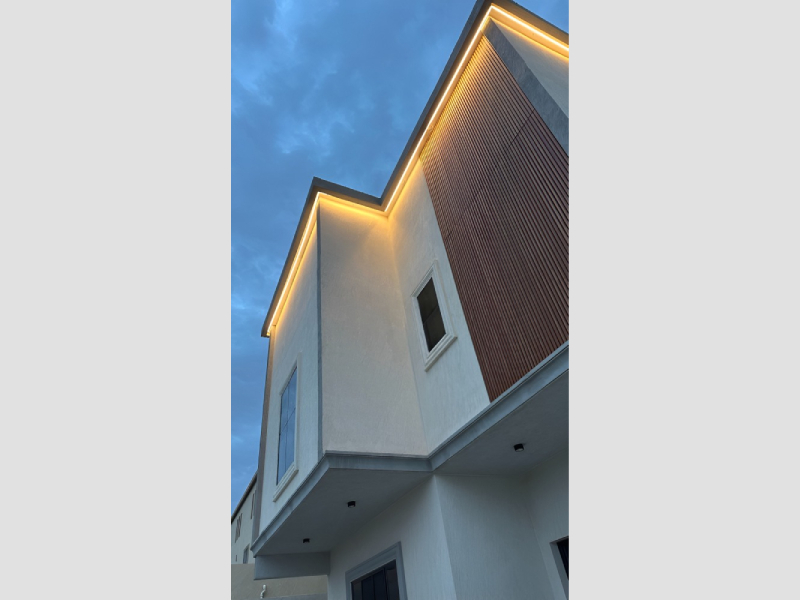
Architecture and civil engineering services encompass a range of professional activities focused on the design, planning, and management of construction projects. These services include architectural design, structural engineering, site development, and project management, all aimed at ensuring that buildings and infrastructure are functional, safe, and aesthetically pleasing. Architects and civil engineers collaborate to create structures that meet regulatory standards while fulfilling the needs of clients.
These services find applications across various sectors, including residential, commercial, and industrial construction. Businesses utilize these services to develop new structures, renovate existing ones, or enhance outdoor spaces. The industry plays a significant role in economic development, contributing to urban planning and infrastructure improvement. As cities expand and evolve, the demand for skilled architecture and civil engineering services continues to grow, making it a vital sector in the construction industry.
𝗞𝗲𝘆 𝗙𝗲𝗮𝘁𝘂𝗿𝗲𝘀 𝗮𝗻𝗱 𝗦𝗽𝗲𝗰𝗶𝗳𝗶𝗰𝗮𝘁𝗶𝗼𝗻𝘀
Architecture and civil engineering services are characterized by key features that ensure quality outcomes in construction projects. These specifications help businesses understand the scope and capabilities of the services offered.
Key specifications include:
1. Architectural Design
- Comprehensive design solutions for residential, commercial, and public buildings
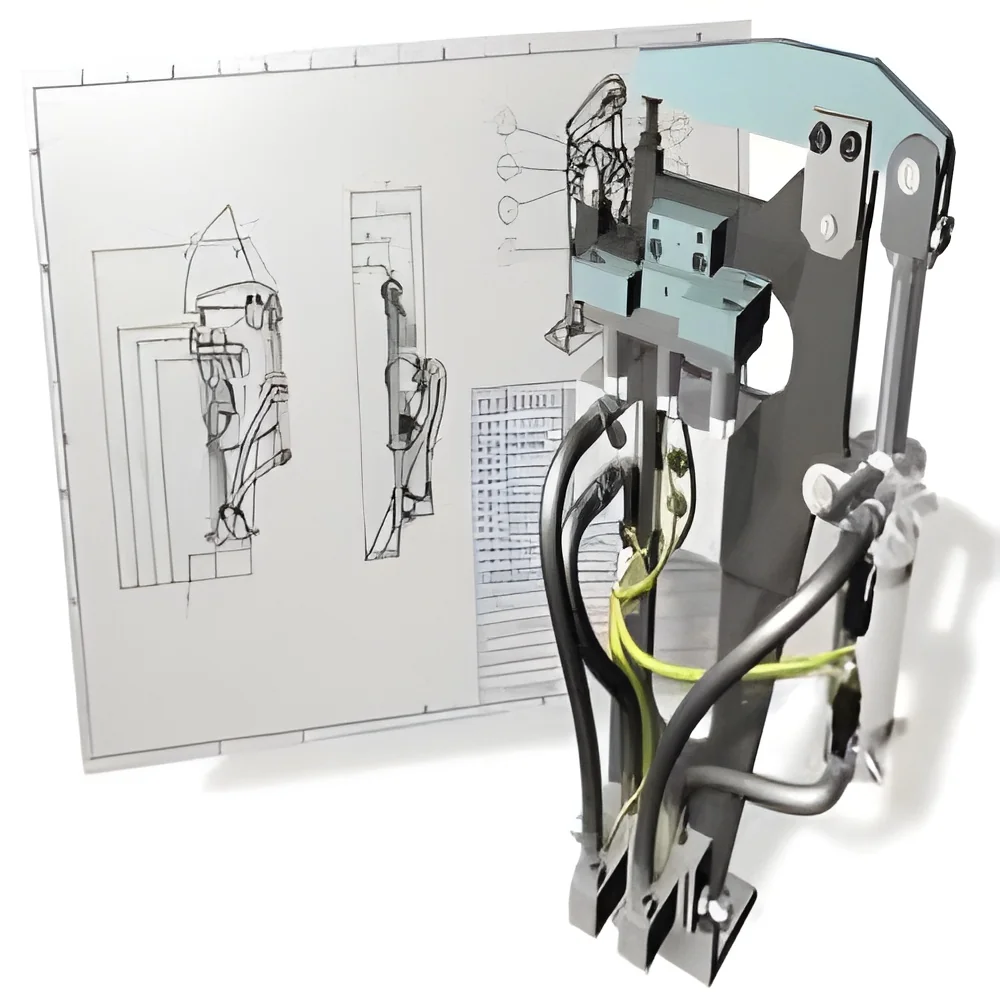
- Detailed blueprints and 3D modeling
2. Structural Engineering
- Analysis and design of structures to ensure safety and stability
- Consideration of materials and load-bearing capacities
3. Project Management
- Coordination of all project phases, from planning to execution
- Management of timelines, budgets, and resources
4. Site Development
- Assessment and preparation of land for construction
- Environmental impact studies and zoning compliance
5. Regulatory Compliance
- Ensuring adherence to local building codes and regulations
- Preparation of necessary documentation for permits
6. Sustainable Design
- Incorporation of eco-friendly materials and practices
- Energy-efficient building solutions
In summary, these features and specifications highlight the comprehensive nature of architecture and civil engineering services, catering to diverse project needs.
𝗖𝗼𝗺𝗺𝗼𝗻 𝗔𝗽𝗽𝗹𝗶𝗰𝗮𝘁𝗶𝗼𝗻𝘀 𝗮𝗻𝗱 𝗨𝘀𝗲 𝗖𝗮𝘀𝗲𝘀
Architecture and civil engineering services are versatile and serve various industries.
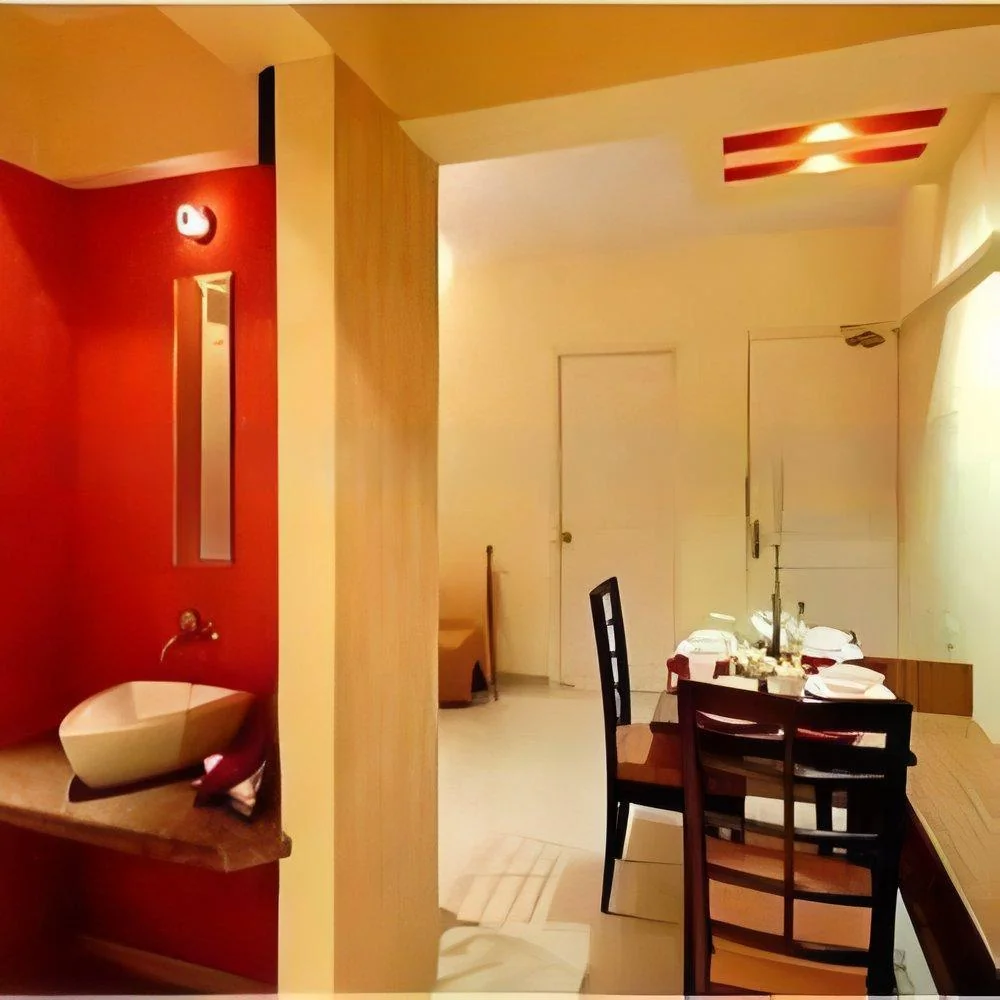
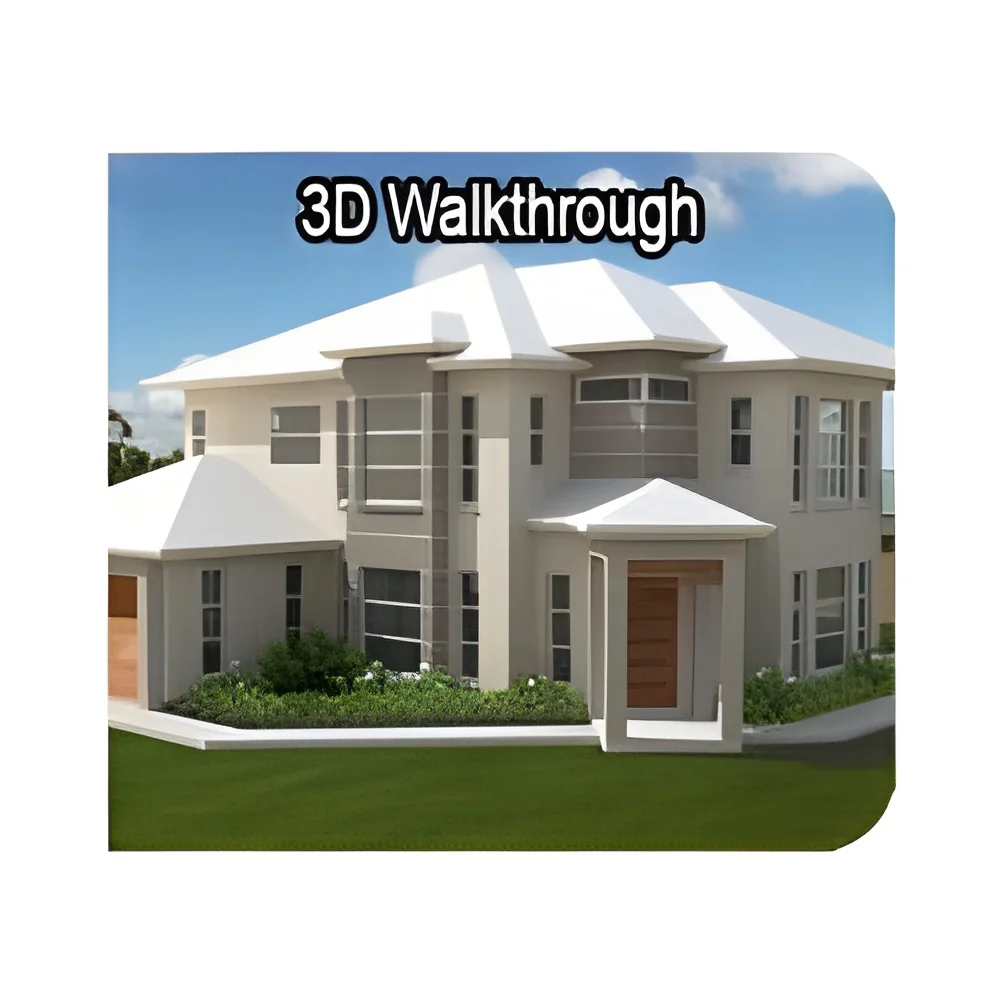
1. Residential Construction: These services are crucial for designing homes that are functional and visually appealing. They involve creating tailored living spaces that meet the needs of families and individuals.
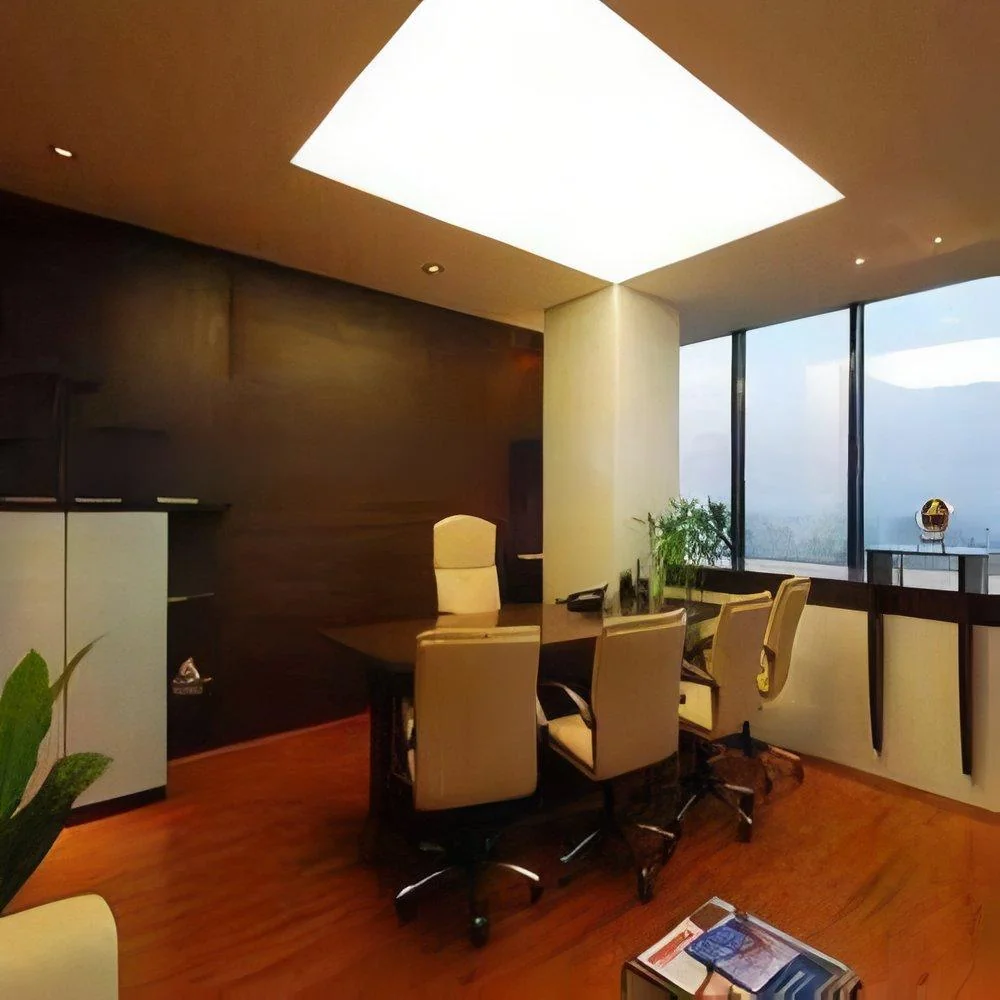
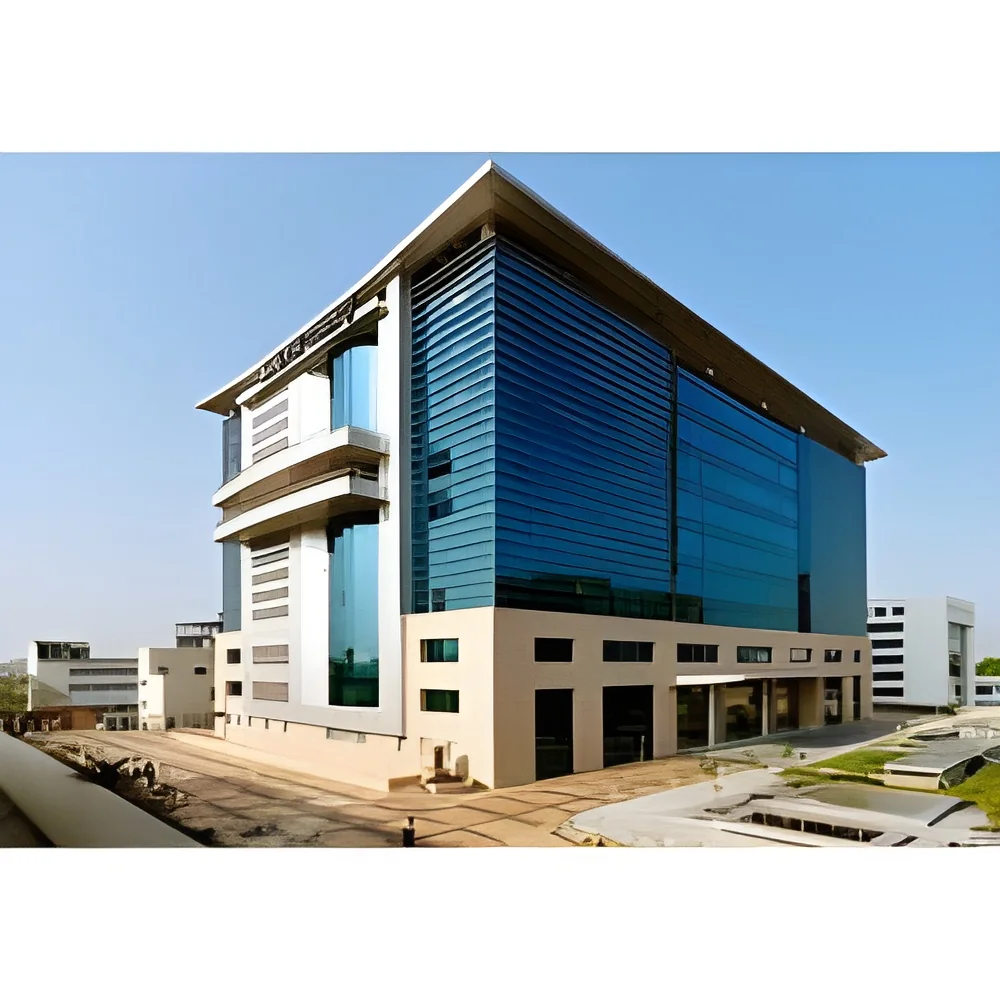
2. Commercial Development: Businesses rely on these services to design office buildings, retail spaces, and industrial facilities. Effective design can enhance customer experience and operational efficiency.
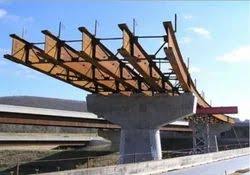
3. Infrastructure Projects: Civil engineering services play a significant role in developing roads, bridges, and public transport systems. These projects require meticulous planning to ensure safety and longevity.
4. Urban Planning: Architecture services contribute to the development of public parks, plazas, and community spaces. These designs enhance the quality of urban life.
5. Institutional Buildings: Schools, hospitals, and government buildings require specialized services to meet specific functional and regulatory needs. Architecture and civil engineering ensure these structures are safe and accessible.
6. Environmental Projects: Services include designing sustainable developments that minimize environmental impact. This includes stormwater management and green building practices.
𝗣𝗿𝗼𝗱𝘂𝗰𝘁 𝗩𝗮𝗿𝗶𝗮𝗻𝘁𝘀 𝗮𝗻𝗱 𝗦𝘂𝗯𝗰𝗮𝘁𝗲𝗴𝗼𝗿𝗶𝗲𝘀
Architecture and civil engineering services offer a range of solutions tailored to specific project requirements.
Residential Services
These include custom home designs and renovations, focusing on maximizing space and enhancing aesthetics. Services often involve consultations to align with client visions.
Commercial Services
This variant includes designing office layouts, retail spaces, and mixed-use developments. The focus is on functionality and brand representation in commercial environments.
Public Infrastructure Services
These services address the design and engineering of public utilities, roads, and bridges. They prioritize safety, accessibility, and compliance with regulatory standards.
Sustainable Design Services
This variant emphasizes eco-friendly building practices and materials. Services include energy audits and the integration of renewable energy sources into designs.
𝗕𝗲𝗻𝗲𝗳𝗶𝘁𝘀 𝗮𝗻𝗱 𝗔𝗱𝘃𝗮𝗻𝘁𝗮𝗴𝗲𝘀
Utilizing architecture and civil engineering services offers several key benefits.
1. Expertise: Clients gain access to professionals with specialized knowledge and experience in design and engineering.
2. Efficiency: Streamlined processes ensure projects are completed on time and within budget, minimizing delays.
3. Compliance: Professionals ensure that projects meet all local regulations and building codes, reducing the risk of legal issues.
4. Quality Assurance: Services provide comprehensive quality checks throughout the project lifecycle, ensuring high standards are maintained.
5. Customization: Tailored solutions are developed to meet the unique needs of each client, enhancing satisfaction and functionality.
6. Sustainable Practices: Incorporating eco-friendly designs contributes to environmental sustainability and can reduce long-term operational costs.
𝗕𝘂𝘆𝗶𝗻𝗴 𝗚𝘂𝗶𝗱𝗲 𝗳𝗼𝗿 𝗕𝟮𝗕 𝗕𝘂𝘆𝗲𝗿𝘀
When sourcing architecture and civil engineering services, several factors should be considered to ensure a successful partnership.
1. Quality Assessment: Evaluate the quality of previous projects by reviewing portfolios and client testimonials. Consider the reputation of the service provider in the industry.
2. Supplier Verification: Vet suppliers by checking their credentials, qualifications, and certifications. This ensures that they adhere to industry standards and practices.
3. Pricing and MOQ: Understand the pricing structure and minimum order quantities. Get detailed quotes to compare costs across different service providers.
4. Delivery and Lead Times: Inquire about the expected timeline for project completion. Clear communication about lead times helps in planning.
5. Compliance Requirements: Ensure that the service provider is knowledgeable about local regulations and can guarantee compliance throughout the project.
𝗖𝗼𝗺𝗽𝗹𝗶𝗮𝗻𝗰𝗲 𝗮𝗻𝗱 𝗖𝗲𝗿𝘁𝗶𝗳𝗶𝗰𝗮𝘁𝗶𝗼𝗻𝘀
Architecture and civil engineering services must adhere to various quality standards and certifications to ensure safety and efficiency.
Relevant quality standards include ISO 9001, which outlines requirements for a quality management system, ensuring that services meet customer expectations and regulatory requirements. Other standards may apply depending on specific project needs.
Industry certifications, such as CE, indicate compliance with European health, safety, and environmental protection standards. This certification assures clients of the reliability and quality of the services provided.
Safety and testing requirements are critical in this industry. Services must undergo rigorous testing to ensure structural integrity and safety during and after construction.
Regional compliance considerations vary widely. It is essential for service providers to be familiar with local building codes and regulations to avoid legal issues and ensure project success.
𝗪𝗵𝘆 𝗦𝗼𝘂𝗿𝗰𝗲 𝗔𝗿𝗰𝗵𝗶𝘁𝗲𝗰𝘁𝘂𝗿𝗲 & 𝗖𝗶𝘃𝗶𝗹 𝗘𝗻𝗴𝗶𝗻𝗲𝗲𝗿𝗶𝗻𝗴 𝗦𝗲𝗿𝘃𝗶𝗰𝗲𝘀 𝗳𝗿𝗼𝗺 𝗣𝗲𝗽𝗮𝗴𝗼𝗿𝗮?
Pepagora is a trusted platform for sourcing architecture and civil engineering services, offering several advantages to B2B buyers.
Verified Supplier Network: Pepagora connects buyers with a network of verified suppliers, ensuring that clients engage with reputable professionals. This network reduces the risk of partnering with unqualified service providers.
Streamlined RFQ Process: The platform features a user-friendly Request for Quotation process, allowing buyers to easily submit project requirements and receive competitive quotes from multiple suppliers. This simplifies the decision-making process.
Trade Assurance and Support: Pepagora provides trade assurance, protecting buyers throughout the transaction. This support includes assistance with negotiations and ensuring that projects meet expected standards.
Regional Coverage: With a presence in India, the GCC, and Southeast Asia, Pepagora offers extensive regional coverage. This allows businesses to find local suppliers who understand the specific needs and regulations of their area, enhancing project success.

 IN
IN