What are Drainage & Stormwater Engineering?
Drainage and stormwater engineering involves the design and management of systems that collect, transport, and treat stormwater runoff. This field ensures that excess rainwater is effectively managed to prevent flooding and protect water quality. By employing various engineering techniques and technologies, drainage systems help mitigate the impacts of heavy rainfall and urban development on natural water bodies.
The primary uses of drainage and stormwater engineering can be found in urban planning, civil engineering, and environmental management. These systems are critical for infrastructure development, including roads, buildings, and parks. Businesses in construction, agriculture, and municipal services rely on effective drainage solutions to comply with regulations and promote sustainable practices. As urban areas continue to expand, the relevance of this engineering discipline grows, making it an essential aspect of modern infrastructure.
The market context for drainage and stormwater engineering is shaped by increasing urbanization, climate change, and regulatory pressures. As cities face more frequent and intense rainfall events, the demand for innovative drainage solutions is rising. This sector is becoming increasingly competitive, with businesses seeking advanced technologies to improve efficiency and sustainability in stormwater management.
Key Features and Specifications
Drainage and stormwater engineering systems are characterized by several key features that ensure efficiency and reliability. These specifications guide the design and implementation of effective drainage solutions.
Key specifications include:
1. System Capacity
- Determines the volume of water the system can handle
- Typically measured in cubic meters per second (m³/s)
2. Material Composition
- Commonly includes concrete, plastic, and metal components
- Must be durable and resistant to environmental factors
3. Infiltration Rate
- Refers to the speed at which water can enter the soil
- Essential for groundwater recharge and pollution reduction
4. Maintenance Requirements
- Systems should be designed for easy access and upkeep
- Regular inspections are necessary to ensure optimal performance
5. Design Flexibility
- Ability to adapt to various site conditions and requirements
- Includes options for modular designs and scalable systems
6. Environmental Impact
- Systems should minimize negative effects on local ecosystems
- Consideration for biodiversity and water quality is essential
7. Compliance Standards
- Must meet local and national regulations regarding stormwater management
- Adherence to certifications like CE is crucial for market acceptance
8. Monitoring Features
- Integration of sensors for real-time data on water levels and quality
- Helps in proactive management and quick response to issues
In summary, the specifications of drainage and stormwater engineering systems play a vital role in their effectiveness and sustainability. A focus on capacity, materials, and compliance ensures that these systems meet the challenges posed by urbanization and climate variability.
Common Applications and Use Cases
Drainage and stormwater engineering is utilized across various industries, addressing specific needs and challenges.
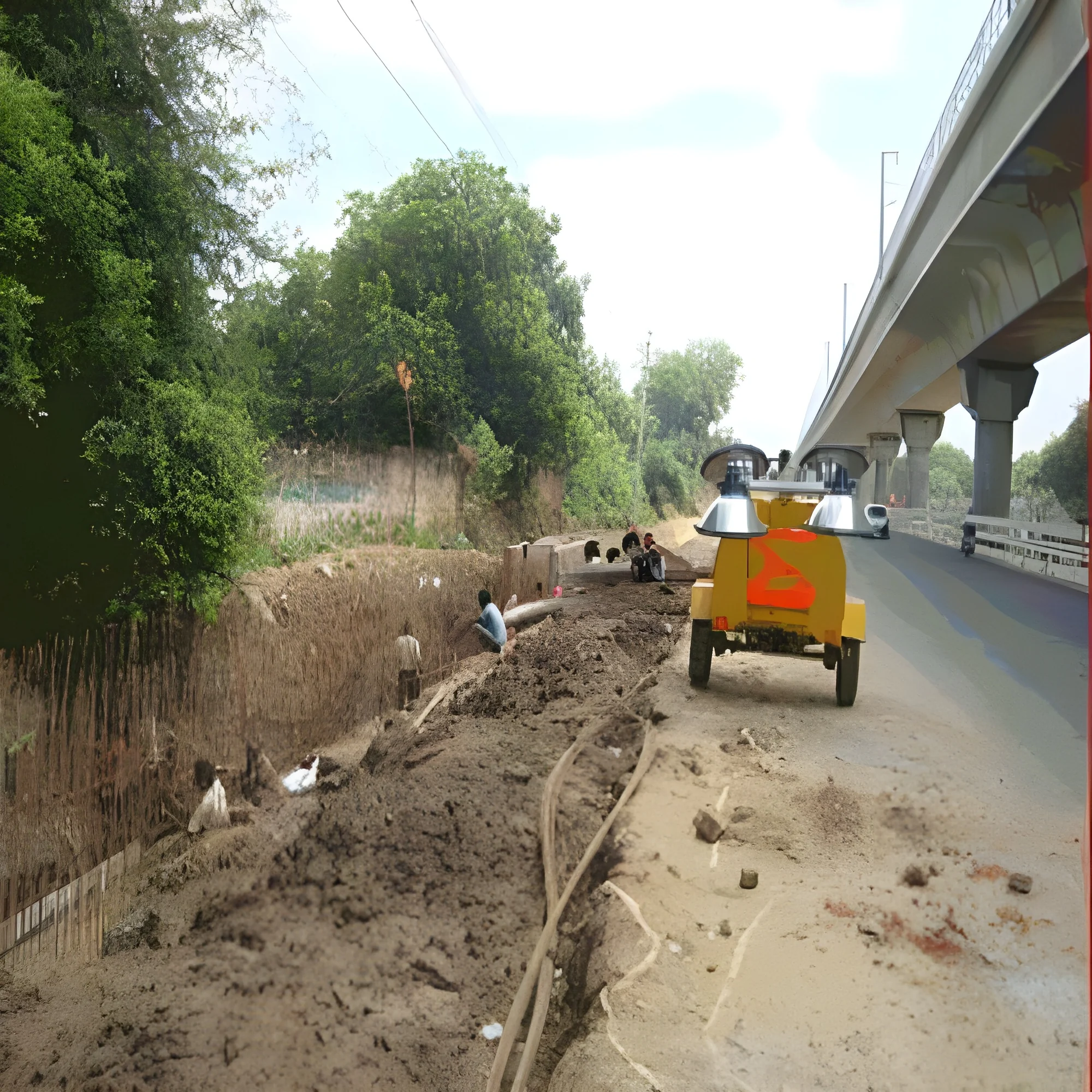
1. Construction: Effective stormwater management is crucial in construction sites to prevent erosion and manage runoff during and after building activities.
2. Agriculture: Drainage systems help manage excess water, ensuring optimal soil moisture levels for crop growth while preventing waterlogging.
3. Municipal Services: Cities implement drainage solutions to protect infrastructure and public safety by managing stormwater runoff efficiently.
4. Transportation: Roadways and highways require integrated drainage systems to reduce flooding and maintain safety during adverse weather conditions.
5. Environmental Protection: Facilities focused on preserving water quality utilize stormwater management systems to mitigate pollution from urban runoff.
6. Industrial Facilities: Factories and plants often need customized drainage solutions to handle wastewater and stormwater, ensuring compliance with environmental regulations.
7. Landscaping: Parks and recreational areas benefit from drainage designs that manage stormwater while enhancing the aesthetic and ecological value of green spaces.
Product Variants and Subcategories
The diversity in drainage and stormwater engineering products allows businesses to select solutions tailored to their specific needs.
Stormwater Management Systems
These systems include various components such as retention ponds, bioswales, and permeable pavements. They are designed to manage and treat stormwater runoff effectively.
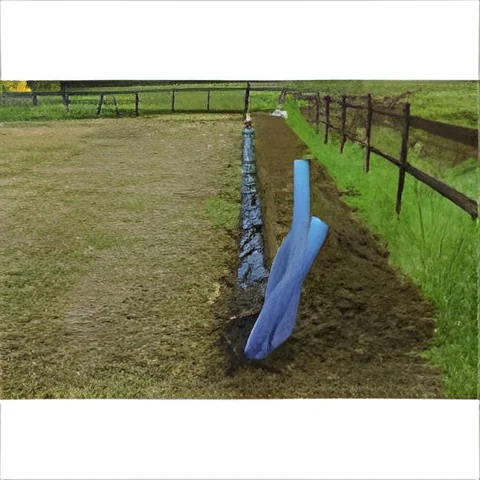
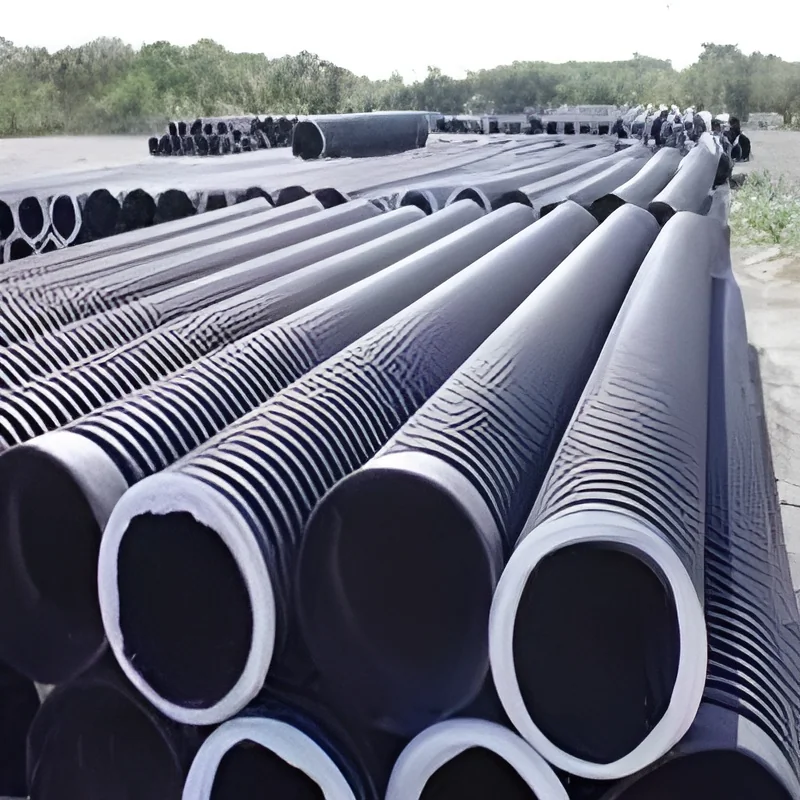
Drainage Pipes and Ditches
These are essential for transporting water away from construction sites, roadways, and agricultural lands. They come in different sizes and materials to suit various applications.
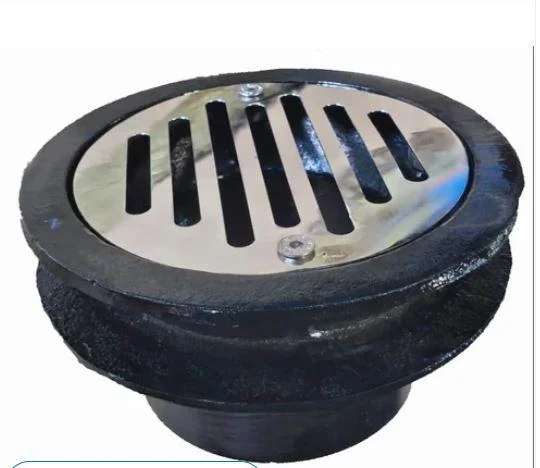
Catch Basins and Inlets
Used to collect surface runoff, these structures prevent flooding and direct water to the drainage system. They are designed for easy maintenance and efficient water flow.
Sustainable Drainage Systems (SuDS)
These innovative solutions focus on minimizing environmental impact while managing stormwater. They incorporate natural processes to enhance water quality and support biodiversity.
Benefits and Advantages
Investing in drainage and stormwater engineering offers numerous advantages for businesses and communities alike.
Key benefits include:
1. Flood Prevention: Effective systems reduce the risk of flooding, protecting properties and infrastructure from water damage.
2. Water Quality Improvement: Advanced drainage designs help filter pollutants, enhancing the quality of water entering natural bodies.
3. Regulatory Compliance: Proper stormwater management ensures adherence to local and national environmental regulations, avoiding fines and legal issues.
4. Cost Efficiency: Well-designed systems can lower maintenance costs and minimize damage from flooding, leading to long-term savings.
5. Enhanced Property Value: Properties with effective drainage solutions tend to have higher market values due to reduced risk of water-related issues.
6. Environmental Sustainability: Sustainable designs support ecological health by promoting groundwater recharge and protecting local ecosystems.
Buying Guide for B2B Buyers
When sourcing drainage and stormwater engineering solutions, several key factors should be considered to ensure the best outcomes for your projects.
1. Quality Assessment: Evaluate the quality of materials and design to ensure durability and effectiveness. Look for products that meet industry standards and have a proven track record.
2. Supplier Verification: Vet potential suppliers by checking their credentials, customer reviews, and industry experience to ensure reliability and expertise.
3. Pricing and MOQ: Understand the pricing structures and minimum order quantities (MOQ) offered by suppliers. This will help you budget effectively and plan for your needs.
4. Delivery and Lead Times: Inquire about delivery schedules and lead times to ensure that products arrive when needed for your projects. Timely delivery is crucial for maintaining project timelines.
5. Compliance Requirements: Familiarize yourself with the regulatory environment to ensure that all products meet necessary compliance standards. This may include certifications and local regulations.
Compliance and Certifications
Compliance and certifications are critical in drainage and stormwater engineering, ensuring products meet industry standards for quality and safety.
Relevant quality standards such as ISO 9001 ensure that manufacturing processes and products adhere to high organizational standards. This guarantees the reliability and efficiency of drainage solutions.
Industry certifications, including CE marking, indicate that products comply with European safety and environmental standards. This certification is essential for businesses looking to operate within the European market.
Safety and testing requirements must be observed to prevent hazards associated with drainage systems. Regular testing ensures that systems function effectively under various conditions.
Regional compliance considerations can vary significantly. It is essential to understand and apply local regulations regarding stormwater management, which may differ from one region to another.
Why Source Drainage & Stormwater Engineering from Pepagora?
Pepagora offers a trusted platform for sourcing drainage and stormwater engineering solutions, providing several key advantages to B2B buyers.
Verified Supplier Network: Our platform connects buyers with a network of verified suppliers. This ensures that all listed vendors meet stringent quality and reliability standards.
Streamlined RFQ Process: Pepagora simplifies the request for quotation (RFQ) process, allowing buyers to obtain competitive quotes from multiple suppliers quickly. This efficiency helps businesses make informed purchasing decisions.
Trade Assurance and Support: We offer buyer protection through trade assurance, ensuring that your transactions are secure. Our support team is available to assist with any inquiries or issues that may arise during the sourcing process.
Regional Coverage: Pepagora serves a wide geographic area, including India, the Gulf Cooperation Council (GCC), and Southeast Asia. This extensive reach ensures that buyers can find suitable suppliers tailored to their specific regional needs.

 IN
IN