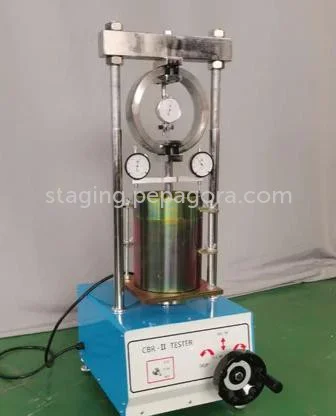
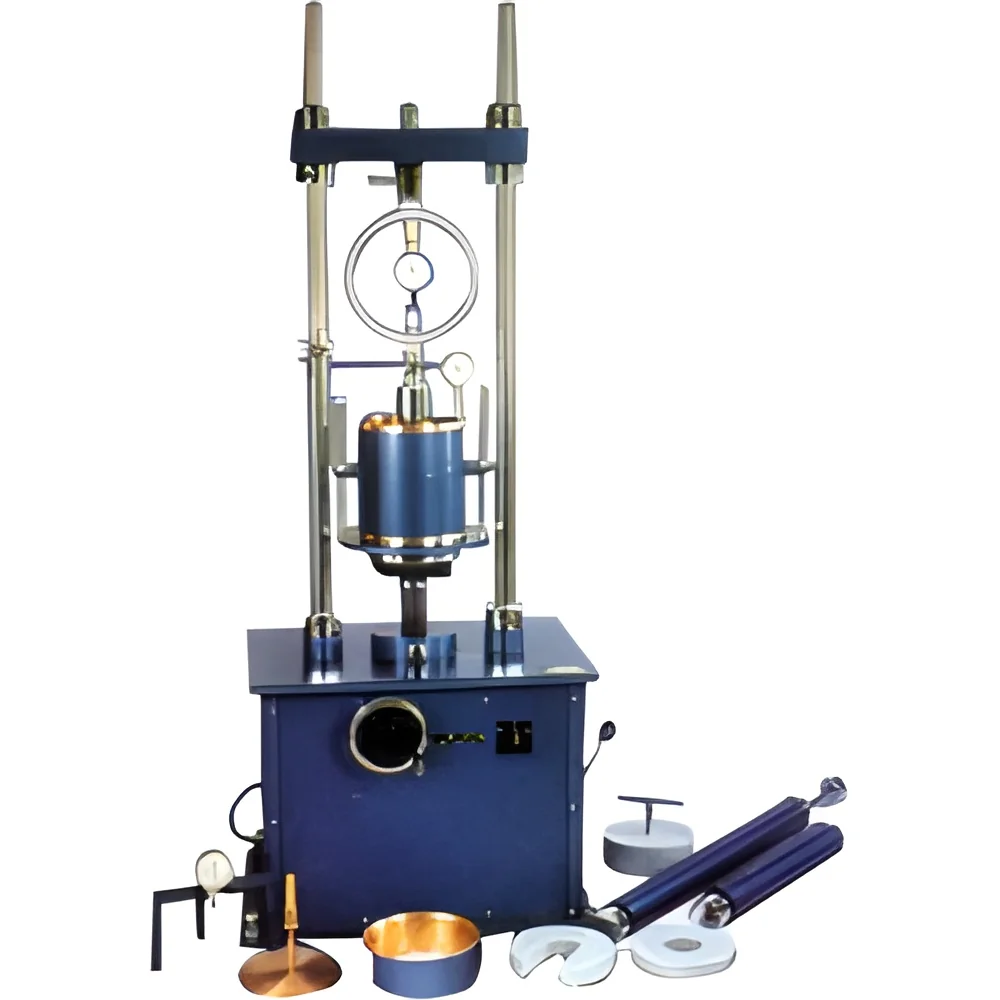
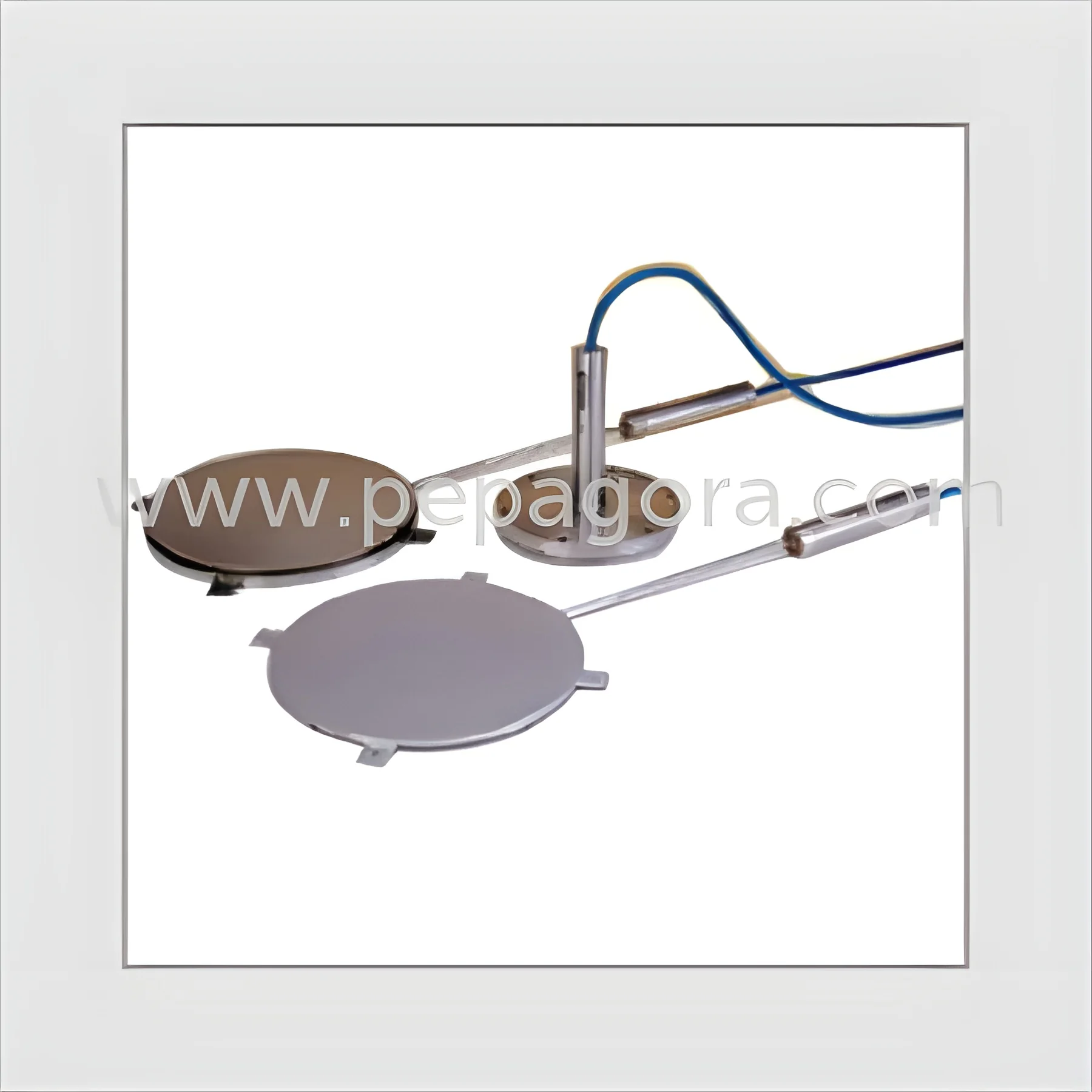
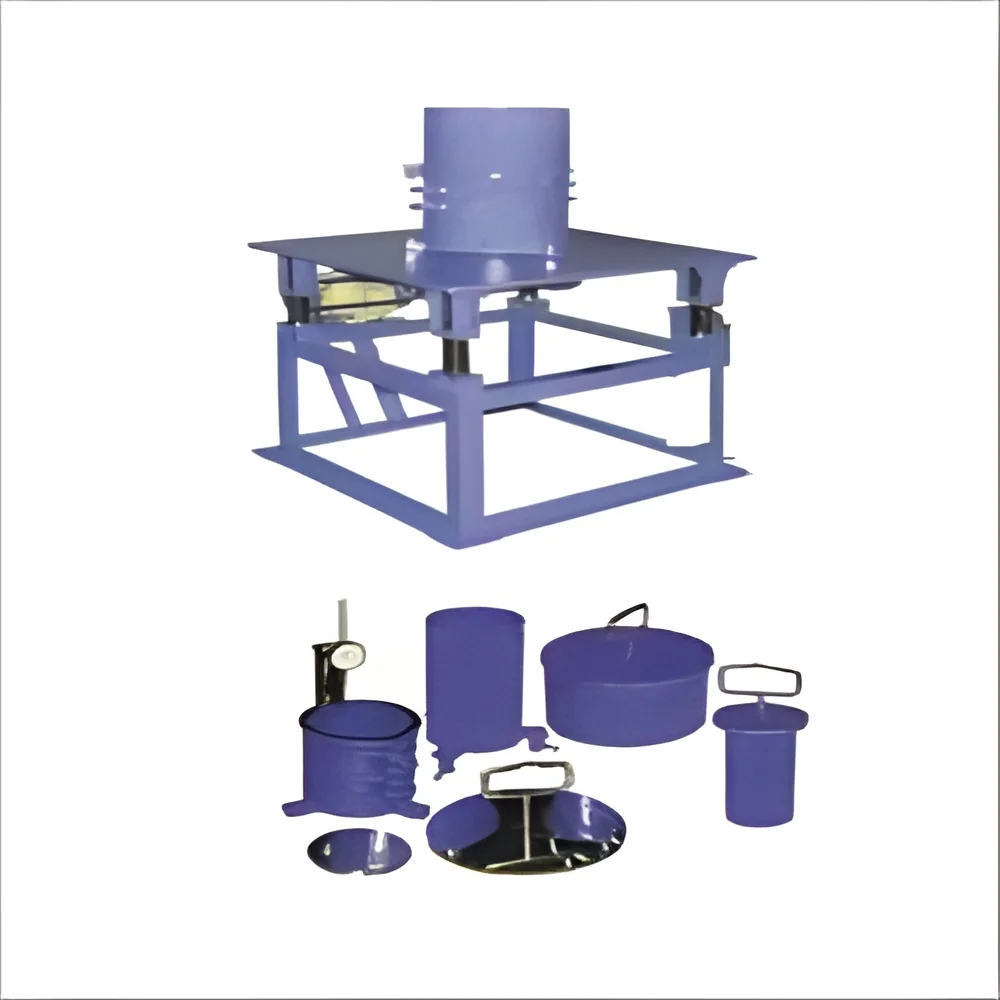
What are Foundation & Geotechnical Engineering?
Foundation and geotechnical engineering is a specialized field within civil engineering that focuses on the behavior of soil and rock materials in relation to structures. This discipline is essential for determining the appropriate foundation design and construction methods necessary to ensure the stability and safety of buildings, bridges, and other infrastructures. By analyzing soil properties, groundwater conditions, and load-bearing capacities, engineers can design foundations that effectively support loads while minimizing the risk of settlement or failure.
The primary applications of foundation and geotechnical engineering encompass various sectors, including construction, mining, and environmental engineering. It plays a crucial role in site investigations, where soil tests and analyses inform decisions about foundation types and materials. Businesses in construction rely on these engineering services to ensure compliance with safety regulations, optimize project costs, and enhance the durability of structures. The relevance of this field is underscored by the ongoing demand for infrastructure development and urban expansion, making it a vital component of modern engineering practices.
Key Features and Specifications
Foundation and geotechnical engineering solutions are characterized by several key features that ensure optimal performance and reliability. These specifications guide engineers in selecting appropriate materials and techniques for their projects.
Key specifications include:
1. Load-Bearing Capacity
- The maximum load that the foundation can support without failure.
- Typically measured in kN/m2 or psf.
2. Soil Type Analysis
- Identification and classification of soil types at the site.
- Includes parameters such as grain size, moisture content, and density.
3. Groundwater Table Levels
- Monitoring of groundwater levels to assess drainage needs.
- Important for determining potential settlement and erosion risks.
4. Settlement Characteristics
- Evaluation of how much a foundation may settle over time.
- Measured as total settlement and differential settlement.
5. Shear Strength Parameters
- Assessment of soil's resistance to shear forces.
- Expressed in terms of cohesion and internal friction angle.
6. Compaction Requirements
- Specifications for soil compaction techniques to ensure stability.
- Typically involves achieving a specific dry density.
7. Environmental Considerations
- Evaluation of potential environmental impacts.
- Includes assessments for erosion control and pollutant containment.
8. Compliance with Local Regulations
- Adherence to regional building codes and safety standards.
- Ensures that designs meet legal and design requirements.
These specifications are crucial for ensuring that foundation and geotechnical engineering projects are executed effectively and safely.
Common Applications and Use Cases
Foundation and geotechnical engineering has a wide array of applications across various industries.
1. Construction: This sector heavily relies on geotechnical engineering to design foundations for residential, commercial, and industrial buildings. Soil analysis guides the selection of appropriate foundation types.
2. Mining: Geotechnical assessments are vital for evaluating ground stability in mining operations. Engineers analyze soil and rock mechanics to ensure safe excavation and minimize collapse risks.
3. Environmental Engineering: This field utilizes geotechnical principles for landfill design, groundwater management, and contamination containment. Engineers assess soil properties to design effective remediation strategies.
4. Transportation: Road and bridge construction requires thorough geotechnical evaluations to ensure the structural integrity of foundations. Engineers assess soil conditions to optimize design and construction methods.
5. Oil and Gas: Geotechnical engineering plays a critical role in site selection and foundation design for drilling operations. Soil stability assessments are crucial for the safe installation of rigs and pipelines.
6. Coastal Engineering: Projects involving seawalls and piers benefit from geotechnical analysis to evaluate soil erosion and stability. Engineers design foundations that withstand wave and tidal forces.
7. Earthquake Engineering: In seismically active regions, geotechnical evaluations are crucial for designing structures that can withstand seismic forces. Engineers assess soil behavior under dynamic loads to enhance safety.
Product Variants and Subcategories
The field of foundation and geotechnical engineering encompasses a variety of solutions tailored to specific project requirements. Each variant addresses different challenges and applications.
Soil Investigation Services
These services include comprehensive testing and analysis of soil properties. They are essential for informing foundation design and ensuring project safety.
Foundation Design Solutions
These solutions focus on creating customized foundation systems based on site-specific conditions. Engineers design deep or shallow foundations depending on load requirements and soil characteristics.
Ground Improvement Techniques
This variant includes methods such as soil stabilization, grouting, and compaction. These techniques enhance soil strength and reduce settlement risks.
Retaining Structures
Engineered retaining walls provide support for excavated areas. They prevent soil movement and are crucial for projects in steep or unstable terrain.
Benefits and Advantages
Foundation and geotechnical engineering offers numerous benefits that enhance project success and safety.
Key benefits include:
1. Enhanced Safety: Proper foundation design minimizes the risk of structural failure, ensuring the long-term safety of buildings and infrastructures.
2. Cost Efficiency: Accurate soil assessments and tailored foundation solutions can reduce construction costs by optimizing materials and methods.
3. Regulatory Compliance: Adherence to local regulations and standards ensures that projects meet legal requirements, minimizing risks of penalties.
4. Risk Mitigation: Geotechnical evaluations identify potential issues before construction begins, allowing for proactive solutions to prevent future problems.
5. Improved Longevity: Well-designed foundations contribute to the durability and lifespan of structures, reducing maintenance and repair costs over time.
6. Environmental Protection: Geotechnical engineering includes environmental assessments that help mitigate risks to ecosystems and groundwater.
Buying Guide for B2B Buyers
When sourcing foundation and geotechnical engineering services, several key factors should be considered to ensure quality and reliability.
1. Quality Assessment: Evaluate the quality of materials and methods used by service providers. Look for certifications and past project references to assess their expertise.
2. Supplier Verification: Vet suppliers thoroughly to ensure they have a proven track record in the industry. Check for relevant experience and customer testimonials.
3. Pricing and MOQ: Consider the pricing structure and minimum order quantities. Balance cost with quality to ensure that you receive value for your investment.
4. Delivery and Lead Times: Inquire about delivery schedules and lead times to ensure timely project execution. Delays in foundational work can impact overall project timelines.
5. Compliance Requirements: Understand the regulatory landscape in your region. Ensure that the supplier adheres to local codes and safety standards to avoid compliance issues.
Compliance and Certifications
Compliance and certifications are critical in foundation and geotechnical engineering to ensure safety and quality. Various standards govern this field.
Quality standards such as ISO 9001 ensure that organizations implement quality management systems that enhance customer satisfaction and operational efficiency. Compliance with these standards is essential for service providers in the industry.
Industry certifications like CE mark signify that products meet European safety, health, and environmental protection standards. This certification is vital for suppliers looking to operate in global markets.
Safety and testing requirements are crucial as they guarantee that engineering practices adhere to established safety protocols. Rigorous testing of materials and designs helps prevent failures.
Regional compliance considerations must also be taken into account, as different areas may have specific requirements related to environmental protection, building codes, and safety regulations.
Why Source Foundation & Geotechnical Engineering from Pepagora?
Pepagora provides a trusted platform for sourcing foundation and geotechnical engineering services, offering several key advantages for B2B buyers.
Verified Supplier Network: Pepagora has established a comprehensive network of verified suppliers, ensuring that businesses can find experienced and reputable partners. This network reduces risks associated with sourcing from unverified providers.
Streamlined RFQ Process: The platform features a streamlined Request for Quotation (RFQ) process, allowing buyers to easily compare offers from multiple suppliers. This efficiency saves time and facilitates informed decision-making.
Trade Assurance and Support: Buyers benefit from trade assurance programs that protect their investments. Pepagora provides support throughout the purchasing process, ensuring that buyers are satisfied with their transactions.
Regional Coverage: Pepagora's geographic reach extends across India, the Gulf Cooperation Council (GCC) countries, and Southeast Asia. This broad coverage allows businesses to connect with suppliers that meet their specific regional needs, enhancing accessibility and options.

 IN
IN