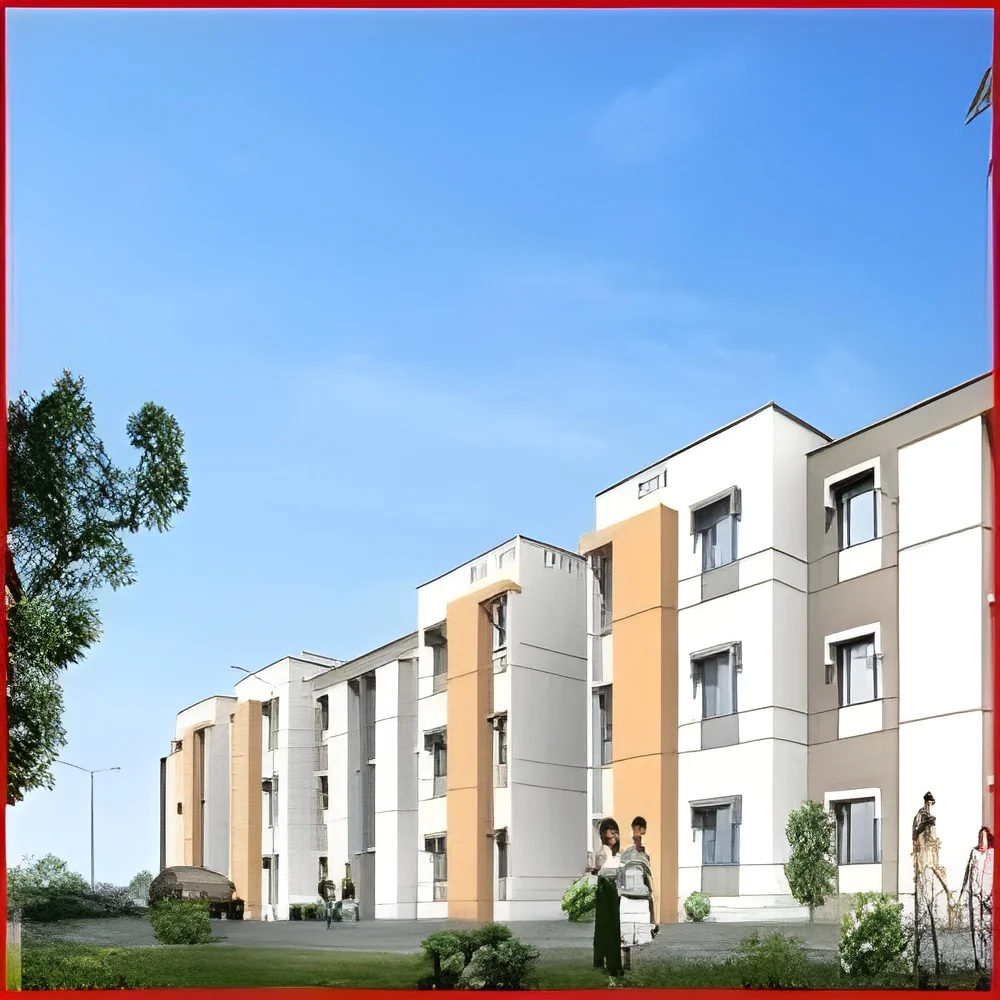
What are Sustainable & Green Building Design?
Sustainable and green building design refers to the practice of creating structures that minimize environmental impact while maximizing energy efficiency and occupant health. This approach integrates a variety of strategies that include the use of eco-friendly materials, renewable energy sources, and efficient water management systems. The goal is to reduce the carbon footprint of buildings and promote a healthier living and working environment.
In business applications, sustainable and green building design is used in both new construction and renovation projects. It is particularly relevant in sectors such as commercial real estate, residential developments, and institutional buildings. As businesses and consumers become increasingly aware of environmental issues, the demand for sustainable building practices continues to grow. This trend is also driven by regulatory requirements and market incentives aimed at reducing energy consumption and greenhouse gas emissions.
The relevance of sustainable and green building design within the industry is significant. As global awareness of climate change and resource depletion rises, the construction and design industries are evolving. Stakeholders including architects, builders, and property developers are increasingly adopting these practices to stay competitive and meet consumer expectations.
Key Features and Specifications
Sustainable and green building design encompasses various features and specifications that ensure environmental effectiveness. These specifications focus on energy efficiency, materials used, and the overall impact on the environment.
Key specifications include:
1. Energy Efficiency
- Focus on reducing energy consumption through passive solar design, high-performance insulation, and energy-efficient HVAC systems.
- Performance metrics often include Energy Use Intensity (EUI) and annual energy consumption in kilowatt-hours per square foot.
2. Water Conservation
- Implementation of low-flow fixtures, rainwater harvesting systems, and drought-resistant landscaping.
- Water efficiency can be measured using the WaterSense label or LEED water efficiency credits.
3. Sustainable Materials
- Utilization of recycled, reclaimed, and rapidly renewable materials to minimize resource depletion.
- Specifications may include certifications like Forest Stewardship Council (FSC) for wood products.
4. Indoor Air Quality
- Use of non-toxic materials and ventilation systems to enhance indoor air quality.
- Compliance with standards such as the Indoor Air Quality certification from GreenGuard.
5. Renewable Energy Integration
- Incorporation of solar panels, wind turbines, and other renewable energy sources to decrease reliance on fossil fuels.
- System output can be measured in kilowatts produced annually.
6. Lifecycle Assessment
- Evaluation of the environmental impact of building materials and processes over their entire lifecycle.
- Metrics typically include carbon footprint analysis and resource depletion indicators.
7. Site Selection and Development
- Choosing locations that minimize habitat disruption and promote sustainable land use.
- Consideration is given to proximity to public transportation and existing infrastructure.
8. Certification Compliance
- Adherence to recognized standards such as LEED, BREEAM, or Green Star.
- Certification levels reflect the degree of sustainability achieved in the design and construction process.
In summary, the specifications of sustainable and green building design are crucial for achieving environmental goals. They guide the development of buildings that are not only functional but also responsible towards the planet.
Common Applications and Use Cases
Sustainable and green building design finds applications across a variety of industries, each benefiting from its practices in unique ways.
1. Commercial Real Estate: In this sector, sustainable design is used to create energy-efficient office buildings that reduce operational costs and attract environmentally conscious tenants.
2. Residential Developments: Homebuilders implement green design principles to create energy-efficient homes that promote healthier living environments for families.
3. Educational Institutions: Schools and universities utilize sustainable designs to provide students with healthier learning spaces while reducing energy costs.
4. Healthcare Facilities: Hospitals and clinics adopt green building strategies to enhance patient comfort and safety while improving operational efficiency.
5. Retail Spaces: Retailers are increasingly looking for sustainable building practices to appeal to eco-conscious consumers and reduce energy consumption.
6. Hospitality Industry: Hotels and resorts adopt green building designs to enhance guest experiences while minimizing environmental impact.
7. Government Buildings: Municipal and federal projects incorporate sustainable design to lead by example and promote environmental stewardship within communities.
Product Variants and Subcategories
While specific variants of sustainable and green building design are not available, the diversity in applications allows for tailored solutions based on project needs.
Energy-Efficient Structures: These buildings are designed to utilize minimal energy through advanced insulation, efficient windows, and smart building technologies. They are suitable for both commercial and residential projects.
Eco-Friendly Materials: This approach focuses on sourcing materials that are sustainable and environmentally friendly. Such materials can include recycled steel, bamboo, and other renewable resources used in construction.
Smart Building Technologies: The integration of IoT devices and smart systems into building designs to monitor energy usage and enhance sustainability. This is increasingly used in commercial settings to optimize performance.
Benefits and Advantages
Sustainable and green building design offers numerous advantages that make it an attractive option for businesses and developers.
Key benefits include:
1. Cost Savings: Energy-efficient buildings reduce utility costs over time, leading to significant savings for owners and tenants.
2. Enhanced Market Value: Properties with green certifications often command higher resale values and attract premium rents.
3. Healthier Environments: Improved indoor air quality and natural lighting contribute to better health and productivity for occupants.
4. Regulatory Compliance: Adopting sustainable practices helps businesses comply with evolving regulations and standards focused on environmental impact.
5. Brand Reputation: Companies that commit to sustainability can enhance their brand image and appeal to environmentally conscious consumers.
6. Reduced Environmental Impact: Sustainable building practices contribute to lower carbon emissions, conserving resources and protecting ecosystems for future generations.
Buying Guide for B2B Buyers
When sourcing sustainable and green building design, businesses should consider several critical factors to ensure they make informed decisions.
1. Quality Assessment: Evaluate products and materials based on their sustainability credentials and performance metrics. Look for certifications that validate eco-friendly claims.
2. Supplier Verification: Conduct thorough research on suppliers to verify their sustainability practices and track record in delivering quality products.
3. Pricing and MOQ: Understand the pricing structure and minimum order quantities. Compare costs against the long-term savings associated with energy-efficient designs.
4. Delivery and Lead Times: Assess suppliers' logistics capabilities, including delivery times and reliability to meet project deadlines.
5. Compliance Requirements: Ensure that selected products and designs comply with local and national regulations regarding sustainability and building codes.
Compliance and Certifications
Sustainable and green building design must adhere to various compliance standards and certifications to ensure quality and safety. Relevant quality standards include ISO 9001, which focuses on quality management systems, and HACCP, which addresses food safety in construction projects involving food facilities.
Industry certifications such as CE mark indicate compliance with European safety standards, ensuring that products meet specific performance requirements. Additionally, safety and testing requirements are vital to verify that materials used in construction pose no harm to occupants or the environment.
Regional compliance considerations may vary, with different countries enforcing unique regulations relating to energy efficiency, water conservation, and material sourcing. It is essential for businesses to stay informed about local laws and standards to ensure compliance in their projects.
Why Source Sustainable & Green Building Design from Pepagora?
Pepagora provides a trusted platform for sourcing sustainable and green building design, offering several key advantages to businesses.
Verified Supplier Network: Pepagora features a robust network of verified suppliers who specialize in sustainable building materials and practices. This ensures that buyers can find reputable partners committed to quality.
Streamlined RFQ Process: The platform simplifies the request for quotation (RFQ) process, allowing buyers to efficiently obtain multiple quotes from suppliers. This saves time and enables informed decision-making.
Trade Assurance and Support: Pepagora provides buyers with trade assurance, ensuring protection against potential risks during transactions. This support fosters trust in supplier relationships.
Regional Coverage: With a focus on regions such as India, the GCC, and Southeast Asia, Pepagora offers extensive geographic reach, connecting buyers with suppliers in key markets. This enhances accessibility to sustainable building solutions tailored to local needs.

 IN
IN