
 IN
Residential Architectural Design
131 products available
What are Residential Architectural Design?
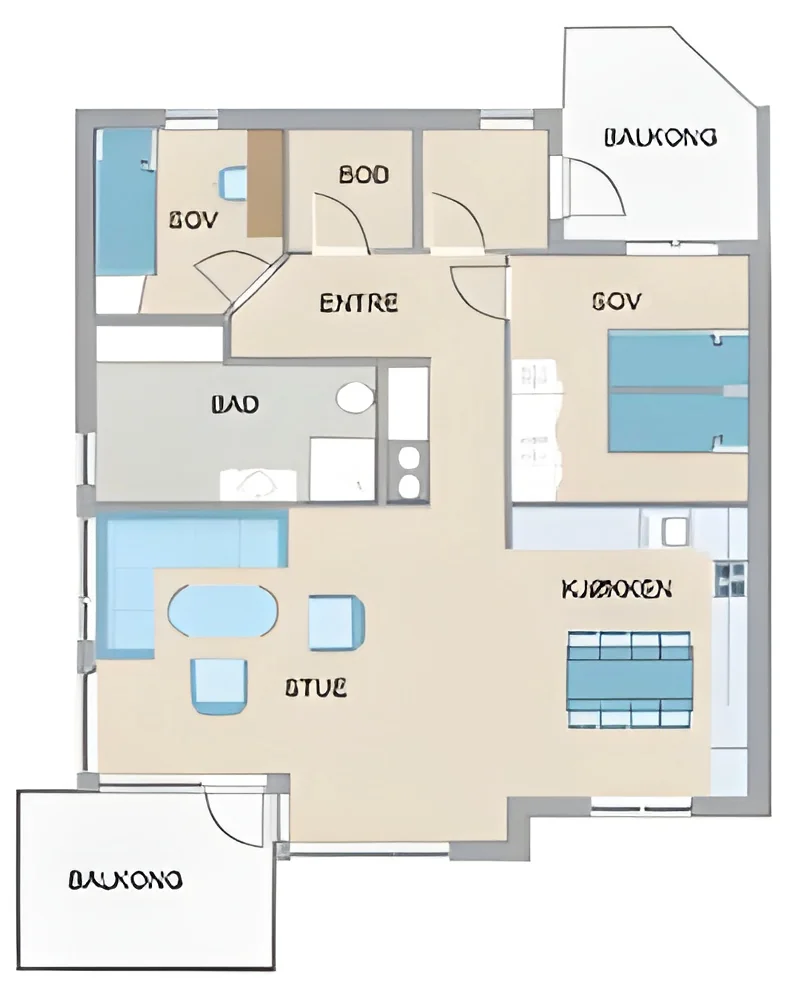
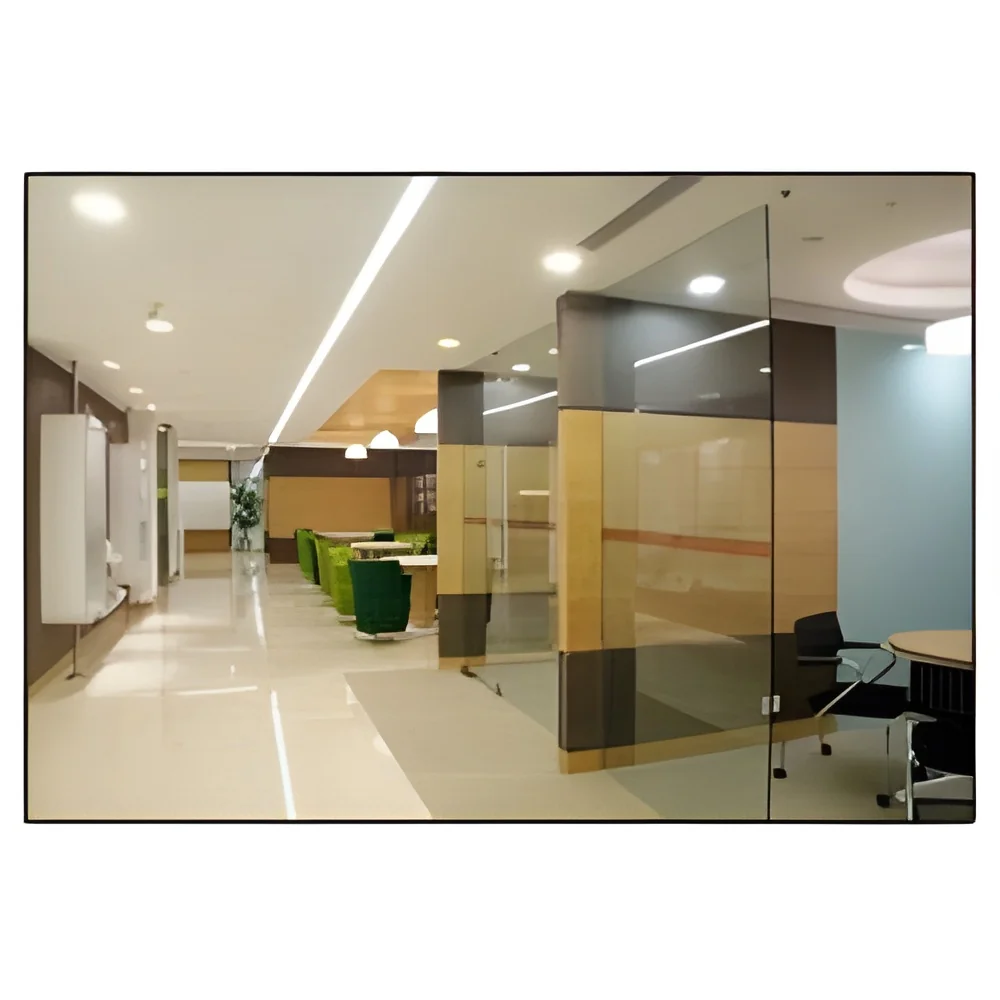
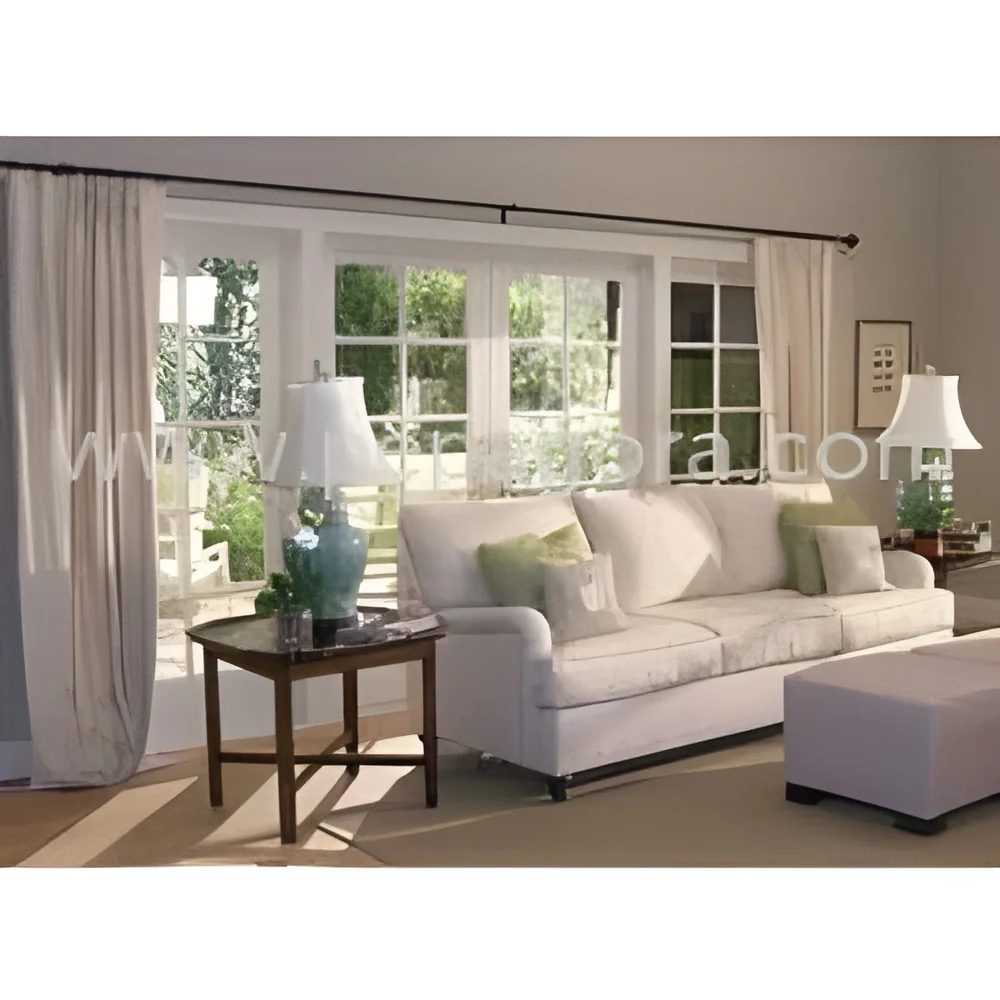
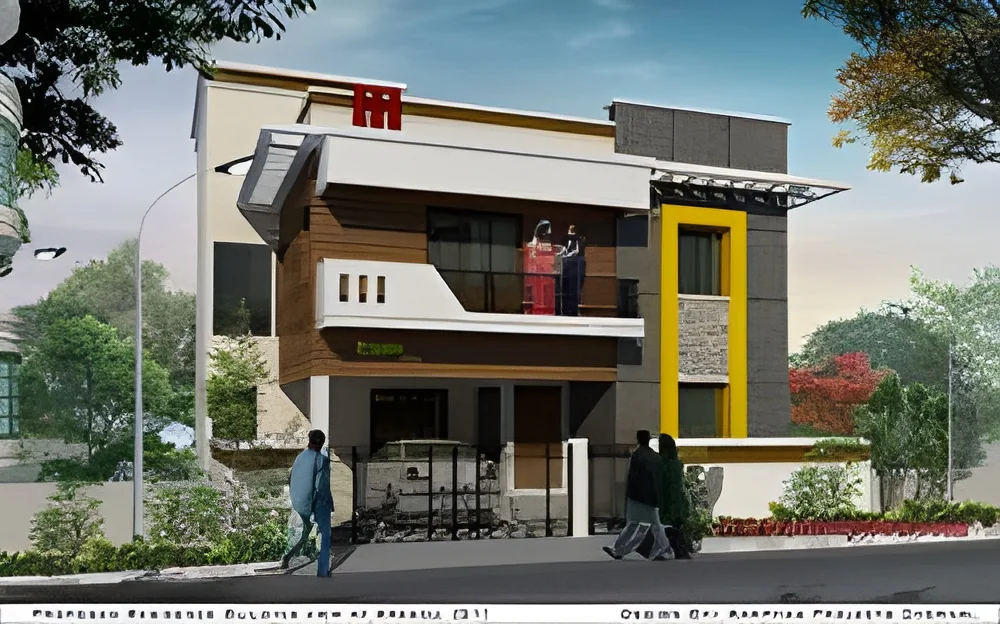
Residential architectural design refers to the process of planning and creating residential buildings, which can include single-family homes, multi-family units, and apartment complexes. This field involves a blend of creativity and technical skill, as architects must consider aesthetics, functionality, safety, and compliance with local building codes and regulations. Architectural design encompasses everything from initial concept sketches to detailed blueprints and specifications that guide construction.
The primary uses of residential architectural design extend beyond mere aesthetics. It plays a crucial role in developing spaces that are efficient, sustainable, and tailored to the needs of inhabitants. Architects work closely with clients to understand their vision, preferences, and lifestyle requirements, translating these into functional spaces. The market for residential architectural design is robust, driven by factors such as urbanization, population growth, and the increasing demand for custom-built homes.
In the current industry context, residential architectural design is more relevant than ever. As society evolves, so do the expectations for living spaces. Trends such as eco-friendly designs, smart home technology, and open-concept layouts are influencing the direction of architectural practices. Professionals in this field must stay informed about these trends to deliver innovative solutions that meet both client desires and environmental considerations.
Key Features and Specifications
Residential architectural design is characterized by several key features that ensure the functionality and aesthetic appeal of the final structure. Understanding these specifications is vital for clients and industry professionals alike.
Key specifications include:
1. Design Flexibility
- Customizable layouts to meet diverse client needs
- Adaptation to various architectural styles
2. Compliance with Building Codes
- Adherence to local zoning laws and regulations
- Integration of safety standards in design
3. Sustainability Features
- Use of eco-friendly materials and energy-efficient systems
- Consideration of natural light and ventilation
4. Space Optimization
- Efficient use of square footage
- Creation of multifunctional areas within homes
5. Aesthetic Considerations
- Attention to visual elements such as color, texture, and form
- Ability to harmonize with the surrounding environment
6. Accessibility
- Design elements that accommodate individuals with disabilities
- Compliance with accessibility standards
7. Structural Integrity
- Ensuring durability and safety through sound engineering practices
- Use of quality materials and construction techniques
8. Technological Integration
- Incorporation of smart home technologies
- Consideration of future technology needs in design
In summary, residential architectural design combines creativity, technical knowledge, and regulatory compliance to deliver functional and appealing living spaces.
Common Applications and Use Cases
Residential architectural design is applicable across various sectors and serves numerous industries.
1. Real Estate Development: Developers rely on architectural design to create appealing residential properties that attract buyers and renters.
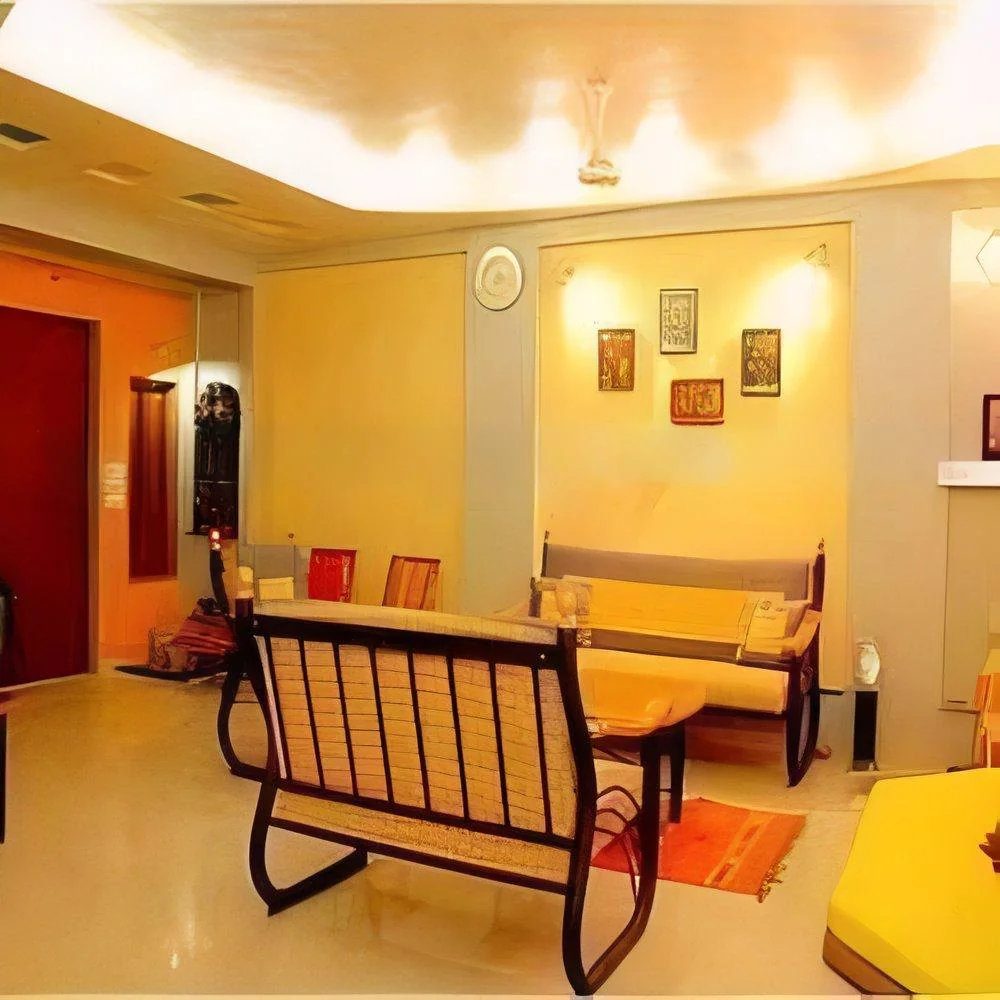
2. Custom Home Building: Homeowners seeking unique designs benefit from tailored architectural solutions that reflect their personal style and needs.
3. Renovation Projects: Architects assist in remodeling existing structures, enhancing functionality, and improving aesthetic appeal while adhering to regulations.
4. Urban Planning: Architectural design contributes to the development of cohesive residential communities that prioritize livability and environmental sustainability.
5. Hospitality Industry: Architectural design is essential in creating vacation homes and lodges that provide guests with memorable experiences.
6. Senior Living Facilities: Architects design spaces considering the specific needs of elderly residents, emphasizing safety, accessibility, and comfort.
7. Sustainable Housing Initiatives: Organizations focused on affordable housing integrate architectural design to promote eco-friendly living solutions.
Product Variants and Subcategories
Residential architectural design showcases a diverse range of styles and approaches, catering to different preferences and market demands.
Traditional Architecture: This variant embraces classic design elements, including symmetry, decorative details, and historical influences. It appeals to clients seeking timeless aesthetics.
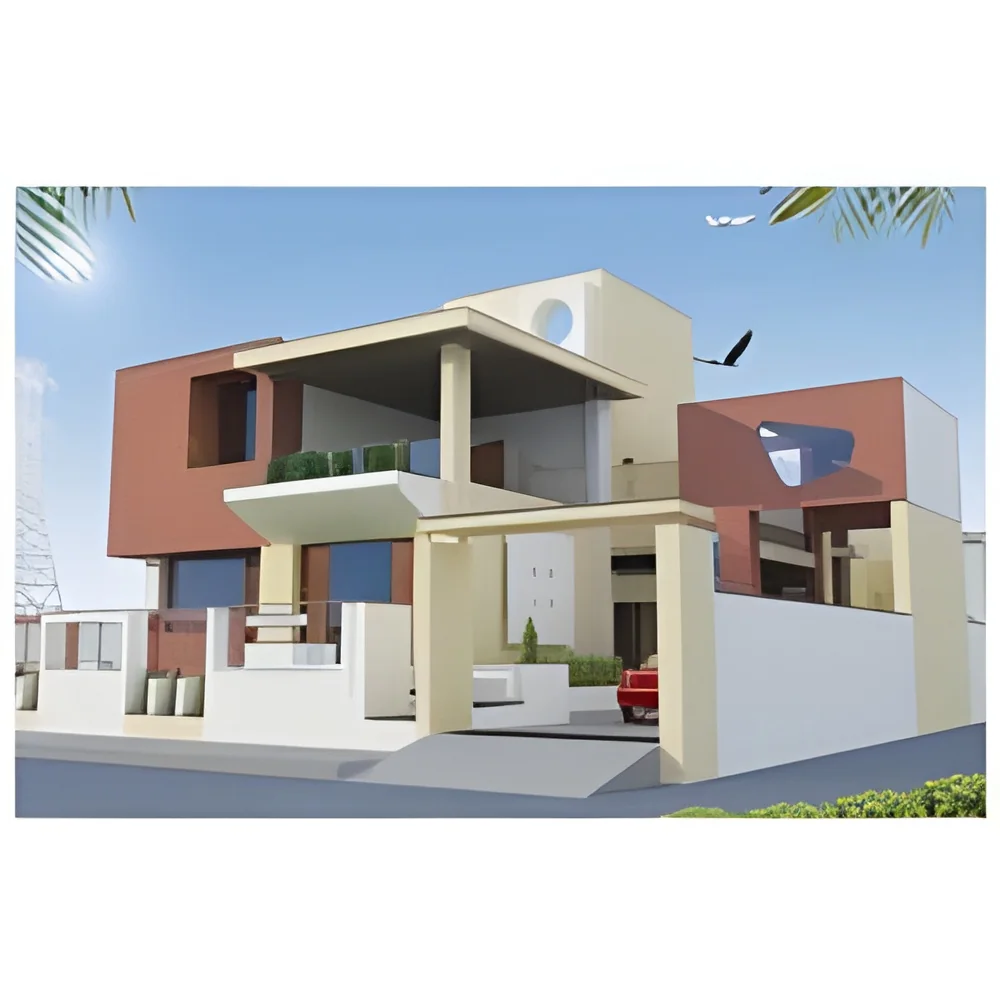
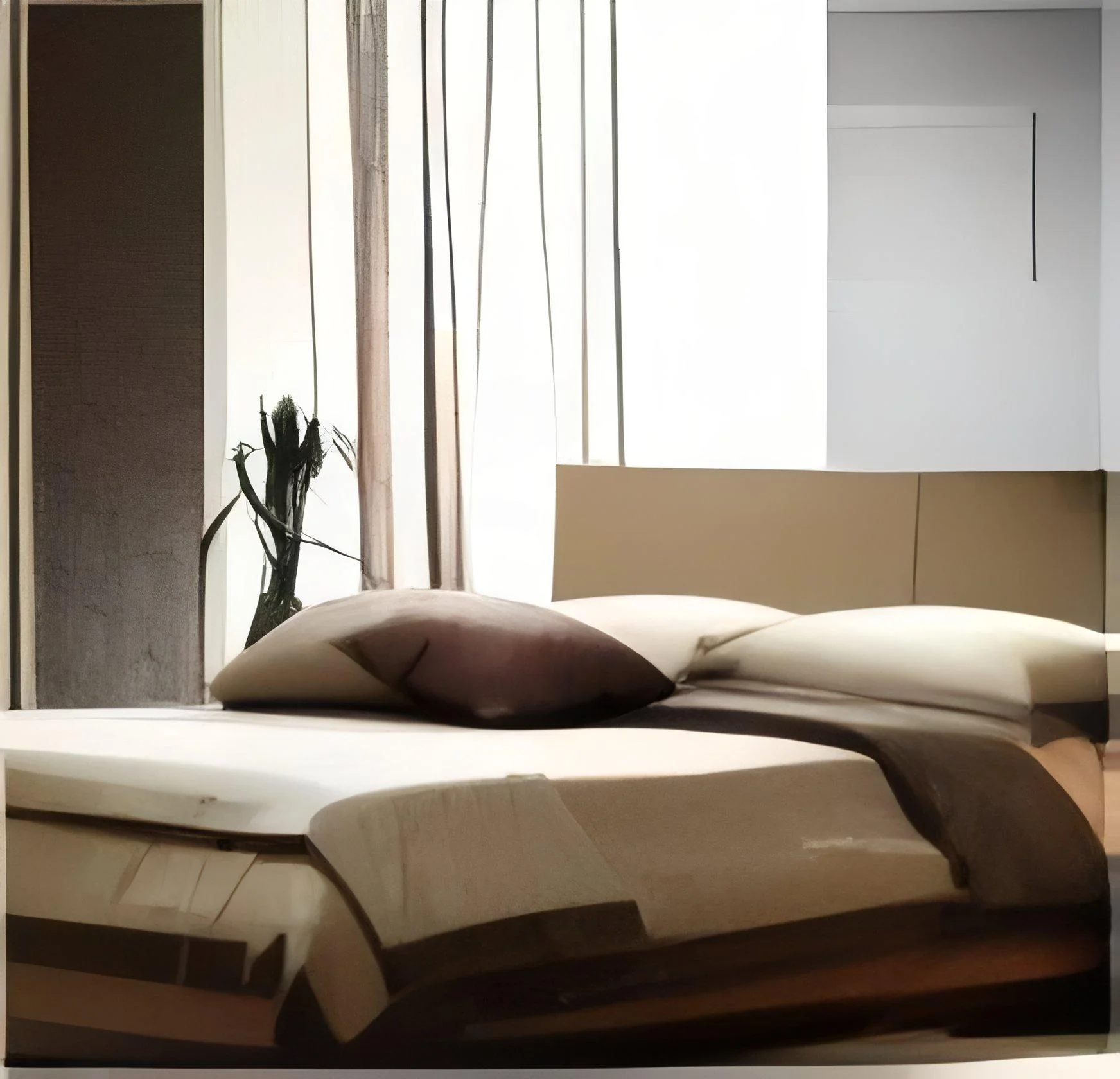
Modern Architecture: Characterized by minimalism and functionality, modern architecture often features open spaces, large windows, and innovative materials. It attracts those favoring contemporary living.
Eco-Friendly Design: Focused on sustainability, this variant incorporates renewable resources, energy-efficient systems, and green building practices. It appeals to environmentally conscious homeowners.
Smart Home Integration: This design variant emphasizes the incorporation of technology, enabling homeowners to control various aspects of their living environment through smart systems. It attracts tech-savvy clients.
Luxury Residential Design: Catering to high-end markets, this variant focuses on opulence and bespoke features, including high-quality materials and unique design elements. It attracts affluent buyers.
Benefits and Advantages
Residential architectural design offers numerous benefits that enhance the value and functionality of living spaces.
Key benefits include:
1. Customization: Tailored designs ensure that homes meet the specific needs and preferences of residents, promoting satisfaction and comfort.
2. Increased Property Value: Well-designed homes often appreciate in value, making them a worthwhile investment for homeowners.
3. Enhanced Functionality: Thoughtful layouts and designs optimize space utilization, improving everyday living experiences for residents.
4. Energy Efficiency: Architectural designs that incorporate sustainable practices help reduce energy consumption and lower utility bills.
5. Safety and Compliance: Adhering to building codes and safety standards ensures that homes are secure and compliant with regulations.
6. Aesthetic Appeal: Well-executed designs enhance the visual appeal of homes, contributing to the overall ambiance of neighborhoods.
Buying Guide for B2B Buyers
When sourcing residential architectural design, it is essential to consider several factors to ensure informed decision-making.
1. Quality Assessment: Evaluate the design quality by reviewing past projects and client testimonials. Look for architects with a strong portfolio that demonstrates creativity and compliance with standards.
2. Supplier Verification: Vet potential suppliers by checking their credentials, certifications, and industry reputation. Verify their experience and track record in residential design.
3. Pricing and MOQ: Understand pricing structures and minimum order quantities. Negotiate terms that align with your project budget and timeline.
4. Delivery and Lead Times: Inquire about the expected timelines for design deliverables. Ensure that suppliers can meet your project deadlines without compromising quality.
5. Compliance Requirements: Familiarize yourself with local regulations and compliance standards applicable to residential architectural design. Ensure that the selected architect can navigate these requirements effectively.
Compliance and Certifications
Compliance is a critical aspect of residential architectural design, ensuring that all projects meet established quality standards and regulatory requirements. Relevant quality standards such as ISO 9001 emphasize the importance of maintaining consistent quality in design processes. Achieving ISO certification demonstrates a commitment to excellence and customer satisfaction.
In addition to ISO standards, industry certifications like CE mark signify compliance with European safety and performance criteria. This certification is essential for architects working on projects within the European market, ensuring that their designs meet rigorous safety and quality benchmarks.
Safety and testing requirements also play a vital role in residential architectural design. Architects must ensure that their designs comply with local building codes, which dictate structural integrity, fire safety, and accessibility features. Furthermore, regional compliance considerations vary, necessitating a thorough understanding of local regulations to avoid potential legal issues.
Why Source Residential Architectural Design from Pepagora?
Pepagora provides a trusted platform for sourcing residential architectural design with several key advantages.
Verified Supplier Network: Pepagora connects buyers with a network of verified suppliers. Each supplier undergoes a rigorous vetting process, ensuring reliability and quality in services offered.
Streamlined RFQ Process: The platform features a streamlined Request for Quotation (RFQ) process, allowing buyers to easily communicate their requirements and receive competitive quotes from multiple suppliers.
Trade Assurance and Support: Pepagora offers trade assurance and dedicated support to buyers, protecting their interests throughout the sourcing process. This includes assistance with negotiations and dispute resolution.
Regional Coverage: With a strong presence in India, the GCC, and Southeast Asia, Pepagora facilitates connections between buyers and suppliers across vast geographic regions, ensuring access to a diverse range of architectural design services.










Frequently Asked Questions
What are Residential Architectural Design?
Residential Architectural Design refers to the planning and design of residential buildings, including houses, apartments, and townhouses. It encompasses various elements such as layout, aesthetics, functionality, and compliance with building codes. This field focuses on creating spaces that meet the needs and preferences of homeowners.
What are the different types of Residential Architectural Design?
Different types of Residential Architectural Design include single-family homes, multi-family units, bungalows, villas, and row houses. Each type serves different purposes and caters to varying family sizes and lifestyles. Additionally, designs may vary based on architectural styles, such as modern, traditional, or contemporary.
How do I choose the right Residential Architectural Design?
Choosing the right Residential Architectural Design involves considering factors such as your budget, lifestyle needs, and aesthetic preferences. It's important to research different architectural styles and consult with professional architects or designers to identify options that align with your vision. Reviewing portfolios and customer testimonials can also guide your decision-making process.
What are the standard specifications for Residential Architectural Design?
Standard specifications for Residential Architectural Design typically include minimum room sizes, ceiling heights, and material quality requirements. Additionally, designs must comply with local building codes and regulations regarding safety, accessibility, and energy efficiency. These specifications can vary based on the location and type of residential building.
What is the price range for Residential Architectural Design?
The price range for Residential Architectural Design can vary widely based on factors such as location, design complexity, and materials used. Generally, costs can start from a few thousand rupees for basic designs and can go up to several lakhs for more intricate and customized plans. It is advisable to obtain quotes from multiple architects to find a competitive price.
What quality standards apply to Residential Architectural Design?
Quality standards for Residential Architectural Design include adherence to local building codes, zoning laws, and safety regulations. Additionally, designs should meet criteria for durability, sustainability, and aesthetic appeal. Many architects also follow industry standards set by professional organizations to ensure high quality in their designs.
Where can I find Residential Architectural Design suppliers in India?
Residential Architectural Design suppliers in India can be found through various channels such as online B2B marketplaces, architectural firms, and design studios. Websites like Pepagora.com provide a platform to connect with manufacturers and suppliers in the industry. Additionally, attending industry trade shows and exhibitions can help you find reputable suppliers.
Can Residential Architectural Design be customized?
Yes, Residential Architectural Design can be customized to meet the specific needs and preferences of homeowners. This customization can include changes in layout, materials, and architectural styles. Working closely with an architect or designer can help ensure that the final design reflects your unique vision.
What is the typical minimum order quantity for Residential Architectural Design?
The typical minimum order quantity for Residential Architectural Design can vary significantly depending on the supplier and the scope of the project. Many architects and design firms may not have a strict minimum order quantity, especially for individual residential projects. However, larger firms may have specific requirements based on their operational capacities.
What is the typical lead time for Residential Architectural Design?
The typical lead time for Residential Architectural Design can range from a few weeks to several months, depending on the complexity of the project and the availability of resources. Initial design consultations and revisions may take additional time. It is advisable to discuss timelines with your chosen architect to establish clear expectations.
Why Businesses Trust Pepagora
Thousands of companies trust Pepagora to source smarter and sell faster
Expand Your Sales Globally

Source Smarter,Grow Faster
