What are Heritage Building Restoration Services?
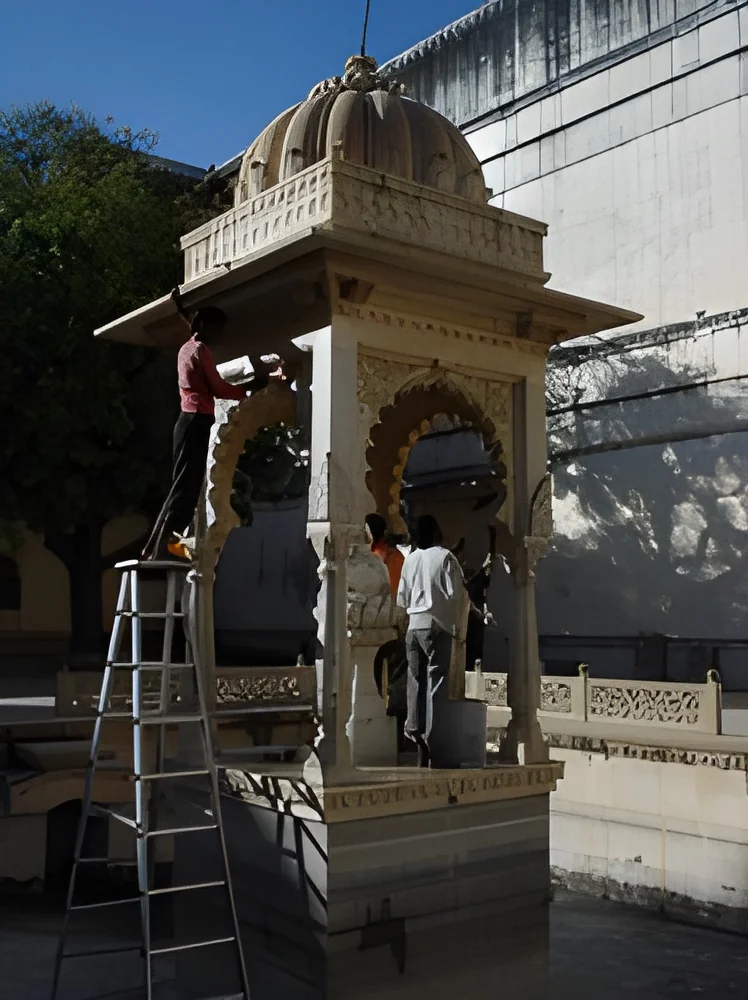
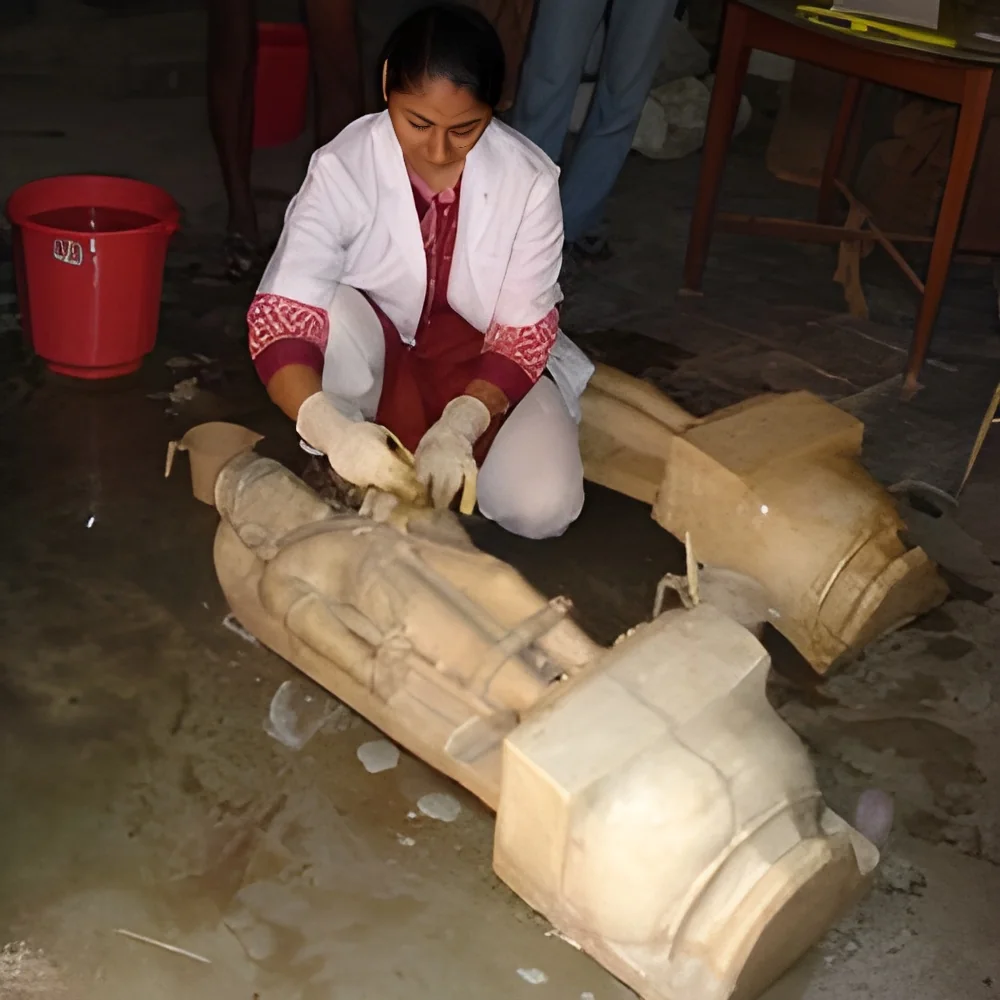
Heritage Building Restoration Services encompass a range of specialized practices aimed at preserving and restoring historical structures. These services are designed to protect the architectural integrity and cultural significance of buildings that hold historical value. The process typically involves assessing the condition of the building, identifying necessary repairs, and executing restoration work using traditional methods and materials that are in line with the original construction techniques.
These services are primarily utilized by property owners, municipalities, and organizations that manage historical sites. They play a crucial role in maintaining the aesthetic and historical value of buildings while ensuring they meet modern safety and usability standards. In the context of the rising awareness of cultural heritage preservation, the demand for such services has increased, signifying their importance in urban development and tourism.
The market for Heritage Building Restoration Services is influenced by various factors, including government regulations, funding for historic preservation, and the growing trend of adaptive reuse of old buildings. As more cities recognize the importance of their historical architecture, the need for skilled restoration services continues to grow, providing ample opportunities for businesses in this niche sector.
Key Features and Specifications
Heritage Building Restoration Services are characterized by their attention to detail and adherence to historical accuracy. The services include a variety of techniques and approaches tailored to specific building types and conditions.
Key specifications include:
1. Assessment and Planning
- Comprehensive evaluation of the building's current condition
- Development of a tailored restoration plan
2. Material Selection
- Sourcing of authentic materials that match original construction
- Use of traditional building techniques
3. Structural Repairs
- Reinforcement of weakened structures
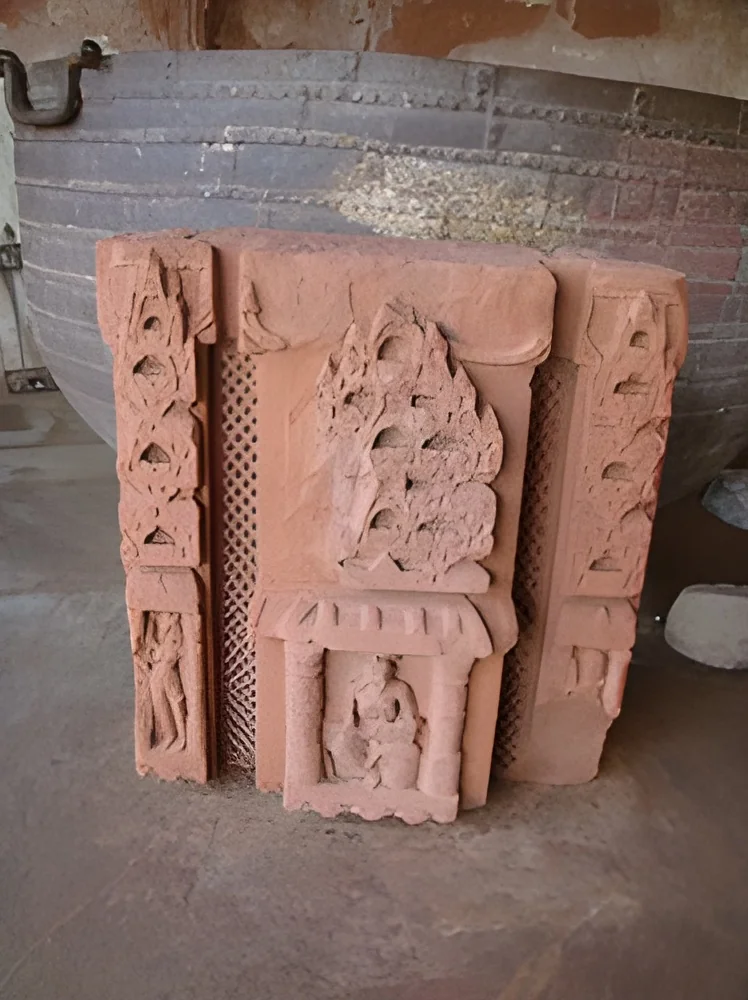
- Restoration of original architectural elements
4. Finishing Techniques
- Application of period-appropriate finishes
- Restoration of decorative features
5. Environmental Control
- Implementation of measures to protect against moisture and pests
- Maintaining a controlled environment during restoration
6. Compliance with Regulations
- Adherence to local historical preservation laws
- Ensuring safety standards are met
7. Project Management
- Coordination of various trades involved in restoration
- Timely completion of the restoration project
In summary, Heritage Building Restoration Services are defined by meticulous planning, skilled craftsmanship, and a commitment to preserving historical integrity while meeting contemporary standards.
Common Applications and Use Cases
Heritage Building Restoration Services find applications across several industries, emphasizing their versatility and importance in various contexts.
1. Historical Societies: These organizations often engage restoration services to maintain and preserve significant artifacts and buildings for educational and cultural purposes.
2. Government Agencies: Municipalities utilize these services to restore public buildings that are of historical importance, ensuring they remain safe and accessible to the public.
3. Real Estate Development: Developers may seek restoration services for properties with historical significance, allowing them to repurpose these buildings while retaining their charm.
4. Educational Institutions: Schools and universities often restore historic campuses to enhance their educational environment and attract prospective students.
5. Museums and Cultural Centers: These entities rely on restoration services to preserve their collections and buildings, providing a historical context for exhibitions.
6. Nonprofit Organizations: Many nonprofits focus on heritage conservation and engage restoration services to further their mission of preserving cultural landmarks.
7. Tourism Sector: Hotels and tourism operators may restore historical buildings to enhance guest experiences and attract tourists interested in heritage.
Product Variants and Subcategories
Heritage Building Restoration Services encompass a range of approaches tailored to specific building needs and historical contexts.
In-Situ Restoration
This variant involves performing restoration work on-site, allowing for a direct assessment of the building's condition. It is ideal for structures that require immediate attention or cannot be relocated.
Facade Restoration
This variant focuses specifically on the external elements of a building. It includes cleaning, repairing, and restoring the facade to its original appearance while ensuring structural integrity.
Interior Restoration
This service addresses the interior elements of a building, including plasterwork, woodwork, and decorative finishes. It aims to restore the historical atmosphere of the interior spaces.
Benefits and Advantages
Heritage Building Restoration Services offer numerous benefits that are crucial for clients looking to preserve historical structures.
Key benefits include:
1. Preservation of Cultural Heritage: These services help maintain the historical significance of buildings for future generations, fostering a sense of identity and continuity.
2. Increased Property Value: Restored buildings are often more valuable in the real estate market, providing a return on investment for property owners.
3. Compliance with Regulations: Engaging professionals ensures that restorations meet local preservation laws and standards, reducing the risk of legal issues.
4. Enhanced Aesthetic Appeal: Restoration work revitalizes the beauty of historical structures, making them more attractive to visitors and residents.
5. Sustainable Practices: Restoration often involves reusing existing materials, promoting sustainability and reducing waste compared to new construction.
6. Community Engagement: Restored buildings can serve as focal points for community activities, enhancing local culture and tourism.
Buying Guide for B2B Buyers
When sourcing Heritage Building Restoration Services, several key factors should be considered to ensure the selection of a reliable provider.
1. Quality Assessment: Evaluate the quality of past work by reviewing case studies and client testimonials. Look for evidence of craftsmanship and adherence to historical accuracy.
2. Supplier Verification: Conduct thorough background checks on potential suppliers. Confirm their experience, qualifications, and any relevant certifications in heritage restoration.
3. Pricing and MOQ: Understand the pricing structure and minimum order quantities. Compare quotes from different suppliers to ensure competitive pricing without compromising quality.
4. Delivery and Lead Times: Discuss project timelines upfront to align expectations. Ensure that suppliers can meet deadlines to avoid delays in the restoration process.
5. Compliance Requirements: Verify that the supplier is knowledgeable about local regulations and compliance standards related to heritage restoration. This can prevent legal complications and ensure a smooth restoration process.
Compliance and Certifications
Heritage Building Restoration Services are governed by various quality standards and certifications that ensure the integrity and safety of restoration work.
Relevant quality standards include ISO 9001, which outlines requirements for a quality management system. This standard ensures that service providers maintain a consistent level of quality throughout their operations.
Industry certifications, such as CE, indicate that the services meet European safety and environmental protection standards. This certification is important for projects that may involve international collaboration or funding.
Safety and testing requirements are essential in the restoration process to protect workers and the integrity of the building. Compliance with these standards helps mitigate risks associated with restoration work.
Regional compliance considerations are also critical. Different regions may have specific regulations regarding the preservation of historical buildings. Understanding these regulations ensures that restoration efforts align with local laws and community expectations.
Why Source Heritage Building Restoration Services from Pepagora?
Pepagora provides a trusted platform for sourcing Heritage Building Restoration Services, offering several key advantages to businesses seeking reliable restoration solutions.
Verified Supplier Network: Pepagora facilitates connections with a network of verified suppliers who specialize in heritage restoration. Each supplier undergoes a rigorous vetting process to ensure quality and reliability.
Streamlined RFQ Process: The platform simplifies the request for quotation process, enabling businesses to obtain multiple quotes from various suppliers quickly. This efficiency helps buyers make informed decisions based on comprehensive options.
Trade Assurance and Support: Pepagora offers buyer protection through trade assurance mechanisms, ensuring that clients receive the services they pay for. This support enhances trust between buyers and suppliers.
Regional Coverage: With a broad geographic reach across India, the GCC, and Southeast Asia, Pepagora connects businesses with local suppliers who understand regional historical contexts and compliance requirements. This local expertise is invaluable for successful restoration projects.

 IN
IN