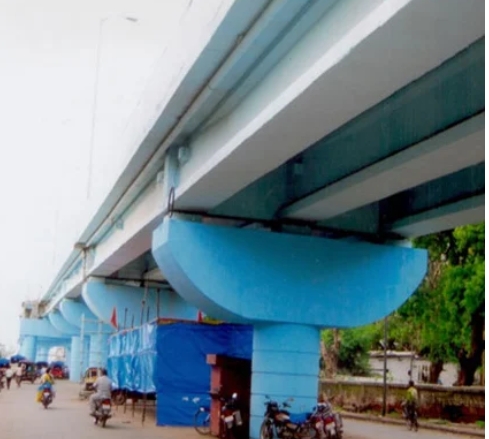
What are Bridge & Flyover Design Services?
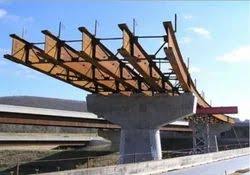
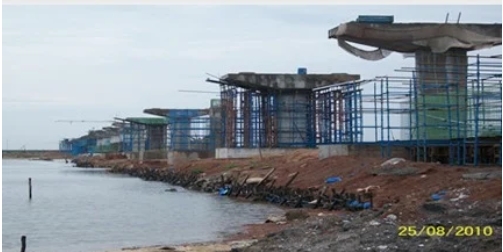
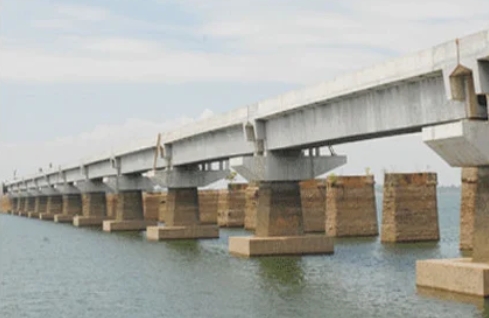
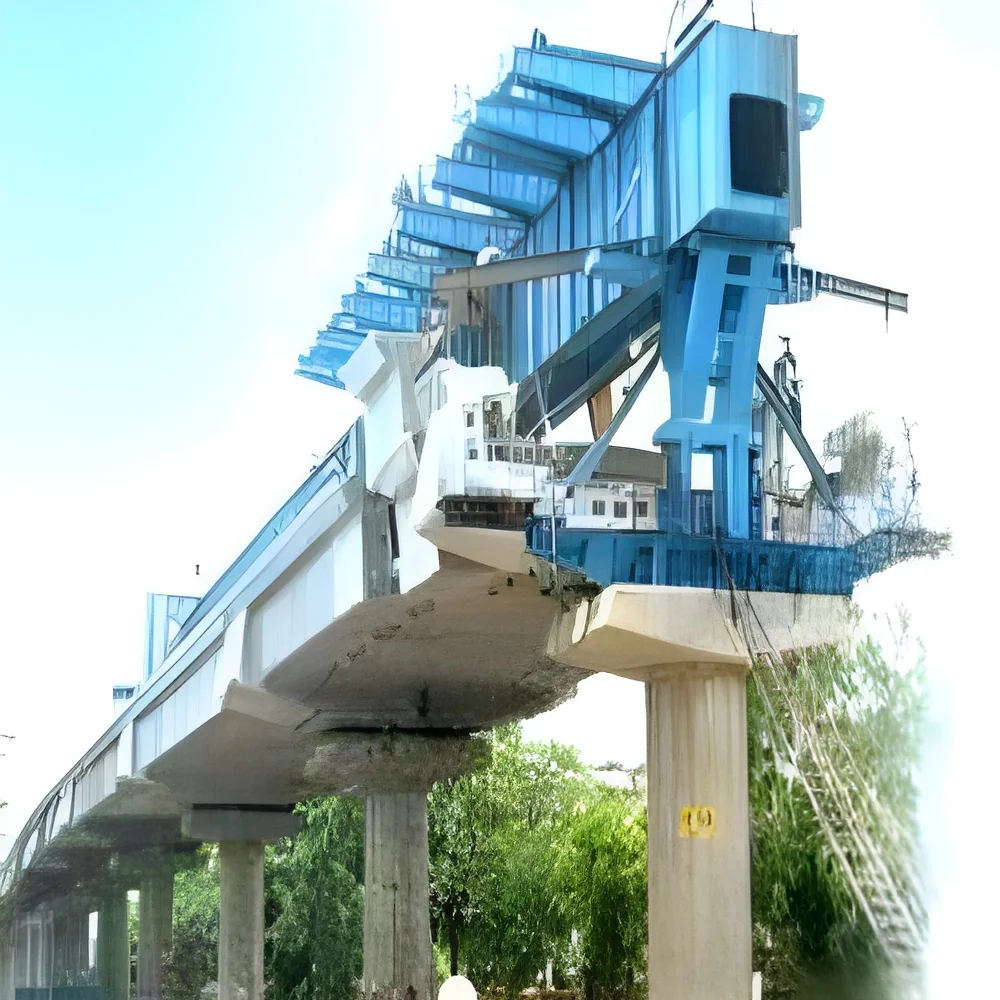
Bridge and flyover design services encompass the engineering and architectural processes involved in creating safe and efficient structures that facilitate transportation over obstacles such as rivers, valleys, or roadways. These services include initial planning, design conceptualization, structural analysis, and project management, ensuring that the resulting structures meet both aesthetic and functional requirements. The design process takes into account factors like load-bearing capacities, environmental impact, and regulatory compliance to ensure long-lasting and effective infrastructure.
These services find primary application in civil engineering projects, urban development, and transportation planning. They are critical for government agencies, private developers, and construction firms that aim to enhance connectivity and reduce traffic congestion. The demand for such services is driven by urbanization, increasing vehicular traffic, and the need for sustainable infrastructure solutions that can support economic growth. With a focus on innovation and safety, bridge and flyover design services are integral to modern infrastructure projects across various industries.
Key Features and Specifications
Bridge and flyover design services feature a range of specifications that ensure the safety and efficiency of the structures being developed. These specifications are essential for guiding the design process, as they address both technical and regulatory requirements.
Key specifications include:
1. Structural Integrity
- Ensures that bridges and flyovers can withstand various loads and environmental conditions.
- Technical parameters include material strengths, load requirements, and structural analysis methods.
2. Aesthetic Design
- Focuses on the visual appeal of the structure, integrating it into the surrounding environment.
- Considerations include architectural styles, materials, and landscaping.
3. Environmental Impact Assessment
- Evaluates potential environmental effects during and after construction.
- Includes studies on wildlife, water quality, and community effects.
4. Compliance with Regulatory Standards
- Adheres to local and national building codes and regulations.
- Ensures safety and quality standards are met throughout the design process.
5. Cost Estimation and Budgeting
- Provides accurate cost assessments to guide project funding.
- Considers material, labor, and operational costs.
6. Project Timeline
- Outlines the duration of each phase of the design and construction process.
- Includes milestones for tracking progress.
7. Construction Feasibility
- Assesses the practicality of design concepts in relation to available resources and technologies.
- Considers access to construction sites and equipment.
8. Maintenance Planning
- Develops strategies for long-term upkeep and inspection of the structures.
- Addresses potential wear and tear and necessary repairs.
In summary, these specifications are crucial for ensuring that bridge and flyover design services deliver safe, functional, and aesthetically pleasing infrastructure that meets the needs of communities and stakeholders.
Common Applications and Use Cases
Bridge and flyover design services are utilized across various sectors, enhancing transportation networks and urban development.
1. Transportation Infrastructure: These services are vital for developing roadways and railways that improve connectivity between different regions, facilitating the movement of goods and people.
2. Urban Development: In rapidly growing cities, flyovers and bridges are essential for managing traffic flow and reducing congestion, contributing to more efficient urban planning.
3. Environmental Projects: Many designs focus on minimizing ecological disruption, incorporating features that protect wildlife habitats and natural landscapes.
4. Industrial Applications: Companies in logistics and manufacturing rely on bridges and flyovers to optimize supply chains and transportation routes, enhancing operational efficiency.
5. Public Infrastructure: Government agencies invest in these services to upgrade aging infrastructure, ensuring safety and accessibility for the public.
6. Recreational Spaces: Some designs incorporate pedestrian bridges and bike paths, promoting sustainable transportation and public health.
7. Emergency Access: Bridges and flyovers can be crucial for providing emergency access routes in disaster-prone areas, ensuring timely response capabilities.
Product Variants and Subcategories
Bridge and flyover design services encompass a variety of approaches tailored to specific project needs. Although specific subcategories are not available, the diversity in design approaches allows for customized solutions.
Standard Design Services
These services provide traditional bridge and flyover designs that meet standard engineering practices. They focus on functionality and compliance while considering aesthetic elements.
Advanced Engineering Solutions
These services incorporate cutting-edge technology and innovative materials to create unique structures. They are ideal for complex projects requiring specialized expertise.
Sustainable Design Practices
Focusing on eco-friendly solutions, these services emphasize the use of sustainable materials and energy-efficient designs. They aim to reduce environmental impact while meeting modern infrastructure needs.
Benefits and Advantages
Engaging bridge and flyover design services offers numerous advantages for businesses and government entities.
Key benefits include:
1. Enhanced Safety: Well-designed bridges and flyovers minimize risks associated with transportation, ensuring the safety of users.
2. Improved Traffic Flow: Efficient designs contribute to smoother traffic patterns, reducing congestion and travel times.
3. Increased Property Value: Infrastructure improvements can enhance the value of surrounding properties, benefiting local economies.
4. Environmental Responsibility: Sustainable design practices minimize ecological disruption, aligning with community values and regulations.
5. Long-Term Cost Savings: Investing in quality design leads to reduced maintenance costs and extended lifespan of the structures.
6. Compliance Assurance: Professional design services ensure adherence to all relevant regulations and standards, mitigating legal risks.
Buying Guide for B2B Buyers
When sourcing bridge and flyover design services, it is essential to consider several factors to ensure a successful partnership.
1. Quality Assessment: Evaluate the quality of previous projects completed by the service provider. Look for case studies and references that demonstrate their expertise and reliability.
2. Supplier Verification: Conduct thorough background checks on potential suppliers. Verify their credentials, experience, and industry reputation to ensure they are capable of handling your project.
3. Pricing and Minimum Order Quantity: Discuss pricing structures and any minimum order quantities to avoid misunderstandings later in the process. Ensure that the costs align with your budget constraints.
4. Delivery and Lead Times: Inquire about the expected timelines for project completion. Understanding lead times is crucial for planning and scheduling related activities.
5. Compliance Requirements: Ensure that the service provider is knowledgeable about and adheres to all applicable regulatory requirements. This is vital for maintaining project integrity and safety.
Compliance and Certifications
Bridge and flyover design services must comply with relevant quality standards and certifications to ensure safety and effectiveness. Key standards include ISO 9001, which focuses on quality management systems, and CE certification, which indicates compliance with European safety standards.
Safety and testing requirements are critical aspects of the design process. Structures must undergo rigorous evaluations to ensure they can withstand environmental stresses and load conditions. Regular inspections and maintenance protocols are also essential for long-term safety.
In addition, regional compliance considerations must be taken into account, as different areas may have unique regulations governing construction and design practices. Adhering to these standards is vital for successful project execution and avoiding legal complications.
Why Source Bridge & Flyover Design Services from Pepagora?
Pepagora provides a trusted platform for sourcing bridge and flyover design services, offering several key advantages that cater to the needs of B2B buyers.
Verified Supplier Network: Pepagora ensures that all suppliers in its network are thoroughly vetted. This verification process helps buyers find reliable partners with proven track records in delivering high-quality design services.
Streamlined RFQ Process: The platform features an efficient Request for Quotation (RFQ) system, allowing buyers to easily request quotes from multiple suppliers. This simplifies the comparison process and helps in making informed decisions.
Trade Assurance and Support: Pepagora offers buyer protection features that safeguard transactions, ensuring that buyers receive the services as promised and minimizing risks associated with procurement.
Regional Coverage: With a broad geographic reach across India, the GCC, and Southeast Asia, Pepagora connects buyers with local suppliers who understand the specific market needs. This regional focus ensures that projects are executed efficiently and in compliance with local standards.

 IN
IN